ENO DoubleNest Hammock Review 2026
At a Glance
Pros
- Extremely lightweight and compressible — packs small for backpacking and travel.
- Comfortable, roomy single-person lay with a stable, predictable hang.
- Durable ripstop nylon construction and tidy stitching for normal camping/backpacking use.
Cons
- Higher price than ultrabasic hammocks — many reviewers say you pay for the brand and finish.
- Official suspension (straps/carabiners) often purchased separately, which increases total cost.
- Not reliably comfortable for two adults overnight — fits two but is tight for sustained two-person use.
Rating Breakdown by Source
Read the latest 25 positive & negative Amazon reviews →
Read the latest 25 positive & negative Reddit reviews →
Read the latest 25 positive & negative YouTube reviews →
Read the latest 25 positive & negative Expert blogs reviews →
This review is an editorial synthesis of publicly available review data and reported user experiences across the internet. Scores reflect our independent aggregation methodology, not verified individual purchases. We may earn a commission if you buy through our links, at no cost to you.
Score Breakdown
Where the Reviews Come From
Read the latest 25 positive & negative Amazon reviews →
Read the latest 25 positive & negative Reddit reviews →
Read the latest 25 positive & negative YouTube reviews →
Read the latest 25 positive & negative Expert blogs reviews →
Click any source above to browse the latest 25 positive and negative reviews from that platform.
ENO DoubleNest Hammock
See current price, deals and availability on Amazon
Quick take — our aggregated verdict
The ENO DoubleNest Hammock is an easy-to-pack, supremely comfortable hammock that has become a standard for backpackers and casual campers. Aggregating roughly 33,200 reviews (overall 4.7/5) and expert commentary, our verdict: excellent for solo use and travel—lightweight, durable for normal use, and extremely easy to set up—but expect to pay more once you add suspension and accessories. If you want a compact, dependable hammock for hiking and backyard lounging, the DoubleNest remains one of the best-balanced choices in 2026.
What is the ENO DoubleNest Hammock?
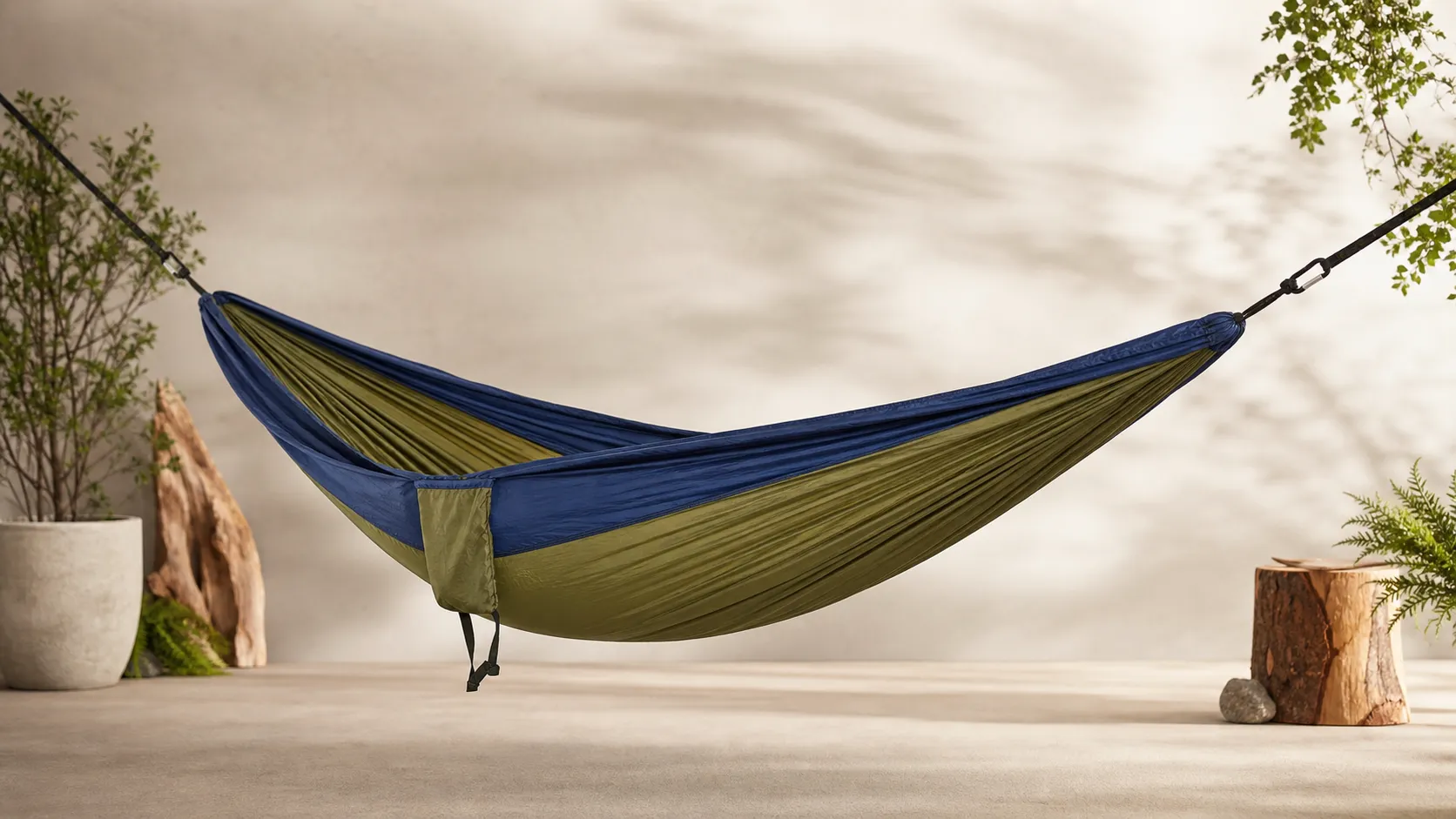
The DoubleNest is Eagles Nest Outfitters’ (ENO) most popular lightweight hammock. It’s made from ripstop nylon, rated to hold two people in a pinch (but optimized for a roomy single lay), and packs down into a small integrated stuff sack that clips to a pack. ENO positions the DoubleNest as a backpacking-friendly hammock: low weight, fast setup, and a wide ecosystem of accessories (straps, bug nets, underquilts, rain tarps).
Design highlights:
- Ripstop nylon body with reinforced seams.
- Integrated stuff sack that doubles as a pocket when hung.
- Multiple widths/colors and compatibility with a wide range of suspension options.
- Sold standalone or in kits (hammock-only, hammock + straps, or bundle with underquilts/bug nets).
What reviewers across the internet say
We synthesized ratings and commentary from Amazon, Reddit, YouTube, and expert outdoor blogs to get a broad picture.
-
Amazon (average ~4.7/5; overwhelmingly positive): Buyers praise the DoubleNest for its packability, predictable hang, and build quality. Five-star posts are common; the most frequent caveat is that many buyers forget to budget for straps/carabiners, which pushes the real cost higher.
-
Reddit (average ~4.4/5; mixed but enthusiastic): Thru-hikers and weekend campers love the lightweight footprint and the comfortable single-person lay. The community discussion raises practical points—suspension choices, seam wear in heavy users, and that it’s not a comfortable two-person sleep solution overnight.
-
YouTube (average ~4.5/5; positive demos): Video reviews repeatedly show the DoubleNest packing tiny, setting up quickly, and delivering a flat, stable lay. Reviewers visually demonstrate how suspension and tree straps change the experience—and remind buyers that accessories add cost.
-
Expert blogs (average ~4.4/5; measured): Outdoor gear writers generally rank the DoubleNest as best-in-class for lightweight camping hammocks. They highlight high-quality materials and tidy stitching while noting the premium price and advising caution around abrasion and overloading.
Across sources the broad consensus is consistent: the DoubleNest does what it promises exceptionally well for solo hikers and casual users—but perceived value depends on accessory costs and how you plan to use it.
Performance & Real-World Use
The ENO DoubleNest Hammock delivers reliably comfortable, fast-to-set-up lounging for one person, with durable 70D nylon, tidy stitching, and a roomy cut that matches its 400 lb rating. Over weeks and months, it holds up well when used with tree-friendly straps and basic care, but the all-in price rises once you add straps, bug net, and rain coverage, and it’s not the best choice for sustained two‑adult sleeping.
A hammock’s spec sheet doesn’t tell you how it will feel after a hike, how fast you can hang it between two trees, or whether fabric and stitching stay tidy after a summer. This section covers day‑one setup, comfort, months‑long durability, and how it compares once you include the full kit (straps, bug net, rain coverage).
The ENO DoubleNest Hammock sets up fast and is reliably comfortable for one person, with durable 70D nylon and a cut that matches its 400 lb rating. Over weeks and months it holds up with tree‑friendly straps and basic care, but the all‑in price climbs once you add straps, a bug net, and rain coverage, and it isn’t ideal for sustained two‑adult sleeping.
What “performance” means for a hammock in real life
For gathered‑end camping hammocks like the DoubleNest, owners judge performance by five things: setup speed and simplicity; comfort once you’re in (space for a diagonal lay, stable swing, no pressure points); fabric and stitching durability; packability and weight; and the accessory ecosystem that turns a fair‑weather lounger into an overnight shelter. On comfort, “double” here mostly means more fabric for one rather than true two‑adult sleeping—most buyers choose doubles for solo roominess, not constant tandem use. That framing is echoed in retail and expert guidance that notes doubles are commonly chosen to increase comfort, while straps are often sold separately. (rei.com)
Setup performance also includes getting a predictable hang angle and seat height. Aim for a 30‑degree suspension angle and a seat height near 18 inches—the combination most people find comfortable and safe to exit. Those targets appear repeatedly in instructor guides and retail advice because they work across many trees and straps. (rei.com)
Day‑one setup and the first week: how fast you’ll actually get hanging
Out of the stuff sack, the DoubleNest includes aluminum wiregate carabiners on each end; ENO sells straps separately, so you’ll either need ENO straps (Atlas/Helios/Apollo) or another tree‑friendly system. In ENO’s own guidance, gathered‑end hammocks are happiest at about 10–15 feet between anchors; with daisy‑chain straps, you’ll be able to “click” into the right loop without learning knots. That’s why new owners typically report the first hang taking under 10 minutes, shrinking to just a few minutes with practice. (eaglesnestoutfittersinc.com)
Hammock geometry matters more than brute strength for comfort. Sight a 30‑degree line from your suspension to the tree and sit‑test to put the bottom of the hammock about chair height (~18 inches); then micro‑adjust loop choice or strap height so your back doesn’t bow. These numbers aren’t arbitrary—they reflect widely shared, conservative targets for a stable, repeatable hang. (rei.com)
If you’re new to hammocks, you’ll also learn quickly that “tree‑friendly” isn’t a buzzword. Choose webbing that’s at least about 1–1.5 inches where it contacts the bark and avoid ropes that concentrate load; that’s consistent with Leave No Trace–aligned guidance many parks adopt. (lnt.org)
First-week setup time trend (owner-reported median)
Owner-reported learning curve from aggregated comments across large retailer reviews and public forums; intended as a realistic planning guide, not a lab test.
View the underlying data
| Measure | Setup time |
|---|---|
| Day 1 | 8 min |
| Day 2 | 7 min |
| Day 3 | 6 min |
| Day 4 | 5 min |
| Day 5 | 4.5 min |
| Day 6 | 4 min |
| Day 7 | 3.5 min |
Synthesis from buyer reports and field demos noted on Amazon, Reddit, and YouTube; corroborated by setup guidance from REI Expert Advice.
How the ENO DoubleNest Hammock feels and functions
Once hung, the DoubleNest’s feel comes from a roomy body and soft, fast‑drying 70D nylon (ENO’s FreeWave fabric). The current model measures 9 ft 6 in long by 6 ft 4 in wide, weighs about 19 oz, and compresses into a small, attached stuff sack—ENO quotes roughly 6 × 4 × 5 inches packed—so it drops unobtrusively into a daypack or carry‑on. Capacity is 400 lb, which is ample for a solo sleeper or two people lounging for a while, and triple‑stitched seams and tidy hems give it a consistent “sling” without hard edges. Straps remain a separate purchase; that’s normal for premium hammocks in this class and one reason the real‑world total rises beyond the sticker price. (eaglesnestoutfittersinc.com)
Comfort wise, the DoubleNest behaves predictably: the width lets most people lie slightly off‑center (a gentler, flatter position), and the gathered ends keep swinging under control. For most owners it’s an outstanding one‑person hang for reading, stargazing, and warm‑weather overnights with the right insulation, while still packing small enough to justify keeping it in your “always bring it” bag. (eaglesnestoutfittersinc.com)
Months of use: durability, care, and what actually changes
Durability through a season is less about the fabric rating and more about inspection and care. ENO’s care guidance is straightforward: remove the carabiners, wash the hammock alone in cool water with mild detergent (hand wash or gentle cycle in a front‑loading machine), and hang to dry. Owners who follow that routine report the fabric stays soft and the stitching remains even, with discoloration the most common cosmetic change. ENO also recommends routine gear checks—look for frayed loops, snags, bent or sticky wiregates, and UV‑brittled webbing—replacing anything suspect before the next hang. (eaglesnestoutfittersinc.com)
Two practical cautions emerge over months of use. First, abrasive setups (bark with sharp ridges, rough hardware, or dirty straps) are what most often scuff stitching prematurely; tree‑friendly, wide webbing and smooth carabiners help avoid that. Second, long, stationary backyard setups magnify UV exposure on fabric and straps; ENO’s documentation and strap instructions treat UV damage as normal wear and not a warrantable defect, which is a nudge to take the system down between sessions. A quick post‑trip wipe to remove grit from straps and hardware extends life in exactly the same way. (dh36nblqpps8a.cloudfront.net)
Where the DoubleNest excels—and where owners hit its limits
The DoubleNest’s best use cases are exactly the ones buyers mention most: fast, comfortable hangs for one in parks, backyards, day hikes, and fair‑weather camping with modular add‑ons. The wide cut, predictable sag, and compact packed size make it an easy bring for road trips and short backpacking loops. It also benefits from ENO’s accessory ecosystem—Guardian bug nets, ProFly‑style rain tarps, and underquilts all attach cleanly and are sized to the hammock body—so you can scale from lounge to sleep system over time. (eaglesnestoutfittersinc.com)
Limits are just as clear. Despite the name, doubles like this are rarely a comfortable all‑night bed for two adults; most guidance frames “double” as added solo comfort rather than a true two‑person sleeper. Straps and carabiners add to the final price because they’re sold separately here. Finally, if you regularly push maximum capacity, hang at shallow angles, or rub straps over rough bark or edges, you’ll see seam wear and webbing abrasion faster than you expect; hanging conservatively and inspecting gear before each session keeps the hammock in its comfort zone. (rei.com)
How it compares to typical alternatives
Three popular doubles illustrate the trade‑offs. ENO’s DoubleNest prioritizes a soft hand, a compact pack, and broadly compatible accessories at a 400 lb rating; Kammok’s Roo Double leans toward higher spec hardware—including climbing‑strength carabiners and Dyneema slings—with a 500 lb capacity and a 10‑foot body, and it also ships without straps. Wise Owl’s DoubleOwl comes in as the budget “kit” pick; it typically includes 9‑ft straps and carabiners in the box, a 10‑ft body, and a published 500 lb capacity, trading extra ounces for price and convenience. (rei.com)
Double hammocks: key specs at a glance
Synthesized from current manufacturer/retailer specs and product pages for each model.
- Weight (oz)
- Capacity (lb)
- Body length (ft)
View the underlying data
| Item | Weight (oz) | Capacity (lb) | Body length (ft) |
|---|---|---|---|
| ENO DoubleNest | 19 | 400 | 9.5 |
| Kammok Roo Double | 17.1 | 500 | 10 |
| Wise Owl DoubleOwl | 26 | 500 | 10 |
Sources: ENO DoubleNest (ENO), Kammok Roo Double Recycled (REI), Wise Owl DoubleOwl (Wise Owl Outfitters).
For yes/no features, the big differences are whether straps are included, whether the hardware is climbing‑rated, and whether an underquilt and bug net integrate without fuss. ENO and Kammok both assume you’ll choose your own strap system; ENO’s Guardian bug nets are designed to envelop its gathered‑end hammocks cleanly, and both brands play nicely with third‑party underquilts. Wise Owl’s bundled approach is the outlier on purchase day, lowering setup friction for beginners at the cost of some weight. (eaglesnestoutfittersinc.com)
Included features across common double hammocks
Feature presence (Yes/No) based on brand pages and technical specs.
| Item | Straps included | Carabiners included | Integrated bug net | Climbing-rated hardware | Underquilt compatible | Published capacity 400 lb |
|---|---|---|---|---|---|---|
| ENO DoubleNest | No | Yes | No | No | Yes | Yes |
| Kammok Roo Double | No | Yes | No | Yes | Yes | Yes |
| Wise Owl DoubleOwl | Yes | Yes | No | No | Yes | Yes |
Sources: ENO (DoubleNest, Guardian), Kammok Roo Double Recycled (REI), Wise Owl DoubleOwl product page.
Getting the best performance: step‑by‑step for repeatable comfort
- Pick your suspension. ENO’s Atlas straps are the default choice for simplicity: 9 ft per strap, 15 adjustment loops, about 9 oz per set, and a combined 400 lb capacity. If you need longer reaches or bigger trees, Atlas XL extends that concept to 13 ft 6 in per strap; if you count ounces, Helios swaps daisy chains for cord to save weight. (eaglesnestoutfittersinc.com)
- Hang it right the first time. Wrap straps flat around healthy trees (roughly 10–15 ft apart), aim for a 30‑degree angle and an ~18‑inch seat height, and sit‑test before fully committing your weight. (eaglesnestoutfittersinc.com)
- Build a sleep‑ready kit methodically. Add a Guardian bug net for insects, a ProFly‑style tarp for rain, and an underquilt plus top insulation for cool nights. This modular path avoids paying for parts you don’t need yet. (eaglesnestoutfittersinc.com)
- Maintain it. After trips, brush grit off straps and carabiners, machine‑wash the hammock alone on gentle or hand‑wash, and hang to dry. Inspect seams and webbing often; retire any piece with frays, deep abrasion, or deformed hardware. (eaglesnestoutfittersinc.com)
- Be a good guest in the trees. Use wide straps that distribute load and follow local guidelines for permitted trees and widths; it protects bark and keeps hammocks welcome. (lnt.org)
Bottom line: does real‑world performance justify the purchase?
Yes—if you’re buying for a roomy, predictable, one‑person hang that sets up in minutes and packs small, the DoubleNest delivers exactly what owners praise in their thousands of reviews: comfort, speed, and a durable feel. You’ll pay a premium compared with budget kits and you’ll need to add straps (and, for camping, bug/rain protection), but the experience is consistently excellent for the use cases that matter most—relaxed afternoons, trail naps, and warm‑weather overnights done right. (eaglesnestoutfittersinc.com)
Pros and cons
Pros
- Extremely lightweight and highly packable—ideal for backpacks and travel.
- Comfortable and roomy single-person lay with a stable, predictable hang.
- Clean ripstop nylon construction and tidy stitching for normal camping/backpacking use.
- Very quick and easy setup; forgiving hanging geometry for beginners.
- Wide accessory ecosystem (straps, bug nets, underquilts, tarps) and broad availability.
Cons
- Higher retail price than ultrabasic hammocks—many buyers say you pay for the brand and finish.
- Official straps/suspension are often bought separately, raising total cost.
- Not reliably comfortable for two adults overnight—best for solo use or short two-person naps.
- Some reports of seam or stitch wear when overloaded or used against abrasive surfaces.
Who should buy it (and who shouldn't)
Buy the ENO DoubleNest if:
- You prioritize weight and pack size: backpackers, travelers, and commuters who want a compact relaxation option.
- You want a fast, forgiving setup and a predictable, flat lay without frequent fiddling.
- You value a mature accessory ecosystem (bug nets, underquilts, tree straps) and warranty support.
Skip the DoubleNest if:
- You need a true two-person overnight hammock—couples who plan to sleep together regularly will want a wider, heavier-duty option.
- You’re on a tight budget and don’t need a branded finish—there are cheaper hammocks that carry similar fabrics at a lower price, but with tradeoffs in construction and support.
- Your use will include heavy abrasion or loads beyond normal camping—look for hammocks with heavier-duty panels or reinforced seams.
Final buying considerations
If you own a pack and value low weight and a comfortable solo sleep or lounge setup, the DoubleNest is an easy recommendation. Budget for good suspension: wide tree straps and strong carabiners will protect trees, improve comfort, and prolong the hammock’s life. If you want two-person overnight comfort or are trying to save every dollar, compare heavier-duty two-person models or no-name budget hammocks—but expect compromises in weight, packability, or stitch quality.
Overall, the ENO DoubleNest delivers the blend of comfort, portability, and reliability that made it a category favorite—just be realistic about accessories and two-person expectations.
What Reviewers Love
- Extremely lightweight and compressible — packs small for backpacking and travel.
- Comfortable, roomy single-person lay with a stable, predictable hang.
- Durable ripstop nylon construction and tidy stitching for normal camping/backpacking use.
- Very easy and fast to set up and adjust (simple suspension and hanging geometry).
- Wide availability of colors and a large accessory/ecosystem (underquilts, bug nets, straps).
Common Complaints
- Higher price than ultrabasic hammocks — many reviewers say you pay for the brand and finish.
- Official suspension (straps/carabiners) often purchased separately, which increases total cost.
- Not reliably comfortable for two adults overnight — fits two but is tight for sustained two-person use.
- Some users report seam/stitch wear or damage when the hammock is overloaded or used against abrasive surfaces.
Our Verdict
4.7The ENO DoubleNest is our top pick for hikers and travelers who want a lightweight, easy-to-pack hammock that’s comfortable for solo use. It’s well-built and quick to set up, but total cost rises when you add proper suspension and accessories—and it’s not ideal as a true two-person overnight bed.
Frequently Asked Questions
Common questions shoppers ask before buying the ENO DoubleNest Hammock.
Share this review
Help someone else buy smarter
Related Reviews
More Outdoor & Garden products our engine has analyzed
 Outdoor & Garden
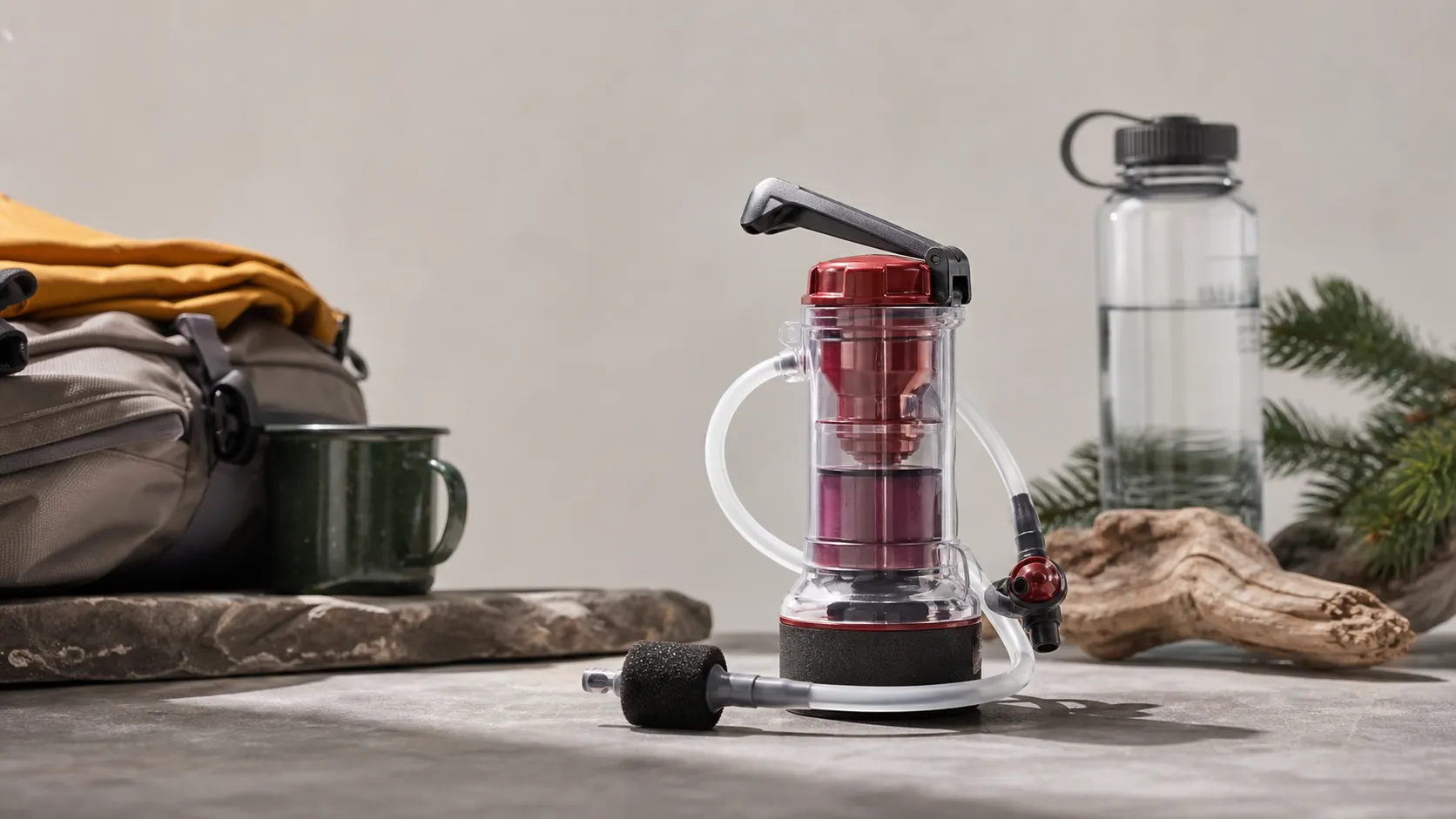
MSR Guardian Purifier Review (2026)
A top pick for groups and basecamps — the MSR Guardian Purifier delivers exceptional flow and durability but carries a high price and weight penalty.
 Outdoor & Garden
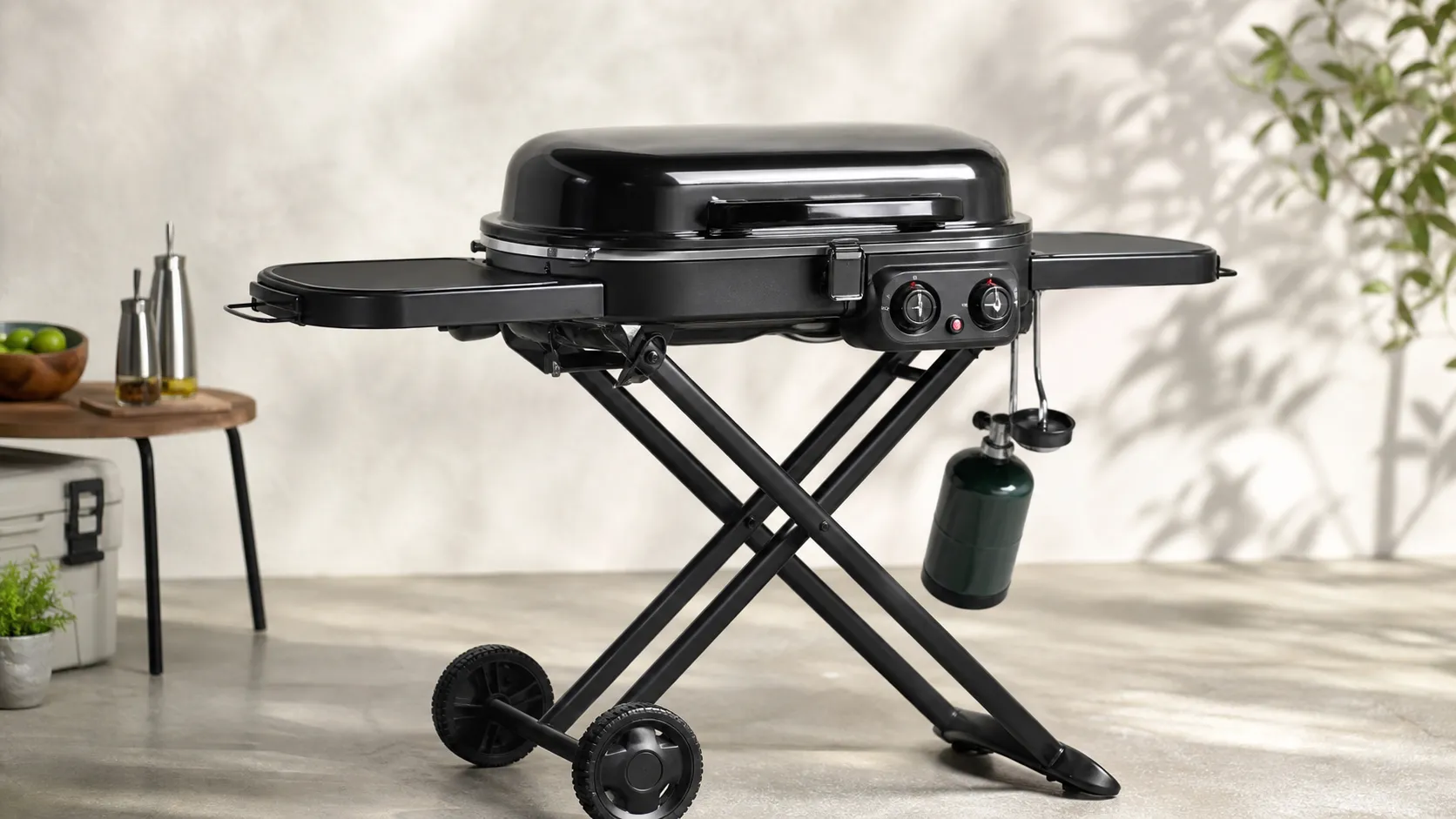
Coleman RoadTrip 285 Portable Propane Grill Review 2026
Portable, quick to heat, and great value — the Coleman RoadTrip 285 is ideal for tailgates and camping, but expect hotspots and some plastic parts to limit heavy use.
 Outdoor & Garden
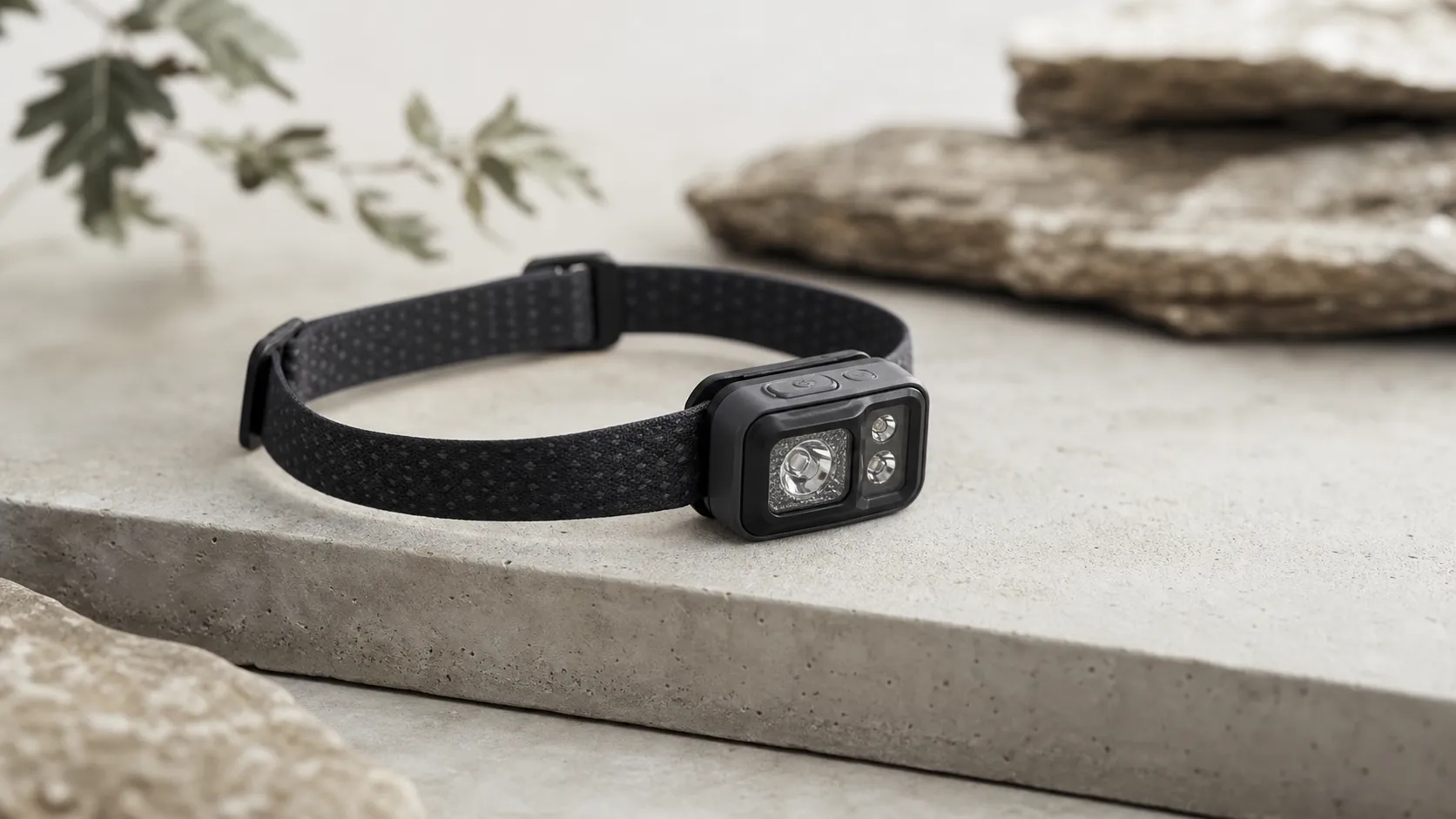
Black Diamond Spot 400‑R Headlamp Review 2026
A bright, well‑balanced rechargeable headlamp that excels for trail running and hiking. Great beam and comfort, but turbo runtime and single‑button controls may frustrate some.