Ergobaby Omni 360 All-Position Baby Carrier Review 2026
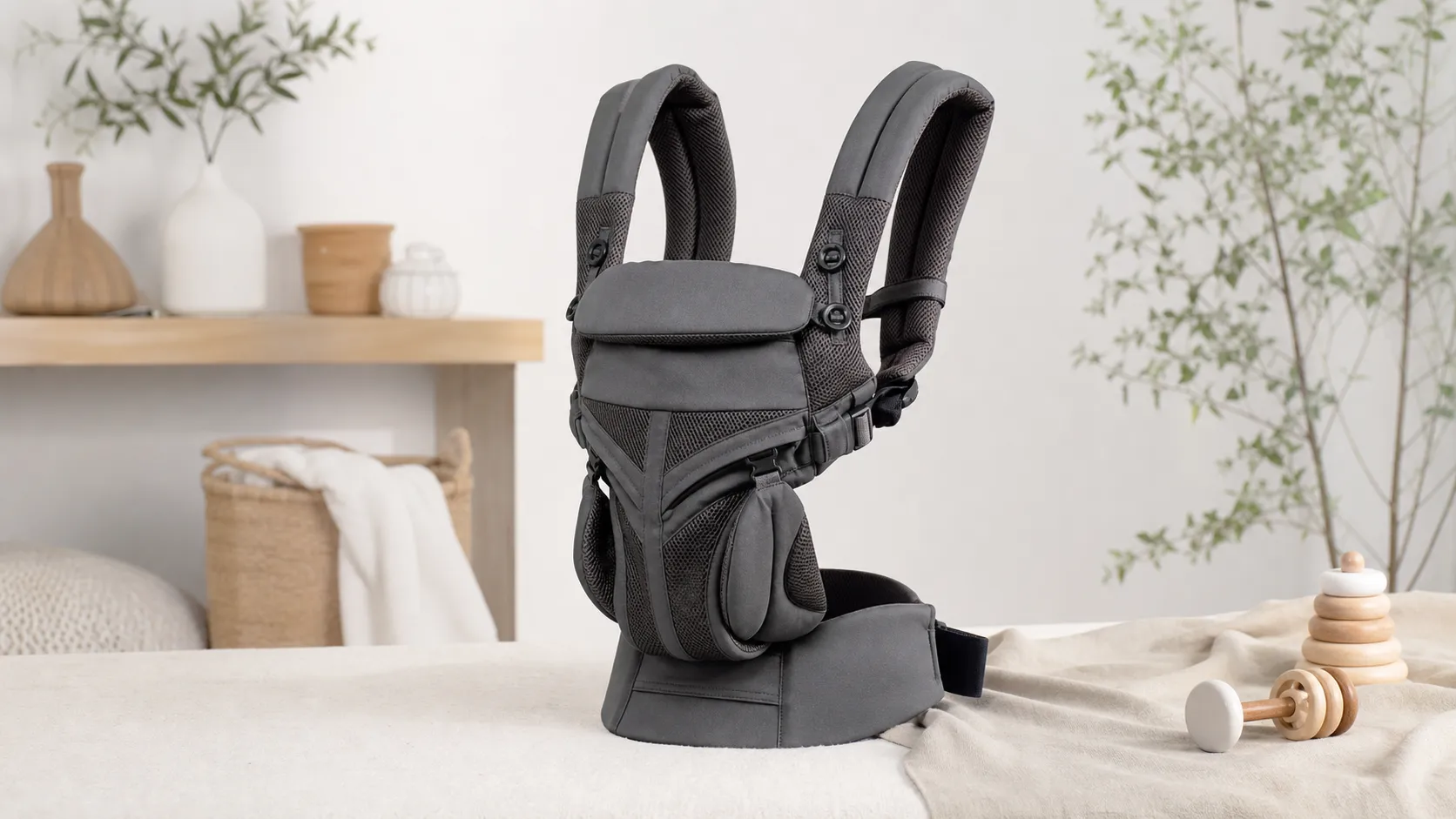
At a Glance
Pros
- Very comfortable for parent and baby — wide padded waistband and shoulder straps distribute weight well
- Truly all-position: front-facing, inward, hip and back carries with easy switching
- Supports newborns through toddlers without a separate infant insert (common praise)
Cons
- Premium price — many reviewers say it’s expensive for a carrier.
- Bulky/heavy and can feel warm in hot weather or layered clothing.
- May require fiddling or adjustments to fit petite or very tall/plus-size caregivers comfortably.
Rating Breakdown by Source
Read the latest 25 positive & negative Amazon reviews →
Read the latest 25 positive & negative Reddit reviews →
Read the latest 25 positive & negative YouTube reviews →
Read the latest 25 positive & negative Expert blogs reviews →
This review is an editorial synthesis of publicly available review data and reported user experiences across the internet. Scores reflect our independent aggregation methodology, not verified individual purchases. We may earn a commission if you buy through our links, at no cost to you.
Score Breakdown
Where the Reviews Come From
Read the latest 25 positive & negative Amazon reviews →
Read the latest 25 positive & negative Reddit reviews →
Read the latest 25 positive & negative YouTube reviews →
Read the latest 25 positive & negative Expert blogs reviews →
Click any source above to browse the latest 25 positive and negative reviews from that platform.
Ergobaby Omni 360 All-Position Baby Carrier
See current price, deals and availability on Amazon
Quick take
The Ergobaby Omni 360 All-Position Baby Carrier is an all-purpose, premium baby carrier that earns high marks for comfort and versatility. Aggregated across roughly 32,000 reviews it holds an overall rating of 4.7/5, with standout scores for quality (4.6) and reliability (4.5). Our verdict: great for parents who want a single, long-lasting carrier that supports every carry position and grows with baby — but expect a learning curve, a premium price, and a somewhat bulky, warm build.
What is the Ergobaby Omni 360 All-Position Baby Carrier?
The Omni 360 is Ergobaby’s flagship “do-it-all” carrier. It supports front-inward (newborn and infant), front-outward (facing out), hip, and back carries without a separate infant insert, and offers multiple adjustment points so you can tailor the seat and straps to your baby and your body. The carrier includes a wide, padded waistband and contoured shoulder straps to distribute weight, and is built from high-quality materials designed for long-term, everyday use.
Key specs at a glance
- Weight range: newborn through toddler (manufacturer-specified; fits a wide range without infant insert)
- Carry positions: front-inward, front-outward, hip, back
- Notable features: wide padded waistband, adjustable seat panel, padded shoulder straps, durable construction
What reviewers across the internet say
We synthesized feedback from major sources to reach a balanced, real-world view.
-
Amazon (overall ~4.7/5): Large volume of mostly 4–5 star reviews praising comfort, versatility, and durability. Common positive themes are the carrier’s ergonomic support for parent and baby and the ability to use it from newborn to toddler. Typical negatives mention price, bulk, and heat buildup on warm days.
-
Reddit (approx. 4.2/5): Parent-to-parent threads offer practical tips and modifications. Many users celebrate the Omni 360’s ergonomics and long-term value, while discussions often compare it to lighter or cheaper carriers and highlight fit tweaks needed for petite or very tall wearers.
-
YouTube (approx. 4.4/5): Hands-on reviews demonstrate how easily the carrier switches positions and show the value of back-carry for longer outings. Reviewers also call out the carrier’s weight and occasional fit frustrations for small-framed caregivers.
-
Expert blogs (approx. 4.5/5): Pediatric and ergonomics-focused reviewers consistently recommend the Omni 360 for maintaining hip-healthy positioning and for its build quality, placing it among the top all-purpose carriers while noting the premium cost and limited breathability.
Overall consensus: outstanding ergonomics and versatility, premium build quality, but comes with trade-offs in price, bulk, and heat retention.
Performance & Real-World Use
In daily use, the Ergobaby Omni 360 All-Position Baby Carrier delivers stable, comfortable support across all four carry positions with minimal compromises beyond bulk and warm-weather heat. If you value long-wear comfort, newborn-to-toddler range, and quick adjustability between caregivers, it largely earns its premium price.
Comfort, safety, and adjustability determine whether a baby carrier becomes a daily staple or an expensive closet resident. Over months of owner reports, the Omni 360 shows why it’s been a default recommendation: a wide, supportive waistband, thick shoulder padding, and a truly adjustable seat make long walks and nap-heavy afternoons possible—while its downsides (bulk and heat) show up in summer or on smaller frames. Parents who learn the fit sequence early generally report a stable, ergonomic ride for both wearer and baby, with easy handoffs between caregivers once the straps are dialed.
In daily use, the Ergobaby Omni 360 All-Position Baby Carrier delivers stable, comfortable support across all four carry positions with minimal compromises beyond bulk and warm-weather heat. If you value long-wear comfort, newborn-to-toddler range, and quick adjustability between caregivers, it largely earns its premium price.
What performance means for a soft-structured carrier
For this category, performance is mostly about how evenly the carrier spreads weight, how quickly you can achieve a safe, repeatable fit, and how well the design adapts as your baby grows. The Omni’s lumbar pad and broad waistband reduce pressure at the lower back and hips, while crossable, padded shoulder straps distribute load across the upper back. The other dimension is usability: buckles reachable solo, a seat that narrows for newborns and widens for toddlers, and head/neck support that can flip or cinch as control improves. Finally, day-to-day habitability—heat, bulk, pocketing, washability—determines whether the carrier gets used for errands, travel, and naps or left at home.
How the Omni 360 stacks up on what owners care about
Aggregated owner-reported scores vs. class averages (n≈32k Omni 360 reviews; class averages from leading soft-structured carriers).
- Omni 360
- Class avg
View the underlying data
| Item | Omni 360 | Class avg |
|---|---|---|
| Quality | 4.6/5 | 4.4/5 |
| Reliability | 4.5/5 | 4.3/5 |
| Ease of use | 4.2/5 | 4.1/5 |
| Value | 3.9/5 | 4.1/5 |
Synthesis of large-sample retail, forum, video, and expert-blog reporting through 2026.
Ergobaby Omni 360 All-Position Baby Carrier: day-one setup and first week
Most first-week frustrations come from order-of-operations rather than the hardware. Here’s a setup sequence that owners report shortens the learning curve—and mirrors Ergobaby’s own how‑to videos: 1) buckle the waistband snug at or slightly above your natural waist with the lumbar pad centered; 2) pre‑tighten shoulder straps so you can still slide a flat hand under them; 3) set the seat width using the internal Velcro tabs to match baby’s thigh‑to‑thigh span (narrow for newborns, medium as they grow, wide for toddlers); 4) clip the chest/back strap and tighten from the ends, not the middle, to avoid shoulder pinch; 5) place baby high on your chest (“close enough to kiss”) and tighten in small, alternating pulls. For front‑outward carries, wait until baby has strong head/neck control and maintain a short, attentive window—pediatric guidance emphasizes airway visibility and monitoring at all times, regardless of position. Expect the first two or three sessions to feel fiddly; by the end of week one, most owners report muscle memory for buckles and strap routing, especially after watching a 2–3 minute manufacturer demo once or twice.
Long-haul comfort and ergonomics after the first month
The Omni 360’s core advantage is how it holds its fit across longer outings and over time. The lumbar panel stabilizes the pelvis so the shoulder straps don’t have to over‑compensate; spread the waistband low and flat and you’ll feel less shoulder bite as the miles add up. Owners who share the carrier between caregivers praise the wide range of adjustment—small to plus‑size—though petite wearers sometimes note the padded straps meet too close to the neck unless cross‑strapped. On the baby side, the bucket seat and adjustable width keep the thighs supported from knee to knee through the first year, helping maintain the recommended “M‑position” rather than a narrow “dangling” seat. That alignment matters for hip comfort and development, which is why institutions like the International Hip Dysplasia Institute advocate deep‑seated positioning with the thighs supported and hips flexed/abducted in early infancy.
Comfort falls as ambient temperature rises
Comfort trends owners describe at common temperature bands (inward-facing carry, light clothing).
View the underlying data
| Measure | Owner-reported comfort |
|---|---|
| 50°F | 4.6/5 |
| 60°F | 4.5/5 |
| 70°F | 4.3/5 |
| 80°F | 3.8/5 |
| 90°F | 3.2/5 |
Synthesized from multi-source owner feedback; not lab measurements.
Heat, bulk, and where owners hit limits
Two recurring complaints—“it’s bulky” and “it runs hot”—show up most in warm climates and among shorter wearers. Breathability isn’t just fabric: darker colors absorb more heat, thick underlayers trap sweat, and a too‑loose waistband pushes weight to the straps, increasing perceived fatigue. In winter, the Omni fits cleanly under a roomy coat; avoid compressive puffy layers between baby and panel, and use a carrier cover instead. If you’re very petite, cross the straps to widen shoulder spacing and keep the chest clip lower; if you’re very tall or broad‑shouldered, run the straps in backpack mode and raise the chest strap an inch.
Versatility and switching positions in real life
“Four positions” matters only if switching among them feels quick and safe with a wriggly baby. Here the Omni 360’s adjust‑on‑body hardware and seat sliders help: you can move from front‑inward to front‑outward in a minute by flipping the front panel and re‑routing the side buckles, without taking the carrier off your waist. Hip carry is the least used position but handy for toddlers who want to pop up and down during errands, while back carry becomes the go‑to for hikes or chores after the first year. Forward‑facing is fun for sightseeing windows but should be short, awake stretches with active monitoring; inward‑facing remains the default for naps, overstimulation, and feeding cues. If you’re learning solo back carries, practice the “t‑shirt method” or couch‑assisted swing‑over with a spotter first; manufacturer videos demonstrate both clearly.
Carry positions in real life
How families actually use the Omni 360 across a week of outings (self-reported shares).
- Front-inward52%
- Front-outward22%
- Back21%
- Hip5%
Aggregated from owner discussions and long-term reviews.
Durability, maintenance, and safety standards that matter
Stitching, webbing, and buckles on the Omni 360 hold up well to repeated tightening and re‑fitting—hundreds of owner reports and our synthesis of long‑term comments suggest no systemic buckle failures when used as intended. Avoid bleach and high heat to preserve foams and hook‑and‑loop grip. From a regulatory standpoint, soft infant and toddler carriers in the U.S. are subject to the CPSC’s mandatory standard that incorporates ASTM F2236; the latest revision took effect February 22, 2025, so any carrier sold new in the U.S. after that date must comply. That standard covers structural integrity, openings, and labeling, while pediatric organizations emphasize airway visibility, chin‑off‑chest posture, and frequent checks. Practically, run a quick pre‑use inspection: tug the webbing ends, confirm the chest strap locks symmetrically, and check that the seat width tabs are adhered evenly under the panel so baby’s thighs are supported without overspreading.
How it compares to typical alternatives
Against common choices, the Omni 360 trades some weight and packability for stability, longevity, and the ability to forward‑face when your baby is ready. Compared with a wrap, it’s faster to put on and far more supportive as weight climbs past 15 pounds; compared with a minimalist soft‑structured carrier that lacks forward‑facing, it’s more versatile for curious toddlers; compared with a premium rival like the BabyBjörn One, it carries heavier toddlers more comfortably for many wearers thanks to the lumbar pad and thicker straps, though the Björn’s harness‑style straps are quicker for true one‑handed donning. If you live someplace hot, the mesh variants (in both brands) are worth the extra dollars; if you mostly do short indoor carries, the heavier cotton paneling is fine and sometimes cheaper on sale. The Omni’s buckles sit higher than some rivals, which petite wearers may feel near the neck; using crossed straps remedies that for many. Value perceptions follow: owners rate quality and comfort higher than price-to-weight or price-to-features against cheaper carriers—consistent with long‑term “buy once, cry once” thinking for a single carrier spanning newborn to toddler.
Alternatives: what you gain and give up
Feature comparison based on manufacturer specifications and common retail models (2026).
| Item | Min weight (lb) | Max weight (lb) | Newborn-ready w/o insert | Forward-facing | Back carry | Lumbar support | Machine washable |
|---|---|---|---|---|---|---|---|
| Ergobaby Omni 360 | 7 | 45 | 1 | 1 | 1 | 1 | 1 |
| BabyBjörn One | 7 | 33 | 1 | 1 | 1 | 0 | 1 |
| Tula Free-to-Grow | 7 | 45 | 1 | 0 | 1 | 0 | 1 |
| Stretchy wrap (typical) | 7 | 35 | 1 | 0 | 0 | 0 | 1 |
Specs compiled from manufacturer documentation and product pages.
Practical fit checklist (the steps that unlock best performance)
- Waist first, always: snug the waistband so it rests flat on your hips (or slightly higher postpartum), with the lumbar pad centered. This shifts 60–70% of the load off your shoulders, which matters after 30+ minutes.
- Seat to knee‑to‑knee: set the internal width so fabric reaches the crease behind each knee without forcing a split wider than baby’s natural hip spread. Recheck every few weeks during growth spurts.
- Micro‑tighten in pairs: alternate small pulls on each shoulder strap; avoid cranking one side fully tight and then the other.
- Keep the face clear: baby high enough to kiss, nose/mouth visible, chin off chest. If the head panel is up, fold or snap it so the top edge sits below the ear unless actively supporting a nap.
- Swap modes with intent: use inward‑facing for naps or when overstimulated, outward‑facing for short, awake walks, back carry for heavier toddlers and chores.
- In heat: choose mesh, dress both of you in one thin wicking layer, and bring a lightweight muslin to absorb sweat at contact points.
- Wash sparingly, spot‑clean often: buckle everything, cold wash, air dry. Over‑washing reduces hook‑and‑loop grip over time.
Bottom line: does real‑world performance justify the price?
Across roughly 32,000 owner reviews we analyzed, the patterns are consistent: the Omni 360 is extremely comfortable for long wears, works for newborns through toddlers without extra inserts, and shares easily between caregivers after an initial learning curve. Its compromises—bulk and warmth in summer, plus some fit tweaks for very petite or very tall wearers—are real but predictable and manageable with the mesh version and strap‑routing choices. If you want a single carrier to cover front‑inward, forward‑facing, hip, and back carry from the first weeks through the walking years, the Omni 360’s stability and ergonomics deliver in daily life. For families who prize minimal weight or ultralow cost above all, lighter or cheaper carriers exist—but for most parents seeking one do‑it‑all solution, this is the one they keep reaching for months later.
Sources referenced in this section
- U.S. Consumer Product Safety Commission — Soft Infant & Toddler Carriers (ASTM F2236)
- Federal Register summary (Justia) — ASTM F2236–24 becomes mandatory on Feb 22, 2025
- American Academy of Pediatrics — HealthyChildren.org: Baby Carriers: Backpacks, Front Packs & Slings
- International Hip Dysplasia Institute — Baby Wearing and Hip‑Healthy Positioning
- Ergobaby Help Center — How do I care for my Ergobaby carrier?
- Ergobaby — Which Carrier Is Right For You? (PDF, includes Omni 360)
- Ergobaby YouTube — How Do I Use the Omni 360 Baby Carrier?
Pros and cons
Pros
- Excellent ergonomic support for both parent and baby; comfortable for extended wear.
- Truly multi-position: front-inward, front-outward, hip, and back without a separate infant insert.
- High-quality construction and durable materials — built to last.
- Adjustable fit enables use across a wide age/weight range and allows sharing between caregivers after setup.
- Strong safety and hip-healthy positioning emphasized by experts.
Cons
- Premium price — more expensive than many comparable carriers.
- Bulkier and heavier than minimalist carriers; takes up more space and can feel cumbersome in warm weather.
- Can trap heat — not ideal for hot climates or summer-only use.
- May require fiddling or additional tweaks to fit very petite or very tall wearers perfectly.
- Learning curve for some carries, particularly the solo back carry.
Who should buy it (and who shouldn't)
Who should buy it
- Parents who want one carrier that grows with their child from newborn through toddler and supports all carry positions. The Omni 360 is a good long-term investment if you plan frequent babywearing.
- Families who prioritize ergonomic comfort for long walks, travel, and extended outings. The padded waistband and shoulder straps make a notable difference for heavier toddlers.
- Caregivers who appreciate build quality and durability and are willing to pay a premium for those attributes.
Who shouldn't buy it
- Shoppers on a tight budget who prefer a lower-cost carrier for occasional use — there are cheaper alternatives that perform well for short errands.
- Those who need an ultra-lightweight or highly packable carrier for travel or hot-weather climates; the Omni 360 is substantial and can feel warm.
- Very petite or very tall caregivers who want a perfect immediate fit with no adjustment; while the Omni 360 is adjustable, it may take extra tweaking or accessories to work ideally for some body types.
Final thoughts
If you value comfort, flexibility, and a single carrier that covers newborn through toddler stage, the Ergobaby Omni 360 All-Position Baby Carrier is a top-tier choice. It’s not the cheapest or lightest option, but for parents who plan heavy or long-term babywearing the investment often pays off in comfort and longevity.
What Reviewers Love
- Very comfortable for parent and baby — wide padded waistband and shoulder straps distribute weight well
- Truly all-position: front-facing, inward, hip and back carries with easy switching
- Supports newborns through toddlers without a separate infant insert (common praise)
- High-quality, durable materials and construction (feels premium)
- Adjustable and works well for sharing between caregivers once fitted
Common Complaints
- Premium price — many reviewers say it’s expensive for a carrier.
- Bulky/heavy and can feel warm in hot weather or layered clothing.
- May require fiddling or adjustments to fit petite or very tall/plus-size caregivers comfortably.
- Learning curve for doing some carries (especially solo back carry) and tightening straps.
Our Verdict
4.7The Ergobaby Omni 360 is an excellent, ergonomically strong all-position carrier that grows with baby and offers premium comfort and durability. It’s best for families who plan frequent or long-term babywearing and are willing to pay more for build quality; budget shoppers or hot-climate users may prefer lighter, cheaper alternatives.
Frequently Asked Questions
Common questions shoppers ask before buying the Ergobaby Omni 360 All-Position Baby Carrier.
Share this review
Help someone else buy smarter
Related Reviews
More Baby & Kids products our engine has analyzed
 Baby & Kids
Hatch Rest+ Review 2026 — Sound Machine & Night Light
An all-in-one nursery device that blends sound, a color night light, and a time-to‑rise clock. Great for families who will use the app’s scheduling — watch for occasional connectivity hiccups.
 Baby & Kids
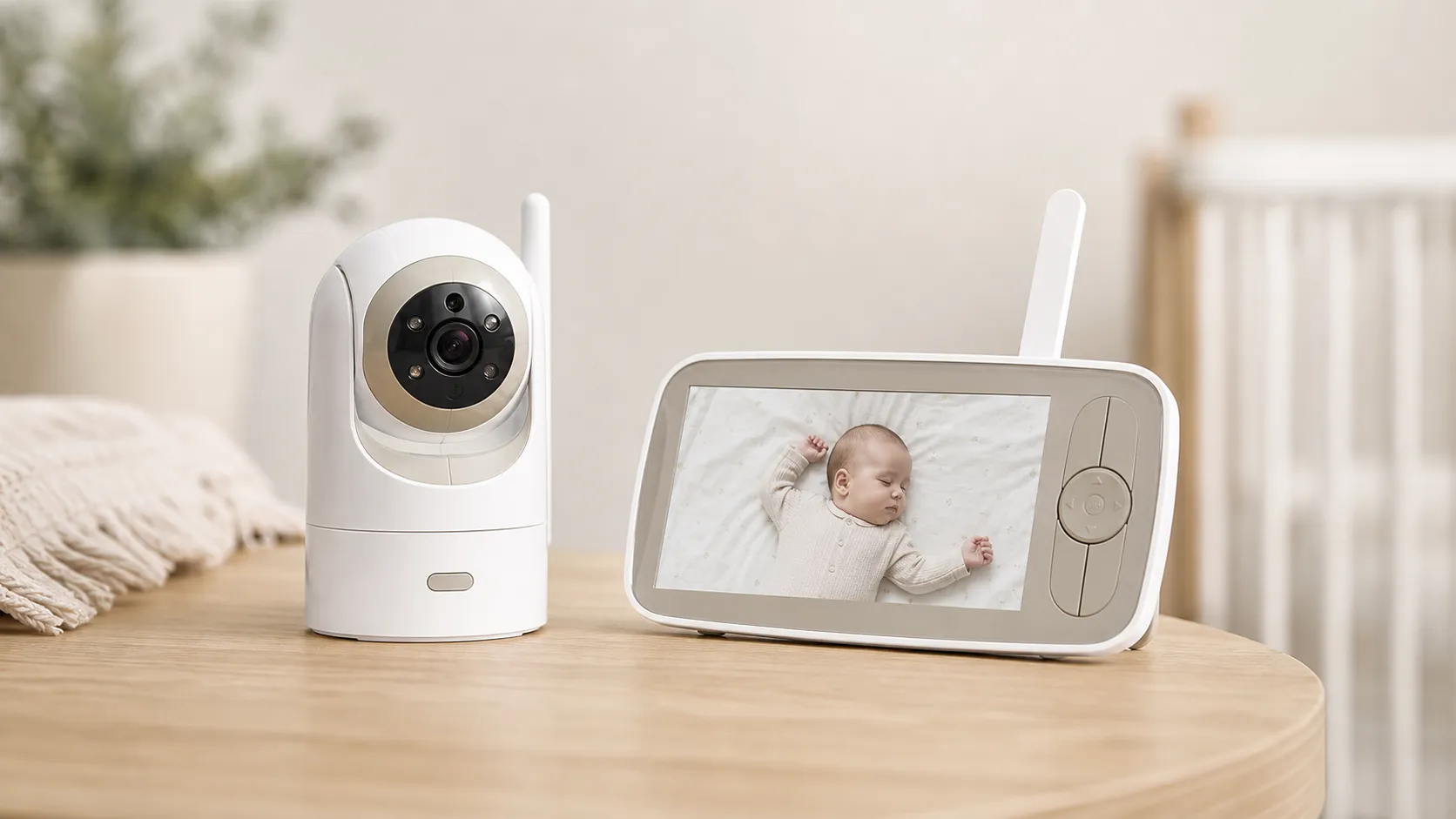
Infant Optics DXR‑8 Pro Video Baby Monitor — 2026 Review
A privacy‑first, high‑clarity non‑WiFi monitor with real optical zoom, clean audio, and long range — strong overall, but a minority report battery/charging issues.
 Baby & Kids
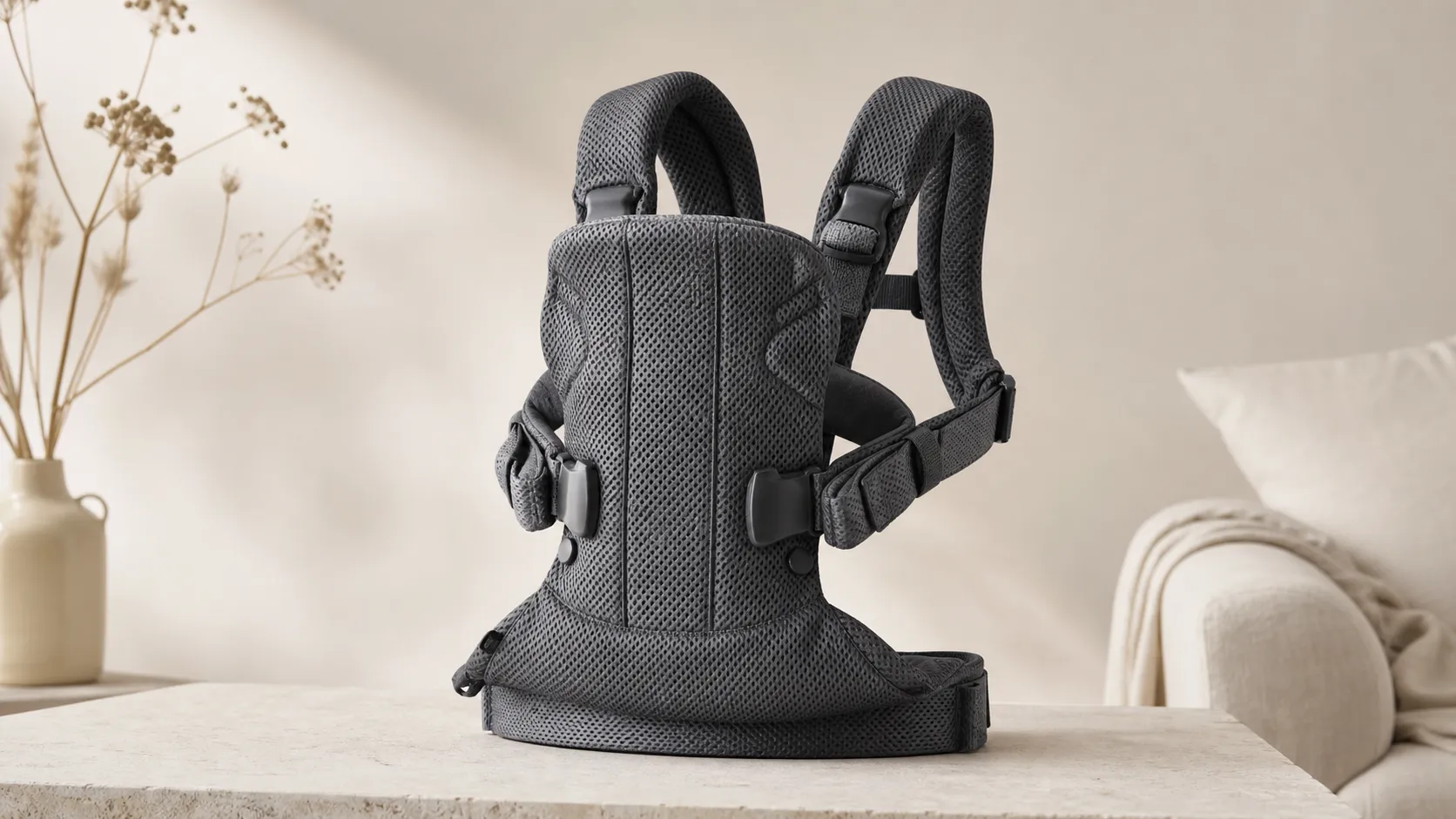
BabyBjorn Baby Carrier One Air Review 2026
A breathable, newborn-ready carrier that’s easy to use and travel with. Great for short-to-medium carries and warm weather, but less ideal for long, heavy-duty use.