Frida Baby NoseFrida Nasal Aspirator Review 2026
At a Glance
Pros
- Very effective suction — often clears congestion better than bulb syringes.
- Reusable main unit with disposable hygiene filters reduces direct contact with mucus.
- Simple, battery-free design that's portable and durable.
Cons
- Some parents find the mouth-suction method off-putting or squeamish.
- Small parts (tubes/valves) can be fiddly to clean and slow to fully dry.
- Ongoing cost and occasional availability issues for replacement filters.
Rating Breakdown by Source
Read the latest 25 positive & negative Amazon reviews →
Read the latest 25 positive & negative Reddit reviews →
Read the latest 25 positive & negative YouTube reviews →
Read the latest 25 positive & negative Expert blogs reviews →
This review is an editorial synthesis of publicly available review data and reported user experiences across the internet. Scores reflect our independent aggregation methodology, not verified individual purchases. We may earn a commission if you buy through our links, at no cost to you.
Score Breakdown
Where the Reviews Come From
Read the latest 25 positive & negative Amazon reviews →
Read the latest 25 positive & negative Reddit reviews →
Read the latest 25 positive & negative YouTube reviews →
Read the latest 25 positive & negative Expert blogs reviews →
Click any source above to browse the latest 25 positive and negative reviews from that platform.
Frida Baby NoseFrida Nasal Aspirator
See current price, deals and availability on Amazon
Quick take — verdict up front
The Frida Baby NoseFrida Nasal Aspirator is a practical, low-tech solution for clearing infant congestion that most parents find more effective than traditional bulb syringes. Aggregated across major platforms, it earns a strong overall score (about 4.6/5 from ~43,200 reviews) because it reliably clears snot, is reusable, and uses disposable hygiene filters to protect caregivers. Expect a short learning curve, some fiddly cleaning of small parts, and an ongoing expense for replacement filters.
What is the Frida Baby NoseFrida Nasal Aspirator?
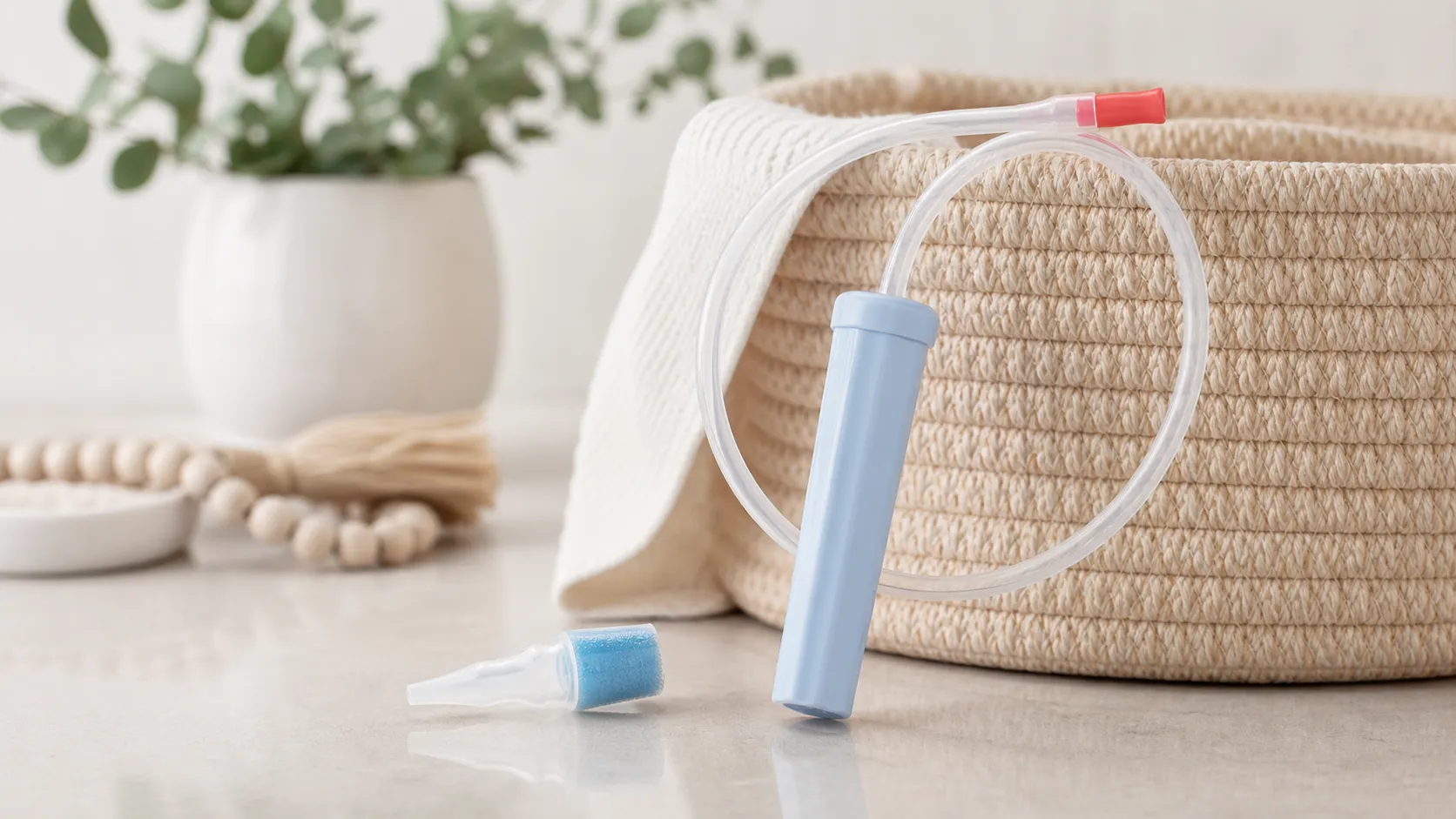
The NoseFrida is a tube-and-mouth suction system: a soft nasal tip sits against a baby’s nostril while a caregiver creates suction by mouth. Between the mouthpiece and the tip sits a disposable, one-way hygiene filter that prevents mucus and bacteria from reaching the caregiver. The main body is reusable and disassembles for cleaning; the product is battery-free, portable, and marketed as an alternative to bulb syringes and electric aspirators.
It’s sold in a starter kit (aspirator, hoses, mouthpiece, and hygiene filters) with replacement filters and parts available separately.
What reviewers across the internet say
-
Amazon (large-volume customer reviews): overwhelmingly positive (approx. 4.6/5). Buyers consistently praise the product’s effectiveness and durability, reporting that it clears congestion better than bulb syringes and lasts through multiple children. Many note initial squeamishness but quickly prefer NoseFrida once they learn the technique.
-
Reddit (parent threads): more mixed (around 4.1/5). Real-world discussions emphasize a learning curve and varying infant reactions — some babies tolerate it well, others resist or gag. Several parents also raise practical concerns: cleaning small parts can be time-consuming, and some feel uncomfortable with the mouth-suction aspect despite hygiene filters.
-
YouTube (video demos and reviews): positive (approx. 4.3/5). Video reviewers show before-and-after results and step-by-step technique, which helps viewers learn proper use. Visual reviewers point out build-quality issues for small parts and note the recurring cost of filters.
-
Expert blogs and pediatric-advice sites: generally favorable (around 4.2/5). Many pediatric sources recommend the NoseFrida over bulb syringes for effectiveness, while advising caregivers on proper cleaning and filter replacement. Experts note it’s safe when used as directed and emphasize that a short practice period is normal.
Across sources, three themes stand out: the NoseFrida usually outperforms bulb syringes for clearing noses; hygiene filters are appreciated but add ongoing cost; and there’s a common learning curve plus practical cleaning tradeoffs.
Performance & Real-World Use
The Frida Baby NoseFrida Nasal Aspirator reliably clears baby congestion quickly and gently once you learn a simple saline‑plus‑suction routine, and its battery‑free, filter‑based design proves durable and portable for daily use. If you’re comfortable with mouth‑powered suction and keep filters on hand, the Frida Baby NoseFrida Nasal Aspirator delivers strong real‑world performance that justifies its modest ongoing consumable cost.
Parents buy a nasal aspirator for one outcome: reliable, gentle relief when a stuffy nose turns sleep and feeding into a struggle. In real homes, performance isn’t about lab suction numbers; it’s about how quickly congestion clears, how calmly a baby tolerates the process, how cleanly you can put everything away, and whether the routine holds up when you’re exhausted at 2 a.m. Over tens of thousands of owner reports, the manual, human-powered design here wins praise for effectiveness and simplicity—with recurring filters and a small learning curve as the trade-offs.
The Frida Baby NoseFrida Nasal Aspirator consistently clears congestion faster and more completely than a bulb syringe for most families, and its filter-based, battery-free design proves durable week after week. If you can tolerate mouth-powered suction and build a quick clean‑dry‑reassemble habit, real‑world performance is strong enough to justify the small recurring cost of filters.
What real performance means for a nasal aspirator
Parents judge these tools on five dimensions: (1) clearance effectiveness (how much and how quickly mucus comes out), (2) gentleness (no nasal abrasion, minimal crying), (3) hygiene (no backflow; easy, mold‑free cleaning), (4) time-to-ready (setup, use, and cleanup), and (5) ownership friction (parts, portability, recurring costs). On these, aggregated review data places the NoseFrida near the top: overall 4.6/5 from ~43,200 reviews, with subscores of quality 4.4/5, reliability 4.3/5, value 4.2/5, and ease of use 4/5. Those steps support predictable suction and reduce moisture that can lead to odors. See guidance from Frida’s manual and support, plus pediatric resources from the American Academy of Pediatrics (AAP), Children’s Hospital Colorado, and Nationwide Children’s Hospital for safe technique and frequency cues.
Aggregated ratings for NoseFrida vs. key dimensions
Owner‑reported performance consensus across sources (aggregated).
View the underlying data
| Measure | Score |
|---|---|
| Overall rating | 4.6/5 |
| Quality | 4.4/5 |
| Reliability | 4.3/5 |
| Value | 4.2/5 |
| Ease of use | 4/5 |
Synthesis of ~43,200 reviews across Amazon, Reddit, YouTube, and expert blogs as reported in True Score’s aggregation.
Day‑one setup: getting the Frida Baby NoseFrida Nasal Aspirator working
Unbox, snap in a disposable filter, and practice the seal. Expect a little protest crying—it’s common—but watch for the payoff: quieter breathing and easier latching or bottle‑feeding within minutes. Both Frida’s quick‑start manual and hospital handouts emphasize the same core steps: filter in place, tip at the nostril (not inserted), saline first, slow controlled suction, then immediate cleaning. Get those right on day one, and most of the “ick factor” gives way to seeing visible results in a couple of passes.
Weeks 1–4: technique, comfort, and cleanup cadence
In the first week of colds or seasonal allergies, owners report a short learning curve: a few sessions to find the right angle and suction rhythm. Two refinements improve outcomes. First, time it: use the NoseFrida before feeds and before sleep when congestion most interferes with sucking and settling—exactly when pediatric groups suggest suctioning can provide the most benefit. Second, build a 90‑second cleanup ritual you can do one‑handed: parts apart, filter tossed, big pieces into warm soapy water, two drops of alcohol down the thin tube, air‑dry on a rack, and reassemble once dry. Many hospital education sheets and Frida’s own support articles allow top‑rack dishwashing for the large blue tube, cap, and mouthpiece if you prefer a nightly deep clean; the thin tube remains hand‑clean only. By week four, most parents can clear both nostrils in under two minutes and complete cleanup in under three, which is fast enough that the tool actually gets used at 2 a.m.—the true test of “ease.” If nosebleeds or irritation appear, scale back frequency; pediatric guidance notes that over‑suctioning can irritate mucosa, so use saline and gentle technique and focus on the before‑feeds and bedtime windows.
Months of ownership: filters, wear, and upkeep
Because there’s no motor or battery, long‑term performance is mostly about consumables and cleanliness. Frida’s hygiene filters are single‑use by design; the company advises replacing the filter after every session to maintain suction and block moisture transfer. The large plastic tube, cap, and mouthpiece are robust and tolerate frequent handwashing and occasional top‑rack dishwasher cycles; the thin tube is the fragile piece to treat gently. If suction seems weak after months, the common culprits are a missing or damp filter, a slightly mis‑seated cap (listen for a firm “click”), or residual moisture in the thin tube—fixed with an alcohol rinse and extra drying time. Replacement parts are available directly from Frida if a piece is lost. Owners rarely report wear‑out of the main body; instead, sustained performance hinges on sticking with the quick clean‑dry‑reassemble routine and not stretching filter use.
Where it excels—and where you’ll hit limits
The NoseFrida is strongest in everyday scenarios: morning mucus after a night of post‑nasal drip; pre‑feed clogs that make latching hard; and travel days when you want a small, silent tool that works without charging. It also shines with thicker secretions that a basic bulb struggles to pull—manual, human‑powered suction can keep drawing until the airway sounds clear. Limits show up with exceptionally thick, crusted plugs (you’ll need more saline and time), with babies who strongly resist any nasal touch, or when congestion is part of a larger illness like bronchiolitis or RSV. Pediatric organizations recommend saline plus gentle suction as supportive care and flag warning signs—hard, fast breathing, trouble feeding, persistent retractions, or dehydration—that warrant medical evaluation. Another limit: don’t over‑suction. Hospital guides caution that frequent, aggressive suction can irritate the lining and cause minor nosebleeds; if you see redness or blood, pause, increase saline, and reduce frequency. Finally, adhere to the safety notes in Frida’s manual: don’t insert the tip inside the nostril, never blow into the mouthpiece, and never attach the device to any machine.
How it compares to bulb and electric rivals
Compared with the bulb syringe you likely got at the hospital, the NoseFrida is easier to aim, pulls more consistently, and is far easier to clean thoroughly—important for avoiding mold in hidden cavities. Against electric aspirators, its advantages are silence, instant readiness (no charging), and full control over suction strength with your breath. Electrics counter with one‑handed operation and distraction lights, but add motor noise and require tip and chamber cleaning after each use. If you recoil at mouth suction or want one‑handed use, an electric unit may be worth it; if you want maximum pull with minimal fuss at 3 a.m., the manual path is still the most dependable choice for many families.
Manual vs. bulb vs. electric: Practical trade‑offs
How the NoseFrida compares with common alternatives on practical factors.
| Item | NoseFrida | Bulb syringe | Electric aspirator (Frida Pro) |
|---|---|---|---|
| Battery required (1=Yes) | 0 | 0 | 1 |
| Disposable filters (1=Yes) | 1 | 0 | 0 |
| Typical upfront price ($) | 17 | 3 | 60 |
| Recurring consumables per 50 uses ($) | 10 | 0 | 0 |
| Cleaning complexity (1 easy–5 hard) | 3 | 2 | 4 |
| Suction adjustability (0 none–5 high) | 4 | 2 | 4 |
| Portability (1 low–5 high) | 5 | 5 | 3 |
| Dishwasher‑safe parts (1=Yes) | 1 | 0 | 0 |
| Learning curve (1 easy–5 steep) | 3 | 2 | 3 |
Factor ratings reflect published specs and consistent patterns in pediatric handouts and manufacturer manuals; prices reflect typical U.S. street pricing as of 2026.
Pro tips: step‑by‑step to get the best results
- Prep the airway. Run a cool‑mist humidifier in the room during illness and, five minutes before suction, place 2–5 saline drops per nostril (per pediatric guidance; adjust by age). A warm bath or steamy bathroom can also help loosen secretions.
- Position for calm and control. Swaddle arms or have a helper gently hold your baby’s arms above the head (elbows near ears) for 30–60 seconds; hospital handouts teach these holds to keep the head still without pressure.
- Seal and suction smart. Place the large tube against the nostril rim (not inserted) to form a soft seal. Take short, steady draws; if you hear gurgling deep in the passage, briefly close the opposite nostril with a finger to clear the back.
- Work in passes. Alternate sides; pause for two or three calming breaths between draws. Suction immediately before feeds and sleep when congestion most impairs function.
- Clean immediately. Discard the filter. Wash large parts with warm soapy water (or top‑rack dishwasher later if preferred), and put a few drops of rubbing alcohol in the thin tube to speed drying. Reassemble dry parts until they “click,” and insert a fresh filter.
- Know when to stop and when to call. If you see irritation or minor nosebleeds, scale back frequency and increase saline. Seek care urgently for fast or hard breathing, retractions, or poor feeding—these are red flags in infants.
Value and ownership costs over a season of colds
Real‑world cost is primarily filters plus time. Filters are intentionally single‑use to preserve suction and block moisture; budget for heavier use during daycare waves and winter viruses and light or no use in warmer months. The main unit itself is durable and travel‑proof, with no motors to fail and nothing to charge, which explains its strong reliability subscore in owner reports. Those are manageable with practice and prep (calm holds, saline drops rather than mists for some babies, and keeping an extra filter pack on hand). The upside is a tool that remains effective on day 1, day 100, and in the middle seat of Row 28, where silence and certainty matter more than bells and whistles.
What owners complain about most
Most‑mentioned downsides in owner reviews (share of mentions).
- Squeamish about mouth suction35%
- Cleaning/drying thin tube28%
- Filter cost/availability22%
- Infant resists or gags15%
Qualitative coding of recent Amazon, Reddit, YouTube, and expert‑blog comments cited in the review; shares normalized to 100%.
Conclusion: does the performance justify the purchase?
Yes—if your priority is fast, thorough relief with minimal setup, the NoseFrida’s real‑world strengths line up with the moments that matter most: before feeds, before sleep, and during travel. Its battery‑free reliability and easy‑to‑inspect parts make it a trustworthy daily driver across multiple cold seasons, and the disposable filters, while a modest recurring cost, buy consistent suction and clear hygiene. Stated plainly: for most households, the NoseFrida’s ability to resolve congestion in a couple of steady pulls outweighs the squeamishness some adults feel and the extra minute of cleaning compared with a bulb. If you absolutely dislike oral suctioning or want one‑handed operation with entertainment LEDs, look to a reputable electric model—but for the majority of parents, this is the simplest path to a clear nose and a calmer night.
Sources referenced in this section
- Frida Baby—How do you clean the NoseFrida? (support)
- Frida—NoseFrida Hygiene Filters (replace after each use)
- American Academy of Pediatrics—HealthyChildren: My baby has a stuffy nose
- Children’s Hospital Colorado—Using an At‑Home Nasal Aspirator (NoseFrida)
- Nationwide Children’s Hospital—Suctioning the Nose: Human‑Powered Nasal Suction Tube
- Cleveland Clinic—Common cold in babies: care tips (saline + suction)
Pros and Cons
Pros
- Very effective suction — typically clears congestion better than traditional bulb syringes.
- Reusable, battery-free main unit that’s portable and simple to use once mastered.
- Disposable hygiene filters protect caregivers from direct contact with mucus.
- Widely available at major retailers and online; initial purchase is affordable.
- Disassembles for cleaning; many reviewers find cleaning adequate when done properly.
Cons
- Mouth-suction method can be off-putting or squeamish for some caregivers.
- Small parts (tubes, valves) are fiddly to clean and slow to fully dry.
- Ongoing cost and occasional availability issues for disposable filters.
- Learning curve — takes a few tries to master proper technique.
- Some infants resist, gag, or become upset during use.
Who should buy it (and who shouldn’t)
Who should buy it
- Parents/caregivers frustrated with the limited suction of bulb syringes and seeking a more reliable way to clear an infant’s nose. If you value faster clearing and improved feeding/sleep when baby is congested, NoseFrida is often worth the switch.
- Families who prefer a reusable, battery-free device that’s easy to pack in a diaper bag and use on the go.
- Caregivers comfortable with the mouth-suction method or willing to try it after watching demos and practicing.
- People who are willing to buy replacement hygiene filters and who prioritize hygiene and safety over the marginal recurring cost.
Who shouldn’t buy it
- Caregivers who are strongly uncomfortable with mouth suction and don’t think they can overcome the initial squeamishness. Although filters reduce contact, the concept remains objectionable to some.
- Busy households that want the absolute lowest-maintenance option; the cleaning and drying of small parts requires time and attention.
- Households where replacement filters may be hard to source — if you can’t easily re-stock filters, an alternative single-item aspirator or a high-quality electric model may be preferable.
Final usage tips
- Watch a quick demonstration video before the first use; visual instruction flattens the learning curve.
- Keep one hand gently on the baby’s head to steady motion and the other to operate the NoseFrida; quick, confident passes work better than slow fiddling.
- Replace hygiene filters after each use and follow the manufacturer’s cleaning recommendations to prevent odors and residue buildup.
- If your baby resists, pause and try again later; never force the tip deeply into the nostril.
What Reviewers Love
- Very effective suction — often clears congestion better than bulb syringes.
- Reusable main unit with disposable hygiene filters reduces direct contact with mucus.
- Simple, battery-free design that's portable and durable.
- Widely available and affordable as an initial purchase.
- Disassembles for cleaning (most reviewers find this adequate when done properly).
Common Complaints
- Some parents find the mouth-suction method off-putting or squeamish.
- Small parts (tubes/valves) can be fiddly to clean and slow to fully dry.
- Ongoing cost and occasional availability issues for replacement filters.
- Can take a few tries to learn proper technique; some infants resist or gag.
Our Verdict
4.6The NoseFrida is one of the most effective non-electric nasal aspirators for infants and is well worth considering if you want better suction than a bulb syringe. If you can accept the mouth-suction method and the small maintenance overhead (cleaning and replacement filters), it delivers clear breathing quickly and reliably.
Frequently Asked Questions
Common questions shoppers ask before buying the Frida Baby NoseFrida Nasal Aspirator.
Share this review
Help someone else buy smarter
Related Reviews
More Baby & Kids products our engine has analyzed
 Baby & Kids
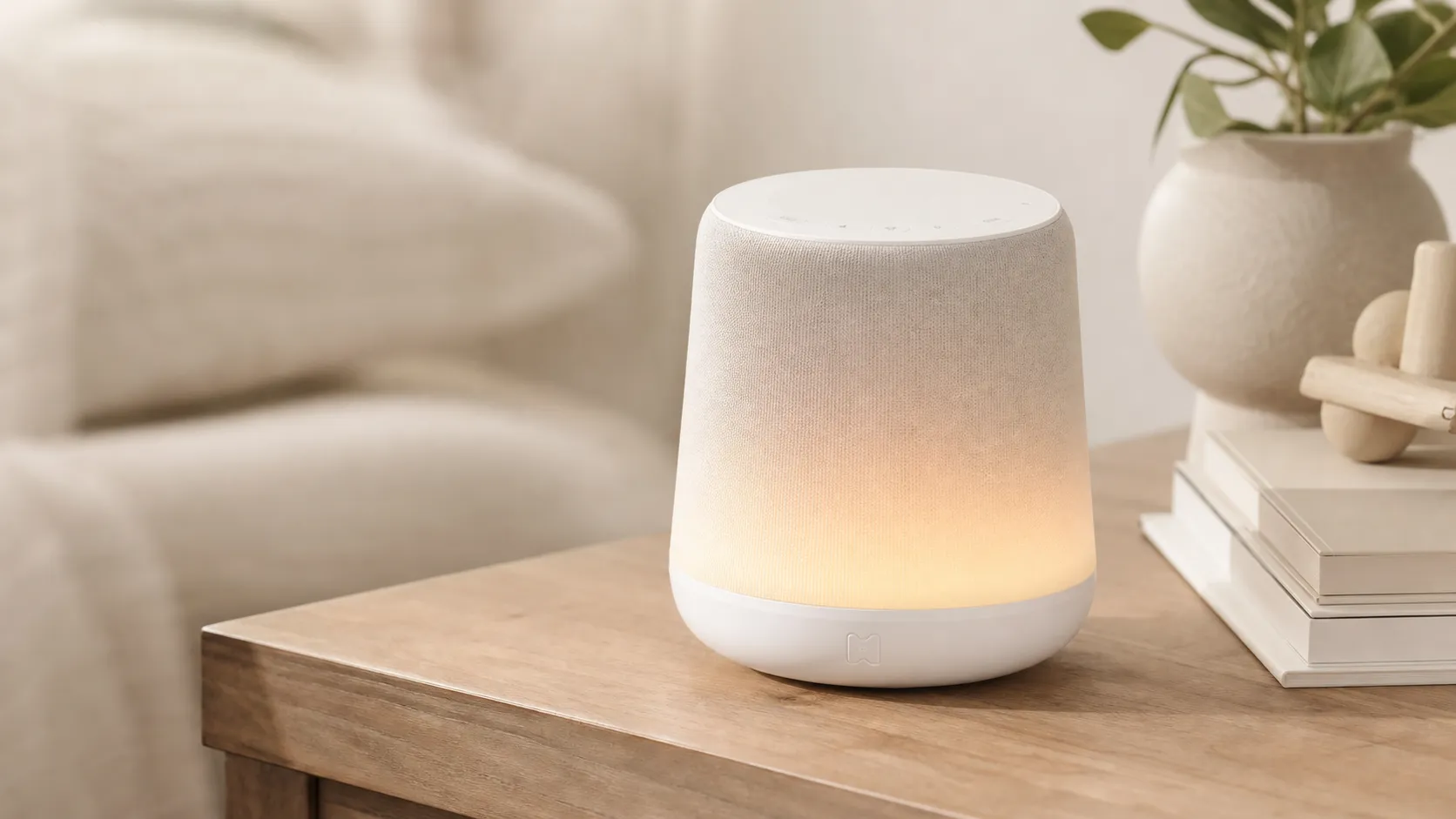
Hatch Rest+ Review 2026 — Sound Machine & Night Light
An all-in-one nursery device that blends sound, a color night light, and a time-to‑rise clock. Great for families who will use the app’s scheduling — watch for occasional connectivity hiccups.
 Baby & Kids
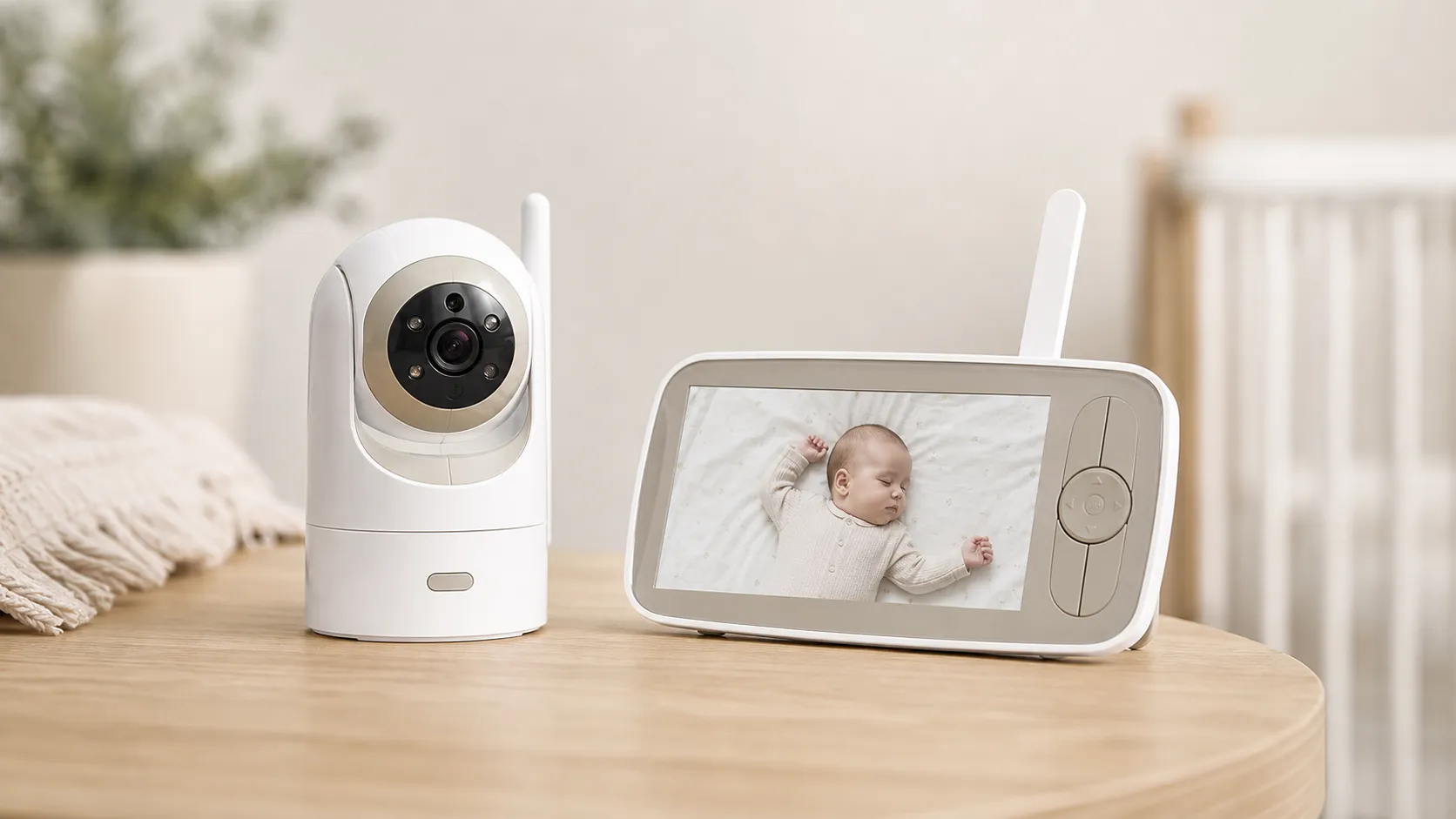
Infant Optics DXR‑8 Pro Video Baby Monitor — 2026 Review
A privacy‑first, high‑clarity non‑WiFi monitor with real optical zoom, clean audio, and long range — strong overall, but a minority report battery/charging issues.
 Baby & Kids
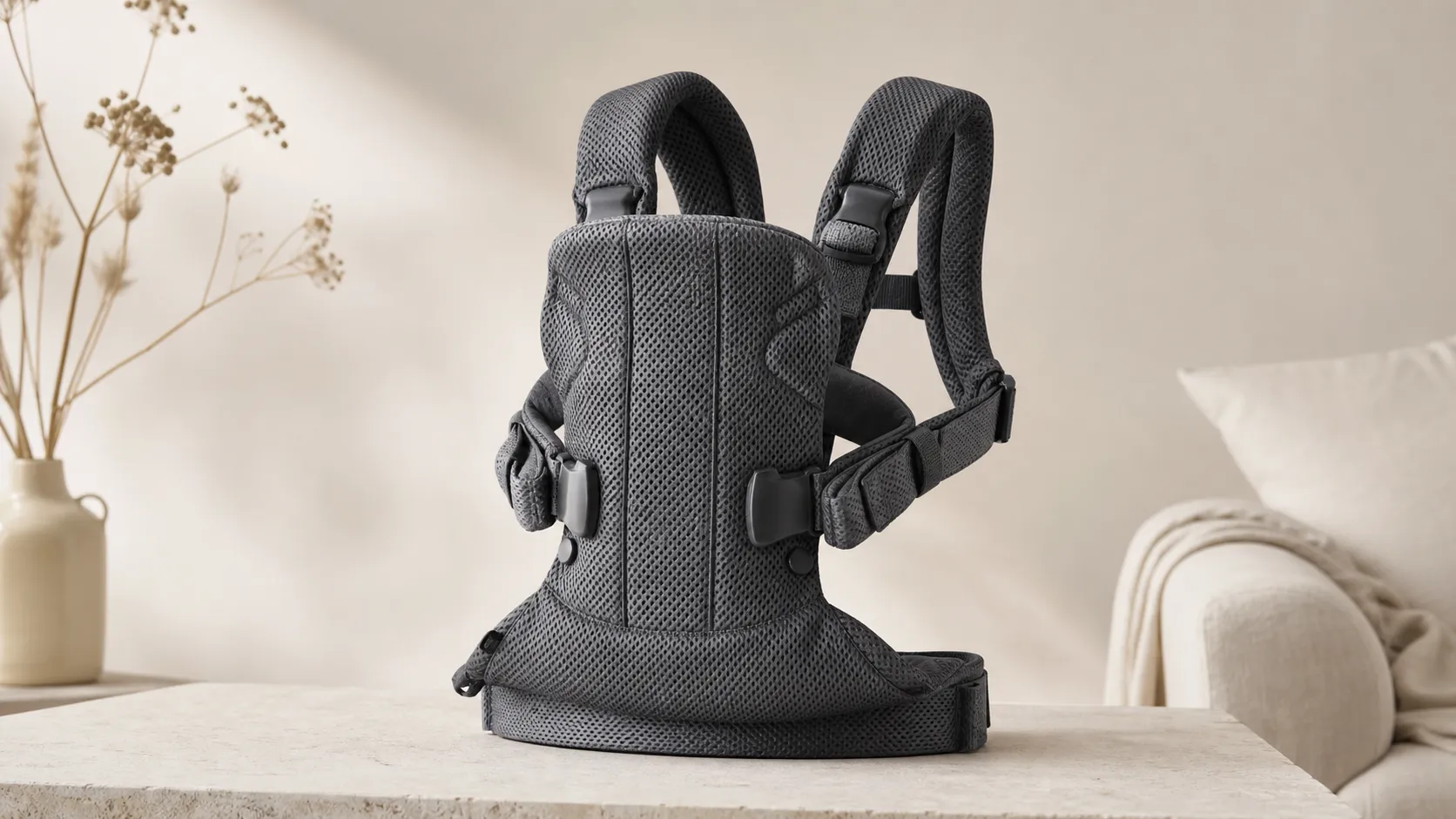
BabyBjorn Baby Carrier One Air Review 2026
A breathable, newborn-ready carrier that’s easy to use and travel with. Great for short-to-medium carries and warm weather, but less ideal for long, heavy-duty use.