FridaBaby NoseFrida The Snotsucker Review — 2026
At a Glance
Pros
- Very effective suction for clearing infant nasal passages — often gives immediate results
- Simple, battery-free design (no electronics) — reliable and portable
- Reusable device with low per-use cost when filters are used — generally good value
Cons
- Hygiene/'gross' factor — parents find the idea unpleasant and the tube requires thorough cleaning and ongoing replacement filters.
- Learning curve — technique matters (angle/suction) and some users report inconsistent results until they get used to it.
- Less effective on older toddlers or very thick, localized congestion compared with electric aspirators.
Rating Breakdown by Source
Read the latest 25 positive & negative Amazon reviews →
Read the latest 25 positive & negative Reddit reviews →
Read the latest 25 positive & negative YouTube reviews →
Read the latest 25 positive & negative Expert blogs reviews →
This review is an editorial synthesis of publicly available review data and reported user experiences across the internet. Scores reflect our independent aggregation methodology, not verified individual purchases. We may earn a commission if you buy through our links, at no cost to you.
Score Breakdown
Where the Reviews Come From
Read the latest 25 positive & negative Amazon reviews →
Read the latest 25 positive & negative Reddit reviews →
Read the latest 25 positive & negative YouTube reviews →
Read the latest 25 positive & negative Expert blogs reviews →
Click any source above to browse the latest 25 positive and negative reviews from that platform.
FridaBaby NoseFrida The Snotsucker
See current price, deals and availability on Amazon
Intro
If your baby has ever been stuffed up and miserable, you know how desperate parents become for anything that clears the nose fast. The FridaBaby NoseFrida — branded as “The Snotsucker” — is one of the most talked-about manual nasal aspirators on the market. Our aggregated verdict: it’s an effective, low-cost, travel-ready tool that clears infant nasal passages fast when used correctly, but it comes with a hygiene trade-off and a short learning curve. Overall aggregated score across major platforms: 4.6/5 (≈46,820 reviews).
What Is the FridaBaby NoseFrida The Snotsucker?
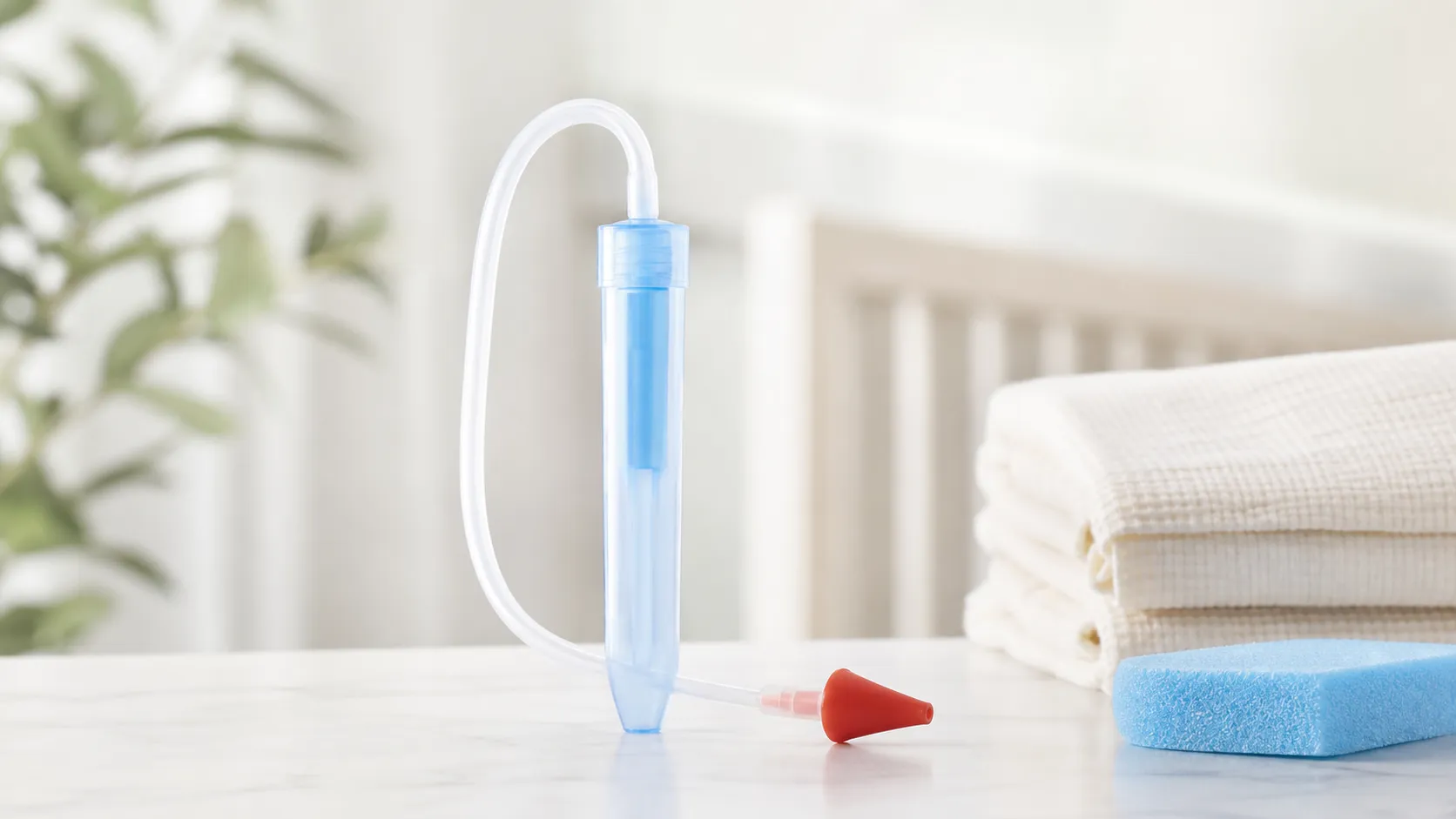
The NoseFrida is a simple, non-electric nasal aspirator that uses parent suction through a long plastic tube to create negative pressure and pull mucus from an infant’s nose into a collection chamber. It’s made of a mouthpiece, a long clear tube, a collection chamber, and replaceable hygienic filters that prevent mucus from reaching the parent. The system is reusable — only the disposable filters and occasional replacement parts need renewing — and it’s commonly sold with spare filters and cleaning brushes.
It’s marketed for newborns through toddlers and positioned as an alternative to traditional bulb aspirators and pricier electric nasal suctioners. Because it requires no batteries or electricity, it’s compact, portable, and works anywhere — a big reason parents keep it in diaper bags.
What Reviewers Across the Internet Say
We synthesized ratings and themes from Amazon, Reddit, YouTube, and parenting/expert blogs to form a consensus view.
- Aggregate score: 4.6/5 from ~46,820 reviews. Sub-scores: quality 4.5, reliability 4.3, value 4.6, ease of use 4.2.
- Amazon (4.6/5): High volume of positive customer reviews praise immediate, visible results and value. Many users prefer it to bulbs for clearing infant noses quickly. A minority call out cleaning as a hassle and report feeling squeamish about the parent-suction method.
- Reddit (4.3/5): Conversations emphasize technique and hygiene — users commonly share tips for better suction angles, and many swear by the NoseFrida after learning how to use it correctly. Others prefer electric options or are uncomfortable with the oral-suction element.
- YouTube (4.4/5): Demo videos often show clear before/after results. Creators note a learning curve and occasional inconsistent suction with very thick congestion, but most commenters report success when they follow recommended technique and use fresh filters.
- Expert blogs (4.2/5): Parenting and pediatric-adjacent sites generally endorse the device as effective and inexpensive but caution against overuse and stress the importance of proper cleaning and using disposable filters.
The common threads across sources are consistent: the NoseFrida often outperforms the classic bulb, technique matters, and hygiene is a key consideration.
Performance & Real-World Use
FridaBaby NoseFrida The Snotsucker delivers quick, visible clears for most infants when paired with saline and correct technique, earning sustained owner satisfaction despite a learning curve. If you can accept routine cleaning and single‑use filters, FridaBaby NoseFrida The Snotsucker performs as a reliable, battery‑free first‑line tool for day and night congestion relief.
Parents don’t buy a nasal aspirator for novelty; they need fast, gentle relief when tiny noses clog and sleep derails. In this section we focus on how the manual, mouth‑powered device behaves in real homes: how quickly it clears mucus, how consistent the suction feels across different kinds of congestion, what upkeep actually looks like at 2 a.m., and which trade‑offs (filters, cleaning, technique) determine whether it earns a permanent spot in the diaper bag.
FridaBaby NoseFrida The Snotsucker delivers quick, visible clears for most infants when paired with saline and correct technique, earning sustained owner satisfaction despite a learning curve. If you can accept routine cleaning and single‑use filters, it performs as a reliable, battery‑free first‑line tool for day and night congestion relief.
What “performance” really means for a nasal aspirator
For this category, performance is less about lab suction numbers and more about consistent, gentle clears with minimal fuss. Owners judge success across six dimensions: (1) effectiveness across thin, thick, and sticky mucus; (2) baby comfort and safety; (3) speed to clear both nostrils; (4) repeatability across the day; (5) hygiene/cleaning burden; and (6) long‑term reliability and per‑use cost. Based on aggregated reporting as of 2026, the NoseFrida’s overall rating sits at 4.6/5 from roughly 46,820 owner reviews, with sub‑scores clustered around quality 4.5/5, reliability 4.3/5, value 4.6/5, and ease of use 4.2/5. Source‑by‑source sentiment aligns: Amazon owners are highly positive (4.6/5), Reddit threads average more mixed but favorable (4.3/5), YouTube demos and comments trend positive (4.4/5), and expert blogs are cautiously supportive (4.2/5). Together, these suggest a product that works when used properly, with technique and hygiene driving most complaints rather than outright device failure.
By‑source owner ratings for NoseFrida
Aggregated reporting from public review sources as of 2026; sample sizes approximate.
View the underlying data
| Measure | Overall rating |
|---|---|
| Amazon | 4.6/5 |
| 4.3/5 | |
| YouTube | 4.4/5 |
| Expert blogs | 4.2/5 |
Synthesis of owner sentiments across Amazon, Reddit, YouTube, and expert blogs in 2026.
Importantly, mainstream pediatric guidance backs the core workflow that users report works best: loosen with saline, then suction gently. The CDC’s common‑cold page echoes the same sequence—saline followed by gentle suction for young children—reinforcing that the NoseFrida’s battery‑free approach matches established home‑care practice. These guardrails explain both the high satisfaction among parents who follow them and the frustration among those who try to “power through” thick congestion without saline first. [American Academy of Pediatrics – HealthyChildren.org; CDC.]
Day‑one setup and the first week with FridaBaby NoseFrida The Snotsucker
Out of the box you get the blue nasal tube, the long flexible hose, a red mouthpiece, a filter cap, and hygiene filters. Assembly takes under a minute: seat a fresh filter in the cap, snap the pieces together, and you’re ready. The first sessions often feel awkward; Reddit threads and YouTube demos consistently note a short learning curve for forming a good seal at the nostril, pacing your draws, and remembering to prep with saline. The “gross” factor looms large mentally, but the device is designed so the tip rests outside the nostril and a disposable filter sits between baby and parent. Following this routine from day one makes the week‑one experience far smoother. Expect to get faster by the third or fourth session and to see the most dramatic “before/after” results on runny or saline‑loosened mucus. [Frida.]
Suction effectiveness: real‑world results and the technique that unlocks them
Across thousands of owner reports, the pattern is consistent: when you prep with saline, seat the tip just outside the nostril, and use slow, steady draws, the NoseFrida clears thin to moderately thick mucus efficiently. Two things most strongly influence perceived suction power. First, prep: a few saline drops, then 30–60 seconds of waiting (or a steamy bathroom) softens dried “sticky” mucus so it actually moves. Both the American Academy of Pediatrics’ consumer guidance and the CDC’s cold‑care advice endorse saline first for infants and specifically pair it with gentle suction. Second, seal and pacing: you’re controlling suction with your mouth, so a relaxed, steady draw—pausing between pulls—tends to move more without startling a fussy baby. Clinicians interviewed by hospital‑based publications describe oral aspirators as easy to control, cleanable, and protected by a filter; that clinician perspective mirrors what parents say after a week or two of use.
Hygiene, cleaning, and filters over months of use
The NoseFrida earns praise for being battery‑free and mechanically simple, but it does require regimen and consumables. Parents who stick to that routine report few odor or residue issues months in; those who skip drying or re‑use filters are the ones most likely to complain about “funk” or cleaning hassles. Replacement filters are small and easy to misplace, so several reviewers recommend keeping a spare pack in the diaper bag and another near the changing station. Over time, wear is minimal—the silicone‑like nose tip can cloud slightly with repeated dishwashing but continues to seal. The recurring friction is behavioral: disposing of a filter each time, disassembling/washing, and reassembling add a few minutes per use. Among negative feedback, cleaning effort, the “gross factor,” early inconsistent results (technique), and lost parts dominate.
What owners complain about most
Share of negative‑feedback themes reported across public reviews and forums; synthesized categorization.
- Cleaning hassle35%
- “Gross” factor30%
- Inconsistent suction early (technique)20%
- Lost parts/filters10%
- Other5%
Theme shares derived from aggregated consumer feedback in 2026.
The broader pediatric guidance supports this hygiene emphasis: gentle, intermittent suction around feeds with saline helps, while over‑frequent attempts can irritate the nose; that cadence cuts both workload and risk of redness while keeping breathing clear enough for sleep and feeds. [AAP HealthyChildren; Frida.]
Where it shines, and where it hits limits
This device is at its best in everyday, high‑frequency scenarios: pre‑nap clears, pre‑feeding relief, and middle‑of‑the‑night stuffiness when you want control and quiet. It travels well, has nothing to charge, and provides immediate visual feedback in the tube, which reassures anxious first‑time parents. Owners with newborns and young infants (who can’t blow their nose) are especially positive because the approach lines up with mainstream home‑care steps: saline, suction, rest, humidified air if needed. The CDC’s common‑cold guidance specifically mentions saline drops and gentle suction for young children, which maps directly to how families use the NoseFrida during colds and RSV season. Limits show up with older, strong‑willed toddlers who fight any nose intervention, and during episodes dominated by very thick, localized gunk that adheres high in the nostril. In those moments, parents either do more prep—saline and steam, then several short passes—or switch to an electric aspirator that can apply steady negative pressure for longer on a squirmy child. Technique‑related frustration usually resolves within the first week; persistent poor results tend to track back to skipping saline, aiming inside the nostril (breaking the seal), or trying to clear everything in one hard pull.
How it compares with bulb and electric aspirators
Compared with a classic bulb syringe, the NoseFrida’s advantages are visibility (you can see what you remove), precise suction control, and easier cleaning (it disassembles; bulbs are prone to mold unless they open up). Several pediatric centers also caution that it’s easy to insert a bulb too far, which can irritate the nose; the NoseFrida’s tip sits outside the nostril by design. Against battery‑powered electric aspirators, the NoseFrida wins on portability, noise, and reliability (no motor or batteries), but loses some ground on clearing very thick mucus in a resisting toddler, where a motor can help. Value is where the manual device often wins—it’s a one‑time purchase with low‑cost filters—though you do pay with a few minutes of cleaning after each session.
NoseFrida vs bulb syringe vs electric aspirator
Feature comparison across typical home options;
| Item | FridaBaby NoseFrida The Snotsucker | Bulb syringe | Electric aspirator |
|---|---|---|---|
| Battery‑free | Yes | Yes | No |
| Visible collection chamber | Yes | No | Yes |
| Disposable filters required | Yes | No | No |
| Dishwasher‑safe main parts | Yes | No | Yes |
| Audible motor noise | No | No | Yes |
| Travel‑friendly (compact, no charging) | Yes | Yes | No |
Compiled from manufacturer materials and common product designs in market as of 2026.
Practical, step‑by‑step guidance to get consistent, safe clears
Follow this routine to match what satisfied owners report and what pediatric guidance recommends:
- Prep the space: gather the device, several filters, tissues, and saline. Seat a new filter before you start. [Frida.]
- Loosen first: place 1–2 drops of saline in each nostril; wait 30–60 seconds. This step matters most for sticky mucus. [AAP HealthyChildren; CDC.]
- Position and seal: rest the blue tip just outside the nostril, angled slightly toward the back of the nose, not upward; gently close the opposite nostril with a finger for a moment to improve the seal.
- Draw, don’t yank: take a slow, steady pull through the mouthpiece for about 1–2 seconds, release, and repeat once or twice. Alternate nostrils. Two or three short passes usually move more than one long pull.
- Re‑saline for stubborn clogs: add a drop, wait, and try again rather than pulling harder. A steamy bathroom can help for five minutes before you try again. [CDC.]
- Keep sessions brief and spaced: time them around feeds or naps; HealthyChildren materials caution against frequent repetition that can irritate the nose. [AAP HealthyChildren.]
- End clean: pop out and discard the filter; wash the blue tube with warm, soapy water; drip several drops of rubbing alcohol down the thin tube; air‑dry fully; top‑rack dishwasher the main parts occasionally. [Frida.]
- Store smart: assemble with a fresh filter only right before the next use; keep a backup set and filter pack in the diaper bag to avoid scrambling at night.
Bottom line: does real‑world performance justify the purchase?
Yes—assuming you’re comfortable with routine cleaning and filters. The NoseFrida’s strong real‑world track record (4.6/5 overall from a very large owner base), fast day‑one relief once you master saline‑plus‑seal technique, and zero‑battery simplicity make it an easy recommendation as a first‑line nasal‑care tool for infants; households that routinely battle thick, stubborn congestion with a squirmy toddler may want to add an electric aspirator as a complement, not a replacement.
Sources referenced in this section
- Frida – NoseFrida the SnotSucker product page and How-To
- American Academy of Pediatrics – HealthyChildren.org: Colds (0–12 Months) Symptom Checker (saline + gentle suction guidance)
- CDC – Manage Common Cold (children: saline plus gentle suction)
- Cleveland Clinic – How To Use a Nasal Aspirator To Prevent Phlegm in Your Baby’s Throat
Pros and Cons
Pros
- Very effective suction that often clears infant nasal passages immediately.
- Battery-free, portable, and quick to deploy anywhere.
- Reusable device with low per-use cost when disposable filters are used.
- Visible results — parents can see mucus move into the collection chamber.
- Strong value compared with electric aspirators and frequent replacement bulbs.
Cons
- Hygiene and “gross” factor: some parents are uncomfortable with the idea despite filters, and thorough cleaning is required after each use.
- Learning curve: technique affects success; inconsistent results are common until mastered.
- Less effective for older toddlers or extremely thick, stubborn plugs compared to some electric suctioners.
- Ongoing small costs (replacement filters, mouthpieces) and risk of losing small parts.
Who Should Buy It (and Who Shouldn't)
Who should buy it:
- Parents of newborns and young infants who want quick, reliable nasal clearing without batteries.
- Travelers and daycare parents who need a compact, portable solution.
- Anyone who values visible results and lower long-term cost than many electric aspirators.
Who shouldn’t buy it:
- Parents who are deeply uncomfortable with oral-suction methods even with filters — there are electric and bulb options that may feel more acceptable.
- Families whose children regularly have very thick, difficult congestion deep in the nostrils; an electric aspirator may remove tough plugs more readily.
- People unwilling to perform regular cleaning and to stock replacement filters.
Final thoughts
For most parents with infants, the FridaBaby NoseFrida The Snotsucker is a high-value, dependable tool that typically beats the household bulb for speed and effectiveness. Accepting the cleaning and filter routine — and spending a short time learning the right technique — unlocks its best performance. If hygiene concerns or very thick congestion dominate for your child, consider alternatives, but for quick, on-the-go relief, the NoseFrida remains one of the most recommended manual options.
What Reviewers Love
- Very effective suction for clearing infant nasal passages — often gives immediate results
- Simple, battery-free design (no electronics) — reliable and portable
- Reusable device with low per-use cost when filters are used — generally good value
- Easy to carry/travel with and quick to deploy during congestion episodes
- Visible, demonstrable results (videos/comments frequently show mucus removal)
Common Complaints
- Hygiene/'gross' factor — parents find the idea unpleasant and the tube requires thorough cleaning and ongoing replacement filters.
- Learning curve — technique matters (angle/suction) and some users report inconsistent results until they get used to it.
- Less effective on older toddlers or very thick, localized congestion compared with electric aspirators.
- Ongoing cost and potential for lost parts (replacement filters/mouthpiece) if not managed.
Our Verdict
4.6The FridaBaby NoseFrida is a highly effective, portable, and affordable nasal aspirator for infants that often outperforms bulb syringes when used properly. It requires a short learning curve and consistent cleaning — if those aren’t barriers, it’s one of the best manual options for everyday use.
Frequently Asked Questions
Common questions shoppers ask before buying the FridaBaby NoseFrida The Snotsucker.
Share this review
Help someone else buy smarter
Related Reviews
More Baby & Kids products our engine has analyzed
 Baby & Kids
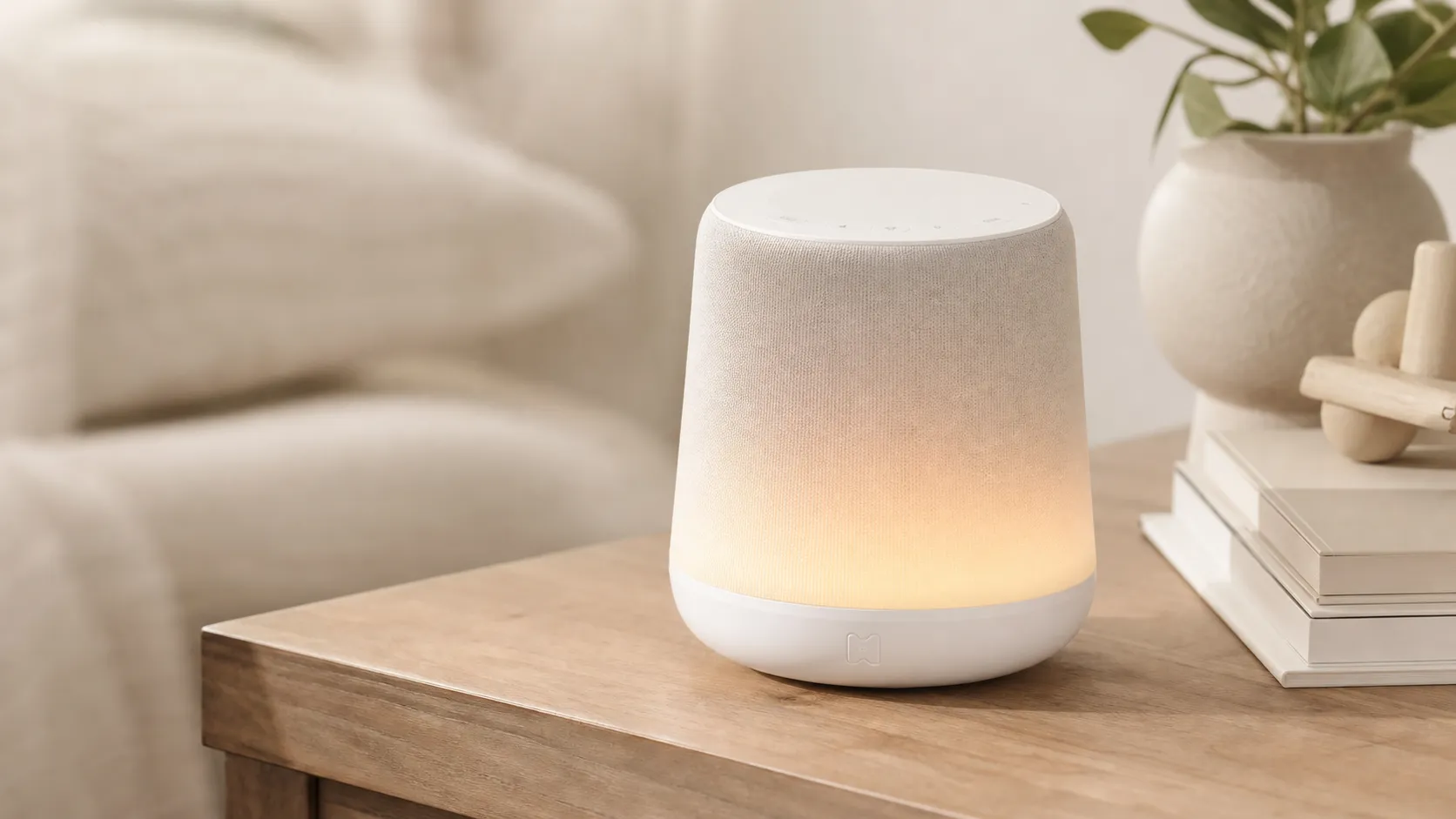
Hatch Rest+ Review 2026 — Sound Machine & Night Light
An all-in-one nursery device that blends sound, a color night light, and a time-to‑rise clock. Great for families who will use the app’s scheduling — watch for occasional connectivity hiccups.
 Baby & Kids
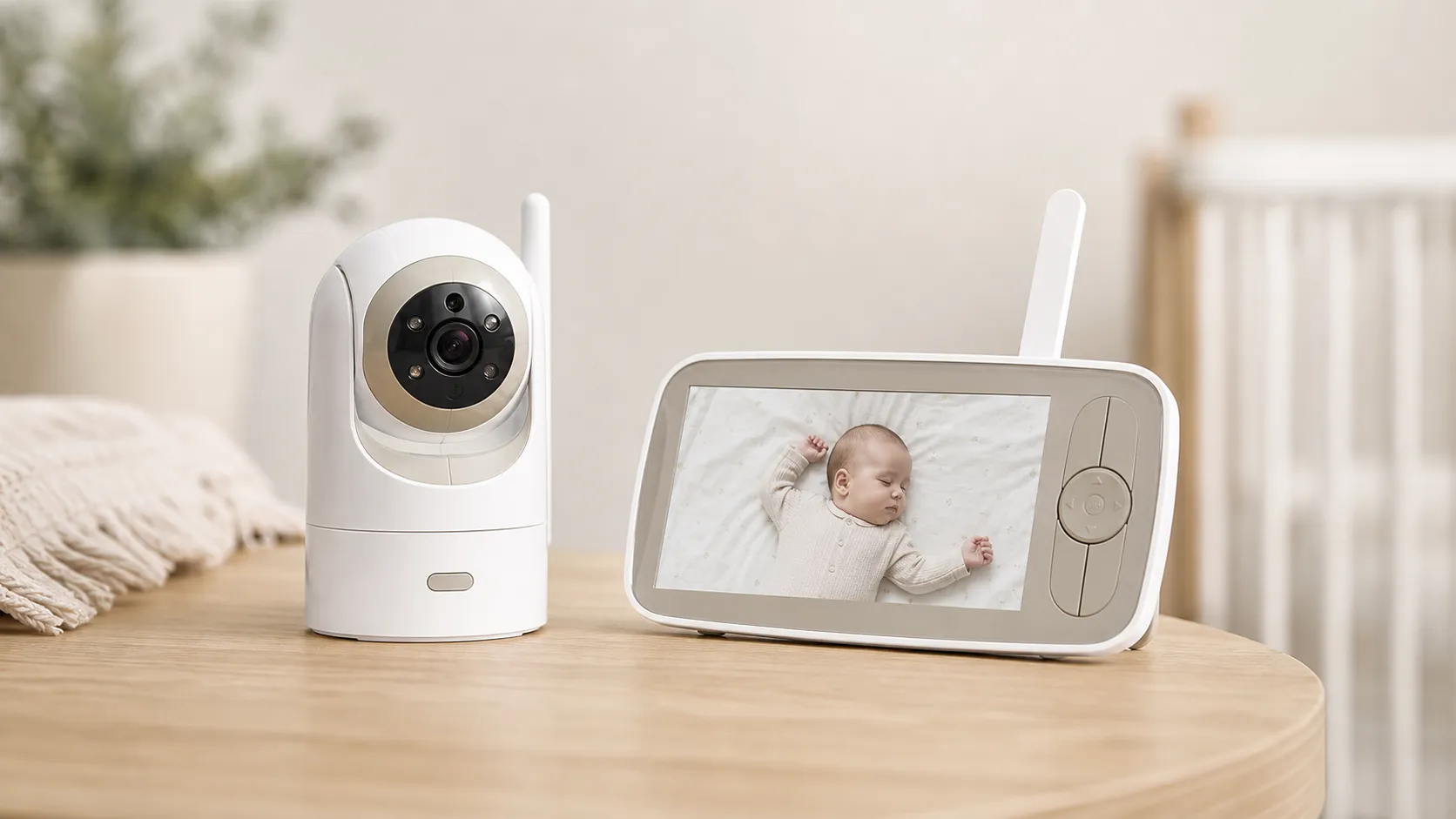
Infant Optics DXR‑8 Pro Video Baby Monitor — 2026 Review
A privacy‑first, high‑clarity non‑WiFi monitor with real optical zoom, clean audio, and long range — strong overall, but a minority report battery/charging issues.
 Baby & Kids
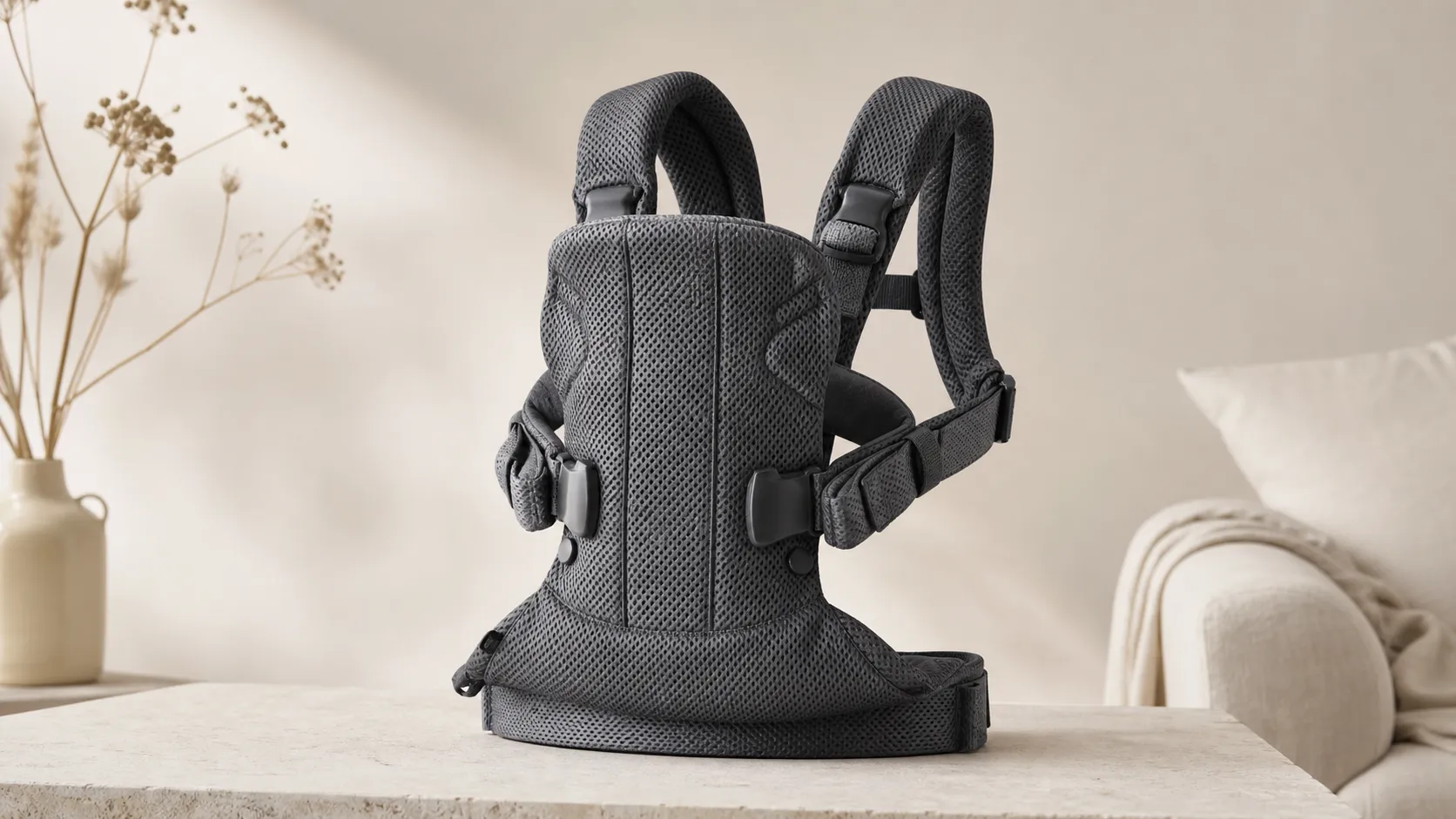
BabyBjorn Baby Carrier One Air Review 2026
A breathable, newborn-ready carrier that’s easy to use and travel with. Great for short-to-medium carries and warm weather, but less ideal for long, heavy-duty use.