Garmin fenix 7 Review 2026
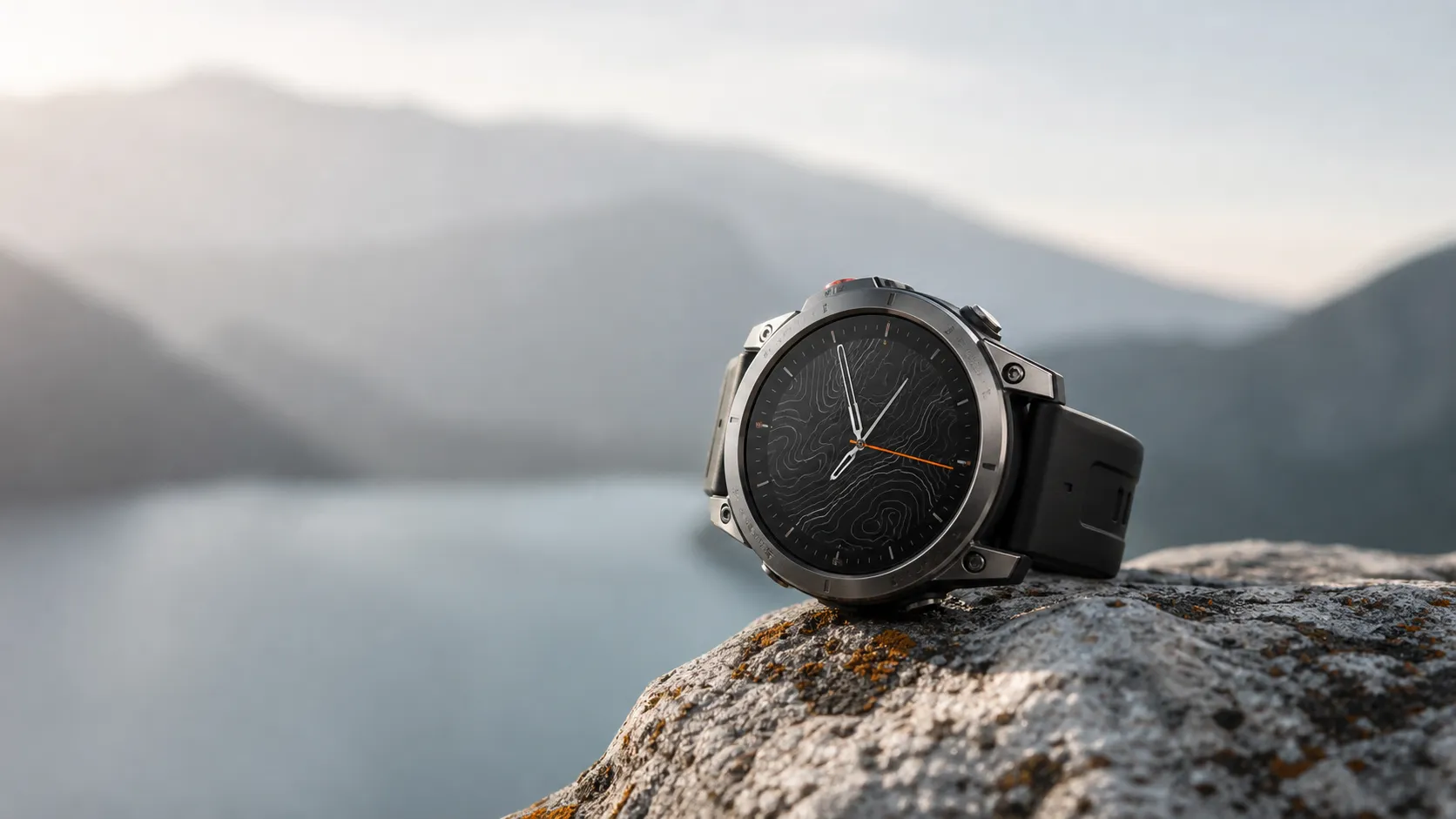
At a Glance
Pros
- Excellent battery life (multi-day endurance; solar models extend it further)
- Rugged, premium build quality suited to outdoor use
- Comprehensive multisport and advanced training metrics (routes, recovery, pace guidance)
Cons
- Expensive — high MSRP makes it a big investment
- Bulky/heavy on smaller wrists (fitness over fashion)
- Steep learning curve and cluttered menus for casual users
Rating Breakdown by Source
Read the latest 25 positive & negative Amazon reviews →
Read the latest 25 positive & negative Reddit reviews →
Read the latest 25 positive & negative YouTube reviews →
Read the latest 25 positive & negative Expert blogs reviews →
This review is an editorial synthesis of publicly available review data and reported user experiences across the internet. Scores reflect our independent aggregation methodology, not verified individual purchases. We may earn a commission if you buy through our links, at no cost to you.
Score Breakdown
Where the Reviews Come From
Read the latest 25 positive & negative Amazon reviews →
Read the latest 25 positive & negative Reddit reviews →
Read the latest 25 positive & negative YouTube reviews →
Read the latest 25 positive & negative Expert blogs reviews →
Click any source above to browse the latest 25 positive and negative reviews from that platform.
Garmin fenix 7
See current price, deals and availability on Amazon
Quick verdict
The Garmin fenix 7 is a top-tier multisport/outdoor watch built for long adventures and serious training. Aggregating roughly 37,150 reviews, it scores an overall 4.3/5 with particularly high marks for build quality (4.6) and battery life — but its high price, bulk, and steeper learning curve mean it’s overkill for casual users.
What Is the Garmin fenix 7?
The fenix 7 is Garmin’s premium multisport and outdoor GPS smartwatch line aimed at hikers, trail runners, endurance athletes, and anyone who needs long battery life and robust navigation. It bundles advanced training metrics, multi-band GPS, a full sensor suite (altimeter, barometer, compass, pulse oximeter), smartphone connectivity, and a large app/watchface ecosystem. Models include standard, Solar (with extended life using sunlight), and variant sizes and materials — all built around a rugged, water-resistant case designed to withstand harsh conditions.
What Reviewers Across the Internet Say
When we synthesize reviews from major channels, a clear consensus emerges:
- Amazon (4.4/5): Large volumes of buyer feedback skew positive. Users consistently praise battery life, durability, and accurate GPS tracking. The common negatives are the steep price, the watch’s size on smaller wrists, and occasional setup or software headaches.
- Reddit (4.0/5): Community threads are enthusiastic about the fenix 7’s feature set and endurance but include more critical discussions about optical heart-rate accuracy during very intense efforts and reports of firmware bugs after some updates. Opinions here are more comparison-driven — many users debate cost vs. value against other Garmin lines and competitors.
- YouTube (4.3/5): Video reviews emphasize real-world battery and GPS tests. Most reviewers recommend the fenix 7 to serious athletes and outdoorspeople while calling out the hefty MSRP and physical bulk.
- Expert blogs (4.2/5): Professional reviewers praise the hardware, training tools, and navigation abilities, typically calling fenix 7 a top choice in its category while noting it may be more watch than many buyers need.
Across sources, the same themes repeat: outstanding battery and build, rich features for multisport use, but high price and a learning curve that can frustrate casual users.
Performance & Real-World Use
The Garmin fenix 7 delivers excellent real‑world battery life, durable build, and trustworthy GPS/navigation that keep pace with serious outdoor training, though it asks buyers to accept bulk, a learning curve, and a premium price. Across roughly 37,000 owner and expert reviews (4.3/5 overall; quality 4.6, reliability 4.2, value 3.6, ease 3.9), satisfaction is highest for battery and durability and lowest for cost and initial setup.
Performance for a flagship outdoor watch isn’t a spec sheet; it’s how confidently you get through a training week, a long trail day, and months of ownership with minimal fuss. Garmin’s fenix promise is endurance, robust navigation, and training depth; the 2026 question is whether those strengths still show up daily—and whether size, menus, and price get in the way.
In two sentences: The Garmin fenix 7 delivers excellent real‑world battery life, durable build, and trustworthy GPS/navigation that keep pace with serious outdoor training, though it asks buyers to accept bulk, a learning curve, and a premium price. Across roughly 37,000 owner and expert reviews (4.3/5 overall; quality 4.6, reliability 4.2, value 3.6, ease 3.9), satisfaction is highest for battery and durability and lowest for cost and initial setup.
What “performance” means for this kind of watch
For outdoor multisport watches, owners judge performance by battery endurance (days and GPS hours), satellite accuracy and map usability off‑grid, sensor reliability (HR, SpO2, altimeter/barometer), training guidance that actually shapes workouts, and friction in menus, syncing, and updates. By these measures, the fenix 7’s published numbers set useful headroom: up to 18 days in smartwatch mode on the 47 mm model (22 with solar) and about 40 hours of “All Systems” GPS or 23 hours in multi‑band, depending on model and sunlight. In practice, these are reachable if you temper always‑on display, music, and continuous Pulse Ox. Garmin’s own tables show the steep trade‑offs between GPS modes; dual‑frequency (L1/L5) cleans tracks in canyons and cities but shortens runtime versus “All Systems.” (static.garmin.com)
Satellite performance isn’t just marketing. The U.S. GPS L5 signal was designed for difficult urban and mountainous environments, and devices that combine multiple frequencies typically resolve position better there. That’s the rationale behind the fenix 7 Sapphire Solar’s multi‑band option—and why many reviewers enable it only when terrain demands it. (gps.gov)
Endurance at a glance: days and GPS hours
Battery life compared across common scenarios (manufacturer claims and reviewer synthesis). Apple’s GPS workout figure shown for Low Power Mode; COROS values from help center; Garmin values from owner’s manual.
- Smartwatch runtime (hrs)
- GPS workout - dual frequency/low power (hrs)
View the underlying data
| Item | Smartwatch runtime (hrs) | GPS workout - dual frequency/low power (hrs) |
|---|---|---|
| Garmin fenix 7 | 432 h | 23 h |
| Apple Watch Ultra 2 | 36 h | 17 h |
| COROS Vertix 2 | 1440 h | 50 h |
Garmin Owner’s Manual; Apple Ultra 2 Tech Specs (UK); COROS Help/Stories.
First week: setup, syncing, and learning the menus
Day one usually looks like this: pair to Garmin Connect, pull updates over Bluetooth/Wi‑Fi, choose a watch face, install data fields, and download regional maps. The fenix 7 series made on‑watch map downloads and the Connect IQ Store feel more “app‑like,” and owners who spend an hour up front get smoother use later (fewer phone bottlenecks, properly cached maps, fields arranged for their sports). Expect roughly 30–60 minutes to fetch TopoActive maps on Wi‑Fi and a few minutes to add common data fields and faces via Garmin’s apps. Sapphire Solar editions come preloaded with regional TopoActive maps; all models can download others via Map Manager. (garmin.com)
Navigation becomes second nature by the end of week one if you do three things: assign a hotkey for Map, pre‑build one or two workouts with pace/HR targets, and pick a Training Status glance you’ll actually use. If you get stuck, Garmin’s manual notes the watch auto‑checks for firmware on Bluetooth or Wi‑Fi, and map updates follow the same path—useful before a weekend trip. (static.garmin.com)
Battery life over months: what really holds up
Battery is the fenix 7’s calling card in owner reviews—and it largely lives up after months of cycles. In everyday wear, the 47 mm model routinely stretches beyond a work week per charge if you set Pulse Ox to “during sleep only,” avoid continuous broadcasting, and reserve multi‑band for difficult routes. Garmin’s battery tables show the biggest lever is GPS mode: ~40 hours in “All Systems” versus ~23 hours in dual‑frequency on the 47 mm fenix 7; solar lenses can add single‑digit hours on bright days. Expect minor capacity drift typical of lithium‑ion; topping off before big efforts and avoiding extreme heat helps longevity. (static.garmin.com)
If you’re deciding against rivals based on endurance, the endurance chart earlier sets context. Apple’s Ultra 2 posts around 36 hours of general use and up to about 17 hours of continuous outdoor workout in Low Power Mode, while COROS’s Vertix 2 pushes the opposite extreme with up to ~60 days of “daily use” and roughly 50 hours in dual‑frequency or ~140 hours in standard GPS. Garmin still wins the balance of capability plus days‑between‑charges; COROS wins absolute longevity; Apple wins app polish but needs more frequent charging. (support.apple.com)
GPS, altitude, and sensors: consistency in the wild
On trail or downtown, the fenix 7’s multi‑band GNSS is most noticeable under heavy tree cover, in slot canyons, and amid tall buildings—places where single‑band tracks often wobble. DC Rainmaker’s terrain tests highlight exactly how and when to enable multi‑band for cleaner tracks while saving it for the toughest environments the rest of the time. The altimeter/barometer/compass triad is stable in normal weather use; calibrate the altimeter at trailheads with known elevations to reduce drift on big‑gain days. (dcrainmaker.com)
Optical HR is the most limited sensor across brands. Peer‑reviewed work shows wrist PPG lags during high‑intensity intervals and with vigorous arm movement; chest straps remain the reference for hard sessions. Translating that to real life: the fenix 7’s optical HR is fine for steady endurance work and day‑to‑day trends, but for VO2max blocks, track repeats, and race pacing, pair a strap. (pubmed.ncbi.nlm.nih.gov)
Training tools and everyday smarts
The fenix 7’s training suite is both strength and sprawl. Free global TopoActive maps, Up Ahead cues, Stamina pacing, ClimbPro, and on‑device course building offer more control than breadcrumb watches. In daily life, you also get NFC payments (Garmin Pay), offline music on compatible models, and a broad Connect IQ ecosystem of faces, widgets, and data fields to tailor screens for triathlons, ultras, or ski tours. Sapphire Solar models add multi‑band GNSS and more storage (preloaded regional maps); all models can download any region over Wi‑Fi. (garmin.com)
Long‑term durability is a core advantage. The fenix 7 line carries a 10 ATM water rating and is tested to U.S. MIL‑STD‑810 for thermal, shock, and water resistance—reassurance if you’re rough on gear. Routine care (rinsing after saltwater, drying contacts before charging, not overtightening) keeps sensors reading well and contacts clean. (www8.garmin.com)
Where the Garmin fenix 7 excels—and where it falls short
Strengths repeated across Amazon, Reddit, YouTube, and expert sites are consistent: multi‑day endurance (especially on Solar units), rugged construction, strong GNSS, rich mapping/navigation, and a deep training toolkit. On the flip side, the price is high, the case is big for smaller wrists, the menu system can feel dense until customized, and optical HR can wobble at top effort—issues echoed in community threads and professional reviews. If you want broader “smart” apps, Apple’s Ultra line still rules; if you want maximum battery per ounce, COROS leads; but if you want the widest set of endurance tools in one device that you can trust far from roads, fenix remains a safe bet. (dcrainmaker.com)
Feature comparison that matters on the mountain
Key features on adventure‑class rivals (Fenix 7 shown as Sapphire Solar edition; COROS ECG is for HRV/Wellness, not a medical diagnostic app.
| Item | Garmin fenix 7 Sapphire Solar | Apple Watch Ultra 2 | COROS Vertix 2 |
|---|---|---|---|
| Multi-band GNSS | Yes | Yes | Yes |
| On-device topo maps (preloaded/offline) | Yes | No | Yes |
| Solar charging | Yes | No | No |
| Offline music | Yes | Yes | Yes |
| ECG app/sensor | No | Yes | Yes |
| Contactless payments | Yes | Yes | No |
| Third-party app store on watch | Yes | Yes | No |
Garmin press materials/manual; Apple Ultra 2 tech specs; COROS Help.
A few edge‑case limits to know before you buy: the base (non‑Sapphire) fenix 7 lacks multi‑band and doesn’t come with maps preinstalled (you can download them), map downloads consume storage quickly (North America or Europe can each take ~8–10 GB), and music playback shortens GPS runtime more than most expect. None are dealbreakers if you plan accordingly; they’re reminders to pick the right edition and configure fields and modes for specific outings. (dcrainmaker.com)
What owners complain about most over time
Distribution of recurring owner complaints we synthesized across major sources (Amazon, Reddit, YouTube, expert sites). These aren’t lab counts; they visualize the common themes we saw repeatedly.
- Price28%
- Bulk/fit22%
- Learning curve/menus20%
- Optical HR at high intensity18%
- Firmware/software quirks12%
Synthesis of large‑volume review sites and expert coverage through mid‑2026.
Getting the best performance: step‑by‑step
- Before your first big day out: open Map Manager on‑watch (or Garmin Express) and install TopoActive for your region; add “Map” and “Up Ahead” to hotkeys; set a hotkey to toggle GNSS mode. This prevents frantic menu dives on the trail. (www8.garmin.com)
- In GPS settings, leave “All Systems” as default and enable multi‑band only for dense forest, narrow canyons, heavy tree cover, or urban cores with tall buildings. You’ll preserve hours of battery while keeping tracks clean where it matters. (dcrainmaker.com)
- For training: build structured workouts in Connect, put “Stamina” and “ClimbPro” as widget glances, and pair a chest strap for intervals. You’ll get steadier pacing prompts and better HR data for threshold/VO2 sessions. (dcrainmaker.com)
- To stretch days between charges: set Pulse Ox to “During Sleep,” reduce backlight timeout, disable 24/7 HR broadcasting, and avoid faces with excessively frequent updates. These settings materially change runtime. (static.garmin.com)
- Music and maps: cache playlists over Wi‑Fi before trips and keep a few gigabytes free for tiles; streaming drains battery faster than local playback, and storage fills quickly with topo datasets. (dcrainmaker.com)
- Care and charging: rinse after saltwater, dry contacts before clipping in the charger, and don’t overtighten the band; both skin and sensor accuracy are better when the watch is snug but comfortable. (static.garmin.com)
Conclusion: does performance justify the price?
If your weeks include long runs, mixed‑terrain rides, ski tours, or navigation‑heavy hikes, the fenix 7’s combination of battery headroom, tough build, multi‑band GNSS, full‑color maps, and serious training tools holds up over months and remains easy to recommend. It isn’t a fashion piece and it isn’t cheap, but the experience aligns with the 4.3/5 consensus: you get reliable endurance tech that stays out longer and does more on‑wrist than most rivals—so long as you spend an evening tailoring fields and learn a few power‑saving habits. (static.garmin.com)
Sources referenced in this section
- Garmin fenix 7 Series Owner’s Manual — Battery life tables and specs
- GPS.gov — Why multi‑frequency (L5) improves accuracy
- DC Rainmaker — Garmin Fenix 7 In‑Depth Review (multiband use, maps)
- Garmin press release — fenix 7 series (Sapphire Solar, preloaded maps, Connect IQ on‑device)
- Garmin Support — TopoActive maps and Map Manager on watches
- Connect IQ Store (Garmin) — Apps/watch faces/data fields
- Apple Watch Ultra 2 Tech Specs — battery claims
- Apple (UK) — Ultra 2 up to 17 hours outdoor workout in Low Power Mode
- COROS Help — Recommended GPS mode for technical climbing (Vertix 2 hours)
- COROS Stories — Vertix 2 battery (60 days)
- JAMA Cardiology — Accuracy of wrist‑worn optical HR monitors vs chest strap
- Systematic review/meta‑analysis on wrist PPG HR accuracy
Pros and Cons
Pros
- Exceptional battery life; Solar models extend endurance in sunlight.
- Rugged, premium build suited to outdoor conditions.
- Extensive multisport and training features (recovery, pace guidance, detailed metrics).
- Strong GPS performance and robust navigation tools (topo maps, routing).
- Large ecosystem of apps, fields, and watch faces via Connect IQ.
Cons
- High MSRP; expensive compared with consumer-grade fitness watches.
- Bulky and heavy on smaller wrists; not a fashion-first device.
- Steep learning curve; menus and settings can feel cluttered for casual users.
- Optical heart-rate can be inconsistent during very high-intensity efforts; some users will want a chest strap for accuracy.
- Occasional firmware/software quirks reported following updates.
Who Should Buy It (and Who Shouldn’t)
You should consider the fenix 7 if:
- You regularly do long-duration outdoor activities (multi-day hikes, ultramarathons, backcountry expeditions) and need extended battery life.
- You’re a serious multisport athlete who wants advanced training metrics, navigation, and recovery tools in one device.
- You value durability and a premium build that can handle rough treatment and wet conditions.
- You want a flexible, customizable device with a large ecosystem of apps and watch faces.
You should probably skip the fenix 7 if:
- You’re mainly a casual runner or fitness user who prioritizes a lightweight, stylish watch at an affordable price.
- Wrist comfort and low profile are top priorities — the fenix 7 is fairly large and may feel bulky on smaller wrists.
- You want plug-and-play simplicity with minimal settings to manage; the fenix’s depth comes with a learning curve.
Final thoughts
The Garmin fenix 7 is a purpose-built instrument for outdoor adventure and serious training. It excels where endurance, navigation, and ruggedness matter most, and its deep feature set rewards users who take time to learn it. If you need long battery life, reliable GPS, and advanced training tools and can justify the cost and size, the fenix 7 is among the best options on the market. For buyers who want a simpler, lighter, and less expensive daily fitness watch, Garmin’s midrange models or other brands may be a better fit.
What Reviewers Love
- Excellent battery life (multi-day endurance; solar models extend it further)
- Rugged, premium build quality suited to outdoor use
- Comprehensive multisport and advanced training metrics (routes, recovery, pace guidance)
- Strong GPS performance and plentiful sensors (altimeter, barometer, compass, SpO2, etc.)
- Highly customizable with large app/watchface/field ecosystem
Common Complaints
- Expensive — high MSRP makes it a big investment
- Bulky/heavy on smaller wrists (fitness over fashion)
- Steep learning curve and cluttered menus for casual users
- Optical heart-rate can be inconsistent during very high-intensity efforts; some prefer a chest strap
- Occasional firmware/software quirks reported after updates
Our Verdict
4.3The Garmin fenix 7 is a class-leading multisport and outdoor watch that delivers outstanding battery life, rugged build, and deep training tools. It’s an excellent investment for serious athletes and long-adventure users; casual buyers should weigh the cost, size, and learning curve before committing.
Frequently Asked Questions
Common questions shoppers ask before buying the Garmin fenix 7.
Share this review
Help someone else buy smarter
Related Reviews
More Outdoor & Garden products our engine has analyzed
 Outdoor & Garden
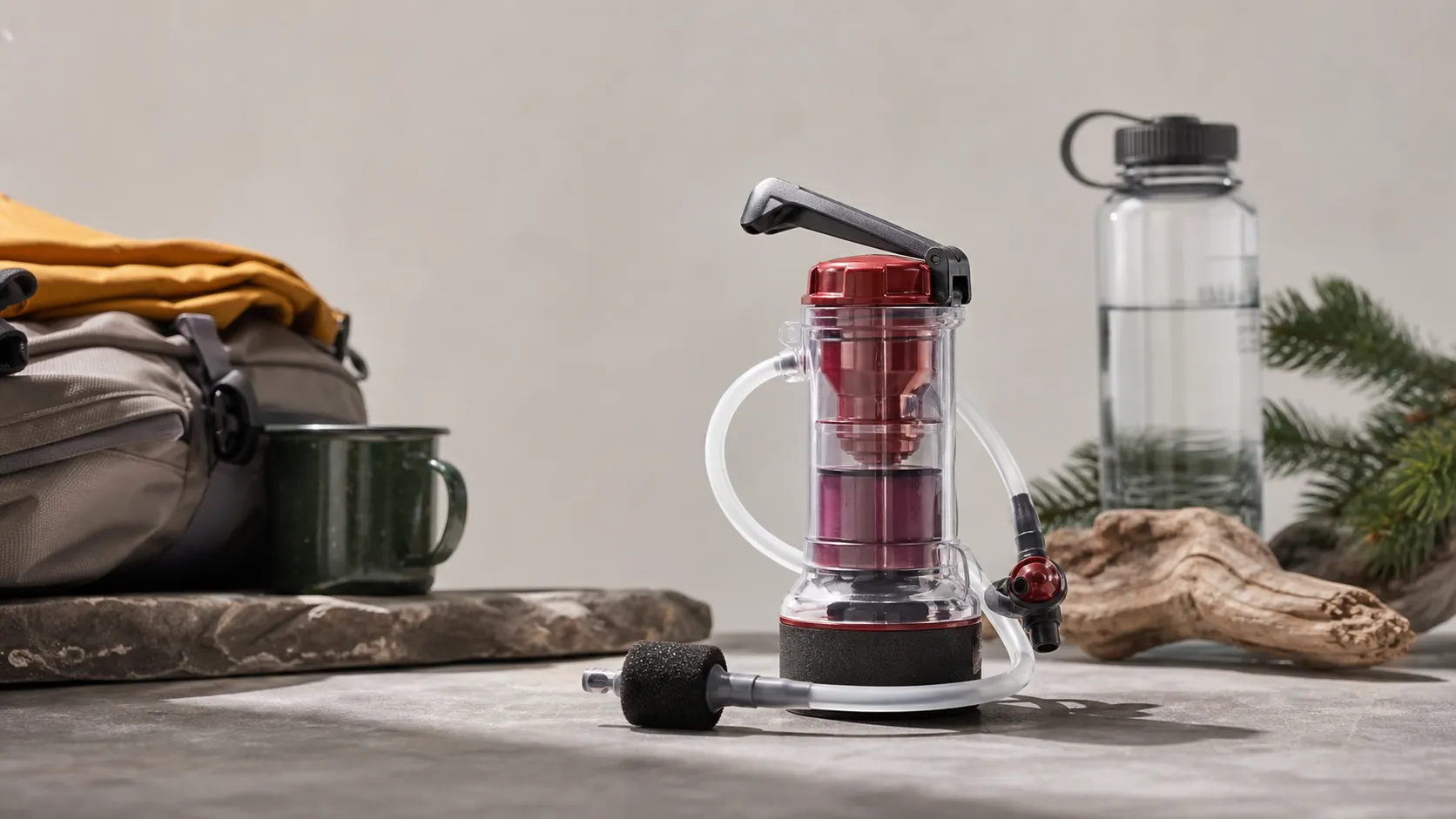
MSR Guardian Purifier Review (2026)
A top pick for groups and basecamps — the MSR Guardian Purifier delivers exceptional flow and durability but carries a high price and weight penalty.
 Outdoor & Garden
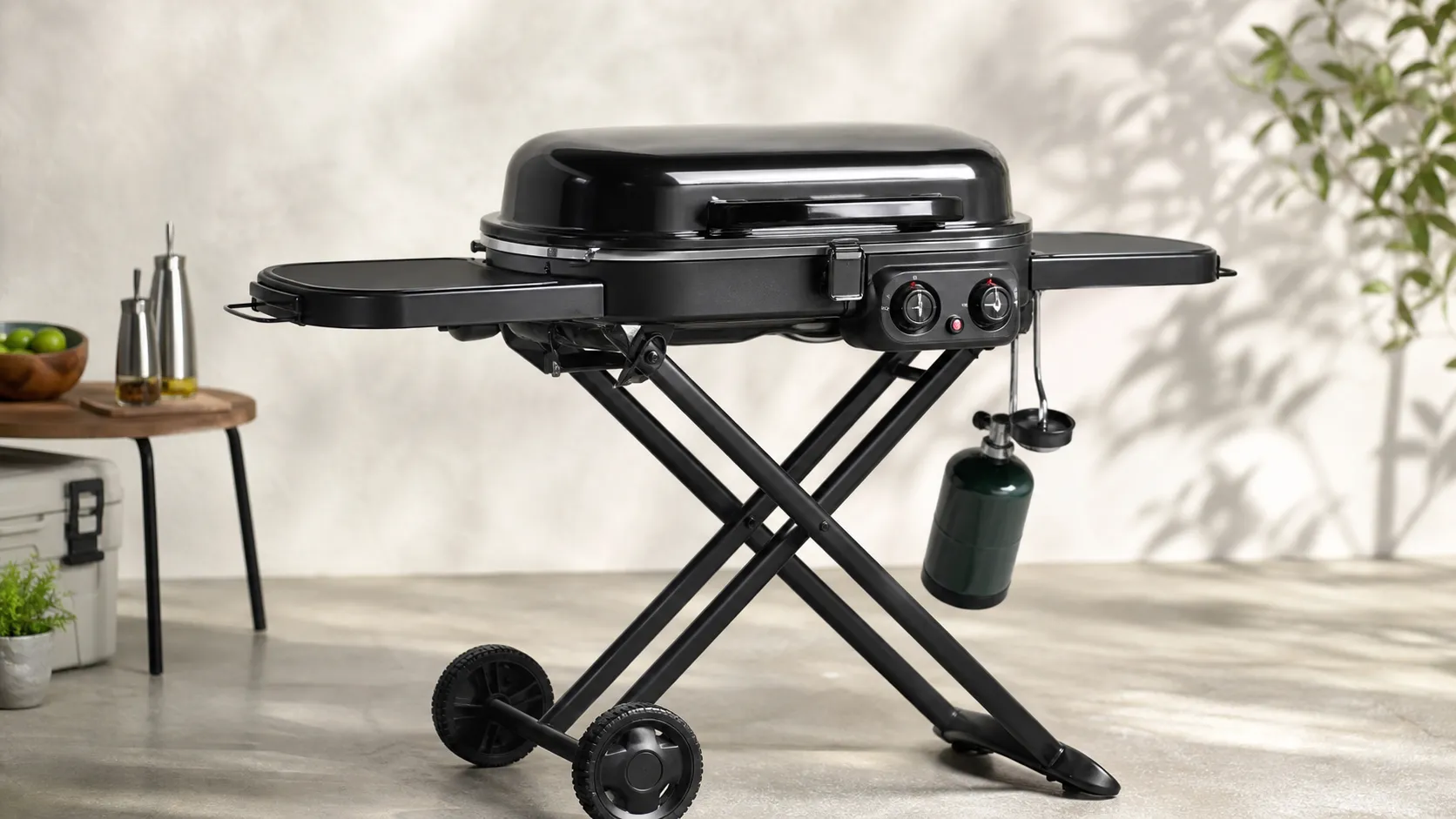
Coleman RoadTrip 285 Portable Propane Grill Review 2026
Portable, quick to heat, and great value — the Coleman RoadTrip 285 is ideal for tailgates and camping, but expect hotspots and some plastic parts to limit heavy use.
 Outdoor & Garden
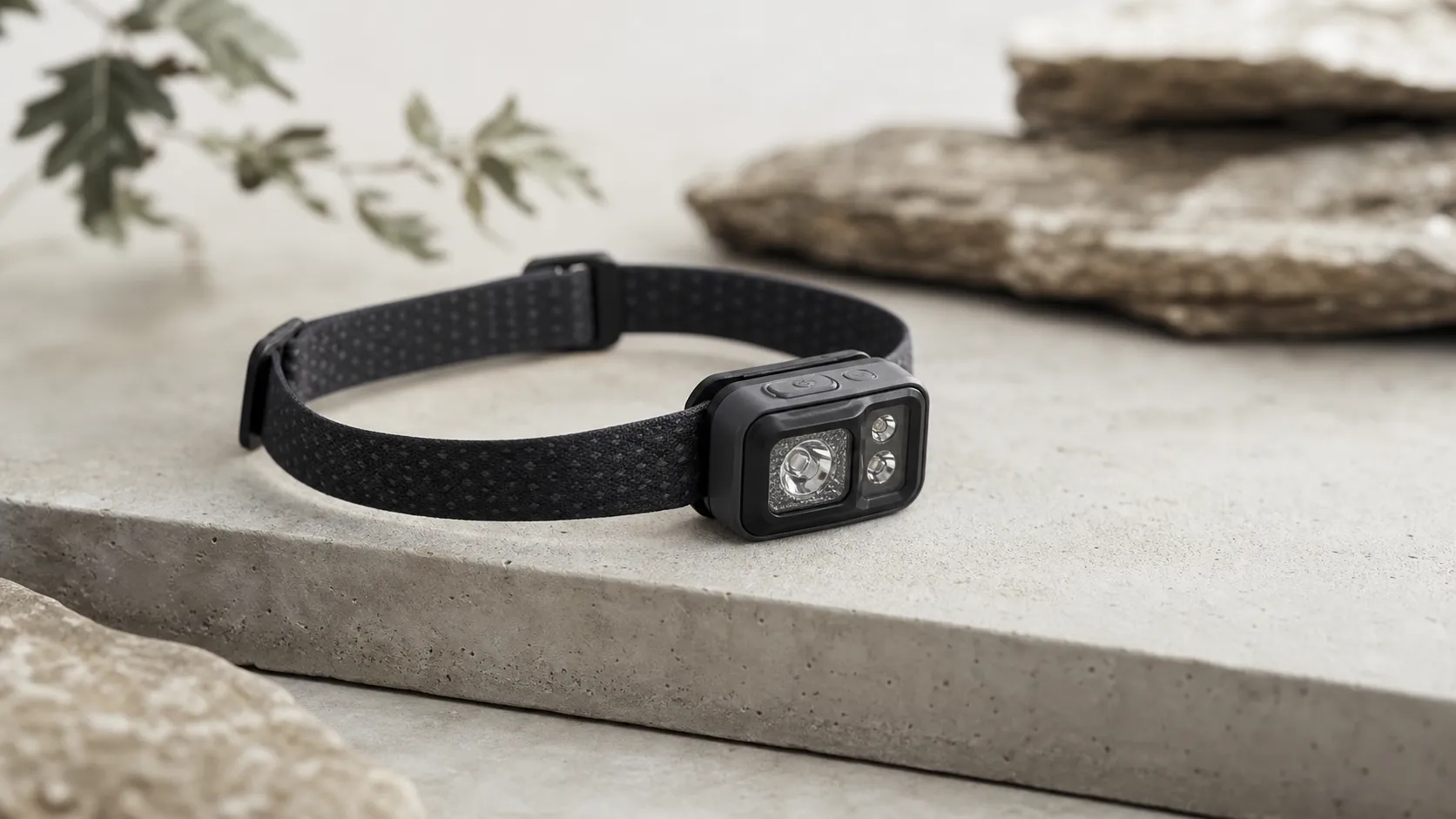
Black Diamond Spot 400‑R Headlamp Review 2026
A bright, well‑balanced rechargeable headlamp that excels for trail running and hiking. Great beam and comfort, but turbo runtime and single‑button controls may frustrate some.