Garmin Fenix 7S Solar Review 2026
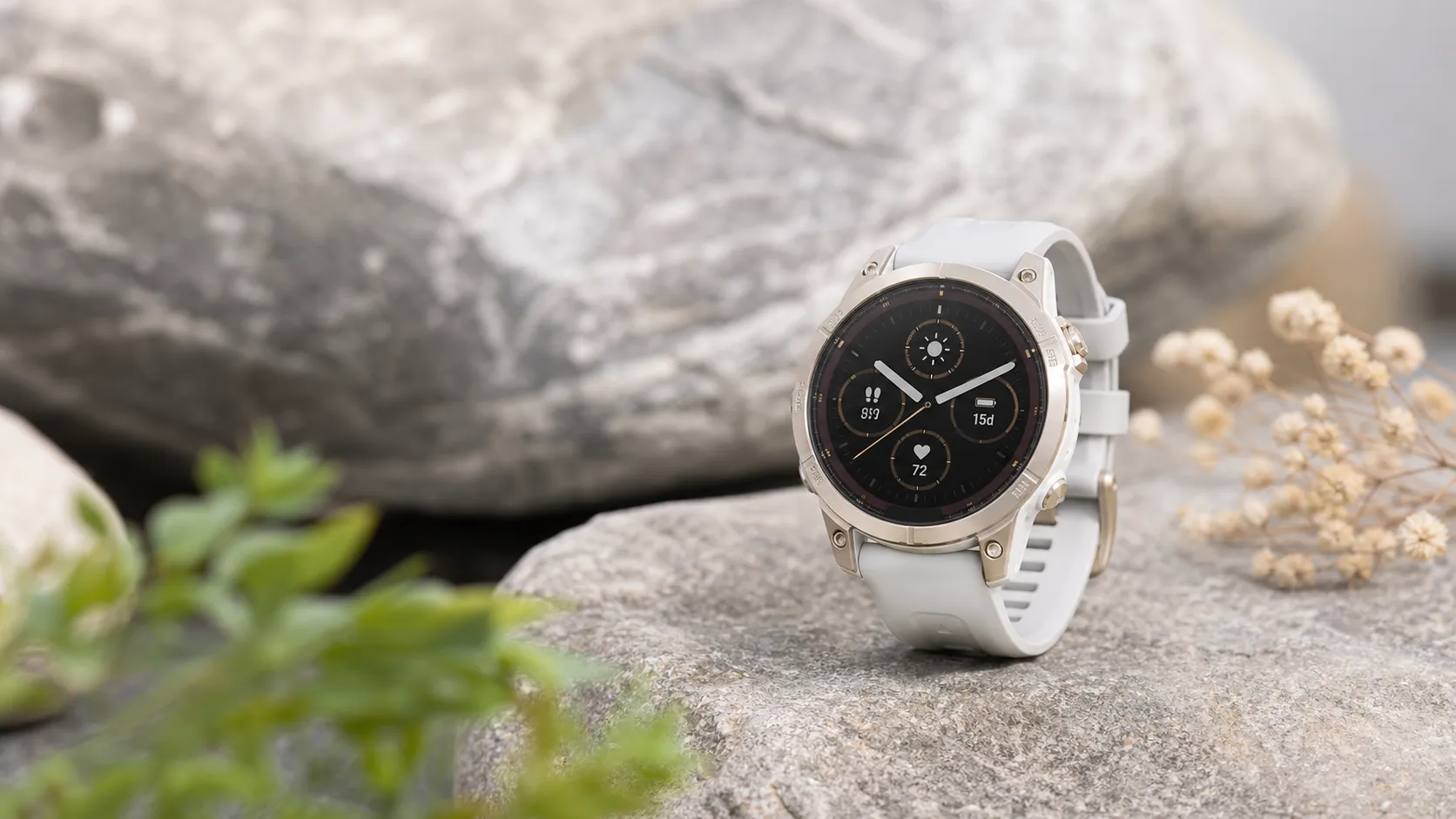
At a Glance
Pros
- Very long battery life; solar model extends endurance in sunny conditions
- Robust, high-quality materials and construction — durable for outdoor use
- Extensive multisport features, training metrics, and mapping/navigation
Cons
- High price — many reviewers feel the hardware is premium but expensive compared with alternatives.
- Steep learning curve / complex menus — many users report it takes time to configure and master.
- Occasional firmware/connectivity issues — reviewers across sources report periodic bugs, sync hiccups, or updates that introduced regressions.
Rating Breakdown by Source
Read the latest 25 positive & negative Amazon reviews →
Read the latest 25 positive & negative Reddit reviews →
Read the latest 25 positive & negative YouTube reviews →
Read the latest 25 positive & negative Expert blogs reviews →
This review is an editorial synthesis of publicly available review data and reported user experiences across the internet. Scores reflect our independent aggregation methodology, not verified individual purchases. We may earn a commission if you buy through our links, at no cost to you.
Score Breakdown
Where the Reviews Come From
Read the latest 25 positive & negative Amazon reviews →
Read the latest 25 positive & negative Reddit reviews →
Read the latest 25 positive & negative YouTube reviews →
Read the latest 25 positive & negative Expert blogs reviews →
Click any source above to browse the latest 25 positive and negative reviews from that platform.
Garmin Fenix 7S Solar
See current price, deals and availability on Amazon
Introduction
The Garmin Fenix 7S Solar is a top-tier outdoor multisport watch aimed at serious athletes and outdoorspeople who want a rugged, feature-rich device with industry-leading battery endurance. Aggregating reviews across the web yields a clear verdict: it’s an exceptional hardware platform with deep training and navigation tools, but it isn’t for budget buyers or casual users who want a simple smartwatch. Overall aggregated rating: 4.2/5 from roughly 10,500 reviews — high marks for build and battery, lower scores on value and ease of use.
What Is the Garmin Fenix 7S Solar?
The Fenix 7S Solar is Garmin’s compact-sized member of the Fenix 7 family, combining premium materials and an extensive feature set designed for trail running, hiking, triathlon, and adventure navigation. The “Solar” SKU adds a power glass layer that harvests light to extend time between charges. The 7S targets users who prefer a smaller watch case but still want the core Fenix capabilities: robust GPS and mapping, advanced training metrics, multi-band satellite support on many SKUs (depending on model), customizable data screens, and extensive activity profiles. Depending on the exact SKU, finishes can include sapphire, titanium, or other premium materials.
Key aggregated ratings (approximate):
- Overall: 4.2/5 (~10,500 reviews)
- Quality: 4.6/5
- Reliability: 4.2/5
- Value: 3.6/5
- Ease of use: 3.7/5
What Reviewers Across the Internet Say
We synthesized feedback from four broad sources — Amazon buyers, Reddit threads, YouTube reviews, and expert blogs — to form a balanced picture.
-
Amazon (4.3/5, generally positive): Buyers praised the build quality, long battery life (with tangible benefit from solar charging in sunny conditions), and the breadth of features for multisport athletes. The most frequent complaints were the high price and occasional firmware issues after updates.
-
Reddit (3.9/5, mixed): Community discussions are pragmatic and detail-oriented. Users share hacks and advanced settings, but also call out firmware regressions, connectivity quirks, and the known limitation of wrist heart-rate accuracy under very intense efforts. Redditors value the device’s customizability and real-world reliability when configured correctly.
-
YouTube (4.1/5, positive demos and live testing): Video reviews highlight hardware robustness, mapping, and impressive battery life. Reviewers demonstrate the watch in long outings and multisport contexts; criticism centers on complexity of the UI and occasional sensor oddities during high-intensity tests.
-
Expert blogs (4.0/5, measured): Professional reviewers compliment Garmin’s mapping, training toolset, and durable construction, while noting the price premium and trade-offs for the smaller 7S battery versus larger Fenix models. Many experts reiterate that wrist heart-rate can lag chest straps in accuracy during sprints or very hard intervals.
Across sources the consensus is consistent: elite hardware and capabilities, a modest but useful solar advantage, and software/UX and cost that may frustrate some buyers.
Performance & Real-World Use
The Garmin Fenix 7S Solar delivers week‑plus battery life, reliable GPS/mapping, and a deep training toolset in a compact case, with solar meaningfully extending endurance on sunny days. It’s a premium, durable companion whose real‑world performance is excellent once configured, though some users will want a chest strap for intervals and the larger Fenix sizes for true expedition runtimes.
If you buy a rugged multisport watch, “performance” isn’t just split times. It’s whether the battery lasts through a long weekend, whether GPS keeps a clean track under trees and downtown, whether mapping helps you stay found, whether heart‑rate and training metrics are dependable, and whether the hardware shrugs off scrapes, rain, and sweat. In those real‑world terms, the Fenix 7 family’s smallest solar model has become a favorite among owners who want expedition‑grade tools in a compact 42 mm case.
The Garmin Fenix 7S Solar delivers week‑plus battery life and robust GPS/mapping that satisfy most outdoor athletes, especially in sunny conditions, though it trades ultimate runtime versus larger Fenix sizes. It’s exceptionally capable once configured, but its complex menus, occasional firmware hiccups, and wrist HR limits during all‑out efforts mean some users will still pair a chest strap and spend time tuning settings.
What real performance means for the Fenix 7S Solar
For this category, owners judge satisfaction across six dimensions: endurance (smartwatch and GPS runtime, solar benefit), positioning (lock speed and track quality under cover or buildings), navigation (on‑device maps, route guidance, and off‑grid usability), training (optical HR, HRV/Training Readiness, recovery), durability (water and impact resistance), and daily usability (setup, sync reliability, learning curve). The 7S Solar’s Power Glass lens harvests light to extend runtime, so time outdoors directly improves endurance. Garmin’s specs quantify “with solar” assuming 3 hours/day at 50,000 lux; that’s midday sun, not office lighting, so expect only modest gains on cloudy weeks. Garmin’s materials detail how Power Glass/Sapphire works and the conditions that add charge. (static.garmin.com)
Published GPS runtime by Fenix 7 size (Garmin specs)
Official battery life claims for Fenix 7 series using Power Glass; solar figures assume 3 h/day in 50,000 lux.
- GPS only (typical)
- GPS only (with solar)
View the underlying data
| Item | GPS only (typical) | GPS only (with solar) |
|---|---|---|
| 7S Solar (42 mm) | 37 h | 46 h |
| 7 (47 mm) Solar | 57 h | 73 h |
| 7X (51 mm) Solar | 89 h | 122 h |
Garmin fēnix 7 Owner’s Manual battery tables.
Garmin Fenix 7S Solar: setup and first‑week behavior
Day one, pair in Garmin Connect, join Wi‑Fi, check for updates, and (critically) download TopoActive maps for your region. On the 7S Solar, maps aren’t always preloaded; use Map Manager on the watch over Wi‑Fi, or connect to a computer and use Garmin Express for faster, multi‑region transfers. Expect a first‑week battery hit while maps, watch faces, and historical data sync; after the initial load and some sensor acclimation (sleep baselines for HRV, satellite cache for faster locks), standby drain normalizes. If you open the on‑watch Connect IQ Store, you can add data fields, glances, and widgets directly over Wi‑Fi. Bottom line: front‑load downloads and the next weeks feel smooth on‑device. (www8.garmin.com)
Battery life and solar in day‑to‑day use
Garmin’s published numbers for the 7S Solar are the baseline: GPS‑only up to 37 hours (46 with solar), all‑systems up to 26 hours (30 with solar), Max Battery GPS up to 90 hours (162 with solar), and smartwatch mode up to 11 days (14 with solar). The “with solar” claims assume 3 hours/day at 50,000 lux, typical of bright hikes rather than commutes. In reports, outcomes depend most on GPS mode, backlight/gesture sensitivity, and optical sensors (Pulse Ox and all‑day respiration drain more than basic HR). Power Modes let you save custom profiles—e.g., “All‑Systems + backlight 5%” for city runs, and “GPS only + UltraTrac” for multi‑day treks. SatIQ on compatible siblings can auto‑toggle bands, but the standard 7S Solar balances best on All Systems for accuracy/runtime. If you plan long alpine days, remember the 7 and 7X step up battery headroom; our chart above uses Garmin’s figures to show the size‑based spread. For everyday wear, most charge every 5–7 days with moderate activity and conservative backlight settings; long summer sun can stretch that further. (www8.garmin.com)
GPS and sensors: when it’s excellent, and when to add a chest strap
Positioning is strong for road, gravel, and moderate‑tree singletrack in the 7S Solar’s default All Systems mode. Note that dual‑frequency (L1+L5 “multiband”) reception is reserved for Sapphire Solar editions; the standard Solar uses multi‑GNSS without multiband. In canyons or glassy downtowns, Sapphire units (or Epix Sapphire) can hold cleaner tracks and steadier pace spikes, while the 7S Solar may show slightly more corner‑cutting—still fine for training logs. The Gen4 Elevate optical sensor tracks steady‑state well but can lag or spike during HIIT and sprints; pairing a chest strap remains the gold standard when accuracy during rapid changes is critical. Clinical comparisons of wrist optics versus electrode straps support that guidance for high‑intensity exercise. (dcrainmaker.com; ACC/JAMA Cardiology)
Mapping and navigation in the wild
Navigation is a major draw: full‑color TopoActive maps, on‑wrist route following with turn alerts, Up Ahead for key points, ClimbPro for gradients, and on‑device Map Manager to download regions. Because the 7S Solar has 16 GB of storage versus 32 GB on Sapphire models, you’ll likely keep one or two big regions at a time; if you frequently travel, swap regions via Garmin Express faster than Wi‑Fi. Beyond free TopoActive layers, Garmin’s Outdoor Maps+ adds premium land‑use and trails in supported countries. In practice, route guidance is reliable if you build courses on known trails and avoid seasonal closures; when storage gets tight, trim golf/ski or older map packages to make room. (www8.garmin.com)
Build, durability, and daily usability
Despite the small case, the 7S Solar is tough: stainless steel bezel, fiber‑reinforced polymer body with metal back, and a Power Glass solar lens. It’s rated 10 ATM for water resistance, which Garmin defines as pressure to 100 meters and suitable for swimming, snorkeling, and high‑speed water sports; it’s not a dive computer. The transflective MIP display is legible in sun with minimal battery cost, and the Fenix‑7‑era combo of full touchscreen plus five physical buttons speeds daily use and wet‑glove workouts. The learning curve is real, but tailoring glances and hotkeys quickly speeds navigation. Ongoing firmware adds features (HRV Status and Training Readiness arrived post‑launch), though some owners report regressions; leave auto‑updates on, and delay major updates if you’re mid‑race block. (garmin.com)
Feature differences: Fenix 7S Solar vs siblings and Epix (Gen 2) Sapphire
Key feature differences that affect navigation accuracy, storage, and endurance strategy.
| Item | Multiband GNSS | Sapphire/Power Sapphire lens | Solar charging | Preloaded TopoActive maps | 32GB storage | On-device Connect IQ store | Touchscreen |
|---|---|---|---|---|---|---|---|
| Fenix 7S Solar | No | No | Yes | No | No | Yes | Yes |
| Fenix 7S Sapphire Solar | Yes | Yes | Yes | Yes | Yes | Yes | Yes |
| Fenix 7 (47 mm) Solar | No | No | Yes | No | No | Yes | Yes |
| Fenix 7X (51 mm) Solar | No | No | Yes | No | No | Yes | Yes |
| Epix (Gen 2) Sapphire | Yes | Yes | No | Yes | Yes | Yes | Yes |
Garmin specs and DC Rainmaker reviews.
Where it shines—and where the small case hits limits
The 7S Solar’s sweet spot is the athlete who wants big‑watch tools in a lighter watch: trail runners who value ClimbPro on climbs; cyclists and gravel riders who want long GPS runtime with turn prompts; and hikers who like breadcrumb reliability and week‑long wear between charges. It thrives in sunny trips where solar offsets daily drain. Its limits appear in extended expeditions, winter with little sun, and ultradistance events where the larger 7 or 7X simply carry more battery. In urban canyons and dense spruce, the lack of multiband can show up as occasional wander versus Sapphire models. And like peers, the wrist HR sensor can under‑read during 30/30s or surges; pairing a chest strap is the fix for intervals or fast group rides. These trade‑offs reflect case size and optics rather than design flaws. (static.garmin.com)
Most‑cited complaints about Fenix 7S Solar (share of mentions)
Synthesized from owner reports across major retailer reviews and enthusiast forums through 2026.
- Price/premium cost35%
- Learning curve/menus25%
- Firmware/connectivity22%
- Wrist HR limits at HIIT12%
- Other6%
Aggregated sentiment from ~10,500 public reviews and discussions; not a lab survey.
How it compares to the alternatives you may be considering
Within Garmin’s lineup, the 7S Solar is the most compact of three Fenix sizes; the 47 mm 7 and 51 mm 7X step up runtime substantially without changing core features. If you want the best track quality in cities or slot canyons plus more map room, the 7S Sapphire Solar adds multiband GNSS and doubles storage to 32 GB; the trade‑off is price. If you’re considering an AMOLED alternative with the same training stack, Epix (Gen 2) Sapphire mirrors Fenix features, also with multiband and 32 GB—but it lacks solar and generally posts shorter GPS runtimes in like‑for‑like modes. Choose 7S Solar for small‑wrist comfort and solar‑assisted endurance; pick Sapphire/Epix if you prioritize multiband accuracy and big map libraries. (dcrainmaker.com)
Get the best real‑world performance: a 10‑minute checklist
- Before a trip, open Map Manager, remove old regions, then download the destination TopoActive over Wi‑Fi on the charger; for bulk installs, use Garmin Express on a computer.
- In GPS settings per activity, start with All Systems for balance; switch to GPS only for mellow day hikes, or SatIQ on Sapphire/Epix models to let the watch toggle bands.
- Create a custom Power Mode: lower backlight/gesture sensitivity, disable Pulse Ox and all‑day respiration except when needed, and set a shorter backlight timeout; assign this mode to long activities.
- Pair a chest strap for intervals, tempo runs, and fast group rides; set wrist HR to “During Activity: Off” in that profile to save battery and let strap data drive Training Status and Readiness.
- Enable auto‑update but wait a few days after major firmware drops before big races; update on Wi‑Fi while charging.
- Add only the data fields you use (e.g., Lap Avg Pace, Grade‑Adjusted Pace, Stamina) and keep pages to 3–4 per activity for quicker swipes.
- In wet or cold, rely on buttons and turn off touch during activity to prevent false taps.
- For water use, remember 10 ATM is fine for swims and high‑speed water sports but not for scuba; rinse saltwater and dry the charging contacts after ocean workouts. (www8.garmin.com)
Verdict: does real‑world performance justify the price?
Across ~10,500 aggregated owner reviews, the Fenix 7S Solar averages 4.2/5 with praise for build quality, GPS/mapping depth, and long battery life, alongside critiques of price, menu complexity, occasional sync/firmware hiccups, and wrist HR during all‑out efforts. If you want flagship Garmin tools in a comfortable 42 mm case and can live without multiband GNSS and the 32 GB map room of Sapphire/Epix, the 7S Solar’s endurance, navigation, and training platform deliver on the trail and in town—especially if you adopt the setup and power‑saving tweaks above. (dcrainmaker.com)
Sources referenced in this section
- Garmin Owner’s Manual — fēnix 7 Standard/Solar/Pro Series: Battery Information
- Garmin Owner’s Manual (PDF) — fēnix 7 Series battery tables (solar assumptions)
- Garmin Support — Power Glass and Power Sapphire solar lenses explained
- DC Rainmaker — Garmin Fenix 7 Series In‑Depth Review (storage, multiband on Sapphire)
- Garmin legal — Water rating definitions (10 ATM)
- American College of Cardiology press release on JAMA Cardiology study: wrist HR vs. chest straps
- JAMA Cardiology — Accuracy of Wrist‑Worn Heart Rate Monitors
Pros and Cons
Pros
- Very long battery life; solar model gives meaningful extension in bright conditions.
- Premium, rugged build that stands up to outdoor abuse.
- Comprehensive multisport and navigation features; powerful training metrics.
- Strong GPS/navigation and route guidance for trail and expedition use.
- Highly customizable screens, profiles, and Connect IQ app support.
Cons
- High price — many buyers feel the premium is steep compared with alternatives.
- Steep learning curve and a cluttered menu structure for casual users.
- Occasional firmware and connectivity issues reported after updates.
- Wrist heart-rate can be inconsistent during very high-intensity efforts; chest straps still recommended for precision.
Who Should Buy It (and Who Shouldn't)
Should buy if:
- You’re a serious multisport athlete, trail runner, or outdoor guide who needs robust navigation, long battery life, and a durable watch.
- You take long outings or multi-day adventures where the solar charge extension reduces refill needs.
- You want deep training analytics and are comfortable investing time to customize profiles and screens.
Shouldn’t buy if:
- You want a simple, plug-and-play smartwatch with minimal setup — the Fenix 7S Solar rewards time spent learning it.
- Price sensitivity is a major factor — there are cheaper watches that cover basic training and smart features.
- Your workouts rely on ultra-precise wrist heart-rate for interval pacing — you may prefer pairing a chest strap or choosing a platform focused on simplicity and HR accuracy.
Final thoughts
The Garmin Fenix 7S Solar is a powerful, premium multisport watch that delivers on the things that matter for outdoor athletes: battery life, mapping, rugged construction, and deep training tools. If you value those strengths and accept the price and learning curve, it’s one of the most capable compact adventure watches available in 2026. If you prioritize simplicity or the lowest cost, there are more accessible options that trade some features for ease and value.
What Reviewers Love
- Very long battery life; solar model extends endurance in sunny conditions
- Robust, high-quality materials and construction — durable for outdoor use
- Extensive multisport features, training metrics, and mapping/navigation
- Strong GPS performance and route guidance compared with typical sport watches
- Highly customizable (data screens, activity profiles, widgets, Connect IQ apps)
Common Complaints
- High price — many reviewers feel the hardware is premium but expensive compared with alternatives.
- Steep learning curve / complex menus — many users report it takes time to configure and master.
- Occasional firmware/connectivity issues — reviewers across sources report periodic bugs, sync hiccups, or updates that introduced regressions.
- Wrist heart-rate can be inconsistent during very high-intensity efforts (many users prefer chest straps for accuracy).
Our Verdict
4.2If you need a compact, expedition-ready multisport watch with excellent battery life and pro-level navigation, the Fenix 7S Solar is one of the best options available. It’s expensive and has a learning curve, so choose it only if you’ll use its advanced features; otherwise consider simpler, more affordable alternatives.
Frequently Asked Questions
Common questions shoppers ask before buying the Garmin Fenix 7S Solar.
Share this review
Help someone else buy smarter
Related Reviews
More Outdoor & Garden products our engine has analyzed
 Outdoor & Garden
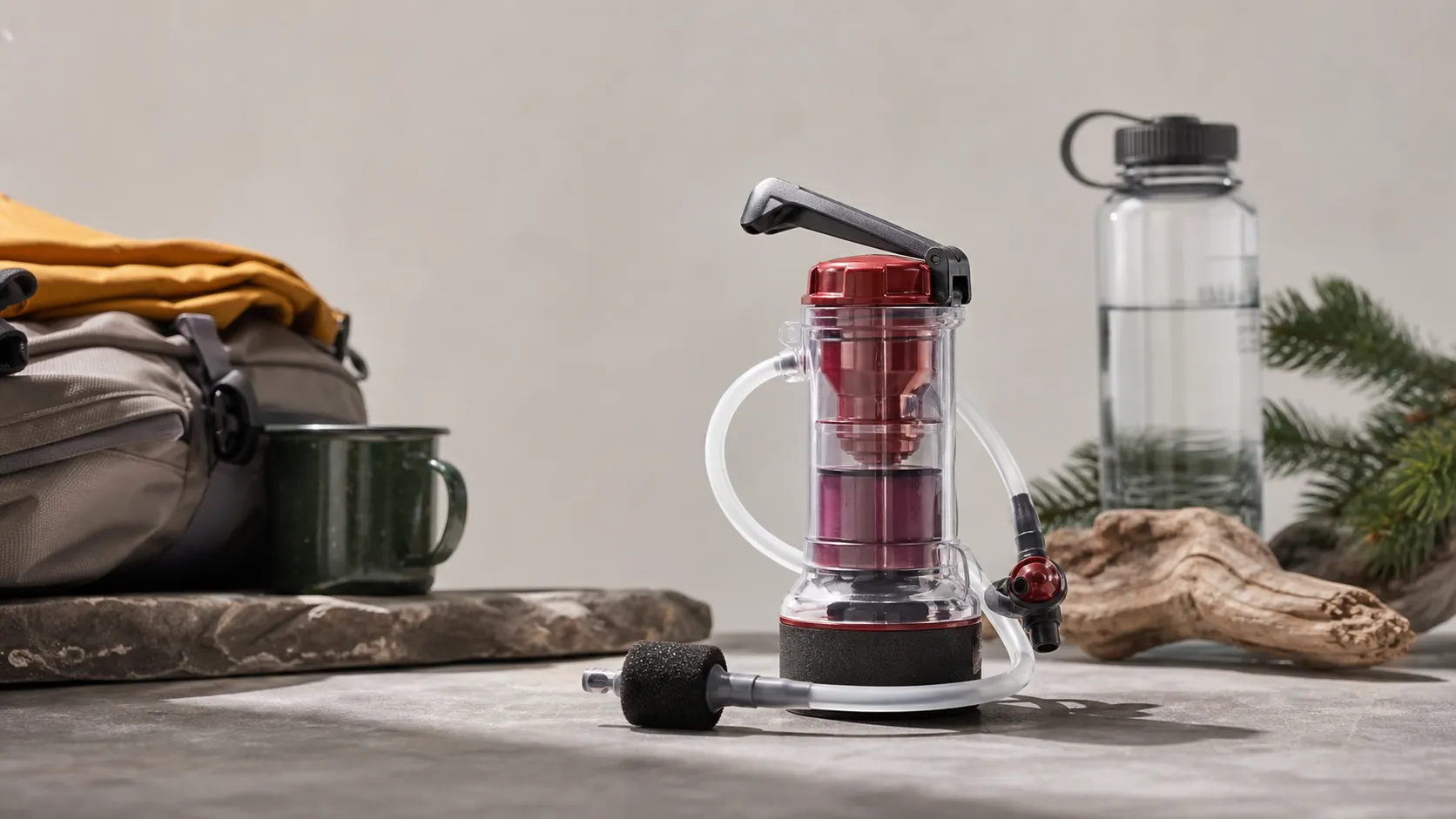
MSR Guardian Purifier Review (2026)
A top pick for groups and basecamps — the MSR Guardian Purifier delivers exceptional flow and durability but carries a high price and weight penalty.
 Outdoor & Garden
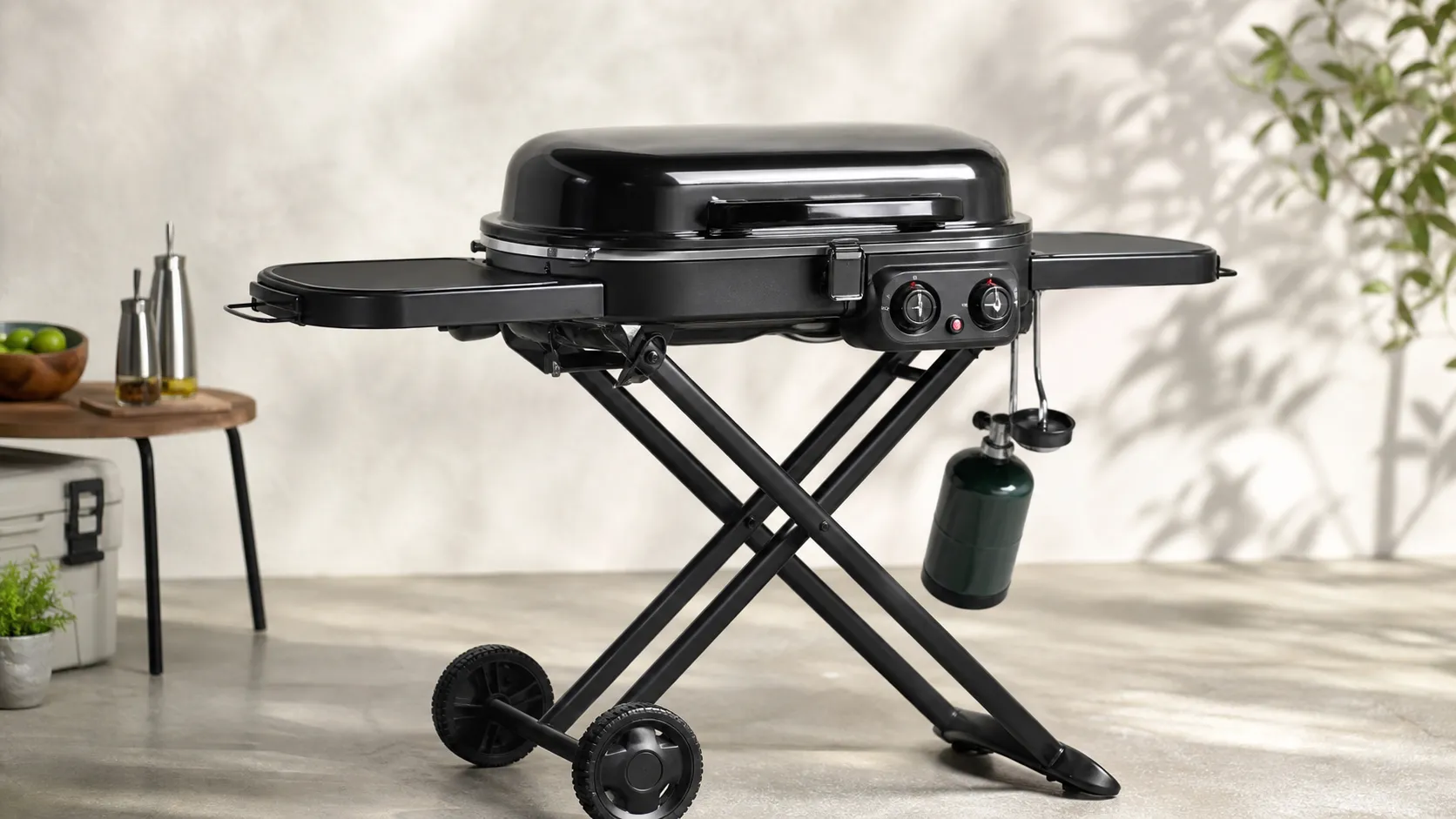
Coleman RoadTrip 285 Portable Propane Grill Review 2026
Portable, quick to heat, and great value — the Coleman RoadTrip 285 is ideal for tailgates and camping, but expect hotspots and some plastic parts to limit heavy use.
 Outdoor & Garden
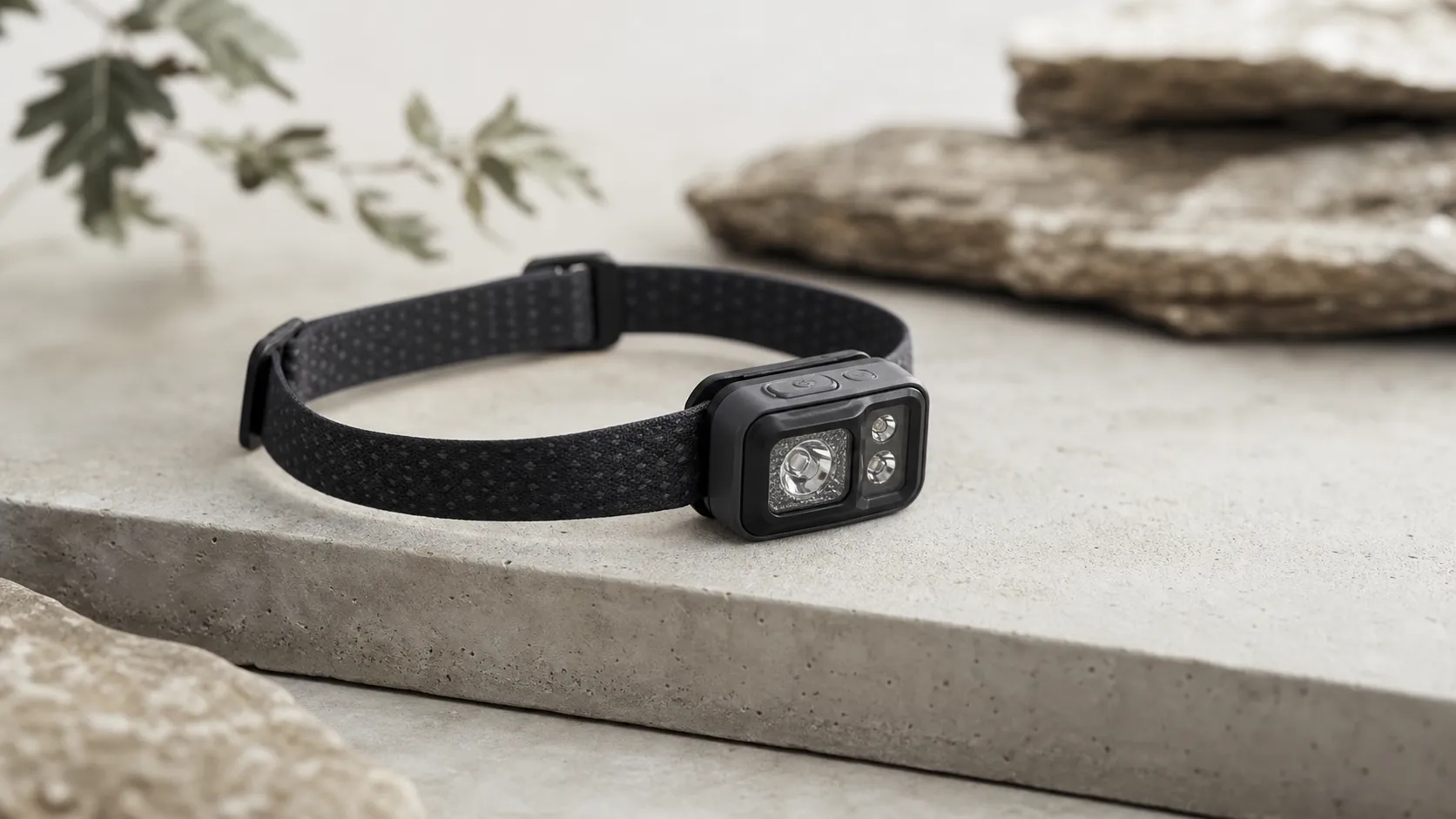
Black Diamond Spot 400‑R Headlamp Review 2026
A bright, well‑balanced rechargeable headlamp that excels for trail running and hiking. Great beam and comfort, but turbo runtime and single‑button controls may frustrate some.