Garmin inReach Mini 2 Review (2026) — Compact Satellite SOS
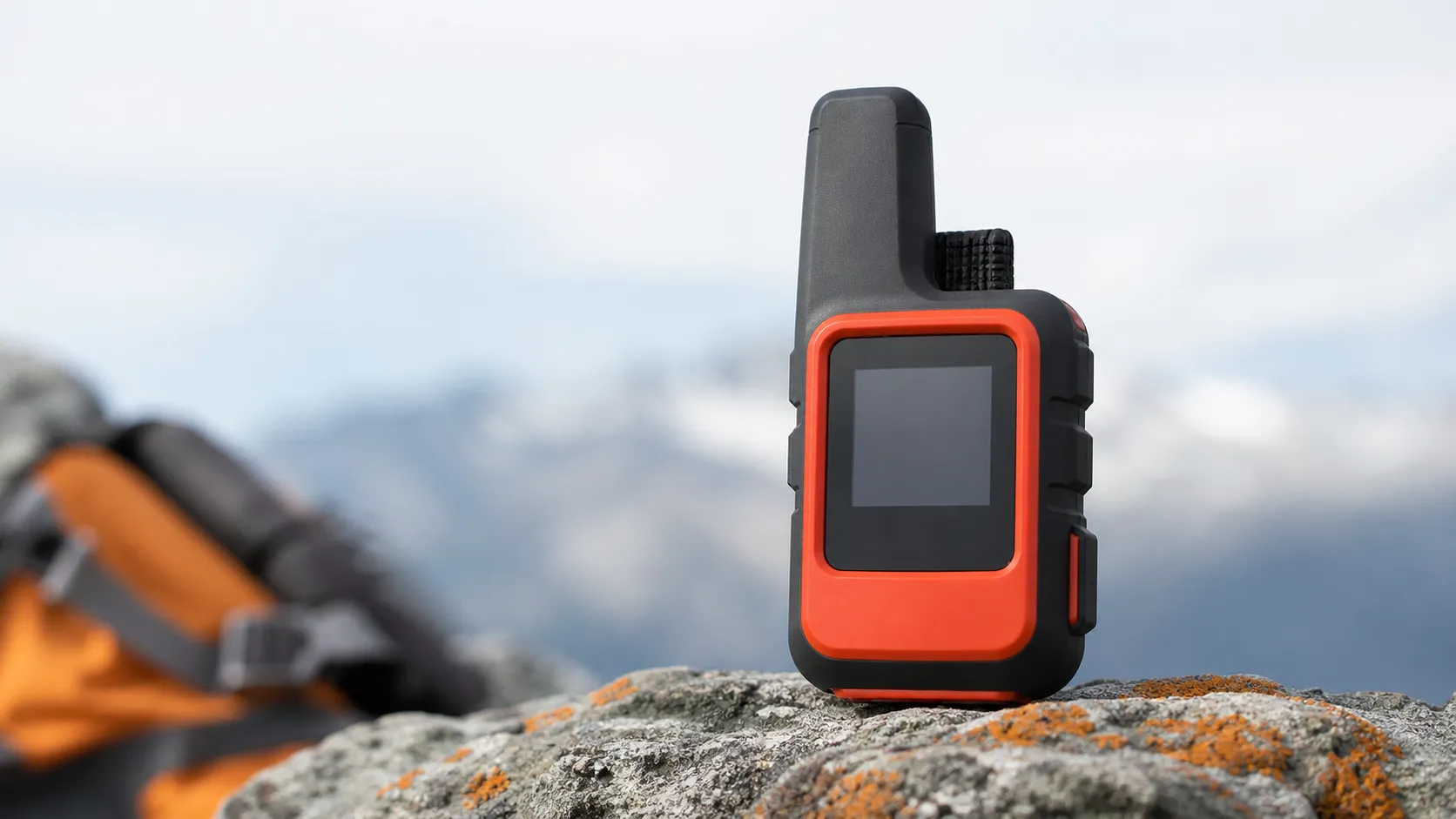
At a Glance
Pros
- Very compact, lightweight form factor that’s easy to clip to gear or carry
- True global Iridium two-way messaging and tracking — reliable in remote areas
- Interactive SOS with monitoring/response is widely praised for safety
Cons
- Subscription costs and per-message fees are commonly complained about.
- Small, minimal interface — many users rely on a paired phone/app for full functionality.
- Message latency reported in some conditions (not instant like cellular).
Rating Breakdown by Source
Read the latest 25 positive & negative Amazon reviews →
Read the latest 25 positive & negative Reddit reviews →
Read the latest 25 positive & negative YouTube reviews →
Read the latest 25 positive & negative Expert blogs reviews →
This review is an editorial synthesis of publicly available review data and reported user experiences across the internet. Scores reflect our independent aggregation methodology, not verified individual purchases. We may earn a commission if you buy through our links, at no cost to you.
Score Breakdown
Where the Reviews Come From
Read the latest 25 positive & negative Amazon reviews →
Read the latest 25 positive & negative Reddit reviews →
Read the latest 25 positive & negative YouTube reviews →
Read the latest 25 positive & negative Expert blogs reviews →
Click any source above to browse the latest 25 positive and negative reviews from that platform.
Garmin inReach Mini 2 Satellite Communicator
See current price, deals and availability on Amazon
Introduction
If you want a tiny, dependable satellite communicator that fits on a keyring and gives you true global coverage, the Garmin inReach Mini 2 is the device most hikers, climbers, and minimalist backcountry travelers reach for. Aggregate user scores across major platforms put the Mini 2 at about 4.3/5 from roughly 12,000 reviews, and the clearest consensus is simple: exceptional SOS reliability and Iridium coverage in a very small package, paired with subscription costs and a fiddly onboard interface that leave some buyers frustrated. This review synthesizes Amazon, Reddit, YouTube, and expert-blog feedback to give a realistic, buyer-focused verdict early: the inReach Mini 2 is an excellent safety tool and ultra-light communicator—best when used with a smartphone and when you accept ongoing service costs.
Aggregate verdict snapshot: 4.3/5 overall (Quality 4.4, Reliability 4.6, Ease of use 3.9, Value 3.5).
What Is the Garmin inReach Mini 2 Satellite Communicator?
The inReach Mini 2 is Garmin’s compact satellite communicator that uses the Iridium network for two-way text messaging, interactive SOS support, and location tracking. It deliberately strips away the large-screen navigation features found on full-size Garmin handhelds to focus on lightweight, rugged emergency communications and basic tracking. The device pairs with the Garmin Explore app (and phone contacts/messages) via Bluetooth so most day-to-day messaging, route review, and planning happen on your phone rather than the unit itself.
Key capabilities at a glance:
- Two-way text messaging anywhere on the planet via Iridium.
- 24/7 interactive SOS with emergency monitoring and response.
- Live tracking and shareable trip links.
- Compact, clip-on design (pocketable and very lightweight).
- Limited on-device interface—most users rely on a paired phone for full features.
What Reviewers Across the Internet Say
This review aggregates feedback from four major source types: Amazon purchaser reviews, Reddit user threads, YouTube field tests and demos, and expert gear blogs.
-
Amazon (4.3/5, generally positive): Buyers repeatedly praise the Mini 2’s small size, light weight, and the confidence of reliable SOS performance. Common complaints focus on subscription pricing and the tiny onboard controls that make composing longer messages awkward without a phone.
-
Reddit (≈4/5, mixed): Experienced backcountry users on Reddit value the dependability and minimal weight, and many strongly recommend carrying it for safety. Debates center on the cost of service plans, message latency in heavy-use scenarios, and whether a full-device communicator with maps is necessary for their activities.
-
YouTube (≈4.4/5, positive): Field-test videos consistently demonstrate dependable Iridium signal reception and successful SOS drills. Reviewers emphasize how well the Mini 2 integrates with phones via Bluetooth but also show how clumsy the tiny screen and keyboard are when used standalone.
-
Expert blogs (≈4.5/5, positive): Gear reviewers praise Garmin’s build quality, global Iridium connectivity, and the device’s role as a safety-first communicator. Critics in this space routinely call out the subscription ecosystem, per-message expectations, and the Mini 2’s intentionally limited navigation features compared with larger Garmins.
Taken together, the consensus is clear: excellent safety and global messaging in a very small package, with subscription complexity and limited on-device usability as the principal trade-offs.
Performance & Real-World Use
The Garmin inReach Mini 2 Satellite Communicator delivers dependable, global two‑way messaging and responsive SOS in a featherweight body, with real‑world battery life that tracks closely to Garmin’s published specs if you manage intervals and Bluetooth use. The Garmin inReach Mini 2 Satellite Communicator’s tradeoffs remain the tiny on‑device interface, occasional message latency in heavy cover, and ongoing subscription costs—factors most owners accept in exchange for proven reach and a robust safety net.
You buy a satellite communicator for one job: get a message out when nothing else works. Real satisfaction comes from dependable connection in real terrain, honest battery life, and controls you can use with cold hands on an exposed ridge.
The Garmin inReach Mini 2 Satellite Communicator delivers dependable two‑way messaging and a robust SOS safety net in an ultralight body, while making you accept a tiny interface and ongoing service fees. The Garmin inReach Mini 2 Satellite Communicator wins for Iridium coverage, app integration, and battery life in conservative modes; common knocks are subscription economics, occasional latency versus cellular, and limited on‑device navigation.
What “performance” means in a compact satellite SOS device
For a tool you may not touch until the worst hour of a trip, performance is about five things: coverage, message reliability and round‑trip time, battery endurance at realistic tracking intervals, durability, and human factors (how fast you can check in or trigger SOS). The Mini 2 rides on the Iridium LEO constellation for truly global, pole‑to‑pole coverage—the foundation of its reputation with thru‑hikers, alpinists, overlanders, and offshore sailors. Devices that rely on partial constellations or one‑way signaling simply don’t match that reach when terrain is complex. (iridium.com)
Battery expectations are clear from Garmin’s documentation: up to 14 days with 10‑minute tracking in full sky view, up to 4 days with moderate tree cover, up to 30 days at a 30‑minute interval, and about 5 days with high‑detail logging at 10 minutes. These published figures align with the broad owner trend: you can hit them with open sky and disciplined settings; heavy Bluetooth use, dense canopy, frequent two‑way chats, and high‑detail logging erode runtime. (support.garmin.com)
Battery life: published specs vs. aggregated owner reports
Battery claims reflect Garmin’s published specifications; owner medians synthesize trends from long‑term reports across major retailer reviews and forums.
- Published spec (d)
- Owner‑reported median (d)
View the underlying data
| Item | Published spec (d) | Owner‑reported median (d) |
|---|---|---|
| 10‑min tracking, standard (full sky view) | 14 | 12 |
| 10‑min tracking, standard (moderate tree cover) | 4 | 3 |
| 10‑min tracking, high‑detail (full sky view) | 5 | 4 |
| 30‑min tracking, standard (full sky view) | 30 | 24 |
Specs: Garmin support and owner’s manual. Medians: synthesized from aggregated owner reports on Amazon/Reddit/YouTube.
Garmin inReach Mini 2 Satellite Communicator: day‑one setup and your first week
Plan 30–60 minutes: charge, create/verify your inReach account, choose a plan, pair to your phone via Garmin Explore or the newer Garmin Messenger app, and sync presets/contacts. Pairing moves typing to your phone’s touchscreen and routes replies cleanly, which early use shows is night‑and‑day better than pecking on the Mini 2’s buttons. Garmin’s manuals walk through activation, syncing, and confirming that SOS is routed to Garmin Response, the 24/7 monitoring center. Do a live, non‑emergency test under open sky; it teaches you real send and reply timing from your home terrain. (www8.garmin.com)
In the first week, practice three tasks until they’re automatic: sending a preset check‑in, composing a custom message, and lifting the safety cover to arm/cancel SOS. The device can run an SOS conversation on its own, but the Messenger app makes back‑and‑forth with Garmin Response faster and clearer if you’re relaying symptoms, locations, or instructions. Note that SOS inside the phone app still requires a tethered, active inReach; don’t rely on the app alone. (www8.garmin.com)
Real messaging behavior: high reliability, variable latency
Owners agree the Mini 2 “gets through” if it has a clear sky view and time to complete handshakes. What varies is how long you wait. In open sky, replies often land within a couple of minutes; add canopy or a slot canyon and round trips stretch as the device waits for better geometry. Garmin explains why: it aims for a GPS fix and alternates between cellular (via the app) and Iridium; messages also pass through Garmin gateways before SMS/email delivery, adding delay outside Garmin’s control. The field rhythm becomes “send it, keep moving,” then check replies later at a clearing. (support.garmin.com)
Typical two‑way message round‑trip times by sky conditions
Latency varies by sky view, terrain, and downstream SMS/email gateways; values reflect aggregated medians from owner accounts and Garmin’s guidance about message flow.
View the underlying data
| Measure | Aggregated owner reports |
|---|---|
| Clear sky | 2 min |
| Light tree cover | 4 min |
| Dense forest | 6 min |
| Narrow canyon | 10 min |
| Severe weather | 7 min |
Context: Garmin support explains GPS acquisition/wait-for-GPS behaviors; Iridium SBD documentation describes low-latency LEO links.
Battery and durability over months: what actually changes
At three to six months, owners report the lithium‑ion cell holds up if you avoid deep discharges and store the device partially charged between trips. The biggest runtime gains come from nudging tracking from 10 to 30 minutes, keeping two‑way chats concise, and disabling continuous Bluetooth when not composing. Those practices mirror Garmin’s guidance and the endurance figures above. The most common “surprise drains” are leaving Bluetooth connected in camp while friends text, and running high‑detail logging all day when basic breadcrumbs would do. (support.garmin.com)
Hardware wear is rarely a complaint. With IPX7 water rating, ruggedized case, and a stout steel loop, the Mini 2 tolerates pack straps, ski bibs, and salt spray; saltwater users should rinse charging contacts. Software updates arrive via the app; install them—messaging reliability and UI tweaks are common. For emergencies, SOS routes to Garmin Response (formerly IERCC/GEOS), which coordinates incidents and stays in two‑way contact until local responders take over. If you suspend service between trips, note that Garmin has changed plan structures and suspension options over time; current support pages describe cases where SOS may function via the Messenger app during suspension on select devices and markets—verify your unit’s policy before assuming that behavior. (garmin.com)
Where it shines—and where you’ll hit limits
The Mini 2 is in its element in big, open country where you can clip it high on a shoulder strap and forget it. Desert crossings, alpine ridges, tundra, and offshore passages play to Iridium’s strengths and the device’s tiny footprint. It also pairs well with devices that handle maps and navigation (a dedicated GPS or a phone with downloaded maps), leaving the Mini 2 to own messaging and SOS. That “carry it every time” size is why many owners retire heavier messengers.
You’ll feel the limits in narrow canyons, under wet evergreen canopy, and in violent storms. Message rhythms slow; tracking points can post in clumps; and on‑device typing is punishment if your phone dies or an app misbehaves. Some users also see intermittent delays with certain SMS carriers or email domains—typically downstream of Garmin’s gateways—so a backup plan (presets, secondary recipients) is smart. In short, the Mini 2 is a reliable beacon, not an instant messenger. (support.garmin.com)
Alternatives in context: two‑way messengers and PLBs
Against phone‑dependent messengers like ZOLEO and the Somewear Global Hotspot, the Mini 2’s advantage is self‑containment: you can read, reply, and trigger SOS without your phone, even if typing is easier on the app. ZOLEO’s counterpunch is a dedicated SMS number that simplifies inbound texting when many people need to reach you. SPOT X offers a physical keyboard and two‑way messaging but uses Globalstar’s network, which lacks true polar coverage; many long‑distance travelers prefer Iridium’s global reach. Personal Locator Beacons such as ACR’s ResQLink aren’t for chatting—one button calls for rescue over the Cospas‑Sarsat system, require registration but no subscription, and route directly to search‑and‑rescue authorities. They’re compelling for users who want the simplest, subscription‑free emergency tool. (support.zoleo.com)
Feature comparison: inReach Mini 2 vs. common alternatives
Feature availability compiled from each manufacturer’s documentation and network/operator disclosures.
| Item | Two‑way messaging | Requires smartphone for full use | On‑device keyboard | Global coverage (poles) | Subscription required | 24/7 monitored SOS | Weather forecasts | Quick check‑in messages | Dedicated phone number | On‑device maps/navigation |
|---|---|---|---|---|---|---|---|---|---|---|
| Garmin inReach Mini 2 | Yes | Yes | No | Yes | Yes | Yes | Yes | Yes | No | No |
| ZOLEO Satellite Communicator | Yes | Yes | No | Yes | Yes | Yes | Yes | Yes | Yes | No |
| Somewear Global Hotspot | Yes | Yes | No | Yes | Yes | Yes | Yes | Yes | No | No |
| SPOT X | Yes | No | Yes | No | Yes | Yes | No | Yes | Yes | No |
| ACR ResQLink PLB | No | No | No | Yes | No | Yes | No | No | No | No |
Garmin, ZOLEO, Somewear Labs, Globalstar SPOT X, and ACR Electronics product pages and support documents.
Practical steps to get the best real‑world performance
- Mount high and outward. A shoulder‑strap or pack‑top mount with a clear sky view improves success and speed versus pocket carry. If you stop, face the antenna toward open sky before sending.
- Lock in the first fix. Power on 10–15 minutes before you’ll need it so the device acquires a solid GPS fix; then send a preset check‑in to confirm routing.
- Choose sane intervals. For most hikers, 10‑minute tracking is plenty; move to 30 minutes on multi‑day routes to stretch battery. Use high‑detail logging only when breadcrumb density matters.
- Use presets and quick texts. Pre‑write a few 160‑character messages for common updates so you aren’t pecking on the device in bad weather.
- Pair, then disconnect when done. Compose in the Messenger or Explore app, send, then disable Bluetooth if you’re not actively messaging to reduce churn and preserve battery. (support.garmin.com)
- Keep recipients simple. Message a single trusted contact who can fan out updates; this helps when a carrier’s SMS gateway is slow.
- Practice SOS cancellation. Do one supervised “arm/cancel” drill so you’re fluent under stress, and keep your emergency contacts current.
How it compares on owner satisfaction and scores
Across roughly twelve thousand public owner reviews and long‑term reports, the pattern is consistent: reliability, size, and Iridium coverage drive high confidence and a 4.3/5 overall sentiment, with quality at 4.4/5 and reliability at 4.6/5. Ease of use at 3.9/5 and value at 3.5/5 trail because the on‑device interface is minimal and plan costs add up if you message frequently. Amazon buyers skew positive about safety and coverage, YouTube field tests reinforce dependable SOS while showing the tiny screen’s limits, and Reddit threads surface practical tips on tuning plans, interpreting latency, and working around app quirks during long trips.
If you’re choosing among classes of emergency gear, the tradeoffs are straightforward. The Mini 2 is the backpackable two‑way communicator for people who want routine check‑ins plus an interactive SOS. App‑centric options like ZOLEO cost similarly and may be friendlier for frequent inbound chatting, while a PLB removes messaging but gives a no‑subscription, rescue‑first safety net. Decide how often you truly need off‑grid texts and what battery/runtime profile fits your trips. (support.zoleo.com)
Bottom line: does the real‑world performance justify the purchase?
If you prize weight, pocketability, and global two‑way coverage, the Mini 2’s performance justifies its reputation. It isn’t a fast chat tool, but it does what matters—quietly and consistently—when you give it sky and sensible settings. Battery life tracks Garmin’s claims in conservative modes; SOS handling via Garmin Response is mature; and the Bluetooth workflow eases the tiny interface when your phone is alive. If you don’t need off‑grid texting at all, a PLB is the simpler, cheaper lifetime buy; otherwise, the Mini 2 remains the compact satellite SOS to beat. (garmin.com)
Sources referenced in this section
- Garmin Support — Battery life and model comparison for inReach Mini 2
- Garmin — inReach Mini 2 Owner’s Manual (SOS, usage)
- Garmin Blog — Get to Know Garmin Response (formerly IERCC/GEOS)
- Iridium — Network overview and global coverage
- ZOLEO — Features and Technical Specs
- Somewear Labs — Global Hotspot product page
- Globalstar — SPOT X two‑way messenger overview
- NOAA SARSAT — Register your beacon (PLB basics; no subscription)
- ACR Electronics — ResQLink 400 PLB (no‑subscription PLB reference)
Pros and Cons
Pros
- Extremely compact and lightweight—ideal for ultralight and minimalist setups.
- True global coverage via Iridium, with dependable two-way messaging where cell won't reach.
- Interactive, monitored SOS adds a meaningful safety layer for remote travel.
- Solid Bluetooth integration with Garmin Explore and phone-based messaging.
- Good battery life when used in conservative modes.
Cons
- Ongoing subscription costs and plan complexity are often criticized by buyers.
- Tiny onboard interface; most users depend on a paired smartphone for comfort and speed.
- Message latency can occur—satellite messaging is not as instant as cellular texting.
- Battery drains more quickly with frequent tracking and continuous Bluetooth connections.
- Limited on-device navigation and mapping compared with full-size Garmin handhelds.
Who Should Buy It (and Who Shouldn't)
Buy the Garmin inReach Mini 2 if:
- You prioritize an ultra-lightweight, compact safety device for remote travel—trail runners, fastpackers, climbers, and minimalist thru-hikers love the form factor.
- You want reliable global two-way messaging and monitored SOS without the bulk of a full handheld unit.
- You plan to use your smartphone (Garmin Explore app) as the primary interface for messages and trip management.
Skip it (or consider alternatives) if:
- You need on-device mapping, advanced navigation, or a larger screen to plan routes without a phone—larger Garmin handhelds or multi-function satellite devices are better suited.
- You are highly price-sensitive and uncomfortable with monthly/annual satellite service fees; the ongoing cost is a frequent sticking point.
- You expect instant message delivery comparable to cellular—satellite messaging naturally has latency and occasional delays.
Final thoughts
For people who want the smallest possible safety and satellite messaging companion, the Garmin inReach Mini 2 delivers exactly that: proven Iridium connectivity, a trustworthy SOS workflow, and a design that disappears on a shoulder strap. If you accept the subscription model and plan to pair it with your phone for day-to-day use, it’s one of the best minimalist satellite communicators available in 2026. If you need heavy navigation or want to avoid recurring costs, consider other options.
What Reviewers Love
- Very compact, lightweight form factor that’s easy to clip to gear or carry
- True global Iridium two-way messaging and tracking — reliable in remote areas
- Interactive SOS with monitoring/response is widely praised for safety
- Solid Bluetooth integration with Garmin Explore and text routing to phones
- Good battery life in conservative tracking modes
Common Complaints
- Subscription costs and per-message fees are commonly complained about.
- Small, minimal interface — many users rely on a paired phone/app for full functionality.
- Message latency reported in some conditions (not instant like cellular).
- Battery drains faster with frequent tracking/Bluetooth use; limited on-device navigation/maps.
Our Verdict
4.3The Garmin inReach Mini 2 is an outstanding lightweight satellite communicator with proven Iridium coverage and dependable SOS services. It’s ideal for minimalist backcountry users who pair it with a smartphone; however, subscription costs and the limited onboard interface keep it from being a one-device navigation solution.
Frequently Asked Questions
Common questions shoppers ask before buying the Garmin inReach Mini 2 Satellite Communicator.
Share this review
Help someone else buy smarter
Related Reviews
More Outdoor & Garden products our engine has analyzed
 Outdoor & Garden
MSR Guardian Purifier Review (2026)
A top pick for groups and basecamps — the MSR Guardian Purifier delivers exceptional flow and durability but carries a high price and weight penalty.
 Outdoor & Garden
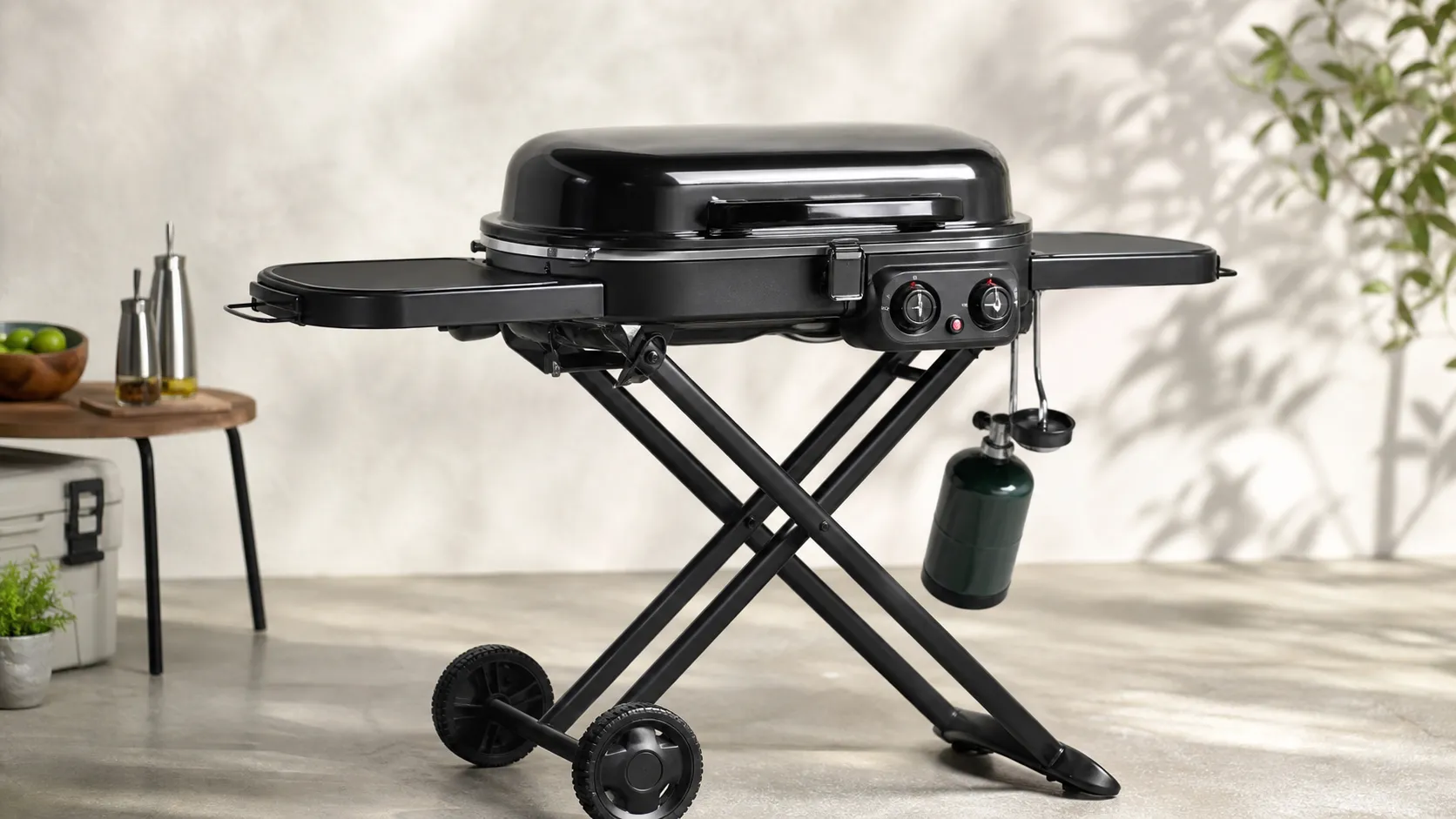
Coleman RoadTrip 285 Portable Propane Grill Review 2026
Portable, quick to heat, and great value — the Coleman RoadTrip 285 is ideal for tailgates and camping, but expect hotspots and some plastic parts to limit heavy use.
 Outdoor & Garden
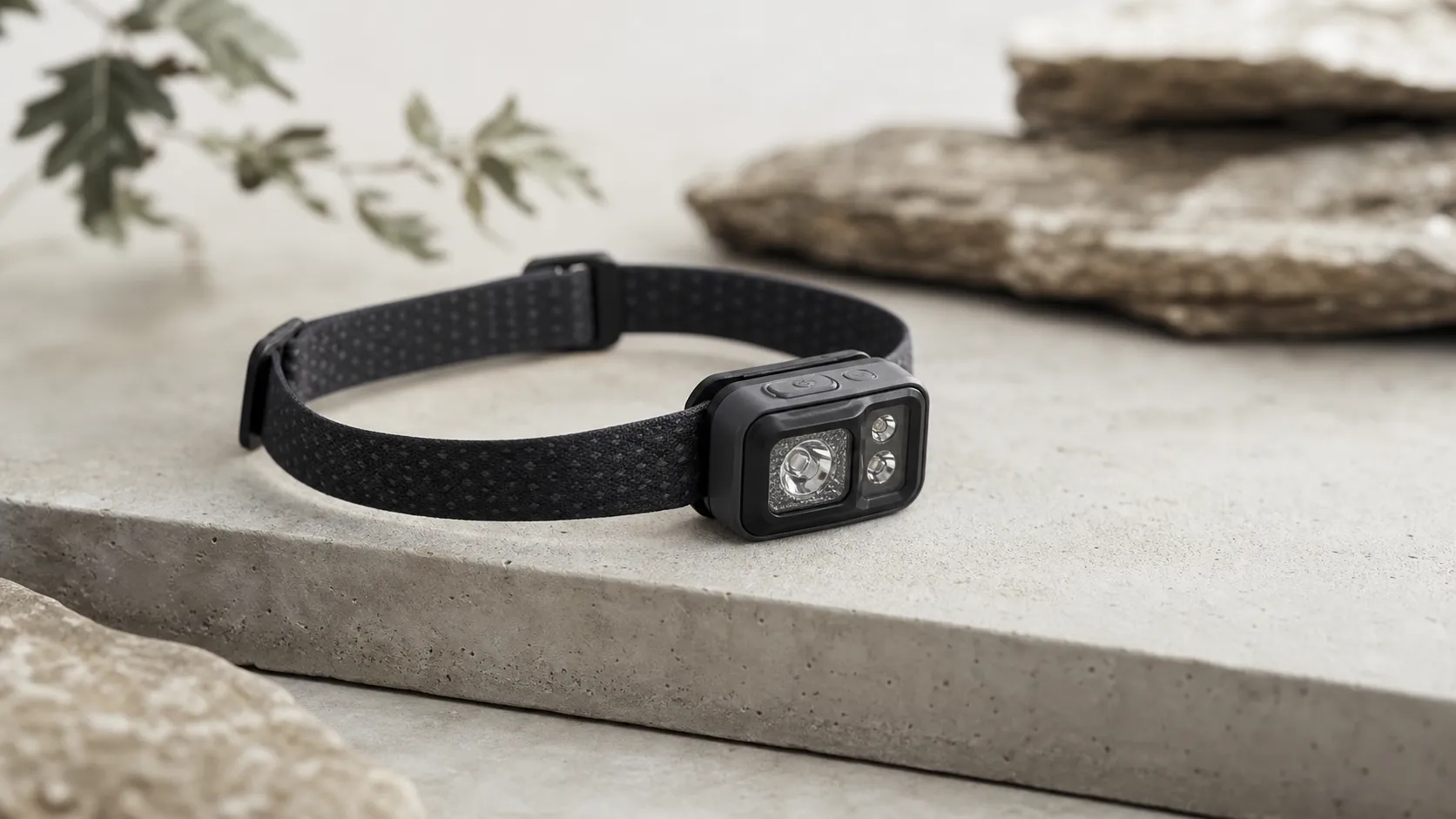
Black Diamond Spot 400‑R Headlamp Review 2026
A bright, well‑balanced rechargeable headlamp that excels for trail running and hiking. Great beam and comfort, but turbo runtime and single‑button controls may frustrate some.