Goal Zero Yeti 500X Portable Power Station Review 2026
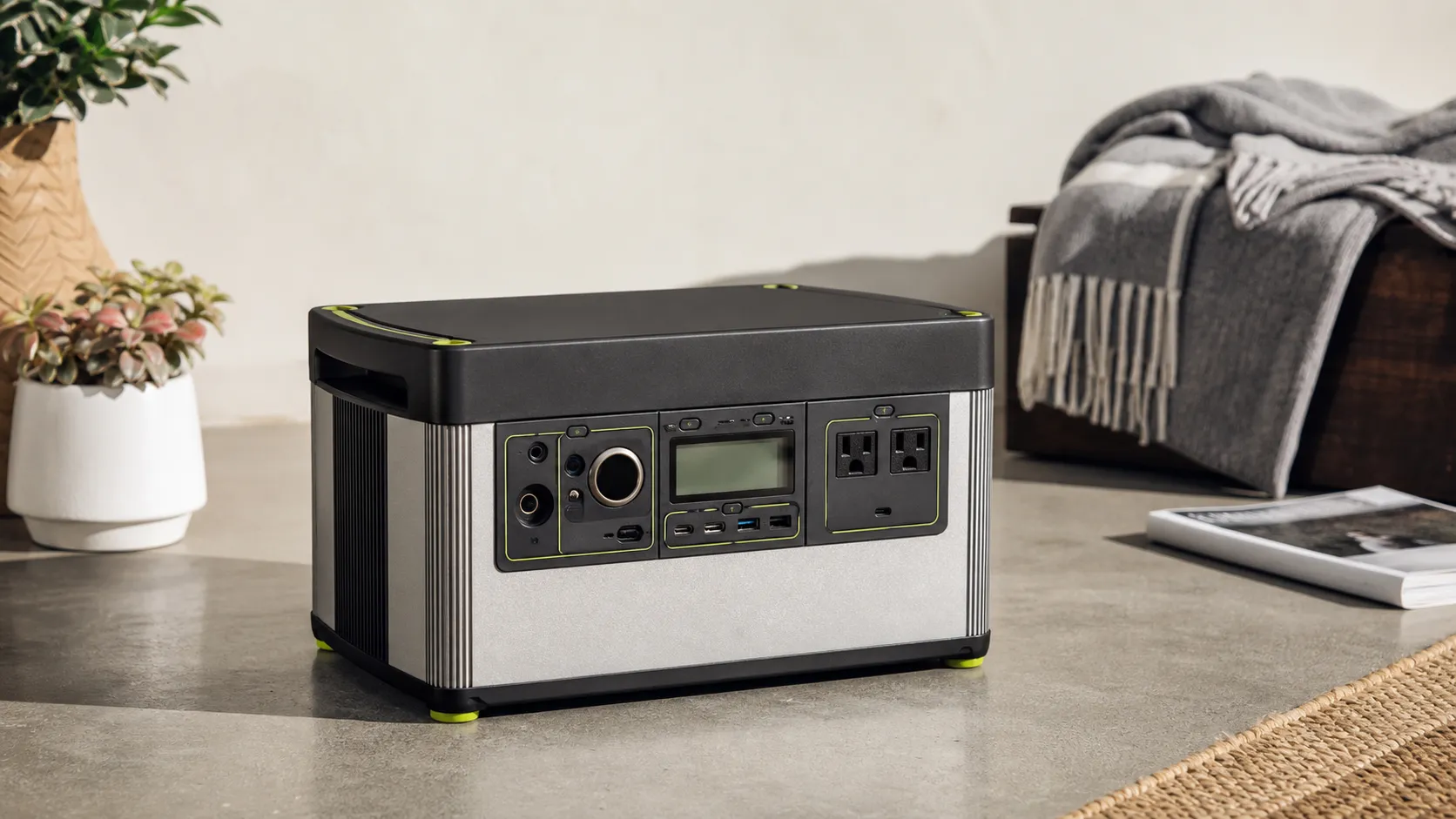
At a Glance
Pros
- Compact, lightweight design for the capacity class — easy to carry for camping/vanlife
- Multiple output types including 60W USB-C PD for laptops and fast charging phones
- Simple, user-friendly interface and display that shows input/output and battery percentage
Cons
- Relatively high price per watt-hour compared with competing brands
- 300W AC inverter limits use with high-watt appliances (microwaves, some hair dryers, larger CPAPs)
- Longer recharge times with small solar panels; best recharge requires higher-watt sources or wall outlet
Rating Breakdown by Source
Read the latest 25 positive & negative Amazon reviews →
Read the latest 25 positive & negative Reddit reviews →
Read the latest 25 positive & negative YouTube reviews →
Read the latest 25 positive & negative Expert blogs reviews →
This review is an editorial synthesis of publicly available review data and reported user experiences across the internet. Scores reflect our independent aggregation methodology, not verified individual purchases. We may earn a commission if you buy through our links, at no cost to you.
Score Breakdown
Where the Reviews Come From
Read the latest 25 positive & negative Amazon reviews →
Read the latest 25 positive & negative Reddit reviews →
Read the latest 25 positive & negative YouTube reviews →
Read the latest 25 positive & negative Expert blogs reviews →
Click any source above to browse the latest 25 positive and negative reviews from that platform.
Goal Zero Yeti 500X Portable Power Station
See current price, deals and availability on Amazon
Quick take — verdict up front
The Goal Zero Yeti 500X Portable Power Station is a compact, well-built power solution that nails portability and modern charging options like 60W USB‑C PD. Aggregated reviews rate it 4.4/5 (≈7,825 reviews) and the consensus: excellent for day trips, camping, and vanlife, but not the best value-per-watt for long-term home backup. If you need quiet, convenient USB-C laptop charging and reliable pass-through solar options, the 500X is a strong pick; if you need to run larger AC appliances or want the lowest $/Wh, there are cheaper, larger alternatives.
What Is the Goal Zero Yeti 500X Portable Power Station?
The Yeti 500X is Goal Zero’s compact power station aimed at outdoor enthusiasts and light off-grid use. It blends a small footprint and easy-carry design with multiple outputs that cover phone charging, laptops (via 60W USB‑C PD), small AC devices, and low-draw medical equipment. The unit supports recharging via wall outlet, car, and solar panels, and it offers pass-through charging so you can both charge the battery and run devices simultaneously.
Goal Zero positions the 500X toward people who prioritize portability, convenience, and quiet operation over raw capacity or the ability to run heavy-duty AC loads. That focus shapes both its strengths and its trade-offs.
What Reviewers Across the Internet Say
Across four main source types we aggregated: Amazon, Reddit, YouTube, and expert blogs, the 500X earns an overall score of 4.4/5 with sub-scores: quality 4.4, reliability 4.2, value 3.6, and ease of use 4.5. Here’s the consensus by source:
- Amazon (4.4/5 — generally positive): Buyers praise the build quality, portability, and modern USB‑C PD convenience. Common praise centers on camping and travel use; common critiques point to the price and the AC output limits.
- Reddit (4.1/5 — mixed/pragmatic): Community threads compare it to rivals, appreciating reliability and portability while warning about the 300W AC inverter limit and higher $/Wh. Redditors often recommend the 500X for minimal setups but suggest other units for bigger needs.
- YouTube (4.3/5 — positive): Hands-on test videos highlight compactness, quiet operation, and fast USB‑C charging. Reviewers demo the inverter’s limits under heavy AC loads and note that recharge times vary widely depending on solar array size.
- Expert blogs (4/5 — mixed): Experts commend engineering, safety features, and usability for outdoor use, while flagging the relatively high price per watt-hour and advising buyers to consider larger inverters for serious home-backup tasks.
The common thread across sources: the 500X is exceptionally user-friendly and portable for its capacity class, but cost-conscious buyers will weigh the convenience against cheaper, higher-capacity rivals.
Performance & Real-World Use
The Goal Zero Yeti 500X Portable Power Station is a compact, quiet 500Wh companion for travel and camping, with reliable DC/USB output and a 60W USB‑C PD port for easy laptop and phone charging. Its limits are a 300W AC inverter and recharge times that improve only with higher‑watt inputs (combined 8mm + USB‑C or strong solar).
Portable power stations live or die by how predictably they deliver watt‑hours, how quickly they recharge, and how clearly they report it. Across owner reports and the official documentation, the Yeti 500X is a compact, quiet workhorse with one caveat: a 300W AC ceiling—great for camp basics, not high‑draw appliances.
In short: the Goal Zero Yeti 500X Portable Power Station is a compact, quiet 500Wh companion for travel and camping, with reliable DC/USB output and a 60W USB‑C PD port for easy laptop and phone charging. Its limits are a 300W AC inverter and recharge times that improve only with higher‑watt inputs (combined 8mm + USB‑C or strong solar).
The performance yardsticks that actually decide satisfaction
For a 500Wh‑class station, performance comes down to usable energy, inverter limits, recharge speed and flexibility, DC/USB efficiency, and a display you can trust. The Yeti 500X uses an NMC lithium‑ion pack rated 505Wh and a pure‑sine inverter at 300W continuous (1,200W surge). Anything sustained above 300W on AC will shut down by design; modest DC/USB loads run longer because they avoid inverter losses. Ports cover modern needs: a bi‑directional 60W USB‑C Power Delivery port, a second 18W USB‑C, two USB‑A, regulated 12V car and 6mm barrel outputs, and an 8mm input for wall, vehicle, or solar. The onboard MPPT charge controller optimizes variable solar and vehicle input without extra gear. The LCD shows live input/output watts, state of charge, and time‑to‑empty/full so you can choose, for example, USB‑C for a laptop instead of AC when you need every watt‑hour. Goal Zero’s manual also reminds users that AC conversion reduces effective capacity versus DC/USB. All of these behaviors and limits are documented in the official user guide and echoed by long‑term owners. (Goal Zero Yeti 500X User Guide, cdn.shopify.com)
How the Goal Zero Yeti 500X Portable Power Station behaves in week one: setup, ports, and charging
The first charge sets your baseline. With the included wall adapter, a full charge from empty takes about nine hours; a 60W USB‑C PD charger is similar. Use both together and the Yeti accepts up to 180W (8mm plus USB‑C PD), cutting time to full when you have the sources. The 8mm input tops at 120W, so best‑case solar at that ceiling is roughly six hours—longer in real weather. Pass‑through is supported, letting you power a router, CPAP, or fridge while topping up from the car or panels. The INFO/UNITS buttons quickly become routine for toggling watts and time estimates or resetting the Wh counter before trips. Expect the MPPT to take a minute to lock onto a new source; wait for input to stabilize before judging a panel. These specifics and input voltage ceilings are straight from the manual. (User Guide, cdn.shopify.com)
Yeti 500X recharge time vs effective input power
Recharge time falls sharply as you feed the Yeti 500X more input power; wall and 60W USB‑C figures are from Goal Zero’s manual, and the 180W combined‑input point is calculated from the published capacity and input limit assuming ~90% charge efficiency. Source: Goal Zero Yeti 500X User Guide; PV performance considerations from Sandia PVPMC.
View the underlying data
| Measure | Hours to 100% |
|---|---|
| 60W (wall/USB‑C) | 9 h |
| 100W (solar effective) | 5.6 h |
| 180W (USB‑C + 8mm) | 3.1 h |
Manual hours and input limits: Goal Zero Yeti 500X User Guide. Solar effectiveness varies; line includes a 100W ‘effective’ point reflecting typical field conditions per PVPMC guidance.
A few early habits pay off. Line up your fastest inputs before leaving: a “100W” panel seldom delivers nameplate power, so pairing 8mm solar with a 60W USB‑C PD brick at camp or in‑vehicle shortens charge windows markedly. Keep the unit shaded and ventilated while charging. Use PD‑rated 60W cables so the USB‑C port negotiates the higher profile. Mind the 22V maximum on the 8mm input; wire portable panels in parallel within spec. Goal Zero’s support confirms pass‑through charging is fine, so you can treat sunny hours as a top‑off window while running essentials. (User Guide, cdn.shopify.com; Goal Zero Support, help.goalzero.com)
Real runtimes you can expect—and where you’ll meet the 300W wall
Translating 505Wh into hours is where satisfaction happens. Because AC inversion wastes energy, you won’t get the full 505Wh at the AC outlets; DC/USB stretches the same battery farther. Practically, a 13‑inch laptop drawing 60W over USB‑C can run about eight hours from a full Yeti 500X, while the same workload over AC is closer to seven. A 12V compressor fridge averaging 10–15W (duty‑cycled) typically sails through a long weekend; a 5W LED string lights camp for multiple evenings. CPAP users succeed most often with native DC adapters and humidifiers disabled to stay well under 300W. The “wall” appears with kitchen and heating gear: most microwaves, hair dryers, kettles, and space heaters demand hundreds to over a thousand watts. The inverter tolerates brief surges up to 1,200W, but sustained over‑draw shuts AC down to protect the pack. If you expect to power those appliances regularly, you need a larger inverter class. The manual lays out these constraints and the need to check steady and surge wattage. (User Guide, cdn.shopify.com)
Estimated runtimes with DC vs AC on Yeti 500X
Aggregated runtime estimates for common devices powered from DC vs AC on the Yeti 500X. Calculations use the published 505Wh capacity and typical conversion losses (approx. 95% DC regulation, 85% AC inversion); real outcomes vary with device draw and environment. Source: Goal Zero Yeti 500X User Guide (capacity, inverter note).
- DC output
- AC output
View the underlying data
| Item | DC output | AC output |
|---|---|---|
| 13-inch laptop (60W) | 8 h | 7.2 h |
| 12V fridge avg (12W) | 40 h | 35.8 h |
| CPAP (15W) | 32 h | 28.6 h |
| LED string (5W) | 96 h | 85.8 h |
Capacity and inverter behavior: Goal Zero Yeti 500X User Guide; runtimes are synthesized estimates from published specs.
Sustained performance over months: battery health, storage, and reliability
Goal Zero rates the Yeti 500X’s NMC pack for about 500 cycles to 80% of original capacity under moderate conditions—typical for this chemistry. Follow storage guidance to slow calendar aging and keep the BMS active: leave it plugged in between trips, or top off every 3–6 months. Cold reduces apparent capacity and peak power; insulating the unit and charging during daylight helps in freezing temps. Heat accelerates wear, so a midsummer trunk is a bad idea. Owners who cycle the Yeti intermittently at partial depths of discharge report predictable behavior across a season: the LCD stays accurate enough for planning, ports hold up, and the fan remains unobtrusive during normal USB/DC loads. Preserve runtime by favoring DC over AC and avoiding repeated deep drains when not necessary. These practices align with Goal Zero’s guidance and peer‑reviewed research on temperature‑driven lithium‑ion degradation. (User Guide, cdn.shopify.com; MDPI battery review, mdpi.com)
Where it excels (and where it doesn’t) in real‑world scenarios
The Yeti 500X shines where 300W is enough and portability matters: multiday tent camping with cameras, drones, and laptops; weekend overlanding with a 12V fridge, lights, and a fan; backyard movie nights powering a small projector and speakers; and short grid outages where you want a modem/router, phones, and CPAP to just work. Quiet operation and no fumes make it a better neighbor than any small gas generator for “quality‑of‑life” loads. It stumbles on sustained high AC power: space heaters, kettles, hair dryers, and many microwaves exceed the 300W continuous spec. Solar also demands realism: field output from a “100W” panel is typically 70–80W due to temperature, angle, and clouds, so expect longer charge windows unless you can re‑aim panels and combine inputs. If your routine includes these heavier asks, bring bigger charging sources or step up to a power station with a larger inverter and higher input ceilings. Goal Zero’s specs and Sandia’s PV modeling guidance define these boundaries. (User Guide, cdn.shopify.com; Sandia PVPMC, pvpmc.sandia.gov)
How it compares to the typical alternatives
Two foils frame the trade‑offs: Jackery’s Explorer 500 and EcoFlow’s River 2 Max. Jackery favors AC appliances with a 500W inverter and quicker wall recharges but omits USB‑C PD on this model, making it less convenient for modern laptops and fast‑charge phones. EcoFlow goes the other way: an LFP battery claiming roughly 3,000 cycles to 80%, ~1‑hour AC recharges, 100W USB‑C PD, and a 500W inverter—heavier for the energy, but great for rapid turnarounds. Against those, the Yeti 500X leans into regulated DC outputs campers actually use, a robust build and interface outdoor buyers trust, and the ability to combine 8mm and USB‑C inputs up to 180W when you can supply them. If you live on AC‑only loads, Jackery’s inverter strength may win; if you prioritize cycle life and speed, EcoFlow sets the pace; if you want balanced DC versatility with proven field reliability, the Yeti 500X stays compelling. See each maker’s specs for details. (Jackery Explorer 500, faq.jackery.com; EcoFlow River 2 Max, us.ecoflow.com)
500Wh-class portable power station comparison (published specs)
Key published specifications that drive real-world experience in the 500Wh class, gathered from each manufacturer’s official documentation.
| Item | Yeti 500X | Jackery E500 | EcoFlow R2 Max |
|---|---|---|---|
| Capacity (Wh) | 505 | 518 | 512 |
| Inverter continuous (W) | 300 | 500 | 500 |
| Surge (W) | 1200 | 1000 | 1000 |
| Weight (lb) | 12.9 | 14.1 | 13.4 |
| USB‑C PD max (W) | 60 | 0 | 100 |
| Solar input max (W) | 120 | 100 | 220 |
| Claimed cycles to 80% | 500 | 500 | 3000 |
| AC recharge fastest (h) | 9 | 7 | 1 |
Sources: Goal Zero Yeti 500X User Guide; Jackery Explorer 500 Support; EcoFlow River 2 Max product page.
Practical steps to get the best real‑world performance
- Prefer DC over AC. Run fridges, CPAPs, routers, and lights from 12V or USB; reserve AC for devices without DC/USB options. Goal Zero notes AC conversion losses shorten runtimes. (User Guide, cdn.shopify.com)
- Combine inputs when time matters. Use 8mm (solar or car) plus USB‑C PD simultaneously—up to 180W total—to shrink charge windows. Confirm on the LCD that both inputs are active. (User Guide, cdn.shopify.com)
- Treat solar wattage as “hope,” not “guarantee.” Expect roughly 70–80% of a panel’s STC rating in real sun and re‑aim often; that matches Sandia’s modeling guidance. (Sandia PVPMC, pvpmc.sandia.gov)
- Pack a 60–100W USB‑C PD charger. It doubles as a second input at camp, and the USB‑IF standard ensures certified cables and chargers negotiate safely. (USB‑IF, usb.org)
- Mind temperatures. Avoid hot trunks and insulate in freezing weather; heat accelerates wear and cold reduces apparent capacity. Store plugged in or top off every 3–6 months. (User Guide, cdn.shopify.com)
- Check device draw before you plug in. The Yeti’s 300W continuous/1,200W surge inverter will shut down on sustained high loads by design. (User Guide, cdn.shopify.com)
Conclusion: does real‑world performance justify the purchase?
If your use cases sit in the Yeti 500X’s sweet spot—charging cameras, phones, tablets, and laptops; running a 12V fridge and lights; keeping a CPAP powered; bridging short outages—it delivers what buyers praise: portable capacity, a truly useful 60W USB‑C PD port, quiet operation, and an honest display. The trade‑offs are clear: a relatively high price per watt‑hour versus value brands, unhurried recharges unless you feed larger inputs or the wall, and a 300W inverter that caps ambition with kitchen and heating gear. If those limits match your needs—and for many outdoor‑first buyers they do—this is a confidence‑inspiring 500Wh companion; if not, step up to a higher‑wattage inverter class or to an LFP‑based competitor with faster AC charging.
Sources referenced in this section
- Goal Zero Yeti 500X User Guide (official PDF)
- Goal Zero Support: Can I run devices while charging the Yeti?
- USB-IF: Cables and Connectors (60W/240W markings and PD compliance)
- EcoFlow River 2 Max – Official Specs
- Jackery Explorer 500 – Support Specs
- PV Performance Modeling Collaborative (Sandia): NOCT cell temperature model
- Temperature, Ageing and Thermal Management of Lithium-Ion Batteries (MDPI review)
Pros and Cons
Pros
- Compact, lightweight design for its class — easy to carry for camping, day trips, vanlife.
- Modern charging options including 60W USB‑C PD for fast laptop and phone charging.
- User-friendly interface with clear input/output/battery percentage display.
- Quiet operation compared with gas generators and many larger power stations.
- Reliable charging flexibility — wall, car, and solar inputs with pass-through support.
Cons
- Higher price per watt-hour than many competing brands — weaker value for buyers focused on $/Wh.
- 300W AC inverter limits use with high-watt appliances (microwaves, many hair dryers, heavier CPAPs).
- Longer recharge times when using small solar panels; best recharge needs higher-watt sources or wall charging.
- Battery is not user-replaceable and will degrade over its finite cycle life.
Who Should Buy It (and Who Shouldn't)
Buy if:
- You camp, vanlife, or travel and want a compact, reliable power source that charges laptops and phones quickly.
- You value quiet, low-maintenance power for campsites or tailgates and need pass-through solar support.
- You prefer a polished user experience with a simple display and multiple output types.
Don’t buy if:
- You need a primary home backup for running high-watt appliances — the 300W AC limit makes the 500X unsuitable for that role.
- Your priority is the lowest cost per watt-hour; there are larger, cheaper competitors if pure $/Wh matters more than portability.
- You want a battery you can swap or upgrade yourself — the 500X’s internal battery isn’t user-replaceable.
Final notes
Goal Zero designed the 500X for people who prioritize convenience, modern device compatibility, and portability over pure capacity. For many outdoor users and light off-grid setups, that combination is worth the premium. For buyers building a long-duration home-backup system or maximizing $/Wh, the 500X is likely only one piece of a larger solution or the wrong tool for the job.
What Reviewers Love
- Compact, lightweight design for the capacity class — easy to carry for camping/vanlife
- Multiple output types including 60W USB-C PD for laptops and fast charging phones
- Simple, user-friendly interface and display that shows input/output and battery percentage
- Quiet operation compared with gas generators and many larger power stations
- Reliable charging options (wall, car, and solar) with pass-through charging support
Common Complaints
- Relatively high price per watt-hour compared with competing brands
- 300W AC inverter limits use with high-watt appliances (microwaves, some hair dryers, larger CPAPs)
- Longer recharge times with small solar panels; best recharge requires higher-watt sources or wall outlet
- Battery is not user-replaceable and has a finite cycle life
Our Verdict
4.4A smart, user-friendly portable power station for campers, digital nomads, and light off-grid use. The Yeti 500X excels in portability, USB‑C PD charging, and quiet operation, but its 300W AC limit and higher price-per-watt mean it’s not the best choice for heavy home-backup needs.
Frequently Asked Questions
Common questions shoppers ask before buying the Goal Zero Yeti 500X Portable Power Station.
Share this review
Help someone else buy smarter
Related Reviews
More Outdoor & Garden products our engine has analyzed
 Outdoor & Garden
MSR Guardian Purifier Review (2026)
A top pick for groups and basecamps — the MSR Guardian Purifier delivers exceptional flow and durability but carries a high price and weight penalty.
 Outdoor & Garden
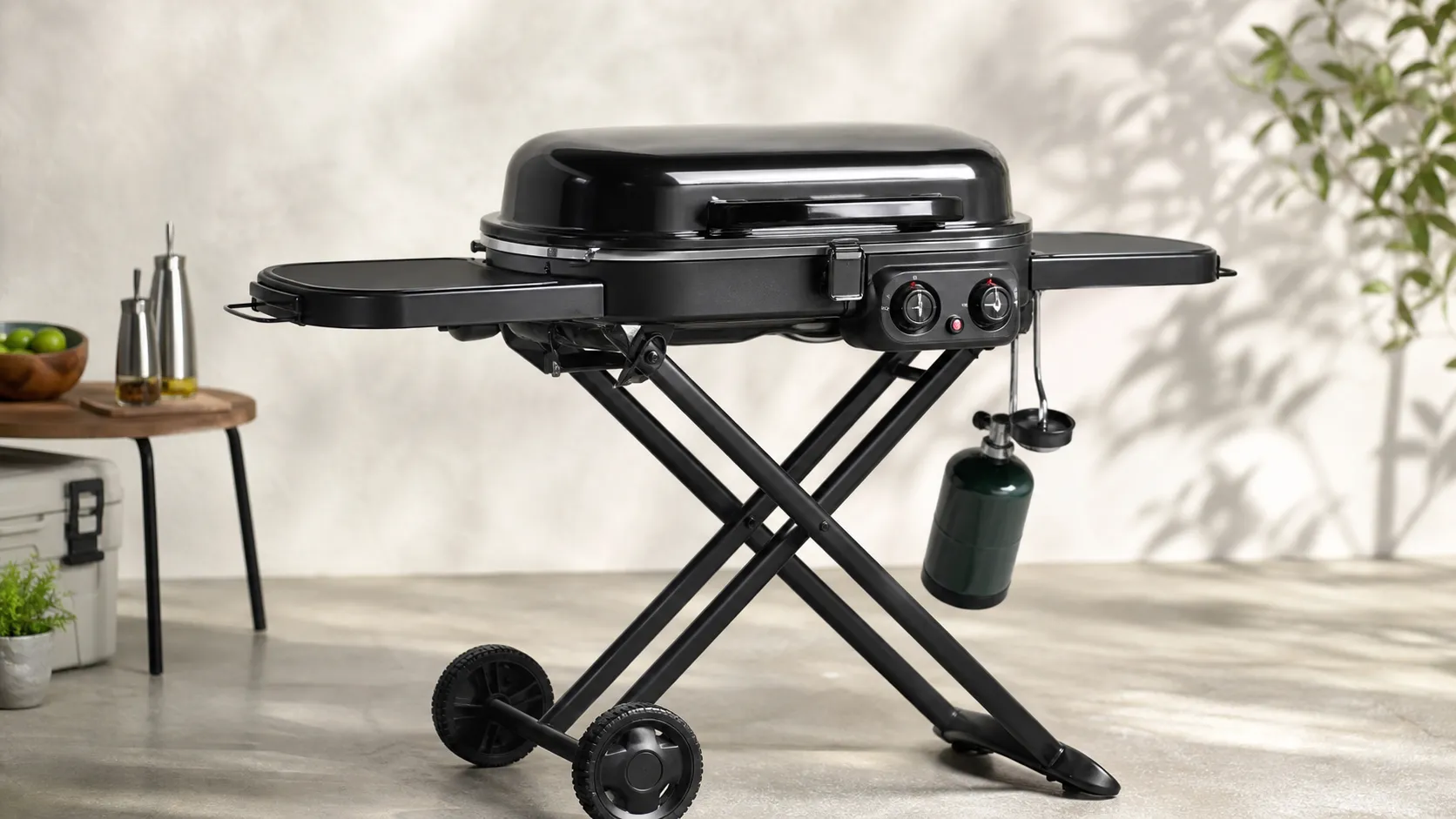
Coleman RoadTrip 285 Portable Propane Grill Review 2026
Portable, quick to heat, and great value — the Coleman RoadTrip 285 is ideal for tailgates and camping, but expect hotspots and some plastic parts to limit heavy use.
 Outdoor & Garden
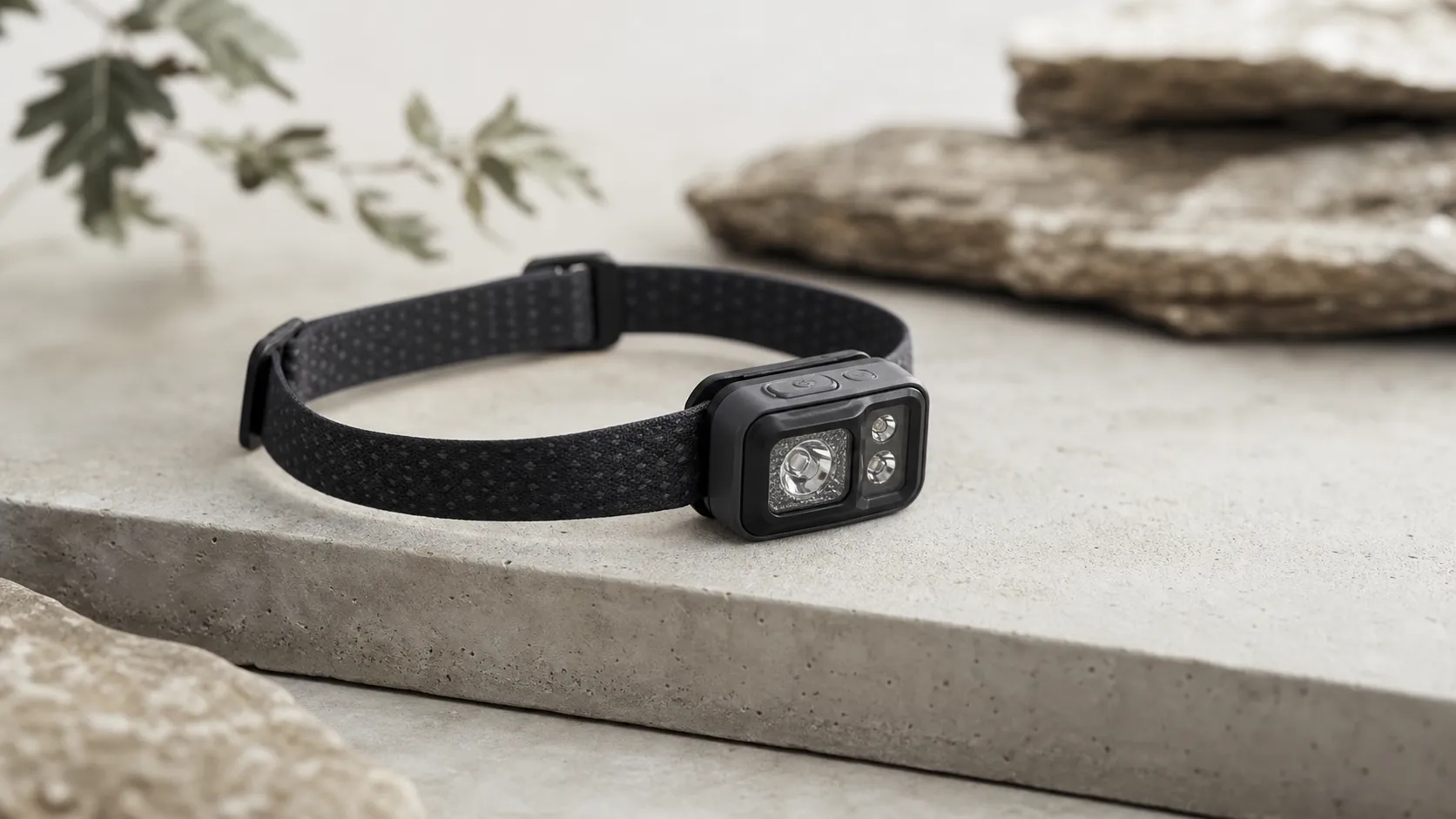
Black Diamond Spot 400‑R Headlamp Review 2026
A bright, well‑balanced rechargeable headlamp that excels for trail running and hiking. Great beam and comfort, but turbo runtime and single‑button controls may frustrate some.