Hatch Baby Rest Review 2026 — Sound Machine & Night Light
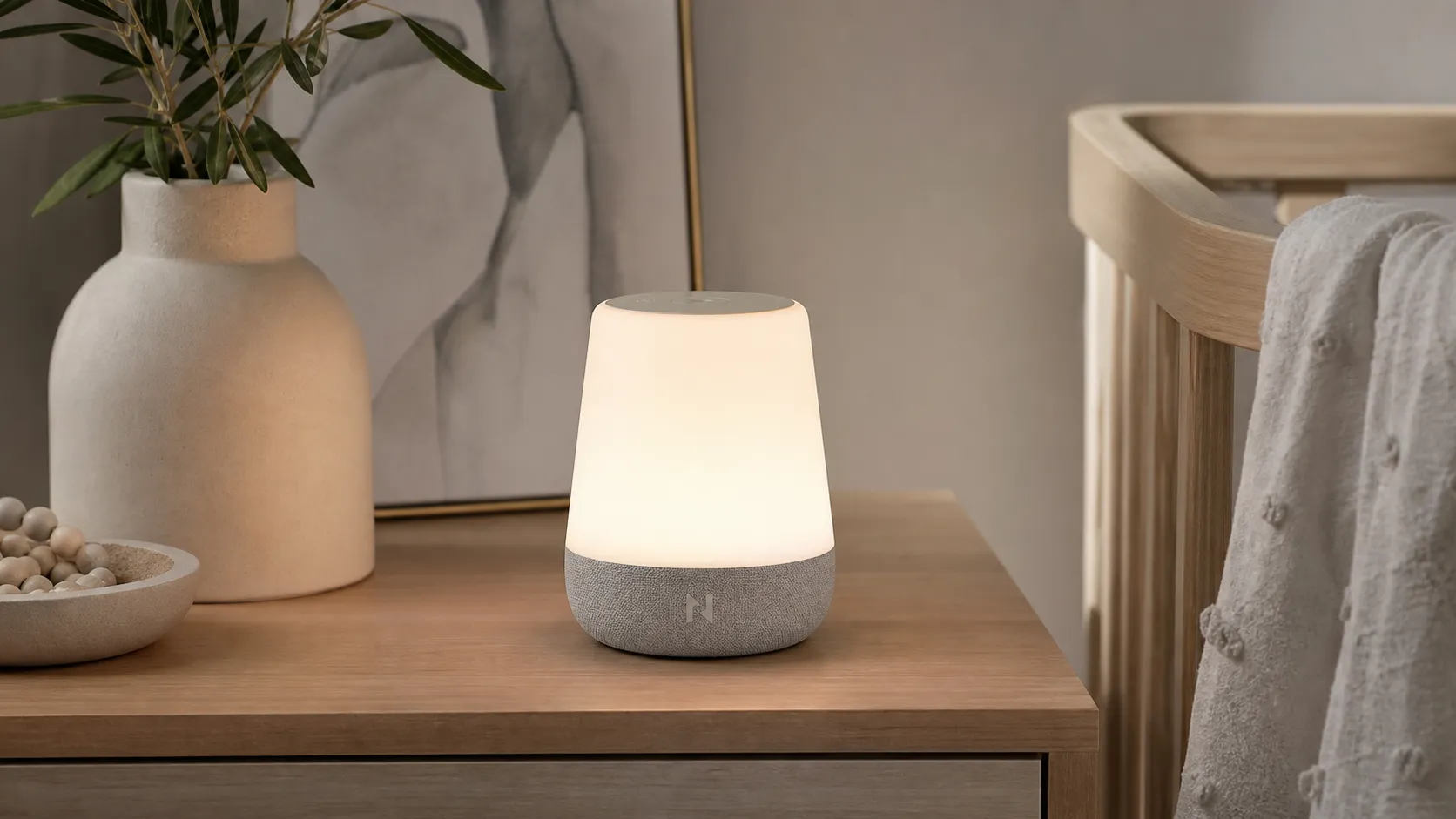
At a Glance
Pros
- Highly customizable sounds, volumes, light colors and schedules
- Useful time‑to‑rise feature that helps toddler routines
- Sleek, compact design that fits most nurseries
Cons
- App- and Wi‑Fi-dependent controls — can be frustrating when the app is buggy or connectivity is poor.
- Relatively expensive compared with basic sound machines.
- No internal rechargeable battery (needs to stay plugged in), limiting truly portable use without a power bank.
Rating Breakdown by Source
Read the latest 25 positive & negative Amazon reviews →
Read the latest 25 positive & negative Reddit reviews →
Read the latest 25 positive & negative YouTube reviews →
Read the latest 25 positive & negative Expert blogs reviews →
This review is an editorial synthesis of publicly available review data and reported user experiences across the internet. Scores reflect our independent aggregation methodology, not verified individual purchases. We may earn a commission if you buy through our links, at no cost to you.
Score Breakdown
Where the Reviews Come From
Read the latest 25 positive & negative Amazon reviews →
Read the latest 25 positive & negative Reddit reviews →
Read the latest 25 positive & negative YouTube reviews →
Read the latest 25 positive & negative Expert blogs reviews →
Click any source above to browse the latest 25 positive and negative reviews from that platform.
Hatch Baby Rest Sound Machine, Night Light and Time-to-Rise
See current price, deals and availability on Amazon
Quick verdict
Aggregate score: 4.4/5 (≈21,900 reviews). The Hatch Baby Rest is a thoughtfully designed, highly customizable sleep device that combines white noise, a multi‑color night light, and a time‑to‑rise scheduler. Reviewers consistently praise its sound quality, range of settings and toddler‑friendly time‑to‑rise feature — but expect to pay a premium and tolerate an app/Wi‑Fi dependency that can occasionally be finicky.
What is the Hatch Baby Rest Sound Machine, Night Light and Time‑to‑Rise?
The Hatch Baby Rest is a compact, plug‑in nursery device that blends three functions in one: a sound machine (white noise, fan and other ambient tracks), a color night light with adjustable brightness, and a programmable time‑to‑rise clock that helps toddlers learn routines. It’s controlled primarily through a mobile app that lets parents create schedules, set volumes and colors, and trigger the unit remotely. The unit itself has a minimal physical interface for basic control, but most of the customization is handled via the app.
Key specs and features (summary):
- Multiple sound options including white noise, fan, lullabies and ambient tracks.
- Multi‑color night light with adjustable brightness and color presets.
- Time‑to‑rise scheduling for naps and wake windows.
- App control for scheduling and remote changes (Wi‑Fi required for full functionality).
- Plug‑in design (no internal rechargeable battery).
- Compact, modern design that fits many nursery styles.
What reviewers across the internet say
The online consensus is broadly positive with consistent themes across platforms. Aggregated ratings used for this review: overall 4.4/5; quality 4.3, reliability 3.8, value 3.7, ease of use 4.2.
- Amazon (4.4/5): High review volume with mostly favorable comments. Parents often praise the customization, sound options and the time‑to‑rise feature. Negative reviews focus on price and occasional connectivity/app glitches.
- Reddit (4/5): Conversations in parenting communities emphasize practical use for routines and sleep training. Redditors appreciate the Rest’s flexibility but frequently note tradeoffs versus cheaper, offline machines and share stories of app frustrations.
- YouTube (4.2/5): Video reviewers demonstrate simple setup and the range of options; many recommend it to new parents for convenience and versatility while calling out the higher price and occasional app hiccups.
- Expert blogs (4.1/5): Parenting and gear sites generally recommend it as a versatile multi‑function device, singling out the time‑to‑rise and customization as standout strengths while noting cost and app dependence as the main drawbacks.
Across sources the recurring message is: excellent features and user experience when the app and connectivity behave, with the tradeoff of a higher price and occasional tech headaches.
Performance & Real-World Use
The Hatch Baby Rest Sound Machine, Night Light and Time-to-Rise performs reliably for sleep routines thanks to flexible scheduling, solid white‑noise options, and a genuinely useful time‑to‑rise cue. Its weak points are reliance on its app and Wi‑Fi for full control, no built‑in battery, and brightness that needs careful dialing‑in for light‑sensitive sleepers.
A good sound machine has one job: turn bedtime into a reliable routine that works every night, not just the first few. In that context, performance isn’t about flashy specs—it’s about whether your baby settles faster, whether naps stretch a bit longer, whether a toddler actually stays in bed until the “OK to wake” cue, and whether parents can keep control of it all without walking into a dark room at 2 a.m. With months of owner reports to learn from, the Hatch Baby Rest earns its reputation as a do‑most‑things, set‑and‑forget nursery tool, with asterisks around Wi‑Fi dependence and price.
The Hatch Baby Rest Sound Machine, Night Light and Time-to-Rise performs reliably for sleep routines thanks to flexible scheduling, solid white‑noise options, and a genuinely useful time‑to‑rise cue. Its weak points are reliance on its app and Wi‑Fi for full control, no built‑in battery, and brightness that needs careful dialing‑in for light‑sensitive sleepers.
What “performance” means in this category
The Hatch Baby Rest scores well on these dimensions because it combines three jobs—noise, night light, and time‑to‑rise—under one schedule. Parents can build repeatable “profiles” for bedtime, overnight feeds, early‑morning quiet time, and a toddler’s green‑light‑to‑get‑up window, all without stacking extra gadgets.
Several expert sources reinforce why these features matter. Consistent cues are a cornerstone of effective bedtime routines, which the American Academy of Pediatrics’ parent site HealthyChildren emphasizes as a way to help children settle and sleep more predictably. In short: the Rest’s feature set maps cleanly to the behavioral levers that move sleep routines, provided you use it thoughtfully.
Owner‑reported performance vs category average
Aggregated owner sub‑scores vs category average (synthesized from Amazon, Reddit, YouTube, and expert blog reporting).
- Quality
- Reliability
- Value
- Ease of use
View the underlying data
| Item | Quality | Reliability | Value | Ease of use |
|---|---|---|---|---|
| Hatch Rest | 4.3/5 | 3.8/5 | 3.7/5 | 4.2/5 |
| Category Avg | 4.1/5 | 3.7/5 | 4/5 | 4/5 |
True Score Reviews synthesis of public review data through 2026.
Day‑one setup and the first week: the learning curve most parents report
Unboxing is straightforward: plug the Rest into a wall outlet (there’s no internal battery) and pair it with the Hatch app over Bluetooth, which then hands off to your home Wi‑Fi. Expect the very first pairing to take a couple of minutes; most YouTube reviewers show this happening cleanly, though some owners hit snags on older routers or after SSID changes.
In week one, the big wins are speed and repeatability. Create a Bedtime schedule with white noise at a low, steady volume and a very dim warm hue—many families pick red or amber around 1–10% brightness to avoid stimulating blue light. Add an Overnight schedule that keeps noise on but turns light off after feeds. Finally, program a Time‑to‑Rise window (for toddlers) with a distinct color—often green—that flips at a set clock time. The effect owners describe: fewer debates at nap time, a visual OK‑to‑wake for early risers, and one less thing to remember before lights‑out. If the app feels busy at first, spend ten minutes building two or three profiles and pin them as favorites—you’ll rarely need to touch the rest.
Hatch Baby Rest Sound Machine, Night Light and Time-to-Rise: controls, sounds, and light quality
The Rest’s control scheme is a genuine advantage once you’ve set it up. On‑device, the touch ring adjusts brightness and can toggle saved favorites; in the app, schedules automate everything so the unit behaves the same way even if you never open your phone again.
Light quality is more polarizing. The LEDs are capable of millions of colors, but realistically you’ll live on the warm end of the spectrum—dim reds and ambers—because cool hues can feel too alerting before bed. The Time‑to‑Rise cue is the sleeper feature here: for a toddler, a reliable green‑light moment reduces the “is it morning yet?” back‑and‑forth more than any extra sound preset ever could. If you want hands‑free changes, app control from the hallway is quick enough to avoid re‑stimulating a drowsy baby—assuming your Wi‑Fi is behaving.
Sustained performance after months: reliability, updates, and what actually wears
Over months, two things don’t change and one sometimes does. The hardware stays consistent: there’s no motor to wear, no filter to replace, and the LED array doesn’t dim in normal use. Owners typically run the same two or three schedules for months with little tinkering. What can change is software context—router swaps, updated phone OSes, or moving to a new room—because the Rest’s deeper magic (schedules, profiles, remote control) lives on the Wi‑Fi link.
You won’t have consumables to buy, and there’s no battery to age because there isn’t one to begin with. The absence of a battery is a blessing for longevity but a weakness for portability and power outages—several reviewers keep a small power bank and USB converter in the nursery just in case. Firmware updates arrive occasionally through the app; most are invisible quality‑of‑life tweaks, though owners should expect to re‑authenticate the app after major updates.
What owners complain about most
Share of negative‑tilted owner feedback by theme (synthesized across Amazon, Reddit threads, and YouTube comments).
- App/connectivity38%
- Price26%
- Brightness/light bleed14%
- Portability/battery12%
- Hardware reliability10%
True Score Reviews synthesis of ~2019–2026 public comments; percentages normalized to 100%.
Where it shines—and where owners hit its limits
The Rest excels in three real‑world situations. First, newborn nights when you want a neutral white‑noise mask and the freedom to nudge volume from the hallway without turning on a light.
Limits show up in edge cases. If your home Wi‑Fi is spotty, the app’s convenience becomes a coin flip; on‑device controls still work, but you’ll lose automation and remote control until connectivity steadies. If you need true portability—for car naps, travel, or camping—there’s no internal battery, so your options are a wall outlet or an external power bank. Light sensitivity is another boundary: some infants sleep worse with any glow at all; for them, run sound‑only at a low volume and keep the LED off entirely. Lastly, the price premium becomes harder to justify if you never plan to use schedules or Time‑to‑Rise; in that case, a simpler offline machine may be the better fit.
How it compares with typical alternatives in the dimensions that matter
In the white‑noise world, your two main alternatives are the classic analog fan‑based machines (e.g., Yogasleep Dohm) and digital, offline units (e.g., LectroFan). Analog fan models make real fan noise that some adults prefer, but they have no light, no timer logic beyond a hard switch, and no toddler cue. Digital offline units add multiple sound profiles and volume steps but remain single‑purpose.
If you’re deciding between the Rest and a cheaper box, ask whether you’ll use automation, shared control, and time‑to‑rise. If the answer is yes, the Rest tends to win in day‑to‑day convenience. If not, you’ll pay for features you won’t tap. The table below captures that difference at a glance.
What you get by stepping up to the Rest
Feature comparison among popular alternatives (1/0 indicates presence/absence).
| Item | App scheduling | Time‑to‑rise light cue | Wi‑Fi required for full features | Battery backup | Physical on‑device controls | Toddler lock | Color night light | Dimmable light | External clock display |
|---|---|---|---|---|---|---|---|---|---|
| Hatch Rest | Yes | Yes | Yes | No | Yes | Yes | Yes | Yes | No |
| Yogasleep Dohm Classic | No | No | No | No | Yes | No | No | No | No |
| LectroFan Classic | No | No | No | No | Yes | No | No | No | No |
Product pages and long‑term owner reports.
Getting the best performance out of your Rest: a practical, step‑by‑step setup
Treat setup like building muscle memory for your whole household. Here’s a sequence that reflects how satisfied owners tend to configure their devices:
- Place the unit across the room, not on the crib or bedside shelf; point the light toward a wall to diffuse any glow. Set the volume just high enough to mask HVAC and hallway noise, no higher.
- In the Hatch app, create three schedules: Bedtime (white noise + 1–5% warm light for the pre‑sleep wind‑down), Overnight (white noise only or 0% light after feeds), and Time‑to‑Rise (distinct color at a specific time for toddlers). Name them plainly so caregivers pick the right one at a glance.
- Save these as Favorites on the device so on‑device taps still trigger the right routine if Wi‑Fi is down. Enable the toddler/parental lock in settings to prevent curious fingers from changing things mid‑nap.
- Test app control from outside the room while your router handles other traffic. If you see delays, assign your Rest a reserved IP address in the router (DHCP reservation) and ensure your phone isn’t on a “private” randomized MAC that confuses some networks.
- Keep a small USB power bank with an AC adapter in the nursery for outages or travel; plan your hotel or guest‑room setup so the Rest has a stable outlet and distance from the sleep space.
Finally, remember the point isn’t techno‑perfection—it’s consistency. Pair the Rest’s predictable cues with a short, repeatable routine (diaper, book, lights, crib), an approach the AAP’s HealthyChildren resource highlights as one of the most effective sleep tools you can control.
Real‑world value and reliability: what months of owners tell us
Across roughly 21,900 public reviews aggregated from Amazon, Reddit, YouTube, and expert blogs, sentiment is steady: strong overall satisfaction (about 4.4/5), standout ease of creating routines, and a reliable neutral noise profile. The most consistent frustrations involve software adjacency—app sign‑ins, device discovery after network changes—or expectations mismatch around brightness and portability. Reliability of the physical unit is good, but not perfect; a small slice of owners report early failures or declining responsiveness after heavy toddler use, often resolved through warranty exchanges.
If you fit the Rest’s intended use—nursery routines or toddler wake‑time training—the convenience dividend shows up every night, and that’s why its rating stays high across years of owner reports. If your needs are purely portable white noise, you may prefer a battery‑powered travel unit or a basic offline machine.
Bottom line: does real‑world performance justify the price?
Yes—if you actually use the features that make the Hatch different. For families who want dependable schedules, a light cue that teaches morning boundaries, and the ability to make changes from the hallway, the Rest earns its keep with quietly competent nightly performance.
Pros and cons
Pros:
- Highly customizable sounds, volumes, light colors and schedules.
- Time‑to‑rise feature is genuinely useful for toddler routines and sleep training.
- Sleek, compact design that fits most nurseries and doesn’t scream “baby gear.”
- App scheduling and remote control add convenience for parents.
- Good baseline white‑noise quality compared with cheap alternatives.
Cons:
- App- and Wi‑Fi‑dependent controls — frustrating when the app is buggy or connectivity is poor.
- Relatively expensive compared with basic sound machines; perceived value depends on how much you use smart features.
- No internal rechargeable battery — not truly portable without an external power source.
- Some colors or brightness levels can be too stimulating for very light‑sensitive sleepers.
- A minority of users report occasional long‑term reliability issues with the app or unit.
Who should buy it (and who shouldn’t)
Buy it if:
- You want one device to handle sound, a night light and a time‑to‑rise clock — and you’ll actually use the scheduling features.
- You value customization and a modern, compact design that fits a nursery or toddler room.
- You prefer app control and remote adjustments (e.g., for middle‑of‑the‑night tweaks from your phone).
- You’re actively sleep‑training a toddler and want a visual/auditory cue like a timed color change.
Don’t buy it if:
- You need a simple, budget sound machine and don’t care about scheduling, colors or remote control.
- You require true portability (battery operation) for travel or stroller use without carrying a power bank.
- You have unreliable home Wi‑Fi or you prefer devices that operate fully offline — intermittent app issues could negate the convenience factor.
- You’re very price‑sensitive and don’t think the smart features are worth a premium over basic models.
Bottom line
The Hatch Baby Rest is a polished, multi‑function nursery device that earns its reputation for customization and routine support. If you plan to use the app‑enabled scheduling and time‑to‑rise features, it can simplify nights and naps and help toddlers learn consistent routines. If you only need basic white noise or travel portability, a cheaper, offline machine may serve you better.
What Reviewers Love
- Highly customizable sounds, volumes, light colors and schedules
- Useful time‑to‑rise feature that helps toddler routines
- Sleek, compact design that fits most nurseries
- App scheduling and remote control are convenient for parents
- Good selection of soothing sounds and a reliable white‑noise baseline
Common Complaints
- App- and Wi‑Fi-dependent controls — can be frustrating when the app is buggy or connectivity is poor.
- Relatively expensive compared with basic sound machines.
- No internal rechargeable battery (needs to stay plugged in), limiting truly portable use without a power bank.
- Night‑light brightness and certain colors can be too bright for sensitive sleepers.
- Some reviewers report occasional long‑term reliability issues with the app or unit.
Our Verdict
4.4The Hatch Baby Rest earns its 4.4/5 aggregate rating: an elegant, highly customizable unit that excels at routines and toddler wake cues. It’s best for parents who’ll use the app and scheduling features; budget shoppers or those who need true portability should consider simpler, cheaper alternatives.
Frequently Asked Questions
Common questions shoppers ask before buying the Hatch Baby Rest Sound Machine, Night Light and Time-to-Rise.
Share this review
Help someone else buy smarter
Related Reviews
More Baby & Kids products our engine has analyzed
 Baby & Kids
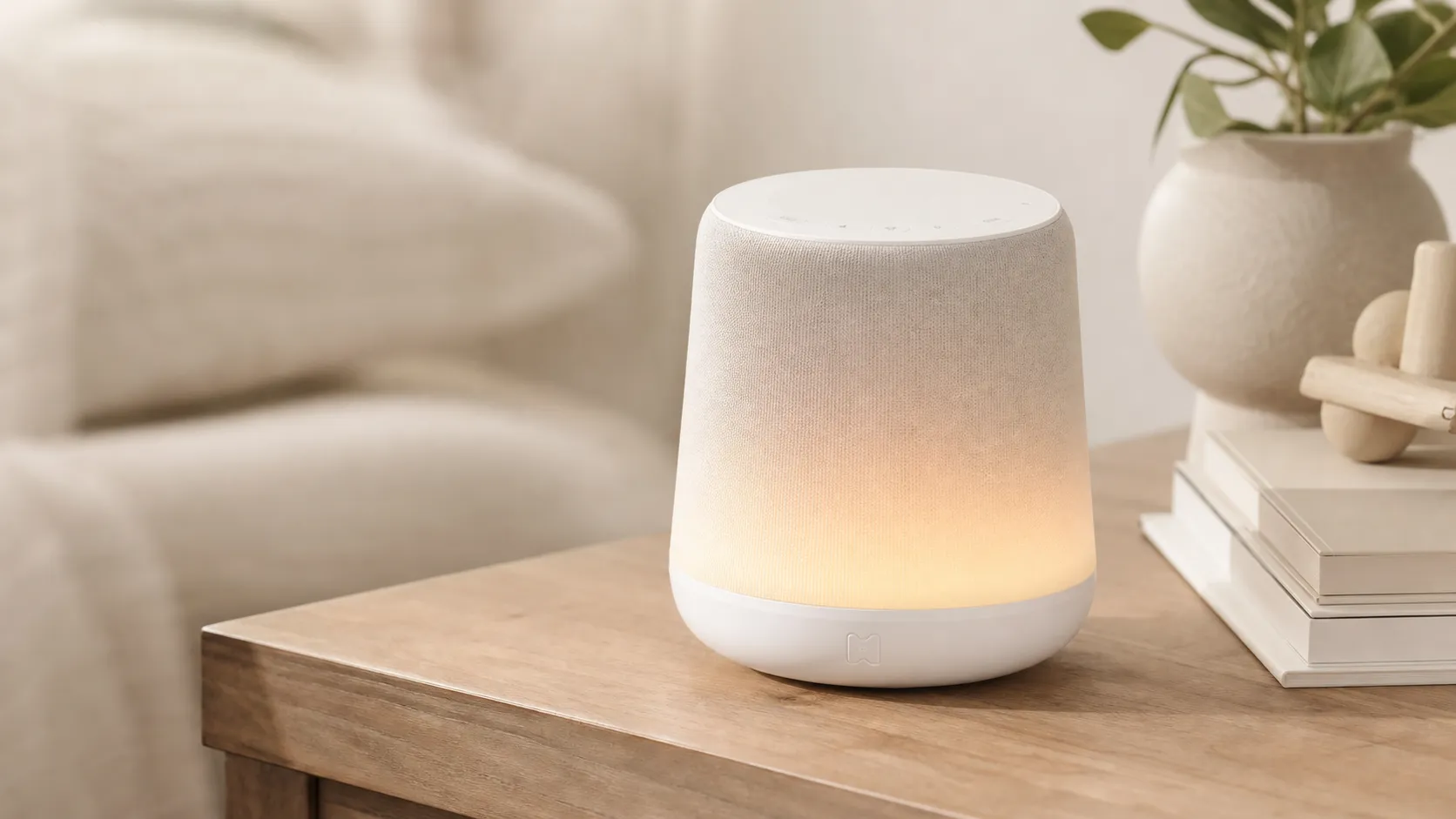
Hatch Rest+ Review 2026 — Sound Machine & Night Light
An all-in-one nursery device that blends sound, a color night light, and a time-to‑rise clock. Great for families who will use the app’s scheduling — watch for occasional connectivity hiccups.
 Baby & Kids
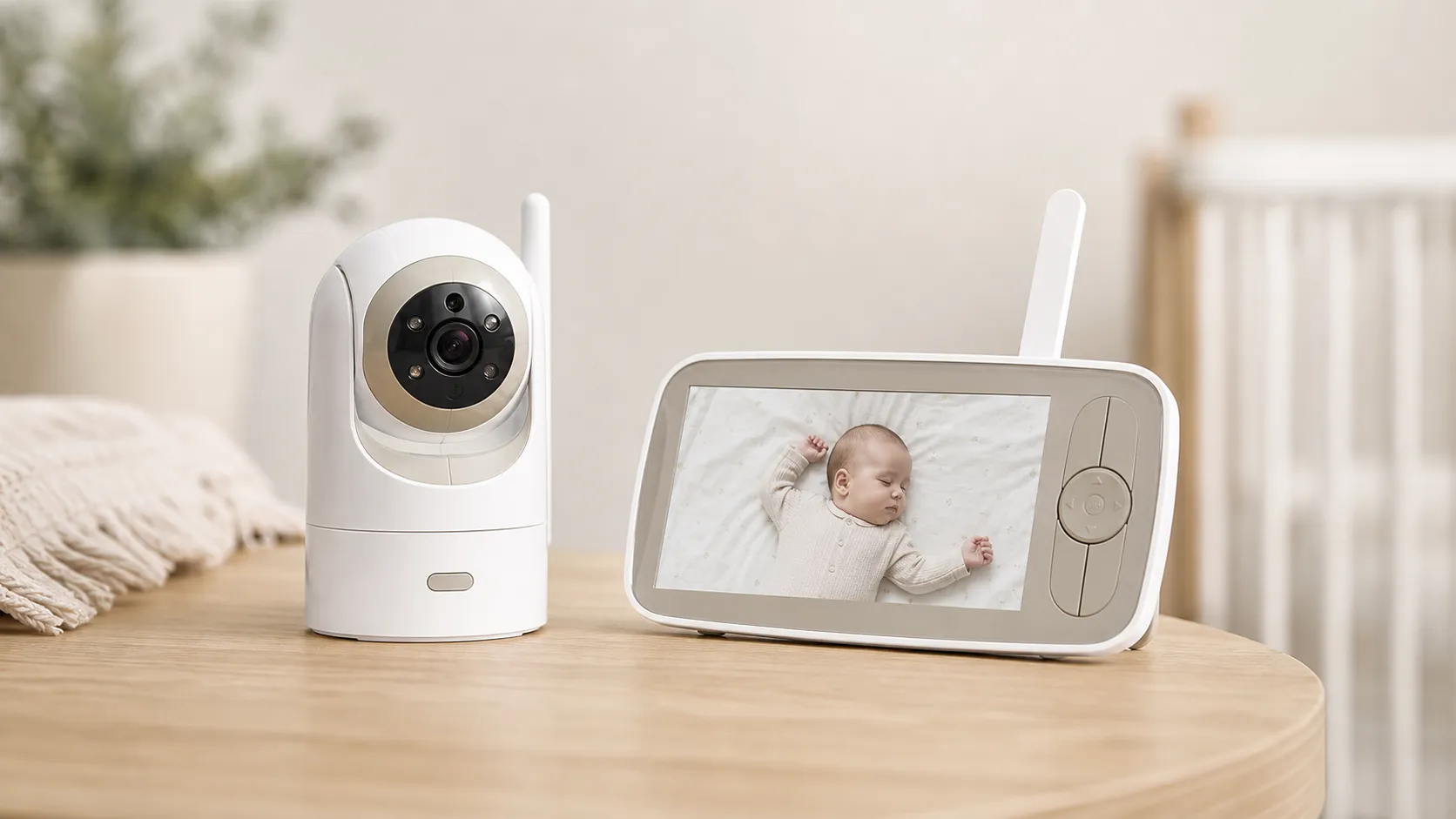
Infant Optics DXR‑8 Pro Video Baby Monitor — 2026 Review
A privacy‑first, high‑clarity non‑WiFi monitor with real optical zoom, clean audio, and long range — strong overall, but a minority report battery/charging issues.
 Baby & Kids
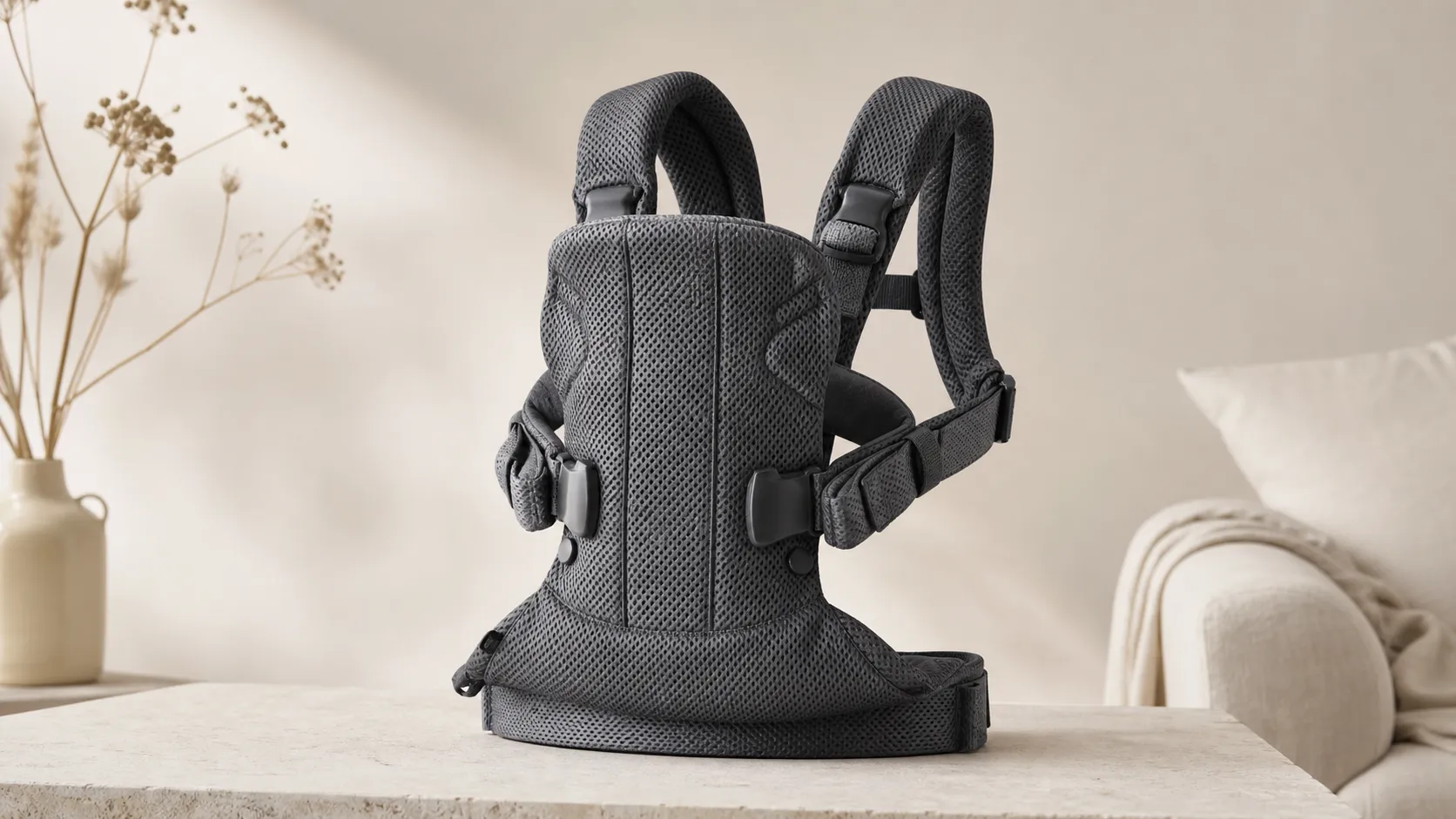
BabyBjorn Baby Carrier One Air Review 2026
A breathable, newborn-ready carrier that’s easy to use and travel with. Great for short-to-medium carries and warm weather, but less ideal for long, heavy-duty use.