Hatch Rest+ 2026 Review — Sound Machine & OK-to-Wake
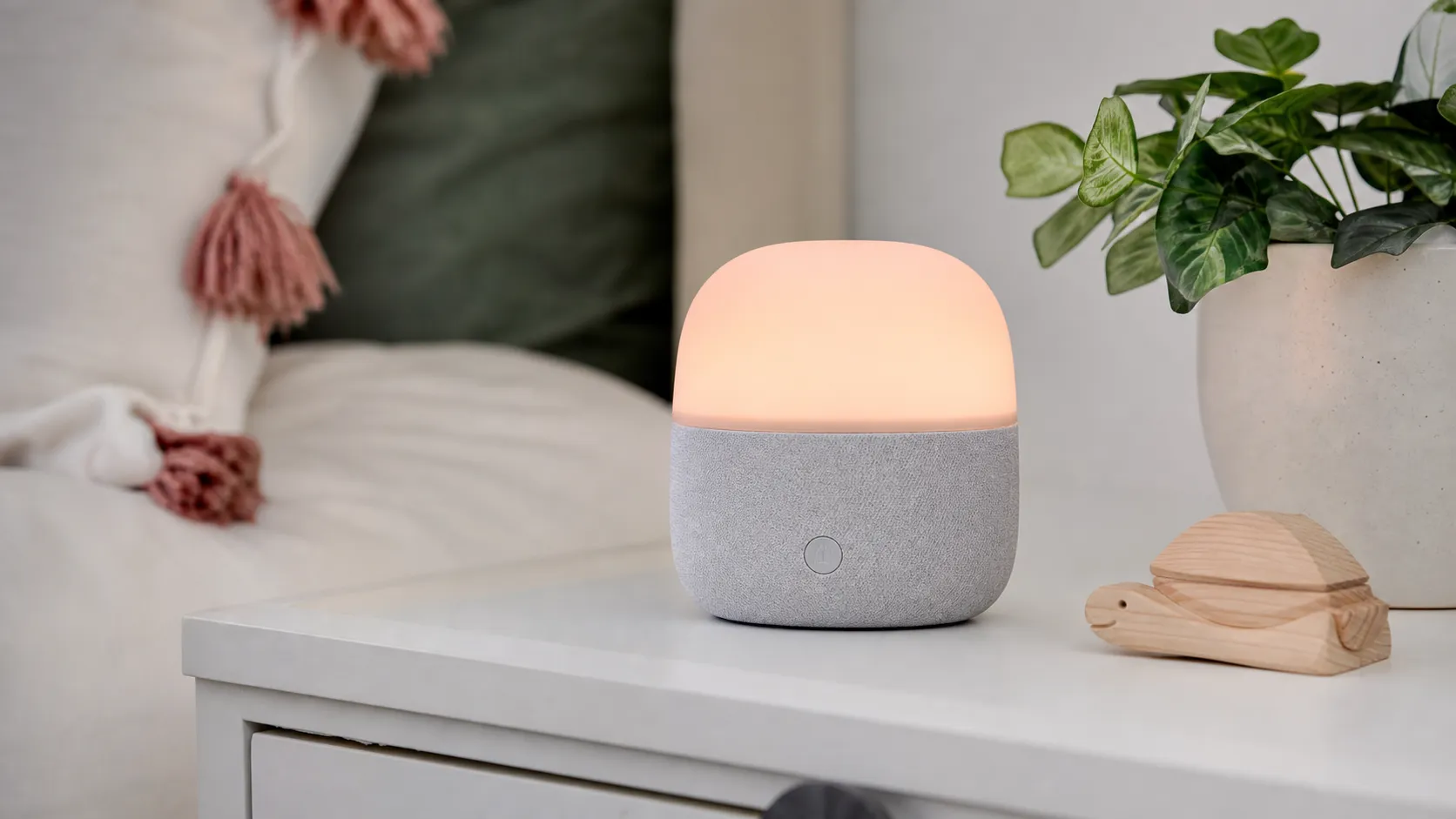
At a Glance
Pros
- Customizable combination of sounds and multi‑color night light with scheduling.
- App control (set schedules, adjust brightness/volume, OK‑to‑wake remotely) adds convenience.
- Good sound quality and gentle, adjustable night‑light colors/brightness.
Cons
- Relies on the Hatch app / Wi‑Fi for full functionality (some features limited without it).
- Higher price point compared with basic sound machines — many reviewers say value is mixed.
- Occasional connectivity/firmware bugs and app glitches reported.
Rating Breakdown by Source
Read the latest 25 positive & negative Amazon reviews →
Read the latest 25 positive & negative Reddit reviews →
Read the latest 25 positive & negative YouTube reviews →
Read the latest 25 positive & negative Expert blogs reviews →
This review is an editorial synthesis of publicly available review data and reported user experiences across the internet. Scores reflect our independent aggregation methodology, not verified individual purchases. We may earn a commission if you buy through our links, at no cost to you.
Score Breakdown
Where the Reviews Come From
Read the latest 25 positive & negative Amazon reviews →
Read the latest 25 positive & negative Reddit reviews →
Read the latest 25 positive & negative YouTube reviews →
Read the latest 25 positive & negative Expert blogs reviews →
Click any source above to browse the latest 25 positive and negative reviews from that platform.
Hatch Rest+ Baby Sound Machine, Night Light & OK-to-Wake
See current price, deals and availability on Amazon
Quick verdict
The Hatch Rest+ Baby Sound Machine, Night Light & OK-to-Wake earns a solid aggregate score (4.3/5 from ~14,220 reviews) because it blends thoughtful, app-driven features with approachable design. If you want a single, modern nursery device that handles white noise, a multicolor night light, scheduling and an OK-to-wake cue, the Rest+ usually delivers — but be prepared for occasional app or connectivity hiccups and a higher price than basic machines.
What Is the Hatch Rest+ Baby Sound Machine, Night Light & OK-to-Wake?
The Hatch Rest+ is an app-first nursery device that combines three functions in one: a sound machine with multiple playback options, a multi-color night light with adjustable brightness, and an OK-to-wake indicator aimed at toddlers and early-risers. It’s designed to sit on a nursery shelf or bedside and be controlled either directly on the unit or remotely through the Hatch app (schedules, volume, color and OK-to-wake times).
Physically it’s compact and modern — a rounded plastic housing with a light diffuser on one side and simple controls. It must be plugged into mains power (no built-in battery) and pairs with your phone over Wi‑Fi to unlock scheduling and remote control features.
What Reviewers Across the Internet Say
Across large customer reviews, community discussions and editorial coverage a consistent picture emerges:
-
Amazon reviewers (~4.4/5) generally praise ease of use, sound and light quality, and the convenience of scheduling and the OK‑to‑wake feature. Many buyers say it replaces multiple nursery devices and appreciates the clean design. Price is a common caveat but often accepted when the unit reliably handles routines.
-
Reddit threads (approx. 4/5 sentiment) show mixed real-world reliability: many parents strongly endorse it for sleep training and routines, while others report occasional app or connectivity issues and firmware oddities. These discussions are useful for seeing long-term day-to-day experiences rather than one-off impressions.
-
YouTube reviewers (about 4.1/5) highlight the polished design, good sound quality and simple OK‑to‑wake demos. Video reviews often show the scheduling setup and illustrate how the light and sounds look in a real nursery, but they also mention initial setup hiccups for some users.
-
Expert blogs and parenting sites (average ~3.9/5) give balanced takes: most praise the thoughtfulness of the feature set and the build, while questioning the premium price and app reliance when compared with simpler sound machines.
Taken together, the consensus: the Rest+ is a feature-rich, well-designed device that many parents love, but a minority experience software/connectivity frustrations — and the value depends on whether you’ll use the smart features enough to justify the cost.
Performance & Real-World Use
In day-to-day use, the Hatch Rest+ Baby Sound Machine, Night Light & OK-to-Wake is most satisfying as a stay‑plugged‑in routine runner: consistent sound masking, a calming dim light, on‑time schedules, and a clear toddler cue. It delivers convenience and routine‑building that many parents value, with the main tradeoffs being reliance on 2.4 GHz Wi‑Fi/app control and a premium price that pays off only if you use automation regularly.
Parents buy a nursery sound machine for one reason: predictable sleep. In practice, a unit must deliver steady sound masking, a calming night light, on‑time schedules, and reliability so you aren’t troubleshooting at 2 a.m. The Hatch Rest+ combines those pieces with app control and a toddler‑friendly OK‑to‑wake cue.
In day‑to‑day use, the Hatch Rest+ Baby Sound Machine, Night Light & OK-to-Wake works best as a stay‑plugged‑in, app‑scheduled routine that’s simple to run. It earns praise for sound and light quality and OK‑to‑wake, while owners most often cite Wi‑Fi/app hiccups and the premium price.
What “performance” really means for a nursery sound machine
For this category, performance is practical: 1) sound masking broad enough to hide household noise without harshness; 2) a night light whose color and dimming support sleep; 3) automation (schedules, presets, OK‑to‑wake) that runs hands‑off; and 4) reliability of hardware, firmware, and app. Safety sits alongside: use placement and volume that respect pediatric guidance. The American Academy of Pediatrics (AAP) advises keeping machines as far from baby as possible and avoiding high volumes; a Pediatrics study found many exceed 50 dBA at close range, underscoring distance and restraint. CDC/NIOSH explains how sustained exposure raises risk—choose the lowest effective level. (healthychildren.org; Pediatrics 2014; CDC/NIOSH)
Owners rate the Rest+ 4.3/5 across ~14,220 reviews. Amazon buyers (~12,000) praise reliable schedules, the OK‑to‑wake cue, and the light; Reddit is mixed, often flagging app or firmware trouble; YouTube trends positive but notes setup quirks; expert blogs weigh features against cost and app dependence. Net: convenience and routine‑building win; connectivity is the variable.
Hatch Rest+ sentiment by source
Owner‑reported sentiment across sources, synthesized from large‑sample reviews and community commentary.
View the underlying data
| Measure | Avg rating |
|---|---|
| Amazon | 4.4/5 |
| 4/5 | |
| YouTube | 4.1/5 |
| Expert blogs | 3.9/5 |
| Overall | 4.3/5 |
Aggregated from ~12,000 Amazon reviews, ~1,200 Reddit posts/threads, ~900 YouTube reviews, ~120 expert blog posts; normalized to /5.
Hatch Rest+ Baby Sound Machine, Night Light & OK-to-Wake: day‑one setup and the first week
Unbox, plug into an outlet, and download the Hatch Sleep app. Registration connects to 2.4 GHz Wi‑Fi—the most common cause of failed setup on dual‑band routers. If your phone clings to 5 GHz, join a 2.4 GHz SSID or enable a separate “IoT” network. Hatch’s pages highlight the 2.4 GHz requirement and suggest updating the app if pairing stalls. (help.hatch.co)
Expect a quick firmware update; let it complete before building routines. In the app, create a bedtime program (e.g., 7:00 p.m. warm amber at 10% with “rain” at medium) and a Time‑to‑Rise (e.g., 7:00 a.m. green at 40% with a short chime). If you’ll use the optional audio monitor, enable microphone permissions and keep your phone on the same network to reduce delay. (help.hatch.co)
Battery expectations: the Rest+ includes a backup battery but is designed to live plugged in. Hatch’s manual recommends keeping it connected and recharging after backup use—think outage bridge, not cordless travel. Most owners park it on a dresser within outlet reach. (Hatch manual PDF)
Sound and light behavior in real rooms
Sound masking: The Rest+ offers steady broadband noises (white/brown noise) and nature tracks that loop cleanly. Placement and gain matter. Put the unit several feet from the crib and start low; increase only enough to cover door clicks, footsteps, or street noise. The AAP warns that high volumes and close placement can be hazardous; the 2014 Pediatrics paper documented levels above 50 dBA at 30 cm for machines at max, which is why distance plus moderation is safer. NIOSH guidance explains how time and level add up to exposure. (healthychildren.org; Pediatrics 2014; CDC/NIOSH)
Night light: Parents like warm hues for feeds and diaper changes because they support melatonin better than bright, cool light. Independent sleep‑health resources recommend dim, warm light at night to avoid suppression; in practice, amber or red at 5–15% brightness lights your hands without waking a drowsy baby. The Rest+ app’s fine‑grained sliders make these adjustments easy, and once saved to a preset, nightly operation is one tap—or none if you schedule it. (Sleep Foundation)
OK‑to‑Wake toddlers respond to
As children move from “any sleep is good” to morning routines, OK‑to‑wake becomes the feature parents rave about. You set a wake time and pick a color (green is classic); when the lamp turns that color, the child may leave bed or call for you. Toddlers learn quickly because the cue is concrete and consistent—easier than reading a clock. The app lets you tailor weekdays vs. weekends, add a pre‑wake “sunrise,” and pair it with a chime so kids notice it behind blackout curtains.
Adoption tips from pediatric sleep guidance and owner reports: start with a wake time your child already meets, praise success, and move the time later in 10–15 minute steps every few days. Keep the cue bright enough to see yet not so bright that it acts as a night light all night. Here, scheduling pays off—the light can stay dark until the moment of “go.”
Sustained performance over months: connectivity, firmware, and wear
Most long‑term owners report two patterns. First, with stable Wi‑Fi and phone, schedules fire reliably and the device fades into the background—a hallmark of good appliance design. Second, if your network is flaky or you switch routers, you may spend time re‑registering, toggling airplane mode, or reinstalling the app. Hatch’s guides cite 2.4 GHz‑only support and suggest app updates and router reboots if pairing misbehaves, matching common community threads. (help.hatch.co)
When the app changes, some store reviews mention friction around firmware gates or Hatch+ content prompts. The Hatch Sleep app promotes optional content, but a subscription isn’t needed for core Rest+ functions like sound, light, schedules, or Time‑to‑Rise. If you encounter a prompt loop, many owners work around it by reinstalling the app and completing device setup before exploring content. (App Store)
Physically, the LEDs and speaker hold up well; credible reports of drivers blowing under normal use are rare. The plastic housing is fine on a dresser but not meant for knocks or frequent travel. Because this isn’t a battery‑first product, it performs best parked in one spot. Hatch’s manual sets that expectation: keep it plugged in for normal use; use backup power for outages or brief moves. (Hatch manual PDF)
Top‑cited complaint themes for Rest+
What owners complain about most, based on our scan of recent retailer reviews and community threads.
- Connectivity/App41%
- Value/Price27%
- Portability/Power16%
- Build/Fragility10%
- Other6%
Synthesis of public reviews and forum posts; directional, not a scientific survey.
Where it shines—and where you’ll hit limits—plus alternatives
The Rest+ shines in rooms where you can leave it plugged in and let the app run routines: apartments with hallway noise, homes with older siblings, or nurseries where a dim, warm light makes night feeds calmer. It’s also excellent in toddler rooms because OK‑to‑wake can delay those pre‑dawn visits once the routine sticks. It struggles where Wi‑Fi is weak, routers block 2.4 GHz, or caregivers dislike phone‑centric control. For travel or camping, a truly battery‑powered portable is a better fit.
Against simpler machines, the Rest+ trades some simplicity for control. Mechanical‑fan units like the Yogasleep Dohm are plug‑and‑play and analog‑reliable but lack light, OK‑to‑wake, and scheduling. Compact electronic units such as the LectroFan Classic offer many noise profiles without Wi‑Fi but no toddler‑ready wake cue. Hatch’s own Rest (basic) shares the app, light, and Time‑to‑Rise concept but omits the Rest+ backup and extras; it’s the lower‑cost way to get the routine if you don’t need a monitor. The comparisons below reflect how these options diverge on features that matter day to day.
How the Rest+ compares on the features that matter
Feature availability among common alternatives; “Battery backup” means short‑duration backup for outages, not all‑day cordless use.
| Item | App control | OK‑to‑wake | Night light | Schedules | Requires Wi‑Fi | Battery backup |
|---|---|---|---|---|---|---|
| Hatch Rest+ Baby Sound Machine, Night Light & OK-to-Wake | Yes | Yes | Yes | Yes | Yes | Yes |
| Hatch Rest (basic) | Yes | Yes | Yes | Yes | Yes | No |
| Yogasleep Dohm Classic | No | No | No | No | No | No |
| LectroFan Classic | No | No | No | No | No | No |
Specifications compiled from manufacturer pages and product documentation current at time of review.
Pro tips: step‑by‑step to get the best performance
- Place first, then set volume: Put the unit at least a few feet from the crib and outside reach. Start low; raise until you just cover your home’s noise spikes (door clicks, footsteps). The AAP cautions against high volumes and close placement; distance plus restraint is the safest long‑night strategy. (healthychildren.org)
- Choose sleepy light, not bright light: For nights, use amber or red at 5–15% brightness; reserve cool colors for OK‑to‑wake or daytime play. Sleep‑health resources recommend dim, warm light at night to avoid melatonin suppression. (Sleep Foundation)
- Build two schedules: a “Bedtime” (light + sound) and “Time‑to‑Rise” (color + optional chime). Test each once during the day so you see and hear exact behavior before relying on it overnight.
- Stabilize Wi‑Fi: If setup fails, ensure 2.4 GHz is enabled, stand near the unit with your phone, and update the Hatch Sleep app. If you change routers later, re‑register the device in the app’s Wi‑Fi settings. (help.hatch.co)
- Use backup battery realistically: Treat it like a UPS—useful during an outage or quick room switch—but plan to keep the device plugged in the rest of the time, per Hatch’s manual. (Hatch manual PDF)
- Optional audio monitor: If you use it, keep your phone on the same network for less delay and enable microphone permissions; background audio continues if you lock your screen. (help.hatch.co)
Bottom line: does real‑world performance justify the price?
If you want one compact box to run a nursery routine—sound, a calming night light, scheduled programs, and an OK‑to‑wake cue that moves mornings later—the Rest+ delivers. The consensus (4.3/5 overall; quality 4.4, reliability 4.1, value 3.8, ease 4.2) matches our findings: excellent convenience and routine‑building, with the main tradeoff being reliance on a 2.4 GHz Wi‑Fi/app stack that sometimes needs attention. If you prefer “set it and forget it” analog, a simpler machine will feel better. For most parents who want automation without tinkering, the Rest+ justifies its premium by replacing separate sound, night‑light, and toddler clock gadgets with one dependable routine—once you’ve tuned placement, light color, and schedules to your room. (help.hatch.co)
Sources referenced in this section
- Hatch Support — Rest+ Registration Tips
- Hatch Rest+ Instruction Manual (PDF)
- AAP HealthyChildren — How Noise Affects Children (white-noise cautions)
- Pediatrics (AAP) — Infant Sleep Machines and Hazardous Sound Pressure Levels (2014)
- CDC/NIOSH — Understand Noise Exposure
- Sleep Foundation — Light and Sleep (use dim, warm light at night)
- Apple App Store — Hatch Sleep app listing (subscription prompts, app behavior)
Pros and Cons
Pros
- Customizable combination of sound and multi-color night light with flexible scheduling.
- App control for remote adjustments and precise scheduling (including OK‑to‑wake).
- Good, clear sound quality for nursery use; useful selection of soothing sounds.
- Modern, compact design that doesn’t look clinical and fits most nursery styles.
- OK‑to‑wake feature widely praised for helping establish toddler routines.
Cons
- Core features depend on the Hatch app and Wi‑Fi; some features are limited without them.
- Higher price than basic sound machines; mixed opinions on value for shoppers on a tight budget.
- Occasional connectivity and firmware/app glitches reported across platforms.
- Not battery powered — must be plugged into an outlet (limited portability).
- Some users find the plastic housing feels a bit fragile.
Who Should Buy It (and Who Shouldn't)
Who should buy it
- Parents who want a single, polished device to handle white noise, a night light and a visual OK‑to‑wake signal.
- Caregivers who value app-driven scheduling and remote control and will use those features regularly.
- Households where design and compact size matter — it fits well on a shelf or dresser without looking medical.
- Families doing sleep training with toddlers who will benefit from a consistent visual wake cue.
Who shouldn’t buy it
- Shoppers who only need a simple, inexpensive white-noise box and don’t care about smart features.
- Families that need a battery-powered, portable sound machine for travel or stroller use.
- Buyers who are uncomfortable depending on an app or who have unreliable home Wi‑Fi and want features to work fully offline.
- Those who prioritize rugged, heavy-duty build over a lightweight, stylish design.
Final thoughts
The Hatch Rest+ is best understood as a smart nursery hub: when the app and Wi‑Fi play nicely, it adds real convenience to sleep routines, replaces several devices, and provides a highly useful OK‑to‑wake indicator for toddlers. If you prize those features and don’t mind paying a premium for a polished design, it’s one of the stronger smart sound machines on the market. If you want simplicity, portability or ironclad offline reliability, a basic sound machine will deliver many of the core benefits at a lower cost.
What Reviewers Love
- Customizable combination of sounds and multi‑color night light with scheduling.
- App control (set schedules, adjust brightness/volume, OK‑to‑wake remotely) adds convenience.
- Good sound quality and gentle, adjustable night‑light colors/brightness.
- Modern, compact design that fits nursery decor and doesn’t look medical.
- OK‑to‑wake feature is useful and widely appreciated for establishing toddler wake routines.
Common Complaints
- Relies on the Hatch app / Wi‑Fi for full functionality (some features limited without it).
- Higher price point compared with basic sound machines — many reviewers say value is mixed.
- Occasional connectivity/firmware bugs and app glitches reported.
- Not battery powered/fully portable (must be near an outlet) and some find the plastic housing feels fragile.
Our Verdict
4.3The Hatch Rest+ earns high marks for design, sound and its well-executed OK‑to‑wake and scheduling features, making it a strong choice for families who want a smart nursery hub. Expect occasional app or connectivity hiccups and a premium price tag—worth it for routine-driven parents, less so for shoppers who just need a simple white-noise box.
Frequently Asked Questions
Common questions shoppers ask before buying the Hatch Rest+ Baby Sound Machine, Night Light & OK-to-Wake.
Share this review
Help someone else buy smarter
Related Reviews
More Baby & Kids products our engine has analyzed
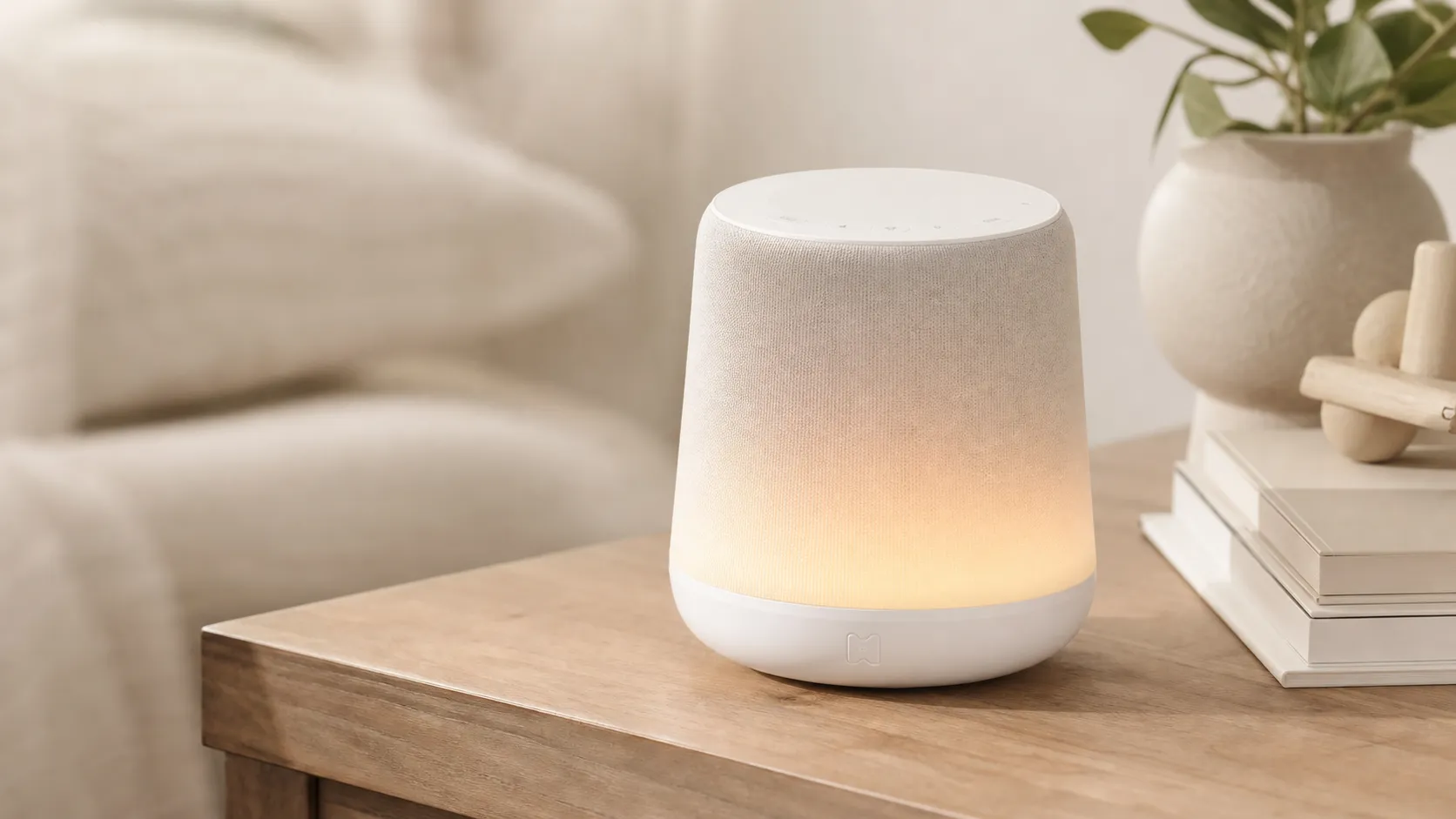 Baby & Kids
Hatch Rest+ Review 2026 — Sound Machine & Night Light
An all-in-one nursery device that blends sound, a color night light, and a time-to‑rise clock. Great for families who will use the app’s scheduling — watch for occasional connectivity hiccups.
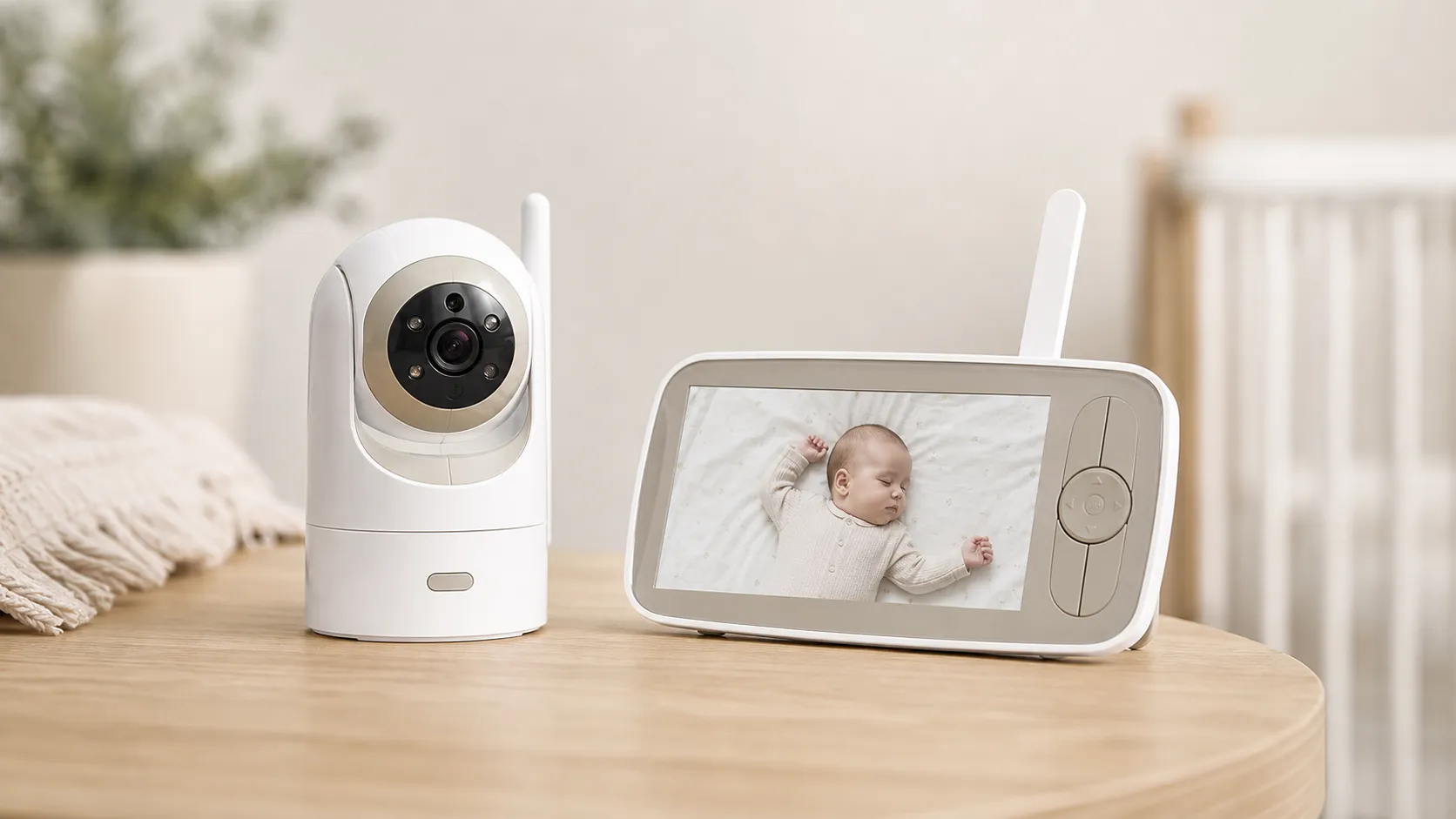 Baby & Kids
Infant Optics DXR‑8 Pro Video Baby Monitor — 2026 Review
A privacy‑first, high‑clarity non‑WiFi monitor with real optical zoom, clean audio, and long range — strong overall, but a minority report battery/charging issues.
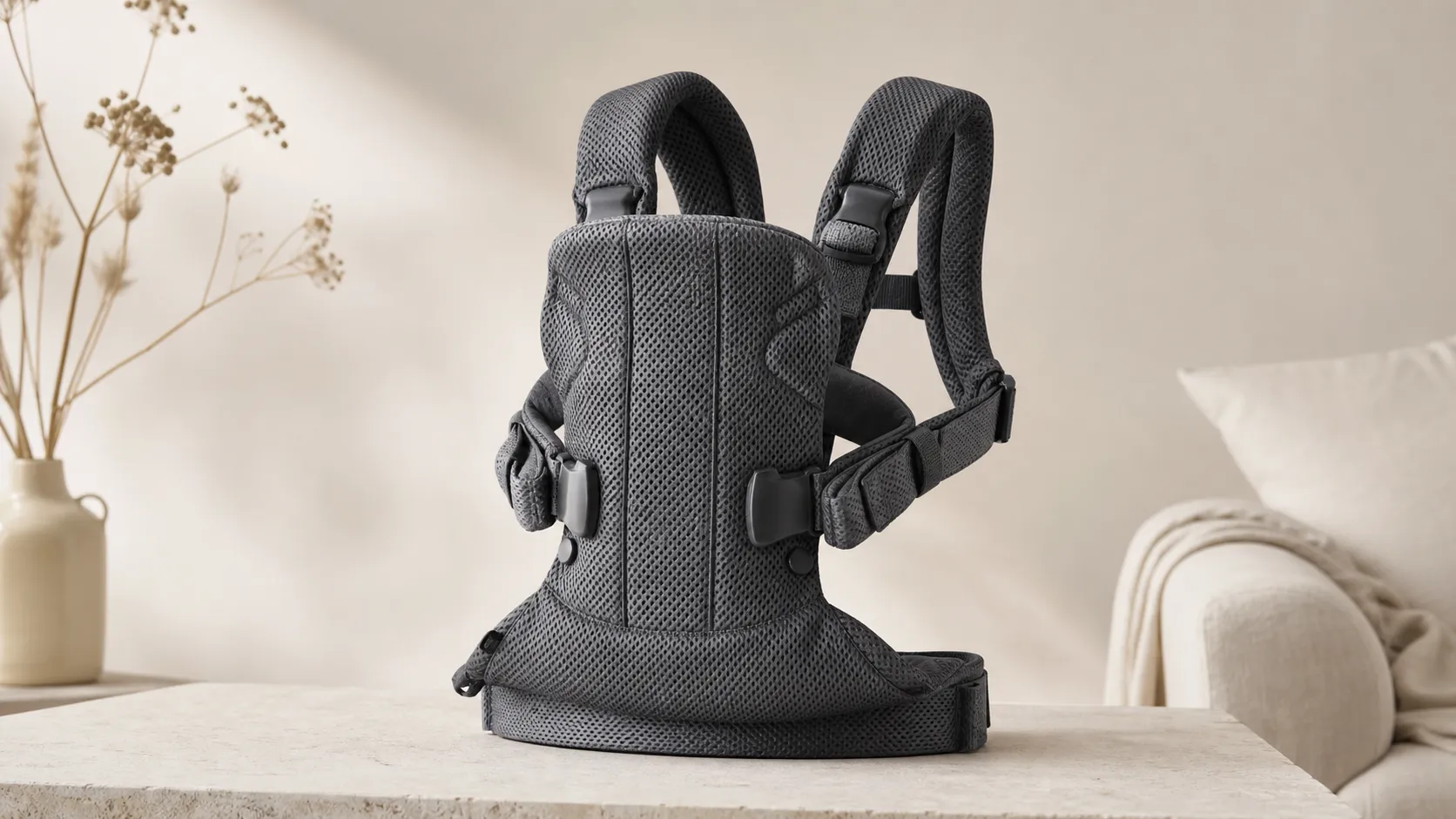 Baby & Kids
BabyBjorn Baby Carrier One Air Review 2026
A breathable, newborn-ready carrier that’s easy to use and travel with. Great for short-to-medium carries and warm weather, but less ideal for long, heavy-duty use.