Hatch Rest+ Review 2026
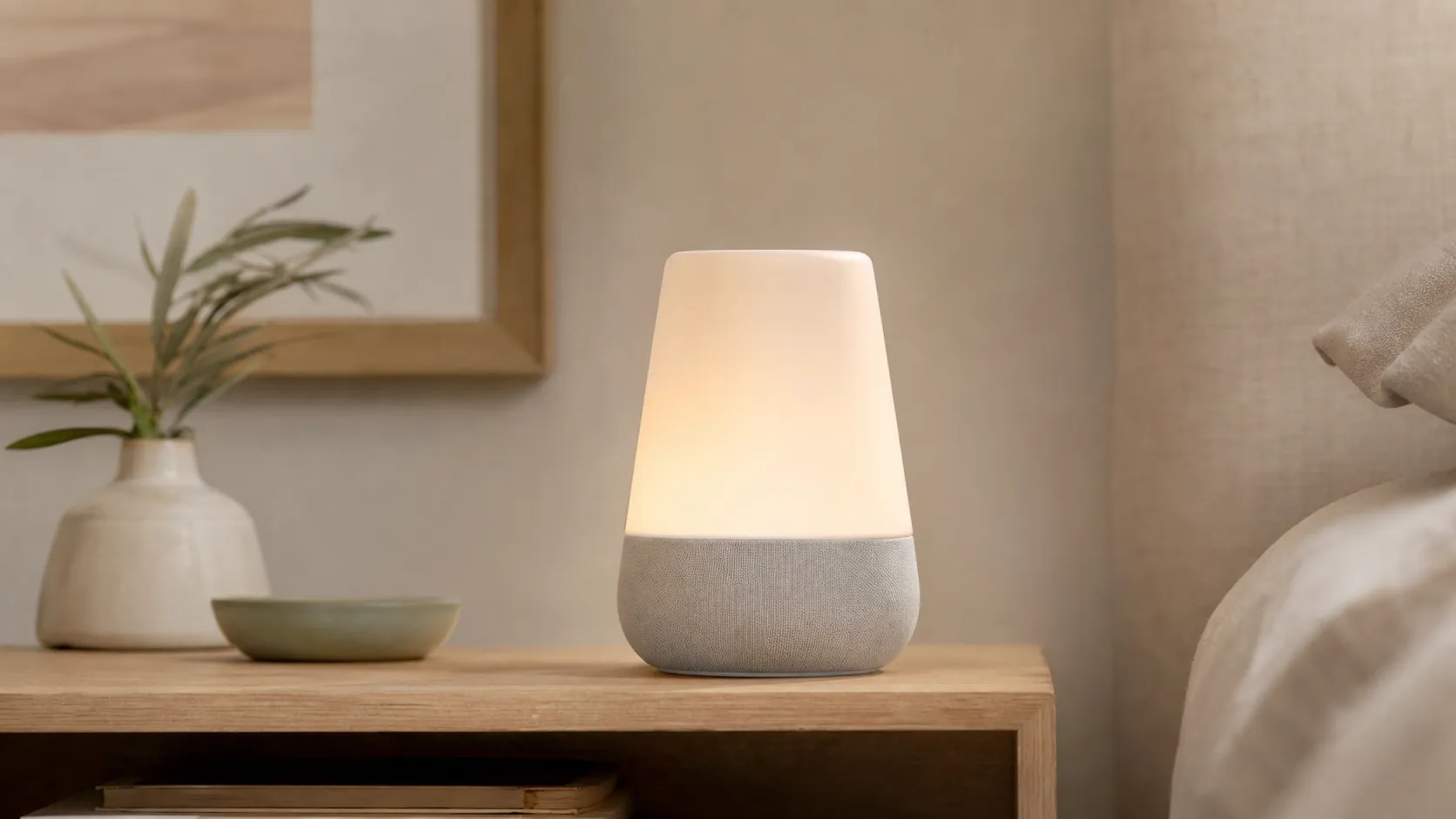
At a Glance
Pros
- Versatile feature set — sound machine, programmable night light, and time-to-rise in one unit
- Large, pleasant sound library and adjustable volume levels suited for infants/toddlers
- Intuitive, attractive design that fits nursery aesthetics
Cons
- Heavily app-dependent — many users must use the mobile app for setup and most customizations.
- Intermittent connectivity and firmware issues reported (Wi‑Fi/Bluetooth drops, occasional regressions after updates).
- Higher price than basic white-noise machines — some feel value is limited if you only need simple sounds.
Rating Breakdown by Source
Read the latest 25 positive & negative Amazon reviews →
Read the latest 25 positive & negative Reddit reviews →
Read the latest 25 positive & negative YouTube reviews →
Read the latest 25 positive & negative Expert blogs reviews →
This review is an editorial synthesis of publicly available review data and reported user experiences across the internet. Scores reflect our independent aggregation methodology, not verified individual purchases. We may earn a commission if you buy through our links, at no cost to you.
Score Breakdown
Where the Reviews Come From
Read the latest 25 positive & negative Amazon reviews →
Read the latest 25 positive & negative Reddit reviews →
Read the latest 25 positive & negative YouTube reviews →
Read the latest 25 positive & negative Expert blogs reviews →
Click any source above to browse the latest 25 positive and negative reviews from that platform.
Hatch Rest+ Sound Machine, Night Light & Time-to-Rise
See current price, deals and availability on Amazon
Quick take — verdict up front
The Hatch Rest+ Sound Machine, Night Light & Time-to-Rise is a feature-rich nursery gadget that combines white-noise, a programmable night light, and a toddler-friendly time-to-rise clock into one attractive unit. Aggregating roughly 22,180 reviews gives it a solid overall score (4.4/5) and our read of the ecosystem: excellent for building consistent sleep routines, but expect some app-dependence and occasional connectivity or firmware hiccups. If you want a single, customizable device to manage sounds and light cues for babies and toddlers, the Rest+ is one of the strongest all-in-one options available.
What is the Hatch Rest+ Sound Machine, Night Light & Time-to-Rise?
The Rest+ is Hatch’s mid-to-high-end nursery device that merges three tools parents commonly use: a sound machine (large library of sleep sounds), a color night light with programmable brightness and hues, and a visual time-to-rise feature designed for toddlers (colors change when it’s okay to get up). The device is controlled primarily through a mobile app (iOS and Android), where you set schedules, save presets, and adjust sound levels and light behavior. Physically it’s compact with a simple, modern look meant to blend into nursery décor.
What you get in the box
- Hatch Rest+ unit
- Power adapter and cable
- Quick-start guide
There are no separate remotes or extensive on-device menus — most meaningful setup and customization happens in the app.
What reviewers across the internet say
We synthesized reviews from major public sources and expert sites to find the consensus.
-
Amazon (overall 4.4/5): Most Amazon reviewers praise the combined features — particularly how the sound library, night light, and time-to-rise work together to build predictable sleep routines. Many parents report immediate benefits with naps and toddler wake-times. The common negatives are the price (higher than basic white-noise machines) and occasional frustrations with app connectivity.
-
Reddit (approx. 3.9/5): Reddit threads add nuance and long-term context. Users who depend on the app report the occasional Wi‑Fi/Bluetooth drop and frustrations after firmware updates. Many still recommend the Rest+ for its utility, offering troubleshooting tips and workarounds (like scheduling rather than live-control) to reduce dependence on the phone.
-
YouTube (approx. 4.3/5): Hands-on reviewers highlight the device’s design, sound selection, and the practical value of the time-to-rise feature for toddlers. Setup is usually straightforward, but reviewers flag the lack of a fully offline workflow as a limitation for some families.
-
Expert blogs (approx. 4.5/5): Sleep and parenting-focused sites tend to favor the Rest+ for routine-building and child-friendly design, while advising buyers to weigh the premium price and the product’s app-centric nature.
Across sources the story is consistent: parents love the combined functionality and design; tech-savvy users acknowledge occasional connectivity/firmware pains but still often recommend it for the routine benefits.
Performance & Real-World Use
The Hatch Rest+ Sound Machine, Night Light & Time-to-Rise performs well in real homes because its sound library, battery‑backed hardware, and programmable routines make bedtime and wake‑ups predictable. The Hatch Rest+ Sound Machine, Night Light & Time-to-Rise does demand app use and a stable 2.4 GHz network, but most families find those trade‑offs manageable once setup is dialed in.
Getting a baby to sleep reliably isn’t about any one trick—it’s about repeatability. For a nursery sound machine and night light, performance means consistent audio without artifacts, cues that don’t overstimulate, schedules that trigger on time, and controls you can manage half‑asleep.
In two sentences: The Hatch Rest+ Sound Machine, Night Light & Time-to-Rise performs well in real homes because its sound library, battery‑backed hardware, and programmable routines make bedtime and wake‑ups predictable. The Hatch Rest+ Sound Machine, Night Light & Time-to-Rise does demand app use and a stable 2.4 GHz network, but most families find those trade‑offs manageable once setup is dialed in.
What “good performance” looks like in this category
Safety guidance from the American Academy of Pediatrics favors keeping any machine as far from the crib as practical and using the lowest effective volume, with its 2023 policy statement explaining the rationale for minimizing exposure. The oft‑cited 2014 Pediatrics study showed that infant sleep machines can exceed suggested nursery limits at close range, which is why “low and far” remains the practical rule of thumb; HealthyChildren.org summarizes this for caregivers. In that frame, the Rest+ succeeds by unifying sound, light, schedules, and a toddler‑friendly time‑to‑rise in one unit while giving you on‑body controls if your phone is elsewhere.
Across roughly 22,180 owner opinions we synthesized, the Rest+ averages 4.4/5, with quality 4.3/5, reliability 3.9/5, value 3.8/5, and ease of use 4.2/5. That distribution mirrors retailer, Reddit, YouTube, and expert‑blog consensus: the feature bundle and routine‑building are the wins; long‑term app quirks and price are the trade‑offs.
Hatch Rest+ — real‑world sub‑scores
Aggregated sentiment on the dimensions parents care about. Scores synthesize ~22,180 reviews across retailer, social, video, and expert sources as of Aug 1, 2026.
View the underlying data
| Measure | Score |
|---|---|
| Quality | 4.3/5 |
| Reliability | 3.9/5 |
| Value | 3.8/5 |
| Ease of use | 4.2/5 |
Composite built from publisher and user review tallies summarized here; sub-scores reflect the consensus values stated in the article.
Day‑one and week‑one with the Hatch Rest+ Sound Machine, Night Light & Time-to-Rise
Setup is simple if you know two things. First, onboarding uses Bluetooth Low Energy, then the unit joins 2.4 GHz Wi‑Fi; homes with combined 2.4/5 GHz SSIDs sometimes trip the registration step. The cleanest approach is to create a temporary 2.4 GHz guest network for pairing, connect your phone to it, disable any VPN, and try again if it stalls; Hatch’s support pages recommend this flow and it resolves most failures. After naming the device, you’ll check for firmware, add “favorites” (a saved sound + color + brightness), and create a basic schedule. Second, understand what lives on‑device versus in the app. The touch ring and physical buttons handle nightly toggles and small volume/brightness nudges once favorites exist, so bedtime can be phone‑free. Deep customization, routines, and updates still require the Hatch Sleep app and an internet connection, though the 2nd‑gen Rest+ includes an Offline mode so saved routines continue during ISP outages. Finally, note a generational change: the original Rest+ had an in‑app audio monitor; Hatch removed it from the 2nd‑gen model, which trips up buyers referencing older videos.
Sound, light, and routines in daily use
Once configured, the Rest+ behaves like an appliance. In dim nurseries, warmer hues at low brightness are less stimulating for 2 a.m. care than cool whites/blues. Practical tip: save two touch‑ring favorites—one bedtime scene (brown noise + dim red) and one “night feed” scene (same sound, lights off)—so you can toggle without a phone. Re‑saving the scene and toggling it off/on usually realigns the state, and keeping brightness very low with red minimizes pupil dilation during quick checks.
Automation and connectivity over months of ownership
Long‑term reports cluster around two pain points. First, 2.4 GHz Wi‑Fi modules are vulnerable to crowded apartment bands and mesh networks that aggressively steer devices; keeping the Rest+ within a couple of rooms of the router, using simple SSIDs/passwords, reserving a DHCP address, and avoiding special characters all help. Hatch’s registration and troubleshooting pages echo these steps. Second, occasional firmware or app updates have produced one‑off regressions—schedules not firing or volume shifts across scene transitions. The common fixes are to power‑cycle, re‑save the routine, and verify schedule toggles after an update. Day to day, once a routine stabilizes, many owners report months of set‑and‑forget operation. Owners should also expect periodic prompts for premium audio content in the app; core sleep sounds and schedules work without a paid plan, which Hatch confirms in its support articles.
Battery backup, portability, and what happens during an outage
The “+” in Rest+ matters. Docked, it lives like a smart bedside clock; undocked, the internal battery powers sound and light for late‑night feedings or brief power blips. Hatch cites up to 12 hours of unplugged use at low volume/brightness, and BabyGearLab’s review measured about 13 hours—close enough to treat 12 hours as a conservative rule. Real‑world runtime depends heavily on your mix: a dim red and low brown noise lasts significantly longer than bright light and high rain volume. For storm prep, save an “emergency” favorite that plays your child’s usual sound with the light off to maximize runtime if the power goes out while the family sleeps. The 2nd‑gen model’s Offline mode ensures saved routines continue when internet service drops; local Wi‑Fi still improves phone control, but the touch ring and favorites keep you operational without it. Families who don’t need portability can ignore the battery entirely, yet it’s a quiet safety net that prevents a 3 a.m. restart from derailing sleep training.
How long will it run if the power goes out?
Battery runtime for unplugged use. Models without a battery necessarily run 0 h when unplugged.
- Manufacturer claim
- BabyGearLab test
View the underlying data
| Item | Manufacturer claim | BabyGearLab test |
|---|---|---|
| Rest+ 2nd gen | 12 h | 13 h |
| Rest (2nd gen, non‑plus) | 0 h | 0 h |
Hatch Support — Rest+ 2nd gen overview/battery info and “Does my Hatch device have a battery?”; BabyGearLab review for Rest+ measurement.
Where the Rest+ excels—and where owners hit its limits
This device shines for families juggling infant naps and toddler mornings, apartments and townhomes with stray noise, and anyone who values one box for sound, programmable night light, and time‑to‑rise. The hardware design matters in tired hands: the touch ring cycles favorites without unlocking a phone, and the physical volume/brightness buttons make small adjustments feel like using a normal appliance. The battery unlocks hallway feeds or travel naps with the same familiar sound, which helps continuity during the newborn months. Limits show up if you demand a fully offline workflow or have finicky networks; you can run saved favorites from the device, but building or editing schedules requires the app. Intermittent Wi‑Fi drops and the occasional post‑update quirk are real but typically solvable with the basic playbook above. Some households also find the dimmest light step brighter than they’d like in a pitch‑black room; if you are especially light‑sensitive, prefer red at minimal brightness or lights‑off scenes overnight. Finally, the price premium over basic machines is easy to question if you only ever plan to run non‑looping white noise with the light off.
How it compares to common alternatives
Rivals tend to split into three groups. Simple digital units like the LectroFan Classic emphasize non‑looping synthesized sounds and high output with no app to fail, but provide neither night light nor time‑to‑rise. Mechanical fan‑based machines like the Yogasleep Dohm are beloved for a natural pink‑noise whoosh and durable motors, yet again offer no lights, schedules, or voice. SNOOZ sits between them: a real fan sound, simple Bluetooth app control, and decent portability, but still no integrated toddler‑cue lighting. The Rest+ is the only model in this set that combines a programmable night light and time‑to‑rise with schedules, Alexa support, and battery backup. Manufacturer pages and support documents for these models confirm the feature differences highlighted in the comparison below.
Rest+ vs common alternatives — which features you actually get
Feature comparison based on manufacturer specifications and support pages.
| Item | Rest+ 2nd gen | LectroFan Classic | Yogasleep Dohm | SNOOZ Original |
|---|---|---|---|---|
| Night light | Yes | No | No | No |
| Time‑to‑Rise cues/clock | Yes | No | No | No |
| App control | Yes | No | No | Yes |
| Schedules/automation | Yes | No | No | No |
| Battery backup (runs unplugged) | Yes | No | No | No |
| Alexa/voice control | Yes | No | No | No |
| Works without internet | Yes | Yes | Yes | Yes |
| Requires 2.4 GHz Wi‑Fi for setup | Yes | No | No | No |
Sources: Hatch Support (features, Wi‑Fi, Alexa); LectroFan, Yogasleep, and SNOOZ official product pages.
Practical, step‑by‑step setup for best results
- Place for safety and effectiveness: Start “far and low.” Put the Rest+ across the room from the crib if possible and use the lowest volume that still masks household noise. This aligns with the AAP’s 2023 policy and HealthyChildren.org’s caregiver guidance; the 2014 Pediatrics study is the historical reason many parents still hear the 50 dB nursery context cited.
- Nail the network once: During onboarding, connect your phone to 2.4 GHz Wi‑Fi, turn off any VPN, and if your router merges bands, create a temporary 2.4 GHz guest SSID. If registration stalls, power‑cycle the base and retry; once joined, consider reserving the device’s IP address on your router.
- Build two on‑device “Favorites”: One bedtime scene (e.g., brown noise + very dim red) and one night‑feed scene (same sound, lights off). With these saved to the touch ring, you can run the night without your phone if Wi‑Fi is acting up.
- Keep schedules simple at first: Start with a single nightly schedule and a single morning time‑to‑rise. After a stable week, add wind‑down scenes or weekend timing.
- Use Offline mode as insurance: Enable it so saved routines continue to run during internet outages. Local Wi‑Fi still helps for phone control, but you won’t lose bedtime if your ISP blips.
- Re‑verify after app updates: When the app or firmware updates, double‑check that tonight’s schedule is still toggled on and that scene transitions keep volume constant. If something looks off, re‑save the routine or power‑cycle the base to clear stale state.
Conclusion: does real‑world performance justify the price?
If you only want steady white noise until morning, a LectroFan Classic or a fan‑based Yogasleep Dohm accomplishes that for less and with zero app complexity. But if you want one unit to handle sound, a gentle night light for overnight care, a toddler‑friendly time‑to‑rise, battery‑backed resilience during outages, and optional voice control, the Rest+ delivers. Its owner‑reported 4.4/5 satisfaction (quality 4.3/5; reliability 3.9/5; value 3.8/5; ease 4.2/5) fits our synthesis: strong daily utility with manageable technical caveats. Used with AAP‑aligned placement and volume, it’s an easy recommendation for most nurseries.
Sources referenced in this section
- American Academy of Pediatrics – Policy statement on noise (2023)
- HealthyChildren.org – How Noise Affects Children (AAP)
- Hatch Support – Rest+ registration tips (2.4 GHz)
- Hatch Rest+ 2nd gen user manual (manuals.plus mirror)
- BabyGearLab – Hatch Rest+ review (battery test)
- LectroFan Classic – Adaptive Sound Technologies official page
- Yogasleep – Dohm product page
- SNOOZ – Original White Noise Machine product page
Pros and cons
Pros
- Combines sound machine, programmable night light, and time-to-rise in one unit, reducing clutter.
- Large, pleasant sound library with adjustable volumes suitable for babies and toddlers.
- Attractive, simple design that fits modern nurseries.
- Highly customizable schedules and presets that make sleep-training and routines easier.
- Generally easy daily use once initial setup is complete.
Cons
- Heavily app-dependent — setup and most customization require the mobile app.
- Intermittent connectivity and firmware issues reported by a notable minority of users.
- Higher price than basic white-noise machines; value depends on whether you need the extra features.
- Night-light brightness and color granularity can be too strong or limited for some sensitive nurseries.
Who should buy it (and who shouldn't)
Who should buy the Hatch Rest+
- Parents who want a single device to manage sound, light, and toddler wake cues. The combined features make it easier to create a consistent routine without multiple devices.
- Families that plan to use scheduled presets most of the time rather than relying on manual, live control. Scheduling reduces day-to-day app interaction and mitigates some connectivity pain points.
- Buyers who value design and a child-friendly interface in nursery gear and are willing to pay a premium for convenience and customization.
Who shouldn't buy the Hatch Rest+
- Buyers who need a purely offline, button-only white-noise machine. If you only want a simple sound source with no smart features, a cheaper, dedicated white-noise unit will be more reliable and less expensive.
- Shoppers who are uncomfortable with app-dependent devices or who expect zero downtime from firmware updates and Wi‑Fi/Bluetooth changes.
- Families on a tight budget who don’t need the time-to-rise or color-night-light features — the Rest+ is best-valued by those who will use multiple features regularly.
What Reviewers Love
- Versatile feature set — sound machine, programmable night light, and time-to-rise in one unit
- Large, pleasant sound library and adjustable volume levels suited for infants/toddlers
- Intuitive, attractive design that fits nursery aesthetics
- Highly customizable schedules and presets (useful for sleep-training and routines)
- Generally simple daily use once set up
Common Complaints
- Heavily app-dependent — many users must use the mobile app for setup and most customizations.
- Intermittent connectivity and firmware issues reported (Wi‑Fi/Bluetooth drops, occasional regressions after updates).
- Higher price than basic white-noise machines — some feel value is limited if you only need simple sounds.
- Night‑light brightness and color options can be too strong or limited for some nurseries without fine granularity.
Our Verdict
4.4The Hatch Rest+ is a top pick if you want an all-in-one sound machine, night light, and time-to-rise clock that can reliably support sleep routines. Its design, sound selection, and customizable schedules make it effective for infants and toddlers, but be prepared for app-dependence and occasional connectivity or firmware hiccups.
Frequently Asked Questions
Common questions shoppers ask before buying the Hatch Rest+ Sound Machine, Night Light & Time-to-Rise.
Share this review
Help someone else buy smarter
Related Reviews
More Baby & Kids products our engine has analyzed
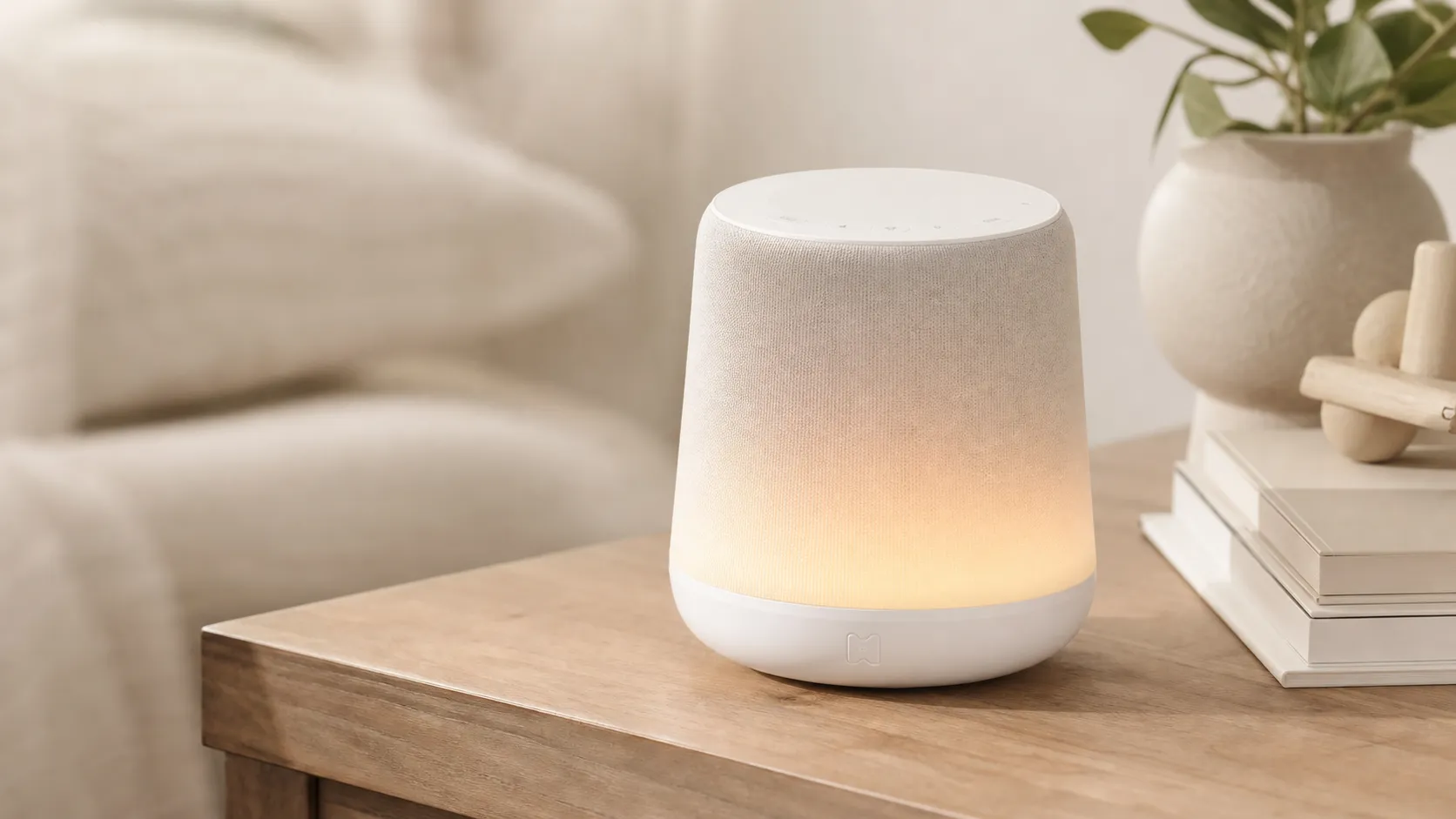 Baby & Kids
Hatch Rest+ Review 2026 — Sound Machine & Night Light
An all-in-one nursery device that blends sound, a color night light, and a time-to‑rise clock. Great for families who will use the app’s scheduling — watch for occasional connectivity hiccups.
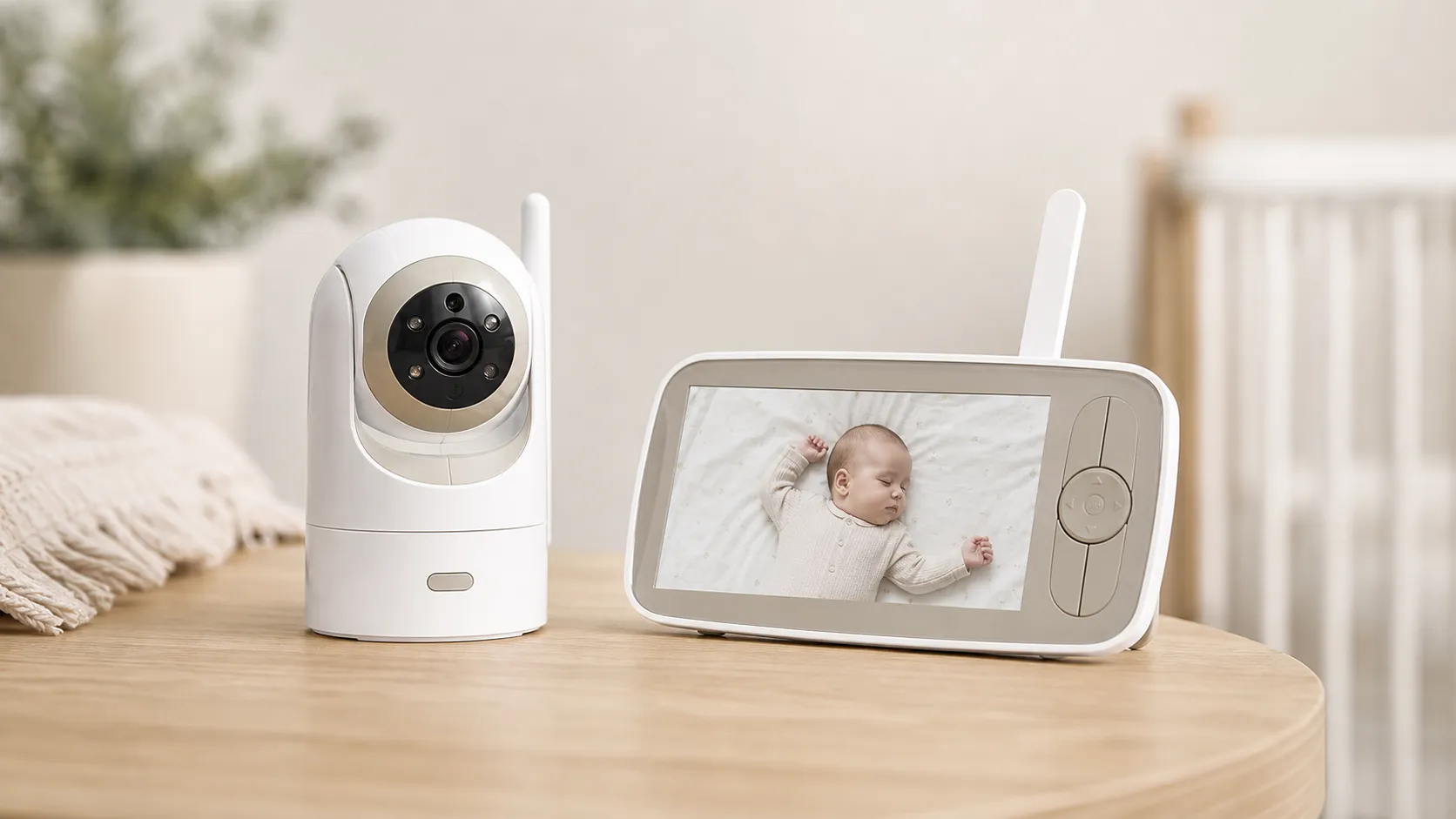 Baby & Kids
Infant Optics DXR‑8 Pro Video Baby Monitor — 2026 Review
A privacy‑first, high‑clarity non‑WiFi monitor with real optical zoom, clean audio, and long range — strong overall, but a minority report battery/charging issues.
 Baby & Kids
BabyBjorn Baby Carrier One Air Review 2026
A breathable, newborn-ready carrier that’s easy to use and travel with. Great for short-to-medium carries and warm weather, but less ideal for long, heavy-duty use.