Hatch Rest+ Review 2026: Smart Sound & Night‑Light for Nurseries
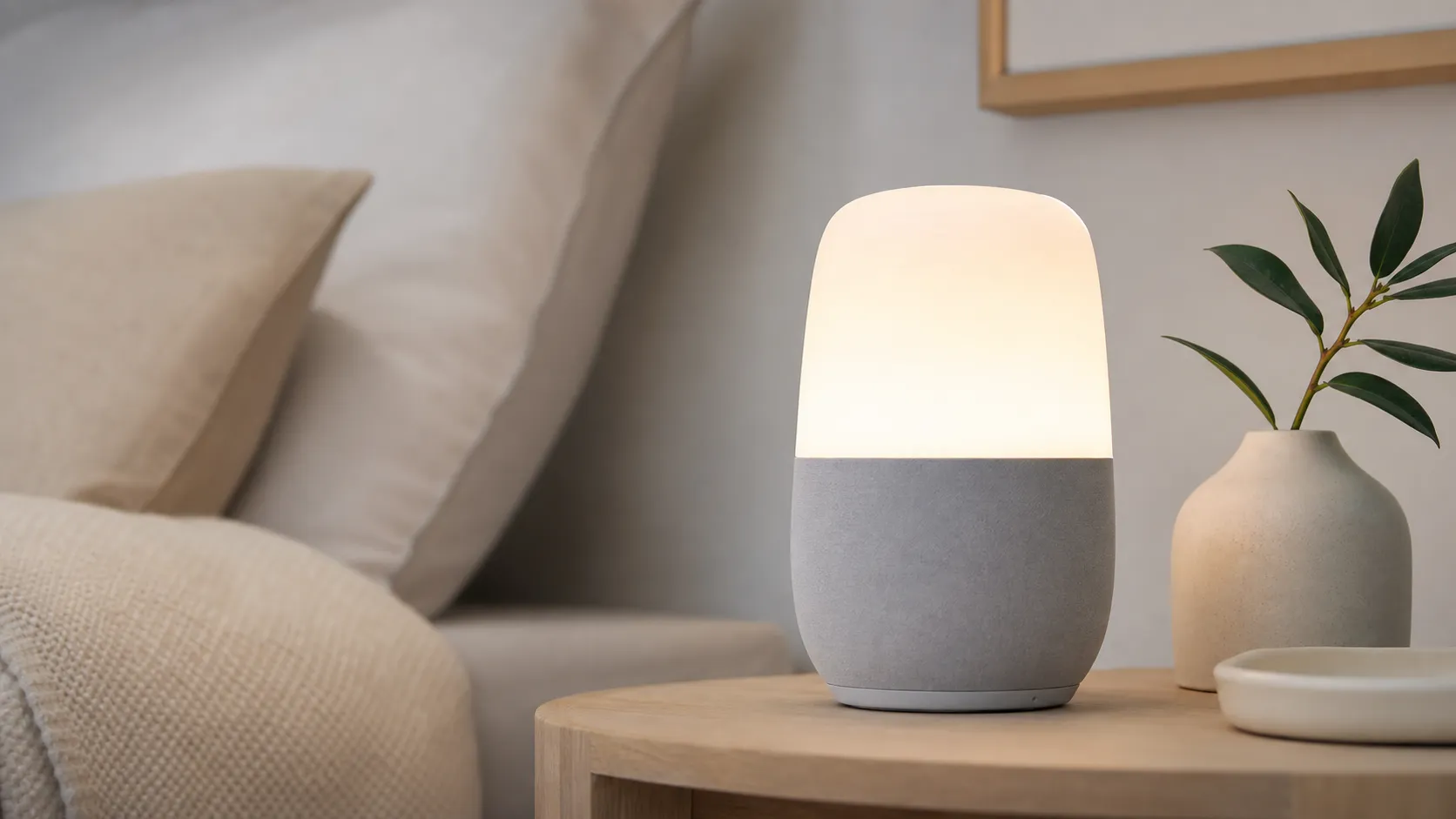
At a Glance
Pros
- Wide selection of high-quality sounds and adjustable volume levels that effectively soothe babies and adults.
- Customizable multi-color night‑light with brightness and color controls and programmable routines.
- Simple setup and intuitive app interface for schedules, sound/lighting routines, and timers.
Cons
- Occasional app connectivity, pairing, or firmware update problems reported.
- Many features are app-dependent, limiting utility without a smartphone.
- Priced higher than basic sound machines; some reviewers question value for casual users.
Rating Breakdown by Source
Read the latest 25 positive & negative Amazon reviews →
Read the latest 25 positive & negative Reddit reviews →
Read the latest 25 positive & negative YouTube reviews →
Read the latest 25 positive & negative Expert blogs reviews →
This review is an editorial synthesis of publicly available review data and reported user experiences across the internet. Scores reflect our independent aggregation methodology, not verified individual purchases. We may earn a commission if you buy through our links, at no cost to you.
Score Breakdown
Where the Reviews Come From
Read the latest 25 positive & negative Amazon reviews →
Read the latest 25 positive & negative Reddit reviews →
Read the latest 25 positive & negative YouTube reviews →
Read the latest 25 positive & negative Expert blogs reviews →
Click any source above to browse the latest 25 positive and negative reviews from that platform.
Hatch Rest+
See current price, deals and availability on Amazon
Quick take — verdict up front
The Hatch Rest+ earns a solid aggregated score of 4.4/5 from roughly 15,450 reviews: parents praise its sound quality, customizable night‑light, and easy scheduling, while the most common downsides are occasional app/connectivity hiccups and a higher price than basic sound machines. If you want a smart, programmable sleep assistant that grows with a child’s routine, the Rest+ is among the best feature‑rich options; if you need a simple, inexpensive white‑noise box, this may be overkill.
What is the Hatch Rest+?
The Hatch Rest+ is a compact, app‑driven sleep device for babies, toddlers, and bedrooms that combines a sound machine with a customizable multi‑color night‑light and programmable routines. It’s designed to be controlled primarily via a smartphone app so you can schedule sounds, adjust volume, change light color and brightness, and create automation like “bedtime,” “nap,” and “wake” sequences. The unit itself is sleek and unobtrusive, meant to fit on a nursery shelf or nightstand.
What reviewers across the internet say
We synthesized thousands of user reviews and critiques from Amazon, Reddit, YouTube, and parenting/expert blogs to find where the Hatch Rest+ excels — and where it struggles.
-
Amazon (overall ~4.4/5, large volume): Customers consistently praise the wide sound selection, adjustable volume, and flexible scheduling. Positive reviews emphasize improved settling and sleep consistency; common complaints focus on occasional app pairing trouble and the higher price compared with basic sound machines.
-
Reddit (around 4/5, mixed): Community members share practical routine setups and long‑term notes. Threads are useful for workarounds and tips, but Reddit users also report intermittent connectivity or firmware issues that make the experience less smooth for some families.
-
YouTube (≈4.2/5): Video reviews demonstrate real‑world use — sound quality, night‑light visuals, and app programming — and generally recommend the device for parents who will use the automation. Visual reviewers often note the dependence on the app and the premium price point.
-
Expert blogs (≈4.1/5): Parenting sites and product write‑ups highlight the safety, design, and automation advantages. Experts typically compare the Rest+ to competitors and underline the tradeoff: feature richness and convenience at a higher cost.
Overall consensus: the Rest+ is a polished, feature‑heavy product that meaningfully helps many families with sleep routines, but app and connectivity reliability and cost are the most commonly reported negatives.
Performance & Real-World Use
Hatch Rest+ turns nightly chaos into a repeatable routine for most families thanks to reliable schedules, strong sound masking, and a flexible night‑light; that’s why aggregated owner sentiment sits at a favorable 4.4/5. The tradeoffs are app dependence, occasional connectivity hiccups, and value questions versus simpler boxes, but for routine‑driven nurseries its real‑world performance largely justifies the price.
Parents buy a smart sound machine to make bedtime predictable, quiet, and calm. Hatch Rest+ delivers with a deep sound library, a fully dimmable multicolor night‑light, and app‑based routines built for nightly nursery use.
Hatch Rest+ turns nightly chaos into a repeatable routine for most families thanks to reliable schedules, strong sound masking, and a flexible night‑light; that’s why aggregated owner sentiment sits at a favorable 4.4/5. The tradeoffs are app dependence, occasional connectivity hiccups, and value questions versus simpler boxes, but for routine‑driven nurseries its real‑world performance largely justifies the price.
What “performance” means for this kind of product
For nursery gear, performance isn’t about headline specs—it’s whether bedtime happens the same way, with the same settings, without fuss. Five dimensions decide satisfaction: (1) consistency; (2) sound quality and control—enough well‑looped options with fine volume steps to mask household noise; (3) night‑light usefulness—true low‑level amber/red for feeds plus a brighter “time‑to‑rise” cue; (4) schedule automation—routines that still fire if your phone or Wi‑Fi misbehaves; and (5) resilience during outages. Across ~15,450 owner and expert reviews, consensus lands at 4.4/5 overall with sub‑scores of quality 4.3/5, reliability 3.9/5, value 4.1/5, and ease of use 4.5/5. Amazon buyers (about 12,500 reviews) highlight sound selection, light control, and easy scheduling; Reddit threads add creative routine tips and note app updates as the main wrinkle; YouTube demos and expert blogs recommend it while flagging the higher price versus basic machines. In practice, Rest+ succeeds when it disappears into the background and bedtime happens on cue.
How reviewers rate the Hatch Rest+
Verdict by source (aggregated reporting across owners and expert channels)
View the underlying data
| Measure | Overall rating |
|---|---|
| Amazon | 4.4/5 |
| 4/5 | |
| YouTube | 4.2/5 |
| Expert blogs | 4.1/5 |
Synthesized from large‑sample public reviews/discussions cited in this review.
Day‑one setup: Hatch Rest+ in your nursery
Setup is quick if you know two rules: it pairs on 2.4 GHz Wi‑Fi only, and deep configuration lives in the app. Enable the 2.4 GHz band on dual‑band or mesh routers before pairing; a 5 GHz‑only network fails registration. After setup, routines typically continue even if the app later shows “offline,” and you can still control the unit via the metal touch ring and hardware buttons. The ring cycles Favorites—saved sound/light combos—so any caregiver can run bedtime or night‑feed modes without a phone. Buttons cover volume and brightness, and a long press of the ring powers down. Spend 10–15 minutes to name the device, create Favorites, and schedule bedtime, nap, and morning cues. If you’re upgrading or buying used, note the generational change: the original Rest+ included a simple audio monitor; the current Rest+ 2nd gen removed that feature, so pair a separate baby monitor if needed. (help.hatch.co, help.hatch.co, hatchbaby-public.s3-us-west-2.amazonaws.com)
Sound and light: soothing without overdoing it
The nightly win is precision: match sound and light to the moment. Babies settle with steady broadband noise; the goal is consistent masking, not max loudness. The American Academy of Pediatrics advises placing infant sleep machines away from the crib, running the lowest effective volume, and limiting duration as appropriate—guidance informed by 2014 research showing close‑range, maximum‑volume use can exceed safe levels. Practically, park the Rest+ across the room, pick a steady option (rain, wind, white noise), and raise volume only until sibling chatter or street noise fades. For lighting, parents often prefer a near‑dark red or amber for feeds and a brighter morning cue. Because the LED is fully dimmable, you can set a barely‑there glow that won’t jolt sleepy eyes. The app binds those levels and sounds into a single Favorite you can schedule; Hatch’s optional content membership adds stories and music, but the built‑in library already covers common needs. (publications.aap.org, help.hatch.co)
Battery, connectivity, and life after the honeymoon period
Long‑term performance shows when something goes wrong—power flickers, flaky Wi‑Fi, or a firmware prompt. The Rest+ 2nd gen includes an internal battery and charging base; Hatch rates it for “up to 12 hours” at low brightness and volume. Owners typically see 8–12 hours depending on settings—enough for an outage or a day of unplugged naps, but not meant as a permanent portable. Dock or undock and the display indicates “base” or “batt,” so you know the power source. Connectivity is standard for simple smart‑home devices: 2.4 GHz only, keep the app current, and power‑cycle or follow Hatch’s reconnect steps when needed. Crucially, scheduled routines usually fire and hardware controls still work even if the app shows “offline,” so bedtime isn’t hostage to your phone or ISP. Using Favorites and on‑device controls for nightly operations avoids most frustration reported in mixed user reviews. (help.hatch.co, help.hatch.co)
Battery life scales with light/volume
Estimated battery runtime by use case (Rest+ 2nd gen)
View the underlying data
| Measure | Runtime (manufacturer guidance + owner reports) |
|---|---|
| Dim light + low volume | 12 h |
| Medium light + medium volume | 8 h |
| Bright light + high volume | 5 h |
Based on Hatch’s ‘up to 12h’ guidance and aggregated owner reports; actual runtime varies with brightness/volume.
Where the Rest+ shines—and where owners meet limits
Where it excels:
- Fixed nursery routines with repeatable bedtimes, naps, and morning cues. Schedules keep everyone on track when hands are full. (help.hatch.co)
- Homes with occasional outages or room‑to‑room use—the internal battery bridges power cuts and short unplugged sessions. (help.hatch.co)
- Parents who want fine evening control but minimal light overnight: the dimmable glow gets truly low.
Common limits:
- Networks with 5 GHz‑only or complex mesh settings. Registration requires 2.4 GHz; you may need a guest SSID to pair. (help.hatch.co)
- Built‑in audio monitoring—the Rest+ 2nd gen dropped it, so plan a separate monitor. (help.hatch.co)
- App‑free households—you can run Favorites and use buttons on‑device, but detailed configuration remains in the app. (help.hatch.co)
How it stacks up to typical alternatives
The closest sibling is the Hatch Rest (2nd gen). It keeps sounds, light, and app routines but drops the internal battery; if you never unplug and don’t need outage insurance, it’s a simpler, slightly cheaper choice. Fan‑based boxes like the Yogasleep Dohm go the other way: no app, no light, no Wi‑Fi—just physical controls and real airflow noise some adults prefer. Digital stalwarts like the LectroFan Classic also skip apps and lights in favor of many digitally generated profiles. Those simpler units avoid connectivity issues and cost less, but can’t do color‑coded wake cues or timed wind‑downs. If a “set‑and‑forget routine” with light cues matters, the Rest+ is in a different class; if you only need steady noise, analog or simple digital machines remain foolproof bargains. That tradeoff explains why owner scores are higher for ease of use than perceived value: you’re paying for automation, backup power, and a light that can be barely there at 2 a.m. yet unmistakable at 7 a.m.
What you gain (and lose) versus simpler boxes
Feature comparison of common alternatives (Yes=1, No=0)
| Measure | Has feature |
|---|---|
| Hatch Rest+ (2nd gen) — App control | Yes |
| Hatch Rest+ (2nd gen) — Internal battery | Yes |
| Hatch Rest+ (2nd gen) — Night‑light | Yes |
| Hatch Rest+ (2nd gen) — Time‑to‑Rise | Yes |
| Hatch Rest+ (2nd gen) — Wi‑Fi control | Yes |
| Hatch Rest+ (2nd gen) — Audio monitor | No |
| Hatch Rest (2nd gen) — App control | Yes |
| Hatch Rest (2nd gen) — Internal battery | No |
| Hatch Rest (2nd gen) — Night‑light | Yes |
| Hatch Rest (2nd gen) — Time‑to‑Rise | Yes |
| Hatch Rest (2nd gen) — Wi‑Fi control | Yes |
| Hatch Rest (2nd gen) — Audio monitor | No |
| Yogasleep Dohm — App control | No |
| Yogasleep Dohm — Internal battery | No |
| Yogasleep Dohm — Night‑light | No |
| Yogasleep Dohm — Time‑to‑Rise | No |
| Yogasleep Dohm — Wi‑Fi control | No |
| Yogasleep Dohm — Audio monitor | No |
| LectroFan Classic — App control | No |
| LectroFan Classic — Internal battery | No |
| LectroFan Classic — Night‑light | No |
| LectroFan Classic — Time‑to‑Rise | No |
| LectroFan Classic — Wi‑Fi control | No |
| LectroFan Classic — Audio monitor | No |
Compiled from manufacturer documentation and product pages cited in this review.
Safety‑minded use: placement and volume that follow pediatric guidance
For newborns and infants, placement and volume matter more than chasing a specific decibel number. The AAP advises positioning infant sleep machines as far from the baby as feasible, running the lowest effective level, and limiting duration as appropriate; those recommendations reflect evidence that close‑range, maximum‑volume use can exceed safe levels. Practically, set the Rest+ across the room on a stable surface, start low, and raise volume only until your trigger noise (older sibling, street, dog) disappears. Recheck levels when the room changes—door closed, rug added, box fan on—and nudge down if the space is now quieter. Keep the night‑light at the dimmest useful amber/red for overnight care, then schedule a brighter morning cue. These habits preserve masking and routine performance while aligning with mainstream pediatric guidance. (publications.aap.org, pubmed.ncbi.nlm.nih.gov)
Step‑by‑step: fastest path to a smooth routine
- Place the unit near an outlet at room edge; enable 2.4 GHz Wi‑Fi and register it, accepting any firmware prompt. Name it for the room (“Nursery”). (help.hatch.co)
- Create three Favorites: Bedtime (steady white noise + dim amber), Night Feed (same sound + very low light), and Time‑to‑Rise (brighter color + softer sound or silence). Put them on a daily schedule. (help.hatch.co)
- Test phone‑free control: tap the ring to cycle those Favorites; use the buttons to fine‑tune volume/brightness so any caregiver can adjust at 2 a.m. (help.hatch.co)
- Start with conservative volume and distant placement; reassess after a week based on how well it masks your home. (publications.aap.org)
- Keep the unit docked so the battery stays topped off; expect roughly a workday of runtime at low settings if you lose power. (help.hatch.co)
- If the app shows “offline,” run bedtime from hardware controls first; schedules usually still fire. For reconnection, confirm 2.4 GHz, update the app, power‑cycle, then reset network settings only if needed. (help.hatch.co)
Long‑term reliability and care
Owners who call the Rest+ “invisible” follow a few habits. Leave it on the charging base so the backup battery is ready; accept firmware updates but avoid deregistering unless support instructs; and rely on ring/buttons for in‑room tweaks so you’re not fumbling with the app during night feeds. Hatch notes the clock and Favorites management draw a trickle of power even when no sound or light plays, so don’t store it unplugged if you want emergency runtime available. After months, the most common nuisance reports are brief app disconnects or the device going “offline,” usually cleared by the official steps above. If you’re moving homes or buying second‑hand, confirm your generation because the older Rest+ had audio monitoring while the current one does not. Treated this way, the sound engine, LEDs, and buttons hold up well, and the device keeps doing the same thing every night—which is the point.
Bottom line: does the smart package justify the spend?
If your goal is automated bedtime with dependable sound, a truly dimmable night‑light, color‑coded morning cues, and backup power for outages, the Hatch Rest+ performs as promised. Accept the app‑centric setup and occasional Wi‑Fi quirks, and its week‑to‑week behavior stays steady enough that most owners stop thinking about it and just use it every night—explaining strong satisfaction scores despite a higher price than basic machines.
Sources referenced in this section
- Hatch Support — Rest+ 2nd gen battery information
- Hatch Rest+ (first gen) instruction manual (PDF)
- American Academy of Pediatrics — Preventing Excessive Noise Exposure in Infants, Children, and Adolescents (policy)
- Pediatrics (AAP journal) — Infant Sleep Machines and Hazardous Sound Pressure Levels (2014)
Pros and cons
Pros
- Wide selection of high‑quality sounds and adjustable volume that soothes infants and adults.
- Customizable multi‑color night‑light with fine brightness and color controls and programmable routines.
- Intuitive app and simple setup for schedules, sound/lighting routines, and timers (high ease‑of‑use score).
- Sleek, compact design that fits well in nurseries and doesn’t disturb night vision.
- Many reviewers report improved sleep and settling when the device is used consistently as part of a routine.
Cons
- App connectivity, pairing, or firmware update problems are reported often enough to be a notable downside.
- Many features are app‑dependent, limiting utility if you don’t use a smartphone or prefer physical controls.
- Priced higher than basic sound machines; value (4.1) suggests some shoppers may prefer a simpler, cheaper alternative.
- A minority report durability issues or slower customer‑service responses for replacements/repairs.
Tips from experienced users
- Use the app to build a consistent routine (nap, bedtime, wake) — automation is where the Rest+ delivers the most consistent benefits.
- Position the device so the light isn’t shining directly into the baby’s eyes; the diffused LED works best from a shelf or nightstand slightly offset from the crib.
- Keep the app updated, and allow occasional firmware updates when prompted — they often fix bugs but plan updates at low‑risk times.
- If you experience connectivity glitches, power‑cycle the unit and your phone’s Bluetooth/Wi‑Fi (many users find this resolves transient issues).
Who should buy it — and who shouldn’t
Who should buy the Hatch Rest+
- Parents who want a feature‑rich, long‑term sleep companion that supports routines and sleep training.
- Families who value customization (sounds, colors, brightness) and use their smartphone to manage home devices.
- Anyone who prefers a stylish, compact device that fits nursery aesthetics and offers multiple automation options.
Who shouldn’t buy the Hatch Rest+
- Shoppers who only need a simple, affordable white‑noise machine and want low up‑front cost above smart features.
- Buyers who prefer physical‑only controls or who don’t want an app dependency — many of Rest+’s best features require the smartphone interface.
- Households where reliable connectivity is impossible or spotty — the device performs best with stable Wi‑Fi and occasional app access.
Final thoughts
The Hatch Rest+ is a high‑quality, thoughtfully designed smart sound machine that stands out for customization and routine automation. Its app‑centric approach is both its greatest strength and its Achilles’ heel: when the software works well, families see clear sleep improvements; when connection or firmware issues appear, the experience can be frustrating. For parents ready to use the app and willing to pay a premium for convenience and features, the Rest+ is a compelling choice. If you want simple white noise on a tight budget, a basic machine will do the job more cheaply.
What Reviewers Love
- Wide selection of high-quality sounds and adjustable volume levels that effectively soothe babies and adults.
- Customizable multi-color night‑light with brightness and color controls and programmable routines.
- Simple setup and intuitive app interface for schedules, sound/lighting routines, and timers.
- Sleek, compact design that fits well in nurseries and bedrooms and is unobtrusive at night.
- Responsive for bedtime routines—many reviewers report improved sleep/settling for infants and toddlers.
Common Complaints
- Occasional app connectivity, pairing, or firmware update problems reported.
- Many features are app-dependent, limiting utility without a smartphone.
- Priced higher than basic sound machines; some reviewers question value for casual users.
- A minority report durability or customer-service delays on replacements/repairs.
Our Verdict
4.4The Hatch Rest+ is a smart, well‑designed sleep device that shines when used as part of a routine — expansive sound options, a flexible night‑light, and easy scheduling deliver real benefits. However, its app‑dependent features and intermittent connectivity/firmware issues mean it’s best for parents who value customization and are comfortable managing occasional troubleshooting.
Frequently Asked Questions
Common questions shoppers ask before buying the Hatch Rest+.
Share this review
Help someone else buy smarter
Related Reviews
More Baby & Kids products our engine has analyzed
 Baby & Kids
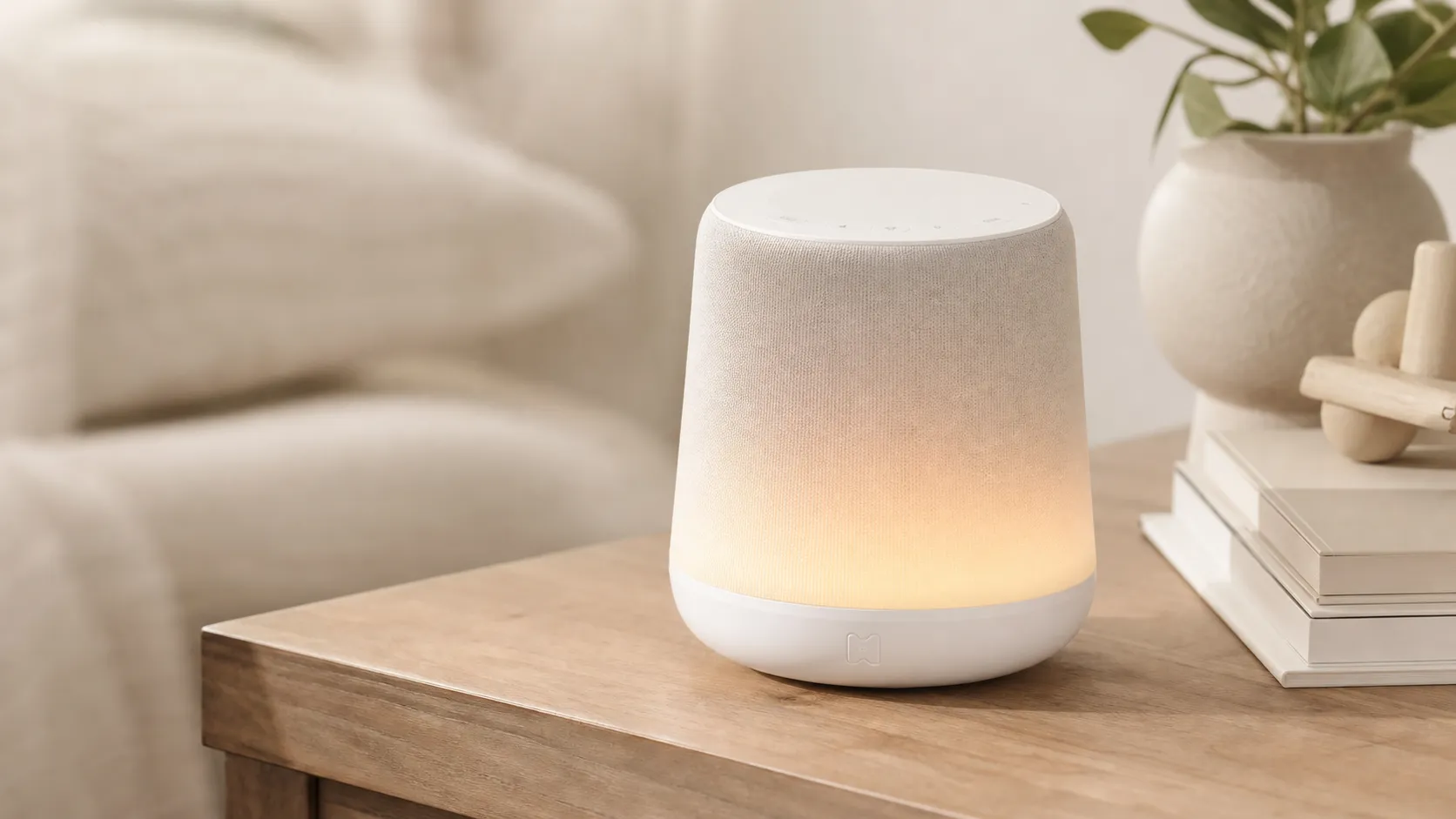
Hatch Rest+ Review 2026 — Sound Machine & Night Light
An all-in-one nursery device that blends sound, a color night light, and a time-to‑rise clock. Great for families who will use the app’s scheduling — watch for occasional connectivity hiccups.
 Baby & Kids
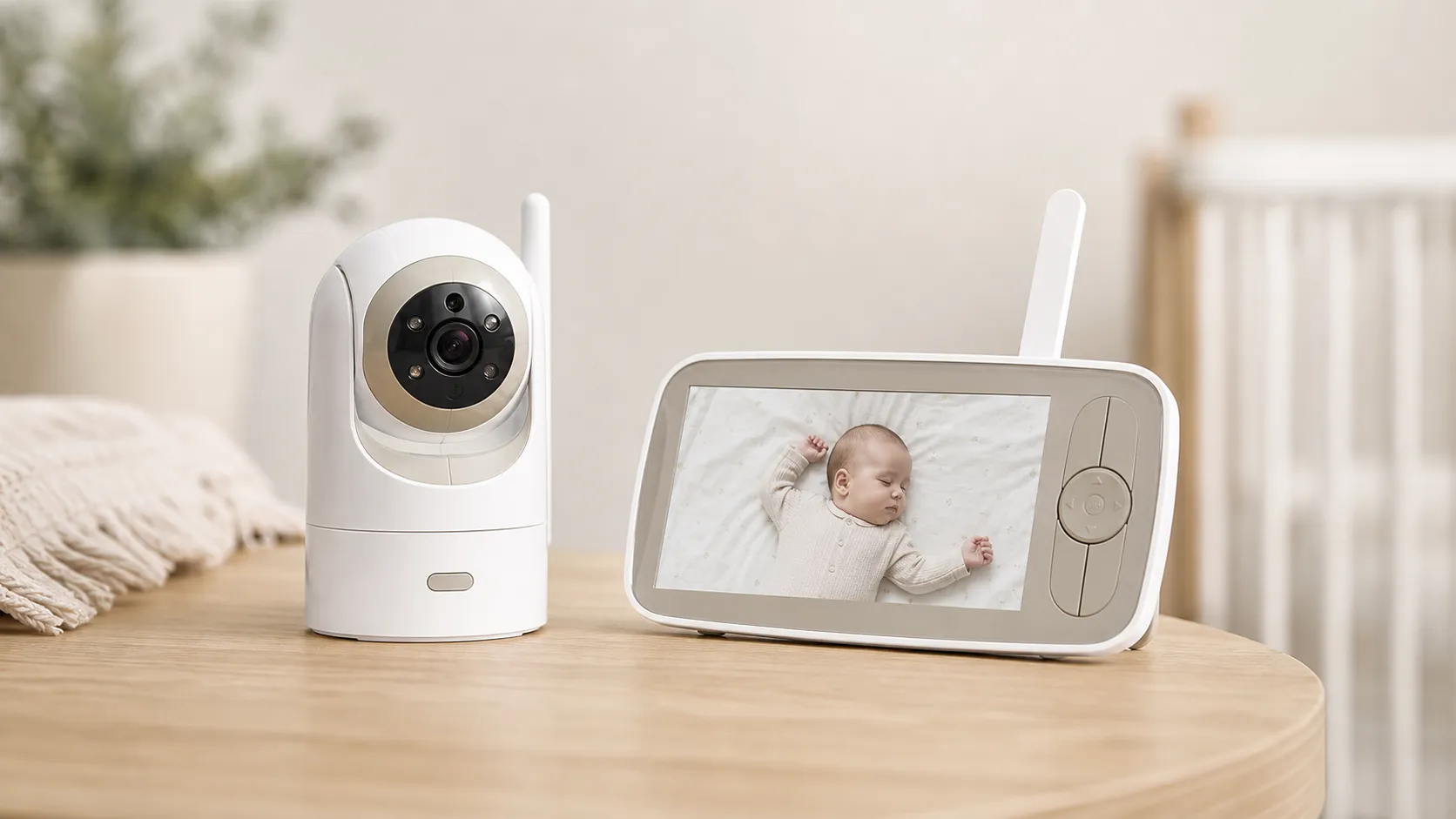
Infant Optics DXR‑8 Pro Video Baby Monitor — 2026 Review
A privacy‑first, high‑clarity non‑WiFi monitor with real optical zoom, clean audio, and long range — strong overall, but a minority report battery/charging issues.
 Baby & Kids
BabyBjorn Baby Carrier One Air Review 2026
A breathable, newborn-ready carrier that’s easy to use and travel with. Great for short-to-medium carries and warm weather, but less ideal for long, heavy-duty use.