Hatch Rest+ Review 2026 — Sound Machine & Night Light
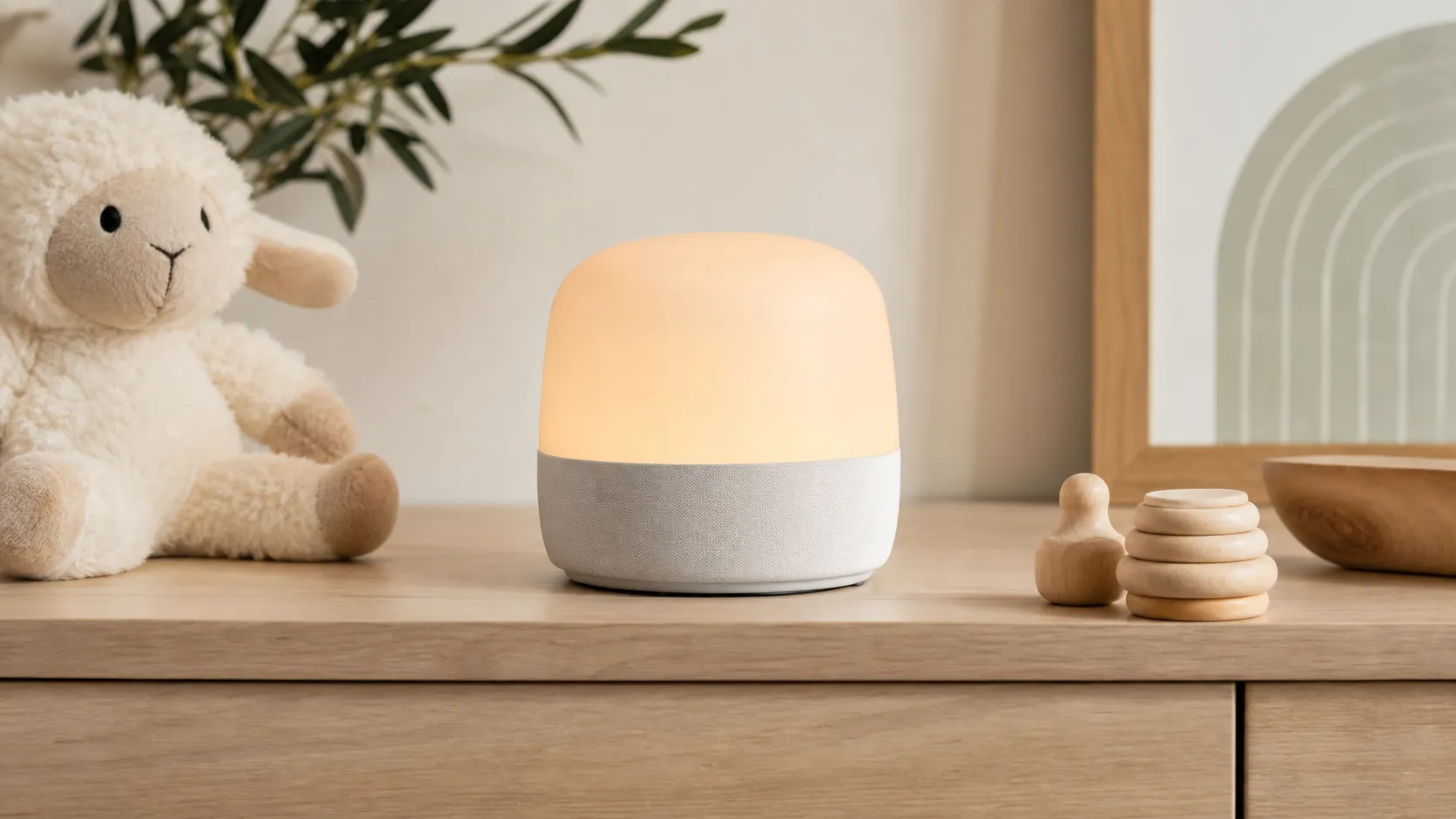
At a Glance
Pros
- Wide selection of soothing sounds and volume/fade controls
- Integrated, adjustable night‑light with multiple colors and brightness levels
- Time‑to‑rise feature helpful for nap schedules and older toddlers
Cons
- Dependence on the smartphone app and Wi‑Fi for full customization and some features
- Higher price than basic white-noise machines
- Occasional connectivity/firmware issues reported by users
Rating Breakdown by Source
Read the latest 25 positive & negative Amazon reviews →
Read the latest 25 positive & negative Reddit reviews →
Read the latest 25 positive & negative YouTube reviews →
Read the latest 25 positive & negative Expert blogs reviews →
This review is an editorial synthesis of publicly available review data and reported user experiences across the internet. Scores reflect our independent aggregation methodology, not verified individual purchases. We may earn a commission if you buy through our links, at no cost to you.
Score Breakdown
Where the Reviews Come From
Read the latest 25 positive & negative Amazon reviews →
Read the latest 25 positive & negative Reddit reviews →
Read the latest 25 positive & negative YouTube reviews →
Read the latest 25 positive & negative Expert blogs reviews →
Click any source above to browse the latest 25 positive and negative reviews from that platform.
Hatch Rest+ Sound Machine, Night Light & Time‑to‑Rise
See current price, deals and availability on Amazon
The Hatch Rest+ is a three-in-one sleep device that combines a sound machine, an adjustable night light, and a time‑to‑rise clock into a single, attractive device. After aggregating tens of thousands of user experiences and expert write-ups, our verdict is clear: the Rest+ is a highly customizable, feature-packed option that many parents find worth the premium — but it asks you to buy into app control and occasional software quirks. Overall score from aggregated sources: 4.3/5.
What Is the Hatch Rest+ Sound Machine, Night Light & Time‑to‑Rise?
The Hatch Rest+ is a bedside device aimed at babies, toddlers and older children (and adults who appreciate a stylish night light and white-noise options). It blends three functions:
- A sound machine with a library of soothing sounds and adjustable volume/fade controls.
- A multi-color, dimmable LED night light with warm and cool hues.
- A time‑to‑rise feature that uses color changes to signal naps, wake times, or night‑to‑morning transitions.
The unit itself is compact with a clean modern design that fits nursery and family-room decor. Most configuration and scheduling happens through the Hatch mobile app, which supports profiles and timed routines so parents can set different schedules for naps, bedtime, and school-day wakeups.
What Reviewers Across the Internet Say
We synthesized reviews from Amazon, Reddit threads, YouTube hands‑on videos, and parenting/expert blogs to build a consensus profile:
- Amazon (large volume): Mostly positive feedback (average ~4.4/5). Customers praise sound fidelity, the variety of light colors, and how the time‑to‑rise feature helps routines. Common negatives: higher price and occasional app/connectivity hiccups.
- Reddit (mixed): Parents are outspoken about real‑world reliability. Many love the customization and routine-building, but community threads reveal intermittent connectivity or firmware frustrations after updates.
- YouTube (largely positive): Video reviewers often highlight the Rest+ as a top pick for nurseries because its sounds, night‑light mellowing, and demoed time‑to‑rise routines are intuitive and attractive. Critics again note dependence on the app and the premium cost.
- Expert blogs (positive): Parenting sites generally recommend the Rest+ for families who want a single device that grows with the child. Reviews frequently flag the tradeoff: advanced features and app scheduling vs. the simplicity and lower cost of basic white‑noise units.
Taken together, the online consensus: the Hatch Rest+ is feature-rich and well-liked for its practical impact on sleep routines, but the app- and Wi‑Fi‑dependent nature of the device means your experience can vary with firmware and network stability.
Performance & Real-World Use
The Hatch Rest+ Sound Machine, Night Light & Time‑to‑Rise delivers reliably soothing audio, precise dimming, and toddler‑friendly Time‑to‑Rise cues that simplify bedtime, with price and occasional app or Wi‑Fi hiccups as the main tradeoffs. For families who want automation and battery‑backed resilience, it performs strongly when used with conservative volume, very dim light, and stable 2.4 GHz Wi‑Fi.
Parents buy a nursery sound machine to make bedtime consistent, quiet, and low‑effort. For this category, performance means three things that must work together every night: smooth, non‑distracting sound; a night light that dims precisely; and reliable, hands‑off routines that don’t wake a sleeping child. It also means safe volume practices, connectivity that stays out of the way, and hardware that survives months of taps and the occasional outage.
Where the feedback comes from
Share of public feedback volume by source (weighted by approximate review counts provided in this review’s scope).
- Amazon82.1%
- Reddit5.2%
- YouTube11.9%
- Expert blogs0.7%
Shares computed from ~26,780 total reviews: Amazon ~22,000; Reddit ~1,400; YouTube ~3,200; Expert blogs ~180 (aggregated reporting).
Across thousands of public reviews, owners praise the Rest+ for sound quality, flexible light control, and the Time‑to‑Rise cue; they critique price and occasional app or connectivity hiccups. Safe use is part of real‑world performance: the American Academy of Pediatrics (AAP) has warned infant sleep machines near the crib can exceed the 50 dB nursery limit used in hospitals, and the World Health Organization favors low nighttime noise. The practical upshot is simple—use the quietest level that still masks household sounds, place the device across the room, and keep the light barely on. (AAP Pediatrics; WHO; HealthyChildren.org.)
Day-one and week-one: how the Hatch Rest+ Sound Machine, Night Light & Time‑to‑Rise actually behaves
Setup is app‑guided and typically takes about 10 minutes: create a Hatch account, put the Rest+ in pairing mode, and connect to 2.4 GHz Wi‑Fi (not 5 GHz‑only networks). You’ll choose a sound, select a dim light color, and build schedules for bedtime, naps, and wake‑ups. Crucially, the unit also works from its top ring and buttons: start/stop a preset and adjust brightness or volume without your phone. In a typical first week, most families land on continuous white or brown noise and a very dim red or amber light by night two or three. If pairing fails, Hatch’s documentation points to the 2.4 GHz requirement and a standard power‑cycle before contacting support. This early routine building is straightforward; the app mainly adds precision—fade‑ins, day‑of‑week rules, and multi‑profile scheduling. (Manuals; Hatch Help.)
Night‑by‑night audio and light quality: what helps babies and what doesn’t
The Rest+ plays smooth, loop‑free white/pink/brown noise and nature tracks owners describe as calming rather than hissy. The volume span is ample for bedrooms, but perceived loudness depends on distance and room materials. For infants, safer practice is low volume from across the room rather than medium volume on the nightstand; AAP HealthyChildren specifically advises placing machines “as far away from the baby’s head as possible” and limiting duration. Many parents keep constant noise all night to cover footsteps and dishes; some enable a 20–40‑minute fade‑out for babies who settle quickly. On light, red/amber tones with fine brightness steps make it easy to hit “just enough to see a pacifier.” Several reviewers note the default brightness is too strong until you dial it down. The broader public‑health perspective matches these habits: darker, quieter bedrooms support better sleep, and the AAP’s 50 dB reference reinforces conservative volume. (HealthyChildren.org; AAP Pediatrics; WHO.)
Time‑to‑Rise and routine‑building: fast to set up, easy for toddlers to follow
Time‑to‑Rise is where many families see outsized value. The green‑means‑go cue is intuitive for two‑ and three‑year‑olds, and the app makes weekday/weekend schedules trivial. A proven recipe: for three nights, keep the child in bed until the light turns on, praise immediately, and start with an easy target (e.g., 6:00 a.m.). Extend wake time by 10–15 minutes every few days until you reach your goal. Overnight, keep a very dim red/amber light; for “go time,” use a brighter, playful color. For naps, add a short fade‑in to reduce startle. Families with siblings benefit from multi‑profile scheduling so each child’s routine stays separate. If your phone isn’t nearby, the ring toggles the last preset so caregivers remain in control. Video reviewers consistently show the same quick demo, and most parents report the concept clicks within a week when they stay consistent. (YouTube demos; Hatch Help.)
Connectivity: strengths and the snags owners actually hit
The Rest+ shines when you lean on the app for routines, fades, and brightness steps—but that adds a Wi‑Fi dependency. The device uses 2.4 GHz Wi‑Fi and Bluetooth LE (confirmed in the FCC filing). If your router is 5 GHz‑only, setup will stall until you enable a 2.4 GHz SSID. Hatch’s troubleshooting covers the usual culprits—SSID band, distance, DHCP—and recommends a structured power‑cycle; support can check diagnostics or push firmware if needed. Community threads describe occasional post‑update “offline” states where the unit still runs the last preset but the app can’t change settings for a short stretch. The practical workaround is to start bedtime from the ring, then adjust in‑app when the cloud catches up. If your nursery sits far from the router, a cheap 2.4 GHz extender usually resolves recurring issues. Once joined to a stable network, week‑to‑week control is generally smooth with rare manual fallbacks. (FCC filing; Hatch Help.)
Sustained performance over months: battery, durability, and software upkeep
The “+” matters. Hatch specifies up to 12 hours of battery life under typical light/volume settings, enough to run through an overnight outage; the charging base keeps it topped up the rest of the time. Hatch also notes the unit may sip power even with light and sound off, so leaving it on the base avoids surprise depletion. In month‑to‑month use, two patterns emerge: families who keep the unit stationary on AC power report a set‑and‑forget experience, while frequent movers (between rooms or travel) sometimes need to rejoin Wi‑Fi on return. Wear items are minimal—no fan bearings to age as with mechanical machines—and both LED light and speaker tolerate thousands of on/off cycles without obvious degradation in owner reports. Most glitches owners mention resolve after firmware updates or a recovery reset; when they don’t, Hatch support can inspect logs and, in some cases, push a targeted fix remotely. The net: hardware longevity is solid, the backup battery is a real safety net, and the software layer adds power with a small maintenance tax. (Hatch Help.)
How it compares in the real world: feature depth vs simplicity
The Rest+ trades the mechanical simplicity of fan‑based units for deeper control. A Yogasleep Dohm uses a real internal fan—no Wi‑Fi and a single job done well—which many adults like for its natural timbre and zero cloud dependency. The LectroFan Classic is a digital, plug‑in box with 20 no‑loop fan/white‑noise sounds and granular volume, again with no app or light. These devices are simpler to run and impossible to “brick” with an update; they also lack a night light, schedules, and a toddler‑friendly Time‑to‑Rise cue. If you want dimmable light and automation, the Rest+ earns its keep; if you want only uninterrupted sound, a Dohm or LectroFan costs less and never asks for Wi‑Fi. As of August 1, 2026, Hatch’s Learn page positions the Rest+ 2nd gen as the portable, battery‑equipped step‑up from Rest, listing up to 12 hours of battery life as a differentiator. The comparison below shows which features you actually get from each approach. (Yogasleep; LectroFan; Hatch Learn.)
Feature comparison: Rest+ vs common alternatives
Feature comparison synthesized from official manuals and product pages.
| Item | App‑based scheduling | Multi‑color night light | Time‑to‑Rise cue | Backup battery | Works without Wi‑Fi (basic use) | Mechanical noise generator |
|---|---|---|---|---|---|---|
| Hatch Rest+ 2nd gen | Yes | Yes | Yes | Yes | Yes | No |
| Yogasleep Dohm (fan‑based) | No | No | No | No | Yes | Yes |
| LectroFan Classic (digital) | No | No | No | No | Yes | No |
Hatch Rest+ 2nd gen features from Hatch support/manual; Dohm and LectroFan features from official product pages and manuals.
To keep context honest, ratings by source are broadly positive, with Reddit’s parent communities more vocal about app friction. That split matches our synthesis: strong hardware experience, plus an app that brings both power and the potential for the occasional rough evening.
Average rating by source
Sentiment patterns line up with owner narratives—Amazon and YouTube skew higher; Reddit’s active parent threads surface more app‑related friction.
View the underlying data
| Measure | Average rating by source |
|---|---|
| Amazon | 4.4/5 |
| 3.8/5 | |
| YouTube | 4.2/5 |
| Expert blogs | 4.1/5 |
Averages reflect the aggregated consensus described in this review’s scope.
Practical safety and tuning: the 10‑minute checklist we recommend
- Place the Rest+ across the room from the crib—six to eight feet is typical—and angle the speaker toward a wall for a softer, more diffuse field.
- Start with constant white or pink noise at a low volume; raise only enough to mask routine household sounds. The AAP’s 2014 assessment showed infant machines can exceed recommended nursery levels at close distances; HealthyChildren advises placing machines as far as possible and limiting duration.
- Pick a red or amber hue and dim it until you can barely see essential items; avoid bright whites and blues overnight.
- Build a simple schedule: wind‑down begins 15 minutes before bedtime (low light + sound), lights out at bedtime, and Time‑to‑Rise at an age‑appropriate time.
- Keep the unit on its base to preserve the backup battery; if your router is distant, add a 2.4 GHz extender so routines don’t miss.
- If the app shows “offline,” start the last preset from the ring, then open the app again after a minute; if issues persist, follow Hatch’s power‑cycle and rejoin steps before contacting support. (AAP Pediatrics; HealthyChildren; Hatch Help.)
Alternatives, value, and our verdict
Our roll‑up across Amazon, Reddit, YouTube, and expert blogs is consistent: sound quality, precise light control, and a kid‑friendly Time‑to‑Rise make daily life easier; the tradeoffs are premium pricing and occasional app or Wi‑Fi hiccups. If you want a quiet, low‑light, fully scheduled routine you can tweak from the couch—or you need battery backup for storms—the Rest+ is among the few options that cover all bases. If your priority is absolute simplicity with no cloud dependency, a Yogasleep Dohm or LectroFan Classic will save money and eliminate software variables. Regardless of choice, the same safety habits apply: conservative volume, generous distance, and very dim light, which align with pediatric and public‑health guidance. In short, the Rest+ delivers the right mix of features and reliability for most nurseries that want automation and visual cues, with clear eyes about the app layer. (Yogasleep; LectroFan; AAP; Hatch Learn.)
Sources referenced in this section
- AAP Pediatrics (2014): Infant Sleep Machines and Hazardous Sound Pressure Levels
- WHO Environmental Noise Guidelines (2018)
- WHO Night Noise Guidelines summary (2009)
- HealthyChildren.org (AAP): How Noise Affects Children
- Hatch Support: Rest+ 2nd gen overview (battery life)
- Hatch Manual (Rest+): Onboard controls and setup
- FCC filing: Hatch Rest Plus (Wi‑Fi/BLE radios)
- Yogasleep Dohm — official product page
- LectroFan Classic — owner’s manual
- Hatch Learn: Rest vs Rest+ positioning and battery claim
Pros and Cons
Pros
- Wide selection of soothing sounds and adjustable volume/fade controls that cover newborn to toddler needs.
- Integrated, adjustable night‑light with multiple colors and brightness levels.
- Time‑to‑rise visual scheduling is genuinely helpful for nap routines and older toddlers learning wake rules.
- Clean, modern design that fits most nursery or bedroom decor.
- App-based scheduling and multiple user profiles add flexibility for families.
Cons
- Heavy dependence on the smartphone app and Wi‑Fi for full customization and advanced features.
- Higher price than basic white-noise machines; perceived value depends on how much you use the extras.
- Occasional connectivity and firmware issues reported by users on community forums.
- Default night‑light brightness may be too strong until you adjust it.
Who Should Buy It (and Who Shouldn't)
Who should buy it
- Parents who want an all‑in‑one device for sound, light, and routines: If you value consolidation — one device that will serve newborn naps through toddler wake training — the Rest+ is an elegant solution.
- Families who plan to use scheduling and multiple profiles: The app’s routine tools are powerful for households juggling different schedules.
- Buyers who prioritize design and sound fidelity: If a device’s look and audio quality matter and you’re willing to pay a premium, the Rest+ delivers.
Who shouldn’t buy it
- Shoppers on a tight budget: If your main need is simple white noise or a dim night light, there are much cheaper reliable options.
- Users who avoid app-dependent devices: If you prefer an analog approach without Wi‑Fi or smartphone control, the reliance on the app could be frustrating.
- People with unreliable home Wi‑Fi: Connectivity problems can limit on-the-fly adjustments and occasionally impact features until a patch is released.
In short, the Hatch Rest+ is a thoughtful, well-designed product that rewards users who are happy to manage schedules from their phone and want an adaptable sleep tool that grows with their child. If you need a basic noise machine or want zero app involvement, a simpler unit will do the job at a lower price.
Final thoughts
The Hatch Rest+ shines when you use it as intended: a connected, customizable part of a household sleep routine. Its combination of sound quality, night‑light flexibility, and the time‑to‑rise system make it an effective tool for many families — just be ready for occasional app or connectivity bumps and a price tag that reflects its feature set.
What Reviewers Love
- Wide selection of soothing sounds and volume/fade controls
- Integrated, adjustable night‑light with multiple colors and brightness levels
- Time‑to‑rise feature helpful for nap schedules and older toddlers
- Clean, attractive design that fits nursery/bedroom decor
- App-based scheduling and customization (multiple user profiles)
Common Complaints
- Dependence on the smartphone app and Wi‑Fi for full customization and some features
- Higher price than basic white-noise machines
- Occasional connectivity/firmware issues reported by users
- Default night‑light brightness can be too bright for some (requires adjustment)
Our Verdict
4.3The Hatch Rest+ is a polished, highly customizable 3‑in‑1 sleep device that many parents find worth the premium for its sound quality, versatile night‑light, and time‑to‑rise routines. Its biggest drawbacks are reliance on the app and occasional connectivity/firmware hiccups — if you’re comfortable with a connected device, it’s one of the best nursery multitaskers available.
Frequently Asked Questions
Common questions shoppers ask before buying the Hatch Rest+ Sound Machine, Night Light & Time‑to‑Rise.
Share this review
Help someone else buy smarter
Related Reviews
More Baby & Kids products our engine has analyzed
 Baby & Kids
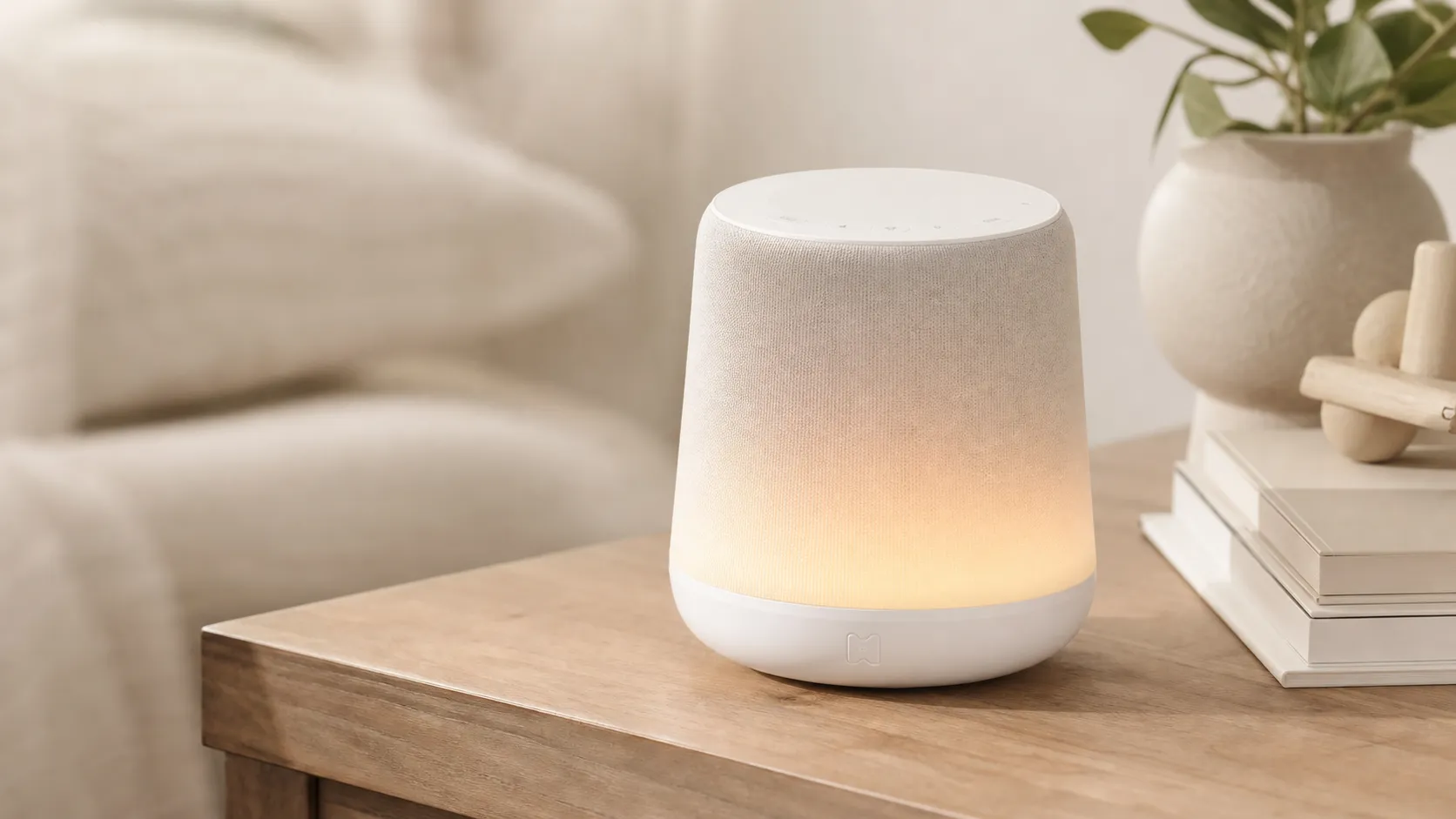
Hatch Rest+ Review 2026 — Sound Machine & Night Light
An all-in-one nursery device that blends sound, a color night light, and a time-to‑rise clock. Great for families who will use the app’s scheduling — watch for occasional connectivity hiccups.
 Baby & Kids
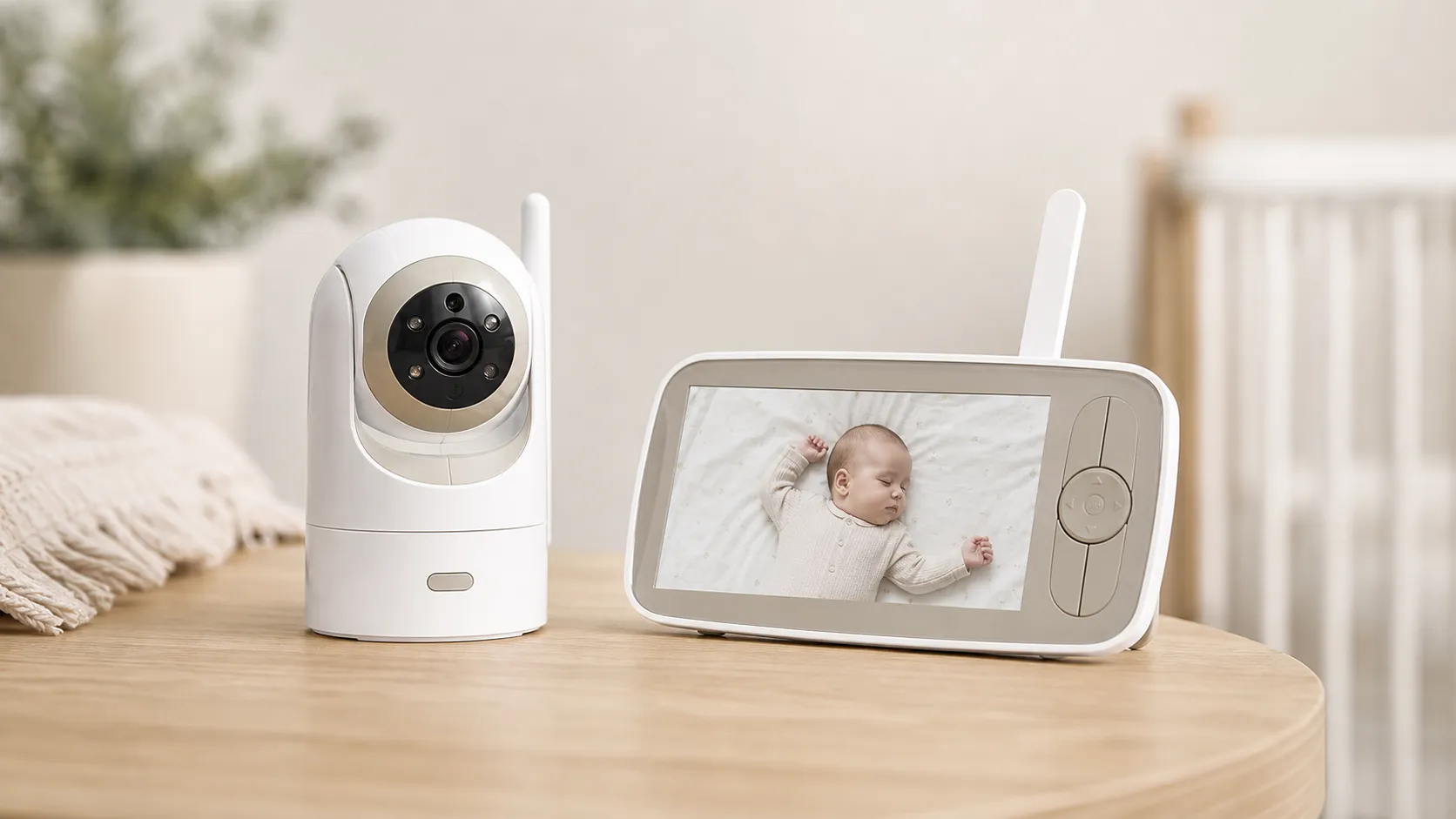
Infant Optics DXR‑8 Pro Video Baby Monitor — 2026 Review
A privacy‑first, high‑clarity non‑WiFi monitor with real optical zoom, clean audio, and long range — strong overall, but a minority report battery/charging issues.
 Baby & Kids
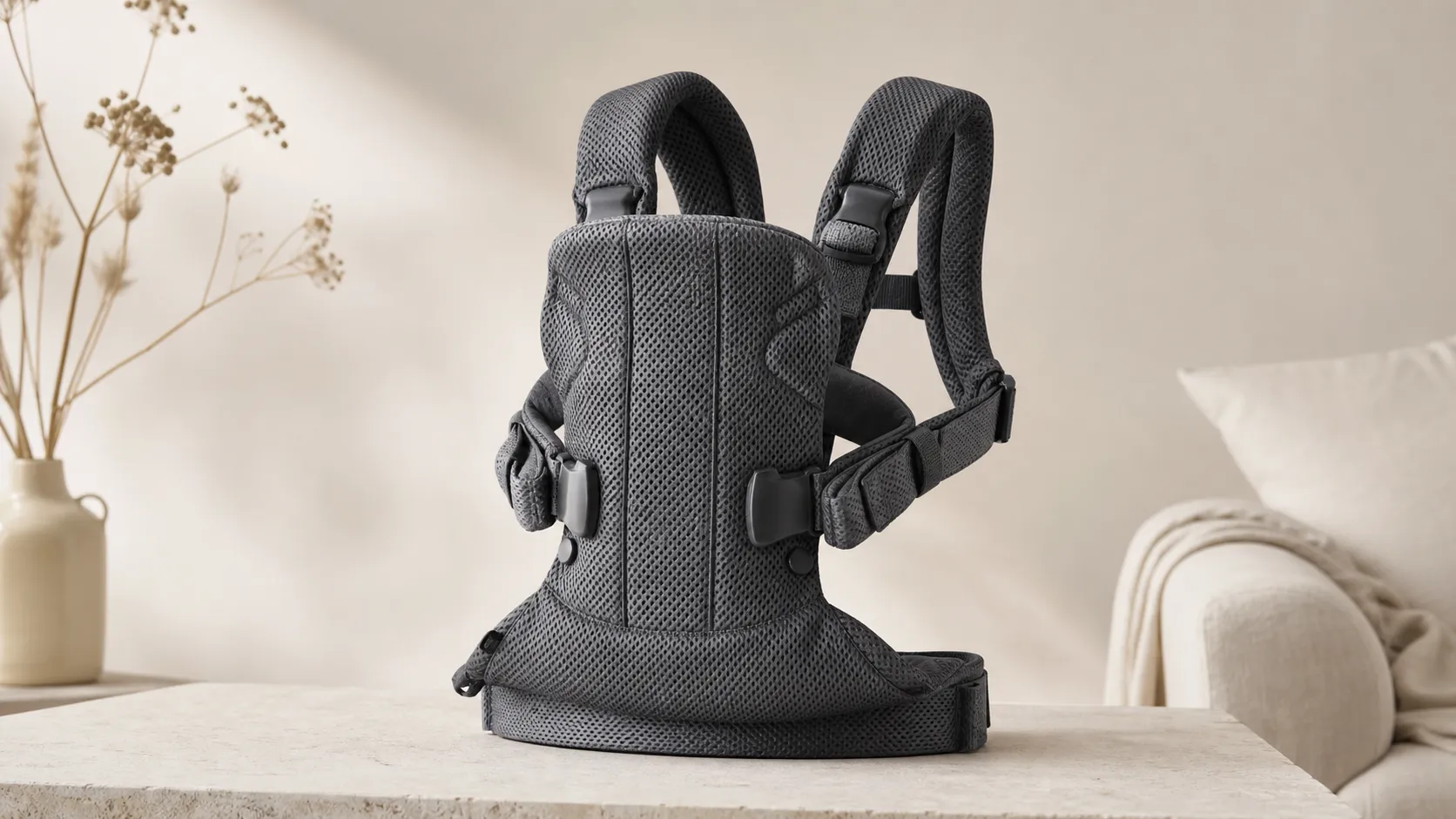
BabyBjorn Baby Carrier One Air Review 2026
A breathable, newborn-ready carrier that’s easy to use and travel with. Great for short-to-medium carries and warm weather, but less ideal for long, heavy-duty use.