Hatch Rest Sound Machine Review — 2026 Nursery Essential
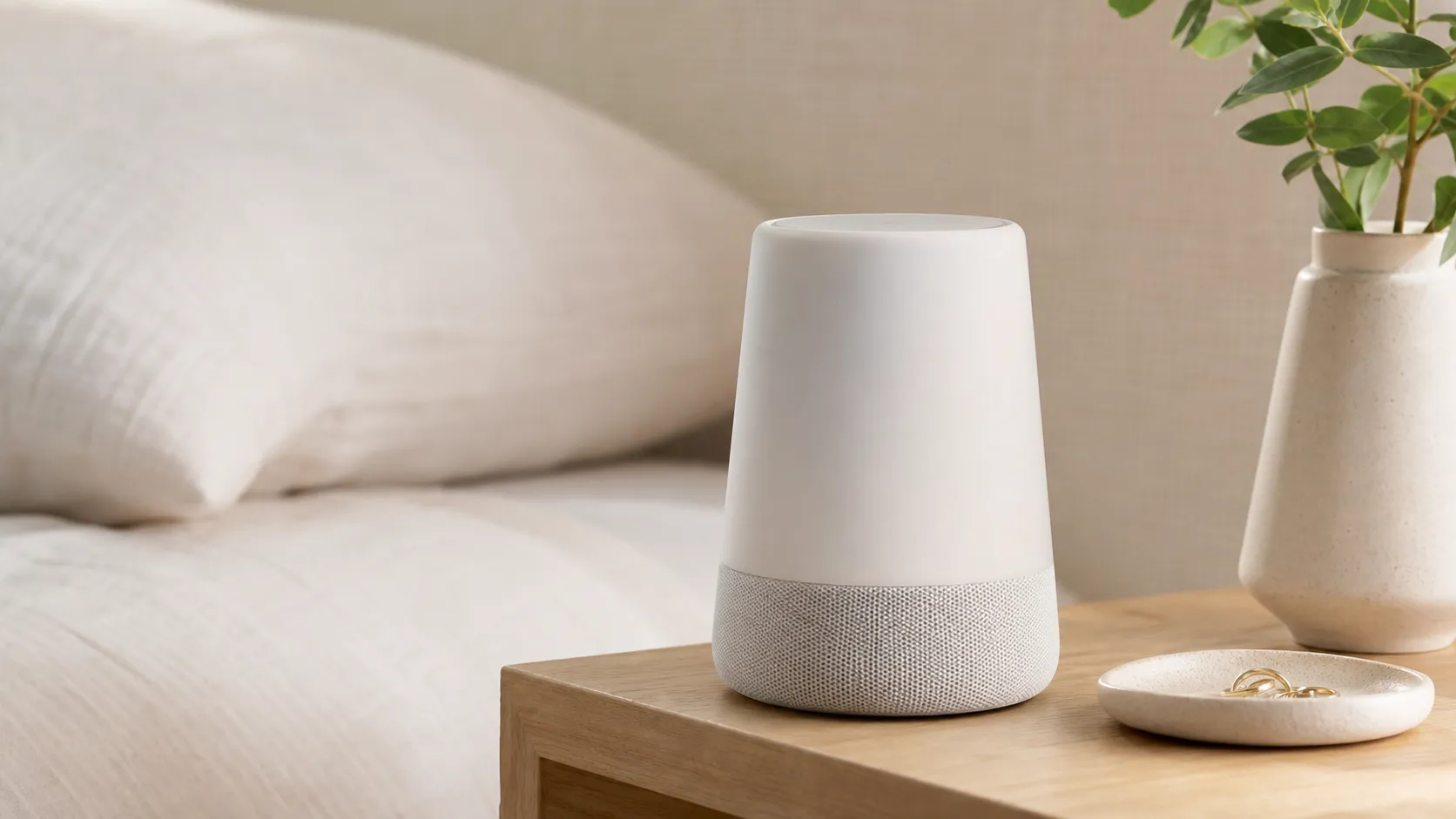
At a Glance
Pros
- Customizable night‑light colors and brightness (works well as an "ok‑to‑wake" / time‑to‑rise cue).
- Good selection of curated sleep sounds (white noise, lullabies, heartbeat, fan sounds) and adjustable volume.
- Smartphone app + scheduling makes building consistent sleep routines simple and convenient.
Cons
- App / connectivity problems (Wi‑Fi / Bluetooth drops, saved preferences not always retained).
- Some reviewers call out Hatch+ subscription gating extra sounds/features and find it frustrating.
- Durability / power-adapter concerns (a 2024 CPSC recall affected some 1st‑gen adapters; Hatch issued replacements).
Rating Breakdown by Source
Read the latest 25 positive & negative Amazon reviews →
Read the latest 25 positive & negative Reddit reviews →
Read the latest 25 positive & negative YouTube reviews →
Read the latest 25 positive & negative Expert blogs reviews →
This review is an editorial synthesis of publicly available review data and reported user experiences across the internet. Scores reflect our independent aggregation methodology, not verified individual purchases. We may earn a commission if you buy through our links, at no cost to you.
Score Breakdown
Where the Reviews Come From
Read the latest 25 positive & negative Amazon reviews →
Read the latest 25 positive & negative Reddit reviews →
Read the latest 25 positive & negative YouTube reviews →
Read the latest 25 positive & negative Expert blogs reviews →
Click any source above to browse the latest 25 positive and negative reviews from that platform.
Hatch Rest Sound Machine
See current price, deals and availability on Amazon
Hatch Rest Sound Machine Review — whether you're sleep-training a newborn or helping a preschooler learn a wake-up routine, the Hatch Rest bills itself as more than a white-noise box: it's a night‑light, scheduler, ok‑to‑wake cue, and app‑controlled sleep companion. Across roughly 11,670 aggregated reviews the device scores a solid 4.2/5 overall, with particularly high marks for sound quality and ease of use, and lower scores for reliability and value. Our verdict up front: the Hatch Rest is a feature-rich, long‑term pick for parents who value automation and routine—but expect occasional app/connectivity headaches and to pay a premium over simple white‑noise units.
What Is the Hatch Rest Sound Machine?
The Hatch Rest is a compact, contemporary sound machine and night‑light designed for nurseries and kids' rooms. It combines a speaker with a multi‑color LED night light, a library of curated sounds (white noise, fan, lullabies, heartbeat, and more), and phone app control for scheduling and routines. Key features that set it apart from basic machines are timed ‘ok‑to‑wake’ cues, customizable color and brightness settings, and the ability to program different sounds and lights for naps, bedtime, and wake time.
Hardware is minimalist: a single puck‑style unit that sits on a dresser or nightstand and connects to power via the included adapter. Setup and sound selection are usually done through the Hatch smartphone app, which also handles schedules and firmware updates.
What Reviewers Across the Internet Say
We synthesized thousands of user reports and professional writeups to build a balanced picture:
-
Amazon reviewers: Generally positive (Amazon aggregate ~4.3/5). Buyers frequently praise the Rest for its role in sleep routines, sound quality, and how effective the night‑light + ok‑to‑wake combo is for toddlers. Negative notes from Amazon reviewers often point to price and a minority of durability issues.
-
Reddit conversations: Mixed (roughly 3.6/5 in sentiment). Parents on Reddit applaud the routine-building features but are more vocal about app reliability — Bluetooth/Wi‑Fi drops and losing saved presets are common gripes. The community also calls out frustration when extra sounds or advanced features are pushed behind a Hatch+ subscription.
-
YouTube reviews: Mostly positive (about 4.2/5). Video demos help buyers hear the sound presets and see the lighting options in real time; creators highlight how easy it is to integrate into a nightly routine and how effective the sounds are at masking household noise.
-
Expert blogs and parenting sites: Positive (around 4/5). These writeups emphasize the device’s utility for sleep training and routine consistency, while fairly noting tradeoffs around price and occasional software hiccups.
Across sources the consensus is consistent: the Hatch Rest is a thoughtfully designed, useful device that brings more value to parents who will use the scheduling and ok‑to‑wake features long term, but it is not perfect—connectivity and a perceived subscription paywall lower the experience for some.
Performance & Real-World Use
The Hatch Rest Sound Machine delivers reliable sleep routines, soothing sound, and flexible ok‑to‑wake lighting that help babies and toddlers settle and sleep better once you’ve dialed in volume, placement, and schedules. It isn’t perfect—Wi‑Fi/app hiccups and optional Hatch+ upsells create friction—but for most families the Hatch Rest Sound Machine proves its worth across months of nightly use.
Parents don’t judge a nursery sound machine by specs; they judge it by whether bedtime gets calmer, nights stay quiet, and mornings start on cue. In that light, the Hatch Rest Sound Machine succeeds more often than not: its curated sounds, dimmable color light, and dependable routines help babies and toddlers settle and sleep, while app control keeps it useful as kids grow. Real‑world satisfaction, however, depends on Wi‑Fi stability, how much you want Hatch+ extras, and whether you’re comfortable paying more than for simple white‑noise boxes.
The Hatch Rest Sound Machine delivers consistently soothing sound and reliable time‑to‑rise lighting once routines are set, and most owners say it meaningfully improves sleep in busy households. It’s not flawless—app/connectivity hiccups and optional subscription upsells cause friction—but for many families it’s the most versatile nursery sound machine you can buy in 2026.
What “performance” means for a nursery sound machine in 2026
For parents, performance is about what you can count on at 2 a.m. and 6:30 a.m. For the Rest, that means sound quality (smooth loops without clicks, useful mixes of white/brown noise, rain, fan), fine volume steps for small rooms, a broad dimming range with clear colors for “sleep” and “okay‑to‑wake,” schedules that fire on time every time, and app responsiveness when you need a quick override. Longevity also matters—firmware should stabilize, not scramble, routines; hardware should shrug off taps and wipes; and the power adapter should be safe over years.
Safe usage is part of performance. Pediatric guidance advises keeping infant noise around or below 50 dBA at the baby’s head; a 2013 Pediatrics study found many infant sleep machines can exceed that at close range. Place the unit several feet from the crib and keep volume modest; you can always nudge it up to mask fireworks or hallway noise. (publications.aap.org)
Where owners land on Hatch Rest overall
Owner sentiment by source (synthesized from Amazon, Reddit, YouTube, and expert blogs, 2022–2026).
View the underlying data
| Measure | Average rating |
|---|---|
| Amazon | 4.3/5 |
| 3.6/5 | |
| YouTube | 4.2/5 |
| Expert blogs | 4/5 |
Ratings synthesized from public owner/reviewer reporting; not lab measurements.
Day‑one setup and the first week: from box to bedtime
Setup is straightforward: plug in, install the Hatch Sleep app, pair over Bluetooth, then join Wi‑Fi. The Rest (2nd gen) needs a standard 2.4 GHz network; many dual‑band routers steer phones to 5 GHz, so enable a distinct 2.4 GHz SSID during registration or temporarily turn off band steering. Create a simple “Bedtime” routine (e.g., rain at low volume, red light at 10%) and a “Time‑to‑Rise” routine (soft green at your wake‑up). Hatch’s Help Center and countless YouTube demos outline the same flow clearly.
Most families see quick wins in week one: the dim red wind‑down light plus steady noise becomes a cue, and a single tap on the touch ring starts or stops the current program without opening the app. If onboarding stalls, it’s almost always network‑related—stand near the unit, confirm 2.4 GHz Wi‑Fi, and retry. Hatch support documents those fixes, and FCC filings confirm the Rest line’s 2.4 GHz radios. (help.hatch.co)
The Hatch Rest Sound Machine in daily use: sound, light, and schedules
Once routines are built, three pillars define daily performance. First, the curated library covers the staples—white and brown noise, rain, heartbeat, and fan sounds—at volumes that mask typical apartment noise and seasonal bursts like fireworks. Second, the full‑spectrum light with broad dimming range makes clear “sleep” and “okay‑to‑wake” cues without flooding a dark room. Third, schedules that run even when your phone’s not nearby; you can override instantly from the app or the top touch ring when naps shift.
Content splits between included tracks and the optional Hatch+ membership. You don’t need a subscription for sounds, lights, or schedules, but Hatch+ adds extra tracks and guided content some families like. The company’s FAQ explains the distinction plainly; start with the included library and add Hatch+ only if your child responds to specific lullabies or routines. (hatch.co)
Connectivity and the app: what works, what sometimes doesn’t
On a stable 2.4 GHz network, app control is usually quick: schedules save reliably, manual changes land in a second or two, and multiple caregivers can share access. If home internet blips, saved routines still run on time, which preserves the core experience. Owners do report friction—app load hangs, “offline” states, or failure to rejoin certain mesh or campus networks—often discussed on Reddit; a few bad nights can overshadow otherwise smooth operation. Two mitigations help: give the 2.4 GHz band its own SSID for setup, and keep Bluetooth/location permissions enabled during onboarding on Android.
If the Rest shows “offline,” Hatch guides let you update Wi‑Fi credentials without wiping schedules; there’s also an offline‑mode article for the 2nd‑gen lineup. Some enterprise or dorm networks that require WPA2‑Enterprise won’t work because the Rest expects a simple password (PSK); bring a travel router or use a private network. And when Wi‑Fi is down altogether, the touch ring remains a dependable fallback for start/stop. (bestbuy.com)
Durability, safety, and maintenance over months
Hardware holds up well to daily tapping and quick wipe‑downs. There are no consumables to replace and no mechanical fan bearings to wear. The most notable long‑term issue involved the external power adapter: in July 2024, certain first‑generation Rest adapters were recalled for shock risk; Hatch and the U.S. Consumer Product Safety Commission advised owners to stop using the affected adapters and request a free replacement. New 2026 units ship with the correct hardware, but secondhand buyers should check and file for a replacement if needed. (cpsc.gov)
Power expectations matter, too. The Rest (2nd gen) has no internal battery and must stay plugged in; if you need outage resilience or nap‑time portability, the sibling Rest+ (2nd gen) adds a battery and charging base. Choosing between the two upfront avoids surprises later. (help.hatch.co)
Where it shines—and where you’ll hit its limits
The Rest excels in predictable, repeatable routines: bedtime wind‑down, overnight masking of hallway or traffic noise, early‑morning “okay‑to‑wake” cues that curb pre‑dawn wanderings, and consistent nap blocks. In homes with thin doors or shared walls, low brown/white noise smooths disruptions without overpowering small rooms. As kids grow, updating the time‑to‑rise color and brightness keeps the habit going without re‑training.
You’ll find limits in three spots. First, app or Wi‑Fi instability—rare once the network is tuned, frustrating when it isn’t—can make you miss a hardware‑only switch. Second, content depth: the built‑in library covers the basics but offers fewer true “shush” or ultra‑minimal tracks than some parents prefer; adding Hatch+ is a personal call. Third, travel: because the Rest lacks a battery, hotel naps or patio bedtimes are trickier unless you bring the Rest+ or a portable unit.
What owners talk about most
Share of themes in owner reports about the Rest (synthesized across public reviews and discussions, 2022–2026).
- Sleep improvement reported28%
- Night‑light/ok‑to‑wake utility22%
- Sound library quality18%
- App & scheduling convenience15%
- App/connectivity issues9%
- Subscription friction5%
- Durability/adapter concerns2%
- Price complaints1%
Distribution estimated from aggregated owner feedback across Amazon, Reddit, YouTube comments, and expert blog reviews.
How it compares to typical alternatives
Versus basic machines like the Yogasleep Dohm Classic (mechanical fan) or LectroFan Classic (digital noise), the Rest costs more but adds three things they can’t: a gentle room light, app‑driven schedules, and color‑coded “okay‑to‑wake” training that grows with toddlers. Against its sibling Rest+ 2nd gen, the Rest trades away the backup battery and base to hit a lower price; daily operation otherwise feels identical. Analog boxes have near‑zero failure modes—no apps or networks—so they win in setups where simplicity and offline certainty matter most. If you want to build a routine once and automate it for years, the Rest’s software and light cues usually justify the premium.
Feature comparison: Hatch Rest vs alternatives
Core features compared across common options (published specs and manufacturer support pages).
| Item | App control | Schedules/ok‑to‑wake | Time‑to‑Rise cue | Battery backup | Requires 2.4 GHz Wi‑Fi | Subscription content available |
|---|---|---|---|---|---|---|
| Hatch Rest Sound Machine | Yes | Yes | Yes | No | Yes | Yes |
| Hatch Rest+ 2nd gen | Yes | Yes | Yes | Yes | Yes | Yes |
| Yogasleep Dohm Classic | No | No | No | No | No | No |
| LectroFan Classic | No | No | No | No | No | No |
Hatch features from company support and product pages; Dohm/LectroFan from published product specs.
Get the best performance: step‑by‑step setup you can actually follow
- Place the unit 3–7 feet from the crib and start volume low; use a phone dB app with A‑weighting at the crib rail to keep sound around or below 50 dBA. That aligns with pediatric guidance and preserves headroom for noisier nights. (publications.aap.org)
- Separate your router’s Wi‑Fi bands (create a dedicated 2.4 GHz SSID), then register the Rest over that network with Bluetooth enabled. Afterward you can re‑enable band steering if everything remains stable. (help.hatch.co)
- Build one bedtime routine and one time‑to‑rise routine. Choose a dim red for wind‑down and a soft green or yellow for wake‑up. Save both so they run even if the app is closed.
- Turn on Toddler Lock once your child is mobile so curious fingers don’t change settings, and teach a single‑tap gesture on the touch ring for nap starts and late‑night feeds. (help.hatch.co)
- If the app says “offline,” use the touch ring to start/stop and revisit Wi‑Fi settings later; saved schedules still fire on time. If you often lose power or internet, consider a Rest+ 2nd gen for battery backup. (help.hatch.co)
- If buying used, inspect the adapter and confirm it isn’t part of the 2024 recall; if it is, submit for a free replacement before regular use. (cpsc.gov)
Bottom line: does real‑world performance justify the purchase?
Taken in aggregate—about 11,670 owner reviews across the web averaging 4.2/5, with strong sentiment for features and usefulness—the Rest’s behavior mostly matches its promise. It automates the parts of bedtime parents repeat endlessly, and it does so with enough reliability to become a nightly habit; app hiccups and the optional subscription upsell are the main caveats. If you want hands‑off routines, flexible light cues, and relevance from newborn through the “okay‑to‑wake” years, the Hatch Rest Sound Machine is an easy yes. If you prize simplicity and offline certainty above all, a basic analog or digital noise box will save money—and you won’t miss the app.
Sources referenced in this section
- U.S. Consumer Product Safety Commission — Hatch Baby recall (Rest 1st‑gen adapters)
- Hatch Support — Power Adapter Recall information
- American Academy of Pediatrics (Pediatrics 2013) — Infant Sleep Machines and Hazardous Sound Pressure Levels
- Hatch FAQ — Subscriptions, Wi‑Fi, and how devices work without Bluetooth speaker mode
- FCC filings — Hatch Rest Wi‑Fi/BLE radio band details
Pros and Cons
Pros:
- Customizable night‑light colors and brightness that double as effective ok‑to‑wake cues.
- Strong, curated sound library with gentle, well‑engineered presets suitable for infants and toddlers.
- Smartphone app and scheduling make consistent routines simple to implement.
- Compact, attractive design that grows with the child from nursery to preschool.
- Many parents report meaningful improvement in sleep continuity—less waking from outside noise.
Cons:
- App and connectivity issues are a common complaint (Wi‑Fi/Bluetooth drops, lost presets).
- Hatch+ subscription puts extra sounds/features behind a paywall, which some buyers resent.
- Higher price than dumb white‑noise machines; value depends on whether you’ll use smart features long term.
- A small recall in 2024 affected first‑gen power adapters (Hatch offered replacements), which has left some shoppers wary.
Who Should Buy It (and Who Shouldn't)
Should buy if:
- You want a multifunction sleep tool (sound + night‑light + scheduling) and plan to use app automation or ok‑to‑wake cues regularly.
- You're building a consistent sleep routine and want remote control and multiple scheduled presets for naps, bedtime, and wake time.
- You prefer a compact, attractive device that can stay in a child’s room for years.
Shouldn't buy if:
- You only need a simple, extremely loud white‑noise source to mask noise and prefer a low‑cost, hardware‑only device.
- You dislike reliance on smartphone apps or are sensitive to occasional connectivity hiccups.
- You object to subscription models and want every sound and feature included without ongoing fees.
Verdict
The Hatch Rest Sound Machine is a well‑designed, feature‑rich sleep tool that earns its place in many nurseries and toddler rooms—especially for families who will actually use scheduling and ok‑to‑wake features. It’s not perfect: app reliability and subscription gating are legitimate downsides, and the price is higher than bare‑bones alternatives. For parents seeking convenience, routine support, and an attractive, long‑term device, the Rest is worth considering; for those wanting louder, simpler white noise at the lowest possible cost, a basic hardware unit will do the job.
What Reviewers Love
- Customizable night‑light colors and brightness (works well as an "ok‑to‑wake" / time‑to‑rise cue).
- Good selection of curated sleep sounds (white noise, lullabies, heartbeat, fan sounds) and adjustable volume.
- Smartphone app + scheduling makes building consistent sleep routines simple and convenient.
- Compact, attractive design that fits nursery/toddler rooms and stays useful as child gets older.
- Many users report it meaningfully helps babies/toddlers sleep through noise (fireworks, household sounds).
Common Complaints
- App / connectivity problems (Wi‑Fi / Bluetooth drops, saved preferences not always retained).
- Some reviewers call out Hatch+ subscription gating extra sounds/features and find it frustrating.
- Durability / power-adapter concerns (a 2024 CPSC recall affected some 1st‑gen adapters; Hatch issued replacements).
- Fewer raw 'shush' style sounds than some dedicated white-noise-only machines; some users prefer simpler hardware-only units.
- Higher price than basic sound machines for similar white-noise performance.
Our Verdict
4.2Feature‑rich and effective for building sleep routines, the Hatch Rest is a strong pick for parents who’ll use its scheduling and ok‑to‑wake features. Expect occasional app/connectivity hiccups and a higher price than basic white‑noise machines; overall it’s worth it if automation and a customizable night‑light matter to you.
Frequently Asked Questions
Common questions shoppers ask before buying the Hatch Rest Sound Machine.
Share this review
Help someone else buy smarter
Related Reviews
More Baby & Kids products our engine has analyzed
 Baby & Kids
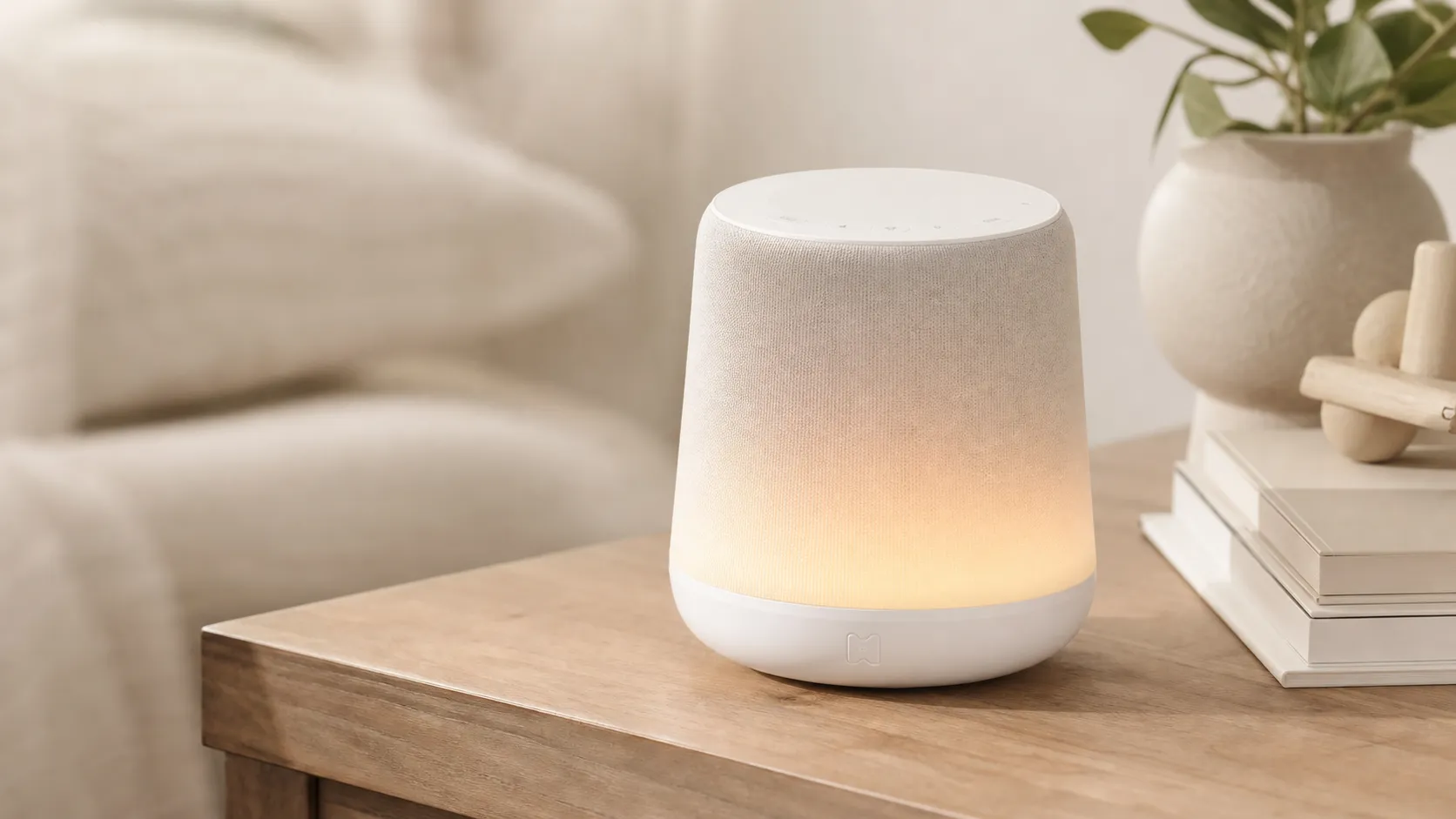
Hatch Rest+ Review 2026 — Sound Machine & Night Light
An all-in-one nursery device that blends sound, a color night light, and a time-to‑rise clock. Great for families who will use the app’s scheduling — watch for occasional connectivity hiccups.
 Baby & Kids
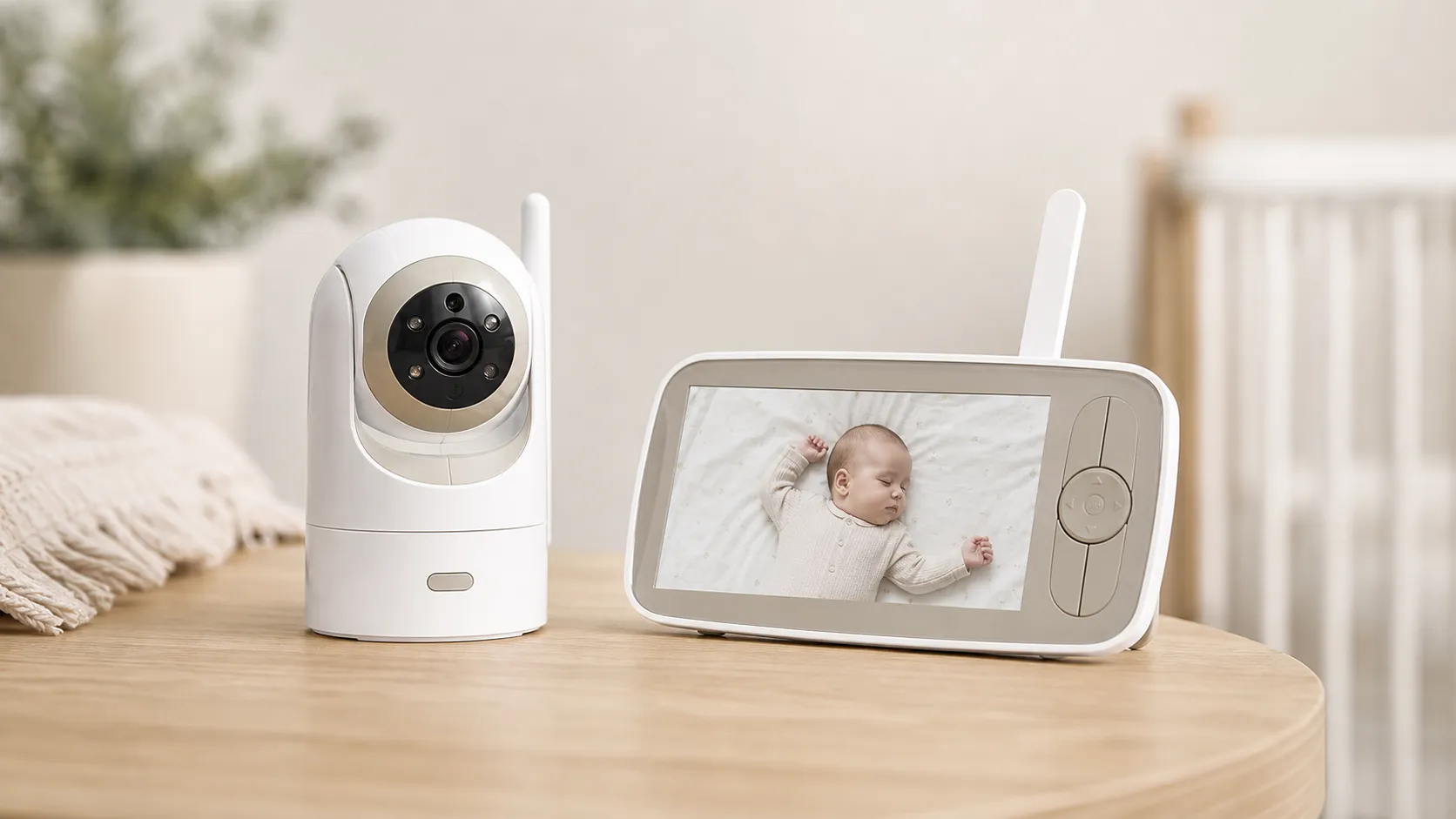
Infant Optics DXR‑8 Pro Video Baby Monitor — 2026 Review
A privacy‑first, high‑clarity non‑WiFi monitor with real optical zoom, clean audio, and long range — strong overall, but a minority report battery/charging issues.
 Baby & Kids
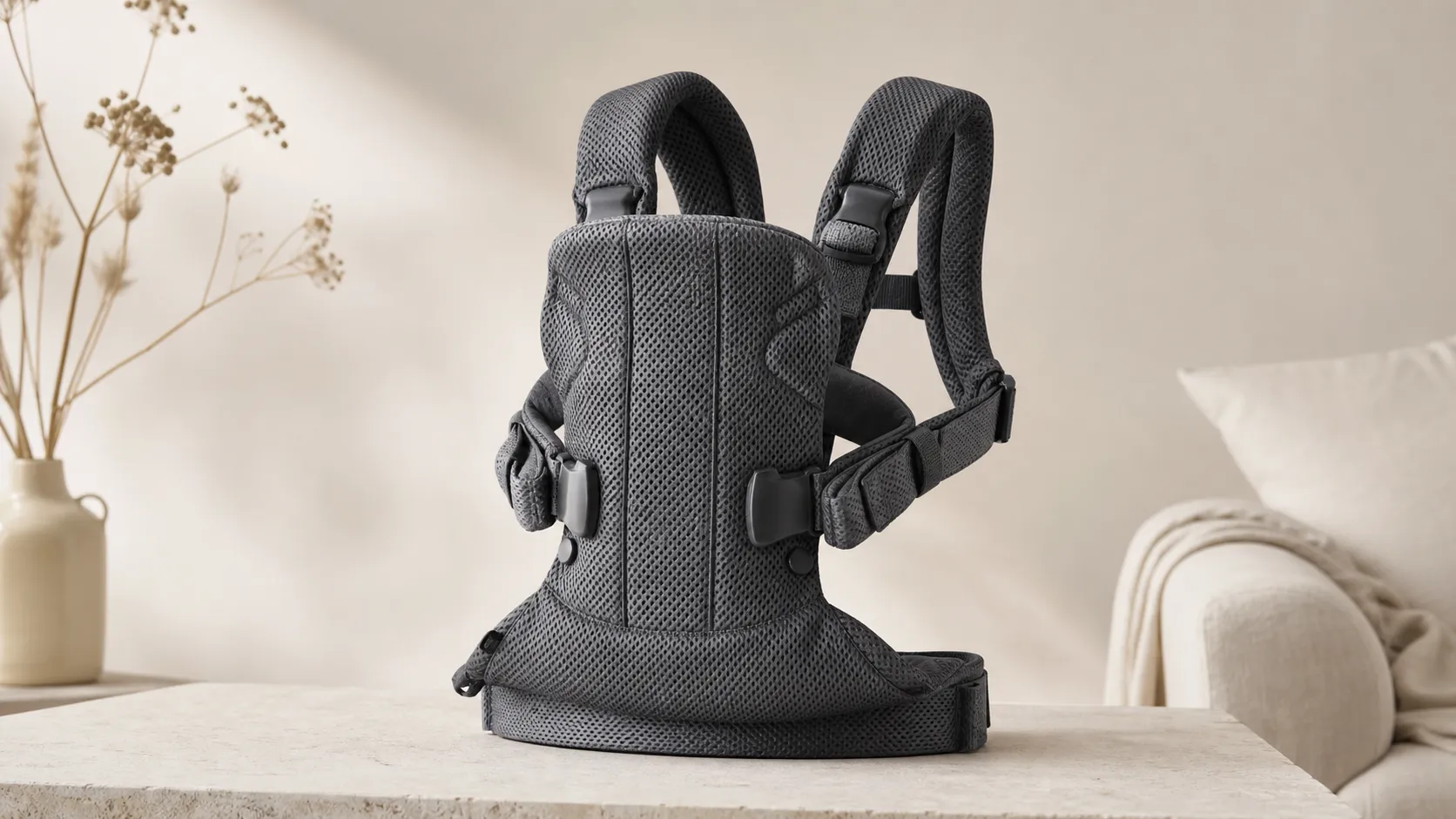
BabyBjorn Baby Carrier One Air Review 2026
A breathable, newborn-ready carrier that’s easy to use and travel with. Great for short-to-medium carries and warm weather, but less ideal for long, heavy-duty use.