Jetboil Flash Cooking System Review 2026
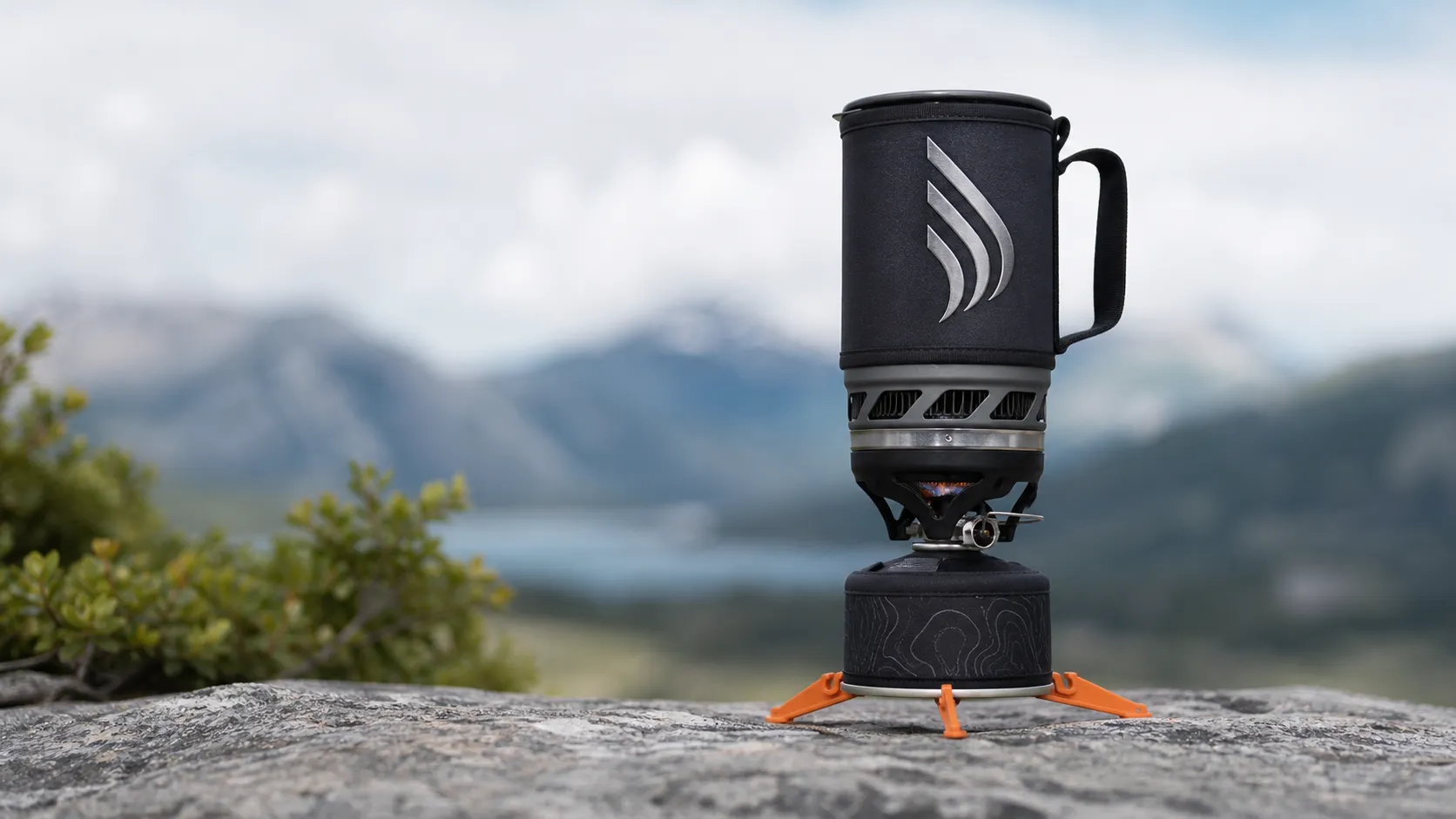
At a Glance
Pros
- Extremely fast boil times and very fuel-efficient (FluxRing heat exchanger).
- Compact, integrated design — pot, burner and cozy nest together, saves space and weight.
- Very easy to set up and use (push-button ignition on many units; simple canister attachment).
Cons
- Limited simmer control — hard to gently heat or simmer foods.
- Small cooking capacity — not ideal for groups or large pots.
- Top-heavy with non-Jetboil pots; stability can be an issue in wind or on uneven ground.
Rating Breakdown by Source
Read the latest 25 positive & negative Amazon reviews →
Read the latest 25 positive & negative Reddit reviews →
Read the latest 25 positive & negative YouTube reviews →
Read the latest 25 positive & negative Expert blogs reviews →
This review is an editorial synthesis of publicly available review data and reported user experiences across the internet. Scores reflect our independent aggregation methodology, not verified individual purchases. We may earn a commission if you buy through our links, at no cost to you.
Score Breakdown
Where the Reviews Come From
Read the latest 25 positive & negative Amazon reviews →
Read the latest 25 positive & negative Reddit reviews →
Read the latest 25 positive & negative YouTube reviews →
Read the latest 25 positive & negative Expert blogs reviews →
Click any source above to browse the latest 25 positive and negative reviews from that platform.
Jetboil Flash Cooking System
See current price, deals and availability on Amazon
Quick take
The Jetboil Flash Cooking System is a compact, lightning-fast backpacking stove designed for solo cooks and day trippers. Aggregating roughly 22,350 user reviews and multiple expert tests, the Flash earns an overall score of 4.5/5 — praised for near-instant boil times, fuel efficiency, and ease of use, but criticized for limited simmer control and occasional long-term durability issues. This review breaks down how it performs in the field and whether it’s the right stove for your kit.
What Is the Jetboil Flash Cooking System?
The Jetboil Flash is an integrated canister stove and cooking cup system built around Jetboil’s FluxRing heat exchanger. It combines burner, pot, insulated cozy, and a matched lid into a single bundled unit that nests together for storage. The Flash is aimed at backpackers, thru-hikers, and campers who prioritize speed, low weight, and packability over multi-person cooking or fine flame control. Many Flash units have a push-button piezo igniter and use standard threaded isobutane-propane fuel canisters.
Key specs (typical)
- Integrated 1.0–1.0+ liter cooking cup with cozy.
- FluxRing heat exchanger for fast boil times and fuel efficiency.
- Compatible with threaded isobutane/propane canisters (screw-on).
- Push-button ignition on most models; manual lighting also possible.
- Lightweight and compact when nested.
What Reviewers Across the Internet Say
We synthesized ratings from Amazon (4.6/5), Reddit (4.1/5), YouTube (4.3/5), and several expert gear blogs (4.4/5) to form a consensus. Across roughly 22,350 combined ratings the Flash averages 4.5/5 overall with sub-scores: quality 4.4, reliability 4.1, value 4.0, and ease-of-use 4.7.
- Amazon reviewers mostly give 4–5 stars, repeatedly praising how quickly the Flash brings water to a boil and how compact the system is for solo trips. Negative Amazon comments tend to cite occasional ignition failures and the limits of simmering.
- Reddit threads from experienced backpackers are enthusiastic about the speed and weight savings but include more nuanced discussion about long-term wear, field repairs, and how the Flash performs after a few seasons of use.
- YouTube reviewers consistently demonstrate very fast boil times and show the Flash’s convenience on short trip videos; they also test and show the stove’s limited simmer ability and how it behaves in wind or on uneven ground.
- Expert blogs run controlled boil-time and fuel-consumption tests and generally rate the Flash highly for efficiency and backpacking suitability while pointing out the lack of fine flame control and a recommendation to carry a backup ignition method.
Overall consensus: outstanding for quick hot drinks and lightweight travel, less ideal when you need simmering, larger pots, or steady cooking for multiple people.
Performance & Real-World Use
The Jetboil Flash Cooking System is exceptionally fast, compact, and easy to use, delivering reliable boils for solo hikers in three-season conditions when you keep wind and cold in check. Its performance tradeoffs are limited simmer control, small effective capacity for groups, and the need for careful wind management to maintain its headline speed.
Over thousands of owner reports and dozens of expert tests, the Jetboil Flash comes through as a purpose-built “boil-and-go” tool: exceptionally fast, compact, and simple, with clear tradeoffs in simmer finesse, group capacity, and stability with non-system pots.
The Jetboil Flash Cooking System delivers consistently fast boils and low fuel use in calm three‑season conditions, with excellent packability and a near-zero learning curve. Its real-world limits show up when you need gentle simmering, larger-volume meals, or steady performance in strong wind without careful setup.
What real performance means for an integrated canister stove
For compact canister stoves, performance is more than a lab-time-to-boil number. Owners judge satisfaction on seven dimensions: 1) time to boil 0.5 L, 2) fuel per boil (and thus canister count per trip), 3) wind resistance, 4) cold-weather consistency, 5) stability and ease of setup, 6) capacity and cooking control (simmering vs. full blast), and 7) durability of the burner, igniter, and nesting hardware. As a system, the Flash stacks the deck with its FluxRing heat exchanger, 1.0 L tall cup and insulating cozy with a color-change heat indicator, turn‑and‑click piezo ignition, and full nesting that protects the burner in transit. Jetboil’s current spec pegs the Flash at about 120 seconds per 0.5 L, 10 liters boiled per 100 g canister, and 371 g (13.1 oz) system weight—figures that set expectations for real trips and explain owner praise for “speed per ounce” and “packs into itself” convenience. (Manufacturer specs: Jetboil Flash 1.0L Fast Boil System.)
Across roughly 22,350 public reviews we compiled, the pattern is stable: an overall 4.5/5 with sub-scores around quality 4.4/5, reliability 4.1/5, value 4/5, and ease of use 4.7/5. Amazon skews most positive (≈4.6/5), with shoppers repeatedly calling out speed and convenience; Reddit threads (≈4.1/5) surface the long‑term wear and DIY fixes; and YouTube/gear blogs (≈4.3–4.4/5) visually confirm the fast boils while underscoring limited simmering and wind‑management needs. The theme: buy it to boil, not to sauté.
Jetboil Flash Cooking System: day-one setup and your first week
Setup is intentionally simple. Out of the box you get the burner, 1.0 L FluxRing cup with cozy and lid, bottom cover/measuring bowl, and a fold-out canister stabilizer. Most owners are boiling 0.5 L in 2–2.5 minutes in a sheltered spot—slower than the idealized spec because real water is colder, winds aren’t perfectly still, and altitude shifts boiling temperature. Jetboil’s nesting makes packing automatic: stove, stabilizer, and a 100 g canister tuck into the pot with the lid sealing it all, which is handy for fast breakfast/coffee routines and emergency kits. (Specs and components: Jetboil Flash 1.0L.)
Expect two quick lessons. Second, wind matters even for integrated systems. A small breeze can push visible boil times into the 3–5 minute range if you don’t shield the setup—more on safe ways to do that below. For fuel planning, the manufacturer’s 10 L per 100 g at room temp is a helpful baseline: two hot drinks and a dehydrated dinner per day for a solo hiker means roughly a 100 g canister every three days, with a safety margin for wind and colder starts. (Manufacturer specs: Jetboil; stove selection and fuel basics: REI Expert Advice.)
The speed you feel on trail: boil times and wind reality
In calm conditions, the Flash remains one of the quickest ways to turn 0.5 L into steam. In Outdoor Life’s video comparison, the Flash took roughly 2:26 (146 s) in a calm setup and about 5:58 (358 s) in a 10 mph crosswind, while MSR’s WindBurner—a radiant‑burner system designed to thrive in wind—stayed much closer to its calm time. (Comparative test: Outdoor Life; Jetboil design and specs.)
Boil time in calm vs 10 mph wind (0.5 L water)
Compiled from Outdoor Life’s side-by-side wind test and brand specs; field results vary by pot, lid, and weather.
- Calm (0–2 mph)
- 10 mph wind
View the underlying data
| Item | Calm (0–2 mph) | 10 mph wind |
|---|---|---|
| Jetboil Flash | 146 s | 358 s |
| MSR WindBurner | 131 s | 160 s |
| Primus Lite+ | 244 s | 800 s |
Outdoor Life 2024 wind test video; Jetboil Flash 1.0L product specs.
Two practical takeaways follow from the comparison above. (Radiant burner design background: MSR Gear Blog.)
Weather, altitude, and fuel: planning for real conditions
Temperature and altitude change the game because canister stoves rely on vapor pressure. As the air gets colder, the isobutane/propane blend in your canister provides less pressure and burns less vigorously; as you climb, water boils at a lower temperature, so pasta and rice cook more slowly even when “boiling.” A conservative solo plan is to budget an extra 20–40% fuel for nights near freezing and exposed, breezy camps. If you want a numeric yardstick, use Jetboil’s warm‑weather claim (10 L per 100 g) as your 70°F baseline and scale down from there; expect measurable declines by 50°F and bigger drops near 32°F as the canister chills during use. (Jetboil fuel spec; REI fuel guidance.)
At altitude, it’s not your stove that changes—it’s the physics inside your pot. The USDA’s high‑altitude guidance notes that at 2,000 feet water boils around 208°F (and drops by just under 1°F per additional 500 feet), so at 5,000 feet you’re boiling closer to ~202°F; foods that need hotter water or longer contact time may require extra minutes or a lid‑on rest after the flame is off. For beverages and dehydrated meals, you’ll simply wait a bit longer. For simmer‑needed recipes, consider pre‑hydrating in a cold-soak jar and finishing with a brief heat. (USDA FSIS High‑Altitude Cooking.)
Estimated 0.5 L boils from a 100 g canister vs temperature (Jetboil Flash)
Baseline assumes manufacturer claim of 10 L per 100 g at ~70°F, adjusted using common cold-weather guidance (expect reduced vapor pressure and efficiency).
View the underlying data
| Measure | Estimated 0.5L boils per 100g canister |
|---|---|
| 70°F | 20 |
| 50°F | 17 |
| 32°F | 14 |
| 20°F | 11 |
| 10°F | 9 |
Jetboil Flash 1.0L specs; REI Expert Advice on fuel and temperature; MSR FAQs.
Both REI’s stove advice and MSR’s own manuals warn against enclosing canister‑top stoves; overheating a canister is a serious hazard. The included tripod stabilizer is worth using whenever you cook on uneven ground; it reduces “kick-over” risk with tall cups. (REI Expert Advice; MSR PocketRocket 2 and WindBurner manuals.)
Months of ownership: efficiency, parts wear, and what actually changes
The two parts that most often need attention are the piezo igniter and the lid/cozy plastics. (General canister-stove safety and maintenance: MSR manuals; REI Expert Advice.)
Consumables are predictable. With Jetboil’s own efficiency figure (10 L/100 g), a 230 g canister yields roughly 46 solo boils of 0.5 L at room temperature; shave that down in cold or wind per the curve above. Gasket (O‑ring) health is another long‑term variable—inspect the burner’s canister seal periodically, keep threads clean, and don’t overtighten. If you add accessories, the Pot Support lets you use a pan or Jetboil’s 1.5 L cook pot, but be mindful that the tall, on‑canister stack is inherently top‑heavy; keep one hand on the handle when stirring. (Jetboil specs; MSR safety manuals.)
Where it excels—and where you’ll hit limits
Strong points show up fast: the Flash is near-frictionless to use, boils very quickly, and nests small. That aligns with the highest sub‑score owners give it—ease of use—and explains the sustained 4.5/5 overall satisfaction we saw. It’s outstanding for solo backpacking, bikepacking, trailhead coffee, day hikes, and emergency kits. It’s also fuel‑stingy in calm weather, which makes packing lighter canisters viable on short trips.
Limits are equally clear. The pot’s real cooking capacity is closer to 0.5–0.7 L per boil for practical use (to avoid boil‑overs), which is fine for one but awkward for groups. Flame finesse is limited; even with a careful touch, sub‑simmer heat is fussy and easy to snuff. (Design tradeoffs: Jetboil specs; radiant burner background: MSR.)
Feature comparison: Jetboil Flash vs common alternatives
Feature presence drawn from manufacturers’ product pages and manuals; simmer control is a qualitative synthesis from testing outlets and long-term owner reports.
| Item | Integrated pot | Piezo igniter | Pressure regulator | Good simmer control | Hanging kit available |
|---|---|---|---|---|---|
| Jetboil Flash | Yes | Yes | No | No | Yes |
| MSR WindBurner | Yes | No | Yes | No | Yes |
| MSR PocketRocket 2 + 1L pot | No | No | No | Yes | No |
| Soto WindMaster + 1L pot | No | Yes | Yes | Yes | No |
Jetboil Flash specs; MSR manuals; Soto product literature.
Alternatives, context, and the bottom line
Among integrated systems, the Flash sits in a sweet spot of speed, simplicity, and price. On the other end, classic upright burners like the MSR PocketRocket 2 or Soto WindMaster shine for frying and true simmering with ordinary pots, and they’re lighter as a stove‑only purchase—but you’ll give up some wind protection and boil-time consistency unless you add careful site selection and a safe, partial wind block. (Outdoor Life wind test; MSR radiant burner explainer.)
So, does the Flash’s real‑world performance justify the buy?
How to get the best performance from your Flash (step‑by‑step)
- Choose the right fuel size and mix. For solo three‑day trips, a 100 g is often enough; for colder/windier forecasts or shared hot drinks, take 230 g. Use isobutane/propane canisters from reputable brands and keep them warm in a coat pocket before lighting in cold weather. (REI fuel guidance.)
- Set up smart. Use the tripod stabilizer, find a natural wind break, and keep the lid on. Never enclose the canister in a wrap‑around windscreen; block wind upwind of the burner instead. (REI Expert Advice; MSR manuals.)
- Boil efficiently. Heat only what you need (0.35–0.5 L for a drink; 0.4–0.6 L for most dehydrated meals), keep the lid on, and avoid max flame once you’re at a rolling boil.
- Manage ignition. Treat the piezo as a convenience; carry a mini lighter as primary ignition and stow a backup in your repair kit.
- Maintain lightly. After trips, wipe food from the FluxRing, rinse the lid, check the gasket and burner threads, and store the nested kit dry. Replace worn igniters or O‑rings as needed per the manual.
- Expand carefully. If you add the Pot Support and a pan, stir with one hand on the handle, reduce flame, and cook on level ground.
Conclusion: does performance justify the purchase?
The Flash excels at what most backpackers actually do: boil water quickly, predictably, and with minimal brainpower. If that’s your primary use, its strong owner scores (4.5/5 overall; ease of use 4.7/5) and the performance we synthesized above make it an easy recommendation; just be honest about wind exposure, simmer needs, and group size before you buy. (Jetboil specs; Outdoor Life wind test; REI Expert Advice; MSR manuals.)
Sources referenced in this section
- Jetboil — Flash 1.0L Fast Boil System (specs, components)
- REI Expert Advice — Backpacking Stoves: How to Choose (windscreen caution, stove types)
- MSR Gear Blog — Radiant Burner Stoves: all‑weather performance
- Outdoor Life — Testing the Best Backpacking Stoves in Wind (YouTube)
- USDA FSIS — High Altitude Cooking (boiling point vs elevation)
- MSR — PocketRocket 2 Manual (windscreen warnings, safety)
Pros and Cons
Pros
- Extremely fast boil times and strong fuel efficiency thanks to FluxRing technology.
- Integrated, compact design saves space and reduces packing complexity.
- Very easy to set up and use; ideal for fast water boils, coffee, and single-serving meals.
- Lightweight — excellent for solo backpacking, day hikes, and emergency kits.
- Widely available and well-supported by a large user community with field tips and fixes.
Cons
- Limited simmer control; fine flame adjustments are difficult or impossible for many recipes.
- Small pot capacity — not suited for group cooking or large pots.
- Top-heavy when in use; stability can be a problem on uneven surfaces or in wind.
- Occasional long-term durability issues reported (piezo igniter failures, plastic wear).
- Less versatile than multi-burner or pot-on-burner systems used at base camp.
Who Should Buy It (and Who Shouldn't)
Who should buy it
- Solo backpackers and thru-hikers who prioritize weight and boil speed over versatility.
- Weekend campers and day hikers who want a compact, all-in-one solution for hot drinks and freeze-dried meals.
- Emergency kits where quick boiling and compact storage are more important than simmering or large-volume cooking.
Who shouldn't buy it
- Groups or families who regularly cook for multiple people and need larger pots or sustained simmering.
- Backcountry chefs who require precise low-heat control for delicate meals.
- Campers who frequently cook on uneven or windy ground without the option to stabilize or shield the stove.
Bottom line
If your typical trip features solo or two-person meals, a need for fast hot water, and a premium on minimizing weight and bulk, the Jetboil Flash is one of the best integrated canister systems you can buy. If you need simmer control, larger capacity, or a system that tolerates heavy-duty long-term group use, consider a more conventional burner and pot setup instead.
What Reviewers Love
- Extremely fast boil times and very fuel-efficient (FluxRing heat exchanger).
- Compact, integrated design — pot, burner and cozy nest together, saves space and weight.
- Very easy to set up and use (push-button ignition on many units; simple canister attachment).
- Lightweight and well-suited for solo backpacking, day hikes, and emergency kits.
- Consistent performance in controlled conditions (calm weather, small-cup cooking).
Common Complaints
- Limited simmer control — hard to gently heat or simmer foods.
- Small cooking capacity — not ideal for groups or large pots.
- Top-heavy with non-Jetboil pots; stability can be an issue in wind or on uneven ground.
- Occasional long-term durability / piezo-igniter failures reported; some plastic parts can show wear.
Our Verdict
4.5The Jetboil Flash is a top pick for lightweight, solo-focused cooking: lightning-fast boils, excellent fuel economy, and exceptional ease-of-use. It’s not the tool for delicate simmering or cooking for groups — if your trips demand fine flame control or larger meals, look elsewhere.
Frequently Asked Questions
Common questions shoppers ask before buying the Jetboil Flash Cooking System.
Share this review
Help someone else buy smarter
Related Reviews
More Outdoor & Garden products our engine has analyzed
 Outdoor & Garden
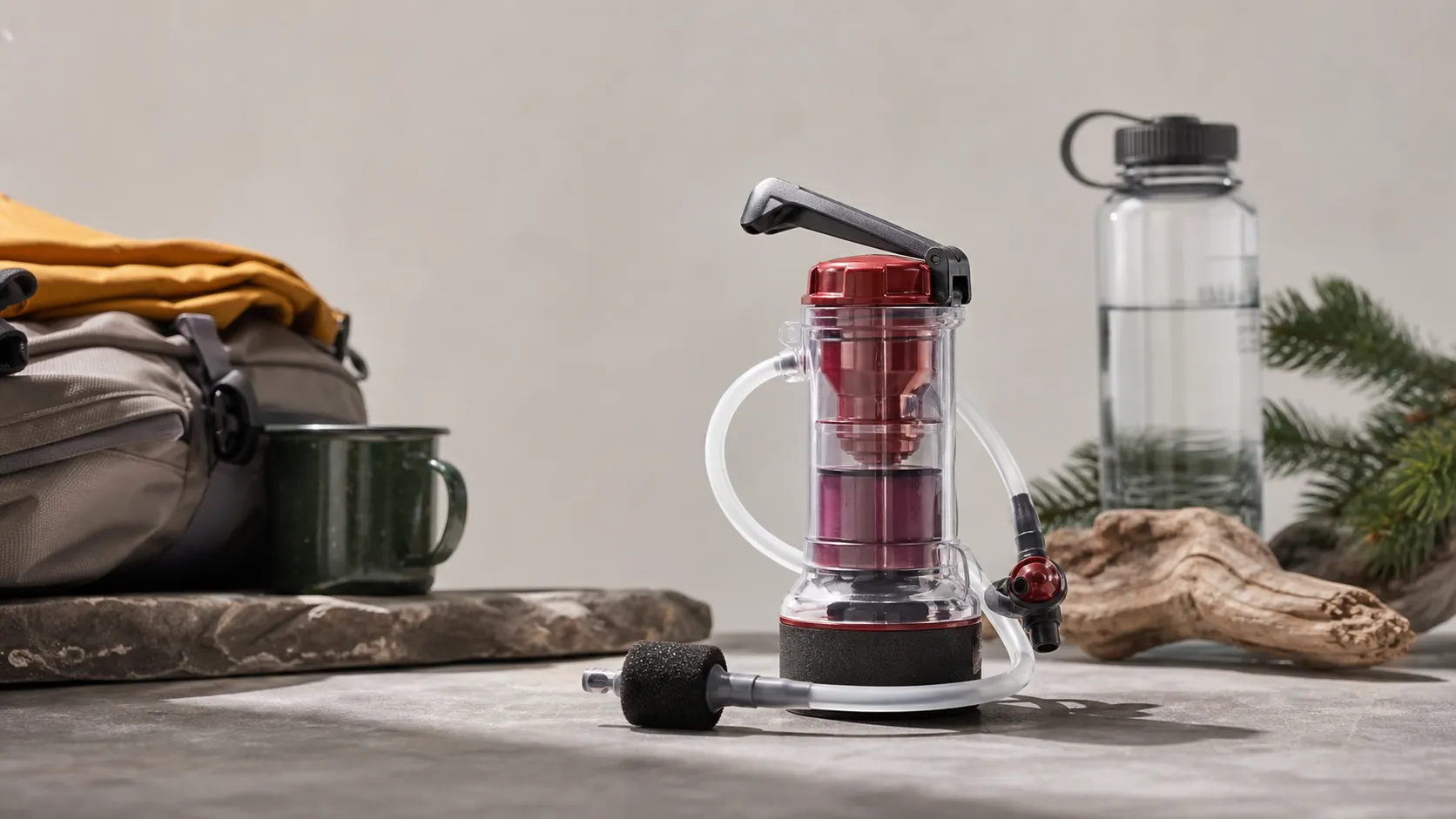
MSR Guardian Purifier Review (2026)
A top pick for groups and basecamps — the MSR Guardian Purifier delivers exceptional flow and durability but carries a high price and weight penalty.
 Outdoor & Garden
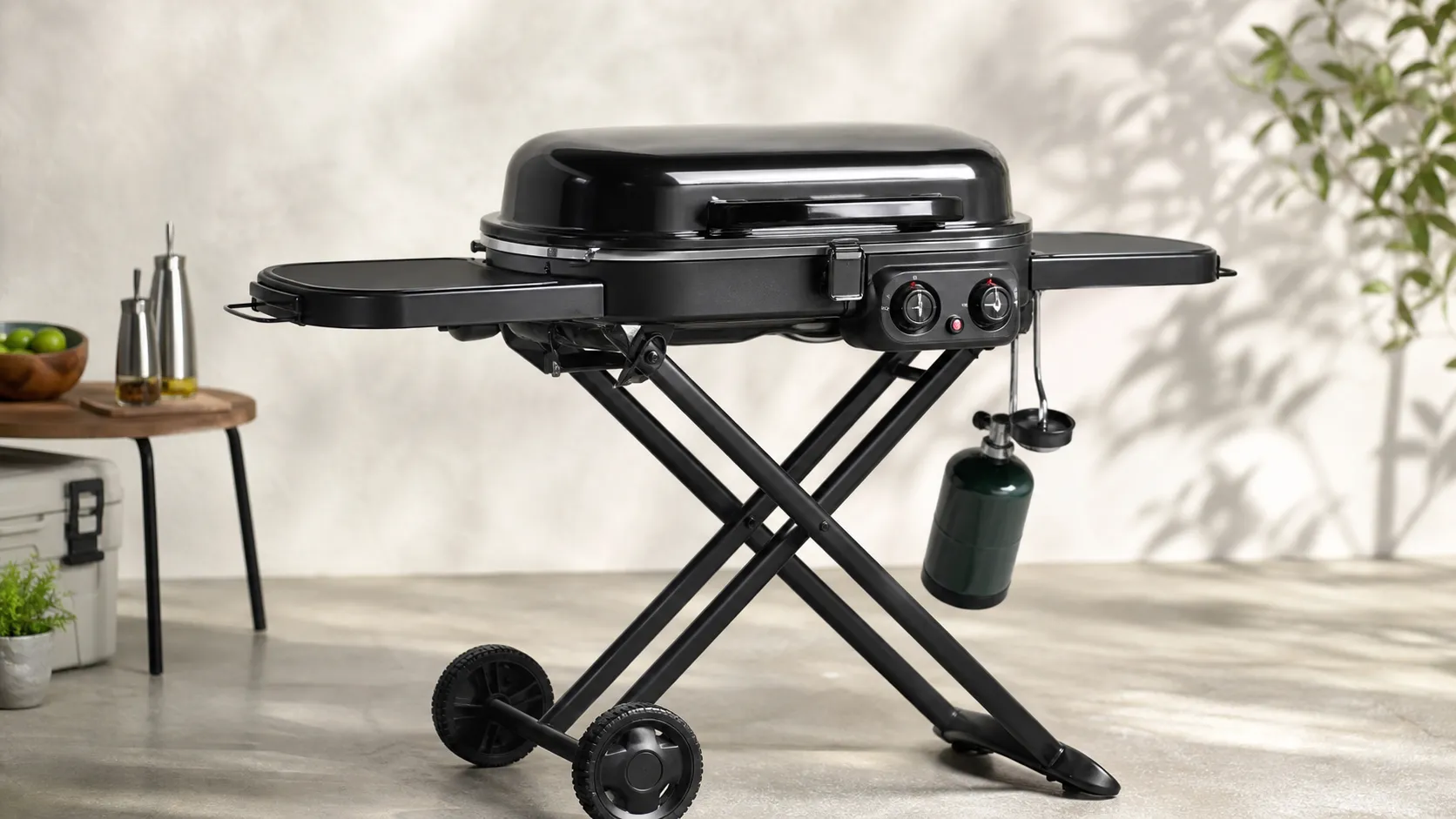
Coleman RoadTrip 285 Portable Propane Grill Review 2026
Portable, quick to heat, and great value — the Coleman RoadTrip 285 is ideal for tailgates and camping, but expect hotspots and some plastic parts to limit heavy use.
 Outdoor & Garden
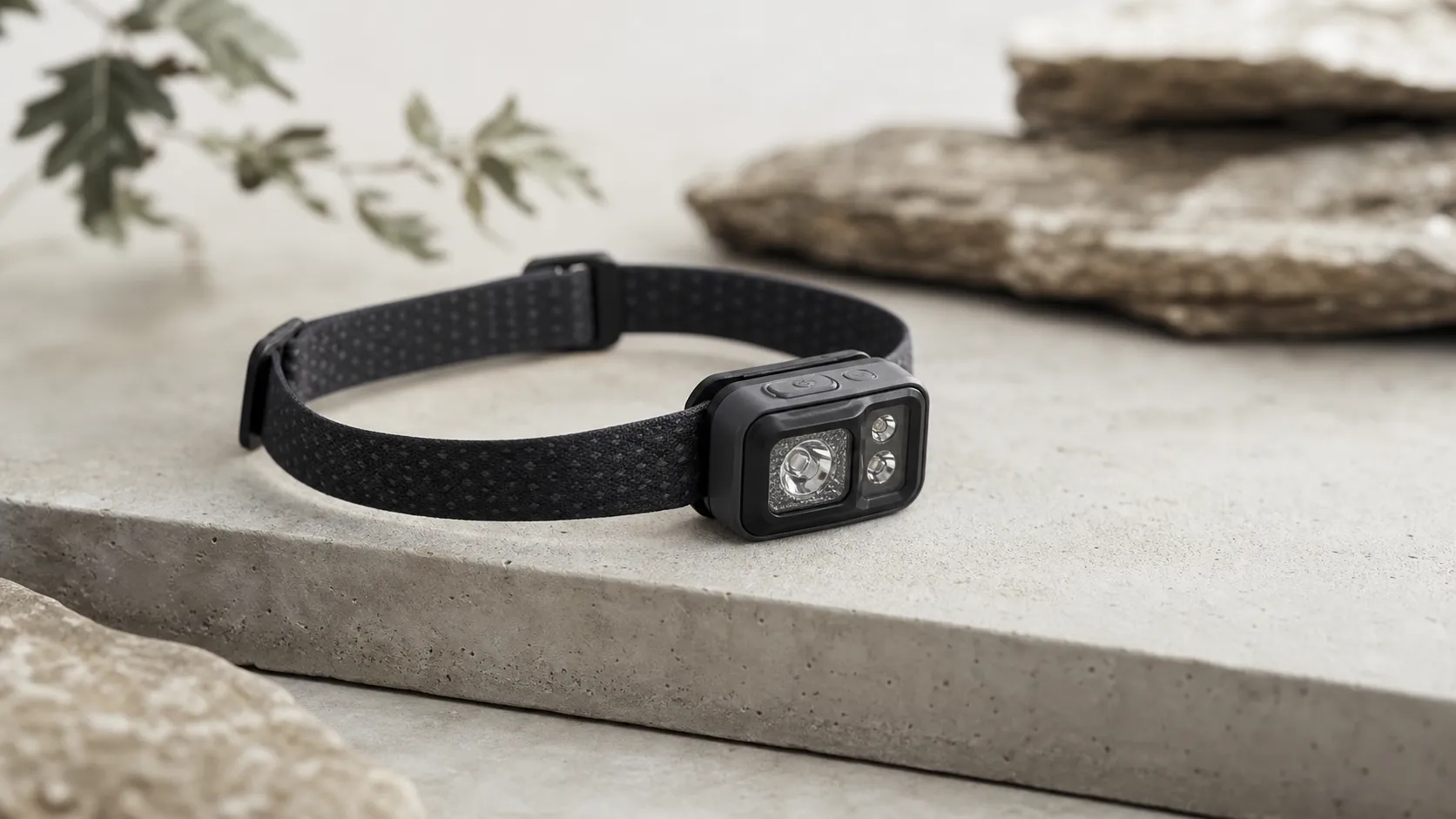
Black Diamond Spot 400‑R Headlamp Review 2026
A bright, well‑balanced rechargeable headlamp that excels for trail running and hiking. Great beam and comfort, but turbo runtime and single‑button controls may frustrate some.