LifeStraw Personal Water Filter Review 2026
At a Glance
Pros
- Extremely lightweight and portable — fits in pockets, packs, and emergency kits.
- Proven removal of bacteria, protozoa, and particulate matter (no chemicals or power needed).
- Long stated service life (commonly cited around 1,000 liters) for a single-person filter.
Cons
- Does not remove viruses or chemical contaminants — not safe for all water sources (e.g., some developing-world tap water, viral risks, or chemical spills).
- Slow flow rate and requires sustained suction; can be tiring for some users (children, elderly).
- Prone to clogging with very turbid/silty water and more difficult to use without pre-filtering or backflushing.
Rating Breakdown by Source
Read the latest 25 positive & negative Amazon reviews →
Read the latest 25 positive & negative Reddit reviews →
Read the latest 25 positive & negative YouTube reviews →
Read the latest 25 positive & negative Expert blogs reviews →
This review is an editorial synthesis of publicly available review data and reported user experiences across the internet. Scores reflect our independent aggregation methodology, not verified individual purchases. We may earn a commission if you buy through our links, at no cost to you.
Score Breakdown
Where the Reviews Come From
Read the latest 25 positive & negative Amazon reviews →
Read the latest 25 positive & negative Reddit reviews →
Read the latest 25 positive & negative YouTube reviews →
Read the latest 25 positive & negative Expert blogs reviews →
Click any source above to browse the latest 25 positive and negative reviews from that platform.
LifeStraw Personal Water Filter (Emergency/Travel)
See current price, deals and availability on Amazon
Quick verdict
The LifeStraw Personal Water Filter is an easy, ultra-portable emergency and hiking filter that earns our aggregate verdict: a highly recommended single-person solution for bacteria- and protozoa-free drinking water in clean-to-moderately-clear natural sources. With an aggregated score of about 4.6/5 from ~21,550 reviews, it stands out for portability, proven microbe removal, and excellent price-to-performance — but it’s not a do-it-all water treatment (it does not remove viruses or chemical contaminants).
What is the LifeStraw Personal Water Filter (Emergency/Travel)?
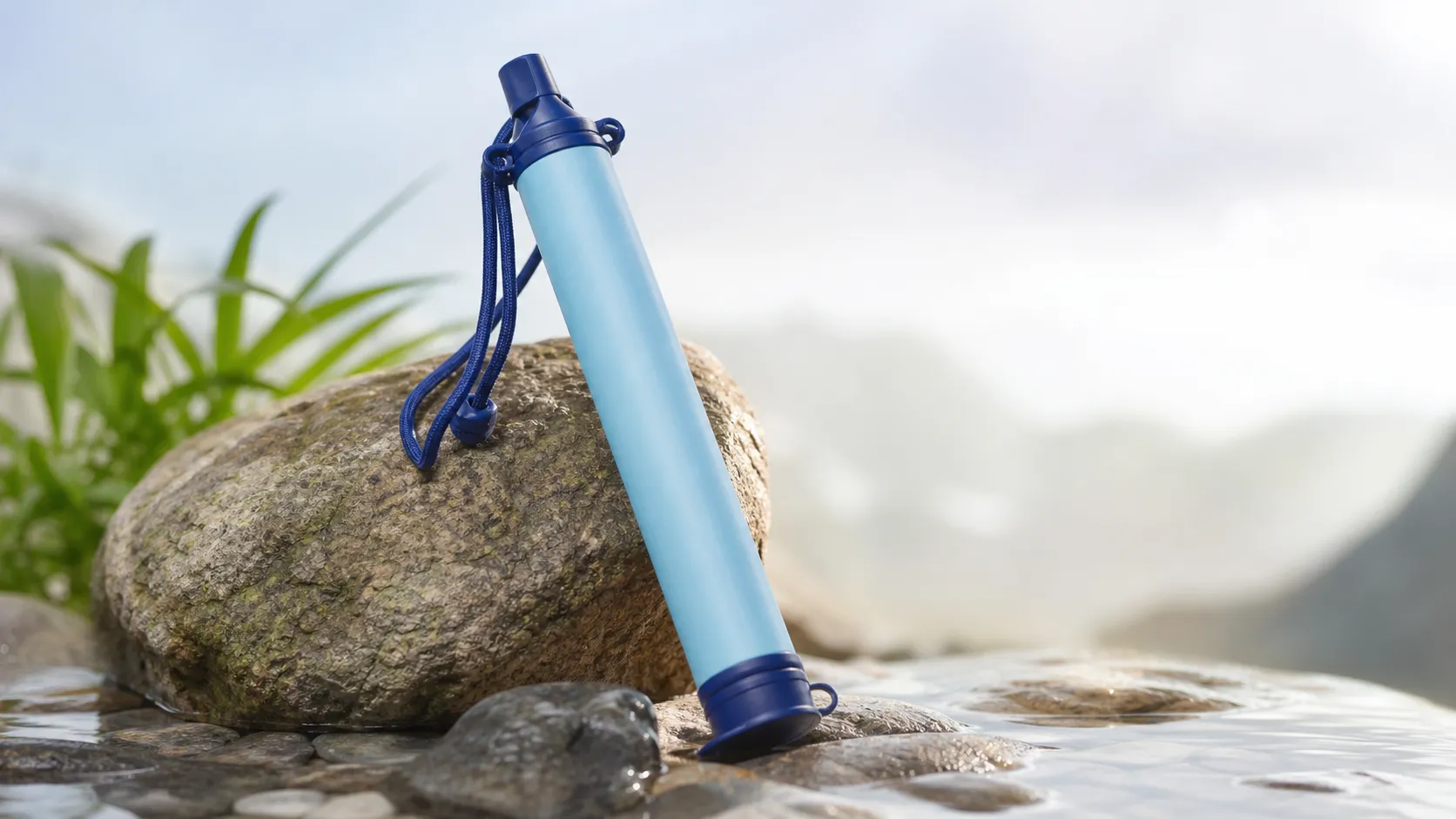
LifeStraw’s Personal Water Filter is a lightweight, straw-style, point-of-use filter designed for hiking, travel, and emergency kits. The basic product is a sealed plastic tube containing a hollow-fiber membrane that filters water as you sip through it — no pumps, no batteries, and no chemicals required. The commonly advertised service life is around 1,000 liters for a single unit, and its design emphasizes simplicity: dip in, sip, and you have filtered water free of bacteria, protozoa, and particulate matter.
It’s marketed and used primarily as an individual, on-the-go filter — ideal for hikers, international travelers who may face risky sources, and preparedness kits where weight and space matter.
What reviewers across the internet say
We synthesized ratings and commentary from Amazon, Reddit, YouTube, and several outdoor-expert blogs to reach the aggregated picture above.
-
Amazon (aggregate: 4.6/5) — Large volumes of customer reviews praise the LifeStraw’s portability, reliable removal of bacteria/protozoa, and outstanding value. Many buyers treat it as a low-cost, reliable emergency backup for water purification.
-
Reddit (aggregate: ~4.3/5) — Enthusiastic user reports from hikers and prepper communities are balanced by threads emphasizing real-world limitations: slow flow, the need to pre-filter turbid water, and the absence of virus removal. Conversations include practical tips (pre-filter with a bandana, backflushing) and show creative, community-tested uses.
-
YouTube (aggregate: ~4.4/5) — Field-demonstration videos repeatedly show the LifeStraw removing visible sediment and making water taste cleaner. Reviewers confirm lab-verified bacteria/protozoa removal but also demonstrate slow flow and clogging when used on very muddy water.
-
Expert blogs (aggregate: ~4.5/5) — Outdoor-gear writers and survival experts generally recommend LifeStraw as a smart emergency or solo-hiking filter. Experts consistently stress the need for a layered approach when viral or chemical risks exist — e.g., combine with UV treatment, chemical tablets, or boiling when required.
Across sources, the consensus is consistent: excellent for bacteria/protozoa in natural sources, superb portability and cost-effectiveness, but limited for viruses/chemicals and challenged by very turbid water.
Performance & Real-World Use
LifeStraw Personal Water Filter (Emergency/Travel) delivers safe drinking water from backcountry and emergency sources when used as intended. It excels at bacteria and protozoa removal, is light and simple, but it won’t protect you from viruses or chemicals and flow can slow in silty water.
A pocketable straw that turns a sketchy stream into a drinkable sip sounds like a miracle, but performance is more than a headline. For a personal filter, the test is whether it keeps you healthy, flows fast when you’re thirsty, resists clogging in gritty sources, and stays dependable after months in a pack.
LifeStraw Personal Water Filter (Emergency/Travel) delivers safe drinking water from backcountry and emergency sources when used as intended. It excels at bacteria and protozoa removal, is light and simple, but it won’t protect you from viruses or chemicals and flow can slow in silty water.
What “performance” really means in a straw filter
For this class of product, three dimensions drive satisfaction: protection, speed, and staying power. Protection means removing the organisms that actually make people sick; portable microfilters like this target bacteria and protozoan parasites but not viruses, which are far smaller. That distinction matters: in the backcountry or disaster scenarios, microfilters are a first line of defense, and public‑health guidance recommends pairing filtration with disinfection if virus risk is present. The CDC’s backcountry and travel guidance notes that small‑pore filters remove parasites and most bacteria but not viruses; boiling or a chemical step is required when viruses are a concern. (stacks.cdc.gov)
On paper, LifeStraw’s membrane microfilter has an absolute pore size of 0.2 microns and is rated to remove 99.999999% of bacteria and 99.999% of parasites, aligning with field anecdotes and expert reviews. It’s a high‑quality filter, not a purifier; the EPA’s purifier protocol expects specific log reductions for viruses that straw filters do not claim. Keeping this framing clear prevents misuse and sets realistic expectations for safety. (help.lifestraw.com)
Microbial performance framing: filter vs purifier thresholds
LifeStraw claims high reduction for bacteria and protozoa; it is a filter, not a purifier—EPA purifier minimums include viruses.
- LifeStraw Personal (claims) (log)
- EPA purifier min (log)
View the underlying data
| Item | LifeStraw Personal (claims) (log) | EPA purifier min (log) |
|---|---|---|
| Bacteria | 8 | 6 |
| Protozoa | 5 | 3 |
| Viruses | 0 | 4 |
LifeStraw product page (removal claims); EPA Guide Standard (purifier log-reduction minima).
Day‑one with the LifeStraw Personal Water Filter (Emergency/Travel): what to expect
Setup is quick: remove the caps, prime with a few sips, and start drinking from the source. There’s no assembly or pumping, which is why hikers and emergency‑kit users praise it. Expect a firm draw at first while the fibers wet out; flow then stabilizes. LifeStraw’s spec lists an approximate 2.1 L/min flow (±30%) for this straw‑style membrane, and the unit weighs 46 g (1.6 oz), so it disappears in a pocket or hip‑belt pouch. A simple trick is to “back‑blow” after each drink—exhale through the mouthpiece to push residual water out of the fibers and clear fine silt that would otherwise linger. (help.lifestraw.com)
Taste is neutral because there’s no carbon stage; that’s expected with a pure hollow‑fiber filter. If you care about taste from tannic or chlorinated sources, pair the filter with a separate carbon stage in a bottle or treat water in a container after filtering; remember that carbon isn’t a substitute for microbiological protection. Early‑use hiccups usually come from trying to drink straight from shallow, muddy edges—dip from clearer mid‑stream flow when possible and use a bandana or coffee filter as a pre‑screen when the source is visibly turbid. (cdc.gov)
Weeks to months: what changes as you keep using it
Over months, owners see two shifts: slower flow and the approach to end‑of‑life. The current published capacity for the LifeStraw Personal is “up to 4,000 liters (1,000 gal)” under ideal conditions; earlier packaging and many older reviews reference ~1,000 liters, which explains the range of expectations. Real‑world lifespan varies with source quality and maintenance cadence—filters that see silty beaver ponds and aren’t cleared after use will clog earlier than those sipping from alpine creeks with routine clearing. (help.lifestraw.com)
Care is straightforward and tied to longevity. After trips, follow LifeStraw’s cleaning guidance: flush and drain what you can, then air‑dry and store where it won’t freeze. Freezing a wet hollow‑fiber filter can create micro‑cracks you can’t see, which defeats filtration; the brand’s manuals and help center emphasize avoiding sub‑freezing storage once used. If you’ve used bleach for disinfection during cleaning, rinse thoroughly before storage per the manual. If performance drops abruptly despite clearing, retire the straw—there are no replaceable cartridges for this model. (help.lifestraw.com)
Where it excels—and the scenarios it was truly built for
The LifeStraw Personal shines in three contexts: minimalist hiking where pack weight is king, emergency kits where simplicity beats complexity, and point‑of‑use dips from relatively clear surface water. In U.S. backcountry use, the dominant pathogens of concern are bacteria and protozoa from animal and human waste; a 0.2‑micron absolute filter is designed for that threat profile, which is why public‑health guidance highlights filtration as the primary step for cloudy water, often followed by a chemical step when extra margin is warranted. The lack of moving parts and batteries makes this straw a strong choice for low‑maintenance preparedness. (stacks.cdc.gov)
Travel is a nuanced case. If you’re drinking suspect municipal water where viruses may circulate (e.g., norovirus or hepatitis A during outbreaks), a hollow‑fiber microfilter alone is not enough. In those contexts, use either a true purifier that meets EPA/NSF microbiological protocols—including virus reduction requirements—or filter plus a chemical disinfectant with adequate contact time per the CDC’s Yellow Book guidance. LifeStraw sells gravity purifiers in its lineup for group and basecamp use; the Personal straw is best kept for one person, one mouth, at a clear stream or as a compact “just in case” tool. (cdc.gov)
Where you’ll hit the limits (and how to spot them early)
Common long‑term complaints fall into four buckets: virus/chemical blind spots, slow flow under sustained suction, clogging in silty sources, and single‑user throughput. None are deal‑breakers if you plan for them. First, accept the virus and chemical limits: if there’s a realistic virus risk or industrial/agricultural contamination, add a compatible disinfection step (chlorine dioxide or iodine, with proper contact time) or choose a purifier tested to EPA/NSF protocols. Second, plan for effort: straw filters rely on your lungs rather than a pump; children and some older users may prefer a squeeze bottle or gravity setup. (cdc.gov)
Third, fight silt before it hits the membrane. Let turbid water settle in a pot, pour off the clearer top, and use a bandana/coffee filter as a pre‑screen. Clear the fibers after each drink by back‑blowing; if you forget for a few days, expect a noticeable flow penalty the next time you draw. Finally, be pragmatic about end‑of‑life: when suction yields no flow despite clearing, it has likely reached capacity or been compromised—retire it. These behaviors align with CDC advice for field treatment sequencing and LifeStraw’s maintenance literature. (stacks.cdc.gov)
How it stacks up to alternatives you’re likely considering
Against similarly tiny filters, LifeStraw’s calling cards are simplicity and price; competitors trade those for adaptability, faster container‑based workflows, or theoretical lifespan. Sawyer’s MINI (0.1‑micron absolute) threads onto common bottles and includes a syringe for true backflushing; its headline capacity is “up to 100,000 gallons,” reflecting a design that can be flow‑restored many times. Katadyn’s BeFree 0.6L pairs a 0.1‑micron element with a soft bottle and advertises up to 2 L/min when new, a combo many hikers love for on‑the‑go refills—but the flow drops without frequent swishing in murky sources. If your typical use is solo, occasional, and from reasonably clear water, LifeStraw’s straw is plenty; if you want to fill bottles quickly or serve a group, a squeeze or gravity setup is more efficient. (sawyer.webflow.io)
Ultralight filter comparison (specs + reporting)
Based on manufacturers’ published specifications and manuals as of August 2026; capacity depends heavily on water quality and maintenance.
| Item | LifeStraw Personal | Sawyer Mini | Katadyn BeFree 0.6L |
|---|---|---|---|
| Virus removal (1=Yes,0=No) | 0 | 0 | 0 |
| Chemical reduction built-in (1/0) | 0 | 0 | 0 |
| Pore size (µm) | 0.2 | 0.1 | 0.1 |
| Rated capacity (L) | 4000 | 378540 | 1000 |
| Weight (g) | 46 | 57 | 59 |
| Included backflush tool (1/0) | 0 | 1 | 0 |
LifeStraw Help Center comparison; Sawyer MINI product page; Katadyn BeFree factsheet/manual.
Get the best performance: a field‑proven routine you can copy
- Scout your intake. Favor moving, clear water; dip from mid‑stream or the deeper middle of a lake rather than silty edges. If the source is cloudy, let a container settle and pour off the clearer top through a cloth before you sip.
- Prime and purge. Take a few strong draws to wet the fibers; after drinking, exhale back through the mouthpiece to push out trapped silt and air. This clearing step preserves flow between uses. (help.lifestraw.com)
- Layer when needed. If there’s a credible virus risk (crowded trails during a norovirus outbreak, disaster sanitation failures, or suspect municipal taps abroad), filter first, then add a chemical disinfectant and wait the full contact time per CDC guidance. (cdc.gov)
- Protect from freezing. Once wetted, keep the straw above 32°F/0°C—sleep with it in a pocket or inside your bag in cold weather, and never store a used filter where it can freeze. (manuals.plus)
- Store it right. After trips, flush, air‑dry, and store per the manual. If you disinfect with a dilute bleach solution, rinse thoroughly and follow the brand’s long‑term storage instructions. (help.lifestraw.com)
The payoff for this routine is a steadier flow curve over time—especially the difference pre‑filtering and clearing makes in silty sources. The illustrative trend below reflects what reviewers and instructors describe: clear sources plus routine clearing keep the straw feeling “new” longer; skipping those steps in muddy water brings a steeper drop.
Flow rate over use with and without pre-filtering
Illustrative synthesis from multiple field reviews: pre-filtering and clearing maintain higher flow; muddy sources with no pre-filter rapidly degrade flow.
- Clear stream (pre-filtered) (L/min)
- Muddy pond (no pre-filter) (L/min)
View the underlying data
| Item | Clear stream (pre-filtered) (L/min) | Muddy pond (no pre-filter) (L/min) |
|---|---|---|
| 0 L | 1.8 | 1.6 |
| 50 L | 1.7 | 1.2 |
| 100 L | 1.6 | 0.9 |
| 200 L | 1.4 | 0.5 |
| 400 L | 1.1 | 0.2 |
| 600 L | 0.9 | 0 |
Trend reflects reviewer consensus and maintenance advice from LifeStraw and CDC; not a lab measurement.
Plain‑English verdict: does the real‑world performance justify the purchase?
If your expectations match its design, yes. As a bacteria/parasite filter that’s featherlight, affordable, and dead‑simple, the LifeStraw Personal consistently performs as promised and earns a spot in day‑hike packs and emergency kits. Its limits are equally clear: it’s a single‑user tool that requires effort to draw, slows in very turbid water without pre‑filtering, and won’t handle viruses or chemical contaminants. For U.S. backcountry trips, grab‑and‑go kits, and emergency readiness, it’s hard to beat for the size and price; for group use, heavy silt, or international travel with known virus risks, a squeeze/gravity setup or a true purifier is the smarter call. (lifestraw.com)
Sources referenced in this section
- LifeStraw Personal Water Filter – official product page
- LifeStraw Help Center – How does LifeStraw work?
- LifeStraw Personal Water Filter – Instruction manual (PDF)
- CDC – Water treatment while hiking, camping, and traveling (Backcountry Water Treatment)
- CDC Yellow Book – Water Disinfection for Travelers
- EPA – Guide Standard and Protocol for Testing Microbiological Water Purifiers
- NSF – Standards for Water Treatment Systems (overview incl. P231)
- Katadyn BeFree 0.6L – Fact sheet and manual
- Sawyer Dual‑Threaded MINI – official product page (0.1 µm, capacity)
Pros and cons
Pros
- Extremely lightweight and compact — fits in pockets, emergency kits, and small packs.
- Proven removal of bacteria and protozoa without chemicals or power.
- No setup required: drink directly through the straw; good for quick emergencies.
- Strong price-to-performance ratio; many users call it excellent value.
- Long stated service life for a single-user filter (~1,000 L in typical conditions).
Cons
- Does not remove viruses or dissolved chemical contaminants — not safe for all sources.
- Slow flow rate that requires sustained suction; can be tiring for some users (children and elderly).
- Prone to clogging with very turbid or silty water; needs pre-filtering or frequent backflushing.
- Single-user design and disposable after rated capacity — not ideal as a household solution for multiple people over a long term.
Who should buy it (and who shouldn’t)
Buy it if:
- You want a lightweight, low-cost, dependable emergency backup for hiking, travel, or a bug-out bag.
- You frequently drink from clear streams, lakes, or other natural sources where bacteria and protozoa are the primary concern.
- You need a zero-chemicals, zero-power option that’s easy to store and replace.
- You’re building a layered water-treatment system (LifeStraw as the mechanical step alongside tablets or UV when viruses/chemicals may be present).
Don’t buy it if:
- You need protection against viruses (common in some municipal tap-water problems or certain international settings) or chemical contamination — you’ll need an additional treatment method (UV, boiling, chemical disinfectants, or activated-carbon filtration).
- You need to filter water for multiple people regularly — a larger-capacity pump, gravity filter, or treatment system will be more practical.
- You expect to draw heavily from muddy, silty, or industrially contaminated sources and can’t pre-filter — the LifeStraw clogs faster under those conditions.
Final thoughts
For solo hikers, travelers wanting a compact safety net, or families assembling an emergency kit, the LifeStraw Personal Water Filter is an outstanding, inexpensive, and proven tool for removing bacteria and protozoa. Treat it as a single-person, last-resort purifier rather than a household replacement. Combine it with sensible pre-filtering, backflushing, and additional treatment when viruses or chemicals may be present, and it will serve as a reliable, lightweight backbone of an emergency water plan.
What Reviewers Love
- Extremely lightweight and portable — fits in pockets, packs, and emergency kits.
- Proven removal of bacteria, protozoa, and particulate matter (no chemicals or power needed).
- Long stated service life (commonly cited around 1,000 liters) for a single-person filter.
- Simple to use without setup (sip-through straw design) and low maintenance compared with pump filters.
- Good price-to-performance — reviewers frequently call it a high-value emergency/travel item.
Common Complaints
- Does not remove viruses or chemical contaminants — not safe for all water sources (e.g., some developing-world tap water, viral risks, or chemical spills).
- Slow flow rate and requires sustained suction; can be tiring for some users (children, elderly).
- Prone to clogging with very turbid/silty water and more difficult to use without pre-filtering or backflushing.
- Single-user design and finite lifespan (disposable after rated capacity), so not ideal as a household solution for multiple people long-term.
Our Verdict
4.6The LifeStraw Personal Water Filter is an excellent, low-cost, ultra-portable option for single-person emergency and hiking use — dependable against bacteria and protozoa and easy to pack. However, it’s not a complete water-treatment solution (no virus or chemical removal) and can struggle with very turbid water, so plan to use it alongside pre-filters or other treatments where needed.
Frequently Asked Questions
Common questions shoppers ask before buying the LifeStraw Personal Water Filter (Emergency/Travel).
Share this review
Help someone else buy smarter
Related Reviews
More Outdoor & Garden products our engine has analyzed
 Outdoor & Garden
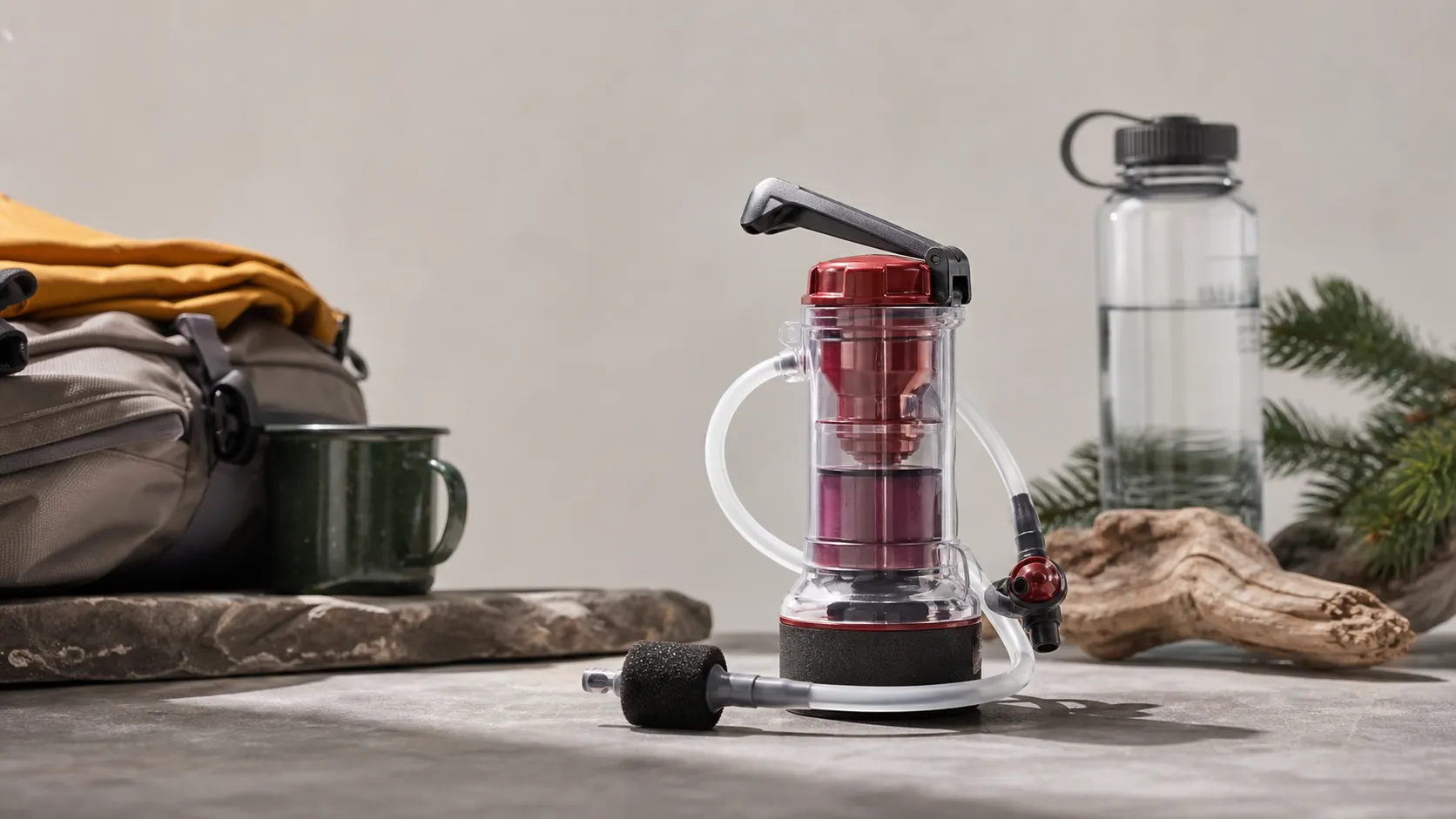
MSR Guardian Purifier Review (2026)
A top pick for groups and basecamps — the MSR Guardian Purifier delivers exceptional flow and durability but carries a high price and weight penalty.
 Outdoor & Garden
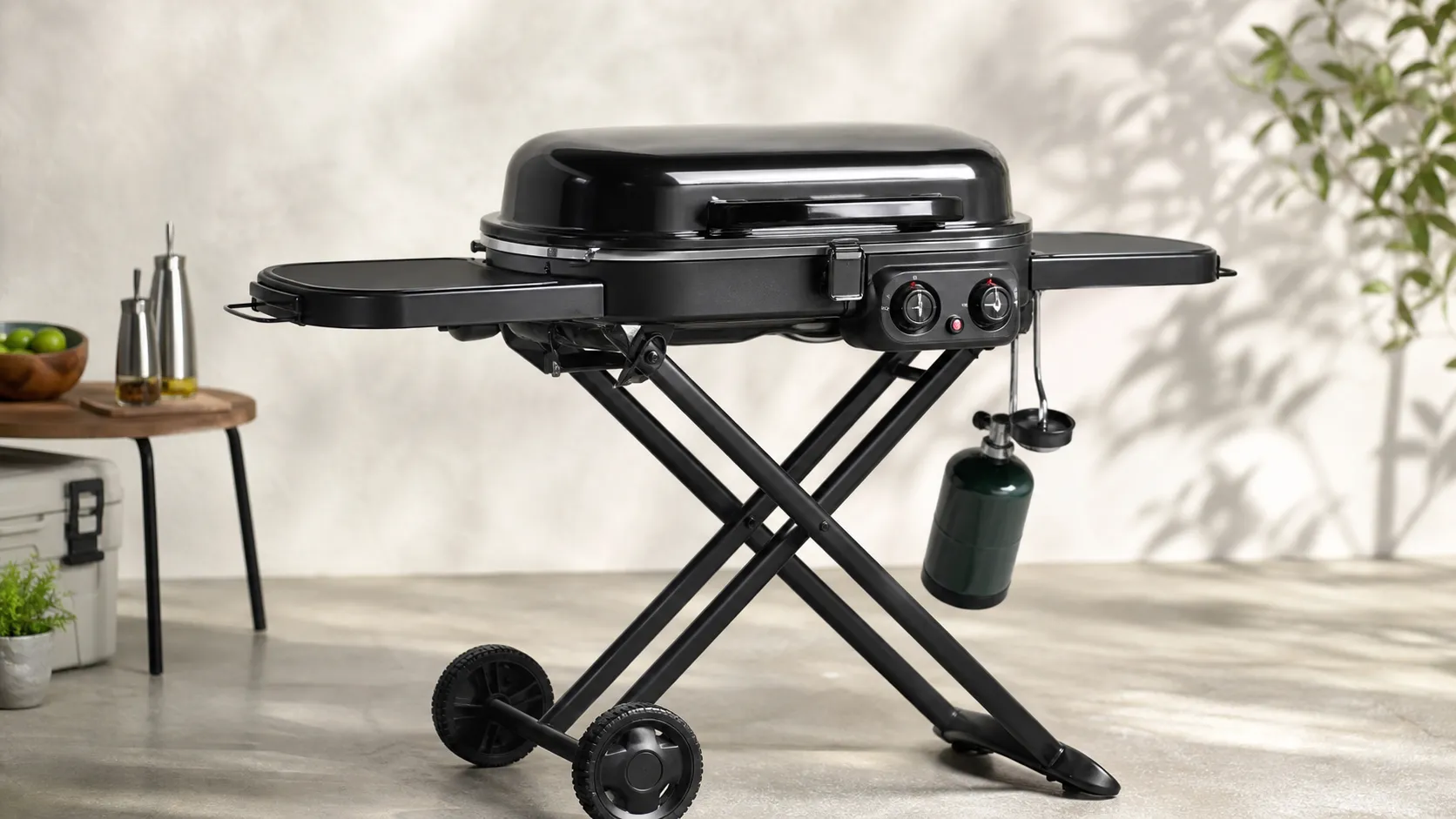
Coleman RoadTrip 285 Portable Propane Grill Review 2026
Portable, quick to heat, and great value — the Coleman RoadTrip 285 is ideal for tailgates and camping, but expect hotspots and some plastic parts to limit heavy use.
 Outdoor & Garden
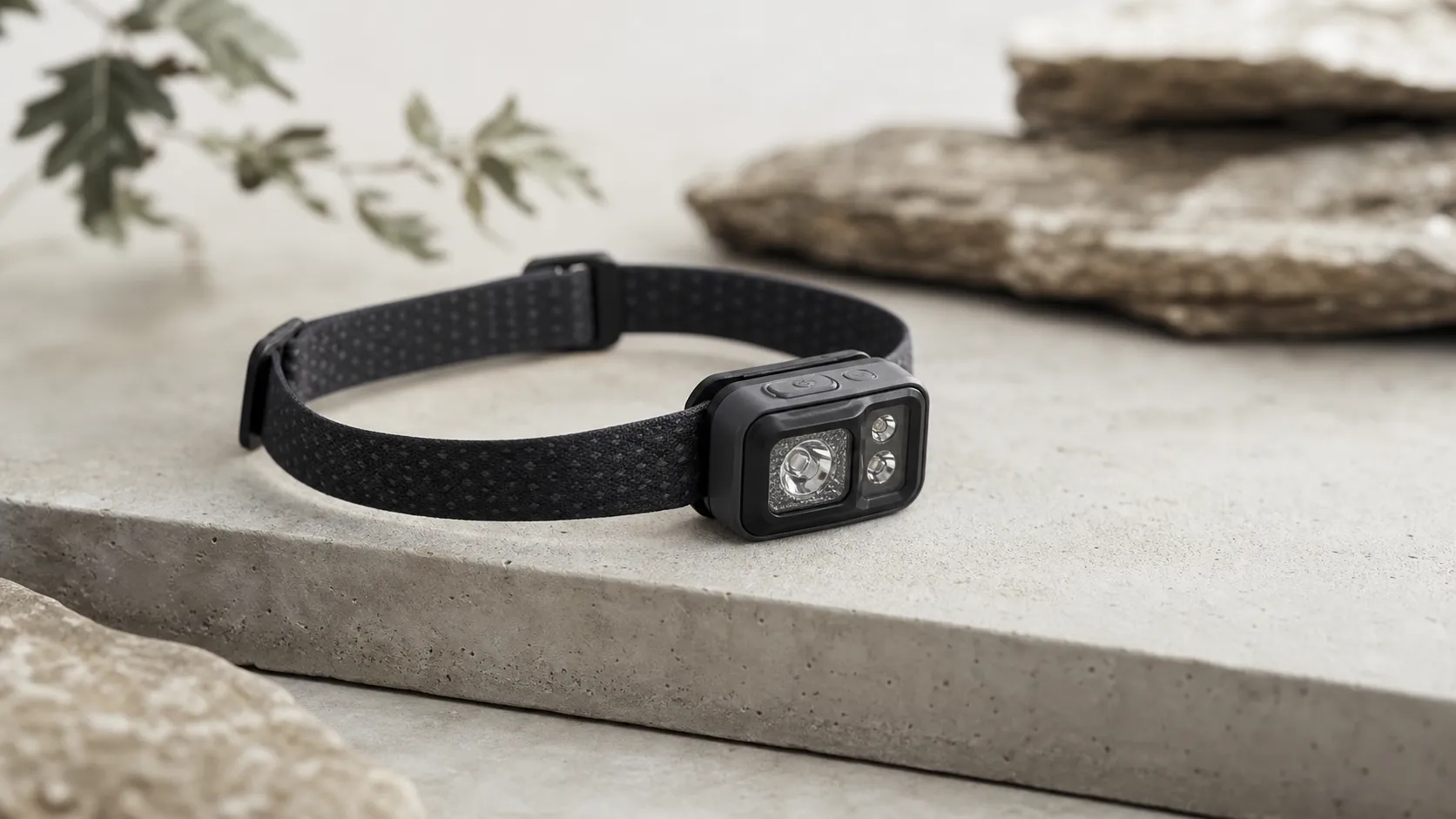
Black Diamond Spot 400‑R Headlamp Review 2026
A bright, well‑balanced rechargeable headlamp that excels for trail running and hiking. Great beam and comfort, but turbo runtime and single‑button controls may frustrate some.