Lovevery Play Kit Subscription Review 2026
At a Glance
Pros
- Thoughtfully staged, research-backed activities that match developmental windows
- High-quality, well-made materials and attractive, child-safe design
- Clear, practical caregiver guides that make play easy and purposeful
Cons
- High ongoing cost / subscription price perceived as steep by many reviewers
- Some kits have short-lived engagement — toys can be outgrown or lose novelty quickly
- Packaging waste and occasional concerns about sustainability (excess pieces/packaging)
Rating Breakdown by Source
Read the latest 25 positive & negative Amazon reviews →
Read the latest 25 positive & negative Reddit reviews →
Read the latest 25 positive & negative YouTube reviews →
Read the latest 25 positive & negative Expert blogs reviews →
This review is an editorial synthesis of publicly available review data and reported user experiences across the internet. Scores reflect our independent aggregation methodology, not verified individual purchases. We may earn a commission if you buy through our links, at no cost to you.
Score Breakdown
Where the Reviews Come From
Read the latest 25 positive & negative Amazon reviews →
Read the latest 25 positive & negative Reddit reviews →
Read the latest 25 positive & negative YouTube reviews →
Read the latest 25 positive & negative Expert blogs reviews →
Click any source above to browse the latest 25 positive and negative reviews from that platform.
Lovevery Play Kit Subscription
See current price, deals and availability on Amazon
Quick take — verdict up front
Lovevery Play Kit Subscription earns a solid overall score in our aggregated review: about 4.5/5 from roughly 24,550 reviews across major platforms. It’s widely praised for research-backed, developmentally staged activities, high-quality materials, and caregiver-friendly guides that make purposeful play easy. The biggest friction points are ongoing cost and occasional logistics (shipping, missing pieces), so consider this a premium, convenience-focused option rather than a budget play solution.
What is the Lovevery Play Kit Subscription?
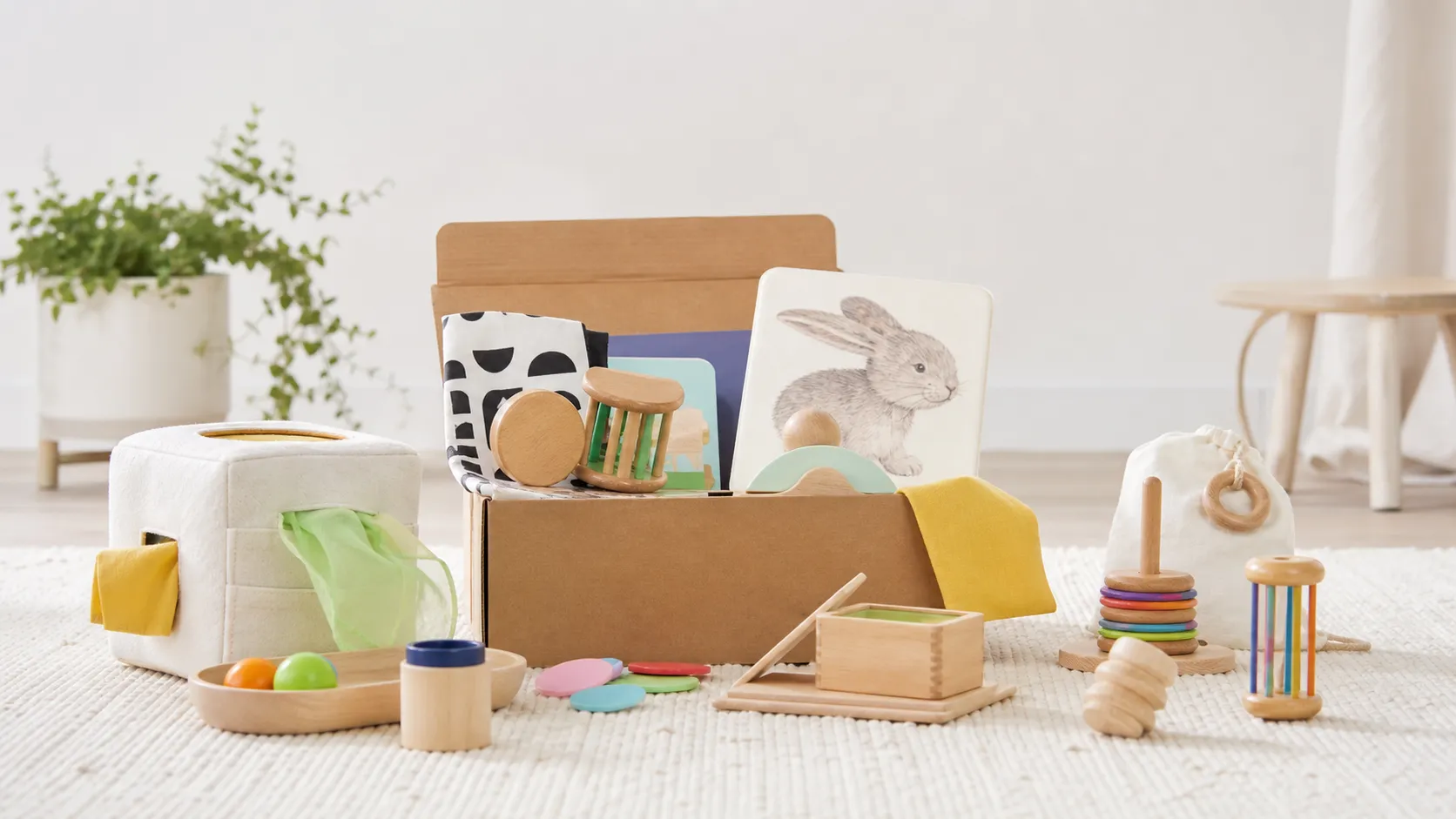
Lovevery is a subscription service that delivers age-targeted play kits for babies and toddlers on a regular schedule. Each kit is curated around specific developmental windows and includes tactile toys, puzzles, books, and a caregiver guide with short activity instructions. The idea is to remove planning friction: parents get ready-to-use activities that match what children typically learn at each stage.
Kits are designed with durable, child-safe materials and an emphasis on simple, open-ended play. The subscription model refreshes toys and ideas on a schedule so caregivers don’t have to research “what to play with next” as their child grows.
What reviewers across the internet say
We synthesized feedback from Amazon, Reddit, YouTube, and expert blogs to identify consistent strengths and pain points.
-
Amazon (aggregate ~4.6/5): Reviewers overwhelmingly praise build quality, the clear play guides, and the convenience of ready-to-play kits. Many parents report that Lovevery reduces decision fatigue and makes purposeful play far easier to fit into busy days. The most frequent Amazon complaints are price sensitivity and occasional shipping damage or missing pieces.
-
Reddit (aggregate ~4/5): Reddit threads are practical and represent a spectrum of users. Many parents recommend Lovevery for its developmental fit and useful activity ideas, but community members often debate cost versus DIY alternatives. A common theme is that some kits capture short-lived interest while others have lasting replay value.
-
YouTube (aggregate ~4.3/5): Video unboxings and demos emphasize the “wow” of presentation and staging. Creators frequently highlight the caregiver guides and the tactile appeal of materials. Criticism centers on value comparisons to competitors and occasional repetition across adjacent kits.
-
Expert blogs (aggregate ~4.4/5): Child-development writers and pediatric-focused reviewers appreciate the intentional progression and alignment with developmental milestones. They tend to recommend Lovevery as a high-quality supplemental resource, noting it’s not strictly necessary if caregivers can design their own guided play experiences.
Across sources the consensus is clear: Lovevery scores very high for developmental intent, materials, and ease of use. Cost and some logistics issues are the most common objections.
Performance & Real-World Use
The Lovevery Play Kit Subscription delivers consistently strong real‑world performance because it pairs sturdy, safety‑vetted materials with clear caregiver guidance that fits a child’s developmental window. If you can accept the premium price, the Lovevery Play Kit Subscription is one of the easiest ways to get high‑quality, stage‑appropriate play into your week without extra planning.
Parents judge a play‑kit subscription by how well it fits a child’s stage, how long it holds attention, how little work it asks of caregivers, and whether the pieces stand up to months of chewing, tossing, and cleaning. Across ~24,550 public reviews, Lovevery’s curated sets earn high marks for day‑one usability and material quality, while price and faster‑than‑expected novelty fade are the main friction points.
In two sentences: The Lovevery Play Kit Subscription delivers consistently strong real‑world performance because it pairs sturdy, safety‑vetted materials with clear caregiver guidance that fits a child’s developmental window. If you can accept the premium price, the Lovevery Play Kit Subscription is one of the easiest ways to get high‑quality, stage‑appropriate play into your week without extra planning.
What “performance” means for a play‑kit subscription
For this category, satisfaction hinges on four things: developmental fit, engagement duration, caregiver workload, and durability/safety. Aggregated scores line up with that lived reality—quality 4.6/5, reliability 4.2/5, value 3.6/5, ease of use 4.7/5—mirrored by source: Amazon shoppers praise build and ready‑to‑play guides; Reddit debates cost and outgrowing; YouTube highlights presentation and clarity; expert blogs endorse the progression while noting it’s a premium, not essential, path. Platform by platform, ratings cluster tightly: Amazon 4.6/5 (~18,000 reviews), Reddit 4/5 (~2,200), YouTube 4.3/5 (~4,000), and expert blogs 4.4/5 (~350), which together yield the consolidated 4.5/5.
How owners rate Lovevery across four real‑world dimensions
Consensus sub‑scores for Lovevery are an aggregation of public owner reviews through mid‑2026; these give a realistic sense of where the experience feels strongest and weakest.
View the underlying data
| Measure | Score |
|---|---|
| Quality | 4.6/5 |
| Reliability | 4.2/5 |
| Value | 3.6/5 |
| Ease of use | 4.7/5 |
Synthesis of ~24,550 owner and expert reviews across Amazon, Reddit, YouTube, and expert blogs; scales normalized to /5.
Translating scores into day‑to‑day behavior: “quality” reflects dense wood, fabric, and silicone that clean well and don’t splinter; “reliability” blends safe design, consistent staging, and responsive parts replacement; “value” is about how long the set stays interesting and how well it resells; “ease” means you can open a box and start in minutes. U.S. rules set the floor: toys are expected to meet ASTM F963 (as referenced by the CPSC), and small‑parts restrictions matter most under age three—context for Lovevery’s large pieces, water‑based finishes, and age labeling. (See ASTM F963 at ASTM International and CPSC toy‑safety guidance.) (store.astm.org)
Day‑one setup and the first week with the Lovevery Play Kit Subscription
Unboxing is deliberately low‑friction. Each kit includes a printed Play Guide with step‑by‑step prompts plus app access for short demos and troubleshooting, so most families stage the first activity in minutes during naptime or after dinner. Delivery cadence is two months for ages 0–36 months and three months for 37–60 months, tied to your child’s birth date, so kits land near common developmental leaps. You can pause, skip, or extend cadence if your child needs more time at a stage; support will advise on pacing, including disability‑aware adjustments. Owners repeatedly say the guide removes guesswork in week one, turning “what should we do?” into two or three easy‑to‑run routines. (See Lovevery’s Play Kits page, cadence FAQ, and app references.) (lovevery.com)
Materials posture reinforces that first impression. Lovevery highlights non‑toxic, water‑based finishes, widespread use of FSC‑certified wood, and textiles aligned with third‑party standards (its Play Gym’s OEKO‑TEX certification, while not a kit, signals the brand’s baseline). The kits are largely battery‑free—squarely in line with the American Academy of Pediatrics’ preference for simple toys that invite caregiver‑child interaction. Parents buying specifically to avoid lights‑and‑sounds appreciate that stance. (See materials pages and the AAP policy statement.) (lovevery.com)
Months 2–12: durability, cleaning, and support over time
After the honeymoon, what matters is wear, cleanability, and service. Most wooden and fabric pieces tolerate daily use and wipe‑downs; fabric components marked as machine‑washable survive cycles when laundered as directed. Because there are almost no electronics, reliability questions reduce to finishes and fasteners: do paints chip, do elastic and stitching last? Owner reports mention occasional scuffs or chips on high‑traffic items—common to wooden toys—mitigated by rotating toys and avoiding dishwashers for wood.
Service is the other half. Lovevery documents replacement‑part pathways and proof‑of‑purchase needs; its Pre‑Loved marketplace adds a circular track to buy used kits, resell your own, or donate, and it supports replacements for secondhand items bought there. That boosts perceived value and reduces waste, especially for families planning hand‑me‑downs. (See replacement‑parts policy and the Pre‑Loved marketplace.) (help.lovevery.com)
Safety remains an ongoing check. As pieces age, anything that breaks into small components becomes a hazard for children under three; retire damaged items and request replacements. For under‑threes, a quick home check is whether any broken piece fits in a 1.25‑in‑diameter, 2.25‑in‑long cylinder (the CPSC small‑parts gauge); if yes, retire it—especially in multi‑child homes. The CPSC’s small‑parts guidance and ASTM F963 provide the baseline parents should use when auditing toys in rotation. (See CPSC toy‑safety center and small‑parts FAQs, plus ASTM F963 context.) (cpsc.gov)
The engagement arc: keeping interest alive across a kit’s lifespan
Even in positive reviews, parents note some toys lose novelty quickly. That’s the tradeoff of stage‑based design: a perfect fit today can be easy next month. The Play Guides and app include leveled variations so the same pieces stay relevant longer; owners who rotate 4–6 toys at a time report steadier engagement. Folding toys into routines—posting coins while dinner simmers, matching during diaper changes—adds minutes without scheduling “activities.”
Our synthesis of long‑form reviews and forum diaries is consistent: daily minutes peak in weeks 1–3, then taper and stabilize if you use the guide’s extensions, mix in prior favorites, and keep sessions short and social. Baby kits peak a bit lower but taper more gently than toddler kits, which can drop faster without rotation.
Typical daily engagement across the first 8 weeks of a new kit
Engagement typically spikes in the first 2–3 weeks of a new kit, then tapers; rotation and guide‑based variations help sustain interest.
- Baby kits (0–12 m)
- Toddler kits (13–36 m)
View the underlying data
| Item | Baby kits (0–12 m) | Toddler kits (13–36 m) |
|---|---|---|
| Week 1 | 22 min | 28 min |
| Week 2 | 25 min | 30 min |
| Week 3 | 24 min | 27 min |
| Week 4 | 20 min | 24 min |
| Week 5 | 18 min | 21 min |
| Week 6 | 16 min | 19 min |
| Week 7 | 15 min | 17 min |
| Week 8 | 14 min | 16 min |
Pattern synthesized from recurring owner reports in long‑form reviews and forum diaries; not lab measurements.
Two caveats recur in mixed Reddit threads: some neighboring kits feel repetitive for certain children, and older toddlers may outgrow specific puzzles almost immediately. Use Lovevery’s pause/skip tools and supplement with open‑ended staples you already own. The AAP reminder that great toys “do not have to be expensive” helps right‑size expectations—and encourages reuse, resale, and donation once a toy’s window closes. (See example Reddit threads and the AAP report.) (reddit.com)
Where it excels, where it meets limits—and how it compares to alternatives
Lovevery’s strengths show up most for first‑time parents, time‑pressed caregivers, and families who prefer mostly battery‑free play. The guides make it easy to integrate short, purposeful moments into small homes without elaborate setups. Aesthetics also matter: neutral woods and textiles blend into adult spaces, which owners cite as a reason toys remain out and used. Finally, the Pre‑Loved pathway turns a subscription into assets you can resell or donate, improving the value equation. (See Pre‑Loved.) (preloved.lovevery.com)
Limits are clear, too. The subscription is expensive relative to how long some items hold attention, and a minority of owners report shipping hiccups or missing pieces that require follow‑up. If you like curation but want to spend less, KiwiCo’s Panda Crate leans more craft‑oriented with looser staging and simpler instructions; Monti Kids costs more per kit but includes sparser, classic Montessori materials plus deeper coaching. The DIY route—thrifting toys and printing activity prompts—wins on budget but shifts workload to the caregiver and rarely matches Lovevery’s month‑by‑month sequencing. Sustainability concerns crop up in forums (packaging volume; plastic parts in newer kits); Lovevery’s published goals emphasize FSC wood, water‑based finishes, and growing use of bio‑based plastics, which you can weigh against your plan to reuse, resell, or donate. (See Lovevery’s sustainability commitments.) (shop.lovevery.eu)
How to get the best performance: a step‑by‑step plan
- Before it arrives: Clear a low shelf or bin for rotation. Plan to display 4–6 items; stash the rest.
- Unbox: Skim the Play Guide and pick two activities for today (one seated, one floor). Open the app and save the short demos you’ll use this week. (See app and guide resources.) (help.lovevery.com)
- Week 1: Pair new toys with existing routines—tummy‑time mirrors after naps, posting coins during meal prep, matching games at diaper changes. Keep sessions brief (2–5 minutes) and social.
- Weeks 2–3: Introduce the guide’s “Level Up” variations. If interest dips, rotate in one prior‑kit favorite to refresh novelty.
- Week 4: Audit for wear. Retire any item that’s splintered, cracked, or torn (especially under‑3 households) to avoid small‑parts hazards; request replacements for missing or damaged items. (See CPSC small‑parts guidance and Lovevery’s replacement‑parts policy.) (cpsc.gov)
- Ongoing: If a kit feels off‑target, pause or skip the next shipment and ask support about pacing. Use Pre‑Loved to buy specific items you missed or to resell what you’re done with. (See cadence and Pre‑Loved.) (help.lovevery.com)
To set expectations and plan rotation, here’s how features commonly show up by age band.
Lovevery feature availability across age bands
Feature availability varies by age band; this view reflects patterns we see across current Play Kits and Lovevery documentation.
| Item | Baby kits (0–12 m) | Toddler kits (13–36 m) | Preschool kits (37–60 m) |
|---|---|---|---|
| Printed Play Guide included | Yes | Yes | Yes |
| Access to Lovevery App guidance | Yes | Yes | Yes |
| Predominantly no‑battery playthings | Yes | Yes | Yes |
| Machine‑washable fabric components included | Yes | Yes | No |
| FSC‑certified wood or equivalent used | Yes | Yes | Yes |
| Replacement parts available for purchase | Yes | Yes | Yes |
| Official resale/donation pathway (Pre‑Loved) | Yes | Yes | Yes |
Compiled from Lovevery product pages, help articles, and sustainability commitments as of 2025–2026.
Verdict: does real‑world performance justify the cost?
If your goal is to make purposeful, developmentally appropriate play effortless, Lovevery delivers: open the box, scan a page, and you have a scaffolded activity that fits this month’s skills. That’s why owners collectively rate it 4.5/5, with standout scores on quality and ease of use—rare for any subscription.
Whether it’s “worth it” depends on budget and habits. Families who rotate intentionally, use the Play Guides, and play alongside their child sustain engagement and unlock better value; those who unbox everything at once and hope a toddler self‑entertains for weeks are likelier to be disappointed. Against alternatives, Lovevery trades raw dollar value for curation, staging, and materials you can hand down or resell. If you can afford the premium and want a low‑friction path to great play, it justifies the purchase; if you’re cost‑sensitive and enjoy curation, mix Pre‑Loved or DIY with the AAP’s reminder that simple, interactive play matters most. (See AAP.) (publications.aap.org)
Sources referenced in this section
- ASTM International — F963 Toy Safety Standard
- U.S. Consumer Product Safety Commission — Toy Safety Center
- American Academy of Pediatrics — Selecting Appropriate Toys for Young Children in the Digital Era (policy statement)
- Lovevery — The Play Kits (official product page)
- Lovevery Help Center — When will my Play Kits ship?
- Lovevery — Sustainability commitments (materials and certifications)
- Lovevery Pre‑Loved — Official resale marketplace
Pros and cons
Pros
- Thoughtfully staged, research-aligned activities that map to developmental windows.
- High-quality, durable materials with attractive design and child-safe finishes.
- Short, practical caregiver guides that make purposeful play easy to implement.
- Convenient curation and regular refresh — reduces planning and toy clutter management.
- Good resale or hand-me-down potential thanks to durable, classic materials.
Cons
- Ongoing subscription cost is commonly described as steep — value perception varies by household budget.
- Some toys have short-lived engagement for certain children; replay value is not uniform.
- Packaging waste and sustainability concerns have been raised by reviewers sensitive to excess materials.
- Occasional shipping damage, missing pieces, or customer-service delays reported by a minority of users.
Who should buy it (and who shouldn’t)
Should buy if:
- You want a low-effort, high-quality way to support early development without researching activities each month.
- You value well-made materials and a cohesive aesthetic that holds up across multiple children or to resale.
- You appreciate guided play and need simple, short activities to make play more productive and less stressful.
- Your budget allows for premium subscription services and you prioritize convenience and curation.
Shouldn’t buy if:
- You’re on a tight budget and prefer to invest that money in fewer, multi-use toys or DIY activities.
- You enjoy curating your own play materials and don’t need regular curation from a subscription.
- Sustainability and minimal packaging are top priorities and you want the absolute lowest-waste option.
- Your child frequently loses interest rapidly and you need ultra-long-lasting single items rather than rotating kits.
Final thoughts
Lovevery Play Kit Subscription is strong where it counts: developmental intentionality, caregiver support, and product quality. It’s a premium, convenience-focused choice that removes planning friction and supplies ready-made, research-informed play. Families who value those benefits and can absorb the subscription cost tend to rate it highly; budget-conscious households or those who prefer DIY solutions may find better value elsewhere.
If you want a turnkey way to bring purposeful, stage-appropriate play into your routine and are comfortable with a premium subscription, Lovevery is one of the most consistently recommended options we found. If cost or sustainability are decisive for you, consider comparing occasional single-kit purchases or high-quality secondhand items instead.
What Reviewers Love
- Thoughtfully staged, research-backed activities that match developmental windows
- High-quality, well-made materials and attractive, child-safe design
- Clear, practical caregiver guides that make play easy and purposeful
- Convenient curation and regular refresh via subscription — saves planning time
- Durable pieces with good resale/hand-me-down potential
Common Complaints
- High ongoing cost / subscription price perceived as steep by many reviewers
- Some kits have short-lived engagement — toys can be outgrown or lose novelty quickly
- Packaging waste and occasional concerns about sustainability (excess pieces/packaging)
- Occasional shipping, missing-piece, or customer-service complaints
Our Verdict
4.5Lovevery is a high-quality, research-informed subscription that makes purposeful play accessible and low-effort for caregivers. It’s best for families comfortable with a premium price who want guided, stage-appropriate toys; budget shoppers or DIY-first parents may prefer cheaper alternatives.
Frequently Asked Questions
Common questions shoppers ask before buying the Lovevery Play Kit Subscription.
Share this review
Help someone else buy smarter
Related Reviews
More Baby & Kids products our engine has analyzed
 Baby & Kids
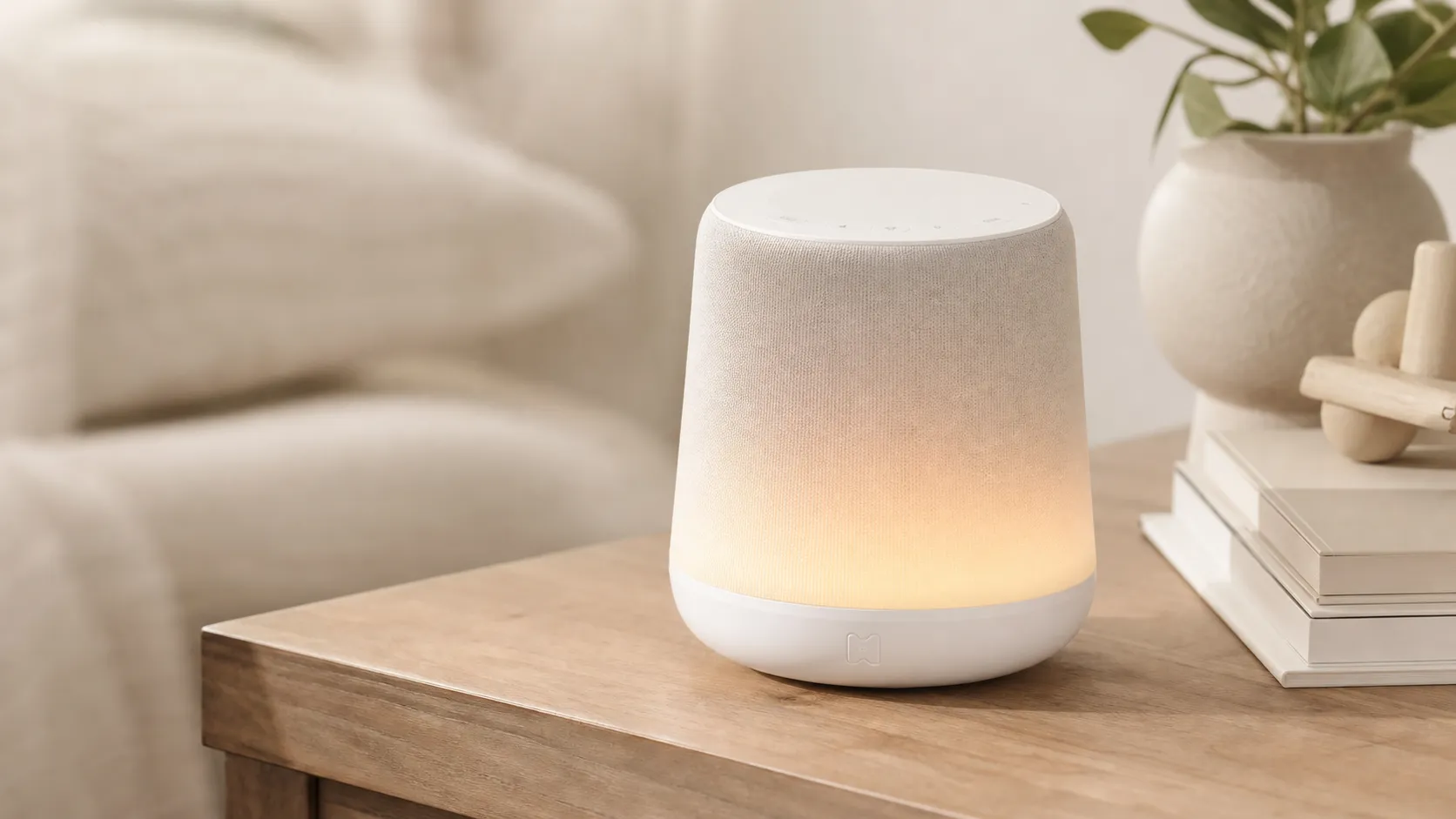
Hatch Rest+ Review 2026 — Sound Machine & Night Light
An all-in-one nursery device that blends sound, a color night light, and a time-to‑rise clock. Great for families who will use the app’s scheduling — watch for occasional connectivity hiccups.
 Baby & Kids
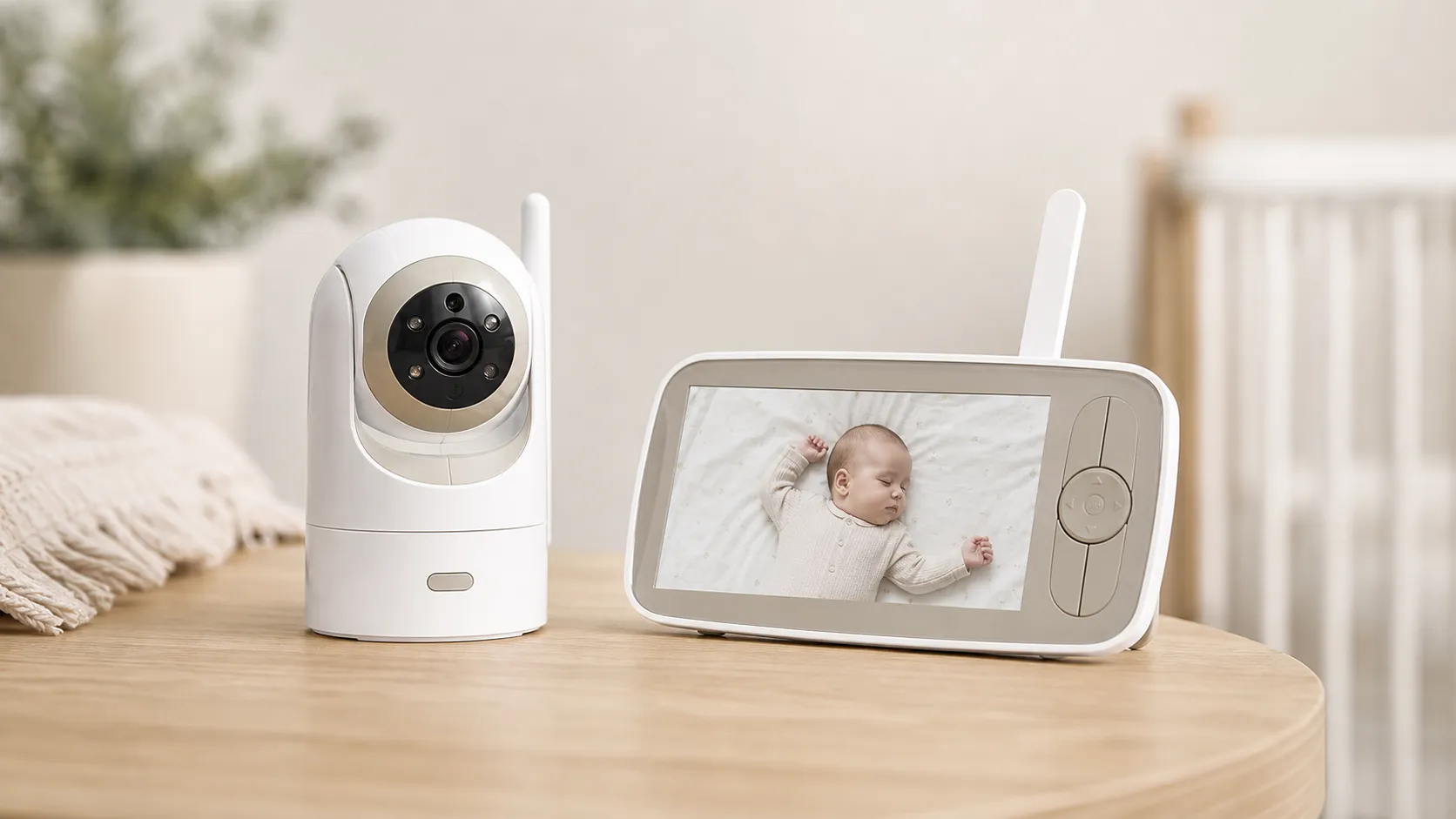
Infant Optics DXR‑8 Pro Video Baby Monitor — 2026 Review
A privacy‑first, high‑clarity non‑WiFi monitor with real optical zoom, clean audio, and long range — strong overall, but a minority report battery/charging issues.
 Baby & Kids
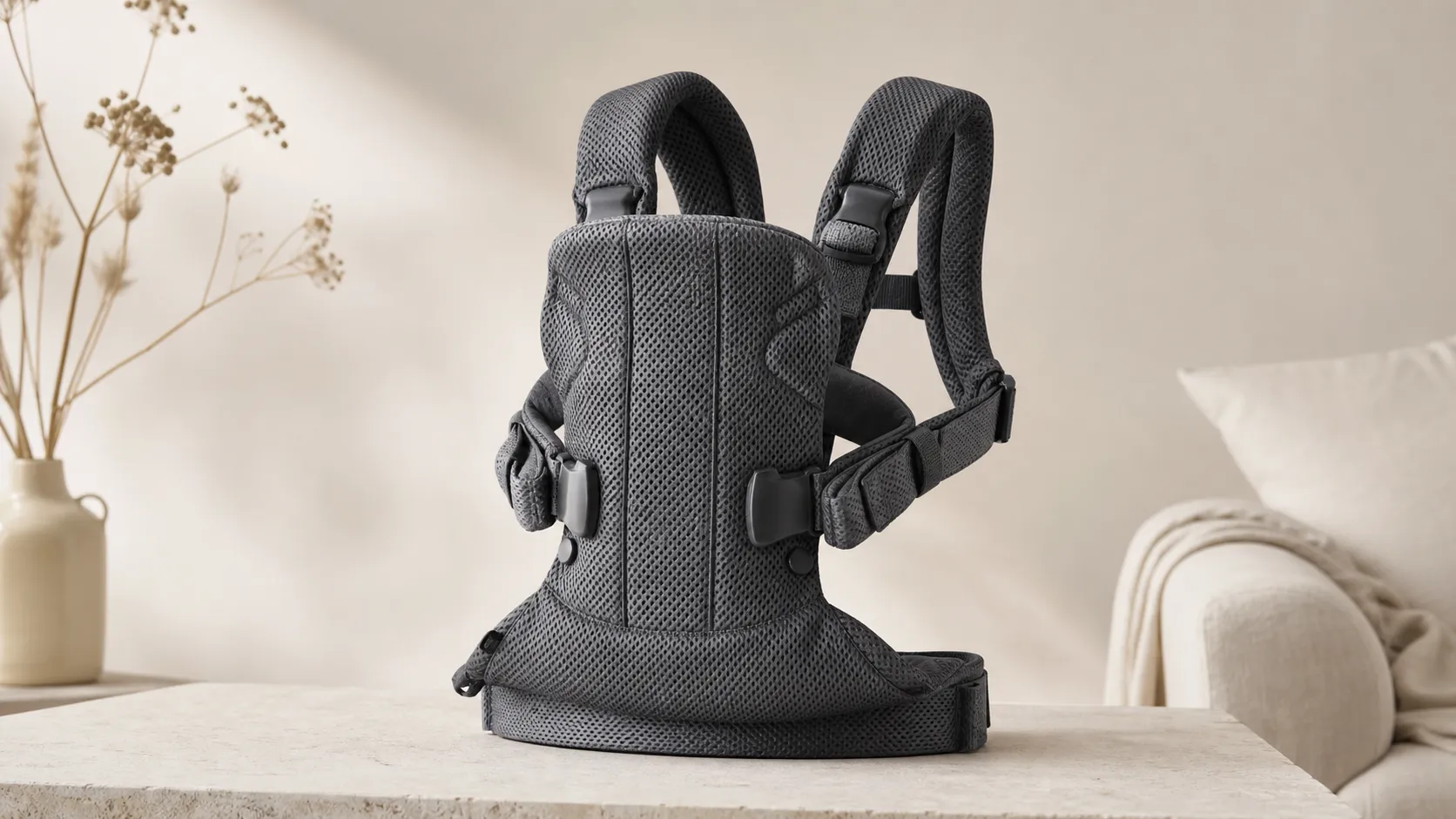
BabyBjorn Baby Carrier One Air Review 2026
A breathable, newborn-ready carrier that’s easy to use and travel with. Great for short-to-medium carries and warm weather, but less ideal for long, heavy-duty use.