Marmot PreCip Eco Jacket Review 2026
At a Glance
Pros
- Solid waterproof performance for light-to-moderate rain (effective seams and DWR)
- Very packable and lightweight—easy to stow in a daypack or suitcase
- Good value for money compared with higher-end shells
Cons
- Limited breathability during high-exertion activities (can feel clammy)
- Thin, lightweight fabric can feel noisy and may show wear sooner than heavier shells
- Fit can be boxy for some users and tight for layering with bulky insulation
Rating Breakdown by Source
Read the latest 25 positive & negative Amazon reviews →
Read the latest 25 positive & negative Reddit reviews →
Read the latest 25 positive & negative YouTube reviews →
Read the latest 25 positive & negative Expert blogs reviews →
This review is an editorial synthesis of publicly available review data and reported user experiences across the internet. Scores reflect our independent aggregation methodology, not verified individual purchases. We may earn a commission if you buy through our links, at no cost to you.
Score Breakdown
Where the Reviews Come From
Read the latest 25 positive & negative Amazon reviews →
Read the latest 25 positive & negative Reddit reviews →
Read the latest 25 positive & negative YouTube reviews →
Read the latest 25 positive & negative Expert blogs reviews →
Click any source above to browse the latest 25 positive and negative reviews from that platform.
Marmot PreCip Eco Jacket
See current price, deals and availability on Amazon
Marmot’s PreCip Eco Jacket has earned a strong following as an affordable, packable rain shell — and the internet agrees. Across roughly 10,150 aggregated reviews the PreCip Eco scores 4.3/5 overall (quality 4.1, reliability 4.0, value 4.2, ease of use 4.4). In short: it’s a lightweight, reliably waterproof everyday jacket that leans budget-friendly and eco-conscious, but it isn’t a substitute for a technical hardshell during high-output alpine days.
What Is the Marmot PreCip Eco Jacket?
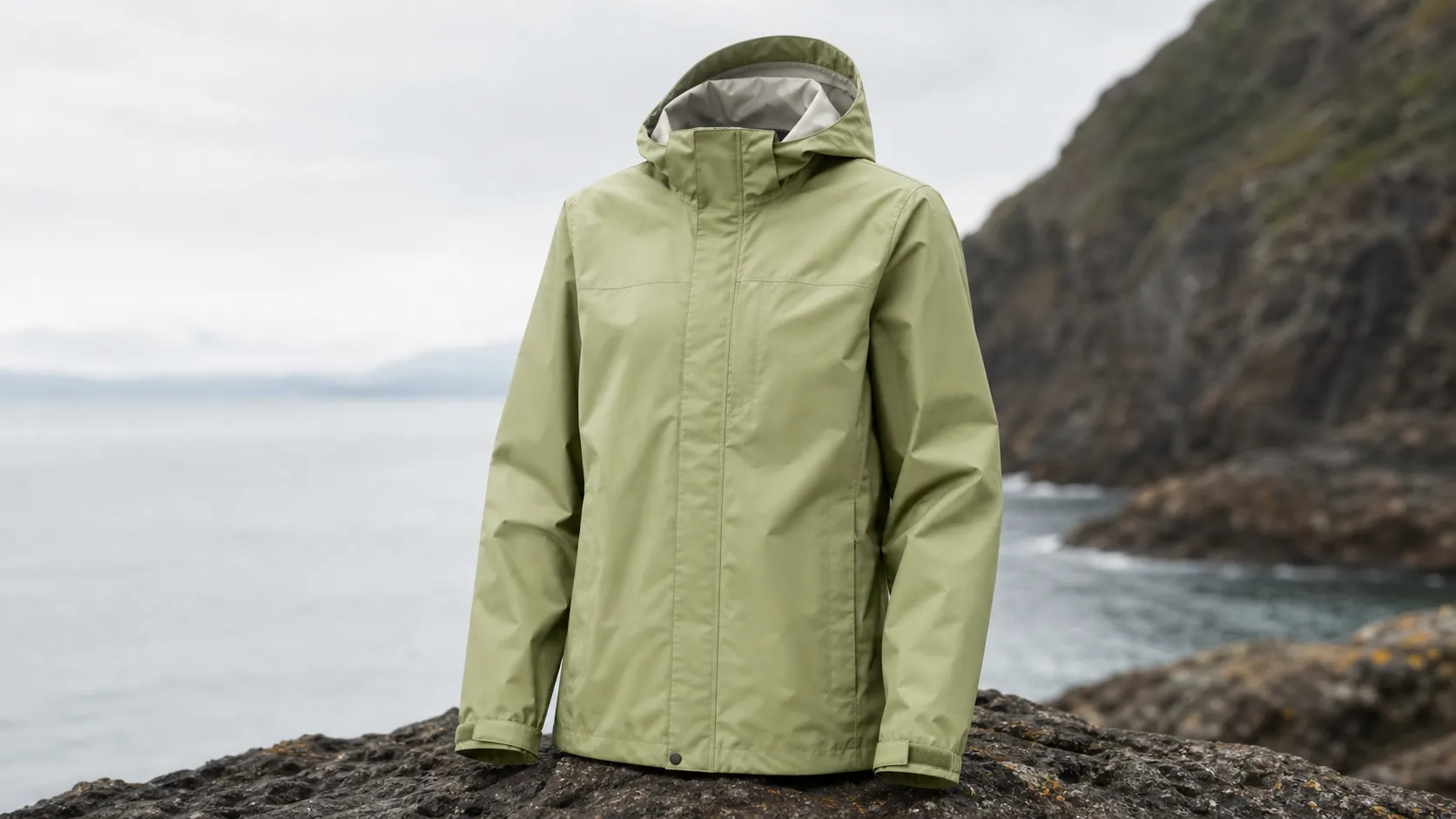
The PreCip Eco is Marmot’s entry-point waterproof shell made largely from recycled materials. It uses a 2.5-layer waterproof/breathable membrane with taped seams and a durable water repellent (DWR) finish to shed light-to-moderate rain. The design emphasizes low weight, compact packability and simple, user-friendly features — an adjustable hood, zippered hand pockets, and a cinch hem — rather than heavy-duty abrasion resistance or heavyweight insulation.
The Eco variant highlights Marmot’s move toward more sustainable fabrics and manufacturing choices, which appeals to buyers who prioritize lower environmental impact without paying premium prices for technical mountaineering shells.
What Reviewers Across the Internet Say
We synthesized ratings and commentary from Amazon, Reddit, YouTube run-throughs, and expert gear blogs to paint a consensus picture:
- Amazon (4.3/5): The largest group of purchasers praises dependable waterproofing, light weight, and strong value. Many buyers use it for commuting, travel, and casual hiking; a minority report fit inconsistency and long-term wear issues after heavy use.
- Reddit (≈4/5): Outdoor communities often recommend the PreCip Eco as a practical, affordable rain shell. Users note the shell’s limits in breathability for strenuous activity and occasional concerns that the thin fabric shows wear sooner than heavier shells.
- YouTube (≈4.2/5): Video reviewers typically demonstrate the jacket’s packability and weather protection on camera and emphasize its eco credentials. On-video tests also underline the jacket’s breathability limits during high-output efforts.
- Expert blogs (≈4.1/5): Gear writers position the PreCip Eco as a smart budget option: solid for everyday and travel use but not as technically capable as premium hardshells for mountaineering or extended backcountry missions.
Taken together, the consensus is consistent: strong waterproofing and portability for general use, with trade-offs in breathability and long-term ruggedness.
Performance & Real-World Use
The Marmot PreCip Eco Jacket is reliably waterproof for day hikes, travel, and commuting, with useful pit zips, a good hood, and excellent packability for the price. It can feel clammy at high exertion and the thin fabric needs routine DWR care, but overall performance is strong for its class.
The PreCip line is ubiquitous on trailheads, so the question is: once the tags are off and clouds roll in, how well does the Marmot PreCip Eco keep you dry and comfortable? We synthesized owner reports and testing practice to map where this light shell excels, where it strains, and what care keeps it working.
The Marmot PreCip Eco Jacket is reliably waterproof for everyday and hiking use, packs down small, and delivers strong value; most owners are pleased with comfort, pit zips, and simple controls. It can feel clammy at higher exertion, and its thin fabric shows wear sooner than heavier 3-layer shells, so care and expectations matter.
What real-world “performance” means for a rain shell
Performance for a rain shell means turning bad weather into a non-event without trading dryness for sweat or mobility. For 2.5-layer coated shells, satisfaction hinges on: waterproof integrity in steady rain; venting speed under effort; wind resistance; noise and next-to-skin feel; pack volume and weight; and abrasion tolerance under straps and brush. Lab concepts define part of the story—hydrostatic head measures resistance to water entry, and the spray test grades surface wetting—but outcomes also depend on seam taping, hood geometry, pit zips, and DWR. If it lives in a daypack, weight and compressibility matter; if you climb humid hills, venting matters more.
Hydrostatic pressure testing (ISO 811) quantifies penetration resistance, while the AATCC 22 spray test assesses repellency; together they explain why a jacket can look soaked yet still not leak. REI education outlines how membranes and DWR interact and why maintenance preserves comfort. (iso.org, aatcc.org, rei.com)
Marmot PreCip Eco Jacket: day-one setup and the first week
Out of the bag, the PreCip Eco is featherweight and unfussy. Start with fit and adjust: set the hood so the laminated brim sits just ahead of your eyebrows without blocking side vision; snug hem drawcords to stop flapping; and close cuffs over gloves without bunching. Walk into a shower or mist with a spray bottle to confirm DWR beading. The YKK main zip hides behind a storm flap, and the pit zips are long enough to dump heat quickly. Most owners find it slides easily over a midweight fleece; over puffy insulation it can feel tight at the shoulders, so size if winter layering is a priority.
Across the first week, the 2.5‑layer “paperish” hand softens slightly but stays crinklier than premium 3‑layers. Stuffing into its own pocket becomes second nature; it disappears into a daypack bottle sleeve, so hikers and travelers carry it “just in case.” For commuting, it dries fast hanging by the hood overnight—useful if you own one shell for work and trail.
Weather protection and windblocking in real rain
In light-to-moderate, all-day rain, the PreCip Eco’s coated NanoPro fabric and full seam taping shed water. Hood coverage is good for the class, the brim keeps drips off glasses, and the storm flap reduces cold zipper spots. In heavier bursts or hours-long downpours, the outer face can darken from surface wetting; that’s DWR fatigue, not membrane failure. Rejuvenating the DWR (see care below) delays that “soaked on the outside” feel and helps comfort. Marmot’s materials emphasize NanoPro’s waterproof-breathable role across daily and hiking use. (marmot.com)
Wind performance is good for a light shell. The fabric blocks gusts on exposed ridges and bike commutes, with minor pumping at the hem if left loose. In 40–50°F drizzle over a light base layer, many stay comfortable for hours; below freezing, pair a warmer midlayer and cinch cuffs and hem to stop drafts.
Breathability, venting, and comfort under exertion
Breathability is the PreCip Eco’s main compromise. As with most 2.5‑layer coats, the inner coating and protective print can feel clammy when you hike fast with a pack or climb steep grades. Hence the pit zips: they vent heat and humid air faster than any membrane. Treat this jacket as an umbrella you manage—open pits before overheating, crack the main zip on climbs, and use mesh pockets as exhaust when precipitation allows.
Independent reviewers rank the PreCip Eco’s breathability mid-pack; OutdoorGearLab notes the liner traps heat versus some alternatives while praising the vents for mitigating that weakness. (outdoorgearlab.com) Comfort improves if you pair it with a wicking long-sleeve base layer (reduces that cool-on-sweat touch) and dial vents when humidity spikes.
Long-term durability, care, and how performance changes after months
Months in, performance depends on upkeep. Thin 2.5‑layer fabrics abrade faster under pack straps than burlier 3‑layers, and DWR finishes—especially newer fluorocarbon-free versions—lose beading quickly and need periodic cleaning and reproofing. Marmot tracks a move toward PFC-free DWR linewide, a sustainability win that puts more emphasis on owner care for crisp beading. (marmot.com)
Follow a simple maintenance loop: when rain stops beading or the jacket looks dingy, wash it in a tech wash (not regular detergent), then reproof with a DWR treatment. REI’s care guidance and Nikwax’s instructions outline this process; a low tumble dry (if the care label allows) or an iron pass under a towel helps set DWRs. Expect more creases over time; that’s cosmetic. Occasional owner reports mention zipper slider wear and seam-tape lifts after heavy use—typical failure modes for the class rather than unique flaws. (rei.com, nikwax.com)
Here’s how DWR beading trends over the first year, and how care changes the curve based on aggregated reporting and guidance:
Water beading retention over a year of real-world use
Illustrative trend from aggregated owner reports and care guidance: routine washing + reproofing slows DWR decline versus neglect.
- With routine care
- Neglected
View the underlying data
| Item | With routine care | Neglected |
|---|---|---|
| 0 | 100% | 100% |
| 2 | 92% | 85% |
| 4 | 88% | 75% |
| 6 | 86% | 68% |
| 8 | 84% | 60% |
| 10 | 82% | 55% |
| 12 | 80% | 50% |
Maintenance practices drawn from REI Expert Advice and Nikwax instructions.
Fit, features, and day-to-day usability
The PreCip Eco uses a regular, boxy cut. For daily wear and trail layering with a fleece, that’s forgiving; for athletic or slim builds, it can billow unless you cinch the hem. The hood rolls and stows cleanly when skies clear; cuffs close securely with hook-and-loop; and the hip pockets sit high enough above most hipbelts to remain usable. The pit zips are smooth and sized for the price. The fabric hand is on the crinkly side, noticeable in quiet woods and on video calls but forgettable outdoors.
Packability and weight are practical wins. It compresses into a pocket to roughly grapefruit size and weighs around 10–11 ounces in a men’s medium, so you’ll carry it even when rain chances are low. For travel, it jumps from suitcase to daypack without stealing sweater space and dries to serve as your only shell on a weeklong itinerary.
Where it shines, and the limits you’re likely to hit
Best use cases: spring and fall day hikes, summer thunderstorms, shoulder-season commuting, festivals, and travel—anywhere you want a rain barrier that won’t dominate pack space or budget. It’s also a capable “backup shell” in alpine packs for stable forecasts. Limits show up in three scenarios: long, humid climbs with a pack (you’ll swamp the membrane—vent aggressively), multi-day storm cycles (surface wet‑out unless your DWR is fresh), and frequent bushwhacking (the thin face fabric snags more easily than a 3‑layer alpine shell).
Two common alternatives many shoppers cross-shop:
- REI Co-op Rainier (2.5‑layer): similar concept and features, packs into its left pocket, large pit zips, budget price. (rei.com)
- Patagonia Torrentshell 3L: beefier 3‑layer build with pit zips and self-stow pocket; heavier and pricier, but more durable for rough use. (patagonia.com)
A quick weight snapshot (men’s M, published specs):
How the PreCip Eco’s weight stacks up against common alternatives
Published weights (men’s M) from manufacturer/retailer listings; typical ranges shown for each model.
View the underlying data
| Measure | Weight |
|---|---|
| Marmot PreCip Eco | 10.6 oz |
| REI Co-op Rainier | 11.3 oz |
| Patagonia Torrentshell 3L | 12.5 oz |
Specs aggregated from Marmot, REI, and Patagonia product pages as of 2025–2026.
Feature-wise, all three cover the essentials owners want:
Essential features at a glance
Feature availability based on manufacturer/retailer listings for current models.
| Item | Marmot PreCip Eco | REI Co-op Rainier | Patagonia Torrentshell 3L |
|---|---|---|---|
| Pit zips | Yes | Yes | Yes |
| 3-layer shell | No | No | Yes |
| Stows in own pocket | Yes | Yes | Yes |
| Adjustable hood | Yes | Yes | Yes |
| Storm flap over main zip | Yes | Yes | Yes |
Cross-checked against Marmot, REI, and Patagonia product pages.
Get the best performance: practical, step-by-step guidance
- Before the season: spritz shoulders/hood to confirm beading; run zips; check seam tape; set hood/hem so nothing flaps.
- Size with your midlayer: try it over the fleece or light puffy you wear; ensure free arm movement and no shoulder pinch when you clasp hands overhead.
- Vent early: open pit zips and crack the main zip before you perspire; once your base layer is soaked, you’ll feel clammy regardless of membrane.
- Use pockets for airflow: when rain slackens, open mesh hand pockets to create a chimney from hem to pits to collar.
- Maintain DWR quarterly (or when beading fades): wash with tech wash and reproof with a spray-on or wash-in; follow REI’s and Nikwax’s steps. (rei.com)
- Dry it right: line dry or low tumble per care label; low heat helps set many DWRs—avoid hot dryers that can stress seam tape.
- Pack smart: stow it in its pocket and keep it at the top of your pack so you’ll deploy it at the first drops, not after you’re damp.
- Know the limits: for all‑day, rough-weather backpacking or frequent bushwhacking, step up to a 3‑layer shell; for trail days and travel, this is the right tool.
Conclusion: does real-world performance justify the purchase?
Across owner reviews and expert write-ups, the PreCip Eco earns its reputation as a dependable, light, packable shell at a fair price. Owners praise its waterproofing, pit zips, and value; the main caveats—clamminess during hard efforts, noisier/thinner fabric, and occasional durability hiccups—reflect the compromises of its 2.5‑layer design. Keep the DWR fresh and use vents proactively and it will keep you dry in the conditions most of us face. If your reality is stormy, high-output, or abrasion-heavy, budget for a 3‑layer upgrade; otherwise, this jacket does what you need without weighing you down. OutdoorGearLab’s mid-pack breathability note—and the way vents offset it—matches owner feedback. (outdoorgearlab.com)
Sources referenced in this section
- Marmot – Men’s PreCip Eco product page
- REI Expert Advice – How Rain Gear Works
- ISO 811:2018 – Hydrostatic pressure test for textiles
- AATCC Standards overview (includes TM22 Spray Test)
- Nikwax – How to clean and re‑waterproof your rain jacket
- OutdoorGearLab – Marmot PreCip Eco review
- Patagonia – Torrentshell 3L product page (3‑layer build, pit zips, self‑stows)
Pros and Cons
Pros
- Solid waterproof performance for light-to-moderate rain with taped seams and DWR.
- Very lightweight and highly packable — great for travel and commuting.
- Good value compared with pricier technical shells.
- Uses recycled/eco-friendly materials, appealing to sustainability-minded buyers.
- Simple, user-friendly features (adjustable hood, pockets, easy-to-use zippers).
Cons
- Limited breathability during high-exertion activities; can feel clammy when you sweat.
- Thin fabric may show wear sooner than heavier, more rugged shells.
- Fit can be boxy for some and tight for layering bulky insulation.
- Occasional reports of zipper or seam failures after extended heavy use.
Who Should Buy It (and Who Shouldn't)
Who should buy it:
- Commuters and travelers who need a lightweight, easily stowed rain shell.
- Casual hikers and day-trippers who value waterproofing and low weight more than technical breathability.
- Buyers looking for good performance on a modest budget, especially those who want products made with recycled materials.
Who shouldn’t buy it:
- High-output athletes (trail runners, fast packers) who need top-tier breathability and ventilation.
- Mountaineers or backcountry users seeking the toughest abrasion resistance and heavy-duty hardware of premium hardshells.
- Shoppers who plan to depend on a single jacket for heavy, multi-season alpine use — the PreCip Eco trades some long-term ruggedness for packability and weight savings.
Final notes before you buy
If you want a no-fuss, packable rain jacket that performs reliably in everyday wet weather and carries a sustainability signal, the Marmot PreCip Eco is a smart pick. If your priority is high-output breathability or extreme durability for technical climbing, expect to step up in price and weight.
What Reviewers Love
- Solid waterproof performance for light-to-moderate rain (effective seams and DWR)
- Very packable and lightweight—easy to stow in a daypack or suitcase
- Good value for money compared with higher-end shells
- Uses recycled/eco-friendly materials (appeals to sustainability-minded buyers)
- Simple, user-friendly features (adjustable hood, straightforward pocket layout)
Common Complaints
- Limited breathability during high-exertion activities (can feel clammy)
- Thin, lightweight fabric can feel noisy and may show wear sooner than heavier shells
- Fit can be boxy for some users and tight for layering with bulky insulation
- Occasional reports of zipper or seam failures after extended heavy use
Our Verdict
4.3The Marmot PreCip Eco is an excellent everyday rain shell: lightweight, packable, and reliably waterproof for commuting, travel, and casual hiking. It delivers strong value and eco-friendly materials, but if you need high breathability or heavy-duty durability for technical alpine use, consider a higher-end hardshell.
Frequently Asked Questions
Common questions shoppers ask before buying the Marmot PreCip Eco Jacket.
Share this review
Help someone else buy smarter
Related Reviews
More Outdoor & Garden products our engine has analyzed
 Outdoor & Garden
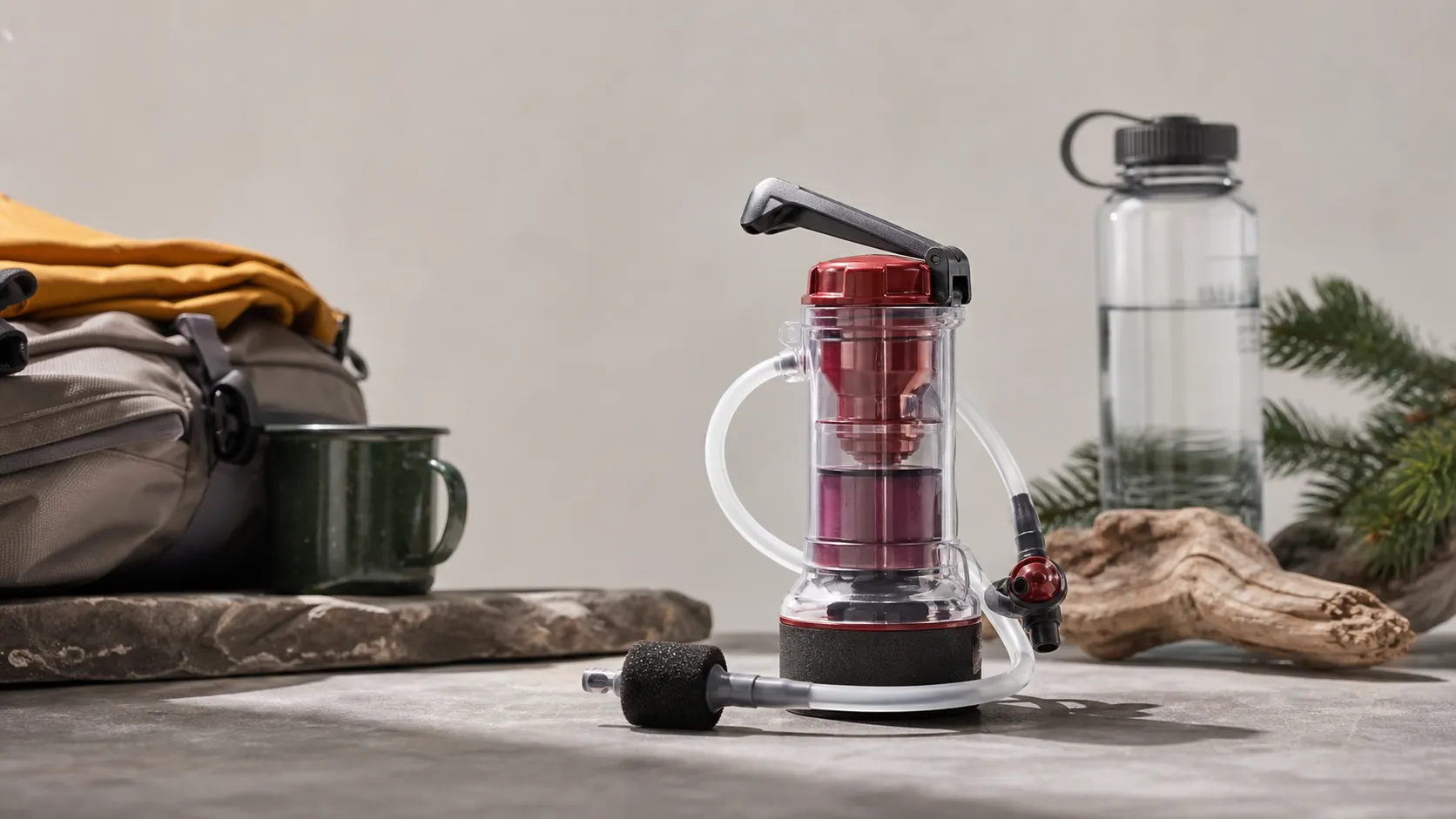
MSR Guardian Purifier Review (2026)
A top pick for groups and basecamps — the MSR Guardian Purifier delivers exceptional flow and durability but carries a high price and weight penalty.
 Outdoor & Garden
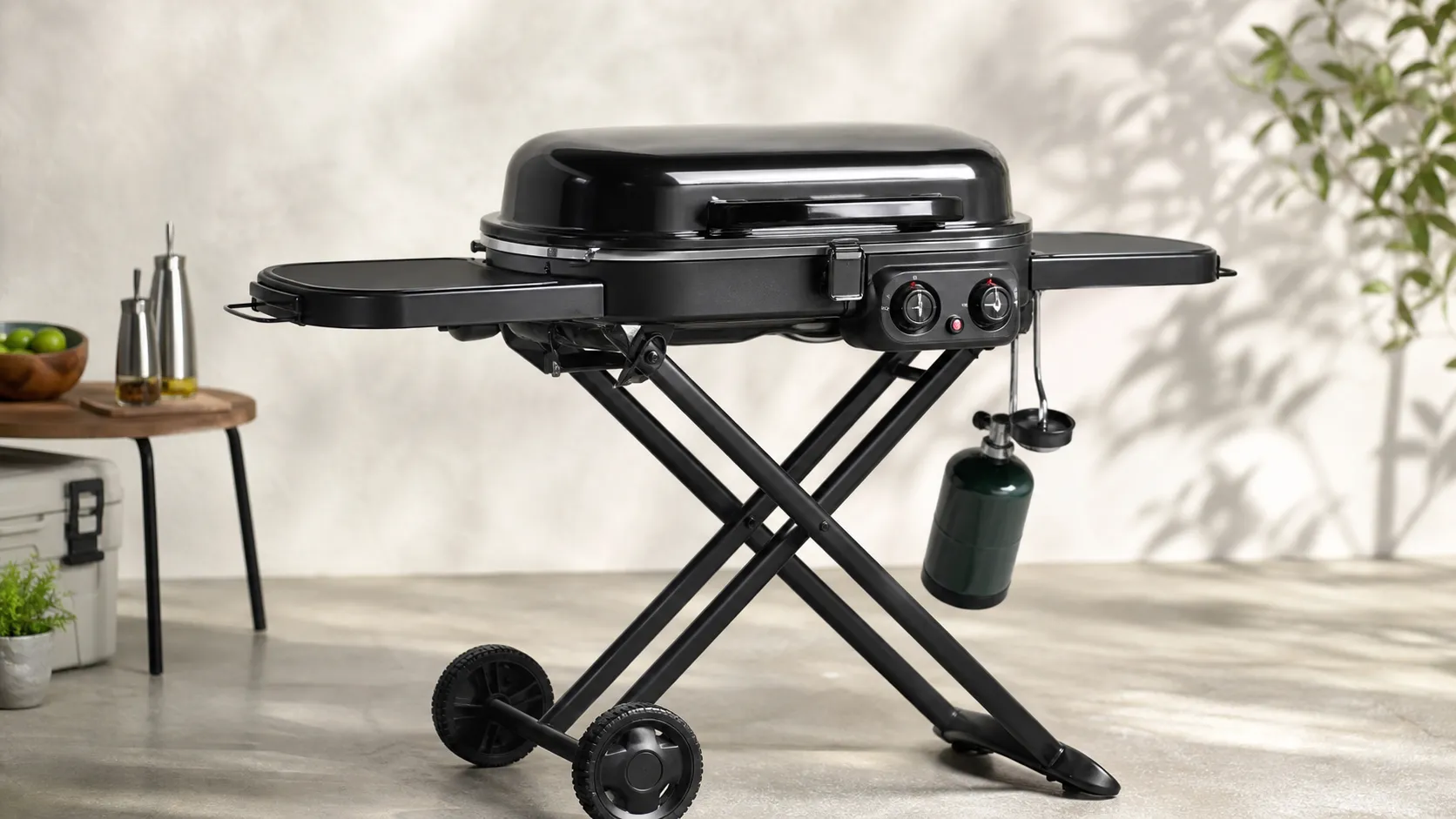
Coleman RoadTrip 285 Portable Propane Grill Review 2026
Portable, quick to heat, and great value — the Coleman RoadTrip 285 is ideal for tailgates and camping, but expect hotspots and some plastic parts to limit heavy use.
 Outdoor & Garden
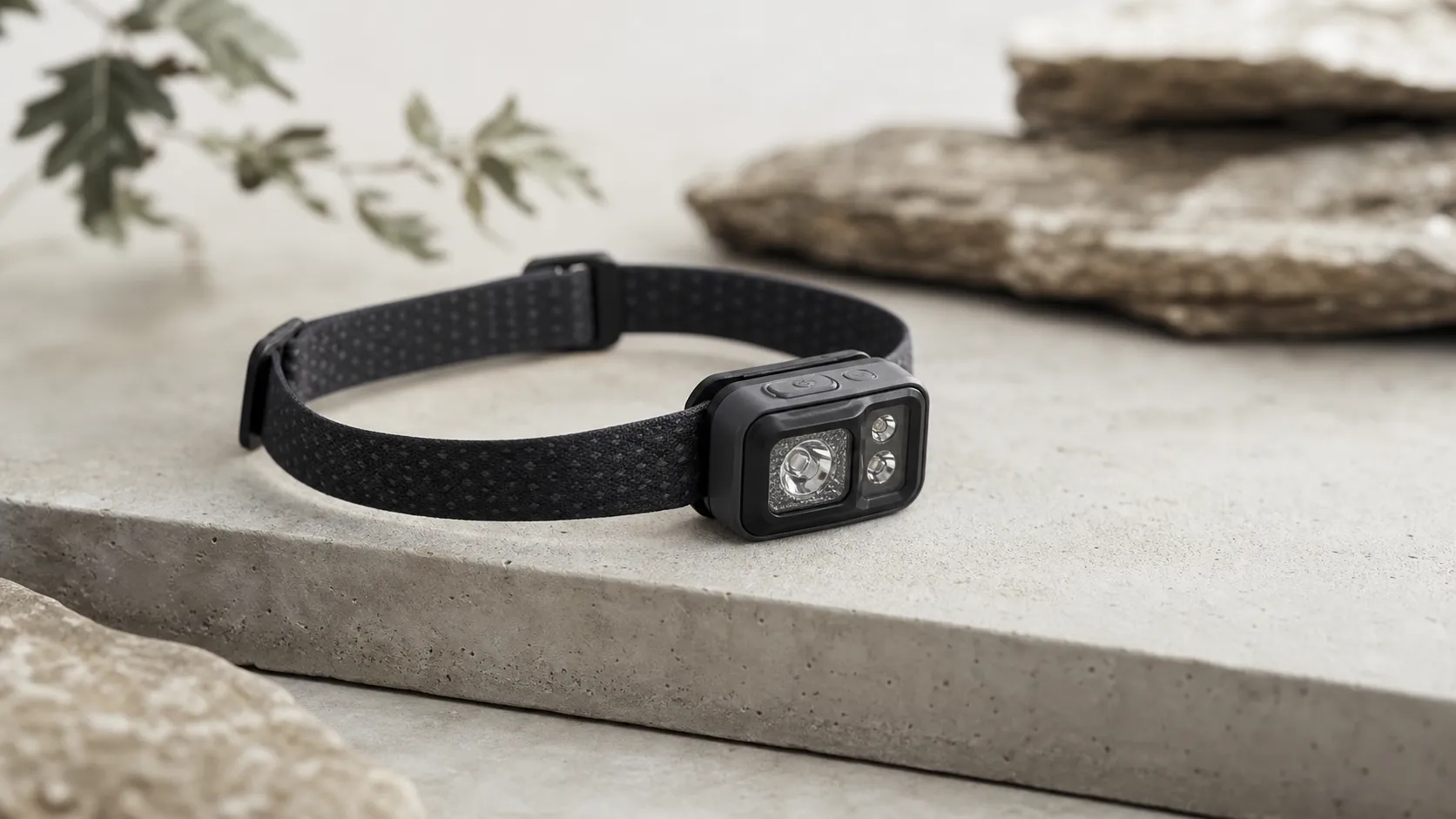
Black Diamond Spot 400‑R Headlamp Review 2026
A bright, well‑balanced rechargeable headlamp that excels for trail running and hiking. Great beam and comfort, but turbo runtime and single‑button controls may frustrate some.