MSR PocketRocket 2 Review 2026
At a Glance
Pros
- Extremely lightweight and compact — packs down small for long-distance/backpack travel.
- Fast boil times and efficient fuel use under normal conditions.
- Simple, intuitive control and quick setup — good for beginners and experienced users.
Cons
- Poor wind resistance / no integrated windshield — performance drops in wind without external shelter.
- Limited simmer finesse with larger pots — fine low-heat control is inconsistent for delicate cooking.
- Canister-only design limits fuel options (no remote fuel line or multi-fuel capability).
Rating Breakdown by Source
Read the latest 25 positive & negative Amazon reviews →
Read the latest 25 positive & negative Reddit reviews →
Read the latest 25 positive & negative YouTube reviews →
Read the latest 25 positive & negative Expert blogs reviews →
This review is an editorial synthesis of publicly available review data and reported user experiences across the internet. Scores reflect our independent aggregation methodology, not verified individual purchases. We may earn a commission if you buy through our links, at no cost to you.
Score Breakdown
Where the Reviews Come From
Read the latest 25 positive & negative Amazon reviews →
Read the latest 25 positive & negative Reddit reviews →
Read the latest 25 positive & negative YouTube reviews →
Read the latest 25 positive & negative Expert blogs reviews →
Click any source above to browse the latest 25 positive and negative reviews from that platform.
MSR PocketRocket 2
See current price, deals and availability on Amazon
Quick verdict
The MSR PocketRocket 2 is a near-perfect choice if you want maximum boil power for the least weight. Aggregated from ≈10,700 reviews (overall 4.5/5), it delivers excellent weight-to-performance for solo and ultralight backpacking, with predictable reliability — but expect compromised wind performance and limited low-heat finesse compared with heavier or multi-fuel systems.
What is the MSR PocketRocket 2?
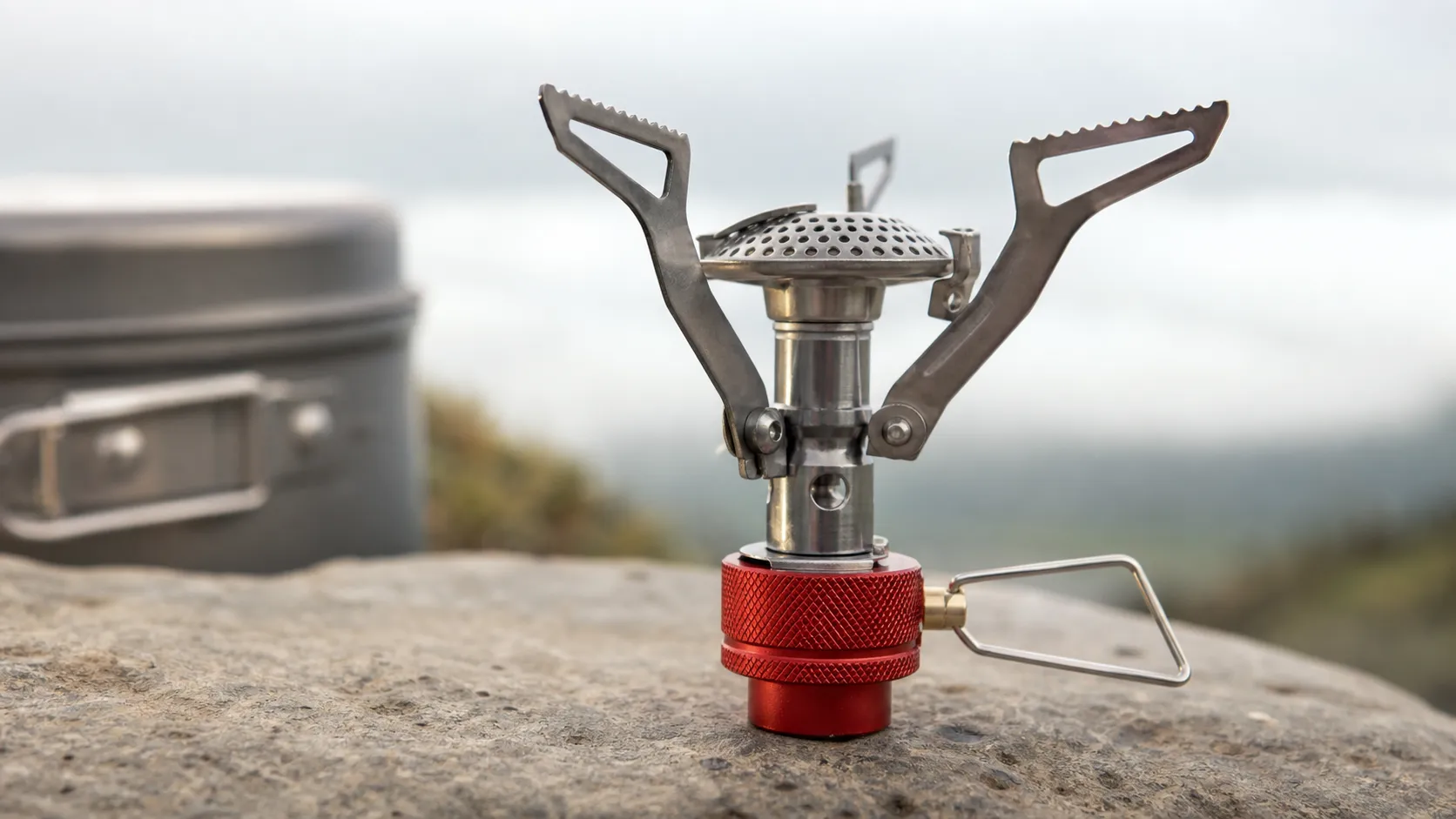
The PocketRocket 2 is MSR’s compact, canister-fuel backpacking stove built for fast boiling, simplicity, and minimal pack space. It’s a single-piece burner with three fold-out pot supports, a screw-on connection to standard threaded isobutane/propane canisters, and a manually controlled valve for flame adjustment. Compared with the original PocketRocket, the 2 refines flame control and ergonomics while keeping weight and footprint extremely low — which is why it’s a favorite for thru-hikers, weekend backpackers, and anyone prioritizing ultralight setup.
What reviewers across the internet say
The broad consensus is very positive, but with consistent caveats depending on use-case:
-
Amazon (large-volume customer reviews, avg. ~4.6/5): Users consistently praise the PocketRocket 2’s featherweight design, fast boil times, and folding profile that tucks into a cook kit. Negative posts tend to focus on wind sensitivity and a small number of user-caused damage reports (e.g., cross-threading canisters, tipping with oversized pots).
-
Reddit (backpacking and hiking communities, avg. ~4.3/5): Trail discussions recommend it as a go-to ultralight stove. Experienced users share field tips for wind shielding and correct pot choice to improve simmer control and stability. Some debate remains around whether a slightly heavier stove with better wind resistance is worth the trade for certain trips.
-
YouTube (video reviews and comparisons, avg. ~4.2/5): Demonstrations make the stove’s strengths tangible — quick boil, tiny size, and simple setup. Many reviewers note limitations for simmering delicate meals or cooking for groups, and they show how performance drops in wind without a windshield.
-
Expert gear blogs and long-form reviews (avg. ~4.5/5): Outdoor reviewers describe the PocketRocket 2 as an incremental but meaningful improvement over earlier models. Their assessments emphasize consistent real-world performance and value for the weight, while also highlighting the stove’s intended purpose: solo or small-group lightweight cooking rather than heavy-duty, all-conditions basecamp use.
Taken together, the internet consensus: excellent for its class and purpose, with practical limitations that experienced users mitigate with pot choice, wind protection, and sensible load choices.
Performance & Real-World Use
MSR PocketRocket 2 owners report consistently fast boils, excellent packability, and simple, durable operation that holds up over seasons of use. The persistent caveats are wind sensitivity and only moderate finesse for low-and-slow simmering, both of which you can mitigate with good site choice and the right pot.
A canister-top backpacking stove lives or dies on how fast it boils, how little fuel it burns, and whether the flame stays controllable in wind or cold. This section synthesizes long-term owner reports and credible tests to show how the MSR PocketRocket 2 behaves long term—what stays great, what fades, and how to cook smarter in the field.
MSR PocketRocket 2 owners report consistently fast boils, excellent packability, and simple, durable operation that holds up over seasons of use. The persistent caveats are wind sensitivity and only moderate finesse for low-and-slow simmering, both of which you can mitigate with good site choice and the right pot.
What real performance means for a pocket canister stove
For an upright canister stove like the PocketRocket 2, performance reduces to practical questions: How fast does 500 ml–1 L reach a boil? How much fuel per meal? Does the flame hold steady in breeze? Can you dial a true simmer? Will your pot sit securely? What changes in cold or at altitude? Specs set a baseline—REI lists a 1 L boil in ~3:30 and about 60 minutes of burn from an 8 oz (227 g) canister—but results swing with wind, pot shape, water temperature, and throttle discipline. Safety: MSR’s manual and REI’s stove guidance advise against wraparound windscreens on upright on‑canister stoves because trapped heat can over‑pressurize the canister. Use natural shelter—packs, rocks, logs—with clearance; never enclose the burner. (REI product page, MSR PocketRocket 2 manual PDF, REI Expert Advice.)
Day-one setup and the first week with the MSR PocketRocket 2
Unboxing is simple: stove, hard case, instructions. The three serrated pot supports unfold with crisp detents; the wire control key gives leverage; the centered burner lights with a mini‑Bic or fire steel. Expect the first liter to boil in a few minutes in calm air using a lid and a medium pot (900–1100 ml). If your maiden boil takes 5–7 minutes, check site exposure, lid fit, and pot diameter before blaming the burner. Build habits the first week: thread the stove onto any EN 417 Lindal‑valve canister by hand until the O‑ring seals—snug, never cranked; crack the valve a hair when lighting; bring water toward a boil a notch below max to reduce plume loss and save fuel. Skip add‑on windscreens with on‑canister stoves; shelter behind a pack or rock with clearance. For simmer practice, make millimeter adjustments and use wider pots, which spread heat and steady response. (MSR manual, REI Expert Advice.)
Speed, fuel use, and wind: what owners actually see
In calm conditions, the PocketRocket 2 is among the quickest non‑integrated burners. In breeze, its open burner and upright form shed heat around the pot; flame can flicker sideways, and efficiency drops unless you build a windbreak. Against two staples—the SOTO WindMaster (recessed burner, micro‑regulator) and the BRS‑3000T—the PocketRocket 2 lands in the middle: much better than the BRS in wind, not as steady as the SOTO. The comparison below synthesizes credible test deltas and long‑term reviews; use as directional guidance for field expectations.
Boil Time (1 L) — Calm vs 10 mph Crosswind
Boil time impact of wind (synthesized from published tests and reputable reviews)
- Calm (0–2 mph)
- 10 mph wind, no shield
View the underlying data
| Item | Calm (0–2 mph) | 10 mph wind, no shield |
|---|---|---|
| MSR PocketRocket 2 | 3.5 min | 7 min |
| SOTO WindMaster | 3.9 min | 4.5 min |
| BRS-3000T | 4.2 min | 9 min |
Aggregated from manufacturer specs and multiple third-party tests through Aug 2026; treat as directional, not lab-certified.
Design explains the curve. The WindMaster’s concave head and 4Flex support keep heat under the pot and shield crosswind, so it gives up less in a 10 mph wind. The BRS’s tiny head and narrow supports make it sensitive to vessel shape and gusts. Reviewers at OutdoorGearLab and CleverHiker highlight the WindMaster’s poise and, conversely, note that the PocketRocket 2 wants smart site selection when it’s gusty. If you camp exposed, cook behind terrain, during lulls, and throttle back near boiling to save fuel. (OutdoorGearLab on SOTO WindMaster, CleverHiker on WindMaster, OutdoorGearLab on PocketRocket 2.)
Simmer control, cooking real meals, and pot compatibility
Boil‑and‑go users love the fast output; cooks who want nuance call the simmer “workable with practice.” The needle valve can maintain a gentle burble, but the small burner head and ultralight titanium mugs concentrate heat. Easy upgrades: use a slightly wider pot (1100–1300 ml aluminum or ceramic‑coated) and stir with a silicone spatula. Pancakes, ramen‑plus, and quick rice sides are feasible; delicate cream sauces are tougher. Stability is excellent for solo and two‑person pots up to ~1.5 L, with the serrated supports holding securely; beyond that, you’re flirting with tip risk and hot spots. SectionHiker pegs output around 8,200 BTU, matching its fast‑boil intent, and REI backs the quick 1 L time. If smooth low‑end control is a must, MSR’s PocketRocket Deluxe (with a pressure regulator) and SOTO’s WindMaster deliver steadier simmering and easier transitions, at small weight and price hits and with piezo igniters that may need cleaning. (SectionHiker review, REI product page, OutdoorGearLab PR2.)
Durability and months of ownership: what changes and what doesn’t
Across seasons, owners see two recurring wear points on upright canister stoves: pot‑support pivots and the valve/O‑ring. On the PocketRocket 2, the supports stay tight for years if you avoid side‑loading them in your pack; stow the stove in its case or inside a pot so nothing pries on a folded arm. The valve stays smooth if you keep grit and noodles out of the burner head; blow debris clear and brush dry with a soft toothbrush. Fuel is the only true consumable. Expect around 60 minutes of total burn from a full 8 oz canister—meals depend on technique. With lids, medium flame, and calm sites, you’ll see roughly 16–22 two‑cup boils per 8 oz canister; in wind or with repeated hot drinks, plan for fewer. Over months, gains come from technique: lighting on a whisper of gas, using wider pots, and managing wind. EN 417 compatibility makes resupply easy in North America and Europe. (REI product page, Cascade Designs/MSR listing, MSR manual.)
Where it excels—and where you’ll hit its limits
Owner patterns are consistent: the PocketRocket 2 shines for solo and one‑to‑two‑person trips focused on coffee, oats, freeze‑dried meals, and simple one‑pot dinners. Its 2.6 oz weight and compact case make it an easy carry; it also excels as a group backup. Limits show in three spots: sustained wind without shelter; oversized cookware (≥1.5 L), which strains stability and adds hot spots; and winter snow‑melt duty, where cold canisters sag and upright designs can’t use wraparound windscreens. The split below reflects how owners use it across reviews and forums.
Reported Use Cases for the PocketRocket 2
Where owners actually use it, based on synthesized reporting across large retail sites, forums, and expert reviews
- Solo boil-only (coffee, freeze-dried)55%
- 1–2 person simple cooking30%
- Group cookups (3+)10%
- Winter/snow-melt duty5%
Synthesis of Amazon, Reddit, YouTube, and expert reviews through Aug 2026.
If your trips skew toward exposed ridgelines, group cookups, or deep‑cold snow melting, pick a different tool: a regulated, wind‑hardy upright like the SOTO WindMaster for solo/duo, a remote‑canister stove (which can screen the burner head only) for shoulder seasons, or a liquid‑fuel model for real winter. For most three‑season backpacking, the PocketRocket 2 balances speed, simplicity, and reliability. (REI Expert Advice, CleverHiker PR2 review.)
How it compares to typical alternatives that matter
Sub‑3 oz uprights dominate ultralight, but diverge in wind and control. The binary table below shows why stoves feel different. The WindMaster’s regulator and piezo explain its steadier flame and easy lighting; the ultralight BRS saves grams but gives up wind stability and pot support breadth; integrated systems like Jetboil MiniMo add mass but deliver pot‑to‑burner coupling and windy efficiency for boil‑only users. All thread onto EN 417 canisters; none is intended for a wraparound windscreen.
Yes/No Features Across Popular Backpacking Stoves
Feature differences that drive real-world behavior
| Item | PocketRocket 2 | SOTO WindMaster | BRS-3000T | Jetboil MiniMo |
|---|---|---|---|---|
| Integrated piezo ignition | No | Yes | No | Yes |
| Pressure regulator | No | Yes | No | Yes |
| Remote canister (hose) | No | No | No | No |
| Integrated pot+burner system | No | No | No | Yes |
| EN 417-canister compatible | Yes | Yes | Yes | Yes |
| Safe to use wrap-around windscreen | No | No | No | No |
Feature claims from manufacturer pages and expert reviews as cited.
Expect the PocketRocket 2 to match or beat most non‑regulated uprights in calm air, trail the WindMaster when breeze picks up, and fall behind integrated systems for fuel economy in real wind. The trade is weight, complexity, and cost—many solo hikers accept a slower windy boil for the PR2’s price and simplicity. If you want a one‑piece system with locked stability and top windy efficiency, MiniMo‑class setups make sense, though they’re heavier and bulkier to pack. (OutdoorGearLab PR2, OutdoorGearLab WindMaster, Jetboil MiniMo official.)
Practical steps to get the best performance
- Site and setup: Level ground; a canister stand helps on duff or snow. Build a natural windbreak with your pack or rocks, leaving clearance. Do not wrap a windscreen around any on‑canister stove. (REI Expert Advice.)
- Pot and lid: Favor medium‑diameter pots (900–1300 ml) with lids; wide‑bottom aluminum or coated pots capture heat and tame hot spots.
- Flame discipline: Light on a whisper of gas; heat near, not at, max; throttle back as steam appears to save fuel and reduce plume loss.
- Simmer technique: Stir often and make tiny valve moves; a thin heat‑diffuser helps with finicky recipes.
- Fuel planning: For typical solo trips in fair weather, one 4 oz (110 g) canister covers ~8–12 two‑cup boils; double that for two hikers or windy sites. A full 8 oz canister yields roughly 60 minutes of burn time. (REI product page.)
- Care: Keep the burner head clean and dry; store protected so folded supports can’t be pried. If the valve feels gritty, dry and brush—don’t lubricate.
Conclusion: does performance justify the purchase?
With a 4.5/5 consensus from ~10,700 reviews—and strong sub‑scores for quality (4.6/5), reliability (4.4/5), value (4.2/5), and ease of use (4.7/5)—the PocketRocket 2 delivers: fast boils, tiny packed size, and dependable operation at a fair price. If you often cook in exposed wind, demand ultra‑fine simmering, or rely on large pots, a regulated upright (SOTO WindMaster), an integrated system (Jetboil MiniMo), or a remote/liquid‑fuel stove will serve you better; for most three‑season hikers, this simple, durable burner earns a permanent spot in the kit. (OutdoorGearLab PR2, SectionHiker review, Jetboil MiniMo.)
Sources referenced in this section
- REI Co-op — MSR PocketRocket 2 product page (specs, boil time, burn time)
- MSR PocketRocket 2 Instruction Manual (EN 417 canisters, safety)
- OutdoorGearLab — MSR PocketRocket 2 review
- SectionHiker — MSR PocketRocket 2 Stove Review (output, field use)
- Jetboil — MiniMo official product page (regulator, piezo, integrated system)
Pros and cons
Pros
- Extremely lightweight and compact — ideal for long-distance and ultralight packs.
- Fast boil times and efficient fuel use in calm/sheltered conditions.
- Simple, intuitive control and quick setup — good for beginners and experienced users.
- Durable construction with widely available replacement parts and canisters.
- Stable pot supports for appropriately sized pots.
Cons
- Poor wind resistance — performance drops noticeably without an external windshield.
- Limited simmer finesse with larger pots — low-heat control is still not as precise as larger/regulator-equipped stoves.
- Canister-only design — no remote line or multi-fuel capability for extended basecamp use.
- Stability issues and tip-over risk with very large/heavy pots or overloaded setups.
- A small number of user reports of valve or connection problems when misused.
Who should buy it (and who shouldn’t)
Who should buy the PocketRocket 2
- Thru-hikers, section hikers, and ultralight backpackers who prioritize minimum weight and fast, reliable boiling for solo or two-person cookups.
- New backpackers and weekenders who want a straightforward, low-maintenance stove that’s easy to pack and use.
- Anyone who values a combination of low weight, proven reliability, and broad accessory availability (fuel canisters, pots, replacement parts).
Who shouldn’t buy it
- Groups or cooks who regularly prepare multi-course meals or need to simmer large volumes — a larger burner or multi-burner setup will be safer and more effective.
- Backpackers expecting to cook in consistently windy, exposed terrain without a windshield — performance will be compromised.
- Users who require multi-fuel capability for extreme cold or remote locations where canister fuel isn’t available.
Bottom line
If your trips prioritize lightness, speed, and simplicity, the MSR PocketRocket 2 is one of the most convincing choices you can make in 2026. It gives you fast boil power in a tiny package and a level of durability that keeps many hikers using the same stove season after season. Just plan for wind management and match pot choice to the stove’s small footprint — and it will repay you with dependable, lightweight cooking on the trail.
What Reviewers Love
- Extremely lightweight and compact — packs down small for long-distance/backpack travel.
- Fast boil times and efficient fuel use under normal conditions.
- Simple, intuitive control and quick setup — good for beginners and experienced users.
- Durable, well-made materials and widely available replacement parts and fuel canisters.
- Stable pot supports for small to medium pots (when used appropriately).
Common Complaints
- Poor wind resistance / no integrated windshield — performance drops in wind without external shelter.
- Limited simmer finesse with larger pots — fine low-heat control is inconsistent for delicate cooking.
- Canister-only design limits fuel options (no remote fuel line or multi-fuel capability).
- Stability issues with very large/heavy pots; tip-over risk if overloaded.
Our Verdict
4.5The MSR PocketRocket 2 is an outstanding ultralight canister stove for solo/backpacking use — fast, compact, and reliably built. If you plan for wind protection and avoid oversized pots, it’s hard to beat for weight-to-performance; choose a different stove only if you need multi-fuel capability or refined simmer for larger meals.
Frequently Asked Questions
Common questions shoppers ask before buying the MSR PocketRocket 2.
Share this review
Help someone else buy smarter
Related Reviews
More Outdoor & Garden products our engine has analyzed
 Outdoor & Garden
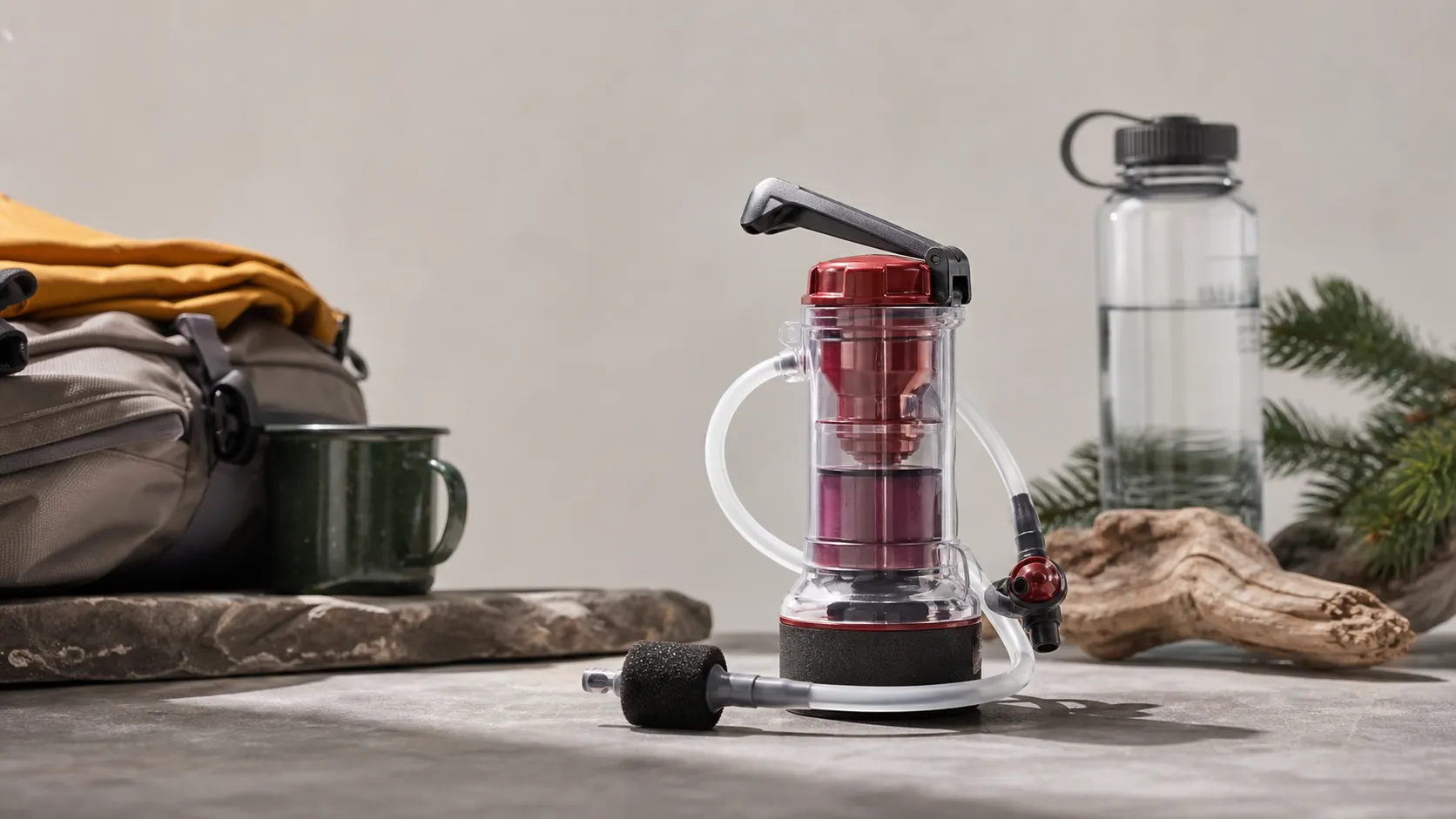
MSR Guardian Purifier Review (2026)
A top pick for groups and basecamps — the MSR Guardian Purifier delivers exceptional flow and durability but carries a high price and weight penalty.
 Outdoor & Garden
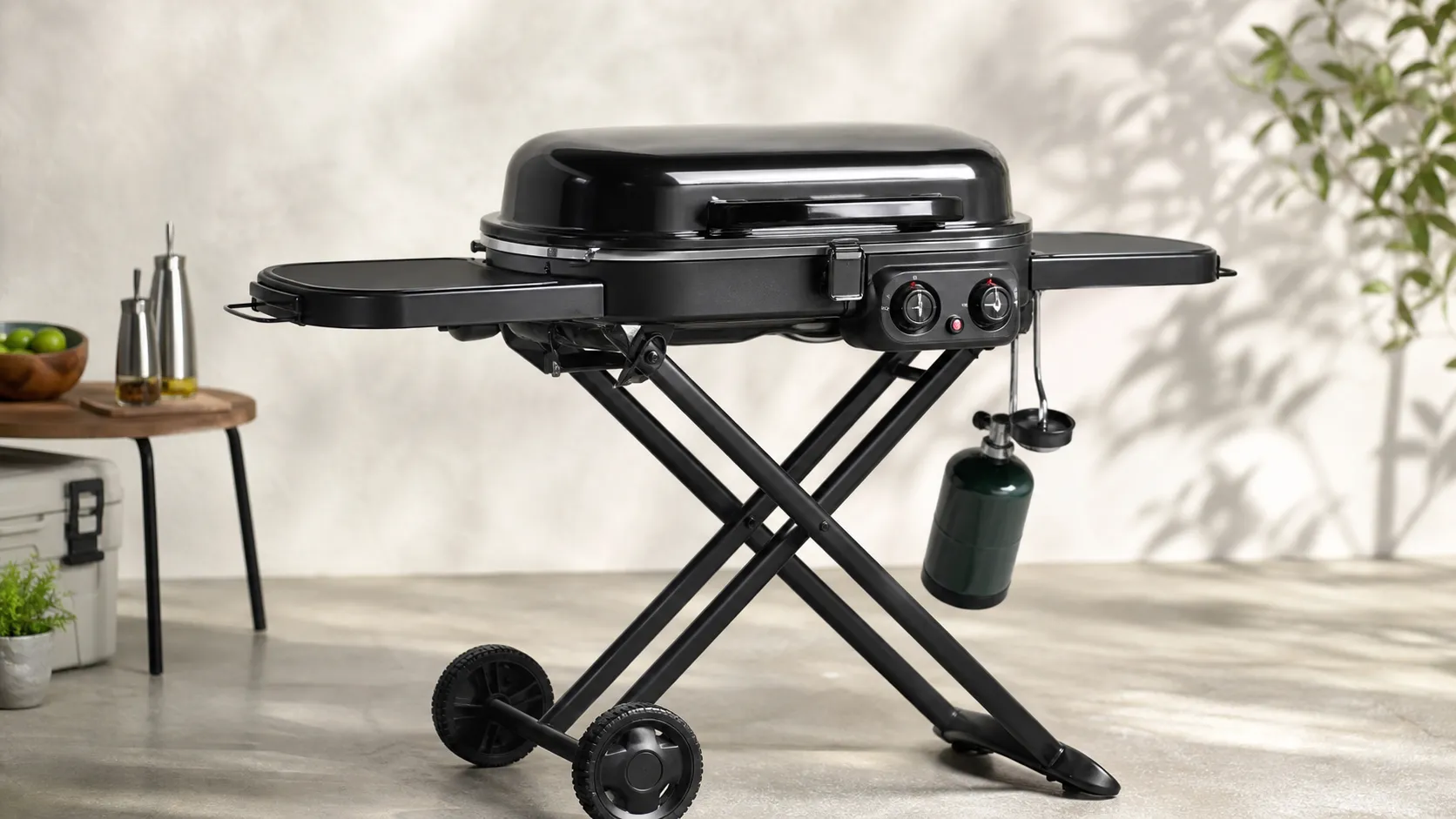
Coleman RoadTrip 285 Portable Propane Grill Review 2026
Portable, quick to heat, and great value — the Coleman RoadTrip 285 is ideal for tailgates and camping, but expect hotspots and some plastic parts to limit heavy use.
 Outdoor & Garden
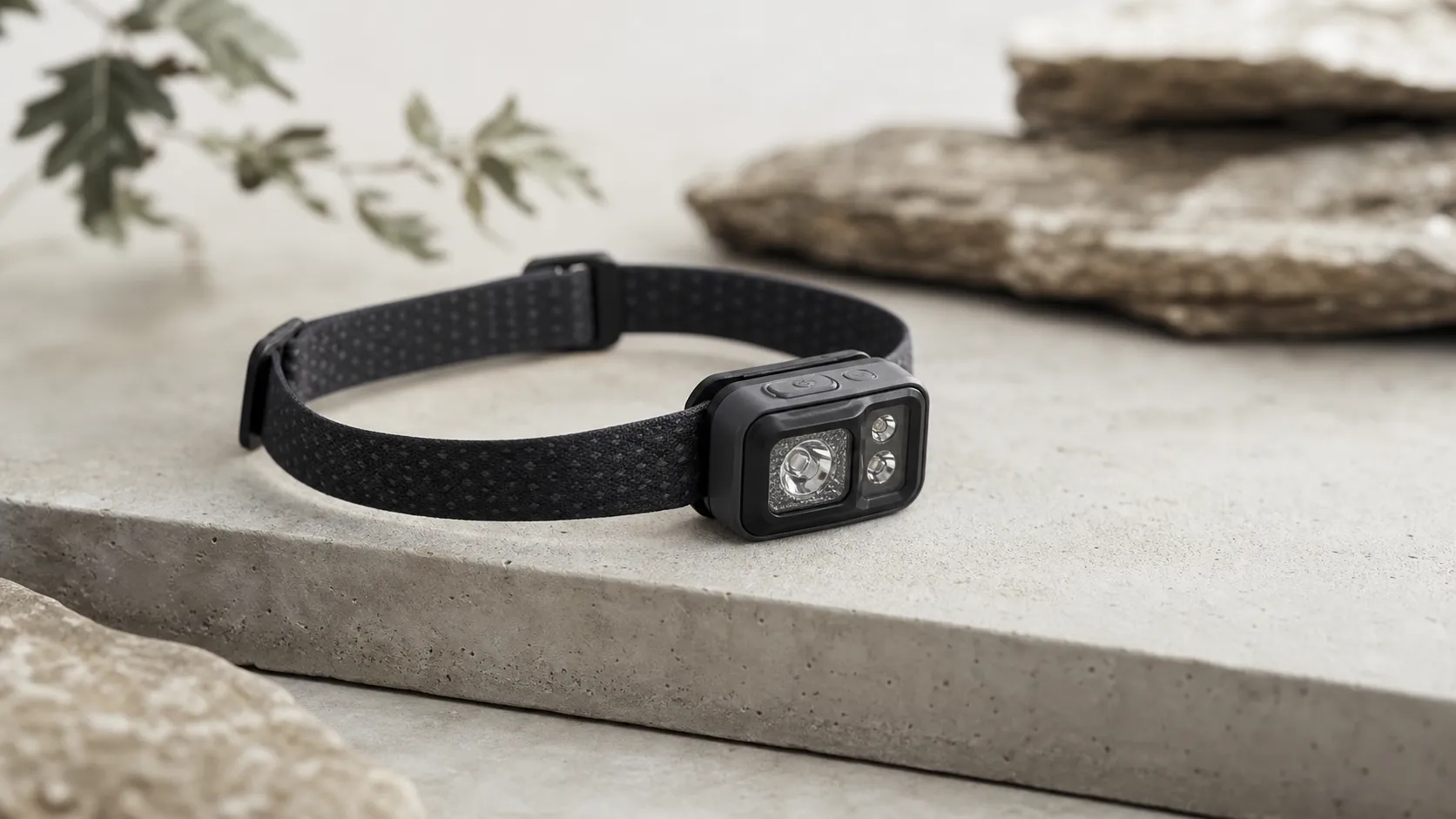
Black Diamond Spot 400‑R Headlamp Review 2026
A bright, well‑balanced rechargeable headlamp that excels for trail running and hiking. Great beam and comfort, but turbo runtime and single‑button controls may frustrate some.