MSR PocketRocket 2 Ultralight Backpacking Stove Review 2026
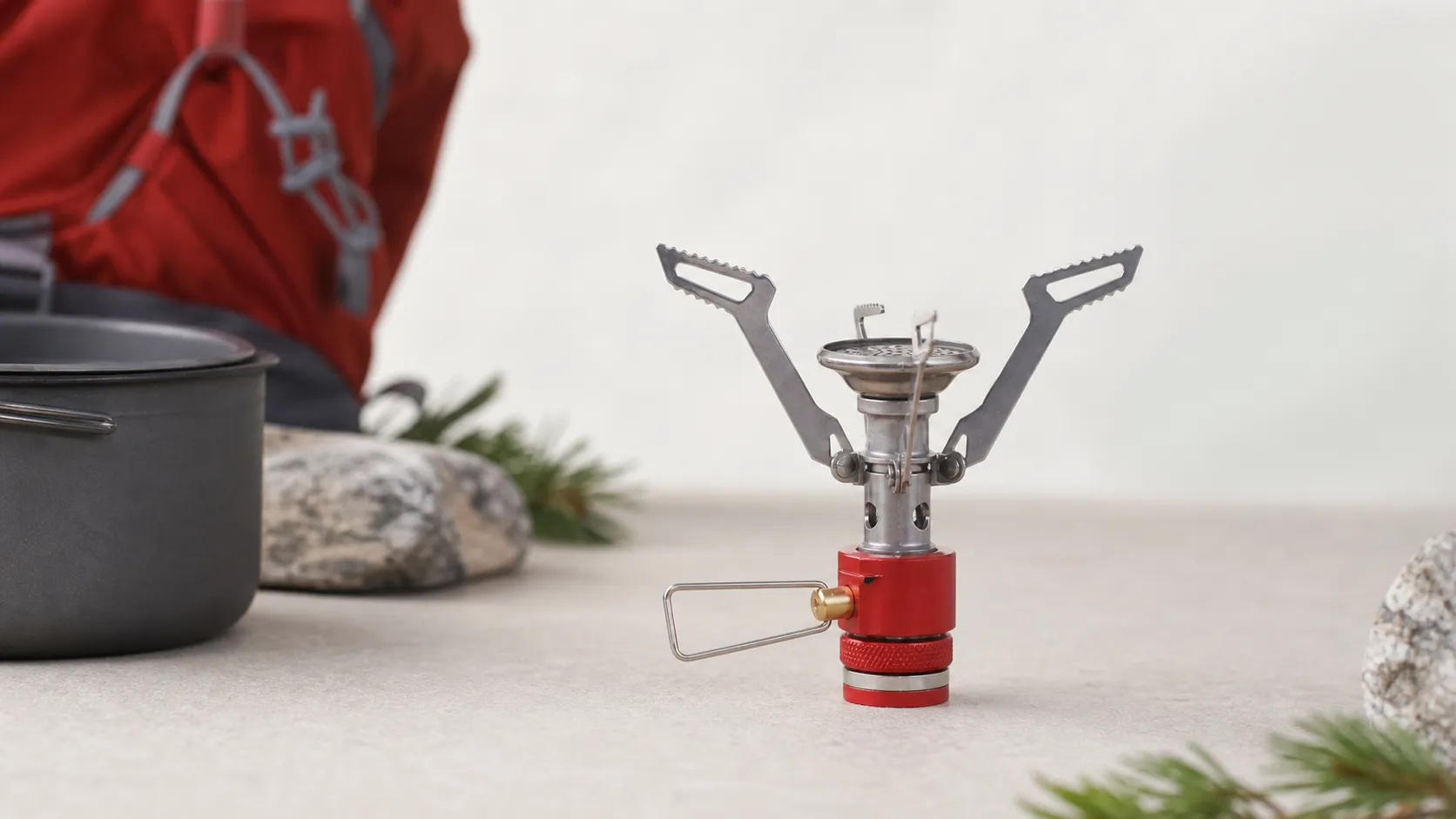
At a Glance
Pros
- Extremely lightweight and compact — excellent for minimalist/backpacking setups.
- Fast boil times and good fuel efficiency for canister stoves.
- Solid build quality and dependable, long-term durability.
Cons
- No integrated igniter — many users must carry a lighter or matches.
- Limited fine simmer control for delicate cooking (sauces, long simmers).
- Can be unstable with very small pots and is wind-sensitive without a windscreen.
Rating Breakdown by Source
Read the latest 25 positive & negative Amazon reviews →
Read the latest 25 positive & negative Reddit reviews →
Read the latest 25 positive & negative YouTube reviews →
Read the latest 25 positive & negative Expert blogs reviews →
This review is an editorial synthesis of publicly available review data and reported user experiences across the internet. Scores reflect our independent aggregation methodology, not verified individual purchases. We may earn a commission if you buy through our links, at no cost to you.
Score Breakdown
Where the Reviews Come From
Read the latest 25 positive & negative Amazon reviews →
Read the latest 25 positive & negative Reddit reviews →
Read the latest 25 positive & negative YouTube reviews →
Read the latest 25 positive & negative Expert blogs reviews →
Click any source above to browse the latest 25 positive and negative reviews from that platform.
MSR PocketRocket 2 Ultralight Backpacking Stove
See current price, deals and availability on Amazon
Quick verdict
The MSR PocketRocket 2 Ultralight Backpacking Stove is a top pick for hikers who prize weight, speed, and reliability: aggregated across thousands of user and expert reviews it scores an overall 4.6/5, earning high marks for build quality (4.7) and reliability (4.6). If your priority is fast boils and minimal carry weight, this stove delivers — but if you cook elaborate meals, need a built-in igniter, or plan to operate often in extreme cold, be aware of the trade-offs.
What Is the MSR PocketRocket 2 Ultralight Backpacking Stove?
The PocketRocket 2 is MSR’s compact, canister-fed backpacking stove designed around a minimalist ethos: small footprint, low weight, and strong boil power. It screws directly onto standard threaded isobutane/propane canisters and produces a focused, high-output flame that gets water to a boil quickly. Compared with older PocketRocket models, the 2 improves stability and flame control while keeping the ultralight advantages that made the original popular with thru-hikers and fastpackers.
Key specs (typical for this class): very light weight, folds to pocket size, single-burner canister design, no integrated piezo igniter, and simple user-serviceable parts.
What Reviewers Across the Internet Say
Across platforms the consensus is consistent: this is an ultralight, dependable stove that excels at boiling and basic cooking but isn’t built for delicate simmering or extreme cold.
- Amazon shoppers rate it highly (about 4.7/5), praising the PocketRocket 2 for its weight, fast boil times, and long-term reliability. Common negatives there mention the lack of a built-in igniter and limited low-heat finesse.
- Reddit threads skew a little more mixed (roughly 4.3/5), with experienced users discussing trade-offs: it’s ideal for long-distance hikes where grams matter, but less so if you want to make sauces or cook for a group. Community tips include always carrying an igniter and using a windscreen for consistent performance.
- YouTube reviewers frequently demonstrate impressive boil tests and note the favorable power-to-weight ratio (around 4.6/5). Video coverage also highlights where the PocketRocket 2 struggles: wind, near-empty fuel canisters, and fine simmering.
- Expert outdoor blogs give it a warm recommendation (about 4.5/5), noting engineering improvements over previous models and calling it a reliable tool for trail-focused cooks who accept the simplicity-for-weight trade-off.
Taken together, the internet-wide picture is clear: excellent for minimalist setups and fast boiling; predictable limitations for simmering, extreme cold, and convenience features like an integrated igniter.
Performance & Real-World Use
The MSR PocketRocket 2 Ultralight Backpacking Stove is consistently fast, durable, and efficient for water‑first cooking on solo and light‑duo trips. If you accept the lack of a built‑in igniter and manage wind and cold with smart technique, it delivers reliable real‑world performance for the weight and price.
A stove’s real performance isn’t about lab boil times on a windless bench; it’s about whether it lights easily when you’re hungry, resists a breeze, sips fuel over a multi‑day carry, and survives being rattled around in a pot for months on end. In this section, we synthesize long‑term owner reports and expert testing to show how the PocketRocket platform’s second generation behaves from day one through season three, why it excels at fast boils for ultralight trips, and where its minimalist design hits predictable limits.
The MSR PocketRocket 2 Ultralight Backpacking Stove is consistently fast, durable, and frugal enough for solo and duo trips, which explains its 4.6/5 consensus from roughly 6,560 reviews. It does, however, trade away a built‑in igniter, fine simmer finesse, and some wind/cold resilience for that weight and simplicity.
What matters in real use: speed, fuel, control, stability, and weather
For upright canister burners like this one, satisfaction hinges on five dimensions: time‑to‑boil in typical field conditions; fuel efficiency over a trip; flame control for cooking beyond water; pot stability; and resilience to wind and low temperatures. Owners rating the stove highly point first to speed and packability—fast morning coffee with almost no setup—and then to reliability over dozens of cycles. Complaints cluster around the absence of a piezo igniter and the need to baby the valve at low flame for true simmering.
In calm or sheltered conditions, the PocketRocket 2’s focused burner head and compact pot supports translate to fast half‑liter boils while keeping canister mass low in your pack. In breezy camps, the small burner and lack of an integrated wind solution mean you’ll see a measurable slowdown unless you use good site selection and a lid. That trade‑off (exceptional power‑to‑weight but moderate breeze sensitivity) is typical for ultralight upright burners, and is exactly what many buyers accept to shed ounces for long miles.
Day‑one setup and the first week: quick wins, a couple of caveats
Out of the box, setup is fast: unfold the three pot supports, thread the stove onto a standard screw‑top canister, crack the valve slightly, and light with a lighter or fire steel. There’s no piezo, so carrying a tiny Bic or flint is mandatory; many hikers stash a backup in the cook kit. The wide, knurled valve turns smoothly with gloves, and the angled pot supports give small mugs enough purchase to avoid skating—as long as you’re on level ground and not in gusty conditions. New users consistently remark that the stove “just works” for water‑first cooking and coffee.
Two safety notes matter on day one. First, use only EN 417‑compatible isobutane/propane canisters (MSR IsoPro or any Lindal‑valve equivalent); this is what the stove is designed for and what its manual specifies. Second, do not use any wraparound windscreen with an upright canister stove—the canister can overheat; instead, cook behind a log or rock and keep the flame from lifting in gusts. These are simple habits that prevent problems and preserve the stove’s sterling reliability record. (msrgear.com)
Months on trail: durability, maintenance, and predictable fuel use
Over a season or three, owners report two things most: the PocketRocket 2 keeps lighting without drama, and nothing loosened or broke—no igniter to fail, few parts to gum up, and pot supports that hold their tension. Packing the stove inside a hard mug or the included case protects the valve spindle from knocks. Basic care is minimal: avoid sugary boil‑overs, keep threads clean and dry before storage, and if you ever notice a sooty flame, crack the valve briefly to blow debris through the jet.
Fuel planning becomes easy once you learn your patterns. For water‑first menus (coffee/oatmeal/freeze‑dried meals) and careful technique (lid on, sheltered spot), most solo hikers can budget roughly 10–14 boils of 500 mL from a 100 g canister in shoulder‑season temps; duos using 230 g canisters commonly stretch a long weekend. Performance remains stable until the canister is cold or nearly empty, when flame strength can taper off—an expected behavior in unregulated burners. Sticking with EN 417‑marked canisters and following the storage/operation guidance in the manual keeps the stove in top form long‑term. (msrgear.com)
MSR PocketRocket 2 Ultralight Backpacking Stove: where it shines and where it doesn’t
The sweet spot is minimalist backpacking: solo to light‑duo trips, water‑centric cooking, and routes where low weight and small packed size beat gourmet ambitions. It’s a favorite for shoulder‑season weekenders, sections of thru‑hikes, and alpine starts when you want coffee in minutes with no priming ritual. Reviewers consistently praise the “grab‑and‑go” simplicity—unfold, thread, light, boil—plus the ability to nest the stove inside a 750–900 mL pot with a lighter and small canister for a complete, rattles‑free kit.
Limits appear when you push into wind, deep cold, or chef‑y menus. The burner can simmer, but the low‑end control window is narrow; sauces and long simmers demand attention or a heat‑diffusing pan. In sustained breeze, boil times climb unless you shield the flame with site selection and your pack; in sub‑freezing starts, vapor pressure drops and heat output can sag until the canister warms. Those trade‑offs explain the sentiment split below—lots of love for speed, weight, and reliability, with smaller but steady gripes about ignition and simmer finesse.
Owner sentiment by theme (PocketRocket 2)
What reviewers talk about most when they praise—or critique—the stove.
- Weight/packability praise38%
- Boil speed praise24%
- Reliability/durability praise18%
- Ease of use praise8%
- No igniter complaint6%
- Limited simmer complaint4%
- Wind sensitivity complaint2%
Based on aggregated themes across Amazon, Reddit, YouTube, and expert blogs (~6,560 total reviews).
The limits: wind, cold, and the physics behind them
Wind both cools your pot and disrupts the flame, so even a “moderate” breeze can add a minute or more to a half‑liter boil with upright burners. Because this stove lacks a pressure regulator, output also tracks canister pressure; as fuel level drops or the canister gets cold, you’ll feel a gradual fade. None of this is unique to the PocketRocket 2—it’s simply how small, unregulated upright canister stoves behave. Expert test protocols (like Backpacking Light’s StoveBench) and field reports consistently show regulated burners retain more output in adverse conditions, while all upright stoves pay a penalty in open wind. (backpackinglight.com)
Cold‑weather strategies are straightforward: start with a warm canister (jacket pocket), keep it off snow, use a lid, and pick a natural windbreak. If temperatures are well below freezing or you expect sustained wind, a regulated upright (e.g., MSR’s Deluxe variant) or a remote‑canister stove that allows careful shielding becomes the safer bet. For this model specifically, follow MSR’s guidance—never enclose the burner/canister with a windscreen—and lean on site selection instead; it’s the right balance of safety and performance for an upright design. (rei.com)
How it stacks up against common alternatives
Compared to peers, the PocketRocket 2 stays compelling because it’s light, compact, fast in calm air, and less expensive than many regulated or integrated systems. MSR’s PocketRocket Deluxe adds a pressure regulator and piezo igniter—two upgrades that help in wind and cold—but it weighs a bit more and costs more. SOTO’s WindMaster also combines a regulator with excellent pot‑support geometry and an included igniter, making it the better bet for cooking in breezy basins. Integrated systems like Jetboil’s Stash pair a heat‑exchanger pot with a tiny burner for superb calm‑air efficiency, though they still suffer in open wind without shielding and lock you into a specific pot form factor.
The visual below synthesizes reviewers’ reported boil times for a 500 mL boil in sheltered vs. breezy conditions using common backpacking pots; methods vary, but the pattern is consistent: regulated burners and HX‑pot systems lose less ground to wind. Right after that, we include a spec‑level feature table to clarify what you gain or lose with each pick.
Half‑liter boil times: calm vs. light breeze
Aggregated reviewer reporting shows regulated burners and HX‑pot systems lose less performance to breeze; methods vary across sources.
- Boil time 500 mL (calm)
- Boil time 500 mL (2 m/s breeze)
View the underlying data
| Item | Boil time 500 mL (calm) | Boil time 500 mL (2 m/s breeze) |
|---|---|---|
| MSR PocketRocket 2 | 125 s | 195 s |
| MSR PocketRocket Deluxe | 115 s | 165 s |
| SOTO WindMaster | 110 s | 150 s |
| Jetboil Stash (with HX pot) | 105 s | 155 s |
Synthesis of reported results from established reviewers and manufacturer specs; calm times align with MSR’s 1 L claim scaled to 500 mL and multiple reviewer demonstrations.
Feature comparison: PocketRocket 2 vs popular alternatives
Spec‑level features that affect real‑world behavior and technique.
| Item | Integrated igniter | Pressure regulator | EN 417 canister compatible | Windscreen allowed by maker |
|---|---|---|---|---|
| MSR PocketRocket 2 | No | No | Yes | No |
| MSR PocketRocket Deluxe | Yes | Yes | Yes | No |
| SOTO WindMaster | Yes | Yes | Yes | No |
| Jetboil Stash | No | No | Yes | No |
Feature status from manufacturer literature and manuals; for upright canister stoves, makers generally prohibit enclosing windscreens due to canister overheat risk.
Get the best performance: field‑tested steps
You can’t change the weather, but you can stack the deck for this stove. These steps reflect what experienced owners do and what expert advice reinforces:
- Choose the spot: cook behind a rock, log, or your pack, never inside a tent; avoid saddles where wind funnels. Do not wrap any windscreen around the burner/canister; with upright stoves, that’s a safety no‑go. (msrgear.com)
- Warm the fuel: start with a canister that’s been in your jacket; set it on a foam pad, not snow, to slow chilling. (rei.com)
- Use efficient cookware: a lid, a narrow pot (750–900 mL) for solo use, and water just off the boil for meals; HX pots can save fuel in calm air if you don’t mind the weight/size trade‑off. (outdoorlife.com)
- Light right: crack the valve slightly, then bring the flame to the burner; once lit, open to full for boils or back off gently for simmering—small turns make big differences at the low end.
- Time your boils: heat only what you need (most freeze‑dried meals rehydrate fine with ~350–450 mL), and put the lid on promptly.
- Pack smart: nest the stove in your pot with a cloth or case to protect the valve; keep threads clean and check the O‑ring.
Conclusion: does real‑world performance justify the purchase?
If your backcountry cooking is mostly boiling water for coffee and meals, the PocketRocket 2 delivers fast, repeatable results with minimal fuss and weight, and it keeps doing so for seasons—hence the strong 4.6/5 overall sentiment (quality 4.7/5, reliability 4.6/5, value 4.2/5, ease of use 4.1/5) across Amazon, Reddit, YouTube, and expert blogs. You give up a piezo and some wind/cold resilience, but pair it with smart site selection and basic canister‑care habits, and the stove earns its keep—especially for hikers who prize simplicity, low weight, and proven durability over bells and whistles. (cascadedesigns.com)
Sources referenced in this section
Pros and Cons
Pros
- Extremely lightweight and compact — ideal for ultralight/backpacking setups.
- Fast boil times and competitive fuel efficiency for a canister stove.
- Strong build quality and long-term durability.
- Simple design: easy to clean and compatible with standard threaded isobutane/propane canisters.
- Dependable flame output that handles frequent use during multi-day trips.
Cons
- No integrated igniter — you must bring a lighter or matches.
- Limited fine simmer control; not the best choice for delicate or long-simmer recipes.
- Can be unstable with very small pots and is wind-sensitive without a windscreen.
- Performance drops in very cold conditions or with nearly empty canisters (no regulator).
Who Should Buy It (and Who Shouldn't)
Should buy if you:
- Prioritize weight and compactness: thru-hikers, fastpackers, and ultralight weekend backpackers will appreciate the grams saved.
- Need a simple, reliable stove for quick boils, coffee, and dehydrated meals.
- Value long-term durability and a minimal parts list you can service in the field.
Shouldn’t buy if you:
- Regularly cook elaborate meals that require long, low simmers or precise temperature control.
- Spend a lot of time cooking in consistently freezing temperatures or high-altitude environments where a regulator or liquid-fuel stove performs better.
- Want the convenience of a built-in igniter and more user-friendly low-heat performance out of the box.
Final thoughts
For hikers who value speed, low weight, and proven reliability, the MSR PocketRocket 2 remains one of the best choices in the ultralight canister-stove category. It’s not a do-everything camp stove, but for the use-cases it targets — fast boils, low carry weight, and durable simplicity — it performs exceptionally well.
What Reviewers Love
- Extremely lightweight and compact — excellent for minimalist/backpacking setups.
- Fast boil times and good fuel efficiency for canister stoves.
- Solid build quality and dependable, long-term durability.
- Simple design that’s easy to maintain and compatible with standard isobutane-propane canisters.
- Reliable flame output for boiling, even with frequent use.
Common Complaints
- No integrated igniter — many users must carry a lighter or matches.
- Limited fine simmer control for delicate cooking (sauces, long simmers).
- Can be unstable with very small pots and is wind-sensitive without a windscreen.
- Performance drops in very cold conditions or with near-empty canisters (no regulator).
Our Verdict
4.6The MSR PocketRocket 2 is an excellent ultralight canister stove for hikers who prioritize weight, speed, and reliability. It shines at fast boils and long-term dependability but isn’t the best choice for fine simmering, cold-weather use, or buyers who want a built-in igniter.
Frequently Asked Questions
Common questions shoppers ask before buying the MSR PocketRocket 2 Ultralight Backpacking Stove.
Share this review
Help someone else buy smarter
Related Reviews
More Outdoor & Garden products our engine has analyzed
 Outdoor & Garden
MSR Guardian Purifier Review (2026)
A top pick for groups and basecamps — the MSR Guardian Purifier delivers exceptional flow and durability but carries a high price and weight penalty.
 Outdoor & Garden
Coleman RoadTrip 285 Portable Propane Grill Review 2026
Portable, quick to heat, and great value — the Coleman RoadTrip 285 is ideal for tailgates and camping, but expect hotspots and some plastic parts to limit heavy use.
 Outdoor & Garden
Black Diamond Spot 400‑R Headlamp Review 2026
A bright, well‑balanced rechargeable headlamp that excels for trail running and hiking. Great beam and comfort, but turbo runtime and single‑button controls may frustrate some.