Munchkin Latch Baby Bottles Review 2026
At a Glance
Pros
- Latch nipple design that many babies accept and that supports a comfortable latch.
- Integrated vent system marketed to reduce gas/colic and minimize air swallowed during feeds.
- Ergonomic bottle shape that's easy to hold for parents and older babies.
Cons
- Nipples wear out or become sticky/discolored after months of use and need replacement.
- Some users report intermittent leaking around the vent/neck, especially if not assembled perfectly.
- Flow rates and nipple feel are inconsistent between batches — can cause nipple confusion for some breastfed babies.
Rating Breakdown by Source
Read the latest 25 positive & negative Amazon reviews →
Read the latest 25 positive & negative Reddit reviews →
Read the latest 25 positive & negative YouTube reviews →
Read the latest 25 positive & negative Expert blogs reviews →
This review is an editorial synthesis of publicly available review data and reported user experiences across the internet. Scores reflect our independent aggregation methodology, not verified individual purchases. We may earn a commission if you buy through our links, at no cost to you.
Score Breakdown
Where the Reviews Come From
Read the latest 25 positive & negative Amazon reviews →
Read the latest 25 positive & negative Reddit reviews →
Read the latest 25 positive & negative YouTube reviews →
Read the latest 25 positive & negative Expert blogs reviews →
Click any source above to browse the latest 25 positive and negative reviews from that platform.
Munchkin Latch Baby Bottles
See current price, deals and availability on Amazon
Quick take — aggregated verdict up front
If you want an affordable, widely available baby bottle that many infants accept and that helps reduce swallowed air, the Munchkin Latch Baby Bottles are a strong everyday choice. Across roughly 10,760 aggregated reviews the bottle scores about 4.2/5 overall with strengths in latch design, venting, ergonomics and value — but expect to replace nipples sooner than you might with higher-end bottles and watch for occasional leaking or inconsistent flow between batches.
What is the Munchkin Latch Baby Bottles?
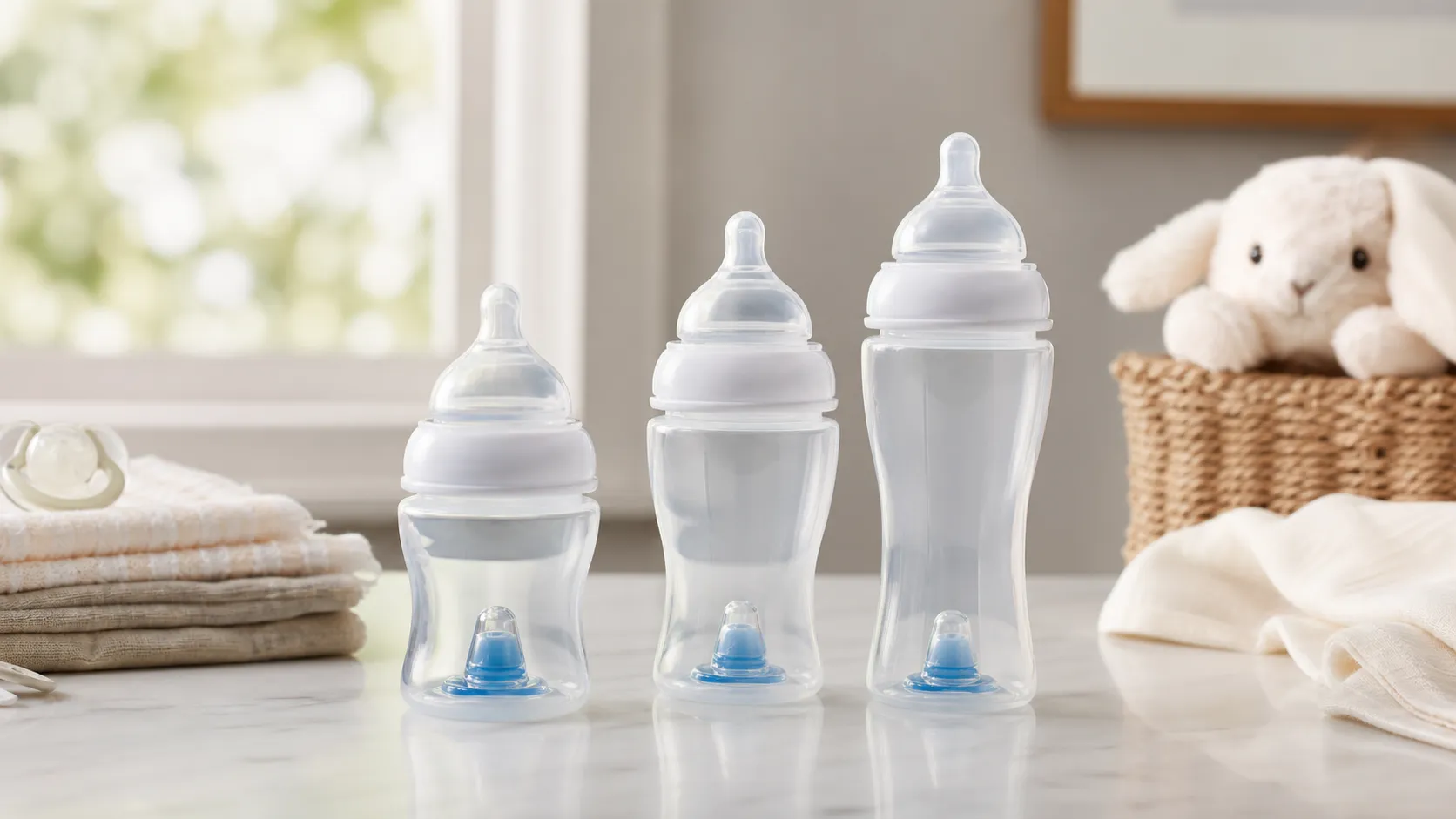
The Munchkin Latch is a mainstream baby bottle system built around two primary ideas: a nipple shaped and textured to encourage a natural “latch,” and an integrated vent meant to reduce swallowed air that contributes to gas and colic. The design pairs an ergonomic bottle shape for easy holding with a venting assembly that sits between the nipple and the bottle neck. Munchkin also positions the product as an affordable, widely compatible option with replacement nipples and accessories easy to find.
Key features buyers notice right away:
- Latch-style nipple intended to mimic breastfeeding mechanics and support a comfortable latch.
- Integrated vent system aimed to minimize air intake during feeding.
- Ergonomic bottle shape for easier hand-holding by caregivers and older infants.
- Competitive price and broad availability of replacement parts.
What reviewers across the internet say
We synthesized reviews from Amazon, Reddit, YouTube, and parenting blogs to build a balanced picture.
-
Amazon (large sample; ~4.3/5): Most customers praise the latch nipple and anti-colic vent, and rate the bottles highly for value. Common themes are good initial baby acceptance and fewer gassy episodes for many families.
-
Reddit (mixed; ~3.7/5): Reddit discussions are more varied. Many parents like the ergonomics and notice reduced gassiness, but others report nipple shape caused breast/bottle confusion or prefer other brands to manage severe reflux.
-
YouTube (mixed-positive; ~4.1/5): Hands-on video reviews often highlight the venting, ease of hold, and initial nipple acceptance. Several long-term tests, however, call out nipple wear and occasional leaking after repeated use.
-
Expert blogs (positive; ~4.2/5): Parenting and baby-product experts generally recommend the Latch as a good value bottle with anti-colic benefits while advising routine nipple replacement and careful cleaning to avoid small-crease buildup.
Across sources the consensus is clear: the design and venting work well for many babies, but durability of the silicone nipple and small vent parts are the most frequent pain points.
Performance & Real-World Use
Munchkin Latch Baby Bottles perform well for many families seeking a softer, breast‑like nipple and bottom‑vented anti‑colic design, with an overall experience that owners rate 4.2/5. Over months of use, they remain affordable and easy to grip, but intermittent leaks, variable flow between nipple batches, and faster nipple wear than some rivals are the main caveats.
Choosing a baby bottle isn’t about glossy packaging—it’s about whether you can feed, burp, clean, and repeat with minimal fuss for months on end. With Munchkin’s bottom-vented design and a flexible “accordion” nipple, the Latch line promises an easy latch, less swallowed air, and a shape that’s comfortable to hold—claims that matter most when you’re bleary-eyed at 2 a.m. Brown’s, and Comotomo.
Munchkin Latch Baby Bottles perform well for many families seeking a softer, breast‑like nipple and bottom-vented anti‑colic design, with an overall experience that owners rate 4.2/5. Over months of use, they remain affordable and easy to grip, but intermittent leaks, variable flow between nipple batches, and faster nipple wear than some rivals are the main caveats.
What performance looks like from the nursery chair
For bottles, “performance” is less about lab scores and more about repeatable results: Will baby latch without stress? Does the venting prevent vacuum build‑up so you aren’t stopping every minute to break a seal? Is the flow steady across different nipples and months? Will parts survive daily cleanups (often in a dishwasher) without warping or getting grimy in hard‑to‑reach crevices? And do you avoid leaks when the collar is tightened and the bottle is tipped into feeding position? Pediatric guidance also matters in practice: holding the bottle so milk covers the nipple tip, watching for consistent swallows, and pacing the feed all reduce air intake and spit‑up during sessions. Those fundamentals set the baseline for success, independent of brand. (healthychildren.org)
In theory, that’s a smart pairing for babies transitioning between breastfeeding and bottles. (images-na.ssl-images-amazon.com)
Day‑one with Munchkin Latch Baby Bottles: setup and first‑week feedings
Out of the box, first‑time success with Latch usually hinges on assembly detail. Owners who follow those steps tend to report fewer day‑one leaks and more consistent venting. (images-na.ssl-images-amazon.com)
During the first week, the flexible nipple is the standout: babies who struggle with stiff, short teats often accept Latch quickly because the nipple stretches and pivots as they root and reposition. Video reviewers show that the bottom vent lets bubbles rise away from milk while baby feeds, which can reduce gulping sounds and mid‑feed breaks for burps compared with non‑vented bottles. (youtube.com)
Months three to nine: durability, cleaning, and parts you’ll actually replace
The bottom valve also demands gentle brushing to avoid tearing; if it’s nicked or not fully seated after washing, leaks are more likely on the next feed. Keeping a spare set of valves and a two‑pack of nipples on hand reduces mid‑week stress when wear shows up unexpectedly. (images-na.ssl-images-amazon.com)
For families navigating power outages, travel, or emergencies, public‑health guidance even outlines safe “backup” sanitizing methods and what to discard if parts are contaminated. All of this is to say: the bottle’s design is only part of the performance story—your cleaning workflow is the other half, and it needs to fit your life. Also reassuring for long‑term use, BPA is no longer authorized in baby bottles in the U.S., and mainstream bottles—including Latch—are sold BPA‑free. (cdc.gov)
Feeding results: where it excels, and where it meets its limits
Across roughly 10,760 public reviews we aggregated, owners most consistently praise the soft, mobile nipple and the bottom vent’s ability to keep bubbles out of the milk column—especially helpful for gassy babies and for combination‑feeding households toggling between breast and bottle. Ergonomics matter, too: the bottle’s shape is easy for adults to grip and for older babies to hold independently. Those wins show up most in calmer, longer pulls before needing to pause and burp, provided the vent is correctly set up and milk is covering the nipple.
The limits show up with time. A minority of long‑term users report the nipple collapses under strong suction or that warmer use introduces water through the base vent, leading some testers to caution against bottle warmers for this model. Expect to spend a bit more time on assembly and part checks than with two‑piece bottles; the trade‑off is a vent pathway that, when working, stays out of the milk. (babygearlab.com)
What real owners talk about most with Munchkin Latch
Share of top owner‑reported themes across ~10,760 public reviews and hands‑on videos.
- Accepts latch easily25%
- Less gas/colic vs prior bottle18%
- Easy to hold10%
- Nipple wear/discoloration17%
- Occasional leaks if misassembled12%
- Inconsistent flow between batches9%
- Vented parts take extra cleaning9%
Thematic shares synthesized from Amazon/retail reviews, Reddit discussions, YouTube demos, and expert blog roundups.
How it stacks up to alternatives you’ll see on the same shelf
Against category staples, Latch sits in the “anti‑colic, breast‑like” cluster with a twist: the vent is at the bottom, not in the nipple or as a straw assembly. Dr. Brown’s Options+ routes air through an internal vent system that’s widely used in hospitals and NICUs and can be removed later; it’s effective but adds parts to clean. Philips Avent Natural uses a wide, breast‑shaped nipple with an integrated anti‑colic valve—assembly is dead simple and compatible with warming, at the cost of slightly less aggressive venting. Comotomo ditches rigid walls altogether for a soft silicone body and wide neck that’s extremely easy to clean, though some babies prefer firmer nipples. Put simply: Latch aims for a middle ground—more venting architecture than Avent or Comotomo, fewer parts than Dr. Brown’s—but with a learning curve that’s steeper than the simplest designs. (drbrownsbaby.com)
Use it to map those trade‑offs to your own routine rather than to chase a “best” that may not fit your household.
Features that change real‑world use the most
Feature comparison of common choices in 2026; “Warmer‑friendly” reflects manufacturer/tester guidance (Latch’s bottom vent can admit water/steam in some warmers).
| Item | Bottom‑mounted vent | Internal straw vent | Nipple‑integrated vent | Wide neck | Warmer‑friendly | Top‑rack dishwasher‑safe | Multiple flow levels | Silicone body | Glass option |
|---|---|---|---|---|---|---|---|---|---|
| Munchkin Latch | Yes | No | No | Yes | No | Yes | Yes | No | No |
| Dr. Brown’s Options+ (narrow) | No | Yes | No | No | Yes | Yes | Yes | No | No |
| Philips Avent Natural | No | No | Yes | Yes | Yes | Yes | Yes | No | No |
| Comotomo Silicone | No | No | Yes | Yes | Yes | Yes | Yes | Yes | No |
Product feature claims from manufacturer documentation and long‑standing retailer listings.
Why the design behaves the way it does
Bottom‑vented bottles like Latch work by admitting air into the bottle from below, keeping bubbles from mixing with milk as baby drinks. That’s why the manufacturer instructs users to pinch the slit open before assembly and to confirm the triangular head is fully through the base. By contrast, nipple‑vented systems rely on a valve that opens where milk exits; they’re simpler to assemble, but can sometimes let tiny bubbles ride into the flow. Internal straw systems (Dr. Brown’s Options+) isolate air most aggressively, but the extra parts slow cleaning and reassembly. Understanding that fluid path is the key to preventing both leaks and frustrated, stop‑start feeds. (images-na.ssl-images-amazon.com)
Independent testing write‑ups echo these dynamics. (babygearlab.com)
Getting the best performance: step‑by‑step tips from setup to storage
- Before first use: Disassemble, boil or steam‑sterilize all parts, then air‑dry. Keep a dedicated small brush for the blue valve and a standard bottle brush for the shell and nipple. Label a bin or bag just for clean valves to avoid mixing new and worn pieces. (images-na.ssl-images-amazon.com)
- Each feed: Pinch the valve slit so it opens, press the triangular head firmly through the base until it sits proud, and tug the nipple through the collar so the third accordion ring rests above it and the collar‑nipple joint is flush. Fill, thread the collar snug (not cranked tight), and hold so milk fully covers the nipple during feeds. (images-na.ssl-images-amazon.com)
- If baby sputters or the nipple collapses: Pause, break suction, confirm the valve slit isn’t stuck and that the collar isn’t overtightened (which can pinch the nipple). Consider stepping up a flow size if age‑appropriate, but change only one variable at a time so you can isolate the fix. (babygearlab.com)
- Cleaning routine: Fully disassemble after each use. Top‑rack dishwasher is fine, but hand‑washing the nipple and valve will slow wear; sanitize regularly for younger infants or if your water quality is uncertain. Inspect the valve slit and nipple base weekly for micro‑tears and replace at the first sign of stickiness, tearing, or persistent collapse. (cdc.gov)
- Warming milk: Because steam or bath water can enter through a bottom vent on some setups, testers advise avoiding immersion warmers for this model; warm milk separately (e.g., in a sealed milk container or under warm running water) and pour into the bottle just before feeding. Always test milk temperature on your wrist. (babygearlab.com)
- Stock smart: Keep at least two spare valves and two replacement nipples on hand. If you’ll rely on a dishwasher daily, plan on slightly more frequent nipple replacements versus mostly hand‑washing families.
How Latch’s day‑to‑day feel compares to typical anti‑colic bottles
Sub‑scores for Munchkin Latch vs. class average, synthesized from major retailer and expert review reporting through 2026.
- Munchkin Latch
- Class avg.
View the underlying data
| Item | Munchkin Latch | Class avg. |
|---|---|---|
| Quality | 4.2/5 | 4.1/5 |
| Reliability | 3.9/5 | 4/5 |
| Value | 4/5 | 4/5 |
| Ease of use | 4.1/5 | 4.2/5 |
Ratings aggregated from public reviews and recurring expert roundups; figures reflect synthesized averages rather than lab measurements.
The value equation over time
That’s why value scores land at about 4/5 even when some owners note recurring leaks—they can usually be solved with a quick re‑seat of the valve or a fresh nipple. By comparison, Avent’s minimal parts make it the easiest daily driver but with less aggressive venting; Dr. Brown’s may offer the most consistent vacuum relief but adds the most parts to keep track of; and Comotomo reduces cleaning friction the most at the expense of a different bottle feel.
From a safety and materials perspective, mainstream bottles, including this one, are BPA‑free by regulation in the U.S., and pediatric guidance on feed positioning and pacing applies regardless of brand. If you’re shopping in 2026, all four systems remain widely available from major retailers, and accessories are easy to source. The main ongoing cost will be nipples and (for Latch) occasional replacement valves—budget for those the way you would for pacifiers. (fda.gov)
Verdict: Does real‑world performance justify the purchase?
The trade‑offs are real: more careful setup than two‑piece designs, nipples that show wear faster in some households, a bit of variance between batches, and the need to treat warmer use with caution.
If you want the lowest‑maintenance setup, Philips Avent Natural is simpler; if reflux or vacuum sensitivity dominates your feeding story, Dr. Brown’s Options+ remains the belt‑and‑suspenders choice; and if cleaning effort is your pain point, Comotomo’s silicone body is the most forgiving. (acc.usa.philips.com)
Sources referenced in this section
- BabyGearLab – Munchkin Latch Review
- Munchkin Latch instruction sheet (PDF)
- CDC – How to Clean, Sanitize, and Store Infant Feeding Items
- FDA – Bisphenol A (BPA): Use in Food Contact Application
- Philips Avent – Natural Baby Bottles
- Dr. Brown’s – Options+ Anti‑Colic Bottles (product page)
- Babylist on YouTube – Munchkin Latch Baby Bottle Review
Pros and cons
Pros:
- Latch-style nipple that many babies accept and that supports a comfortable feeding motion.
- Integrated anti-colic vent reduces swallowed air for many infants.
- Ergonomic bottle shape is easy to hold for caregivers and older babies learning to self-feed.
- Affordable price with widely available replacement nipples and parts.
- Simple assembly and compatibility with common cleaning routines when you take care around the vent pieces.
Cons:
- Nipples tend to wear, discolor, or become sticky after months of use and often need earlier replacement.
- Occasional leaking reported around the vent or neck, particularly if not assembled perfectly.
- Inconsistent flow rates and nipple feel between batches — can cause breast/bottle confusion for some breastfed infants.
- Vent components have small crevices that require careful cleaning; dishwasher cycles can speed up wear.
Tips to get the best results
- Inspect and replace nipples regularly: look for stickiness, tears, or color change and replace every 1–3 months depending on use.
- Assemble carefully: double-check that vent rings and seals are seated before filling to reduce leaking.
- Hand-wash the vent parts or use the top rack only to slow premature wear from dishwasher heat and detergent.
- Buy spare nipples and vent parts so you can rotate pieces and replace worn parts without interruption.
- If you’re mixing breast- and bottle-feeding, test a few nipples from the box and consider a slow-flow option first to reduce nipple confusion.
Who should buy it (and who shouldn’t)
Should buy if:
- You want an affordable, well-reviewed bottle that many babies accept quickly.
- You’re looking for a bottle with anti-colic venting for everyday reduction of gassy symptoms.
- You value ergonomic design and easy access to replacement nipples and parts.
- You’re comfortable replacing nipples periodically and doing a bit of extra vent cleaning.
Shouldn’t buy if:
- Your baby has severe reflux or complex feeding issues — specialized or medical-grade bottles may be more effective.
- You want a bottle you won’t need to replace nipples on; if minimal maintenance is a priority, higher-end systems with longer-lasting nipples may be a better fit.
- You need perfectly consistent flow for breast-to-bottle transition; some parents report variability that can complicate breastfeeding.
Final notes
The Munchkin Latch Baby Bottles are a pragmatic, value-minded choice that deliver the features most parents want: a latch-friendly nipple, anti-colic venting, good ergonomics, and easy access to spare parts. Expect very good early performance in most cases, but plan for routine nipple replacement and careful vent cleaning to keep the system performing well over time.
What Reviewers Love
- Latch nipple design that many babies accept and that supports a comfortable latch.
- Integrated vent system marketed to reduce gas/colic and minimize air swallowed during feeds.
- Ergonomic bottle shape that's easy to hold for parents and older babies.
- Affordable and widely available replacement nipples and accessories.
- Relatively easy to assemble and compatible with common bottle-cleaning routines.
Common Complaints
- Nipples wear out or become sticky/discolored after months of use and need replacement.
- Some users report intermittent leaking around the vent/neck, especially if not assembled perfectly.
- Flow rates and nipple feel are inconsistent between batches — can cause nipple confusion for some breastfed babies.
- Vent parts have small crevices that take extra effort to clean; dishwasher cycles can accelerate wear.
Our Verdict
4.2The Munchkin Latch delivers strong everyday value: an often-accepted latch nipple, helpful venting for many gassy babies, and an ergonomic bottle at a budget-friendly price. If you’re okay replacing nipples periodically and cleaning vent parts carefully, it’s an excellent routine bottle; for babies with severe reflux or families who need flawless breast-to-bottle consistency, consider testing alternatives first.
Frequently Asked Questions
Common questions shoppers ask before buying the Munchkin Latch Baby Bottles.
Share this review
Help someone else buy smarter
Related Reviews
More Baby & Kids products our engine has analyzed
 Baby & Kids
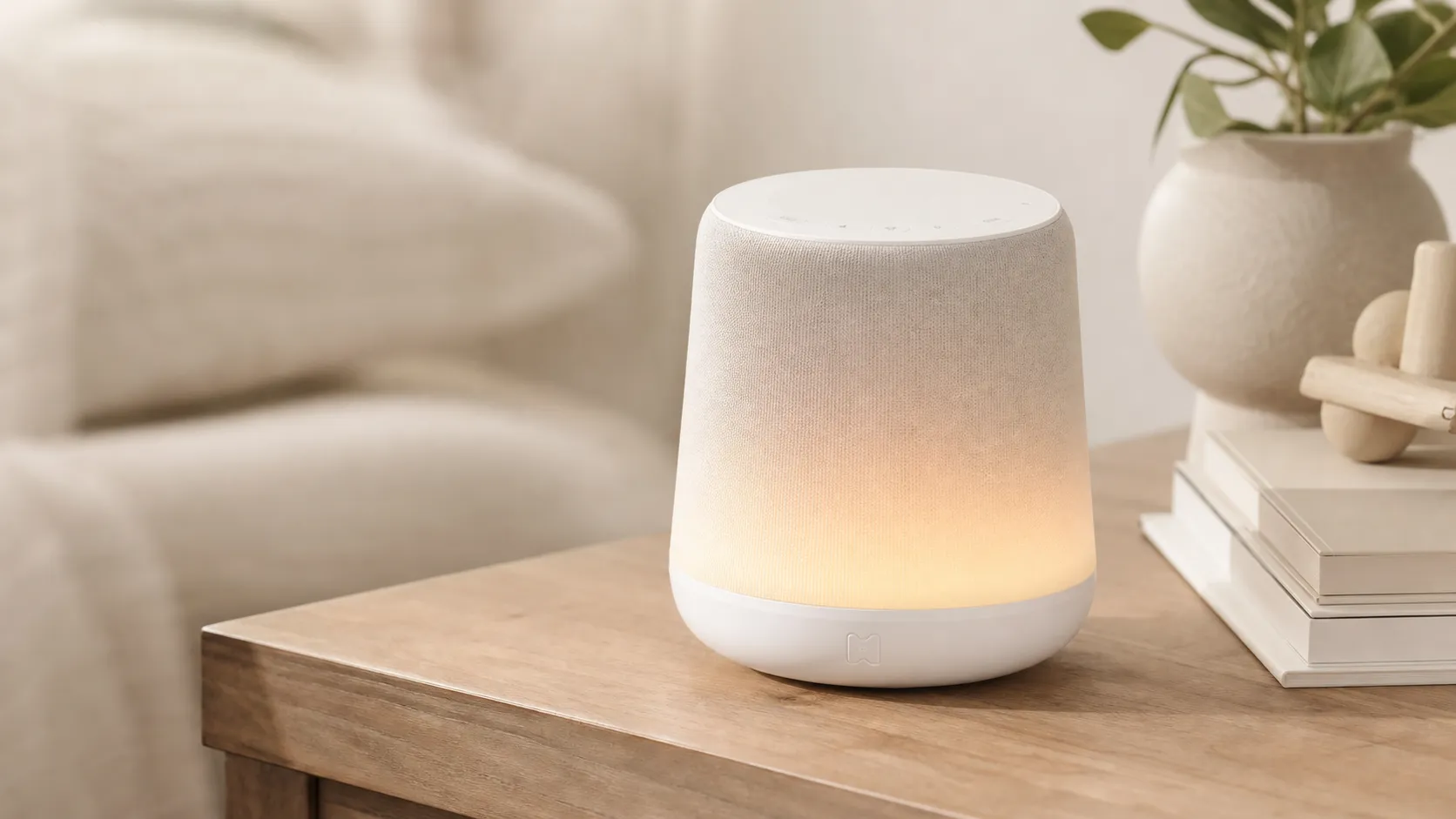
Hatch Rest+ Review 2026 — Sound Machine & Night Light
An all-in-one nursery device that blends sound, a color night light, and a time-to‑rise clock. Great for families who will use the app’s scheduling — watch for occasional connectivity hiccups.
 Baby & Kids
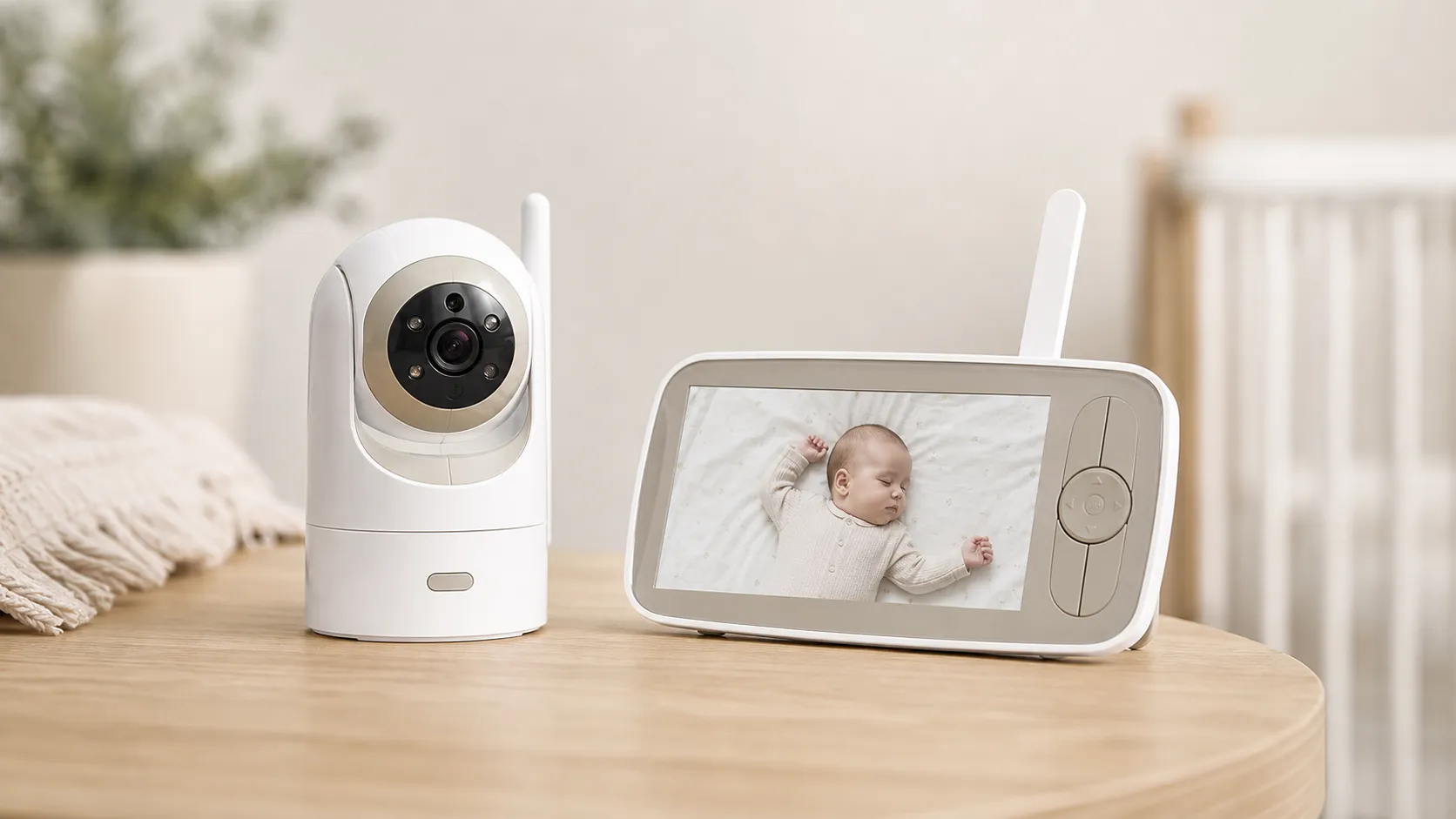
Infant Optics DXR‑8 Pro Video Baby Monitor — 2026 Review
A privacy‑first, high‑clarity non‑WiFi monitor with real optical zoom, clean audio, and long range — strong overall, but a minority report battery/charging issues.
 Baby & Kids
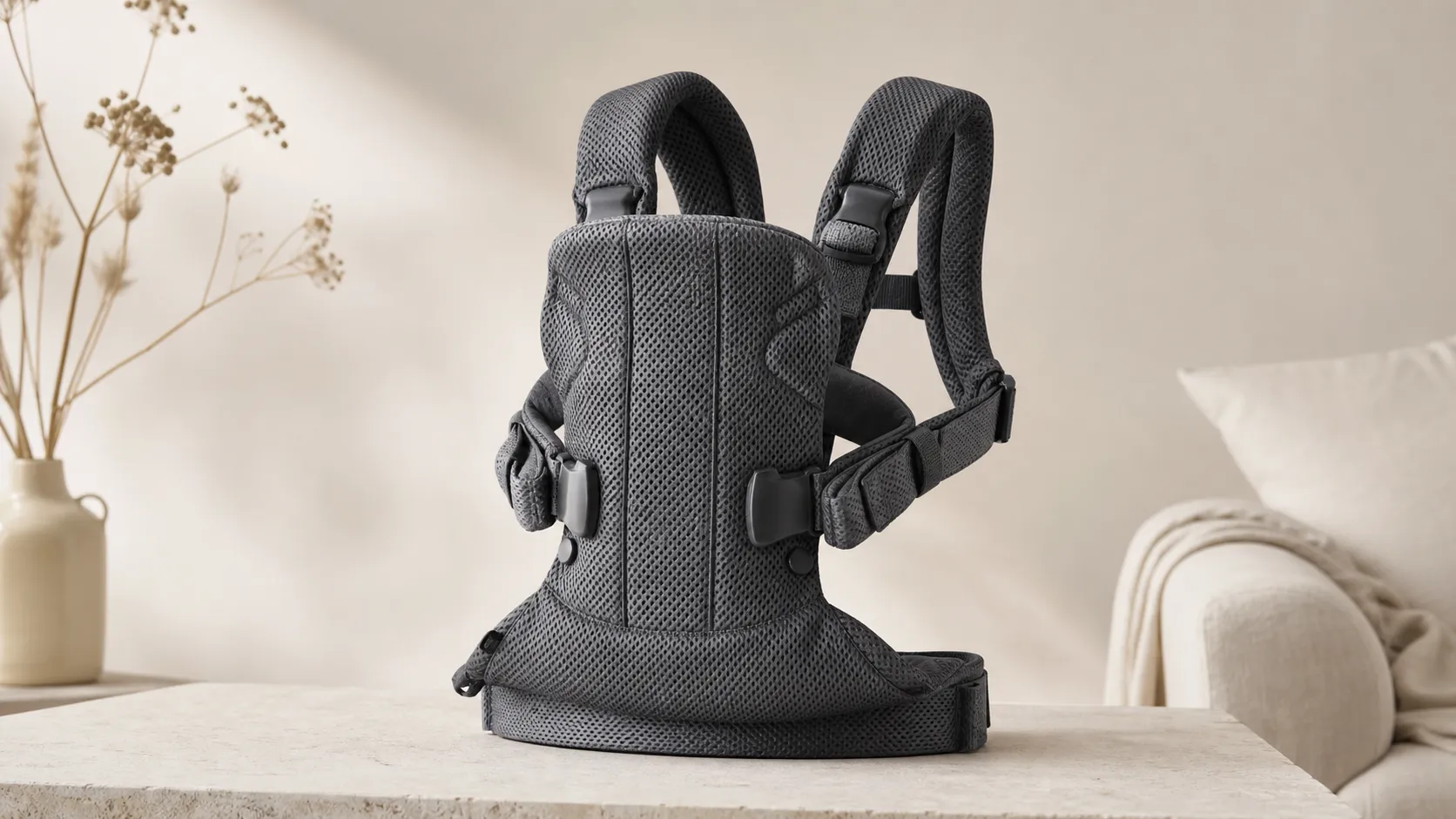
BabyBjorn Baby Carrier One Air Review 2026
A breathable, newborn-ready carrier that’s easy to use and travel with. Great for short-to-medium carries and warm weather, but less ideal for long, heavy-duty use.