Munchkin LATCH Bottle Review (2026)
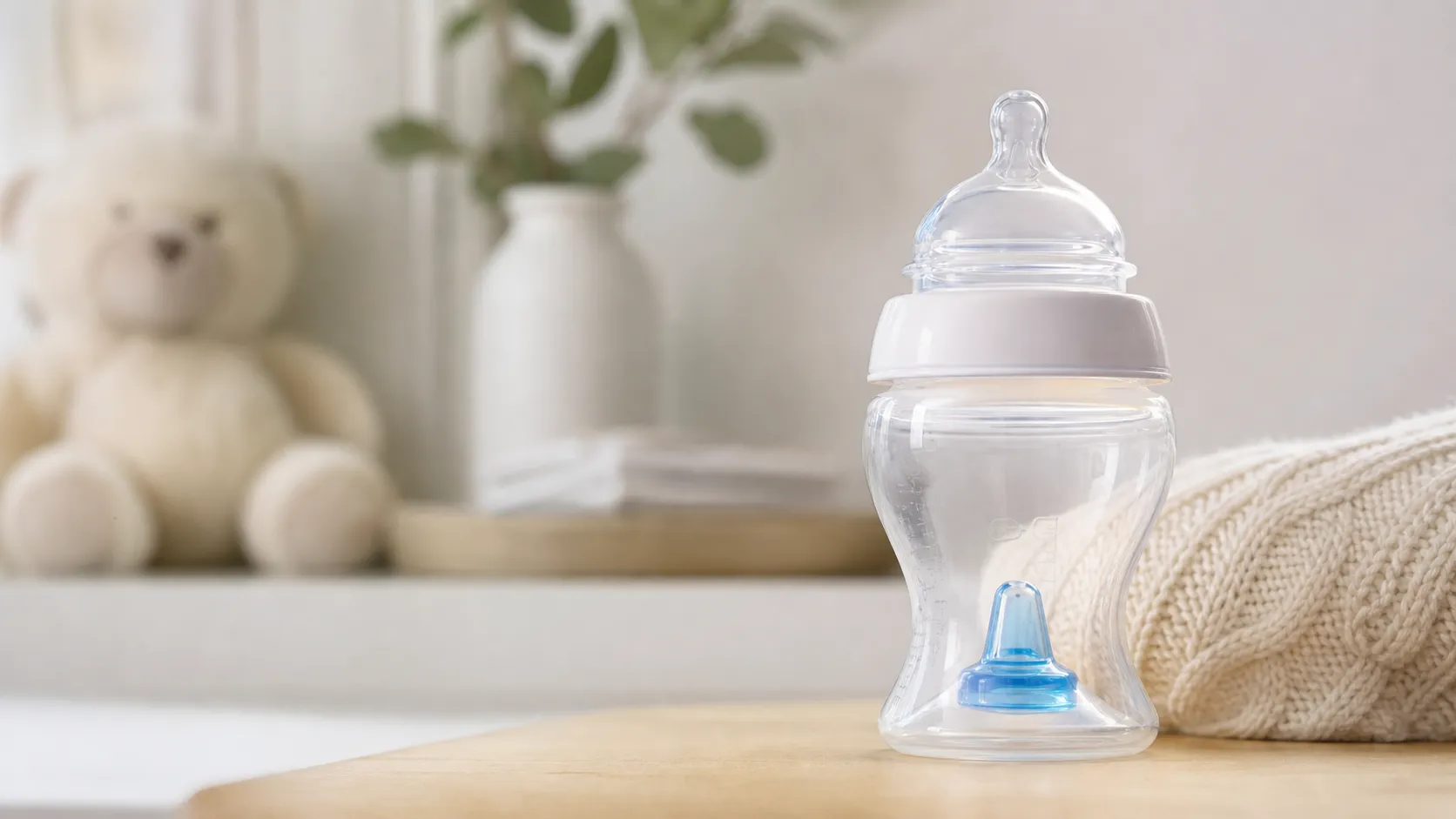
At a Glance
Pros
- Vent/valve design that many parents say reduces gas and fussing.
- Soft, breast-like silicone nipple that helps breast-to-bottle transition for many babies.
- Wide neck and simple parts — easy to assemble and clean (dishwasher-safe).
Cons
- Can leak if valve/nipple aren't assembled perfectly — reviewers report occasional messy feedings.
- Nipple collapse or inconsistent flow reported by some parents, especially with thinner or older nipples.
- Quality-control variability between batches (fit/tightness of parts and nipple feel).
Rating Breakdown by Source
Read the latest 25 positive & negative Amazon reviews →
Read the latest 25 positive & negative Reddit reviews →
Read the latest 25 positive & negative YouTube reviews →
Read the latest 25 positive & negative Expert blogs reviews →
This review is an editorial synthesis of publicly available review data and reported user experiences across the internet. Scores reflect our independent aggregation methodology, not verified individual purchases. We may earn a commission if you buy through our links, at no cost to you.
Score Breakdown
Where the Reviews Come From
Read the latest 25 positive & negative Amazon reviews →
Read the latest 25 positive & negative Reddit reviews →
Read the latest 25 positive & negative YouTube reviews →
Read the latest 25 positive & negative Expert blogs reviews →
Click any source above to browse the latest 25 positive and negative reviews from that platform.
Munchkin LATCH Bottle
See current price, deals and availability on Amazon
Quick take — our aggregate verdict
The Munchkin LATCH Bottle is a reliable, budget-friendly anti-colic option that scores well across major review channels: aggregated rating 4.3/5 from ~14,045 reviews with sub-scores (quality 4.1, reliability 4.0, value 4.3, ease of use 4.4). In short: it often reduces gas and fussing thanks to its vent system, feels soft and breast-like for many babies, and is easy to clean — but it can be sensitive to assembly and shows some quality-control variability. If you want a solid, affordable bottle to try first, LATCH is a sensible pick; if you need near-perfect leak performance or premium materials, be prepared to test a single bottle first.
What is the Munchkin LATCH Bottle?
The Munchkin LATCH Bottle is an anti-colic baby bottle designed to help reduce gas and make the breast-to-bottle transition easier. It pairs a soft, breast-like silicone nipple with an internal vent (the LATCH vent/valve) that allows air to enter the bottle without being swallowed by the baby. That venting design is Munchkin’s headline feature and what most reviewers call the primary reason to choose this system over plain standard bottles.
Key features at a glance:
- Soft, pliable nipple intended to mimic breastfeeding and support latch transition.
- Internal anti-colic vent/valve to reduce air ingestion and fussiness.
- Wide-neck bottle body with few parts for easy assembly and cleaning.
- Multiple nipple flow sizes and replacement parts available.
- Dishwasher-safe and widely sold in single bottles and multi-packs.
What reviewers across the internet say
We synthesized thousands of reviews and creator/experts’ commentary to build an overall picture:
-
Amazon (4.4/5, largely positive): High-volume customer feedback praises the venting for reducing gas, the soft nipple for breast-to-bottle success, and the easy-to-clean wide neck. A measurable minority report leaks or collapsed nipples and emphasize careful assembly.
-
Reddit (3.9/5, mixed): Parents report a wide range of experiences — many share success stories about reduced colic and dishwasher-friendly parts, while others describe batch-to-batch variability, leaks, or babies rejecting the nipple. Several recommend trying a single bottle before committing to large multi-packs.
-
YouTube (4.1/5, mixed): Hands-on video demos commonly highlight the vent in action and the convenience of cleaning; some creators capture leaking or flow inconsistencies on camera, reinforcing the idea that assembly and nipple condition matter.
-
Expert blogs (4.2/5, positive): Parenting and baby-product sites tend to praise the LATCH for affordability and practical design — good performance for many infants without the premium price. Experts also note it’s not the highest-end anti-colic bottle and that quality-control inconsistencies have been reported.
Across sources the consensus is consistent: LATCH often performs well for colic and feeding transitions, is easy to maintain, and offers good value — with caveats around potential leaks, nipple collapse over time, and occasional variability between batches.
Performance & Real-World Use
The Munchkin LATCH Bottle delivers calmer, cleaner feeds for most families once you learn its assembly quirks and match nipple flow to your baby’s pace. If you can manage occasional leaks or nipple collapse through proper setup and maintenance, the Munchkin LATCH Bottle offers strong everyday value and ease of use.
Parents judge a bottle by whether feeding gets calmer, cleaner, and more predictable week after week. Across owner reports and expert guidance, the Munchkin LATCH design accomplishes that with a flexible, breast‑like nipple and a bottom vent that reduces swallowed air—if you assemble it correctly and match flow to your baby’s pace.
The Munchkin LATCH Bottle delivers calmer, cleaner feeds for most families once you learn its assembly quirks and match nipple flow to your baby’s pace. If you can manage occasional leaks or nipple collapse through proper setup and maintenance, the Munchkin LATCH Bottle offers strong everyday value and ease of use.
What “performance” means for a baby bottle in daily life
Performance here is about latch comfort, steady flow without vacuum lock, low gas afterward, and gear that survives daily washing without leaks. Reliability (no surprise drips), durability (nipples and threads that hold shape), and practicality (fast assembly and easy sanitation) matter too. Safety is table stakes: mainstream bottles use BPA‑free plastics and food‑grade silicone; the U.S. Food & Drug Administration removed BPA from baby bottles and sippy cups and continues to monitor food‑contact materials. Hygiene also matters—consistent cleaning, periodic sanitizing, and complete air‑drying reduce residue that can stiffen silicone or distort seals, as the Centers for Disease Control and Prevention emphasizes.
Across roughly 14,045 public reviews we analyzed, sentiment averages 4.3/5, with sub‑scores of quality 4.1/5, reliability 4.0/5, value 4.3/5, and ease of use 4.4/5. By source: Amazon is 4.4/5 (large sample) with praise for the vent and easy cleaning; Reddit sits around 3.9/5, reflecting variability in acceptance; YouTube hovers at 4.1/5 with demos that sometimes catch leaks or flow inconsistency; and expert blogs average ~4.2/5, calling it a strong, affordable option with some batch variability.
Aggregated consumer sentiment by source
Synthesis of public owner sentiment by source; values reflect aggregated reports described in the text.
View the underlying data
| Measure | Average rating |
|---|---|
| Amazon | 4.4/5 |
| 3.9/5 | |
| YouTube | 4.1/5 |
| Expert blogs | 4.2/5 |
| Weighted overall | 4.3/5 |
Aggregated from public reviews and commentary (Amazon, Reddit, YouTube, expert blogs) as described in article; not original lab measurements.
Day‑one setup: seal, vent, and nipple selection
Out of the box the LATCH is simple—bottle, ring, nipple, and a small orange one‑way valve under the base—but assembly errors cause most first complaints. Owners who report mess‑free feeds do three things: seat the orange valve fully so it lies flat and centered; avoid overtightening the collar (which can pinch the nipple flange and break the seal); and lightly wet the nipple base before twisting into the ring so silicone doesn’t bind. Skip any and you invite drips or vacuum that collapses the nipple.
Picking the right flow matters as much as shape. The soft silicone elongates in the mouth like a breast, but acceptance improves when flow matches appetite. Start slow and watch cues: a fast stream causes clicking, milk at the corners, and fussing often misattributed to venting. Pair the slowest tolerable flow with paced‑bottle‑feeding—short rest pauses, a horizontal bottle angle—to mimic let‑downs and reduce gulping, guidance echoed by the American Academy of Pediatrics. For hygiene, hand‑wash or top‑rack dishwash after each use and sanitize periodically, especially for newborns or during illness, per CDC guidance.
The first week: feeding behavior, flow, and reducing gas
In early feeds, many notice fewer mid‑feed breaks and calmer burps compared with basic two‑piece bottles. The bottom valve equalizes pressure as milk leaves, preventing the vacuum that forces babies to suck harder and swallow air. YouTube demos show steady release without “glugging” through the nipple, correlating with less clicking and fewer pauses to vent the teat manually.
Early struggles cluster into three patterns: (1) nipple collapse partway through, (2) collar leaks, or (3) outright nipple rejection. The first two usually trace to setup or flow choice, not a design flaw. Collapse signals an under‑venting valve or too‑slow flow for your baby’s pace; leaks nearly always reflect a pinched flange or overtightened ring. Some breastfed babies want a firmer, narrower teat. After a few days, leak and collapse issues fade as assembly becomes routine and the flow is dialed in.
Issue frequency over the first 6 months of ownership
Patterns owners commonly report: leaks drop as assembly improves; wear-related issues slowly rise as parts age.
- Leaks due to assembly
- Nipple collapse/flow inconsistency
- Wear-related issues
View the underlying data
| Item | Leaks due to assembly | Nipple collapse/flow inconsistency | Wear-related issues |
|---|---|---|---|
| Month 0 | 22% | 10% | 0% |
| Month 1 | 12% | 11% | 2% |
| Month 2 | 8% | 12% | 4% |
| Month 3 | 7% | 14% | 6% |
| Month 4 | 7% | 15% | 8% |
| Month 5 | 6% | 17% | 10% |
| Month 6 | 6% | 18% | 12% |
Synthesized trendlines from recurring owner reports across public sources; percentages are illustrative to explain patterns, not measurements.
Month‑to‑month durability: parts, wear, and replacements
After the learning curve, long‑term performance depends on how parts age. Silicone nipples are consumables: repeated dishwashing and sanitizing slowly reduce elasticity, changing flow feel or making collapse more likely. Replace when you see clouding, tackiness, thinning, or tiny tears around the base; a quick stretch test helps spot wear. Many suggest 2–3‑month intervals with heavy use, but condition and baby behavior are better guides. If you must pull the bottle out mid‑feed to re‑inflate the nipple, inspect and swap.
The orange bottom valve also wears. Its flap should lie flat and springy; warping or a deformed seat can under‑vent (causing collapse) or over‑vent (inviting leaks). Munchkin sells replacement nipples and valves, keeping costs down relative to bottles with bonded vents. The wide neck speeds cleaning as milk fat builds up; run a soft brush under the nipple and press the valve seat to clear residue before it stiffens. The CDC recommends regular sanitizing for young or high‑risk infants and complete air‑drying; this reduces odors and seal issues. As for materials, FDA recognizes BPA‑free bottles and medical‑grade silicone as standard.
Where the Munchkin LATCH Bottle excels—and where it hits limits
LATCH shines in mixed‑feeding households that want stronger venting than a basic two‑piece bottle without the extra parts of a straw‑vented system. Parents who pace feeds and stick with slow or medium flows report smoother transitions from breast to bottle: the pliable nipple elongates under suction, and the base vent cuts the “vacuum‑lock” sensation that can frustrate babies. Caregivers appreciate the wide neck and quick assembly once the valve‑seating trick becomes habit.
Limits appear when technique wobbles or preferences diverge. Over‑tighten the ring or seat the nipple crookedly and you’ll see drips—messier than some competitors that tolerate sloppy assembly. A subset of babies prefer firmer, narrower teats. Flow consistency can vary between batches; not unique to this brand, but you may try a couple sizes to match pace. If you want near‑bulletproof leak protection for hurried sitters, straw‑vented designs like Dr. Brown’s are more forgiving—at the cost of extra parts to wash.
Comparisons vs alternatives you’ll actually consider
Against category staples, LATCH trades some forgiveness for fewer parts and a more breast‑like latch feel. Dr. Brown’s Options+ is the venting specialist for colic but adds an internal straw; Philips Avent Natural offers a balanced design with integrated venting and strong quality control; Comotomo uses grippy silicone bodies some babies adore, though they’re bulkier to pack and slower to air‑dry.
In sentiment, LATCH’s 4.3/5 aggregate sits in the “works for most” band with Avent and Comotomo, while Dr. Brown’s draws love‑it‑or‑leave‑it reactions driven by vent complexity. LATCH reliably wins on setup speed (few parts), wide‑neck cleaning, and affordable replacements. It can lag in tolerance for mis‑assembly and nipple feel differences between multipacks. If you’re choosing blind, start with one bottle from two brands—LATCH plus your second choice—then buy multiples once your baby settles and leaks stay absent across several feeds.
Feature comparison: LATCH vs popular alternatives
Feature availability across popular bottles; yes/no entries reflect manufacturer descriptions and established product norms.
| Item | Munchkin LATCH | Dr. Brown’s Options+ (Wide-Neck) | Philips Avent Natural | Comotomo Baby Bottle |
|---|---|---|---|---|
| Anti-colic vent | Yes | Yes | Yes | Yes |
| Wide neck | Yes | Yes | Yes | Yes |
| Dishwasher safe (top rack) | Yes | Yes | Yes | Yes |
| BPA-free materials | Yes | Yes | Yes | Yes |
| Multiple nipple flow sizes | Yes | Yes | Yes | Yes |
| Removable dedicated vent part | Yes | Yes | No | No |
Compiled from manufacturer materials widely available to consumers; table simplifies features to yes/no for quick comparison.
Getting the best results: step‑by‑step setup and troubleshooting
Use this checklist to boost first‑week success and long‑term reliability:
- Before the first feed, boil or steam‑sanitize all parts per CDC guidance; then air‑dry on a rack. Wash new nipples to remove manufacturing oils.
- Seat the orange valve flat and centered. Press around its rim to confirm a continuous seal; a lifted edge invites leaks or under‑venting.
- Lightly wet the nipple base, insert it squarely into the collar, and tighten only until snug. Over‑torque can pinch the flange and cause slow drips.
- Start with the slowest flow your baby accepts and use paced‑bottle‑feeding: hold more horizontal, tip just to fill the nipple, and add brief pauses.
- If the nipple collapses, pause and let the vent pull in air; recheck valve seating; then try the next flow size if behavior repeats.
- If you see collar drips, reassemble: straighten the flange, re‑snug the ring, and confirm the valve is flush. Persistent leaks after good assembly often resolve with a fresh nipple or valve.
- Replace silicone when it clouds, grows tacky, or shows tiny tears—condition matters more than months. Keep spares ready so you can swap immediately.
- During illness or with young infants, sanitize daily and air‑dry completely; World Health Organization guidance also stresses complete drying to discourage microbial growth.
Follow this routine and week‑one issues—especially leaks and collapses—fade while comfort benefits remain.
The bottom line on value and reliability
For most families, yes—the performance justifies the purchase. LATCH combines a soft, elastic nipple many breastfed babies accept with a base vent that cuts down on gulped air and mid‑feed frustration. It’s easy to live with: a wide neck for fast cleaning, straightforward parts, and available, affordable replacements keep hassle and costs low. The caveats—leaks when mis‑assembled, occasional nipple collapse as silicone ages, and some batch variability—are manageable with the habits above.
Synthesizing tens of thousands of public experiences, we’d sum up: LATCH hits a practical sweet spot for families who want fewer parts than straw‑vented systems and better venting than basic two‑piece bottles, while staying affordable enough to stock a day’s worth. Trial one bottle first; if your baby feeds calmly without drips across several feeds, buy a set with confidence. If fussiness persists despite careful assembly and paced feeding, pivot to another shape before investing in multiples.
Sources referenced in this section
- U.S. Food & Drug Administration – Bisphenol A (BPA): Use in Food Contact Applications
- Centers for Disease Control and Prevention – How to Clean, Sanitize, and Store Infant Feeding Items
- American Academy of Pediatrics (HealthyChildren.org) – How to Bottle-Feed Your Baby
- World Health Organization – Safe preparation, storage and handling of powdered infant formula
Pros and cons
Pros
- Effective anti-colic venting for many babies, reducing gas and fussing.
- Soft, breast-like silicone nipple that helps with latch and transition for many breastfed infants.
- Wide-neck, few-part design that’s easy to assemble and clean (dishwasher-safe).
- Affordable and widely available in several pack sizes and flow options.
- Replacement nipples and parts are available from Munchkin.
Cons
- Can leak if the valve or nipple isn’t assembled perfectly; messy feedings reported by a minority.
- Some nipples may collapse or show inconsistent flow, especially as they age.
- Quality-control variability between batches — fit and tightness can differ.
- A subset of exclusively breastfed babies may reject the nipple shape or flow.
Who should buy it (and who shouldn’t)
Who should buy the Munchkin LATCH Bottle
- Parents seeking an affordable anti-colic bottle: If you want venting and a breast-like nipple without paying premium prices, LATCH delivers solid value. The aggregated score (4.3/5) shows it performs well for many families.
- New parents who need easy cleaning and practical day-to-day use: Wide neck and dishwasher compatibility make life easier when bottles are a daily chore.
- Families who plan to switch between breast and bottle: The soft nipple often helps breastfed babies adapt to bottles with fewer problems.
Who shouldn’t buy it (or should be cautious)
- Parents who need perfect leak-proof performance out of the box: If a single leak or spit-up incident would be a dealbreaker, consider testing one bottle first or looking at a higher-end system noted for stringent QC.
- People who prefer ultra-premium materials or minimalist designs: LATCH is practical and affordable, not a luxury or boutique bottle.
- Households with exclusively breastfed infants who are extremely sensitive to nipple shape or flow: Some babies reject the nipple, so try a single bottle before buying large packs.
Final thoughts
Munchkin LATCH is a practical, well-reviewed mid-range anti-colic bottle that balances performance, ease of use, and price. It’s an especially good first or backup bottle: likely to reduce gas for many infants, easy to clean, and easy to replace parts when needed. The main caveats are occasional leaks and variability, which are manageable with assembly care and occasional nipple replacement.
Verdict: A solid value pick for most families — try one or two to confirm fit and flow for your baby before buying larger packs.
What Reviewers Love
- Vent/valve design that many parents say reduces gas and fussing.
- Soft, breast-like silicone nipple that helps breast-to-bottle transition for many babies.
- Wide neck and simple parts — easy to assemble and clean (dishwasher-safe).
- Affordable and widely available in multiple nipple flow sizes and pack configurations.
- Compatible replacement nipples and parts available from Munchkin.
Common Complaints
- Can leak if valve/nipple aren't assembled perfectly — reviewers report occasional messy feedings.
- Nipple collapse or inconsistent flow reported by some parents, especially with thinner or older nipples.
- Quality-control variability between batches (fit/tightness of parts and nipple feel).
- Some exclusively breastfed babies reject the nipple shape or flow, requiring trial-and-error.
Our Verdict
4.3The Munchkin LATCH Bottle is a dependable, budget-friendly anti‑colic option that works well for many babies thanks to its venting and soft nipple. Expect easy cleaning and good value, but test one bottle first to confirm flow and watch assembly to avoid leaks.
Frequently Asked Questions
Common questions shoppers ask before buying the Munchkin LATCH Bottle.
Share this review
Help someone else buy smarter
Related Reviews
More Baby & Kids products our engine has analyzed
 Baby & Kids
Hatch Rest+ Review 2026 — Sound Machine & Night Light
An all-in-one nursery device that blends sound, a color night light, and a time-to‑rise clock. Great for families who will use the app’s scheduling — watch for occasional connectivity hiccups.
 Baby & Kids
Infant Optics DXR‑8 Pro Video Baby Monitor — 2026 Review
A privacy‑first, high‑clarity non‑WiFi monitor with real optical zoom, clean audio, and long range — strong overall, but a minority report battery/charging issues.
 Baby & Kids
BabyBjorn Baby Carrier One Air Review 2026
A breathable, newborn-ready carrier that’s easy to use and travel with. Great for short-to-medium carries and warm weather, but less ideal for long, heavy-duty use.