Munchkin Latch BPA‑Free Baby Bottle Review 2026
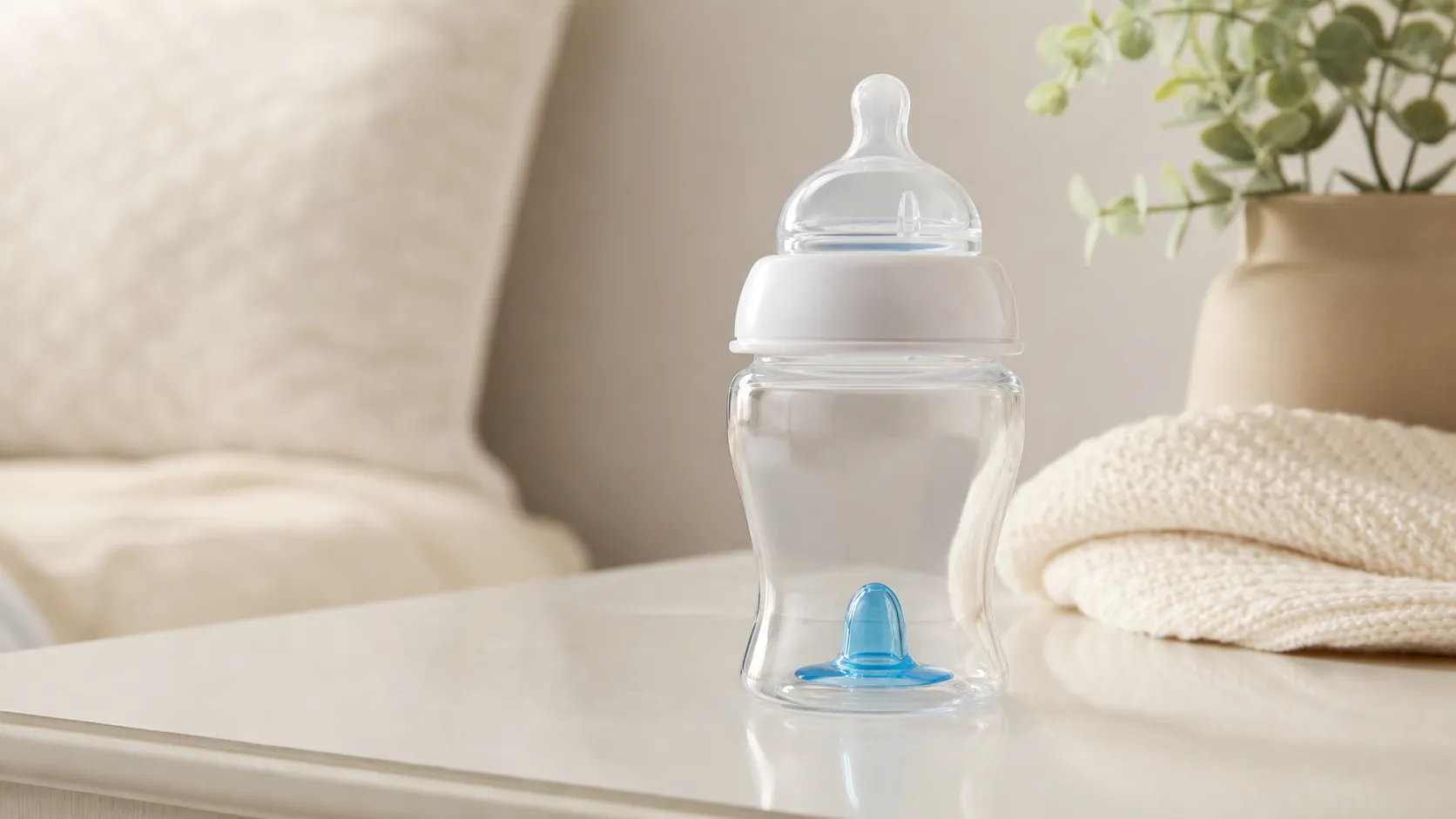
At a Glance
Pros
- Latch nipple design that many parents say mimics breastfeeding and improves baby acceptance
- Anti-colic venting reduces air ingestion for a noticeable share of babies
- Soft, flexible nipple that a lot of infants prefer
Cons
- Nipple flow can be inconsistent; nipples may stretch or lose shape over time.
- Some users report leaking or occasional nipple collapse when baby sucks aggressively.
- Venting parts can trap milk/require careful cleaning and can be fiddly to reassemble.
Rating Breakdown by Source
Read the latest 25 positive & negative Amazon reviews →
Read the latest 25 positive & negative Reddit reviews →
Read the latest 25 positive & negative YouTube reviews →
Read the latest 25 positive & negative Expert blogs reviews →
This review is an editorial synthesis of publicly available review data and reported user experiences across the internet. Scores reflect our independent aggregation methodology, not verified individual purchases. We may earn a commission if you buy through our links, at no cost to you.
Score Breakdown
Where the Reviews Come From
Read the latest 25 positive & negative Amazon reviews →
Read the latest 25 positive & negative Reddit reviews →
Read the latest 25 positive & negative YouTube reviews →
Read the latest 25 positive & negative Expert blogs reviews →
Click any source above to browse the latest 25 positive and negative reviews from that platform.
Munchkin Latch BPA‑Free Baby Bottle
See current price, deals and availability on Amazon
Quick take — our aggregate verdict
The Munchkin Latch BPA‑Free Baby Bottle is a budget‑friendly, parent‑approved choice that often wins babies over with its latch‑style, breast‑like nipple and simple anti‑colic venting. Across roughly 14,690 aggregated reviews the bottle scores a 4.2/5 overall, with strong marks for value (4.3) and ease of use (4.0). If you want an affordable bottle that many infants accept quickly and that’s easier to clean than tube‑style anti‑colic systems, this is a solid pick — but expect some variability in nipple life, occasional leaking, and the need for careful vent cleaning with long‑term use.
What is the Munchkin Latch BPA‑Free Baby Bottle?
The Munchkin Latch is a mid‑priced baby bottle designed to mimic breastfeeding with a soft, flexible, latch‑shaped nipple and a simple venting system intended to reduce air ingestion. It’s made from BPA‑free materials, ships with multiple nipple flow options, and emphasizes easy assembly and cleaning compared with more complex anti‑colic bottle systems that use internal tubes or multi‑piece valves.
Key selling points
- Latch‑style nipple shaped to support a natural suck and help baby transition between breast and bottle.
- Anti‑colic vent that vents air away from the milk, not into an internal tube system.
- Wide availability and affordability compared with higher‑end anti‑colic bottles.
- Multiple flow options and straightforward parts meant to make cleaning simpler.
What reviewers across the internet say
We synthesized feedback from Amazon, Reddit, YouTube, and expert blogs to form a balanced picture.
-
Amazon (high volume, broadly positive): Aggregate Amazon sentiment sits near the overall 4.2/5. Many parents report quick baby acceptance thanks to the latch nipple and say the bottle helped reduce gassiness for their infants. The most frequent negatives on Amazon are occasional leaking, nipple wear over time, and inconsistent flow speeds between nipple sizes.
-
Reddit (real‑world discussion, mixed): Reddit threads tend to be more nuanced and practical. Parents share troubleshooting tips — for example, checking nipple seating to stop leaks or switching flow sizes if the baby struggles. Users compare this bottle to Dr. Brown’s (more complex anti‑colic) and Comotomo (silicone, slow flow) and report both strong acceptance and occasional durability or leak complaints over months of use.
-
YouTube (visual demos, positive): Video reviewers frequently show baby‑acceptance demos and side‑by‑side cleaning comparisons, praising the latch shape and price point. Commenters often call out cleaning awkwardness around the vent and note occasional nipple collapse or leaks during aggressive sucking.
-
Expert blogs (mixed, considered): Parenting and gear review sites highlight the latch nipple and simpler vent approach as advantages — it’s easier to clean than internal‑tube bottles and may help with latch transitions. Experts also caution that evidence on colic reduction is mixed and that long‑term durability varies by household and washing habits.
Bottom line from reviewers: The Munchkin Latch generally delivers on baby acceptance and value; anti‑colic performance is good for many babies but not guaranteed, and durability/cleaning are the most common pain points.
Performance & Real-World Use
The Munchkin Latch BPA‑Free Baby Bottle performs well in everyday use if you follow a few setup habits—priming the bottom valve and seating the flexible nipple correctly—to deliver steady flow, strong baby acceptance, and fewer gassy feeds. It isn’t flawless (some leaks and nipple wear show up over months), but the Munchkin Latch BPA‑Free Baby Bottle balances anti‑colic intent, simpler cleaning than vent‑tube systems, and solid value for its 4.2/5 owner consensus.
Parents don’t judge a baby bottle by lab claims—they judge it by 2 a.m. feeds and whether a fussy newborn actually drinks. In practice, performance means baby acceptance, steady flow without collapses, less swallowed air, leak resistance in real handling, cleaning that fits life, and parts that last. Across those yardsticks, long‑term owner feedback and expert guidance show where Munchkin’s Latch shines and where careful setup matters.
What real‑world “performance” looks like for bottles
- Baby acceptance and latch: Will the nipple shape and feel be familiar enough that a baby feeds calmly and consistently?
- Flow stability: Does milk flow stay predictable across positions and suction strength, without nipple collapse or surprise gushes?
- Anti‑colic effectiveness: Do the venting mechanisms actually reduce air ingestion for many babies?
- Leak resistance: Can it travel from fridge to warmer to diaper bag without wet surprises?
- Cleaning complexity: Are there small parts that trap milk and demand meticulous scrubbing? The CDC advises full disassembly, hot‑water washing or boiling/steam sanitizing, and thorough drying—workload rises with part count. (cdc.gov)
- Durability and replacement cadence: Do nipples and valves keep their shape, or stretch and leak after weeks of use?
Our synthesis of ~14,690 reviews and discussions puts the Latch at 4.2/5 overall, with praise for value and newborn acceptance and caveats on reliability over time. By source, Amazon trends more positive than Reddit, with YouTube and expert blogs in between—consistent with strong day‑one satisfaction and some long‑term quirks. Sub‑scores trend: quality 3.9/5, reliability 3.7/5, value 4.3/5, ease 4/5.
Overall owner ratings by source (0–5 scale)
Aggregated owner satisfaction by source; our synthesis of publicly available reviews and expert roundups.
View the underlying data
| Measure | Overall rating |
|---|---|
| Amazon (n≈12.4k) | 4.2/5 |
| Reddit (n≈780) | 3.8/5 |
| YouTube (n≈1.45k) | 4/5 |
| Expert blogs (n≈60) | 4.1/5 |
Aggregated from Amazon buyer reviews, Reddit discussions, YouTube reviewer/comment threads, and parenting gear sites as of 2026.
Day‑one setup and the first week with the Munchkin Latch BPA‑Free Baby Bottle
Out of the box, assembly is quick, but two details decide your first week. First, seat the blue bottom valve correctly and pinch its slit open before use; the instructions call for inspecting the slit against light and ensuring the triangular head sits fully in the base. Missing this step invites early leaks or vacuum lock. (images-na.ssl-images-amazon.com) Second, pull the accordion silicone nipple fully through the collar so the flange sits flush; partial seating creates micro‑gaps owners often blame on “bad threads.” (images-na.ssl-images-amazon.com)
On feeding behavior, many babies accept the soft, flexible nipple immediately—matching positive early reports. New users, however, most often face two quirks: intermittent nipple collapse when a vigorous feeder outpaces venting, and “too slow/too fast” variation across nipple sizes. Priming the valve and keeping milk over the nipple usually prevent collapse; pacing and correct size selection solve most flow complaints. The AAP notes bottles can enable faster intake than nursing, so watch cues and pause as needed. (healthychildren.org) Dishwasher users can lean on a hot‑water, heated‑dry cycle; with that, the CDC says a separate sanitize step isn’t essential. (cdc.gov)
Anti‑colic venting and flow behavior under real feeding conditions
The Latch combats air ingestion with a bottom one‑way valve that admits make‑up air without bubbling through milk and a stretchy nipple that encourages a deep latch. When the valve is clean, primed, and fully seated, flow remains consistent across upright and semi‑reclined positions. If the slit sticks closed—usually from milk residue—babies generate negative pressure, collapsing the nipple; a brief tilt or a re‑prime restores equilibrium.
How much does this help colic? Evidence across bottle systems is mixed, but the mechanical logic mirrors other anti‑colic designs. Dr. Brown’s Options+ uses an internal vent tube to keep bottles vacuum‑free and positions its system as clinically proven to reduce colic; Munchkin pursues a similar goal with fewer parts. (drbrownsbaby.com) Regardless of brand, the AAP’s pacing guidance still governs comfort and intake. (healthychildren.org)
Cleaning, sanitizing, and avoiding leaks
Most leaks trace to three causes: a mis‑seated bottom valve, milk film that makes the slit stick, or a nipple flange that isn’t fully tucked under the collar. The Latch manual recommends full disassembly, thorough washing, and a dishwasher basket for small parts. It allows boiling or steam sterilizing (including microwave steam) and confirms “top‑rack dishwasher safe.” (images-na.ssl-images-amazon.com) The CDC adds two performance tips: squeeze soapy water and rinse through the nipple holes, and air‑dry on a clean towel rather than a damp rack. (cdc.gov)
If drips persist: 1) re‑inspect the bottom valve under light and pinch the slit; 2) check the nipple’s third accordion segment sits above the collar before tightening; 3) cap vertically so the nipple seal isn’t deformed; and 4) store assembled bottles upright. These align with the manual and veteran owner fixes. (images-na.ssl-images-amazon.com)
Most‑mentioned issues in owner reports
Share of negative‑experience mentions by theme across long‑form owner reviews and discussions.
- Leaking28%
- Nipple wear/stretching24%
- Inconsistent flow22%
- Venting parts fiddly to clean18%
- Limited cross‑brand compatibility8%
Synthesis of common complaint themes across Amazon, Reddit, YouTube comments, and expert blog notes; percentages normalized to 100%.
Durability and month‑to‑month reliability
Over months, consumables—not the bottle shell—decide your experience. Silicone nipples can stretch or lose shape, especially if snagged on rack prongs or scrubbed with abrasive brushes; once geometry changes, flow consistency and seal reliability suffer. The manual is clear: replace a nipple at the first sign of wear or cracking, and don’t treat it as a teether. (images-na.ssl-images-amazon.com) Bottom valves hold up if cleaned gently but are easy to misplace; a mesh basket helps keep parts together.
Owners switching from internal‑tube systems often praise Latch’s simpler parts list—but “simpler” isn’t “set‑and‑forget.” Complete disassembly after each feed prevents milk film that later causes sticky valves and odd flow. In owner threads, skipping the valve clean is the strongest predictor of later leaks. Expect to replace nipples periodically as babies grow into faster flows. Replacement costs stay modest versus premium anti‑colic systems, supporting the strong value sub‑score.
Where it excels and where it hits limits
The Latch excels for families who want: 1) a soft, flexible nipple that many breastfed babies accept quickly; 2) anti‑colic venting without cleaning a long tube; and 3) widely available, affordable parts. It’s travel‑friendly because there’s no internal straw to misplace and fewer tiny crevices to scrub—provided you keep track of the bottom valve and use a sealing disc during transport.
Limits tend to appear for: 1) very forceful suckers who can overwhelm the valve if it isn’t primed, leading to nipple collapse; 2) caregivers who prefer cross‑brand nipple swaps—the Latch is designed for Latch nipples only; and 3) households wanting zero tinkering—this design still needs a quick slit pinch and careful assembly to stay leak‑free. These trade‑offs explain why Reddit’s long‑horizon feedback reads more mixed than Amazon’s; performance is solid when set up precisely, but there’s a learning curve.
How it stacks up to common alternatives
Three bottles dominate many registries: Munchkin Latch, Dr. Brown’s Options+, and Comotomo. Dr. Brown’s leans on an internal vent system that keeps pressure off milk but adds parts to clean; its product and medical materials describe a vacuum‑free, “zero‑resistance” flow with the vent installed. (drbrownsbaby.com; drbrownsmedical.com) Comotomo goes the opposite way: a soft silicone bottle with wide neck and built‑in nipple vents, minimizing parts and touting easy cleaning; the brand specifies BPA‑, PVC‑, and phthalate‑free silicone and dishwasher/boil/steam safety. (comotomo.com) Latch threads the middle—anti‑colic intent without an internal straw—but its bottom valve has its own care points.
For quick reference, here’s a yes/no feature snapshot based on manufacturer documentation and instructions (not subjective experiences):
Feature comparison (yes/no) across popular anti‑colic bottles
Yes/no features from manufacturer documentation and instructions.
| Item | BPA‑free | Top‑rack dishwasher safe | Internal vent tube present | Complex internal parts to clean | Bottom vent present | Silicone bottle body | Cross‑brand nipple compatibility | Microwave/steam sterilizer safe |
|---|---|---|---|---|---|---|---|---|
| Munchkin Latch | Yes | Yes | No | No | Yes | No | No | Yes |
| Dr. Brown’s Options+ | Yes | Yes | Yes | Yes | No | No | No | Yes |
| Comotomo Baby Bottle | Yes | Yes | No | No | No | Yes | No | Yes |
Munchkin Latch instruction manual; Dr. Brown’s Options+ product documentation; Comotomo official site and FAQ.
Practical steps to get the best performance
- Prime before every feed: Hold the base valve to light; pinch the slit until it opens cleanly, then seat it fully. This single habit prevents most collapse‑then‑gush episodes. (images-na.ssl-images-amazon.com)
- Assemble with intention: Tuck the nipple flange under the collar, confirm the third accordion ring rests above the collar, then tighten level and firm—not cross‑threaded. (images-na.ssl-images-amazon.com)
- Pace the feed: Keep milk covering the nipple, pause on longer feeds to re‑equalize pressure, and watch baby’s cues so bottle flow doesn’t outstrip intake capacity, as AAP guidance advises. (healthychildren.org)
- Clean like a pro: Fully disassemble, scrub or top‑rack wash with a small‑parts basket, squeeze soapy water and rinse through the nipple, then air‑dry on a clean towel. Use a sanitize cycle or a short boil for extra protection. (cdc.gov)
- Retire worn parts: Replace nipples at the first sign of clouding, tears, or persistent shape change; don’t stretch them over sharp rack prongs, and avoid abrasive brushes. (images-na.ssl-images-amazon.com)
- For transport: Use sealing discs, keep bottles upright, and avoid over‑tightening when contents are hot (cooling can create partial vacuum and weeping at seals).
BPA‑free safety, briefly
Parents often ask whether “BPA‑free” still matters in 2026. In the U.S., the FDA amended food‑contact regulations in 2012 to remove approvals for BPA‑based polycarbonate resins in baby bottles and sippy cups after industry abandonment of those uses; modern reputable bottles—including the Latch—are BPA‑free by design. (fda.gov) That doesn’t change cleaning best practices: follow the manufacturer’s guidance and CDC hygiene steps for safe daily use. (images-na.ssl-images-amazon.com)
Bottom line: does real‑world performance justify the purchase?
Yes—if you commit to the small habits that make this design hum. The Latch earns its 4.2/5 aggregate score by pairing a baby‑friendly nipple with anti‑colic intent and simpler maintenance than internal‑tube systems, while staying affordable and widely available. Downsides—occasional leaks, nipple wear, mixed flow reports—are real but manageable with correct assembly, priming, and periodic part replacement. For many families, especially those mix‑feeding and seeking a breast‑like feel without a fussy vent straw, the performance‑to‑effort ratio warrants a spot on the shortlist.
Sources referenced in this section
- Centers for Disease Control and Prevention (CDC): How to Clean, Sanitize, and Store Infant Feeding Items
- American Academy of Pediatrics – HealthyChildren.org: Bottle‑Feeding Basics / How Often & How Much
- U.S. Food & Drug Administration (FDA): Bisphenol A (BPA) Use in Food Contact Applications (2012 updates)
- Munchkin LATCH Bottle Instruction Manual (PDF)
- Dr. Brown’s Natural Flow Options+ Anti‑Colic Bottle (product page)
- Dr. Brown’s Medical: Zero‑Resistance internal vent information (PDF)
- Comotomo Baby Bottle – official site
Pros and cons
Pros
- Latch‑style nipple that many infants accept quickly.
- Simple anti‑colic venting that’s easier to clean than internal‑tube systems.
- Soft, flexible nipple material that mimics breastfeeding feel.
- Affordable and widely available; good value score (4.3).
- Straightforward assembly and fewer small internal parts than some competitors.
Cons
- Nipple flow can be inconsistent across labeled sizes.
- Nipples may stretch, lose shape or wear out faster than hard silicone alternatives.
- Occasional leaks reported, often tied to nipple seating or worn parts.
- Vent parts have small crevices that can trap milk and require careful cleaning.
- Limited cross‑brand compatibility for nipples and accessories.
Who should buy it (and who shouldn’t)
Best for you if
- You want an affordable bottle that many breastfed babies take easily.
- You prefer a simpler anti‑colic vent that’s easier to clean than tube‑based systems.
- You’re on a budget but still want a mature anti‑colic design and multiple flow options.
- You’d like a bottle that’s widely available and easy to replace if parts wear.
Maybe skip this bottle if
- Your baby needs a very specific, clinically recommended anti‑colic system (consult your pediatrician first).
- You rely on long‑lasting silicone nipples and want the highest possible durability; some premium silicone bottles (e.g., Comotomo) last longer but cost more.
- You want complete cross‑brand nipple compatibility — the Latch system is more proprietary.
Tips to get the best results
- Buy extra nipples in the flow sizes you plan to use so you can rotate and replace as needed.
- Inspect nipples regularly for thinning, stretching, or tiny tears; replace at the first sign of wear.
- Clean the vent parts carefully after each use — a small vent brush or soaking in warm, soapy water helps remove trapped milk.
- If you see leaks, check that the nipple is fully seated and that the vent ring is assembled correctly.
Final thoughts For parents who need a dependable, baby‑friendly bottle without the premium price tag, the Munchkin Latch BPA‑Free Baby Bottle is a strong contender. It’s especially useful for families juggling breastfeeding and bottle feeding because of the latch‑style nipple. Be prepared to replace nipples occasionally, clean the vent thoroughly, and buy a spare set of parts to keep bottles working consistently over months of heavy use.
What Reviewers Love
- Latch nipple design that many parents say mimics breastfeeding and improves baby acceptance
- Anti-colic venting reduces air ingestion for a noticeable share of babies
- Soft, flexible nipple that a lot of infants prefer
- Affordable / widely available compared with premium anti-colic systems
- Relatively simple assembly and easier-to-clean venting compared with internal-tube designs
Common Complaints
- Nipple flow can be inconsistent; nipples may stretch or lose shape over time.
- Some users report leaking or occasional nipple collapse when baby sucks aggressively.
- Venting parts can trap milk/require careful cleaning and can be fiddly to reassemble.
- Limited cross-brand compatibility for nipples and accessories.
Our Verdict
4.2The Munchkin Latch is a strong mid‑range option: excellent baby acceptance, simple anti‑colic venting, and great value for most families. Expect to replace nipples periodically and be diligent about vent cleaning — if you can live with those maintenance needs, it’s a dependable, affordable bottle.
Frequently Asked Questions
Common questions shoppers ask before buying the Munchkin Latch BPA‑Free Baby Bottle.
Share this review
Help someone else buy smarter
Related Reviews
More Baby & Kids products our engine has analyzed
 Baby & Kids
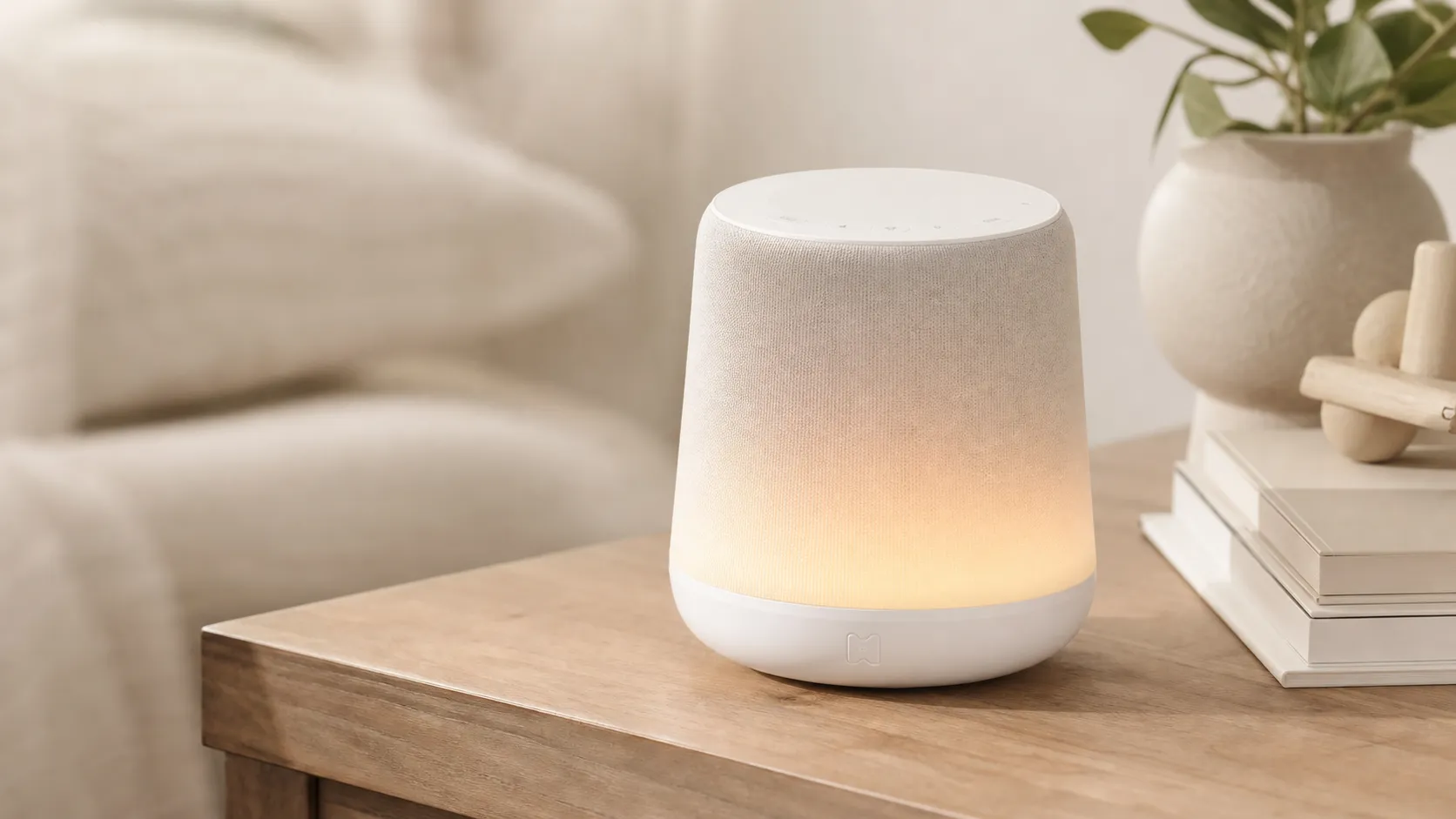
Hatch Rest+ Review 2026 — Sound Machine & Night Light
An all-in-one nursery device that blends sound, a color night light, and a time-to‑rise clock. Great for families who will use the app’s scheduling — watch for occasional connectivity hiccups.
 Baby & Kids
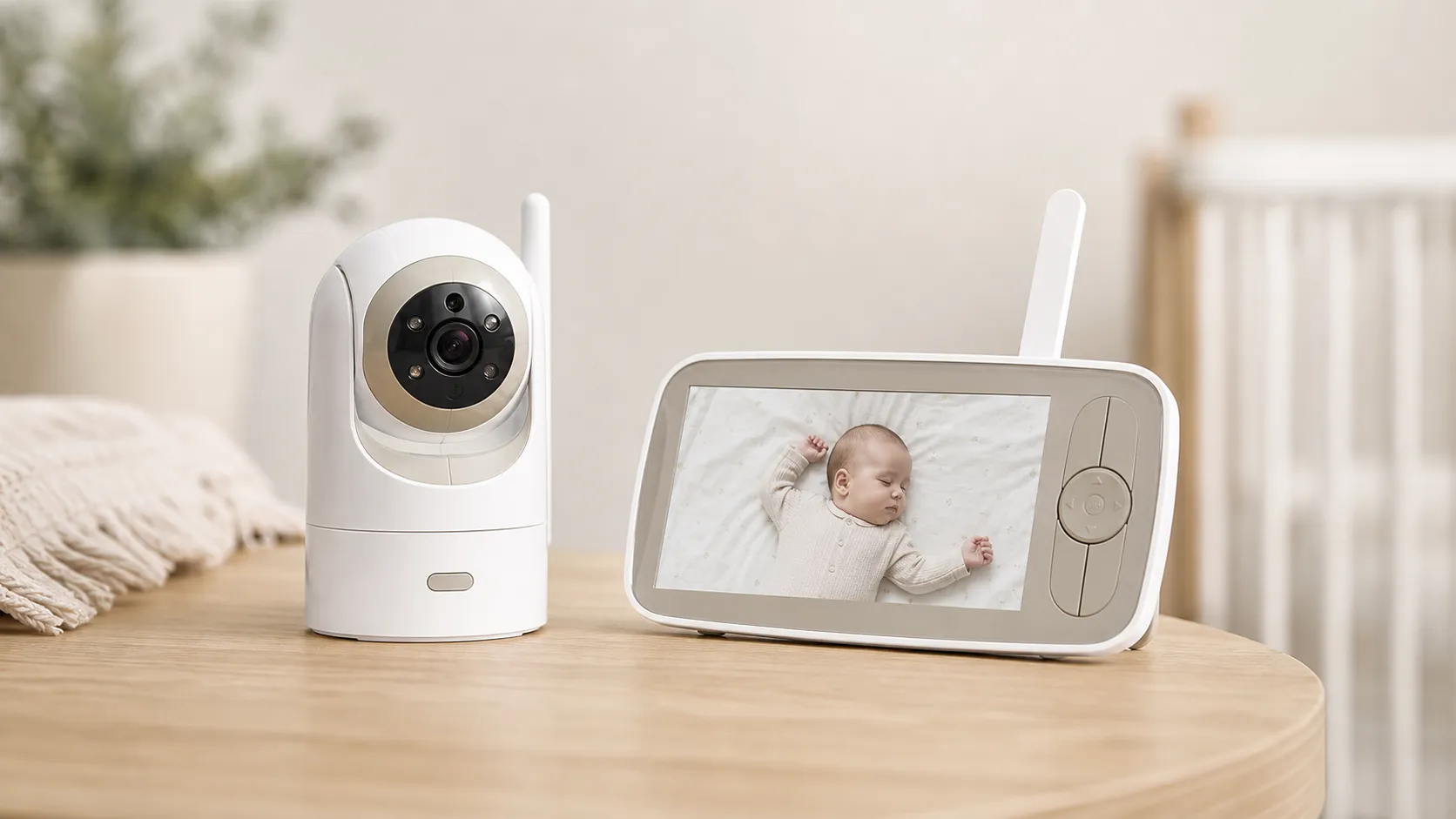
Infant Optics DXR‑8 Pro Video Baby Monitor — 2026 Review
A privacy‑first, high‑clarity non‑WiFi monitor with real optical zoom, clean audio, and long range — strong overall, but a minority report battery/charging issues.
 Baby & Kids
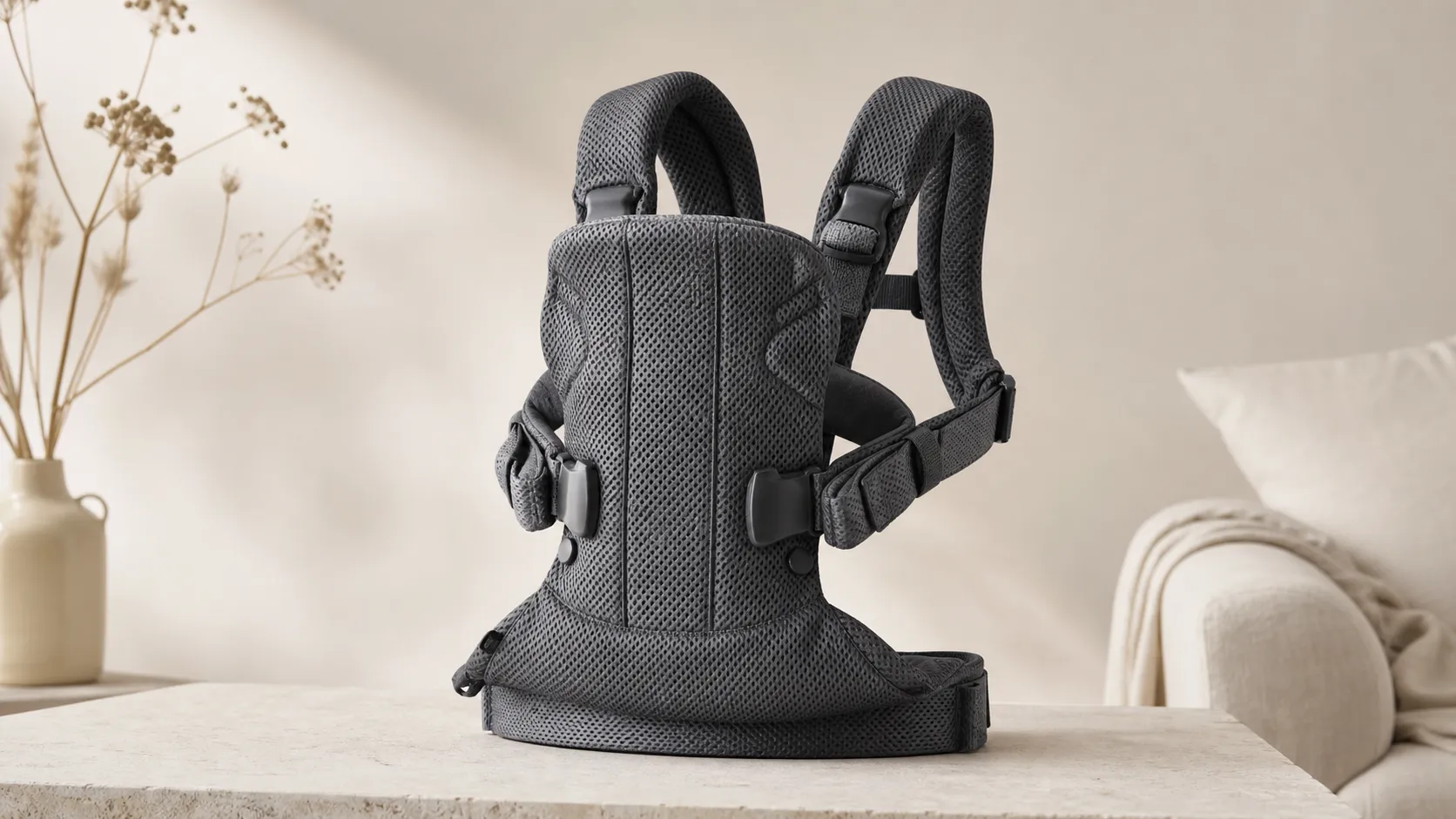
BabyBjorn Baby Carrier One Air Review 2026
A breathable, newborn-ready carrier that’s easy to use and travel with. Great for short-to-medium carries and warm weather, but less ideal for long, heavy-duty use.