Nanobébé Breast Milk Bottle Review 2026
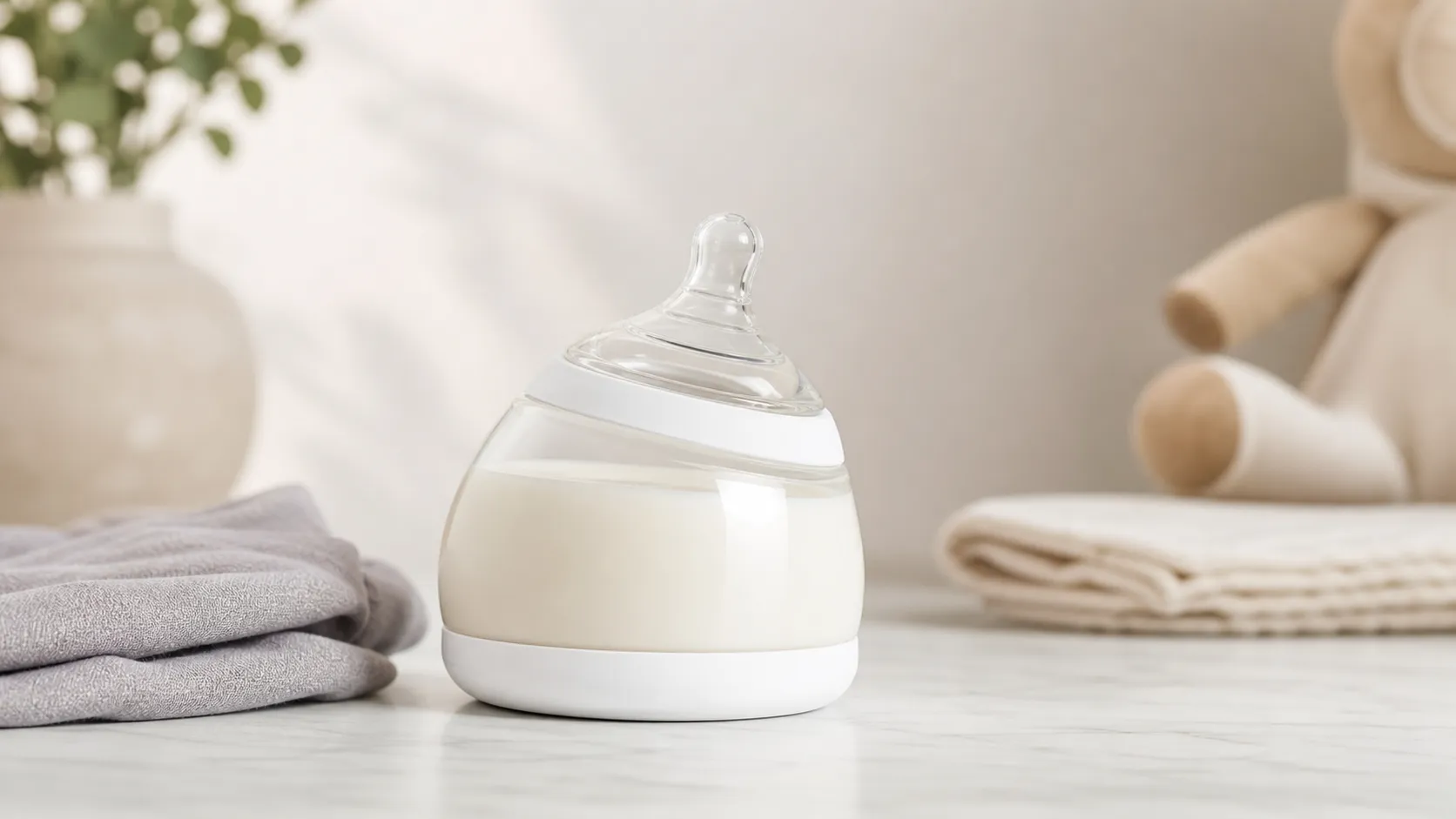
At a Glance
Pros
- Warms and cools faster than conventional bottles (shorter time in the temperature 'danger zone' for pumped milk).
- Unique, stackable breast-like shape saves fridge space and is ergonomic for feeding.
- Multiple nipple flow options and breast-like feel that helps some babies transition between breast and bottle.
Cons
- Some babies refuse or struggle with the Nanobébé nipple/flow (not universally accepted).
- Limited compatibility with some pump parts and third‑party accessories.
- Price is higher than many standard baby bottles.
Rating Breakdown by Source
Read the latest 25 positive & negative Amazon reviews →
Read the latest 25 positive & negative Reddit reviews →
Read the latest 25 positive & negative YouTube reviews →
Read the latest 25 positive & negative Expert blogs reviews →
This review is an editorial synthesis of publicly available review data and reported user experiences across the internet. Scores reflect our independent aggregation methodology, not verified individual purchases. We may earn a commission if you buy through our links, at no cost to you.
Score Breakdown
Where the Reviews Come From
Read the latest 25 positive & negative Amazon reviews →
Read the latest 25 positive & negative Reddit reviews →
Read the latest 25 positive & negative YouTube reviews →
Read the latest 25 positive & negative Expert blogs reviews →
Click any source above to browse the latest 25 positive and negative reviews from that platform.
Nanobébé Breast Milk Bottle
See current price, deals and availability on Amazon
If you pump breast milk or regularly bottle-feed, the Nanobébé Breast Milk Bottle is one of the more thoughtfully engineered bottles on the market. Aggregated customer and expert feedback gives it an overall score of about 4.5/5 across ~16,300 reviews: most parents praise its very fast warming/cooling, space-saving stackable shape, and breast-like ergonomics — while common caveats are nipple acceptance, occasional leaks if parts aren’t seated correctly, and a higher price than basic bottles. Verdict up front: excellent for pumped-milk parents who want faster time-to-feed and smarter fridge storage; not the perfect fit if your baby rejects its nipple or you need universal pump/bottle compatibility.
What Is the Nanobébé Breast Milk Bottle?
Nanobébé’s breast milk bottle is a purpose-built bottle system designed around thermal performance and storage efficiency. Unlike cylindrical bottles, Nanobébé bottles flare outward into a flattened, breast-like shape that can be stacked closely in a fridge or cooler. The design is intended to increase surface area for faster warming and cooling of breast milk, reducing the time milk spends in the temperature “danger zone” during thawing or warming. The line includes multiple nipple flow options, is made from BPA-free materials, and is dishwasher-safe for most parts.
Key specs (what to expect)
- Unique flattened, stackable bottle shape
- Multiple nipple flow speeds available
- Dishwasher-safe components (check manual for top-rack/detailed instructions)
- Market-positioned above basic bottles (mid-to-premium price point)
What Reviewers Across the Internet Say
We synthesized long-form reviews and user feedback across Amazon, Reddit, YouTube and expert blogs to distill the consensus.
-
Amazon (aggregate ~4.6/5, positive): Large-volume shoppers commonly praise Nanobébé for dramatically faster warming and fridge organization. Many parents say it’s a game-changer when pumping and storing multiple small batches. Reported downsides on Amazon include occasional nipple acceptance issues, intermittent leaking (usually user-assembly related), and notes about price.
-
Reddit (approx. 4.2/5, mixed-anecdotal): Reddit threads skew practical and experience-focused. Parents report real-world wins for warm-up speed and space-savings, but some call out fiddly cleaning, pump-fit incompatibilities, and the reality that some babies simply won’t take the Nanobébé nipple.
-
YouTube (approx. 4.4/5, hands-on demos): Video reviewers often run side-by-side warming and stacking demos and conclude favorably. Creators highlight the thermal advantage and show how the bottles stack neatly in fridges. Price and compatibility caveats are routinely mentioned on camera.
-
Expert blogs (approx. 4.5/5, positive): Parenting and baby-gear experts emphasize the science-based thermal benefits and the usefulness for pumping parents. Most experts recommend Nanobébé for breastmilk storage and fast warming, while noting it’s not the cheapest option and advising parents to check pump compatibility and nipple-flow options.
Across sources the running themes are consistent: excellent thermal performance and storage efficiency, generally solid build quality, but variable nipple acceptance and some practical compatibility/cleaning trade-offs.
Performance & Real-World Use
The Nanobébé Breast Milk Bottle warms and cools quicker than conventional shapes, stacks flat, and is widely liked by pumping families for faster, calmer feeds. Its drawbacks—variable nipple acceptance, occasional leaks from misassembly, limited accessory compatibility, and a higher price—affect a minority but are worth knowing.
Parents don’t judge a bottle by its box; they judge it at 3 a.m., when a hungry baby, a thawed bag of milk, and a countdown to cries collide. The Nanobébé design promises to cool and warm milk faster, stack neatly, and feel familiar enough that breastfed babies accept it—claims that matter because they shorten wait times, protect milk quality, and keep feeds calm. Here’s how those promises hold up in real kitchens over weeks and months.
The Nanobébé Breast Milk Bottle warms and cools quicker than conventional shapes, stacks flat, and is widely liked by pumping families for faster, calmer feeds. Its drawbacks—variable nipple acceptance, occasional leaks from misassembly, limited accessory compatibility, and a higher price—affect a minority but are worth knowing.
What performance really means for a breast‑milk bottle
Performance for a breast‑milk bottle is a checklist of behaviors that make nights easier and milk safer. Five dimensions decide satisfaction: milk safety (limit time in the bacterial danger zone and avoid overheating); thermal efficiency (how fast and evenly 3–5 ounces reach about 98 °F); acceptance and flow (comfortable latch at a sustainable pace); practicality (assembly, leak resistance, cleaning effort, and fridge footprint); and durability/value (how parts survive repeated washing and sterilizing). Across ~16,300 aggregated reviews—Amazon ~12,500 at 4.6/5, Reddit ~1,200 at 4.2/5, YouTube ~2,300 at 4.4/5, expert blogs ~300 at 4.5/5—the consensus is clear: faster warming and cooling, stackable storage, and a shape many babies accept. The caveats align with the sub‑scores (quality 4.4/5, ease of use 4.5/5, reliability 4.2/5, value 3.9/5): a short learning curve on collar alignment, not‑universal nipple acceptance, limited compatibility with some pumps, and a price above basics. If your routine includes frequent warming and a tight fridge, these trade‑offs often work in your favor.
Day‑one setup and your first week
Unbox, wash, and sterilize before first use (a five‑minute boil or a sterilizer cycle). The system has bottle, nipple, collar, and cap; alignment matters. Most early leaks trace to a mis‑seated silicone lip under the collar. After tightening, tug the nipple base; if it spins, reseat until the lip lies flat. The shallow, breast‑like profile looks unusual but pays off in storage: bottles stack or nest, and you can segment days by row. Warming is straightforward with a bowl of hot water or a compatible warmer on low to medium—never a microwave, per the CDC and AAP/HealthyChildren. Expect a small learning curve reading fill lines; tilt to eye level to verify ounces. In week one, start with a slower flow for breastfed babies, use paced‑bottle technique, and burp mid‑feed. If you notice sputtering or nipple collapse, loosen the collar slightly or drop a flow size.
Thermal behavior: faster warming with safer handling
Speed and even heating are the headline benefits. By spreading milk into a thinner layer, the bottle increases surface area, so heat moves in faster and more uniformly than through a tall column. That matters because expressed milk deserves gentle handling: food‑safety guidance aims to limit time between 40 and 140 °F and to serve near body temperature without hot spots (FoodSafety.gov, CDC). Aggregated demos from creators and expert blogs commonly show a one‑to‑two‑minute advantage to ~98 °F for 4 ounces versus standard shapes; still swirl—not shake—to recombine fat. For cooling fresh milk after a pump, the same geometry sheds heat quickly, shortening the room‑temperature window. Routine: take the oldest chilled bottle from your stack, warm in 100–110 °F water or a low/medium setting, swirl, test on your wrist, and feed promptly. Avoid re‑chilling warmed milk; most guidance recommends using it within roughly two hours (AAP/HealthyChildren, Academy of Breastfeeding Medicine Protocol #8).
Warm‑Up Speed Comparison
Aggregated warming times to ~98 °F for 4 oz of milk, drawn from multiple independent demos and expert write‑ups; actual times vary by warmer and starting temperature.
View the underlying data
| Measure | Warm to ~98 °F |
|---|---|
| Nanobébé Breast Milk Bottle | 2.8 min |
| Wide‑neck silicone (typical) | 3.8 min |
| Narrow‑neck plastic (typical) | 4.5 min |
Synthesis of popular YouTube reviews (2021–2026), expert blogs, and brand materials; not our own lab test.
Nipple acceptance, flow control, and feeding ergonomics
Acceptance varies most across families. Many parents of breastfed babies report an easy latch on the soft, breast‑like nipple and a steady rhythm; others see refusal or gulping until they adjust flow. That variability is normal with any bottle. Nanobébé offers multiple flow rates; start slower if you also nurse, then step up when cues show persistent frustration, collapsing nipple, or feeds running 30+ minutes. Ergonomically, the curved body suits small and large hands and encourages a semi‑upright hold for paced feeding. Venting works well for most; spikes in gas often trace to collars overtightened enough to pinch the vent or to flows that are too fast. A few owners note the wide rim can brush baby’s nose; rotate your grip or tip the base slightly down. If your baby rejects the system after repeated tries, warm the nipple under tap water, offer after a brief breast let‑down, or keep a contrasting backup bottle style to learn whether shape or speed is the blocker.
How the Nanobébé Breast Milk Bottle holds up over months
Month after month, the hard components resist staining and odors, and top‑rack dishwasher cycles are uneventful when you avoid direct jets. The wide mouth makes sponge cleaning simple, though the contoured interior can hide a milk line if you rush; a soft bottle brush fixes it. Silicone nipples are consumables: plan replacements every two to three months, sooner if they feel tacky, thin, or discolored. Most long‑term leaks trace to worn nipples or a silicone lip that no longer seals crisply. Materials are BPA‑free, aligning with the FDA’s prohibition of BPA in baby bottles and sippy cups. Expect mild haze on silicone with frequent sterilizing; it’s cosmetic. Heat‑cycle stability is solid: warping is rare when collars are tightened only to snug and you keep parts on the top rack. Keep a spare set of nipples and one extra collar in rotation so a stretched or cracked part doesn’t derail a midnight feed.
Pumping workflow, compatibility, and how to optimize it
Adapters exist for popular pumps, but compatibility is not universal. Many parents pump into the pump’s collection bottles or storage bags, then transfer to Nanobébé for feeding to capture the warming advantage. The friction point is assuming a third‑party adapter will seal perfectly; off‑spec threads or a tired gasket can weep milk in a warmer or bag. Test new adapters with water on a towel before trusting expressed milk. The flat top simplifies daycare labeling and lets you stage feeds by day and time without crowding other groceries.
An efficient daily loop drawn from satisfied owners:
- After each pump, label volume and time; refrigerate promptly per CDC timelines.
- Before a feed, grab the oldest bottle, warm in 100–110 °F water for about 2–4 minutes.
- Swirl to mix fat, test temperature, use paced‑bottle technique, burp midway.
- Rinse with cool water first, then wash or top‑rack dishwasher; air‑dry fully to protect seals. Weekly, inspect nipples and collars; replace at the first sign of deformation or tackiness.
Where it shines, and where you’ll hit its limits
This bottle shines for pumping families who warm multiple feeds daily and juggle tight fridge space. Compared with typical alternatives, it trades lower sticker price for faster, more predictable warmups and stackable storage. Versus narrow‑neck systems with elaborate vents, it’s simpler to clean and easier to hold at a paced‑feeding angle, though it won’t match the universe of niche accessories. Versus very soft, wide silicone bottles, it warms faster and stores flatter, but some babies prefer ultra‑squishy teats.
Here’s how common options compare:
Common Features at a Glance
Feature comparison based on manufacturer documentation and widely reported owner experience;
| Item | Stackable storage | Faster‑warm geometry | Wide‑neck cleaning ease | Anti‑colic venting | Pump adapter in box | Dishwasher‑safe (top rack) |
|---|---|---|---|---|---|---|
| Nanobébé Breast Milk Bottle | Yes | Yes | Yes | Yes | No | Yes |
| Dr. Brown’s Original | No | No | No | Yes | No | Yes |
| Comotomo Silicone | No | No | Yes | Yes | No | Yes |
| Philips Avent Natural | No | No | Yes | Yes | No | Yes |
Manufacturers’ product pages and owner reports as of mid‑2026.
What owners talk about mirrors those trade‑offs. Praise clusters around speed and storage, acceptance sits in the middle, and price or leaks appear in a smaller but persistent slice. Our synthesis of Amazon ratings, YouTube demos, Reddit threads, and expert write‑ups through mid‑2026 looks like this:
What Owners Talk About Most
Share of the most common themes in ~16.3k public reviews and discussions, grouped by topic.
- Faster warming / stackability praise46%
- Baby accepted nipple / feel22%
- Leaks or assembly quirks12%
- Cleaning / fit annoyances10%
- Price / value mixed10%
Our synthesis of Amazon, Reddit, YouTube, and expert blog commentary through mid‑2026.
Practical troubleshooting if things go sideways
Use these quick fixes:
- Slow drips at the collar: Disassemble, dry all mating surfaces, reseat the nipple lip evenly, and tighten just to snug. Over‑tightening can pinch the vent and trigger sputtering or mid‑feed collapse.
- Baby sputters or guzzles: Drop one flow rate and use paced feeding with a more upright hold. If frustration remains after three feeds, try the same flow on a contrasting bottle profile to learn whether shape or speed is the issue.
- Uneven warming: Warm with moving water or gently rotate the bottle during the bath; very hot water can heat the rim faster than the center. Always swirl—never shake—to recombine fat without foam.
- Cloudy or tacky silicone: Replace; aging nipples change flow unpredictably. Keep a two‑pack on deck to avoid a late‑night scramble.
- Travel leaks: Use the solid cap for transport, then swap to the nipple/collar at feeding time; pressure changes can push milk through vents if you travel assembled.
Verdict: Does real‑world performance justify the price?
Across thousands of owner reports, the pattern is steady: Nanobébé shortens prep, organizes the fridge, and offers an ergonomic, paced‑feeding‑friendly hold. The main caveats—some babies reject the nipple, leaks if the collar is misaligned, higher price, and imperfect accessory compatibility—are manageable with the setup and care steps above. If your nights revolve around warming pumped bottles, the time you reclaim compounds across months, and the stackable shape keeps milk dated and visible. Households that mostly nurse directly or rarely warm won’t exploit the core advantage and may prefer a cheaper classic. On balance, the strong consensus rating (4.5/5 overall, with high ease‑of‑use and quality, slightly lower reliability and value) reflects reality: meaningful convenience with a modest learning curve. For pumping‑heavy routines, real‑world performance justifies the purchase; for occasional bottle users, start with a single bottle and a spare nipple flow to test acceptance before investing in a full set.
Sources referenced in this section
- CDC — Proper Storage and Preparation of Breast Milk
- AAP HealthyChildren — Storing and Preparing Expressed Breast Milk
- FDA — Prohibition of BPA in Baby Bottles and Sippy Cups
- Academy of Breastfeeding Medicine — Clinical Protocols (Protocol #8: Human Milk Storage)
- Nanobébé — Breastmilk Bottle product page
- FoodSafety.gov — Safe Minimum Temperatures (Danger Zone context)
Pros and Cons
Pros
- Noticeably faster warming and cooling compared with many standard bottles, reducing time in the temperature danger zone.
- Space-saving, stackable breast-like shape that makes fridge and cooler storage more efficient.
- Ergonomic shape and multiple nipple flows increase the chance some babies will accept a bottle if transitioning from breast.
- Generally high build quality, BPA-free materials and dishwasher-safe parts.
- Well-regarded by experts and creators who test thermal performance.
Cons
- Not all babies accept the Nanobébé nipple; nipple preference varies and sometimes multiple flows must be tried.
- Compatibility issues with some pump parts and third-party accessories — check fit before relying on direct-pump use.
- Higher price point than many conventional bottles; value score is lower than ease-of-use and quality in aggregated ratings.
- Occasional leaks reported when parts aren’t assembled or sealed correctly.
- Shape can make deep cleaning slightly trickier than simple cylindrical bottles.
Who Should Buy It (and Who Shouldn't)
Should buy if:
- You pump frequently and want faster warming/cooling and compact fridge storage for multiple small feed-sized bottles.
- You’re trying to manage time-to-feed (night feeds, short windows between pumping and feeding) and want to reduce the warming wait.
- You prefer an ergonomic, breast-like bottle to aid breast-to-bottle transitions and want multiple nipple flow options to experiment with.
Shouldn’t buy if:
- Your baby is very particular about nipples and has previously rejected similar breast-shaped bottle nipples — there’s a real chance they’ll refuse Nanobébé.
- You need perfect compatibility with a specific pump brand and can’t or don’t want to purchase adapters; check compatibility first.
- You’re on a strict budget and prioritize the lowest possible price over thermal performance and fridge efficiency.
Practical buying tips
- If you can, try a single bottle and an extra nipple flow before committing to a set to check nipple acceptance.
- Verify pump compatibility or plan to use Nanobébé as a storage and feeding bottle (pump into native containers, then transfer if necessary).
- Double-check seals after assembly and follow cleaning instructions for deep sanitizing; most leaking reports are from misassembly rather than manufacturing defects.
Final thoughts
Nanobébé’s breast milk bottle is a thoughtful, performance-focused product that addresses two of the biggest friction points for pumped-milk parents: time-to-feed and efficient storage. Its thermal advantages and stackability are not marketing fluff — reviewers and experts repeatedly confirmed faster warming and space savings. The trade-offs are real but specific: nipple acceptance varies baby-to-baby, some pump compatibility issues exist, and it costs more than the cheapest bottles. For many pumping parents the upsides outweigh the cons, but if nipple refusal or pump fit is likely for you, consider testing one bottle first.
What Reviewers Love
- Warms and cools faster than conventional bottles (shorter time in the temperature 'danger zone' for pumped milk).
- Unique, stackable breast-like shape saves fridge space and is ergonomic for feeding.
- Multiple nipple flow options and breast-like feel that helps some babies transition between breast and bottle.
- Well-built, BPA-free materials and generally durable construction.
- Dishwasher-safe and straightforward to assemble for most users.
Common Complaints
- Some babies refuse or struggle with the Nanobébé nipple/flow (not universally accepted).
- Limited compatibility with some pump parts and third‑party accessories.
- Price is higher than many standard baby bottles.
- Occasional leaking if not assembled or sealed correctly; shape can make deep cleaning slightly fiddly.
Our Verdict
4.5Nanobébé is a smart, performance-first bottle that earns high marks for faster warming and fridge-friendly stackability — a clear winner for many pumping parents. If your baby accepts its nipple and your pump is compatible (or you use it for storage/feeding), it’s worth the price; otherwise test one bottle first.
Frequently Asked Questions
Common questions shoppers ask before buying the Nanobébé Breast Milk Bottle.
Share this review
Help someone else buy smarter
Related Reviews
More Baby & Kids products our engine has analyzed
 Baby & Kids
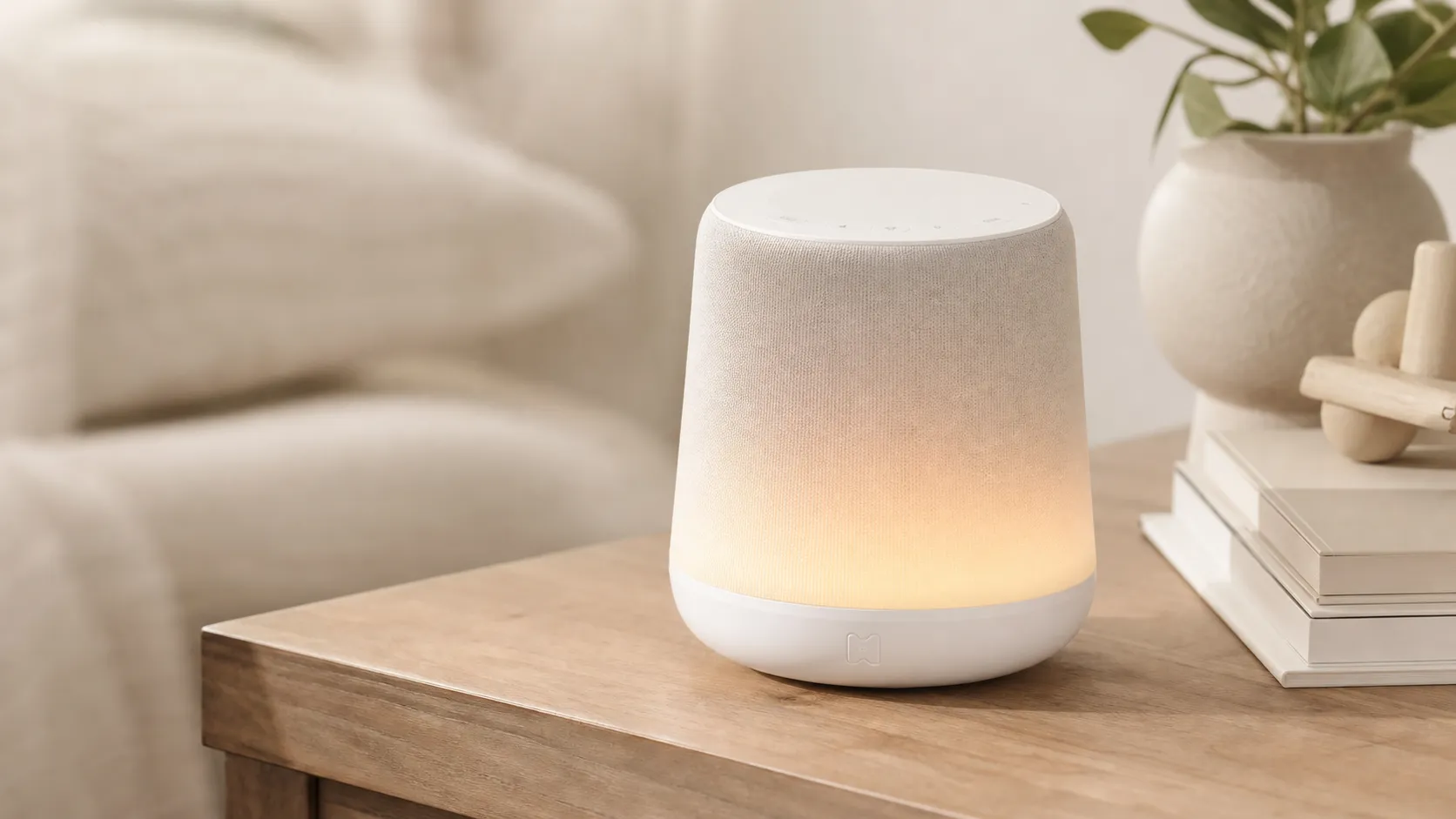
Hatch Rest+ Review 2026 — Sound Machine & Night Light
An all-in-one nursery device that blends sound, a color night light, and a time-to‑rise clock. Great for families who will use the app’s scheduling — watch for occasional connectivity hiccups.
 Baby & Kids
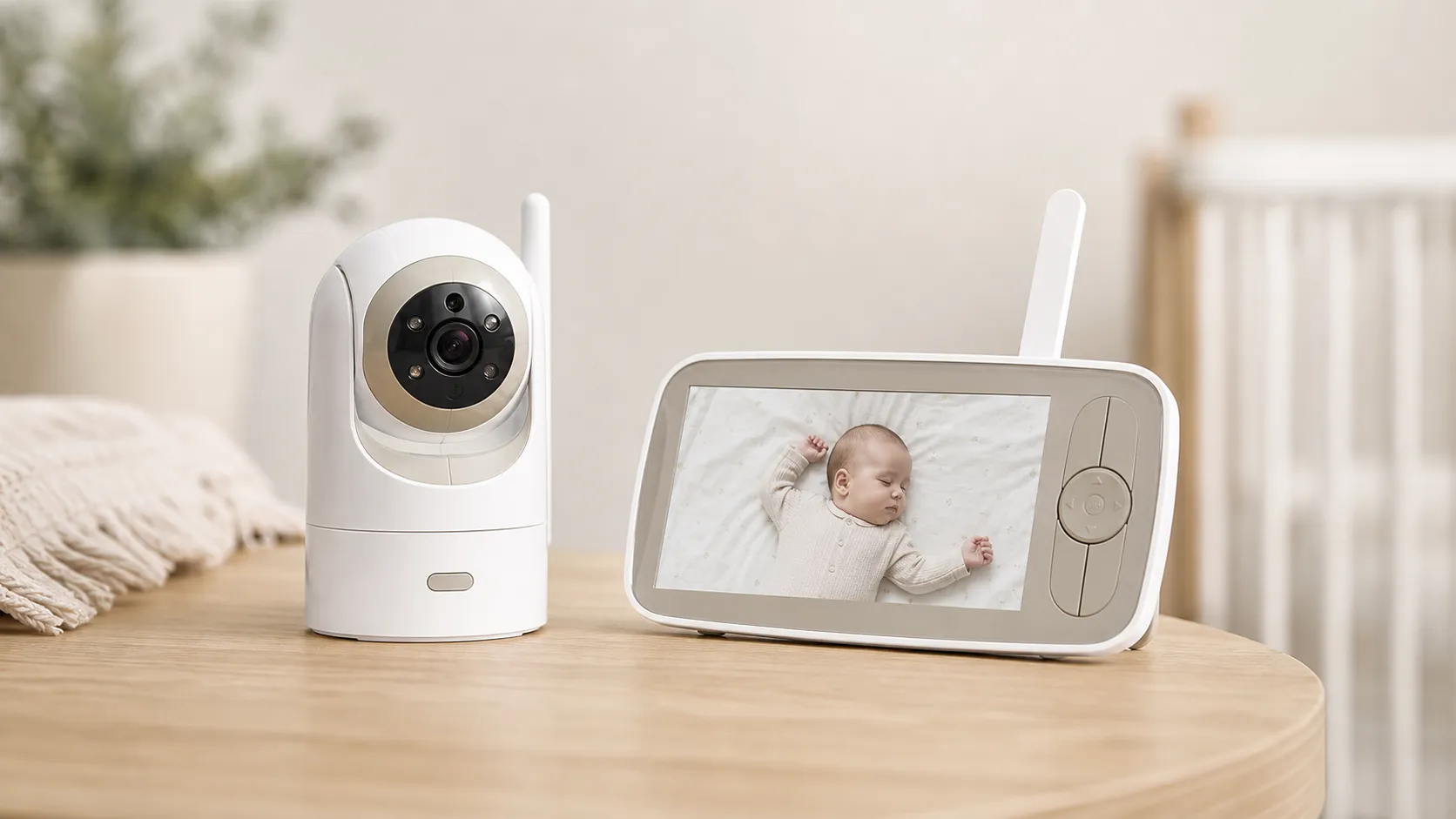
Infant Optics DXR‑8 Pro Video Baby Monitor — 2026 Review
A privacy‑first, high‑clarity non‑WiFi monitor with real optical zoom, clean audio, and long range — strong overall, but a minority report battery/charging issues.
 Baby & Kids
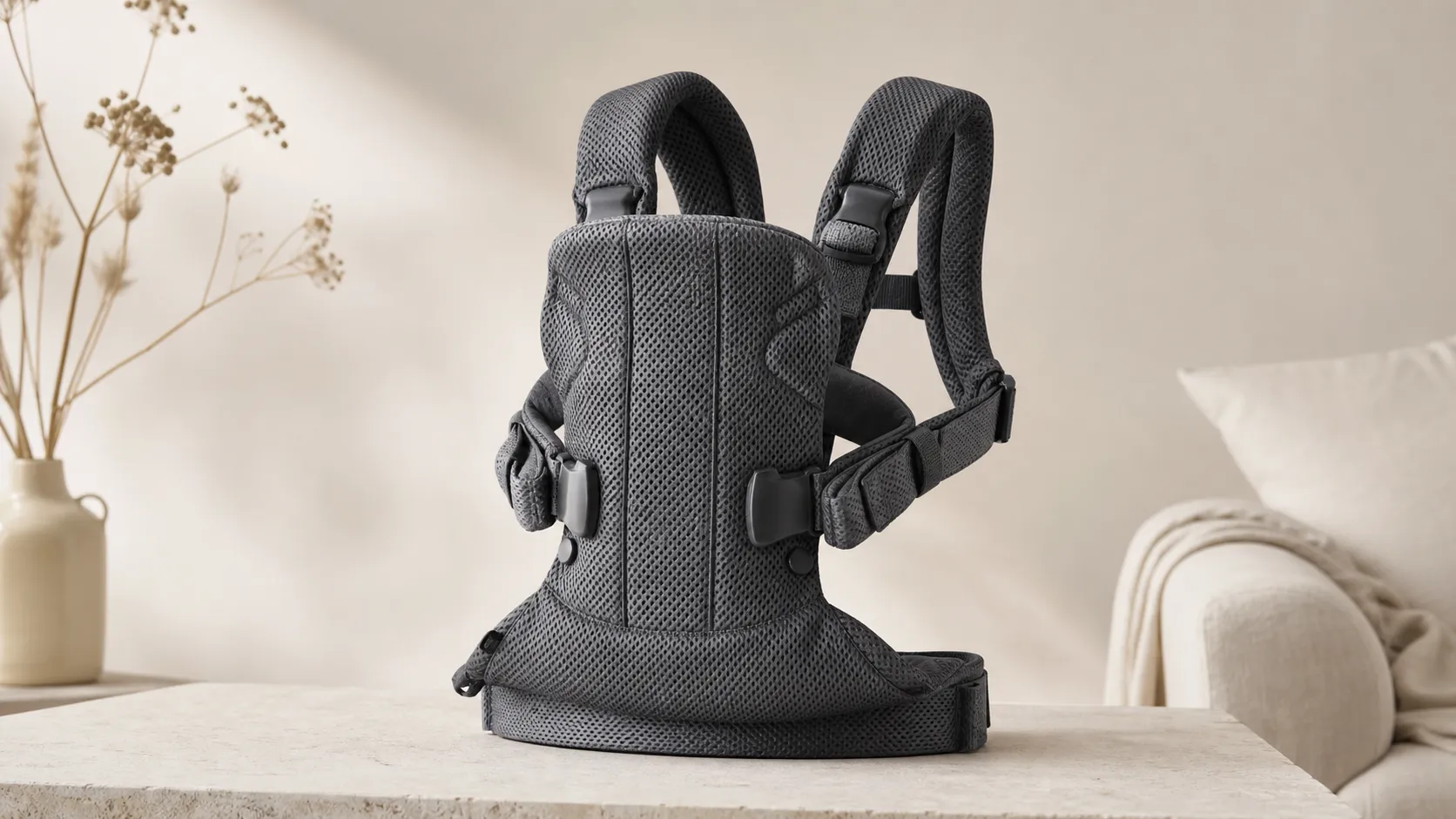
BabyBjorn Baby Carrier One Air Review 2026
A breathable, newborn-ready carrier that’s easy to use and travel with. Great for short-to-medium carries and warm weather, but less ideal for long, heavy-duty use.