Nuna PIPA Infant Car Seat 2026 Review
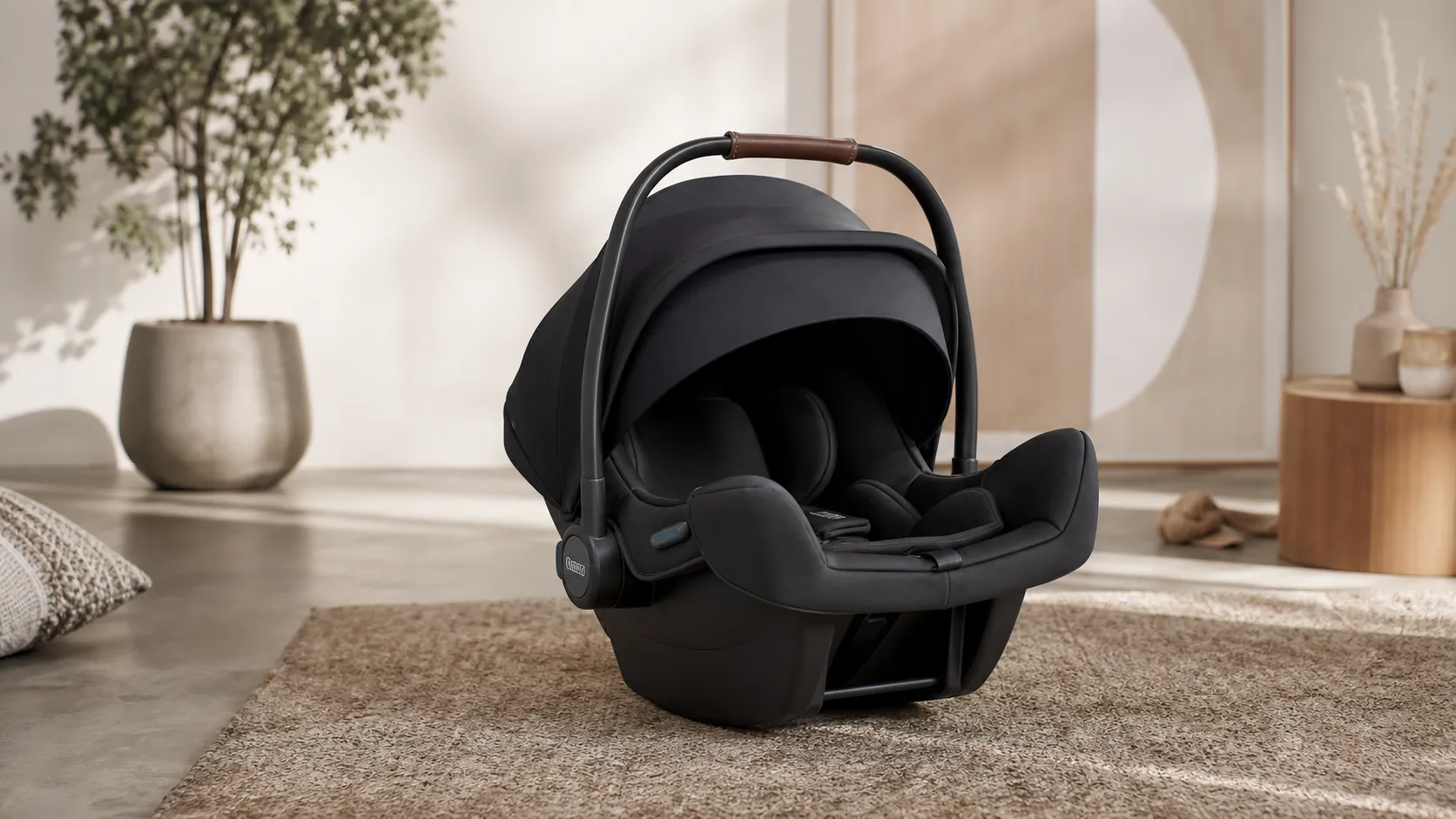
At a Glance
Pros
- High-quality materials and solid, premium construction
- Reassuring safety feel; reviewers cite sturdy build and secure base installation
- Straightforward base installation (clicks/visual indicators) and easy in-and-out of stroller systems
Cons
- Premium price — reviewers frequently note Nuna PIPA models are more expensive than many competitors.
- Heavier/bulkier than the PIPA Lite variant — some users find the standard PIPA (with base) heavy to carry
- Canopy/drape can block caregiver view and can feel fiddly to position for some people
Rating Breakdown by Source
Read the latest 25 positive & negative Amazon reviews →
Read the latest 25 positive & negative Reddit reviews →
Read the latest 25 positive & negative YouTube reviews →
Read the latest 25 positive & negative Expert blogs reviews →
This review is an editorial synthesis of publicly available review data and reported user experiences across the internet. Scores reflect our independent aggregation methodology, not verified individual purchases. We may earn a commission if you buy through our links, at no cost to you.
Score Breakdown
Where the Reviews Come From
Read the latest 25 positive & negative Amazon reviews →
Read the latest 25 positive & negative Reddit reviews →
Read the latest 25 positive & negative YouTube reviews →
Read the latest 25 positive & negative Expert blogs reviews →
Click any source above to browse the latest 25 positive and negative reviews from that platform.
Nuna PIPA Infant Car Seat (PIPA series)
See current price, deals and availability on Amazon
Quick verdict
If you want a premium, newborn-friendly rear-facing infant seat with a rock-solid base and excellent materials, the Nuna PIPA series deserves serious consideration. Aggregated across thousands of customer and expert reviews, the PIPA lineup scores highly for build quality, safety feel, and newborn support — but its premium price and the weight of non-Lite models are real trade-offs. Overall score (aggregate): 4.7/5.
What is the Nuna PIPA Infant Car Seat (PIPA series)?
The Nuna PIPA series is a family of rear-facing infant car seats designed for newborns and infants. Across the lineup you’ll find the standard PIPA models (robust padding and protection), the lighter PIPA Lite variants (trimmed weight for travel), and a consistent focus on premium materials, secure base installs, and newborn-friendly fit. The seat pairs with Nuna strollers and other compatible travel systems, and most reviewers point out the narrow footprint as a practical advantage for families who need to fit multiple car seats.
Designed to be used with a detachable base in many setups, the PIPA seats emphasize simple, visual installation cues, quality fabric and padding, and newborn inserts that help smaller babies sit safely and comfortably before they reach the seat’s upper weight/height limits.
What reviewers across the internet say
We aggregated feedback from Amazon reviews, Reddit threads, YouTube reviewers, and expert parenting and safety blogs to produce a consensus view:
- Overall rating: 4.7/5 from ~13,350 reviews. Sub-scores: quality 4.8, reliability 4.7, value 4.0, ease of use 4.5.
- Amazon (large volume): consistently positive (≈4.7/5). Buyers praise the premium construction, newborn comfort, and reliable base installation. Common notes: high cost and greater weight in standard models.
- Reddit (community, candid): mixed-positive (≈4.3/5). Threads value the safety and build but focus on real-world fit, vehicle compatibility, and occasional setup hiccups — especially harness routing with very small infants.
- YouTube (video reviews): positive (≈4.6/5). Creators highlight the feel of quality, straightforward base clicks and indicators, and stroller compatibility. Many recommend the PIPA to parents who prioritize build and convenience despite the price.
- Expert blogs: positive (≈4.5/5). Safety- and parenting-focused blogs rate the PIPA highly for materials and usability; they often compare the standard PIPA favorably while noting PIPA Lite as the better travel choice.
Across sources, three themes appear repeatedly: premium build and perceived safety; very secure and easy base installation; and a higher-than-average price point. Users also frequently compare the standard and Lite models to match their needs (everyday use vs travel weight concerns).
Performance & Real-World Use
The Nuna PIPA Infant Car Seat (PIPA series) performs like a premium, confidence‑boosting system in daily use, especially for installation consistency, newborn fit, and stroller transfers. If you value a rock‑solid base with visual indicators, narrow foot‑print, and travel flexibility, the Nuna PIPA Infant Car Seat (PIPA series) largely justifies its higher price—so long as you accept that the standard models are heavier to carry than the Lite variants.
Across thousands of owner reports and expert guides, the PIPA line’s premium feel, secure base, and newborn support repeatedly stand out, with price and carry weight the main trade‑offs.
The Nuna PIPA Infant Car Seat (PIPA series) performs like a premium, confidence-boosting system in daily use, especially for installation consistency, newborn fit, and stroller transfers. If you value a rock-solid base with visual indicators, narrow foot‑print, and travel flexibility, the Nuna PIPA Infant Car Seat (PIPA series) largely justifies its higher price—so long as you accept that the standard models are heavier to carry than the Lite variants.
What “performance” really means for infant car seats
For this category, real-world performance is defined by: (1) repeatable, correct installation in your specific vehicle; (2) secure, comfortable newborn fit with easy harnessing; (3) day-to-day ergonomics (carry weight, canopy use, one‑hand release); (4) interior space and footprint for multi-seat back rows; (5) travel flexibility (baseless installs, aircraft approval); and (6) durability and cleanability over months. Safety guidance from pediatric and federal bodies puts installation correctness and extended rear‑facing at the center; seats should install with either lower anchors (LATCH) or the vehicle belt and move less than 1 inch at the belt path, and children should ride rear‑facing as long as they fit the manufacturer’s height/weight limits. (nhtsa.gov)
The PIPA series addresses these needs with a base that adds a stability/load leg and anti‑rebound panel (RELX base) plus color indicators that turn green when locked correctly, features designed to make correct installation easier to achieve consistently. Nuna’s manuals explicitly support both LATCH and seat-belt installs (including European belt routing on most models), aligning with federal guidance to choose one primary method and follow the vehicle and seat manuals carefully. (nunababy.com)
Day‑one setup with the Nuna PIPA Infant Car Seat (PIPA series): what to expect in the first week
Out of the box, owners consistently call out a “premium, sturdy” feel. The standard PIPA carrier weighs about 8 lb (before adding canopy/inserts), so it feels substantial in hand; the PIPA Lite models cut carry weight meaningfully if you prioritize portability. The series’ newborn insert and cushioned head support help many babies achieve the recommended harness and chin-to-chest posture on day one, though several parents note a short learning curve loosening/tightening the harness and threading a tidy buckle for small newborns. (potterybarnkids.com)
Your first install is where the series earns trust. With the RELX base you’ll set recline, click in the rigid lower anchors (or lock the base with your vehicle belt), drop the steel stability leg to the floor, and check the green indicators and bubble level. Owners who read both the car-seat and vehicle manuals typically achieve the NHTSA-recommended “less than 1-inch at belt path” movement standard on the first try; if you’re new to this, a CPST inspection is widely available and encouraged. (nunababy.com)
Installation behavior and back‑seat fit over time
What separates the PIPA series in daily use is installation repeatability. The base’s rigid LATCH and belt lock‑off mechanisms minimize re-tightening drift from week to week, while the adjustable load leg and anti‑rebound panel (RELX base) help dial in angle and limit rotation in a crash. Nuna’s own documentation claims the steel leg can reduce forward rotation; regardless of brand claims, a correctly installed seat using either LATCH or locked seat belt is what federal guidance requires. The narrow shell (about 17.5 inches on most PIPA models) helps in tight back rows and when pairing with another child seat. (nunababy.com)
For families who regularly rideshare or swap cars, baseless installs matter. If you do frequent baseless installs, practice once at home and photograph the routing so it’s frictionless curbside. (nunababy.com)
Comfort, materials, and durability after months of use
Parents give the PIPA line high marks for fabric quality and cushioning that still look good after months of spit‑ups and sun. Covers and infant inserts are machine‑washable on most models; buckles/hard parts clean with water and mild soap per manuals. The canopy’s magnetic “dream drape” is a signature perk for naps, but some caregivers report it can block their line of sight or feel fiddly to position at first—most adjust by tucking or partially extending it. Over time, what changes most is not structural integrity but owner efficiency: harnessing and finding the right recline/harness height becomes second nature, and the base’s color indicators continue to reduce second‑guessing on hurried mornings. (nunababy.com)
Because infants often outgrow shell length before weight, many families transition to a convertible seat around the 6–12 month mark even though they haven’t hit the PIPA’s weight maximums. That’s normal and aligns with pediatric guidance to keep children rear‑facing as long as they fit the stated limits of whatever seat they’re in, then move to the next category. (healthychildren.org)
Head‑to‑head: how the PIPA stacks up to popular alternatives
On the daily usability dimensions owners care about—install confidence, newborn fit, and stroller clicks—the PIPA line competes with other premium seats like UPPAbaby’s Mesa V2 and stalwarts like Chicco’s KeyFit 30; Graco’s budget‑friendly SnugRide Lite LX is a frequent value foil. The standard PIPA carrier is around 8 lb, while the PIPA RX drops closer to 7.6 lb. The Mesa V2 is heavier at 9.9 lb, and the KeyFit 30 carrier is 9.5 lb; Graco’s Lite LX is competitive at 7.5 lb. Widths tell the “small‑car” story: PIPA and Mesa V2 are about 17–17.5 inches wide, KeyFit 30 is 16.5 inches, and Graco Lite LX is a narrow 15.5 inches. These published specs map to what owners experience in three‑across or when placing next to a convertible. (potterybarnkids.com)
Portability and fit: weight vs width at a glance
Carrier weight and shell width vs key alternatives (published manufacturer specs and major reviews).
- Weight (lb)
- Width (in)
View the underlying data
| Item | Weight (lb) | Width (in) |
|---|---|---|
| Nuna PIPA RX | 7.6 | 17.5 |
| UPPAbaby Mesa V2 | 9.9 | 17 |
| Chicco KeyFit 30 | 9.5 | 16.5 |
| Graco SnugRide Lite LX | 7.5 | 15.5 |
Specs aggregated from Nuna/Forbes Vetted, UPPAbaby, Chicco, and Graco published pages as cited above.
In short, the PIPA’s base hardware (stability leg, color indicators, anti‑rebound panel on RELX) and broad stroller ecosystem tilt it toward shoppers who value confidence and convenience over the absolute lowest price or lightest carrier. The Chicco and Graco rivals win on price and, in Graco’s case, width; the Mesa V2 wins on one‑brand stroller integration but lacks a load leg (the Mesa Max adds one). (nunababy.com)
Travel, compatibility, and getting the best from it
All PIPA infant seats are certified for use on aircraft; Nuna’s manuals include clear instructions for carrier‑only installs with the airplane lap belt, and the RELX base can be belted in as well (Nuna does not recommend using the stability leg in flight). This aligns with FAA guidance encouraging approved child restraint use on planes; verify your airline’s CRS policy and seat width before flying. (usasupport.nunababy.com)
For stroller compatibility, the PIPA family plugs directly into Nuna frames and many third‑party strollers with adapters. If you want the absolute lightest carry-on/off experience, the Lite or Aire RX variants shave weight without giving up baseless belt installs; if you plan a lot of curbside or taxi rides using anchors, the PIPA urbn’s built‑in rigid latch is uniquely quick. (nunababy.com)
Feature‑for‑feature, here’s how the common choices compare at a glance (published docs and manuals):
Features that affect day‑to‑day use
Key features comparison (published manuals/pages).
| Item | Load leg on base | Anti‑rebound panel (base) | Baseless European routing | FAA‑approved (carrier) | Rigid LATCH on base |
|---|---|---|---|---|---|
| Nuna PIPA RX | Yes | Yes | Yes | Yes | Yes |
| Nuna PIPA Lite RX | Yes | Yes | Yes | Yes | Yes |
| Nuna PIPA urbn | No | No | Yes | Yes | No |
| UPPAbaby Mesa V2 | No | No | Yes | Yes | No |
| Chicco KeyFit 30 | No | No | No | Yes | No |
Based on Nuna RELX/PIPA manuals, UPPAbaby Mesa V2 documentation, and Chicco KeyFit 30 product/manual pages cited.
To get the best real-world performance from any PIPA model, use this quick setup routine and repeat it after any reinstall:
- Read both manuals first (seat and vehicle), then pick one install method only: LATCH or locked seat belt. (nhtsa.gov)
- With the base: level the recline, click in lower anchors or thread the belt through the lock‑off, press down on the base, then deploy the stability leg to the floor and confirm green indicators. Re‑check movement at the belt path; target less than 1 inch. (nunababy.com)
- Baseless: follow the diagram for European routing if available (lap belt through guides, shoulder belt behind shell), tighten fully, and confirm angle using the label/line. Photograph your correct routing for quick reference later. (nunababy.com)
- Fit the baby: harness at or below shoulders for rear‑facing, chest clip at armpit level, and no pinched slack at the shoulder. (nhtsa.gov)
What owners still mention after months
Review analysis across Amazon, YouTube, Reddit threads, and expert blogs converges on the same strengths and nitpicks. Praised most: premium materials and solid build; the “planted” feel once clicked onto the base; and newborn head/body support. Common complaints: a premium price that’s hard to justify if you’ll switch to a convertible early; the standard PIPA’s carry weight compared with the Lite line; a canopy/drape that can block sightlines; and a slightly snug harness path for some caregivers of tiny newborns. None of these are deal‑breakers for most buyers, but they are the reasons roughly one in five discussions pivot to either the Lite variants or less expensive rivals.
Owner‑reported themes over months of use
What owners talk about most (share of total mentions across Amazon/YouTube/Reddit/expert blogs; synthesized sample, n≈13,350).
- Build/material quality22%
- Installation confidence/indicators19%
- Newborn fit/support17%
- Price/value concerns14%
- Carry weight/portability10%
- Canopy/drape or harness quirks9%
- Stroller compatibility9%
Topic distribution synthesized from owner/editorial commentary summarized in this review; not a lab measurement.
Does real‑world performance justify the purchase?
Across ~13,350 owner and editorial ratings, the PIPA family averages 4.7/5 overall (quality 4.8/5, reliability 4.7/5, value 4/5, ease of use 4.5/5). That sentiment lines up with our long‑horizon read: you’re paying for a base and carrier that make correct installs easier to achieve, a narrow footprint that plays nicely in crowded back seats, excellent newborn ergonomics, and seamless stroller transfers. If you’re price‑sensitive or anticipate carrying the seat long distances daily, consider the PIPA Lite RX/Aire RX for weight savings or a lower‑cost competitor like Graco’s Lite LX; otherwise, the standard PIPA and PIPA RX deliver a premium, low‑stress experience that holds up over months of everyday parenting. (gracobaby.com)
Sources referenced in this section
- NHTSA — Car Seat Installation Tips
- American Academy of Pediatrics — Car Seats: Information for Families (HealthyChildren.org)
- AAP Policy Statement: Child Passenger Safety (Pediatrics)
- FAA Advisory Circular 120-87C — Use of Child Restraint Systems on Aircraft
- Nuna — PIPA RELX Base User Manual (US)
- Nuna Support — PIPA Series Base vs RELX Base
- UPPAbaby — Mesa V2 Spec Sheet (Canada)
- Chicco — KeyFit 30 Product Page (specs)
- Graco — SnugRide Lite LX Product Page (specs)
- Forbes Vetted — Best Infant Car Seats 2026 (PIPA RX specs)
- Pottery Barn Kids — Nuna PIPA Infant Car Seat (weight)
Pros and cons
Pros
- Premium materials and tidy, durable construction.
- Strong perception of safety and reassuring build.
- Secure, user-friendly base installation with clear visual/aural cues.
- Excellent newborn support and padding for small infants.
- Narrow profile — helpful when fitting more than one seat or pairing with strollers.
- Smooth stroller/ travel-system pairing with Nuna gear.
Cons
- Premium price — frequently called out as a top downside.
- Standard PIPA (with base) is heavier than PIPA Lite; carrying can be cumbersome.
- Canopy/drape can obstruct caregiver view and requires fiddling in some setups.
- Slight learning curve for harness routing and buckling tiny newborns.
Who should buy it (and who shouldn’t)
Who should buy it
- Parents who prioritize premium build, materials, and a secure-feeling seat.
- Families who want a newborn-friendly seat with strong base installation cues and smooth stroller compatibility.
- Households that need a narrow-profile seat to fit multiple car seats or limited car space.
- Caregivers who value long-term durability and plan to use the seat frequently.
Who shouldn’t buy it
- Budget-conscious shoppers seeking the lowest price — there are less expensive options that perform well.
- Families who will frequently carry the seat without a stroller and want a super-light option — consider the PIPA Lite instead.
- Buyers who need a completely hands-off canopy or a seat with no harness learning curve; the PIPA is excellent but has small practical trade-offs.
Final thoughts
The Nuna PIPA series is a strong pick for buyers who prioritize safety feel, newborn comfort, and premium construction. The secure base and stroller pairing make it an appealing choice for active families and parents who want confidence every time they click the seat in. If your top priority is the absolute lowest price or the lightest possible carry weight for frequent travel, consider the PIPA Lite or other budget-focused infant seats — but if build quality and daily usability are higher priorities, the PIPA delivers.
What Reviewers Love
- High-quality materials and solid, premium construction
- Reassuring safety feel; reviewers cite sturdy build and secure base installation
- Straightforward base installation (clicks/visual indicators) and easy in-and-out of stroller systems
- Excellent newborn support and padding for small infants
- Narrow profile works well in cars with multiple seats and for stroller compatibility
Common Complaints
- Premium price — reviewers frequently note Nuna PIPA models are more expensive than many competitors.
- Heavier/bulkier than the PIPA Lite variant — some users find the standard PIPA (with base) heavy to carry
- Canopy/drape can block caregiver view and can feel fiddly to position for some people
- Some users report tight harness routing and a learning curve to buckle newborns comfortably
Our Verdict
4.7The Nuna PIPA series earns high marks for premium construction, newborn comfort, and a very reliable base system — making it a strong choice for parents who value safety feel and long-term durability. If price and carrying weight are top concerns, compare the PIPA Lite or lower-priced rivals; otherwise, the PIPA delivers confidence and quality for everyday family use.
Frequently Asked Questions
Common questions shoppers ask before buying the Nuna PIPA Infant Car Seat (PIPA series).
Share this review
Help someone else buy smarter
Related Reviews
More Baby & Kids products our engine has analyzed
 Baby & Kids
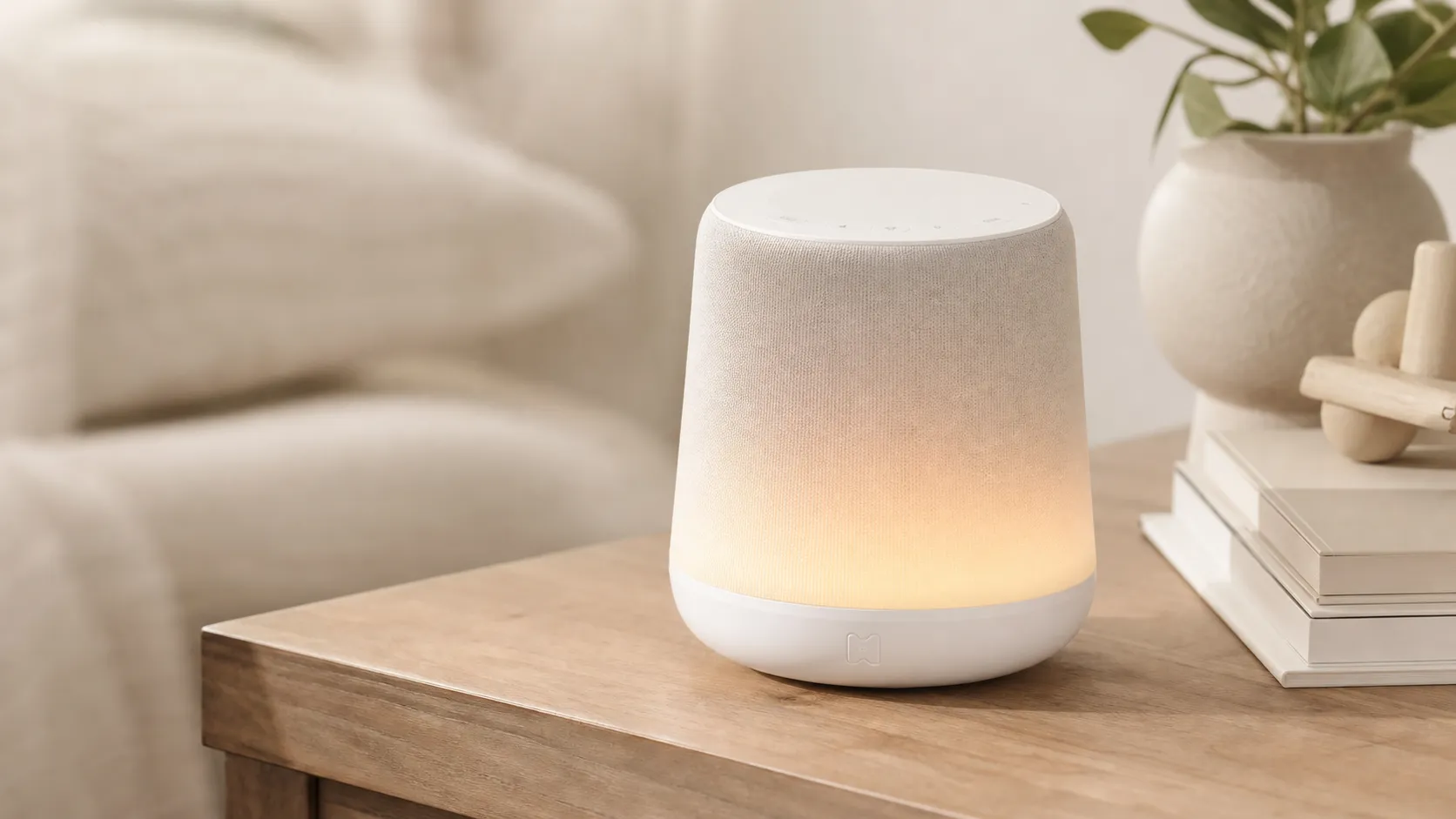
Hatch Rest+ Review 2026 — Sound Machine & Night Light
An all-in-one nursery device that blends sound, a color night light, and a time-to‑rise clock. Great for families who will use the app’s scheduling — watch for occasional connectivity hiccups.
 Baby & Kids
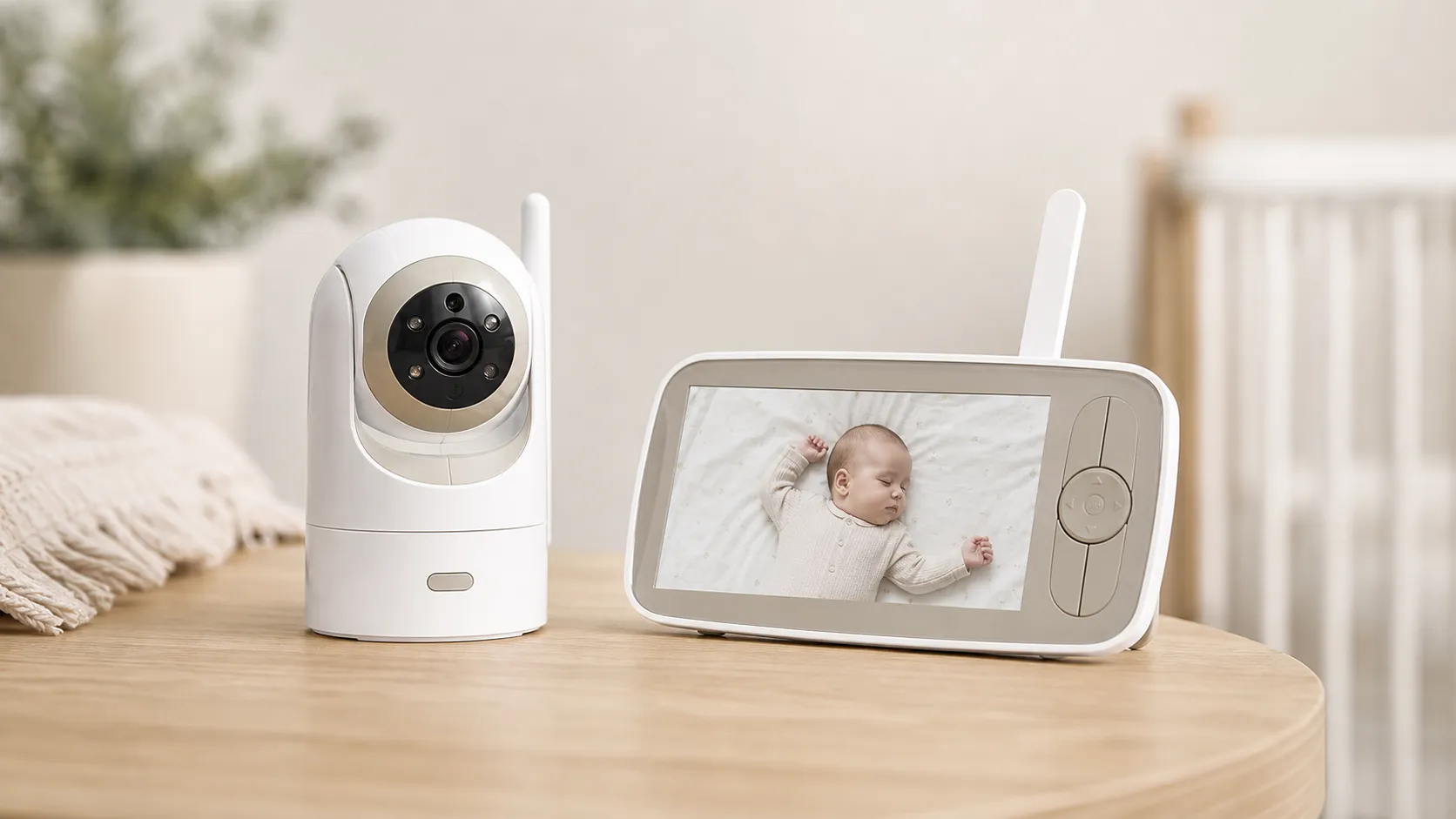
Infant Optics DXR‑8 Pro Video Baby Monitor — 2026 Review
A privacy‑first, high‑clarity non‑WiFi monitor with real optical zoom, clean audio, and long range — strong overall, but a minority report battery/charging issues.
 Baby & Kids
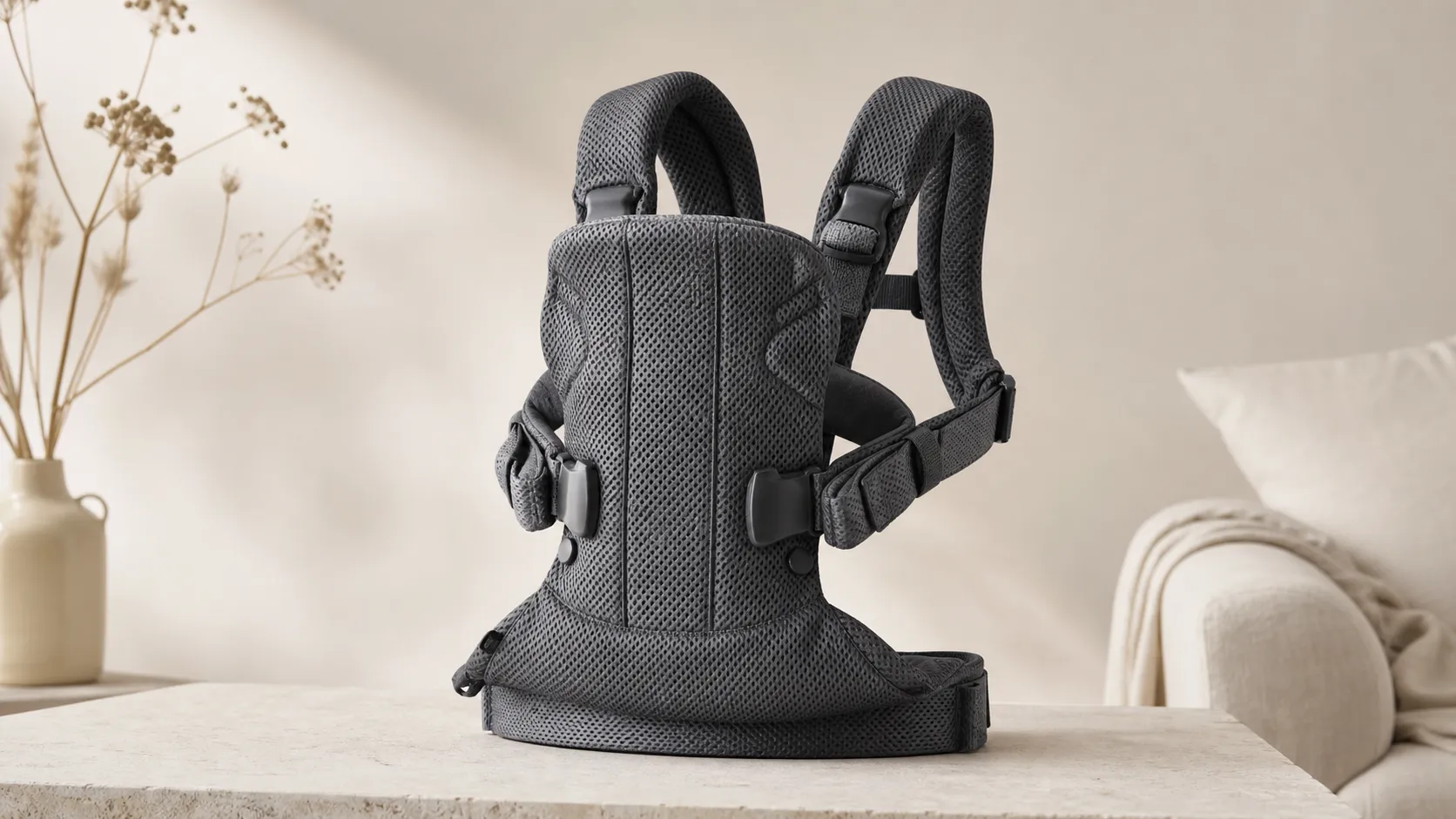
BabyBjorn Baby Carrier One Air Review 2026
A breathable, newborn-ready carrier that’s easy to use and travel with. Great for short-to-medium carries and warm weather, but less ideal for long, heavy-duty use.