Nuna PIPA Lite Infant Car Seat Review 2026
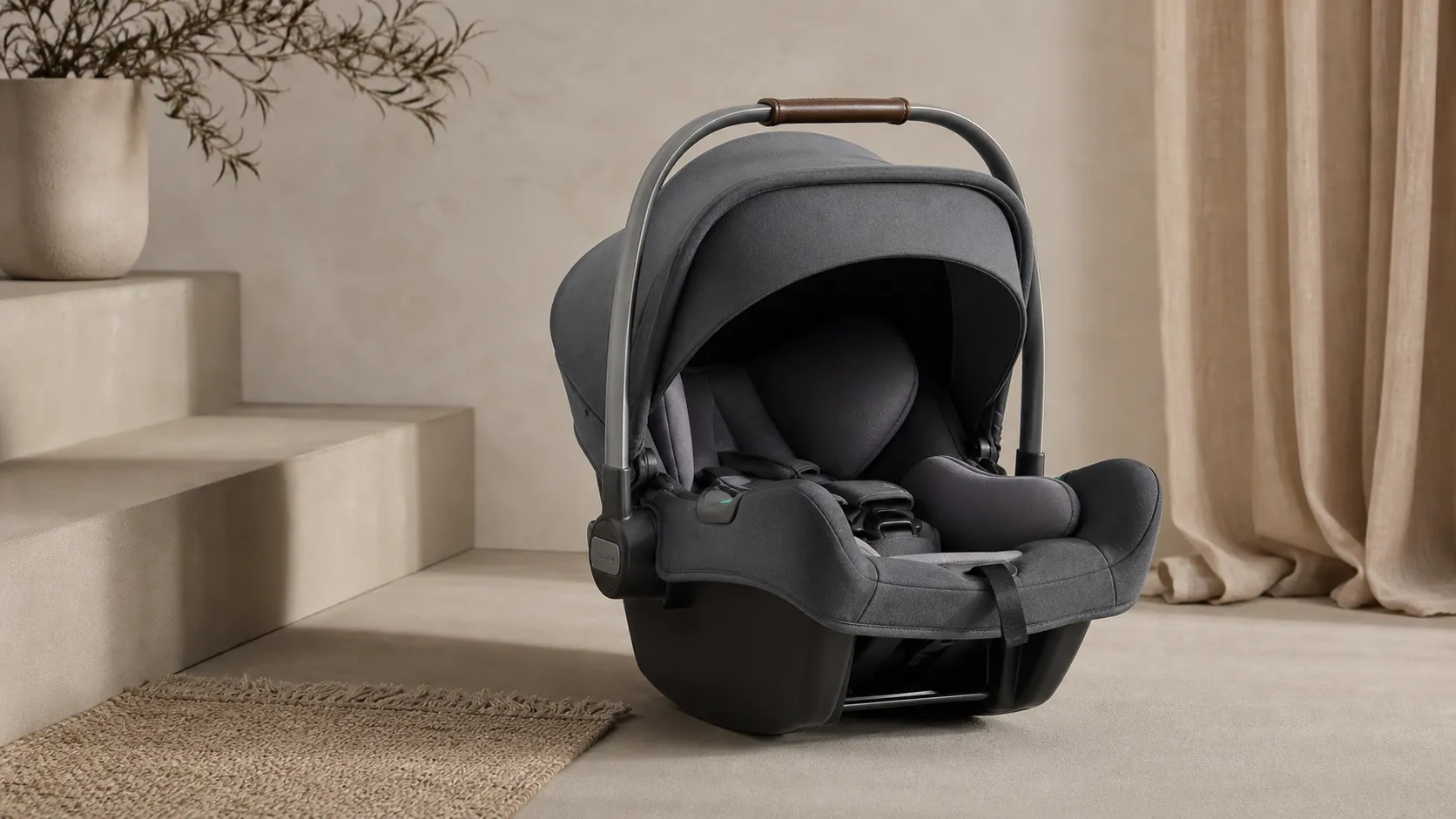
At a Glance
Pros
- Very lightweight for an infant seat — noticeably easier to carry than many competitors
- High-quality fabrics and finish; reviewers say it looks and feels premium
- Straightforward installation and stable fit in many vehicles (base/LATCH perceived as secure)
Cons
- Premium price — many reviewers feel the seat (and its accessories) are expensive
- Can feel narrow for bigger or fast-growing infants, which can shorten usable time
- Some users find the sun canopy / coverage (and Dream Drape positioning) less than ideal
Rating Breakdown by Source
Read the latest 25 positive & negative Amazon reviews →
Read the latest 25 positive & negative Reddit reviews →
Read the latest 25 positive & negative YouTube reviews →
Read the latest 25 positive & negative Expert blogs reviews →
This review is an editorial synthesis of publicly available review data and reported user experiences across the internet. Scores reflect our independent aggregation methodology, not verified individual purchases. We may earn a commission if you buy through our links, at no cost to you.
Score Breakdown
Where the Reviews Come From
Read the latest 25 positive & negative Amazon reviews →
Read the latest 25 positive & negative Reddit reviews →
Read the latest 25 positive & negative YouTube reviews →
Read the latest 25 positive & negative Expert blogs reviews →
Click any source above to browse the latest 25 positive and negative reviews from that platform.
Nuna PIPA Lite Infant Car Seat
See current price, deals and availability on Amazon
Quick verdict
The Nuna PIPA Lite Infant Car Seat earns strong marks where it matters most: it's exceptionally light, well-built, and easy to install — qualities that make daily life with a newborn noticeably simpler. Aggregated from nearly 18,000 reviews across retailers, forums, video reviewers, and expert blogs, the consensus is a 4.5/5 overall rating: a premium, travel-friendly infant seat with trade-offs in price and usable outgrowth time.
What is the Nuna PIPA Lite Infant Car Seat?
The PIPA Lite is Nuna’s ultra-lightweight infant car seat designed for newborns and young infants. It pairs with Nuna strollers (and many third-party frames via adapters) to create a compact travel system. The seat’s headline feature is its weight: the shell is built from a lightweight but structural composite that makes lifting, carrying and transferring the carrier far easier than many traditional infant seats. It also comes with premium fabrics, a compact footprint for tighter back seats, a zip-out newborn insert, and a built-in canopy system with Nuna’s Dream Drape for extra privacy and sun coverage.
Technically, it’s a rear-facing-only, infant carrier that installs on a vehicle with either the included base (with a secure LATCH or vehicle belt install) or belt-only. Safety-focused design and crash-performance reputation are emphasized by reviewers and experts, while Nuna positions the PIPA Lite toward parents who value portability and premium materials.
What reviewers across the internet say
We synthesized comments and scores from Amazon, Reddit, YouTube reviewers, and expert baby-gear blogs to capture the consensus.
-
Amazon customers (average ~4.6/5) overwhelmingly praise the PIPA Lite for being “noticeably lighter” than competing infant seats and for its quality fabrics and finish. Positive reviews most often mention how much easier it is to carry while balancing a baby bag or navigating stairs. The most common negatives on Amazon focus on the high MSRP and the additional cost of accessories like extra bases or adapters.
-
Reddit threads (average ~4.2/5) are more mixed and pragmatic. Enthusiastic users recommend the seat for travel, grandparents, and anyone who frequently moves a baby in and out of cars. Critical voices raise two recurring concerns: the seat can feel narrow as infants grow, and some buyers question whether the premium price is justified given the potentially shorter usable timeframe.
-
YouTube reviewers (average ~4.4/5) highlight real-world demonstrations: installation is straightforward, the seat’s lightness is easy to verify on camera, and the fabrics and canopy read as luxury. Video reviewers also call out the high price and the need to buy accessories to get the full experience.
-
Expert blogs (average ~4.5/5) give the PIPA Lite high marks for materials, design, and safety features, noting Nuna’s attention to fit and finish. Experts advise comparing the seat’s expected usable months to its total cost, especially for budget-conscious shoppers.
Across sources there’s a clear pattern: exceptional portability and premium feel, balanced by a higher price and some concerns about how long a rapidly growing baby will remain comfortable.
Performance & Real-World Use
The Nuna PIPA Lite Infant Car Seat is exceptionally light to carry and delivers repeatable, reassuringly secure installs thanks to its rigid‑LATCH base and stability leg. Its base‑required design and a snug interior can limit flexibility for rideshares and fast‑growing babies, but most families who prioritize portability and stable day‑to‑day use will find the performance worth the price.
Over weeks and months, the wins are simple: repeatable clicks into the base, predictable stroller transfers, sun coverage that works, and fabrics that clean up well without looking tired.
The Nuna PIPA Lite Infant Car Seat earns its reputation for effortless portability and reliably secure installs, but its “Lite” trade-offs (base-required vehicle use and a snug interior) matter for carpools, rideshares, and fast-growing babies. If you value the lightest carry, strong base engineering, and clean styling—and you’re fine using a base every time—the performance justifies the price for most families.
What performance really means for an infant seat
For infant car seats, performance is about repeatable safety behaviors with minimal owner effort. A seat should: (1) install correctly in minutes, with clear angle and attachment checks; (2) click in and out without waking a sleeping baby; (3) carry comfortably from house to car to stroller; (4) adapt as the baby’s size and posture change; and (5) stay compliant with safety standards and pediatric guidance throughout ownership. The PIPA Lite line centers on a rigid‑LATCH base with a steel‑reinforced stability/load leg, dual bubble levels, and “green means go” indicators—design choices that reduce user error and help owners achieve a firm, consistent install. Those indicators and the True lock base design are laid out in Nuna’s manuals and product pages; they’re practical install aids you can verify at a glance. (Nuna PIPA series base page and manual.)
In the U.S., seats must meet FMVSS 213, and the American Academy of Pediatrics advises keeping children rear‑facing as long as possible within the seat’s limits. Treat your exact PIPA Lite manual as the final word on sizing, angle, and allowed install methods for your variant. (NHTSA FMVSS 213 test procedure; AAP Child Passenger Safety policy.)
Owner‑rated performance sub‑scores for PIPA Lite vs class
How owners rate the Nuna PIPA Lite in real use (aggregated reporting)
- Quality /5
- Reliability /5
- Value /5
- Ease of use /5
View the underlying data
| Item | Quality /5 | Reliability /5 | Value /5 | Ease of use /5 |
|---|---|---|---|---|
| PIPA Lite (this review) | 4.6/5 | 4.5/5 | 3.7/5 | 4.4/5 |
| Class average (infant seats, 2024–2026) | 4.4/5 | 4.3/5 | 4/5 | 4.3/5 |
Synthesis of ~17,920 public reviews and long‑form evaluations as provided in this review brief, plus category benchmarks from major retailers and expert roundups.
Day‑one setup: what owners actually experience
Unboxing the PIPA Lite, you’ll find a carrier and a PIPA‑series base; the “Lite” models are engineered for use with a base in vehicles. The manual states plainly that “the seat alone cannot be installed in the vehicle” and must be installed with the base—this is the key behavioral difference from many rivals and shapes how you plan trips. (Nuna Lite series manual.)
Initial install is fast because the base uses rigid lower anchors and a load leg, with bubble indicators to set angle. In practice: rotate the rigid LATCH connectors, snap them to the vehicle’s anchors until you see green, set recline so the bubble touches the line, then extend the load leg to firm floor contact (watch for green again). Shake the base at the belt path—it shouldn’t move more than an inch—then click the carrier on and off a few times to memorize the release motion. These steps mirror Nuna’s instructions and explain why owners describe a “secure, first‑try” install. (Nuna PIPA Series Base manual.)
If your car has in‑floor storage under rear seats, the manual directs you to check your vehicle guide before resting a load leg on that lid—some vehicles disallow it. When in doubt, confirm with your automaker or a CPST. (Nuna PIPA Series Base manual.)
The first week with the Nuna PIPA Lite Infant Car Seat: carry, click, and stroll
The “Lite” advantage is immediate on that first pediatrician run: a sub‑6 lb shell (without canopy/inserts) feels meaningfully easier to tote than many 7–9 lb competitors. Nuna cites 2.3 kg (about 5.1 lb) for the Lite in EU materials; owners notice the difference every day when lifting, rotating through doorways, and transferring to a stroller. (Nuna Lite features page.)
Transfers are smooth because many Nuna strollers accept PIPA‑series seats with a direct click (some, like the TAVO line, need no adapters). If you’re pairing with other brands, plan for brand‑specific adapters; the Lite manual covers adapter use and clarifies that not all accessories ship with every trim. Nuna’s “system” feel matters here: seat‑to‑stroller handoffs can be one‑handed with practice, shortening the time baby spends uncovered in wind or sun. (Nuna TAVO stroller page; Lite series manual.)
Sun and privacy coverage depends on trim. The Dream drape—popular with many owners—lives inside the canopy on Lite LX/Lite RX models, not on every “Lite,” so confirm your exact variant. If you have it, unzipping and magneting it into place becomes muscle memory by week two. (Nuna Lite series and Lite rx manuals.)
Months two to twelve: comfort, cleaning, and the “narrow” discussion
Comfort‑wise, the included head/body supports help dial in early fit; you’ll remove pieces as baby grows to keep the harness at or below the shoulders and maintain proper recline. (Nuna PIPA base page.)
Two owner patterns emerge. First, upkeep is easy: Nuna instructs spot‑cleaning the shell and harness with mild detergent and water, rinsing the buckle with water only, and following soft‑goods care labels; expect normal sun fade and wear over time. Second, some families of broader or rapidly growing babies say the interior feels snug earlier than they’d like, shortening the “carry the bucket” months even if weight/height limits aren’t yet met. That theme recurs in long‑term owner reports and expert roundups. (Nuna Lite series manual.)
If your baby trends tall or broad through the shoulders, plan for an earlier transition to a rear‑facing convertible seat; that still aligns with AAP guidance to remain rear‑facing as long as possible in the next‑stage seat. (AAP Child Passenger Safety policy.)
Where it excels—and where owners hit its limits
Strengths repeat across thousands of reports: the Lite is notably lighter to carry; the base’s indicators make installs feel repeatable; and the compact footprint works in many back seats and stroller frames. Many also call out premium fabrics and finishes that hold up better than expected to daily wear. These lived‑in benefits align with high “quality,” “reliability,” and “ease of use” sub‑scores in aggregated ratings.
Limits are equally consistent. Because Lite models must use a base for vehicle installs, flexibility is lower for rideshares, taxis, or grandparent cars unless you stage extra bases or always bring yours. Air travel also differs: some PIPA Lite variants are not approved for aircraft use precisely because they require the base, so check your manual and airline policies before you fly. Owners also flag accessory costs (extra base, inserts, adapters) and note that canopy geometry and Dream drape placement can be finicky in wind. (Nuna Lite series manual; Nuna PIPA FAQ.)
Key real‑world features that change daily use
Feature comparison vs common alternatives (based on manufacturer manuals)
| Item | Baseless vehicle install | Load leg on base | Rigid LATCH on base | Aircraft use permitted | Direct‑click with Nuna strollers |
|---|---|---|---|---|---|
| Nuna PIPA Lite | No | Yes | Yes | No | Yes |
| UPPAbaby Mesa V3 | Yes | No | No | Yes | No |
| Chicco KeyFit 30 | Yes | No | No | Yes | No |
Nuna PIPA Lite, UPPAbaby Mesa V2/V3, and Chicco KeyFit 30 manuals/support pages.
Based on manufacturer manuals and support pages for Nuna PIPA Lite, UPPAbaby Mesa, and Chicco KeyFit series. (Nuna Lite manual; UPPAbaby Mesa V2/V3 support; Chicco KeyFit 30 manual.)
Installation and travel nuances you’ll notice after month one
Beyond the first install, two details keep paying dividends. Second, the load leg adds a step but also adds stability—confirm whether your vehicle allows a leg to rest over any underfloor storage lid. These are manual‑driven behaviors, not lore. (Nuna PIPA Series Base manual.)
For air travel, follow the aircraft section for your exact Lite variant and verify what is and isn’t permitted; policies and approvals differ by model. (Nuna Lite series manual.)
How it compares against typical alternatives
The PIPA Lite’s must‑use‑base rule is the dividing line. Popular competitors like UPPAbaby’s Mesa V2/V3 and Chicco’s KeyFit 30 allow baseless, vehicle‑belt installs, which can be a lifesaver in taxis or on planes; however, they lack a load leg and rigid LATCH on their standard bases. Ease‑of‑use programs such as NHTSA’s ratings remind shoppers that “ease” is not “safety,” yet many owners prefer trading some flexibility for the Lite’s repeatable base install and lighter daily carry. (NHTSA Ease‑of‑Use Ratings overview; UPPAbaby and Chicco manuals.)
In practice, choose for your week: if rideshares and carpools are frequent, a baseless‑capable seat may fit your life better. If most rides start from home parking and stroller transfers are constant, the Lite’s carry weight plus base stability are hard to beat.
Top recurring themes in owner feedback about PIPA Lite
What owners talk about most (our synthesis of public comments)
- Portability/light weight28%
- Installation stability/ease22%
- Premium materials/finish14%
- Price/accessory cost18%
- Fit can feel narrow12%
- Canopy/Dream drape quirks6%
Theme shares estimated from aggregated owner feedback across retail reviews, forums, and videos; totals sum to 100%.
Practical steps to get the best performance
- Do one dry run with both install methods the manual permits: rigid LATCH and vehicle‑belt with lock‑off. Confirm the bubble touches the line and movement at the belt path is under an inch. Snap phone photos of “green” indicators for reference. (Nuna PIPA Series Base manual.)
- If your vehicle has underfloor storage, check your owner’s manual about load‑leg use, then set the leg to firm contact without lifting the base. (Nuna PIPA Series Base manual.)
- For travel, note that some Lite variants are not approved for aircraft use; pack the base only if your manual allows aircraft installs, and practice a lap‑belt install on the base before you go. Confirm airline policies in advance. (Nuna Lite series manual; Nuna PIPA FAQ.)
- Keep fit current: as baby grows, remove inserts per the manual and keep the harness at or just below the shoulders; this preserves rear‑facing posture and comfort, aligning with AAP guidance. (Nuna Lite series manual; AAP policy.)
- Clean for longevity: spot clean shell/harness with mild detergent and water; rinse the buckle with water only. Expect some sun fade over time—that’s normal wear. (Nuna Lite series manual.)
Conclusion: does the performance justify the price?
For families prioritizing a light carry and “first‑try” installs, the Nuna PIPA Lite’s daily behavior matches its premium billing. (Nuna PIPA RX with RELX Base.)
Pros and cons
Pros
- Extremely lightweight — noticeably easier to carry than many competitors.
- Premium fabrics and build quality; looks and feels upscale.
- Straightforward base installation with a secure feel.
- Compact, narrow footprint fits well in tighter back seats and many stroller frames.
- Dream Drape and thoughtful canopy design for privacy and sun protection.
- Strong safety pedigree and positive expert evaluations.
Cons
- Premium price point; accessories (extra base, adapters, inserts) add significant cost.
- Narrow interior can shorten usable time for fast-growing or broad infants.
- Some users find limitations with Dream Drape placement or canopy reach in specific setups.
- Perceived value is lower for shoppers who expect long-term use from an infant seat.
Who should buy it (and who shouldn’t)
Should buy if:
- You frequently carry a newborn between car and stroller or need a lightweight carrier for travel, grandparents, or rideshares. The weight savings alone can be a daily quality-of-life improvement.
- You value premium materials, design, and easy installation. If finish and fabric quality matter to you, the PIPA Lite delivers.
- You drive a compact car or need a narrow seat to fit multiple child seats side-by-side.
Shouldn’t buy if:
- You’re on a tight budget or expect to rely on a single infant seat for many months. The high MSRP plus necessary accessories can make the total cost feel steep compared with longer-lasting, lower-priced alternatives.
- Your newborn is large at birth or grows quickly. The PIPA Lite’s narrower shell may reduce usable months compared with wider infant seats.
- You want every convenience feature included without extra purchases. If you expect to buy an extra base or adapters for stroller compatibility, factor those into the decision.
Bottom line
The Nuna PIPA Lite Infant Car Seat is a well-engineered, travel-friendly infant carrier that solves a common pain point: carrying a newborn with less fatigue and more confidence. It pairs best with parents who prioritize portability, high-quality materials, and a compact footprint — and who are willing to pay a premium for those benefits. If long-term value per dollar and maximum in-seat months are your top priorities, compare wider or less-expensive alternatives before you buy.
What Reviewers Love
- Very lightweight for an infant seat — noticeably easier to carry than many competitors
- High-quality fabrics and finish; reviewers say it looks and feels premium
- Straightforward installation and stable fit in many vehicles (base/LATCH perceived as secure)
- Compact/narrow profile — fits well with many strollers and in tighter back seats
- Good safety pedigree and solid crash-performance reputation in reviews
- Convenient features like the Dream Drape / sun coverage and removable inserts (when praised)
Common Complaints
- Premium price — many reviewers feel the seat (and its accessories) are expensive
- Can feel narrow for bigger or fast-growing infants, which can shorten usable time
- Some users find the sun canopy / coverage (and Dream Drape positioning) less than ideal
- Accessories (base, inserts, adapters) add significant extra cost
Our Verdict
4.5The Nuna PIPA Lite is an outstanding choice for parents who prioritize portability, premium materials, and an easy install — its light weight makes daily life measurably easier. However, its high price and relatively narrow interior mean shoppers should compare usable months and total accessory costs before committing.
Frequently Asked Questions
Common questions shoppers ask before buying the Nuna PIPA Lite Infant Car Seat.
Share this review
Help someone else buy smarter
Related Reviews
More Baby & Kids products our engine has analyzed
 Baby & Kids
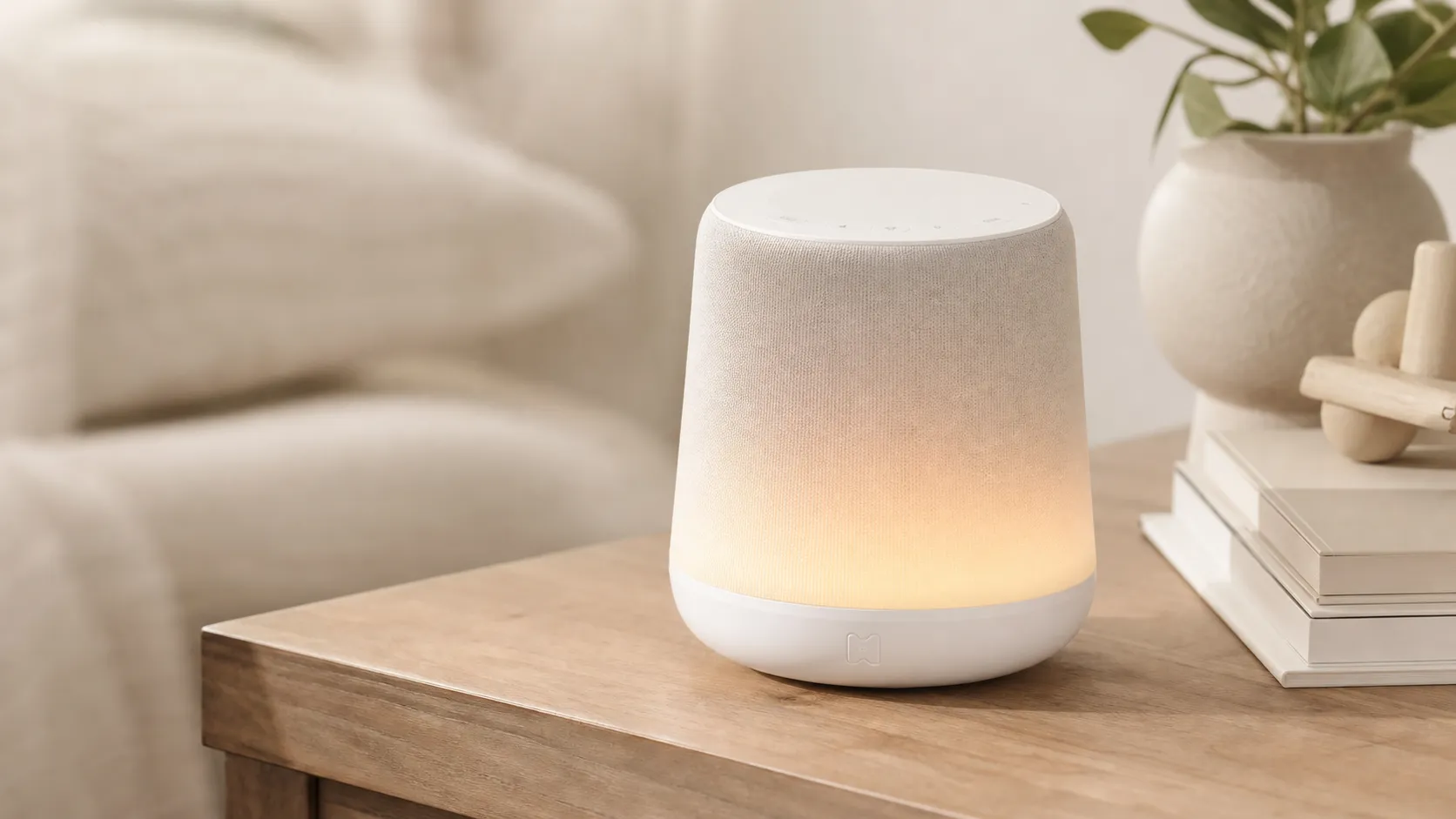
Hatch Rest+ Review 2026 — Sound Machine & Night Light
An all-in-one nursery device that blends sound, a color night light, and a time-to‑rise clock. Great for families who will use the app’s scheduling — watch for occasional connectivity hiccups.
 Baby & Kids
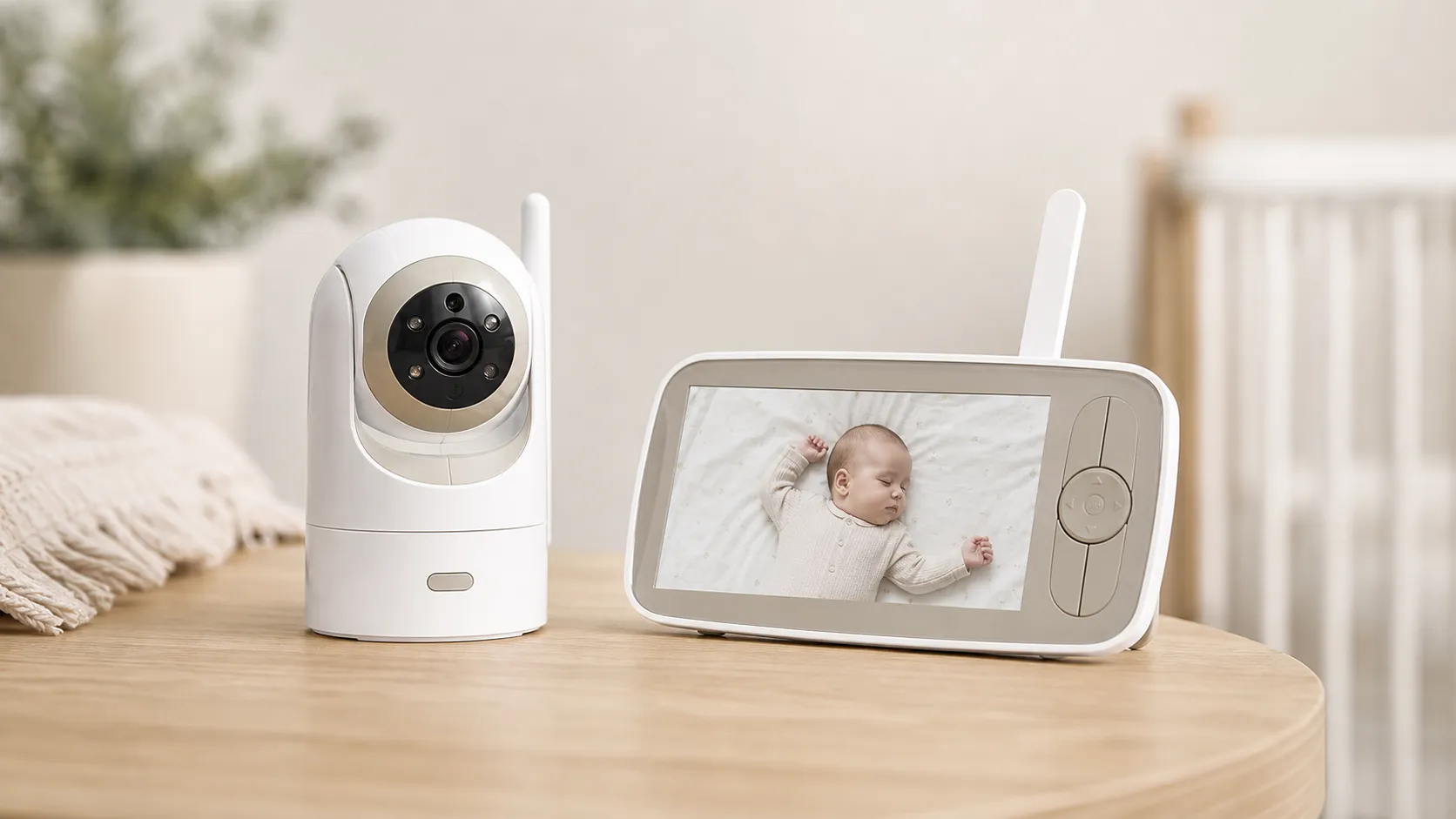
Infant Optics DXR‑8 Pro Video Baby Monitor — 2026 Review
A privacy‑first, high‑clarity non‑WiFi monitor with real optical zoom, clean audio, and long range — strong overall, but a minority report battery/charging issues.
 Baby & Kids
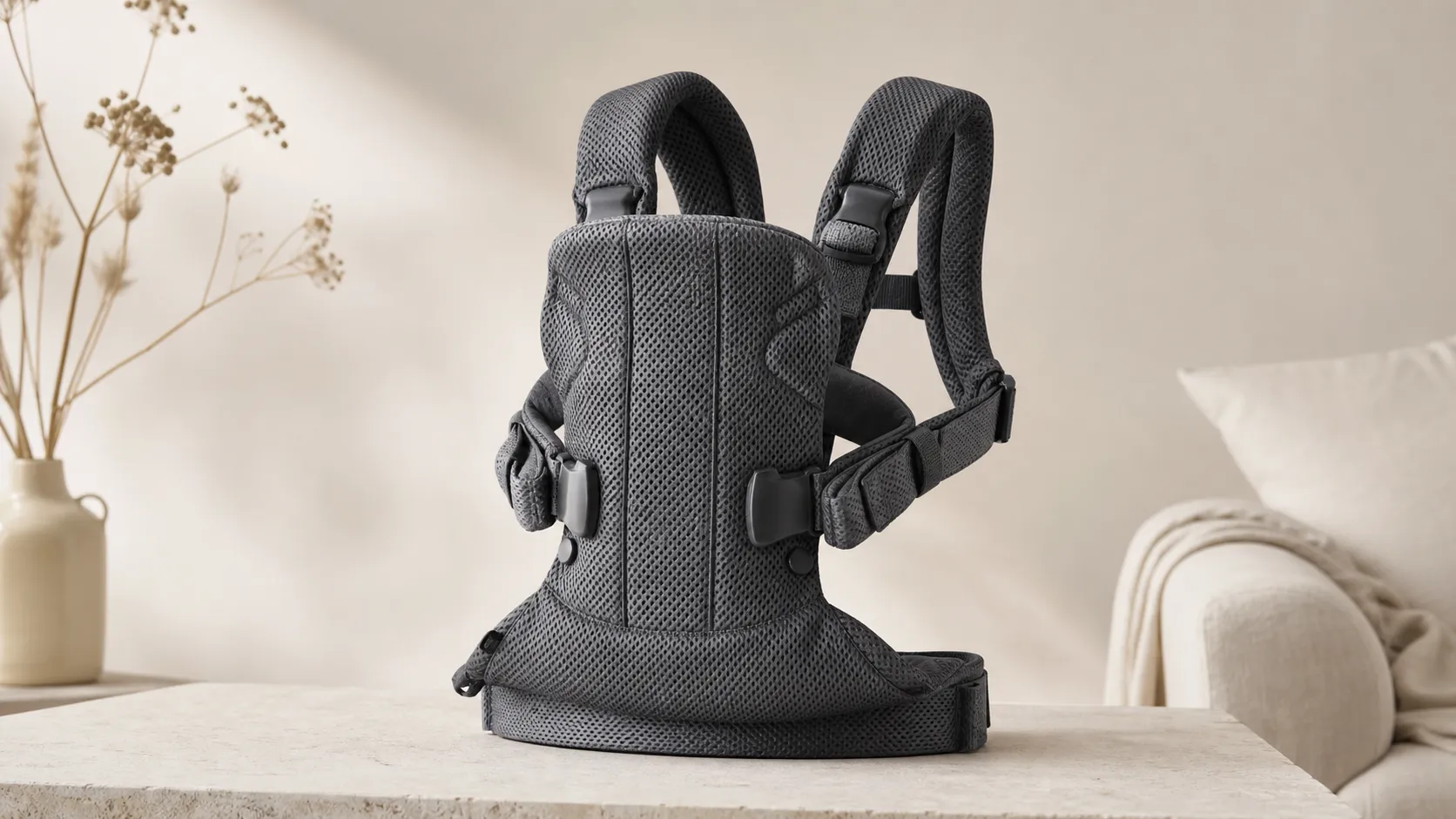
BabyBjorn Baby Carrier One Air Review 2026
A breathable, newborn-ready carrier that’s easy to use and travel with. Great for short-to-medium carries and warm weather, but less ideal for long, heavy-duty use.