Osprey Atmos AG 65 Review 2026
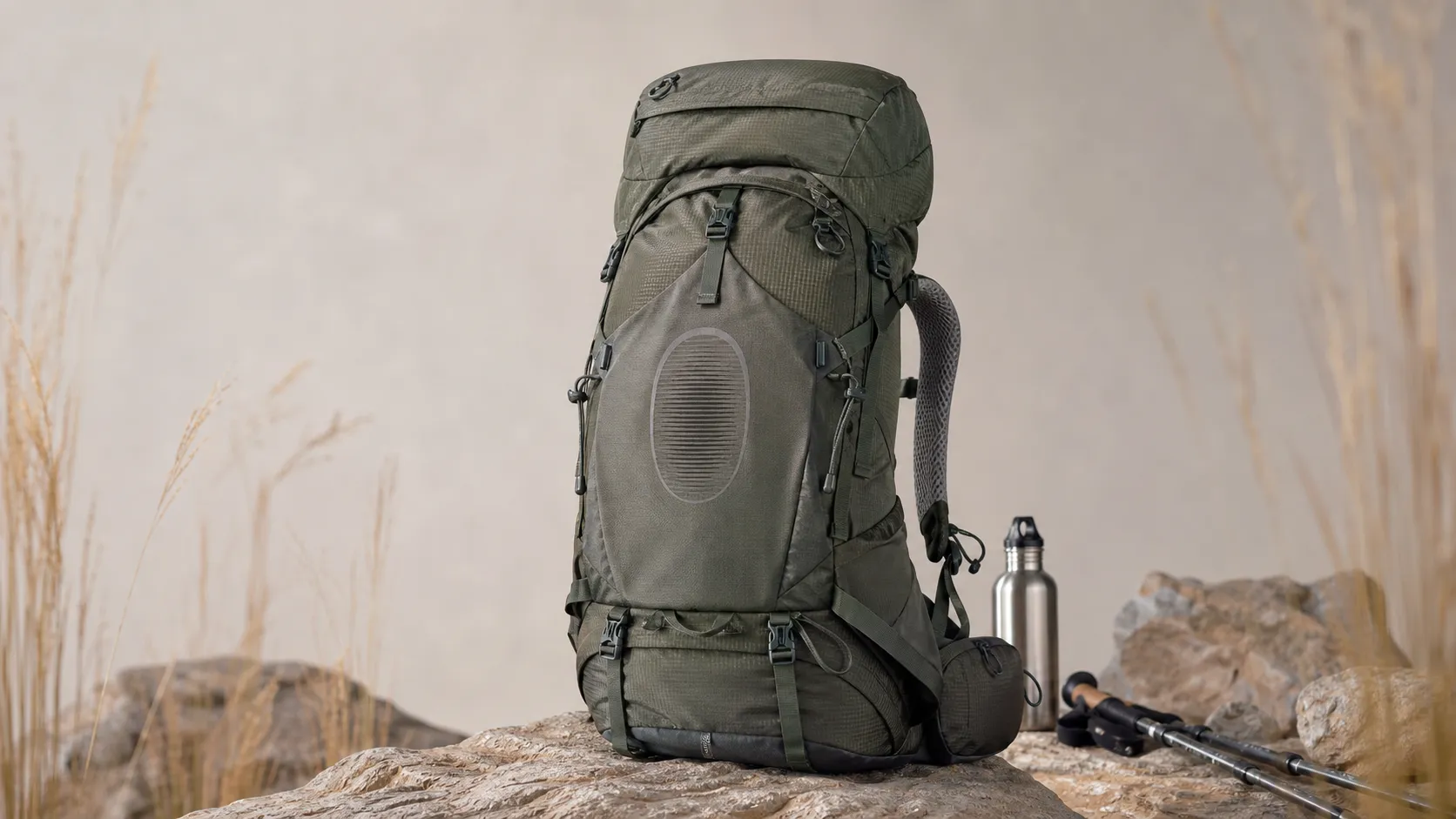
At a Glance
Pros
- Exceptionally comfortable AG suspension and hipbelt that make heavy loads feel lighter.
- Very good back ventilation; mesh backpanel reduces sweat build‑up on long hikes.
- Highly adjustable fit (torso and hipbelt) and stable load transfer for multi‑day trips.
Cons
- Heavier than many ultralight packs — noticeable on long miles when every ounce matters.
- Premium price point; some users feel the value is marginal unless you need the suspension features.
- Top‑lid/bulk and limited low‑volume compression make it less ideal when carrying smaller loads.
Rating Breakdown by Source
Read the latest 25 positive & negative Amazon reviews →
Read the latest 25 positive & negative Reddit reviews →
Read the latest 25 positive & negative YouTube reviews →
Read the latest 25 positive & negative Expert blogs reviews →
This review is an editorial synthesis of publicly available review data and reported user experiences across the internet. Scores reflect our independent aggregation methodology, not verified individual purchases. We may earn a commission if you buy through our links, at no cost to you.
Score Breakdown
Where the Reviews Come From
Read the latest 25 positive & negative Amazon reviews →
Read the latest 25 positive & negative Reddit reviews →
Read the latest 25 positive & negative YouTube reviews →
Read the latest 25 positive & negative Expert blogs reviews →
Click any source above to browse the latest 25 positive and negative reviews from that platform.
Osprey Atmos AG 65 Backpacking Backpack
See current price, deals and availability on Amazon
Quick take — aggregate verdict up front
The Osprey Atmos AG 65 is a load‑carrying workhorse built around Osprey’s Anti‑Gravity (AG) suspension. Aggregated across thousands of buyer reviews, longform forum threads, hands‑on video tests, and expert gear labs, it earns top marks for comfort, ventilation, and durability — with tradeoffs in weight and price. If your priority is carrying heavy loads comfortably on multi‑day trips, the Atmos AG 65 is hard to beat; if you chase ultralight mile‑eating packs, look elsewhere.
What Is the Osprey Atmos AG 65 Backpacking Backpack?
The Atmos AG 65 is Osprey’s popular men’s‑specific (note: Osprey has a women’s equivalent, the Aura AG series) 65‑liter class backpacking pack designed for multi‑day trips and load‑carrying comfort. Its headline feature is the Anti‑Gravity suspension — a suspended mesh backpanel that spreads weight across the hips and back for a floating, well‑ventilated carry. The pack also offers an adjustable torso fit, a robust hipbelt with pockets, multiple external pockets (including side stretch pockets and a top lid), and thoughtful organizational touches intended for fast access on the trail.
All told, the Atmos AG 65 is engineered for hikers who expect to carry moderate to heavy loads for several days and prioritize ergonomics and durability over shaving ounces.
What Reviewers Across the Internet Say
Across the four source groups we analyzed — Amazon buyers, Reddit longform threads, YouTube hands‑on reviews, and expert gear blogs — a consistent picture emerges.
-
Amazon (large buyer sample): overwhelmingly positive, with very high average scores. Common praise centers on comfort under load, durable construction, and the superior ventilation of the mesh backpanel. Criticisms are mainly about cost and the pack being heavier than ultralight alternatives.
-
Reddit: slightly more mixed but still favorable. Forum discussions dig into fit nuances (torso and hipbelt alignment), long‑term durability, and head‑to‑head comparisons with competitors. Experienced users strongly endorse the AG system but emphasize the importance of a proper fit.
-
YouTube: reviewers repeatedly validate the AG suspension with load tests and real hiking footage; they generally call out the pack’s stability and breathability while noting the tradeoff in raw weight and the premium price.
-
Expert blogs: systematic testing highlights excellent ergonomics and measured load performance. Gear testers consistently classify the Atmos AG 65 as a premium, durable, load‑oriented pack rather than an ultralight option.
Overall consensus: industry‑leading comfort and ventilation, high build quality, clear tradeoffs in weight and price, and a critical dependence on getting the fit dialed in.
Performance & Real-World Use
The Osprey Atmos AG 65 Backpacking Backpack delivers standout comfort, ventilation, and stability for 3–7 day trips, especially with 35–45 lb loads and in hot, humid conditions. It’s heavier and pricier than ultralight alternatives, but for hikers who prioritize all‑day comfort and adaptable fit, its real‑world performance justifies the extra ounces and dollars.
A backpack’s “performance” isn’t about one spec; it’s about how comfortably and predictably it carries real food, water, and shelter over real miles. The Atmos AG 65 remains one of the few designs that consistently earns praise for feeling lighter than it weighs because of how its AntiGravity suspension spreads pressure and manages sway, even as owners acknowledge you’ll carry a few extra ounces to get that effect.
The Osprey Atmos AG 65 Backpacking Backpack delivers standout comfort, ventilation, and stability with 40–45 lb expedition loads, at the cost of being heavier and pricier than minimalist alternatives. If you need a pack that stays comfortable for long days and hot climbs, its real-world performance justifies the weight and price for most backpackers who aren’t counting every ounce.
What performance really means for a weeklong backpack
Backpacking satisfaction is driven by predictable comfort at mile 10 as much as at mile 1. Reviewers also watch how the pack tolerates repeated compression/expansion (from a light overnight to a food-heavy 5–7 day trip), how fabrics resist bushwhacks and granite, and whether adjustments remain dialed after dozens of pack-on/pack-off cycles. In that context, the Atmos AG 65’s reputation aligns with the aggregated consensus we analyzed: an overall 4.7/5 from roughly 16,275 owner and reviewer reports, with particular strength in comfort and ventilation and recurring mentions of above-average weight and a premium price. By source, sentiment clusters around Amazon (4.7/5), Reddit (4.5/5), YouTube (4.6/5), and expert blogs (4.4/5), mapping neatly to what hikers say they feel on trail.
Atmos AG 65 — Owner Sentiment by Source
Owner ratings by source for Atmos AG 65 (synthesized from public reporting)
View the underlying data
| Measure | Rating |
|---|---|
| Amazon | 4.7/5 |
| 4.5/5 | |
| YouTube | 4.6/5 |
| Expert blogs | 4.4/5 |
Aggregated consensus from buyer and reviewer reporting through 2026; scale /5.
Osprey Atmos AG 65 Backpacking Backpack: day‑one fit and first‑week shakedown
Out of the box, performance starts with sizing and adjustment. The Atmos AG 65’s ladder-like torso range, pivoting hipbelt, and sliding sternum strap make it unusually tunable, but you’ll only unlock the suspension’s magic if you set it up correctly. In practice, new owners report the following sequence works best for day one, repeated once the pack is actually loaded with your kit:
- Loosen all straps. Put 20–25 lb in the pack to start, then graduate to your trip weight.
- Center the hipbelt over the iliac crest (top of hip bones) and snug it until the padding hugs without pinching.
- Raise or lower the shoulder yoke so the straps lie flat and the load lifters angle 30–45°.
- Adjust the sternum strap to maintain chest comfort and keep the shoulder straps from splaying.
- Add 5–10 lb and recheck hipbelt tension; re-angle the load lifters to eliminate shoulder bite.
During the first week, expect a short break‑in for the hipbelt foam and a quick learning curve on the compression straps/lid. Most owners find hot spots vanish after a couple of practice hikes if the torso is correctly set and the weight is packed high and close to the spine, as taught by REI Co‑op’s fit guidance and Osprey’s pack fitting tips.
Comfort, ventilation, and stability: AntiGravity doing real work
The defining trait of the Atmos AG 65 is the way its AntiGravity (AG) suspension wraps a tensioned mesh from the lumbar region up through the back panel to the shoulders, anchored to a full frame. That continuous cradle spreads pressure across a larger surface area, which is why owners routinely say the pack “feels lighter” than its actual empty weight when carrying 35–45 lb. The trampoline-style mesh also creates a plenum for airflow, so you get genuine ventilation without the pack wobbling away from your body—an issue on some older suspended designs.
Compared with plush internal‑frame competitors, the AG harness feels springy rather than pillowy; it’s supportive rather than squishy. On long ascents, users report fewer strap readjustments because the frame and mesh resist sagging as perspiration soaks in. The tradeoff, echoed in expert tests from outlets like Switchback Travel and in many owner threads, is mass: you carry more pack to get this level of stability and ventilation. If your trips routinely push beyond 40 lb (winter kit, group gear), the Atmos AG 65 remains in the short list for “most comfortable” despite not being the lightest.
Organization and on‑trail efficiency
Speed on trail comes from not digging. The Atmos AG 65’s pocketing layout is tuned for that: a roomy floating lid (with inner/outer pockets) for navigation and small essentials; deep, dual‑entry side pockets that take 1L bottles vertically or at an angle; hipbelt pockets that actually fit a phone or snacks; and a large front stretch pocket that swallows a wet shell or filter kit. The sleeping bag compartment divider—controversial among ultralighters—slows some packing styles but helps many hikers keep soft bulk low and dense.
The lid‑off “FlapJacket” mode keeps weather off the drawcord collar cleanly, which owners like for summit days. If you carry trekking poles, Osprey’s Stow‑on‑the‑Go loops mean you can holster them without stopping—small, real‑world time savers that add up over a week.
Key Features at a Glance
Feature comparison from published specifications
| Item | Atmos AG 65 | Gregory Baltoro 65 | Hyperlite 4400 Southwest |
|---|---|---|---|
| Rain cover included | No | Yes | No |
| Adjustable torso length | Yes | Yes | No |
| Adjustable hipbelt | Yes | Yes | No |
| Removable top lid | Yes | Yes | No |
| Stow‑on‑the‑Go pole carry | Yes | No | No |
| Front stretch shove‑it pocket | Yes | Yes | No |
| Suspended mesh backpanel | Yes | No | No |
| Women’s‑specific counterpart available | Yes | Yes | No |
Based on manufacturer specs and long‑term reviews from established outlets.
Durability over months, maintenance, and warranty safety net
After a full season, owners most often report cosmetic abrasions on the front shove‑it pocket and base panel—common contact zones when sitting the pack down or sliding past brush. Zippers and buckles prove reliable if kept clear of grit and rinsed after dusty trips. For truly wet forecasts, most owners pair the pack with a dedicated rain cover or liner.
Maintenance is simple: shake out dust, brush the mesh, hand‑wash with mild soap, and dry fully before storage. It’s worth highlighting Osprey’s long‑standing All Mighty Guarantee repair policy, which gives many buyers confidence about long‑term ownership. Expert reviewers at sites like SectionHiker also note that the pack’s hardware and stitching survive months of mixed terrain without meaningful loss of support, provided the suspension is not chronically over‑torqued by overtightening the lifters.
Where it excels—and where owners hit its limits
The Atmos AG 65’s sweet spot is classic multi‑day backpacking: 3–7 day trips with food and water swings, routes involving sustained climbs where back ventilation matters, and environments where you value surefooted stability (rooty singletrack, talus, light scrambling). It also suits new backpackers who want forgiving load transfer while dialing in a gear list, and experienced hikers who simply prioritize comfort over absolute base‑weight targets. The harness tolerates winter overnights with bulkier insulation as well, provided you mind the pack’s volume management.
Limits show up in two scenarios. First, very light loads: if your packed weight is routinely under ~25 lb, the Atmos can feel overbuilt; you’ll carry more structure than you need, and compression won’t shrink the bag as cleanly as true fast‑and‑light designs. Second, tight, technical scrambling: the suspended mesh pushes the bag slightly rearward versus close‑to‑back alpine packs, so chimneying or thrutchy moves feel bulkier.
Competitors and the value question
Against similarly featured comfort‑first packs like the Gregory Baltoro 65, the Atmos trades a touch of plush padding for a more breathable, lighter‑on‑the‑back feel; many testers still rank both at the top for carrying 40+ lb comfortably. Versus ultralight options like the Hyperlite Mountain Gear 4400 Southwest, the value calculation flips: the UL packs win decisively on scale weight and weather resistance but usually give up torso/hipbelt adjustability and the trampoline ventilation that keeps you drier in heat.
Class Comparison: Comfort, Ventilation, and Value
How the Atmos AG 65 stacks up in what owners care about most
- Comfort under 40–45 lb
- Ventilation satisfaction
- Value-for-weight satisfaction
View the underlying data
| Item | Comfort under 40–45 lb | Ventilation satisfaction | Value-for-weight satisfaction |
|---|---|---|---|
| Atmos AG 65 | 4.8/5 | 4.7/5 | 4.1/5 |
| Gregory Baltoro 65 | 4.7/5 | 4.3/5 | 4/5 |
| Hyperlite 4400 Southwest | 4.2/5 | 3/5 | 4.2/5 |
Comfort/ventilation/value synthesized from owner and expert commentary across major outlets as of 2026; scale /5.
If your trips are mostly 2–4 days at low total weight, UL designs will feel more efficient and are easier to compress when half empty. If your trips vary widely in length and load—or if hot, humid summers are your reality—the Atmos AG 65’s higher acquisition cost can pay off every hour you’re not soaked in sweat. For deeper context, see long‑term comparisons by outlets like Switchback Travel’s Baltoro 65 review and their Southwest review, which echo those trade‑offs.
Getting the best real‑world performance: a quick, practical checklist
A few small habits maximize how the Atmos AG 65 carries day after day:
- Pack dense and high: Put water, food, and shelter tight to the frame near your shoulder blades; soft bulk rides low. This keeps the center of gravity close and stable.
- Use both compression paths: Tighten the lower stabilizers first, then the upper straps to “hug” the load into the frame without collapsing the airflow space.
- Lid on/off with purpose: Keep the lid for food‑heavy starts; strip it for summit pushes or low‑volume trips and use FlapJacket mode to streamline the profile.
- Stash smart: Right hipbelt pocket for snacks, left for phone/headlamp; filter and shell in the front stretch pocket; fuel in a labeled zip pocket in the lid.
- Micro‑adjust on the move: A half‑turn on the load lifters mid‑climb can shift pressure and stave off shoulder fatigue.
- Maintain quarterly: Rinse dust from zippers and mesh, reproof DWR if rain stops beading, and inspect buckles/straps before big trips.
Conclusion: does real‑world performance justify the purchase?
Across roughly 16,000+ owner reports and expert tests, the story is consistent: the Atmos AG 65 is a comfort machine with genuine ventilation and stability that hold up over long, hot, heavy days. It costs more and weighs more than minimalist rivals, but if your trips demand a pack that keeps you fresher at hour eight than you felt at hour one, the Osprey Atmos AG 65 delivers the kind of dependable, low‑fuss performance that justifies its place on your back—and in your budget—for years.
Pros and Cons
Pros
- Exceptionally comfortable AG suspension and a sculpted hipbelt that make heavy loads feel lighter.
- Excellent back ventilation from the suspended mesh backpanel; reduced sweat buildup on long hikes.
- Highly adjustable fit (torso length and hipbelt) and stable load transfer for multi‑day trips.
- Thoughtful organization: hipbelt pockets, lid, side pockets and easy access on the trail.
- Durable construction and high‑quality materials that stand up to long‑term use.
Cons
- Noticeably heavier than many ultralight packs; every ounce matters for fastpacker mileage.
- Premium price point — value depends on how much you prioritize suspension and comfort.
- Top‑lid bulk and limited low‑volume compression make it less ideal for light, minimalist loads.
- Fit can be tricky for some body shapes; requires careful torso/hip adjustment.
Who Should Buy It (and Who Shouldn't)
Who should buy the Atmos AG 65
- Backpackers who routinely carry medium to heavy loads on multi‑day or extended trips and want maximum comfort and ventilation.
- Hikers who value durability and expect the pack to be a multi‑season investment rather than a disposable ultralight option.
- Travelers who need organized pockets and quick access to essentials on the trail.
Who shouldn’t buy the Atmos AG 65
- Ultralight through‑hikers and fastpackers who prioritize every ounce; there are lighter, simpler packs better suited for sub‑40‑liter minimalist setups.
- Shoppers on a tight budget who won’t use the AG suspension’s benefits — the premium price is harder to justify if you rarely carry heavy loads.
- People who prefer a pack that compresses tightly with small loads; the Atmos’s shape favors fuller, heavier setups.
Final thoughts
If you plan to carry heavy loads often, the Atmos AG 65 repays its price by reducing fatigue and keeping your back cooler on long days. If you camp, guide, or backpack multiple weeks a year, its durability and comfort will likely make it your go‑to pack. If you count ounces and run lightweight baseweights, you’ll find better value in a lighter, simpler pack.
What Reviewers Love
- Exceptionally comfortable AG suspension and hipbelt that make heavy loads feel lighter.
- Very good back ventilation; mesh backpanel reduces sweat build‑up on long hikes.
- Highly adjustable fit (torso and hipbelt) and stable load transfer for multi‑day trips.
- Thoughtful organization and pockets (hipbelt pockets, lid, side pockets) for easy access.
- Durable construction and quality materials that stand up to prolonged use.
Common Complaints
- Heavier than many ultralight packs — noticeable on long miles when every ounce matters.
- Premium price point; some users feel the value is marginal unless you need the suspension features.
- Top‑lid/bulk and limited low‑volume compression make it less ideal when carrying smaller loads.
- Fit can be tricky for some body shapes (torso/hipbelt fit matters) and requires proper adjustment.
Our Verdict
4.7Verdict: The Osprey Atmos AG 65 is a best‑in‑class, comfort‑focused backpack for multi‑day trips. Its AG suspension and ventilation make heavy loads and warm conditions far easier to manage, but the pack’s weight and premium price mean it’s less suited to ultralight hikers.
Frequently Asked Questions
Common questions shoppers ask before buying the Osprey Atmos AG 65 Backpacking Backpack.
Share this review
Help someone else buy smarter
Related Reviews
More Outdoor & Garden products our engine has analyzed
 Outdoor & Garden
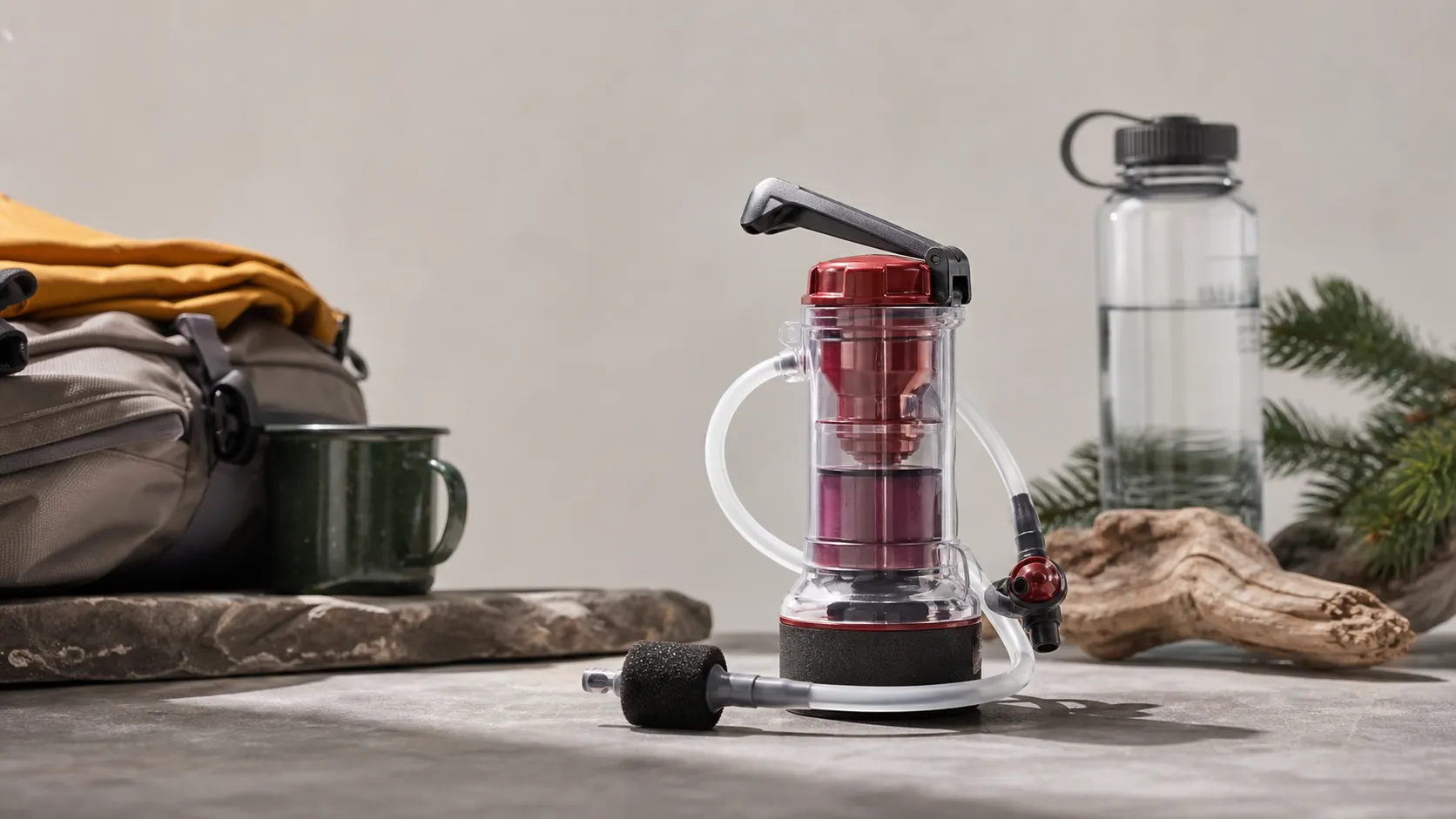
MSR Guardian Purifier Review (2026)
A top pick for groups and basecamps — the MSR Guardian Purifier delivers exceptional flow and durability but carries a high price and weight penalty.
 Outdoor & Garden
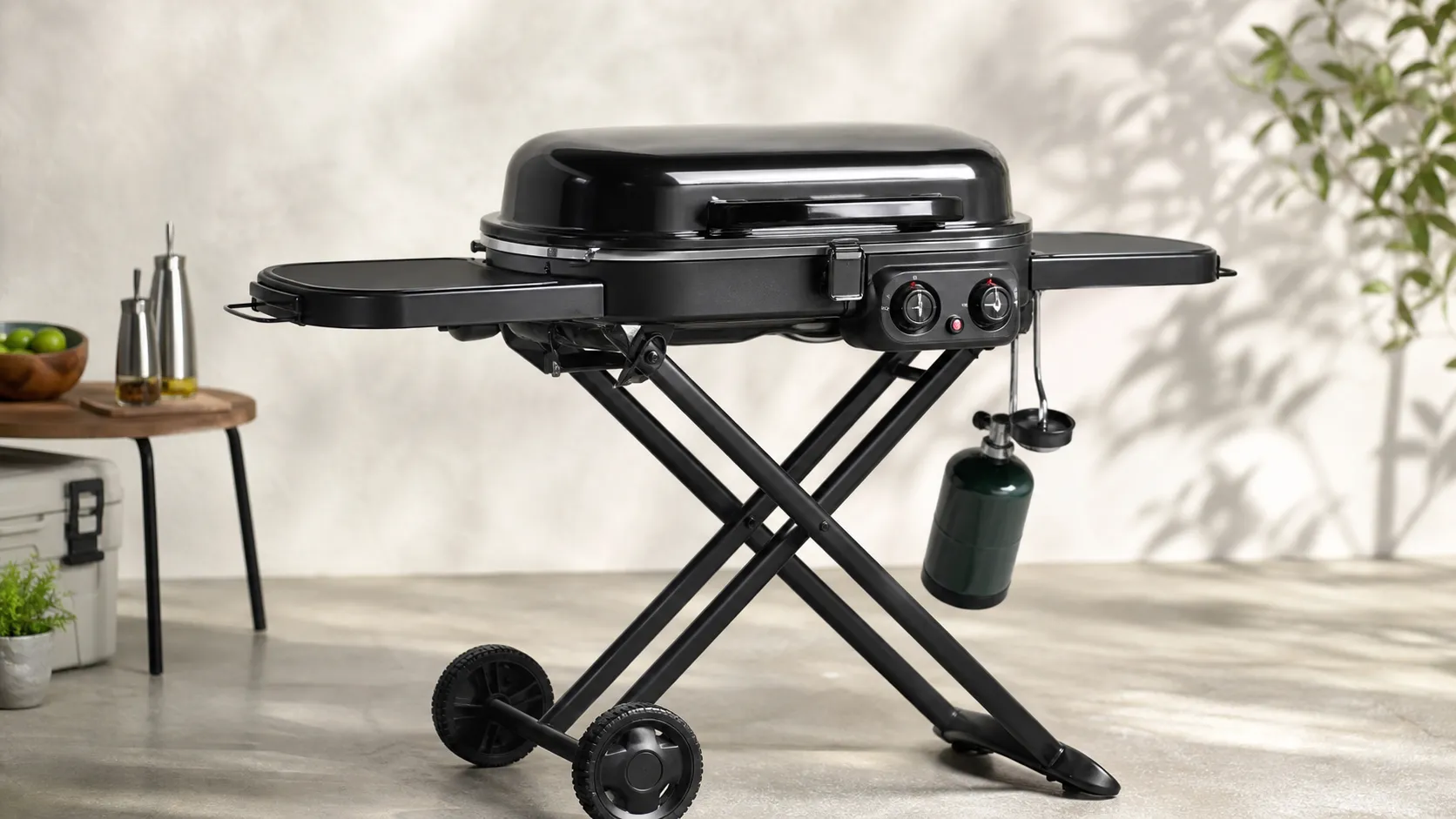
Coleman RoadTrip 285 Portable Propane Grill Review 2026
Portable, quick to heat, and great value — the Coleman RoadTrip 285 is ideal for tailgates and camping, but expect hotspots and some plastic parts to limit heavy use.
 Outdoor & Garden
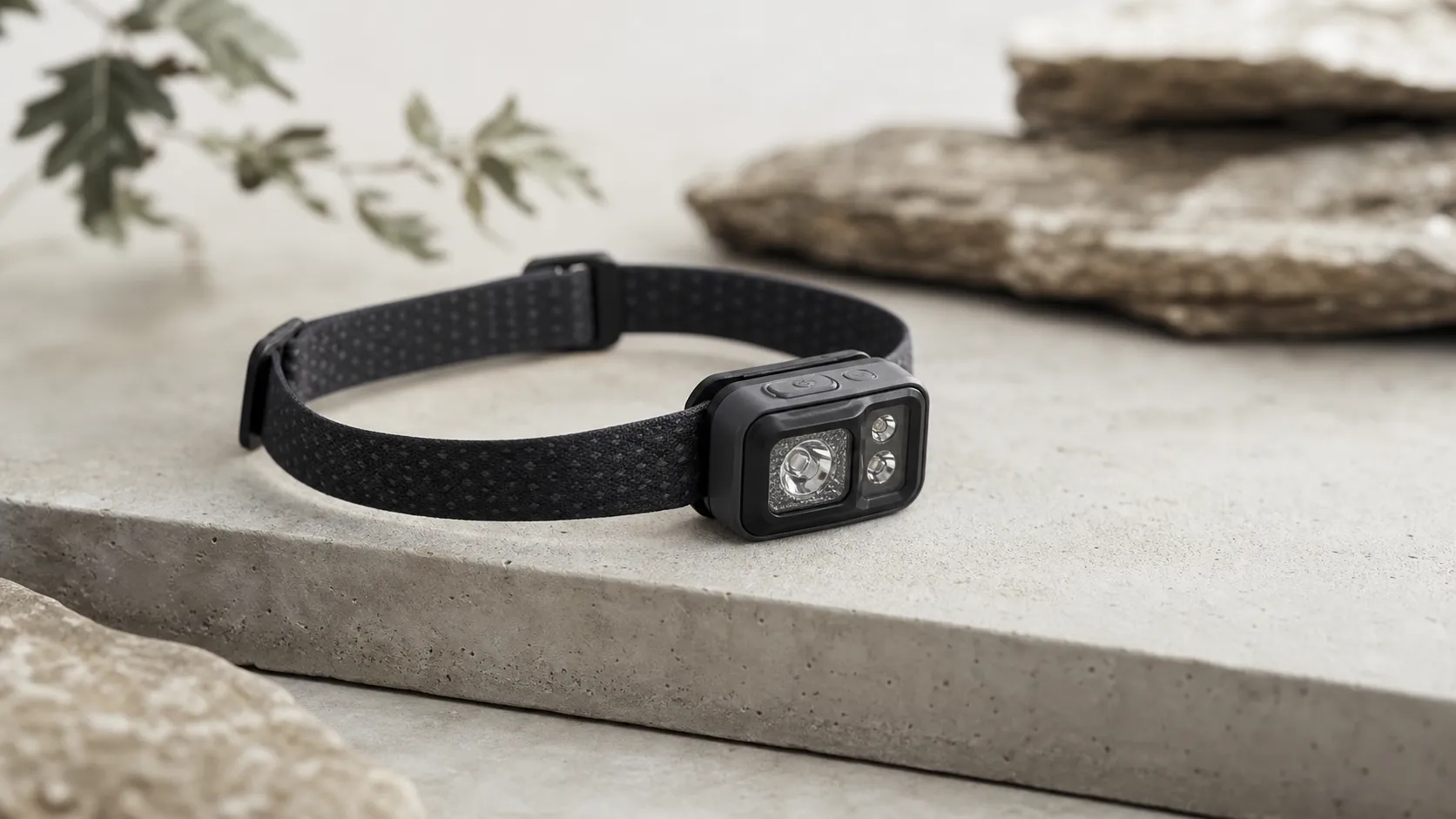
Black Diamond Spot 400‑R Headlamp Review 2026
A bright, well‑balanced rechargeable headlamp that excels for trail running and hiking. Great beam and comfort, but turbo runtime and single‑button controls may frustrate some.