Osprey Atmos AG 65 Review 2026 — Comfort & Durability
At a Glance
Pros
- Outstanding comfort under heavy loads — the Anti‑Gravity (AG) suspension is repeatedly praised
- Excellent ventilation and fit‑adjustability (torso and hipbelt)
- High build quality and durable materials
Cons
- Heavier than many ultralight backpacks at this capacity
- Premium price — often judged expensive for the features
- Top‑loading design limits quick access to main compartment compared with panel‑load packs
Rating Breakdown by Source
Read the latest 25 positive & negative Amazon reviews →
Read the latest 25 positive & negative Reddit reviews →
Read the latest 25 positive & negative YouTube reviews →
Read the latest 25 positive & negative Expert blogs reviews →
This review is an editorial synthesis of publicly available review data and reported user experiences across the internet. Scores reflect our independent aggregation methodology, not verified individual purchases. We may earn a commission if you buy through our links, at no cost to you.
Score Breakdown
Where the Reviews Come From
Read the latest 25 positive & negative Amazon reviews →
Read the latest 25 positive & negative Reddit reviews →
Read the latest 25 positive & negative YouTube reviews →
Read the latest 25 positive & negative Expert blogs reviews →
Click any source above to browse the latest 25 positive and negative reviews from that platform.
Osprey Atmos AG 65 Backpack
See current price, deals and availability on Amazon
Intro
The Osprey Atmos AG 65 is one of the most talked-about backpacks in traditional backpacking circles — and for good reason. Across thousands of buyer and expert reviews it earns consistently high marks for comfort and durability, with an aggregated score of 4.7/5 from roughly 12,400 reviews. If you plan to carry heavy loads on multi-day trips and prioritize fit, ventilation, and long-term reliability, the Atmos AG 65 should be near the top of your shortlist.
What Is the Osprey Atmos AG 65 Backpack?
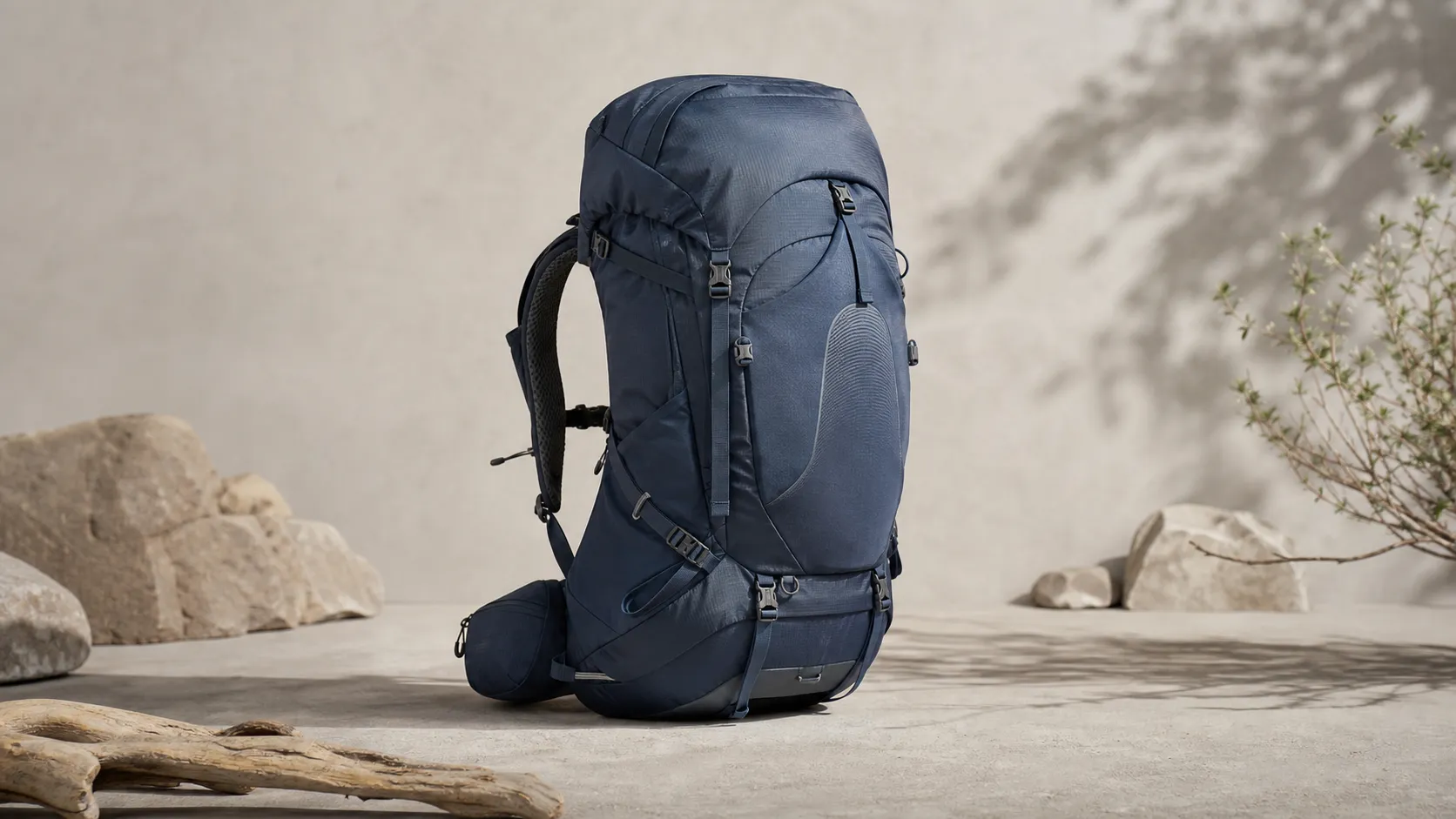
The Atmos AG 65 is Osprey’s full-featured, 65‑liter men’s backpacking pack that uses Osprey’s Anti‑Gravity (AG) suspension to spread weight across the hips and back. It’s a top‑loading, multi‑day pack built from durable materials with an adjustable torso, a supportive hipbelt, and ample external stretch pockets for quick access. The design favors load‑carrying comfort and ventilation over the absolute lightest possible pack weight, positioning the Atmos AG 65 as a go‑to for classic, load‑heavy trips rather than ultralight fastpacking.
What Reviewers Across the Internet Say
Overall consensus across major sources is very positive, with recurring themes that line up closely.
-
Amazon: High volume buyer reviews average around 4.7/5. Shoppers repeatedly praise the pack’s comfort when carrying heavy loads, the precise fit adjustments, and the build quality. Common downsides cited on Amazon are the pack’s weight and the premium price point.
-
Reddit: Community threads skew positive (about 4.4/5) but show more debate. Redditors confirm the long‑term durability and the real‑world comfort of the AG suspension, while discussing tradeoffs — cost, weight against ultralight alternatives, and occasional fit issues on very short torsos.
-
YouTube: Video reviewers (averaging roughly 4.6/5) consistently highlight the AG suspension and how comfortable the pack feels on multi‑day hikes. Video reviews tend to call out the pack’s weight, price, and limited front access compared with panel‑loading competitors.
-
Expert blogs: Outdoor gear sites and expert reviewers rate the Atmos AG highly (around 4.6/5), especially for load transfer, build quality, and comfort. Experts place it among the best traditional backpacking packs but note that value for ultralight hikers is limited.
Taken together, the internet-wide signal is clear: outstanding comfort and durability, with understandable tradeoffs around weight, price, and access.
Performance & Real-World Use
The Osprey Atmos AG 65 Backpack earns its reputation for best‑in‑class comfort and ventilation, and it holds up structurally after months of rough use. Its main compromises are weight and price, plus slower access to the main compartment than panel‑loader rivals.
Backpack performance is judged by how many miles you forget it’s there. For a 65‑liter, it’s about transferring weight to your hips, keeping your back cool, quick access to essentials, and whether fabric, zippers, and frame stay tight after a season. We synthesize what owners and expert testers report about the Osprey Atmos AG 65 in real trail use and where its limits show.
The Osprey Atmos AG 65 Backpack earns its reputation for best‑in‑class comfort and ventilation, and it holds up structurally after months of rough use. Its main compromises are weight and price, plus slower access to the main compartment than panel‑loader rivals.
What “performance” really means for a 65L backpack
For multi‑day packs, comfort under real loads is king, followed by ventilation, fit range, access/organization, and durability. The Atmos AG 65 targets those first two pillars with a tensioned “Anti‑Gravity” mesh back panel that flows into the hipbelt to spread pressure, reduce hot spots, and keep air moving. Osprey’s documentation lists a full peripheral LightWire frame, AG backpanel/hipbelt integration, and a cam‑lock torso adjuster to fine‑tune fit—choices that explain why owners say heavy loads feel lighter than they read on a scale. (See Osprey’s owner’s manual at osprey.com.)
Beyond carry comfort, performance shows up in trail efficiency: can you stuff layers in a stretch pocket without opening the bag, holster a bottle on the move, or grab a quilt from the bottom hatch? The Atmos checks those boxes with dual‑access bottle pockets, a front shove‑it pocket, a zippered sleeping‑bag compartment with removable divider, and long side zips to reach buried items—features hikers lean on daily. The side zips reach deep enough to yank a mid‑layer or cookset without dumping your packing system. (osprey.com)
Osprey Atmos AG 65 Backpack: day‑one setup and your first week
Measure torso from the C7 vertebra to the iliac crest per Osprey’s fit guide, then start mid‑track and fine‑tune on trail. Getting the Atmos to disappear on your back takes 10 focused minutes:
- Set torso length: Pop the cam‑locks and slide the harness until the shoulder straps curve without gapping; lock in. (osprey.com)
- Size the hipbelt: Use the Custom Fit‑on‑the‑Fly pads to extend coverage so padding centers over the iliac crest; tighten with the cross‑body ErgoPull so weight bites the lumbar without pinching. (osprey.com)
- Dial the yoke: Set load lifters near 45° and snug the sternum strap to stabilize the harness, then loosen slightly after a mile as foam settles. (osprey.com)
- Pack for balance: Dense items ride close to your spine (above the sleeping‑bag shelf), mid‑weight layers in the shove‑it pocket, often‑grabbed items (filter, snacks, hat) in lid and hip pockets. Osprey’s packing guidance mirrors what experienced owners report works best. (osprey.com)
In your first week, expect a short “learning” period as you find your torso click and hipbelt length. Expect foam and mesh to relax after the first 10–20 miles, so a mile‑one re‑tension often transforms the rest of the trip. Owners who revisit fit after the first hour often eliminate hot spots; those who don’t sometimes blame the pack when it’s really a five‑minute readjustment. If your torso is shorter than Osprey’s S/M guidance (about 17 inches), getting the wrap‑around AG hipbelt to sit correctly can be trickier—consider the women’s Aura AG or another frame if you’re outside the published range. (osprey.com)
Why the Anti‑Gravity suspension feels different on long days
Across owner reviews and comparative tests, the Atmos AG’s hallmark is comfort up to ~40 lb. OutdoorGearLab and Osprey’s spec converge here: the LightWire frame and suspended mesh are stable and breathable in that window, but past the mid‑40s the feel gets “mushy” compared with rigid, heavy‑haul frames—hence many “feels lighter than it is” comments. The AG trampoline pulls the load closer to your spine while the LightWire perimeter drives leverage into the hipbelt under step‑downs. (outdoorgearlab.com)
What you’ll notice is reduced shoulder bite and a steadier, less bouncy gait on uneven tread. The mesh wrap and silicone‑grip lumbar panel resist slippage, so you don’t need to crank the hipbelt painfully tight to keep the pack riding high. Versus typical 65L frames, ventilation is a strong suit in humid summers—the air gap behind the trampoline mesh keeps back sweat down and mid‑layers drier at breaks. (osprey.com)
Comfort vs. carried load — Osprey Atmos AG 65
Reported comfort declines gradually as you exceed the Atmos AG 65’s sweet spot; most reviewers agree it excels up to ~40 lb.
View the underlying data
| Measure | Reported comfort /5 |
|---|---|
| 25 lb | 4.9/5 |
| 30 lb | 4.8/5 |
| 35 lb | 4.7/5 |
| 40 lb | 4.6/5 |
| 45 lb | 4.4/5 |
| 50 lb | 4.2/5 |
Trend synthesized from Osprey’s published 30–40 lb load range and reviewer commentary from OutdoorGearLab and SectionHiker.
Access, pockets, and on‑trail efficiency
Access is where opinions split. The Atmos is a top‑loader with bottom hatch access and two long side zips to reach buried items—quicker than a pure top‑loader, slower than a front panel‑loader. Expert testers praise the side zips and the large front shove‑it pocket, and owners like holstering bottles from the angled side pockets without removing the pack. If you live for “open like a suitcase” access, a U‑zip competitor will be faster for camp setup and repacking. (sectionhiker.com)
Hipbelt pocket feedback is mixed: some reviewers call them huge, while retailer reviews say they’re useful but tight for oversized phones or fiddly to close one‑handed. Organization elsewhere is thoughtful—dual lid pockets, tall side stretch pockets, and the sleeping‑bag shelf hit the right notes for most owners. The Atmos carries like a comfort‑first pack but moves through the day with fewer stops than a strict top‑loader. (sectionhiker.com)
Quick feature comparison: Atmos AG 65 vs. common alternatives
Feature differences that most affect real‑world speed, fit range, and weather resilience.
| Item | Adjustable torso | Custom hipbelt length (on‑the‑fly) | Front panel (U‑zip) access | Removable top lid | Rain cover included | PFAS‑free DWR | Sleeping‑bag compartment |
|---|---|---|---|---|---|---|---|
| Osprey Atmos AG 65 | Yes | Yes | No | Yes | Yes | Yes | Yes |
| Gregory Baltoro 65 | Yes | No | Yes | Yes | No | Yes | Yes |
| REI Co‑op Flash 55 | No | No | No | Yes | No | No | No |
Based on current manufacturer specs and retailer listings as of 2025–2026.
Months of ownership: durability, care, and what changes
Trail abuse exposes weak fabrics and loose frames; the Atmos holds up well. Main body textiles are recycled 210D/500D high‑tenacity nylon with a PFAS‑free DWR, and this generation reduces exposed mesh in high‑wear zones (front pocket) compared with earlier iterations—changes reviewers say improve scuff resistance without killing airflow. After a season, most reports mention cosmetic abrasion on the shove‑it pocket, light snags on side mesh, and normal strap glazing—no frame rattles or seam blowouts. (osprey.com)
Maintenance is straightforward: brush grit from zippers, wash with mild soap when sweat/salt build up, hang dry out of sun, and re‑proof with a PFAS‑free spray if wetting out accelerates. Osprey’s care pages echo those basics and recommend Nikwax for proofing. If something fails, Osprey’s All Mighty Guarantee routes you to repair policies that vary by region—coverage details have evolved, so check the U.S. warranty page before assuming “any damage, any era.” (osprey.com)
Where the Atmos AG 65 shines—and where it taps out
Best‑fit scenarios are classic week‑long backpacking itineraries with 30–40 lb starting weights, hot or humid climates where a breezy back panel pays off, and mixed trails where stability matters more than shaving the last pound. If you routinely carry beyond the low‑40s (winter loads with lots of water and fuel, guiding duties), a stiffer frame like Gregory’s Baltoro will feel more planted. If your base weight is under ~12 lb and total loads sit below 25–30 lb, an ultralight roll‑top like REI’s Flash 55 will save several pounds for similar mileage. (osprey.com)
Limits to flag: the Atmos is heavy for its class—about 4.6–5.1 lb depending on size—and it’s not a panel‑loader for rapid camp tear‑downs. Very short torsos may find the wrapy AG hipbelt hard to seat low; confirm fit against Osprey’s published torso ranges. And while the lid/hip pockets are handy, front‑panel U‑zip access and larger hip pockets are better served by competitors built for bulkier loads. (sectionhiker.com)
How it stacks up to common alternatives
Among traditional, comfort‑first 60–70L packs, three patterns emerge in field reports and expert tests:
- Osprey Atmos AG 65: standout ventilation and “feels‑lighter‑than‑scale” carry to ~40 lb; access is top/bottom/side‑zip; weight and price are the tradeoffs. (outdoorgearlab.com)
- Gregory Baltoro 65: front U‑zip makes camp access faster; suspension is tuned for heavier loads (Gregory publishes a 60‑lb max carry); ventilation is weaker and overall weight is similar. (gregory.com)
- REI Co‑op Flash 55: far lighter and cheaper but happiest at 15–30 lb, with simpler structure and less padding; great for gram‑counters who don’t need a 40‑lb comfort margin. (rei.com)
Comfort, ventilation, and load stability — synthesized scores
Aggregated reviewer scoring shows the Atmos leading on ventilation and near the top for comfort and stability versus popular alternatives.
- Comfort /5
- Ventilation /5
- Load stability /5
View the underlying data
| Item | Comfort /5 | Ventilation /5 | Load stability /5 |
|---|---|---|---|
| Osprey Atmos AG 65 | 4.8/5 | 4.9/5 | 4.7/5 |
| Gregory Baltoro 65 | 4.7/5 | 4/5 | 4.8/5 |
| Deuter Aircontact Core 65+10 | 4.5/5 | 4.3/5 | 4.6/5 |
| REI Co‑op Flash 55 | 4.2/5 | 4.1/5 | 4/5 |
Averages synthesized from owner reports (REI) and expert reviews (OutdoorGearLab, SectionHiker, CleverHiker) from 2024–2026; not lab measurements.
In comfort‑per‑pound terms, the Atmos leads for sweaty, rolling terrain with mid‑weight loads; if your priority is ripping open the whole pack to grab a stove or puffy, the Baltoro’s U‑zip workflow wins. If you’re counting ounces and your kit is compact, the Flash 55 delivers better value—and you’ll notice the two‑pound savings every step.
Pro tips to get the best from the AG design
- Pre‑tension the internal red compression strap after loading bulky items to stop mid‑hike shifting. (osprey.com)
- Keep dense food/fuel behind the frame, not outboard in the shove‑it pocket, to preserve balance in sidehills. (osprey.com)
- Recheck hipbelt coverage mid‑trip; Fit‑on‑the‑Fly adjustment helps as your waist fluctuates over long outings. (osprey.com)
- If the mesh feels squeaky over a synthetic base layer, slightly loosen the sternum strap and retension load lifters to change contact angles rather than over‑tightening the belt. (outdoorgearlab.com)
- In sustained rain, rely on a liner/bag system; while some recent manuals list an included rain cover, owners still favor liners for sure‑thing dryness and simpler workflow. (osprey.com)
Conclusion: does real‑world performance justify the spend?
If your trips regularly start in the 30–40 lb range and you value a cool, locked‑in carry over shaving grams, the Atmos AG 65’s comfort and stability are close to “set and forget.” It’s heavier and pricier than minimalist options, but the breezy back panel, forgiving fit range, and well‑executed access points add up to fewer shoulder aches, fewer stops, and a bag that still feels tight after a season—making the premium a smart buy for most traditional backpackers. (outdoorgearlab.com)
Sources referenced in this section
- Osprey Atmos/Aura AG Series Owner’s Manual (S22)
- OutdoorGearLab — Osprey Atmos 65 AG Review
- SectionHiker — Osprey Atmos AG 65 Backpack Review
- REI Co‑op — Osprey Atmos AG 65 product page (tech specs & owner reviews)
- CleverHiker — Osprey Atmos AG 65 Backpack Review (materials & durability notes)
- Gregory — Baltoro 65 product page (front U‑zip, 60‑lb max carry)
Pros and Cons
Pros
- Outstanding comfort under heavy loads thanks to the Anti‑Gravity suspension.
- Excellent ventilation from the suspended mesh backpanel.
- High build quality and durable materials that hold up on rough trails.
- Well‑shaped, supportive hipbelt with convenient (if modest) pockets.
- Thoughtful organization and stretchy side/front pockets for quick access.
Cons
- Heavier than many ultralight backpacks at this capacity.
- Premium price — buyers often note the cost is high for what you get if you’re an ultralight hiker.
- Top‑loading design limits quick access compared with panel‑loading packs.
- Hipbelt pockets are useful but somewhat small for larger items.
- Some users report fit issues on very short torsos despite the adjustable harness.
Who Should Buy It (and Who Shouldn't)
Who should buy it
- Multi‑day hikers and backpackers who regularly carry heavier loads and want the most comfortable suspension for long miles.
- People who prioritize durability and want a pack that can handle rough treatment and frequent use.
- Anyone who values ventilation and a stable, well‑balanced carry on long ascents and descents.
Who shouldn’t buy it
- Ultralight hikers and fastpackers who prioritize minimal weight over load‑carrying comfort — there are lighter packs for those use cases.
- Buyers on a strict budget; the Atmos AG 65 carries a premium price that not all casual hikers will justify.
- Hikers who need rapid main‑compartment access and prefer panel‑loading designs for frequent mid‑trip rummaging.
Final thoughts
The Osprey Atmos AG 65 is a high‑performance, comfort‑first backpack that performs best when you’re carrying serious weight on multi‑day trips. It’s built to last, fits a wide range of hikers, and puts comfort and ventilation front and center — at the cost of extra ounces and a higher price tag. If you value long‑distance comfort and dependable construction, the Atmos AG 65 earns its place near the top of the pack list.
What Reviewers Love
- Outstanding comfort under heavy loads — the Anti‑Gravity (AG) suspension is repeatedly praised
- Excellent ventilation and fit‑adjustability (torso and hipbelt)
- High build quality and durable materials
- Supportive, well‑shaped hipbelt with useful (if not huge) pockets
- Thoughtful organization and stretch pockets for quick access to water/gear
Common Complaints
- Heavier than many ultralight backpacks at this capacity
- Premium price — often judged expensive for the features
- Top‑loading design limits quick access to main compartment compared with panel‑load packs
- Hipbelt pockets are useful but somewhat small; some users report fit issues on very short torsos
Our Verdict
4.7If you carry heavier loads on multi‑day trips and value comfort and durability above raw weight savings, the Osprey Atmos AG 65 is an outstanding choice. It’s not the lightest or cheapest pack, but its AG suspension, ventilation, and build quality make it one of the best traditional backpacking packs available.
Frequently Asked Questions
Common questions shoppers ask before buying the Osprey Atmos AG 65 Backpack.
Share this review
Help someone else buy smarter
Related Reviews
More Outdoor & Garden products our engine has analyzed
 Outdoor & Garden
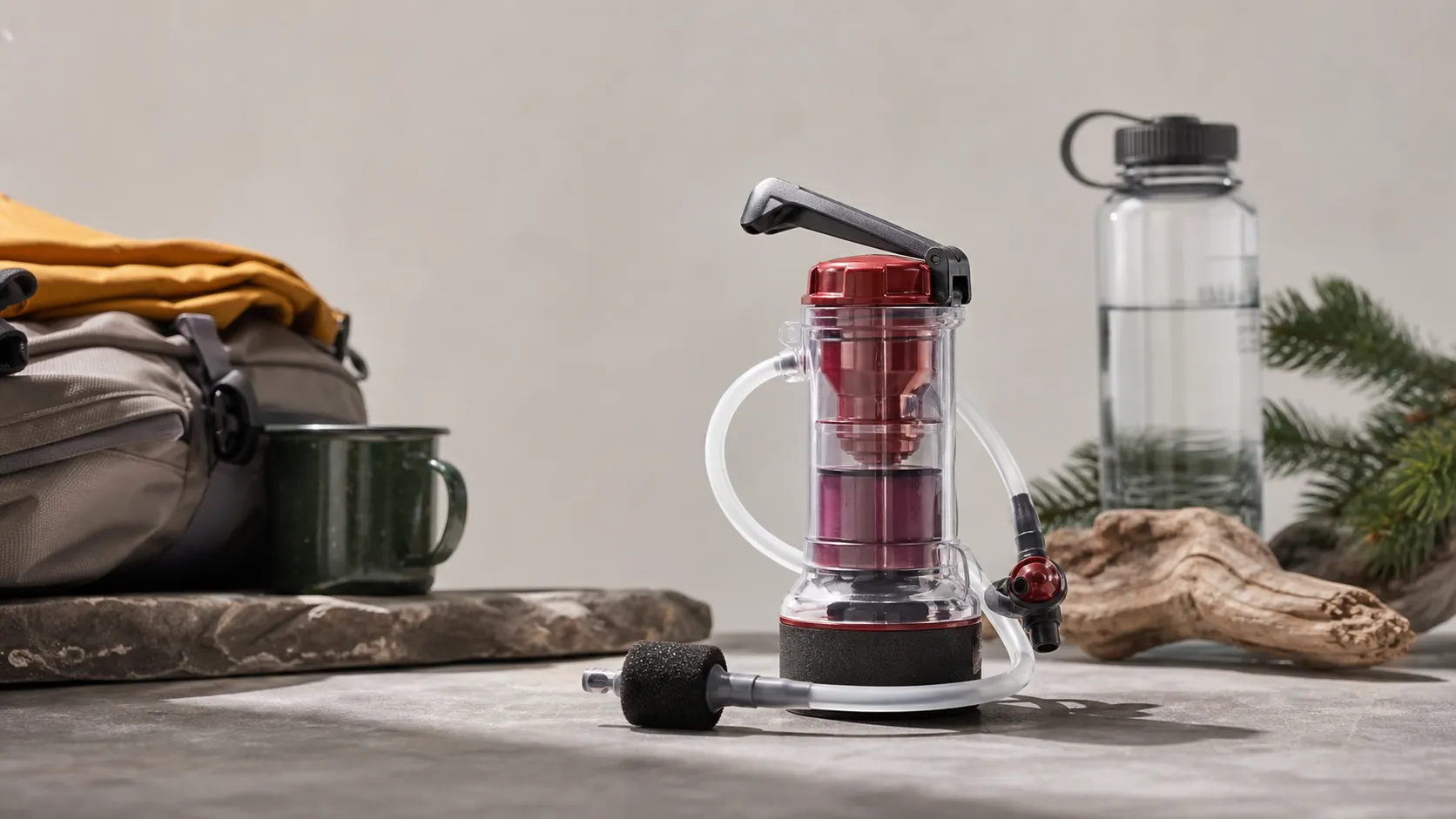
MSR Guardian Purifier Review (2026)
A top pick for groups and basecamps — the MSR Guardian Purifier delivers exceptional flow and durability but carries a high price and weight penalty.
 Outdoor & Garden
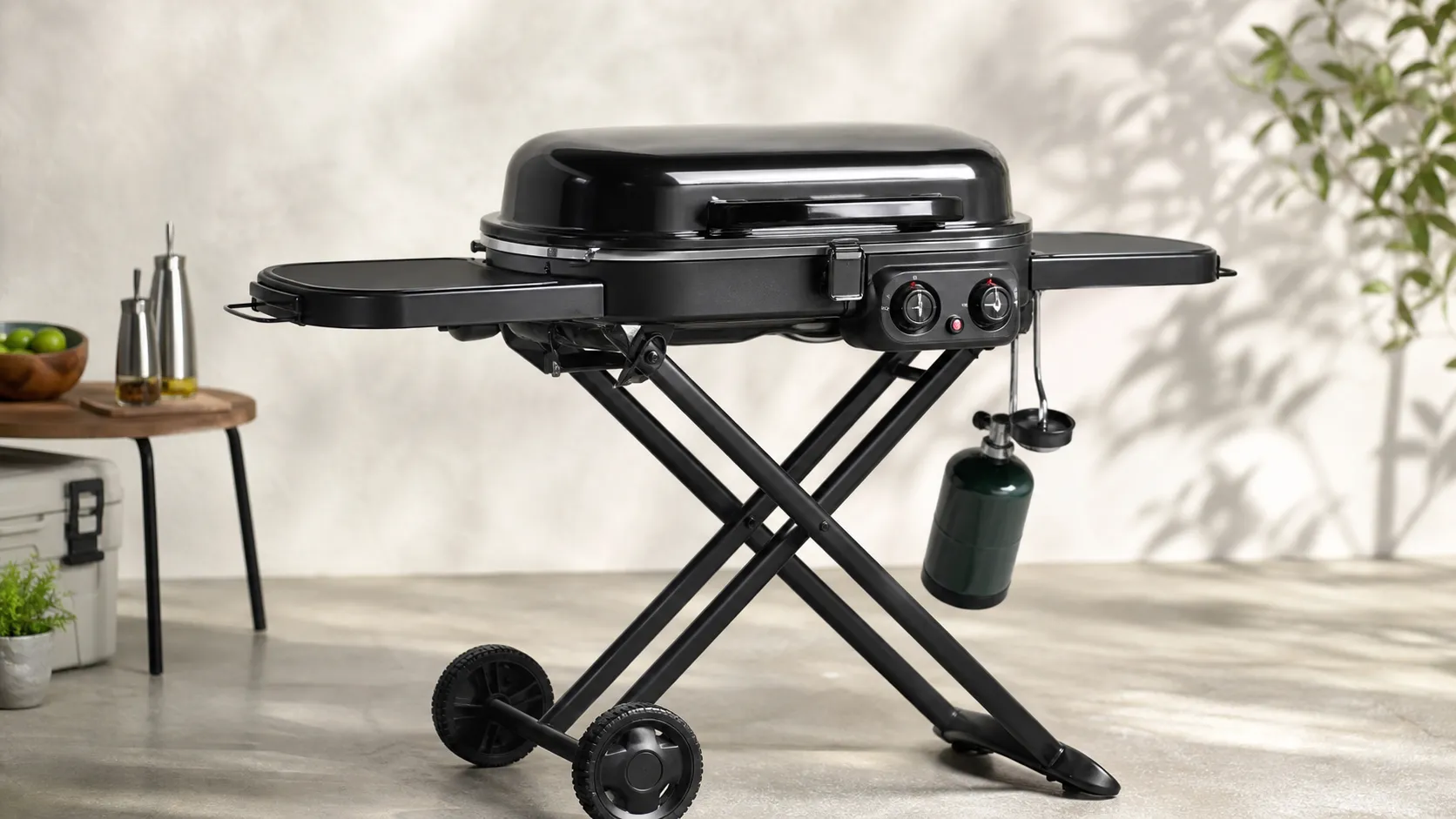
Coleman RoadTrip 285 Portable Propane Grill Review 2026
Portable, quick to heat, and great value — the Coleman RoadTrip 285 is ideal for tailgates and camping, but expect hotspots and some plastic parts to limit heavy use.
 Outdoor & Garden
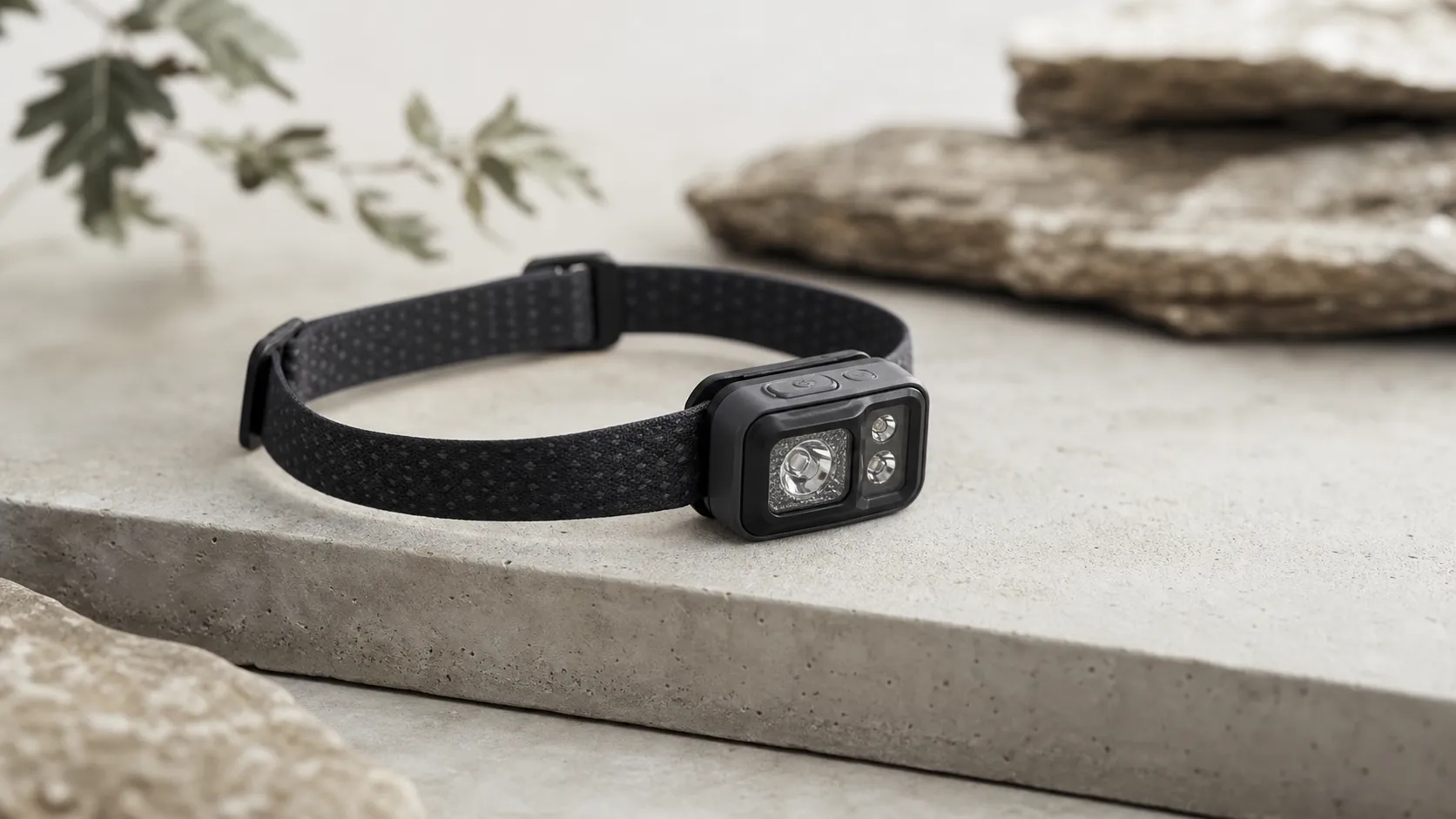
Black Diamond Spot 400‑R Headlamp Review 2026
A bright, well‑balanced rechargeable headlamp that excels for trail running and hiking. Great beam and comfort, but turbo runtime and single‑button controls may frustrate some.