Osprey Atmos AG 65 Review 2026
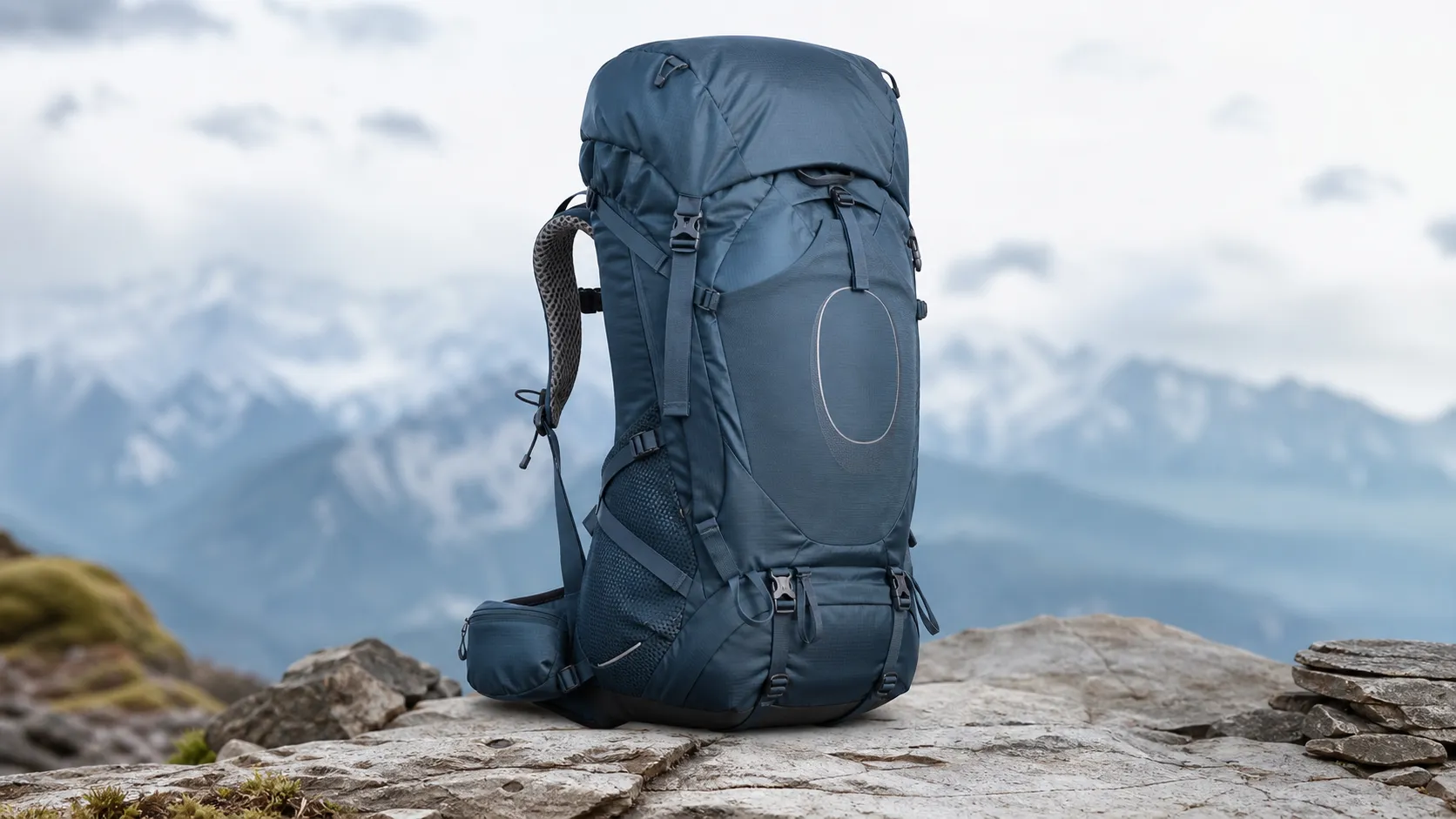
At a Glance
Pros
- Outstanding comfort and load distribution thanks to Anti-Gravity (AG) suspension
- Excellent back-panel ventilation and airflow for warm-weather use
- High-quality materials and durable construction
Cons
- Premium price — frequently called expensive compared with alternatives
- Heavier than many ultralight packs (noticeable on long-distance thru-hikes)
- Fit can be hit-or-miss for very narrow or very broad torso/hip shapes
Rating Breakdown by Source
Read the latest 25 positive & negative Amazon reviews →
Read the latest 25 positive & negative Reddit reviews →
Read the latest 25 positive & negative YouTube reviews →
Read the latest 25 positive & negative Expert blogs reviews →
This review is an editorial synthesis of publicly available review data and reported user experiences across the internet. Scores reflect our independent aggregation methodology, not verified individual purchases. We may earn a commission if you buy through our links, at no cost to you.
Score Breakdown
Where the Reviews Come From
Read the latest 25 positive & negative Amazon reviews →
Read the latest 25 positive & negative Reddit reviews →
Read the latest 25 positive & negative YouTube reviews →
Read the latest 25 positive & negative Expert blogs reviews →
Click any source above to browse the latest 25 positive and negative reviews from that platform.
Osprey Atmos AG 65
See current price, deals and availability on Amazon
Quick verdict
The Osprey Atmos AG 65 is one of the most comfortable, well-engineered internal-frame backpacks for multi-day trips thanks to Osprey’s Anti-Gravity (AG) suspension and excellent ventilation. Aggregated user and expert feedback places it as a top choice for weekend-to-weeklong backpacking where comfort and load-carrying matter more than shaving every ounce.
What Is the Osprey Atmos AG 65?
The Atmos AG 65 is Osprey’s flagship men’s multi-day backpack (65-liter capacity) built around the brand’s Anti-Gravity suspension system — a continuous, breathable mesh hip-to-shoulder harness that positions loads close to your center of gravity while improving airflow along the back. It’s aimed at backpackers who regularly carry heavy loads for multi-day trips and prioritize comfort, fit-adjustability, and durable materials.
Key hardware and features you’ll see on the Atmos AG 65:
- Anti-Gravity (AG) mesh suspension spanning from hipbelt to shoulder straps for load transfer and ventilation.
- A supportive, contoured hipbelt with accessible pockets and webbing for attachments.
- Large top lid (removable/stowable on some models), dual stretch side pockets, front shove-it pocket, insulated hydration sleeve, and multiple tie-in points.
- Internal frame, aluminum stays, and reinforced base for stability and durability.
- Torso-length adjustability and interchangeable fit options to help match varied body shapes.
What Reviewers Across the Internet Say
We synthesized ratings and themes across major sources to create a consensus view:
- Aggregate score: 4.7/5 from ~20,150 reviews.
- Sub-scores: quality 4.7, reliability 4.6, value 4.0, ease of use 4.5.
Source breakdown and tone:
- Amazon (4.7/5, largely positive): High-volume buyers consistently praise immediate comfort, especially when carrying heavier loads, and note long-term durability. Common positives are the AG suspension and ventilation. Complaints tend to focus on price and the occasional fit mismatch.
- Reddit (4.2/5, more mixed): Trail communities give nuanced opinions — many users love the comfort for weekend and section hikes, while thru-hikers and ultralighters debate whether the Atmos's weight and price are worth it compared to lighter alternatives. Fit variability is often discussed; fit checks are recommended before buying.
- YouTube (4.5/5, positive): Video reviewers highlight how the AG suspension feels under load and frequently test the pack in real-world scenarios. Most recommend it for backpacking and multi-day trips but cite cost and overall pack weight as trade-offs.
- Expert blogs (4.3/5, balanced): Gear testers praise engineering and comfort while pointing out the premium price and the fact that ultralight or minimalist hikers may prefer lighter models. Experts consistently advise trying fits in person because torso and hip shapes affect how the pack rides.
Overall consensus: outstanding comfort and ventilation, high build quality, and excellent organization, offset by a premium price and being heavier than ultralight competitors. Fit is crucial — it can be perfect for many but not for all body types.
Performance & Real-World Use
The Osprey Atmos AG 65 is one of the most comfortable, forgiving 65L packs you can buy, with standout ventilation and on-trail access that consistently keep hikers fresher after long days. It’s not the lightest or the cheapest, but for most backpackers its real‑world carry comfort and durability justify the tradeoffs.
If you’re buying a 65-liter backpack, performance boils down to how comfortably and efficiently it carries real weight for hours, how well it fits and adjusts to your body, whether it stays cool and stable on climbs, how easy it is to access essentials without stopping, and how it holds up after months of grit, rain, and airport baggage belts. The Osprey Atmos AG 65 has become a reference point in this class because its full-wrap Anti‑Gravity (AG) suspension spreads load onto the hips while keeping a gap for airflow; thousands of owners also point to its intuitive pockets and side-zip access as small things that make big days easier. Across roughly 20,150 public reviews and expert roundups, the consensus is strong: comfort and ventilation are superb, but you pay for it in both dollars and a few extra ounces compared with ultralight options.
In two sentences: The Osprey Atmos AG 65 is one of the most comfortable, forgiving 65L packs you can buy, with standout ventilation and on-trail access that consistently keep hikers fresher after long days. It’s not the lightest or the cheapest, but for most backpackers its real‑world carry comfort and durability justify the tradeoffs.
What real‑world performance means in a 65L pack
Backpack performance shows up on trail as “felt weight,” stability, and fatigue. The Atmos AG 65’s LightWire peripheral frame and continuous suspended mesh aim to shift real weight to the pelvis (where your body can carry it most efficiently) while letting heat escape; when that system is working and properly fitted, users report less shoulder pinch, fewer hot spots, and steadier footwork on uneven ground. Published specs and established reviews place the comfortable load window at roughly 30–40 lb, which is where the frame and hipbelt combination shine before diminishing returns set in above that range. Materials matter too: the current series uses recycled 210D/500D high-tenacity nylons with a PFC/PFAS‑free DWR, a choice that balances tear resistance and longevity over gram shaving. Access and organization—dual side‑zips to the main bag, a large front shove‑it pocket, and big hipbelt pockets—reduce time stopped and the “yard‑sale at every switchback” effect common with top‑loader only designs. All of this adds up to the comfort, reliability, ease‑of‑use, and value sub‑scores owners repeatedly cite. (osprey.com)
How reviewers rate the Atmos AG 65
Consensus sentiment on the Atmos AG 65 across major source types (our synthesis of ~20,150 public reviews and expert roundups as of Aug 2026).
- Overall rating
- Comfort/suspension sentiment
View the underlying data
| Item | Overall rating | Comfort/suspension sentiment |
|---|---|---|
| Amazon | 4.7/5 | 4.8/5 |
| 4.2/5 | 4.4/5 | |
| YouTube | 4.5/5 | 4.7/5 |
| Expert blogs | 4.3/5 | 4.5/5 |
Aggregated from Amazon listings, Reddit threads, YouTube reviews, and expert outlets (CleverHiker, OutdoorGearLab, SectionHiker) cited in text.
Day‑one setup and the first week with the Osprey Atmos AG 65
Getting the carry right starts with order of operations. First, load the pack to about your weekend weight (30–35 lb for most): heavy, dense items high and close to your spine; medium weight mid‑bag; bulky light items (insulation) further out. That placement isn’t just lore—controlled studies show that keeping heavier mass higher reduces energy cost and perceived exertion versus low‑slung packing. Next, put the pack on: center the hipbelt over the iliac crest and cinch the cross‑body ErgoPull, snug the shoulder straps so they contour without lifting the load, set the load‑lifters to about a 45° angle, and only then set the sternum strap. Finally, dial fit using Osprey’s ladder‑lock torso adjustment and the Custom Fit‑on‑the‑Fly hipbelt (and shoulder pad extensions on recent models), making micro‑changes during your first few hikes as the foam and mesh settle. If you purchased a current U.S. model, note that the FlapJacket lid‑less cover is no longer standard, while some regional packages include a rain cover—check your specific model year. (osprey.com)
Anti‑Gravity suspension on trail: why the carry feels lighter
Osprey explicitly designs AG to create a “floating” feel; testers consistently find the Atmos comfortable up to about 40 lb, praising hipbelt engagement and pressure‑point‑free contact. Ventilation is the other payoff—on hot ascents or humid Eastern trails, the space behind the mesh dumps sweat faster than close‑contact foam backpanels. Tradeoffs exist: you add some frame and mesh mass versus ultralight frameless or minimal‑frame designs, and very heavy loads above the comfortable window start to overwhelm the shoulder straps and hipbelt stiffness. But for how most people actually pack for 3–7 day trips, AG hits the sweet spot of support, breathability, and stability. (osprey.com)
Months later: fit stability, durability, and service
After a season, owners notice less about suspension “wow” and more about friction points. The current Atmos AG 65 uses bluesign‑approved, recycled high‑tenacity nylons (210D main, 500D bottom) and solid‑fabric front pocketing that’s more abrasion‑tolerant than older mesh‑heavy generations; hipbelt and side‑pocket meshes still see the most wear on bushwhacks. Zippers and the dual side‑access entries are widely praised for day‑to‑day convenience, but like all zipper systems they prefer clean tracks—occasional brushing and a dab of silicone zipper lube keeps them smooth. Importantly, Osprey’s All Mighty Guarantee provides robust repair support for defects and wear consistent with the policy; many long‑term owners use it to refresh hipbelts and fix pocket tears rather than replace a whole pack. Expect cosmetic scuffs and minor mesh wear by year two if you’re out regularly; structural failures are uncommon. (osprey.com)
Where the Atmos AG 65 shines—and where it hits limits
If your typical trip is a 3–7 day backpack with a bear can, shoulder‑season layers, or lots of water carries, the Atmos sits in its intended lane. The pack’s side‑zip access and huge hipbelt pockets pay off on mixed routes where you’re constantly adding layers, filtering, or swapping snacks, and the ventilated backpanel is a clear advantage in warm, humid climates. In winter, the frame and compression scheme handle snowshoes and heavier sleep systems (so long as you keep within the comfortable load window). Where it’s less ideal: ultralight kits under ~25 lb (you’ll be carrying extra pack weight for no gain), and sustained 45–55 lb hauls—there, burlier designs like the Gregory Baltoro 65 keep their composure longer. Fit can also be polarizing for very narrow or very broad hips; careful torso sizing and using the hipbelt extension to get full iliac crest coverage are essential. And yes, price: the Atmos tends to sit near the top of mainstream pack pricing, and many seasoned hikers weigh that against cheaper, simpler 55–60L alternatives once their base weight drops. (outdoorgearlab.com)
Atmos AG 65 vs. common alternatives
Key feature tradeoffs vs. popular alternatives (weights for men’s M where available; features shown as Yes/No).
| Item | Weight (M) | Ventilated mesh backpanel | Adjustable torso | Side zipper/panel access | Hipbelt length adjust |
|---|---|---|---|---|---|
| Osprey Atmos AG 65 | 4.6 lb | 1 lb | 1 lb | 1 lb | 1 lb |
| Gregory Baltoro 65 | 4.9 lb | 0 lb | 0 lb | 1 lb | 0 lb |
| Osprey Exos 58 | 2.4 lb | 1 lb | 1 lb | 0 lb | 0 lb |
| HMG Southwest 55 | 1.9 lb | 0 lb | 0 lb | 0 lb | 0 lb |
Weights/claims synthesized from manufacturer pages and expert tests (REI/Osprey, OutdoorGearLab, CleverHiker) cited in text.
How it stacks up against alternatives you’re likely considering
Think of the category in three branches. First, “heavy‑load comfort” packs such as the Gregory Baltoro 65: they’re heavier (OutdoorGearLab measured 4.9 lb for a medium) but remain composed when you’re north of 40 lb and want front‑panel (U‑zip) access; ventilation is more limited than a suspended mesh panel. Second, “lightweight frames” like the Osprey Exos 58: around 2.4 lb for size M with a suspended backpanel, excellent for 25–35 lb loads (CleverHiker publishes a 35‑lb max recommendation) but with simpler access and fewer adjustments. Third, “ultralight roll‑tops” like the Hyperlite Mountain Gear Southwest 55: around 1.9 lb measured by OutdoorGearLab, waterproof materials, and tough external pockets—perfect if your kit and food/water strategy keep you under ~30–35 lb. The Atmos AG 65 straddles the first two branches: dramatically more comfortable and better ventilated than many 3‑lb packs at 30–40 lb, while carrying noticeably better than ultralights when you add a bear can and shoulder‑season layers; if you routinely haul 50 lb, step up to a true load hauler, and if you’re consistently sub‑25 lb, step down to a lighter platform. (outdoorgearlab.com)
What reviewers mention most
Top themes people talk about when they mention the Atmos AG 65.
- Comfort & load transfer32%
- Ventilation18%
- Durability & materials12%
- Organization & access10%
- Price complaints12%
- Weight complaints10%
- Fit variability4%
- Long‑term wear (mesh/zip)2%
Manual coding of review themes across Amazon, Reddit, YouTube, and expert articles referenced here; directional only.
Get the most from it: a quick, actionable setup and packing checklist
- Size and set torso/hips first: load ~30 lb, center the hipbelt on the iliac crest, snug ErgoPull, then shoulder straps, then 45° load lifters, then sternum; add or retract the Custom Fit‑on‑the‑Fly pads until the hipbelt fully wraps the crest without gapping.
- Pack heavy items (food bag, water, canister stove fuel) high and close to your spine; medium weight (cook kit, layers) mid‑bag; light/bulky (sleep system) farther out. This reduces energy cost and felt effort on climbs. (osprey.com)
- Use the dual side‑zips for mid‑day access: stash rain shell and lunch near the zipper path in the main bag; put grab‑and‑go items in the hipbelt pockets.
- For hot days, leave a small air gap at the lumbar by not over‑tightening load lifters; the mesh needs space to ventilate. (osprey.com)
- Keep zippers and sliders clean; a soft brush and a touch of silicone zipper lube prevent gritty binding and extend life.
- Expect and plan for weather: U.S. configurations may not ship with a rain cover; line the main bag with a trash compactor or dry bag if your kit depends on staying dry. (sectionhiker.com)
- Revisit fit after the first three outings; small hipbelt angle changes can eliminate hot spots once the foam has conformed.
- If you regularly exceed 40 lb, consider redistributing weight (water strategy, lighter tent) or a burlier pack; if you’re consistently below ~25 lb, consider a lighter framed alternative to drop pack weight without giving up ventilation. (outdoorgearlab.com)
Bottom line: does real‑world performance justify the purchase?
For most backpackers who carry 30–40 lb and value all‑day comfort, stable load transfer, and excellent airflow, the Atmos AG 65 delivers what its reputation promises. Across owners (4.7/5 overall from ~20,150 reviews) and expert testers, its suspension and access systems demonstrably reduce the grind of long days; the main caveats are price, weight versus ultralight designs, and the need to dial fit carefully—tradeoffs many hikers gladly accept for the way this pack actually feels at mile eight. (outdoorgearlab.com)
Sources referenced in this section
- Osprey – Suspension technology overview (AntiGravity, LightWire, Fit-on-the-Fly)
- REI Co-op – Osprey Atmos AG 65 product page (tech specs, materials)
- OutdoorGearLab – Osprey Atmos 65 AG Review (comfort window, ventilation)
- CleverHiker – Osprey Atmos AG 65 Backpack Review (specs, pros/cons)
- SectionHiker – Osprey Atmos AG 65 Review (features change, access)
- PubMed – Effect of load position in an internal‑frame backpack
Pros and Cons
Pros
- Outstanding comfort and load distribution thanks to the Anti-Gravity suspension.
- Excellent back-panel ventilation for warm-weather use and sustained climbs.
- High-quality materials and generally strong durability.
- Well thought-out pockets and trail-friendly access (hipbelt pockets, side stretch, lid/front access).
- Adjustable fit options that let many hikers dial in a custom ride.
Cons
- Premium price — frequently called expensive compared with alternatives.
- Heavier than ultralight packs; carry weight adds up on long thru-hikes.
- Fit can be hit-or-miss for extremely narrow or very broad body types — try before you buy.
- A minority of heavy multi-year users report zipper or mesh wear over extended, high-abuse use.
Who Should Buy It (and Who Shouldn't)
Should buy if:
- You do multi-day backpacking trips or week-long trips and frequently carry medium-to-heavy loads (30–50+ lb).
- Comfort, ventilation, and stable load transfer are higher priorities than cutting pack weight to the bare minimum.
- You want a durable, well-organized pack with practical trail access and a reputation for supportive suspension.
Shouldn't buy if:
- You’re chasing the lightest possible pack for thru-hiking and plan to keep base weights extremely low — ultralight frameless options will save ounces.
- You cannot try the pack for fit before purchase and your body is outside typical sizing ranges (very narrow or very broad torso/hips).
- Budget is the primary constraint — there are less-expensive packs that sacrifice some comfort or materials for lower cost.
Final notes
The Atmos AG 65 remains a benchmark for comfort in the traditional multi-day backpack category. If you prioritize a pack that makes heavy loads feel manageable and keeps your back cooler on long days, it’s hard to beat. Just be mindful of the price and weight trade-offs — and take time to confirm fit before committing.
What Reviewers Love
- Outstanding comfort and load distribution thanks to Anti-Gravity (AG) suspension
- Excellent back-panel ventilation and airflow for warm-weather use
- High-quality materials and durable construction
- Wide range of fit adjustments and customizable torso sizing
- Well-organized pockets and trekking-friendly access (hipbelt, lid, and side pockets)
Common Complaints
- Premium price — frequently called expensive compared with alternatives
- Heavier than many ultralight packs (noticeable on long-distance thru-hikes)
- Fit can be hit-or-miss for very narrow or very broad torso/hip shapes
- Some users report zipper/mesh wear after heavy multi-year use
Our Verdict
4.7The Atmos AG 65 is a top-tier comfort-focused 65L backpack with best-in-class ventilation and load transfer for multi-day trips. It’s pricier and heavier than ultralight alternatives, so choose it if comfort and durability under load are your priorities and be sure to verify fit before buying.
Frequently Asked Questions
Common questions shoppers ask before buying the Osprey Atmos AG 65.
Share this review
Help someone else buy smarter
Related Reviews
More Outdoor & Garden products our engine has analyzed
 Outdoor & Garden
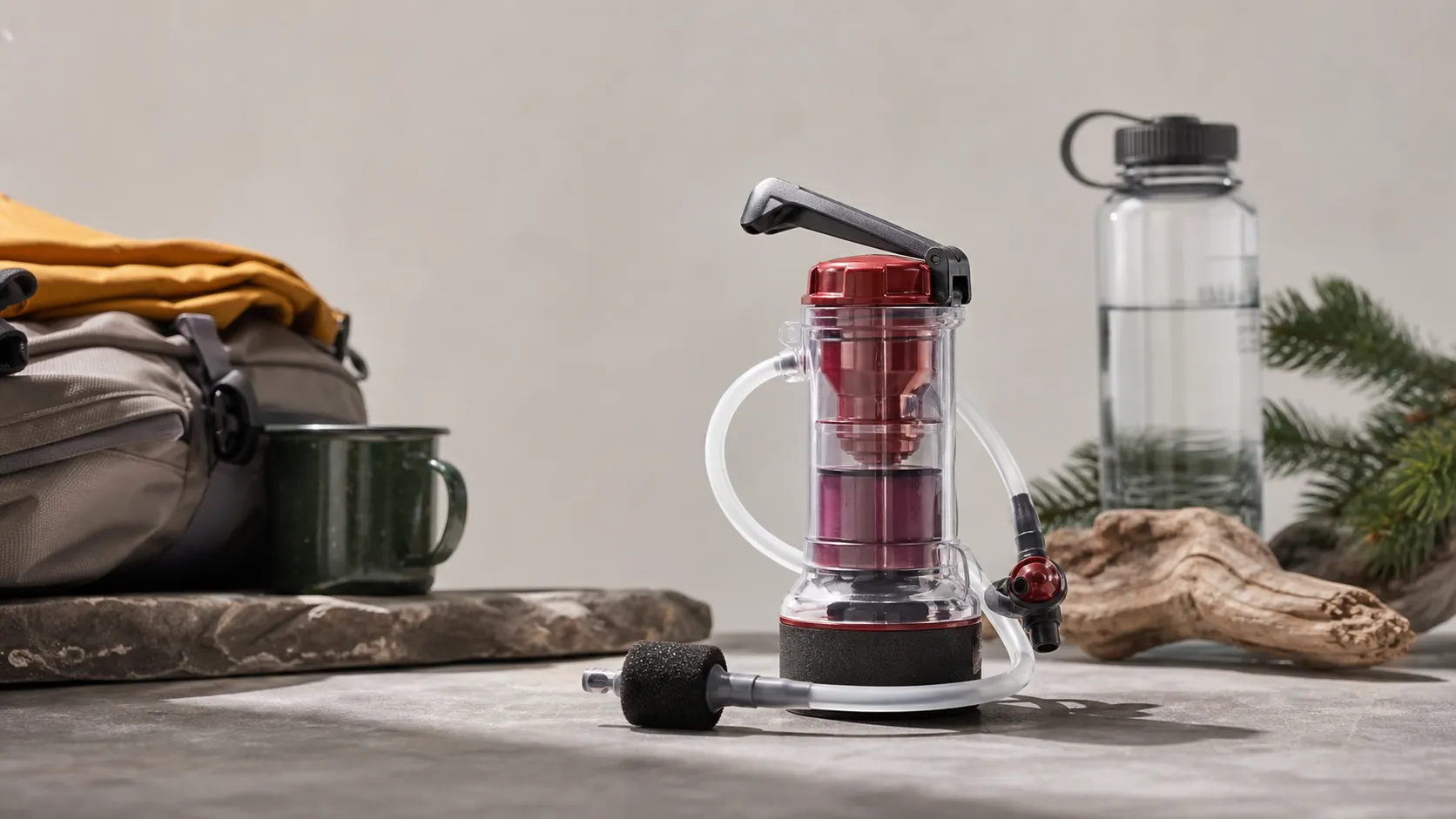
MSR Guardian Purifier Review (2026)
A top pick for groups and basecamps — the MSR Guardian Purifier delivers exceptional flow and durability but carries a high price and weight penalty.
 Outdoor & Garden
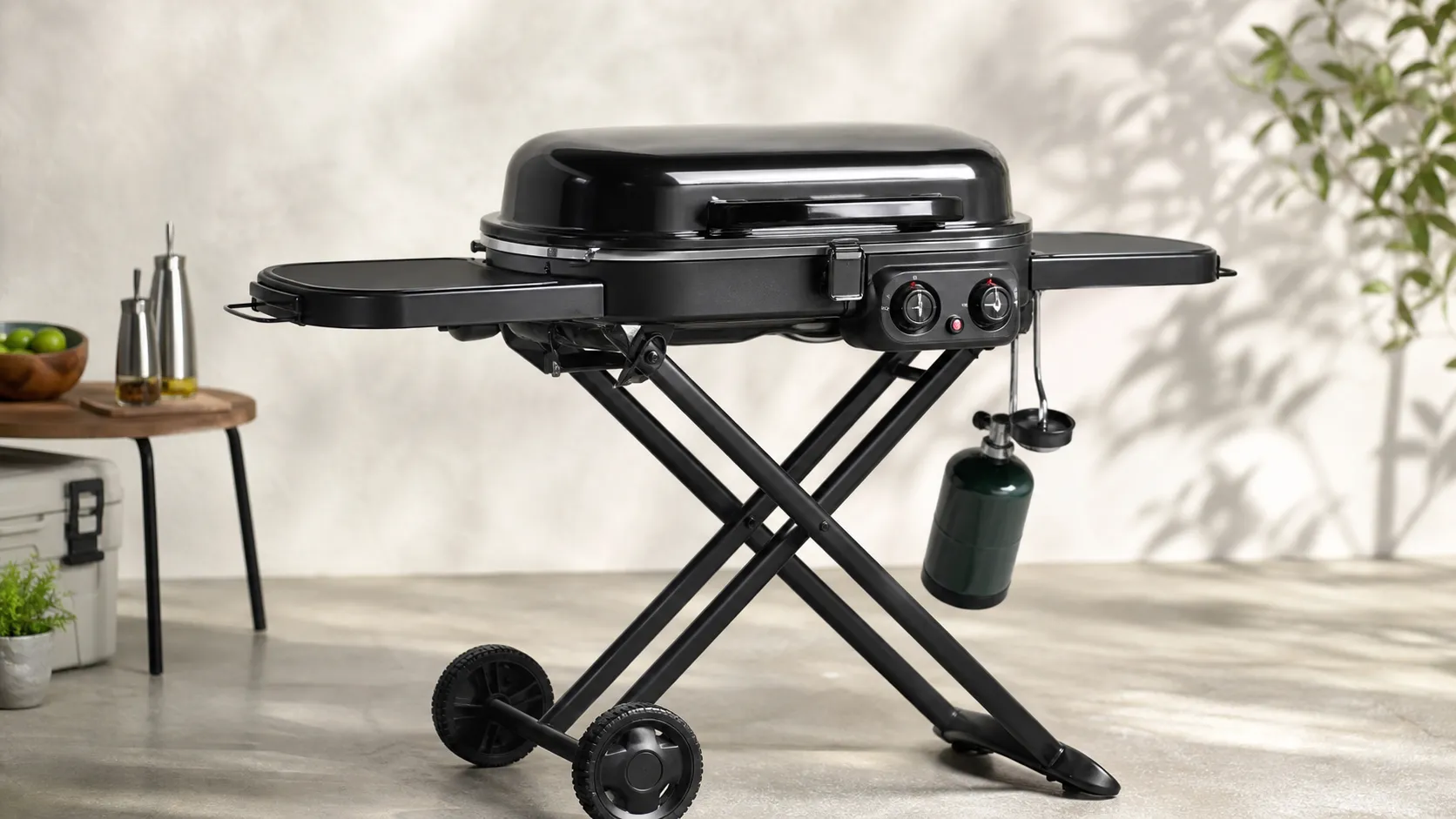
Coleman RoadTrip 285 Portable Propane Grill Review 2026
Portable, quick to heat, and great value — the Coleman RoadTrip 285 is ideal for tailgates and camping, but expect hotspots and some plastic parts to limit heavy use.
 Outdoor & Garden
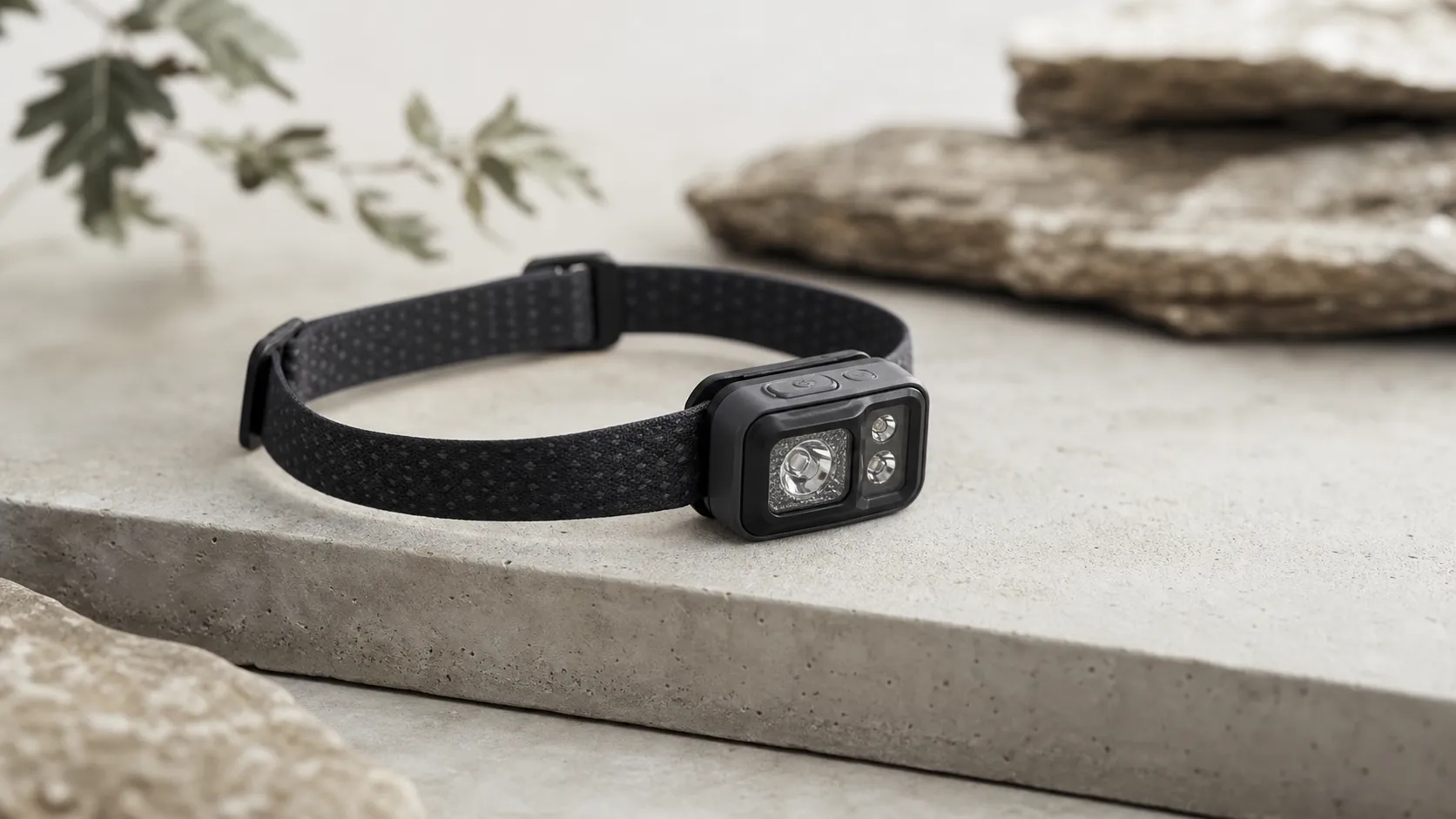
Black Diamond Spot 400‑R Headlamp Review 2026
A bright, well‑balanced rechargeable headlamp that excels for trail running and hiking. Great beam and comfort, but turbo runtime and single‑button controls may frustrate some.