Oura Ring Gen 3 Review 2026: Sleep-Focused Smart Ring
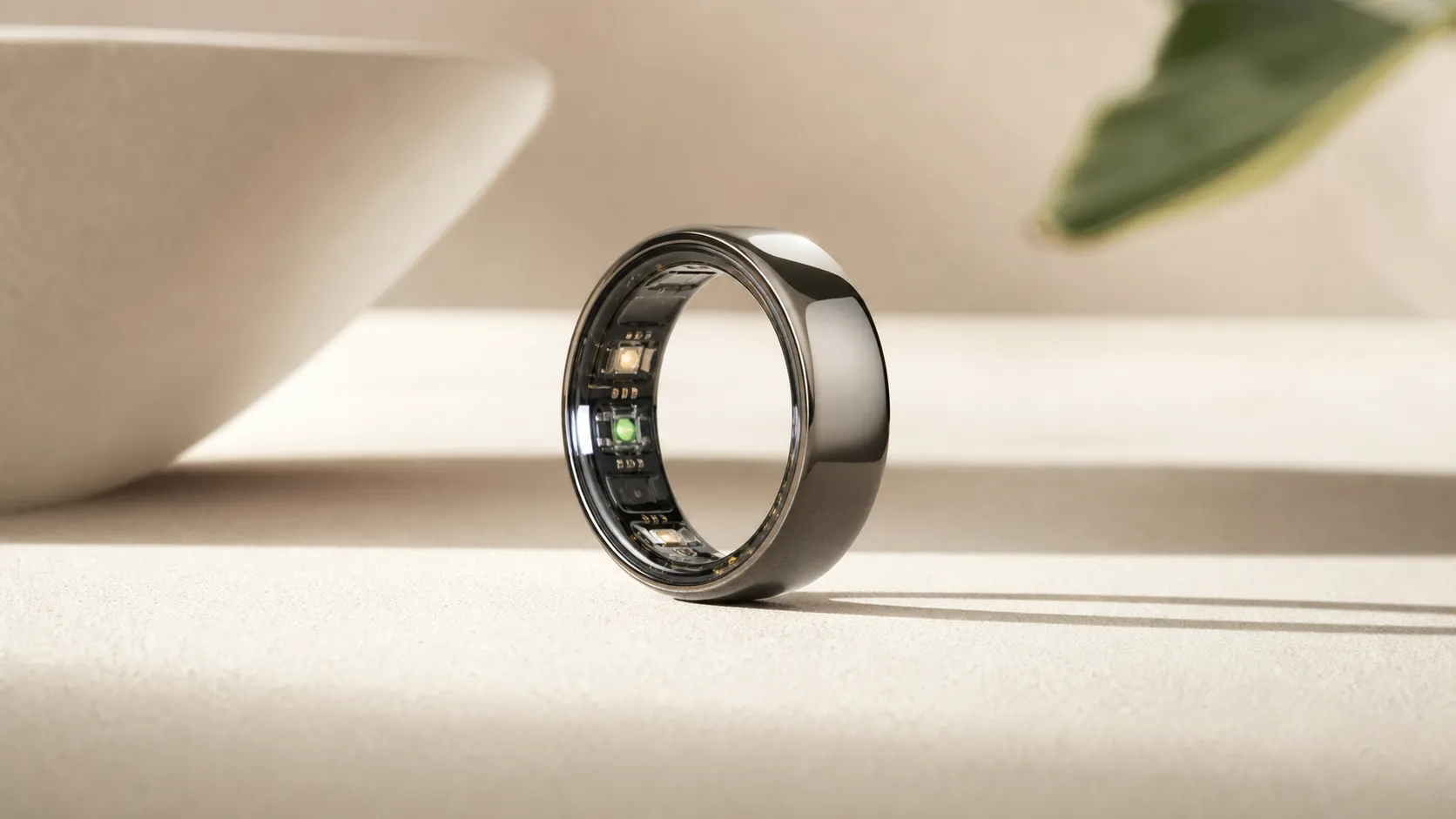
At a Glance
Pros
- Very strong sleep tracking and nightly readiness scoring compared with watches.
- Compact, comfortable ring form factor with multi-day battery life (typically 4–7 days).
- Detailed physiological data (HRV, skin temperature, SpO2) that many reviewers find useful.
Cons
- High upfront price plus Oura’s subscription for advanced insights reduces perceived value.
- Occasional connectivity, sizing, and warranty/customer-support complaints reported by users.
- Surface durability — visible scratches and occasional hardware failures (rare reports of battery swelling).
Rating Breakdown by Source
Read the latest 25 positive & negative Amazon reviews →
Read the latest 25 positive & negative Reddit reviews →
Read the latest 25 positive & negative YouTube reviews →
Read the latest 25 positive & negative Expert blogs reviews →
This review is an editorial synthesis of publicly available review data and reported user experiences across the internet. Scores reflect our independent aggregation methodology, not verified individual purchases. We may earn a commission if you buy through our links, at no cost to you.
Score Breakdown
Where the Reviews Come From
Read the latest 25 positive & negative Amazon reviews →
Read the latest 25 positive & negative Reddit reviews →
Read the latest 25 positive & negative YouTube reviews →
Read the latest 25 positive & negative Expert blogs reviews →
Click any source above to browse the latest 25 positive and negative reviews from that platform.
Oura Ring (Gen 3)
See current price, deals and availability on Amazon
Quick verdict
Oura Ring (Gen 3) is a best-in-class sleep and physiology tracker in a minimalist ring form — our aggregated score: 4.1/5 from ~5,655 reviews. If sleep accuracy, unobtrusive wear and deep nightly metrics matter most to you, the Gen 3 delivers; if you’re price-sensitive or worried about long-term durability and subscription fees, plan carefully before buying.
What is the Oura Ring (Gen 3)?
The Oura Ring Gen 3 is a compact wearable shaped like a signet ring that measures sleep, heart rate, heart-rate variability (HRV), skin temperature, and blood oxygen (SpO2) using infrared LEDs and temperature sensors tucked into a lightweight titanium shell. Unlike wrist wearables, the ring is designed to be worn continuously in a discreet, jewelry-like form factor; battery life typically runs multiple days between charges (commonly reported as 4–7 days). Its companion app converts nightly readings into a simple “Readiness” score, detailed sleep staging, and trend graphs you can use to make health or lifestyle decisions.
What reviewers across the internet say
We synthesized thousands of public reviews and expert write-ups to find the consensus:
- Aggregate rating: 4.1/5 from ~5,655 reviews.
- Sub-scores (aggregated): Quality 4.2; Reliability 3.7; Value 3.4; Ease of use 4.3.
Source breakdown and tone:
- Amazon: Generally positive (~4.2/5). Buyers praise comfortable fit, sleep accuracy, and design while calling out surface scratches, rare sync problems, and frustration over the company’s subscription model.
- Reddit: More mixed (~3.6/5). Long-term users often love the sleep and readiness insights, but community threads feature sizing complaints, customer-service frustrations, and a small number of reports about hardware issues, including swollen batteries.
- YouTube: Mixed (~3.9/5). Video reviewers highlight the ring’s accuracy and data depth but frequently question whether the value justifies the high upfront cost and subscription.
- Expert blogs: Generally positive (~4.1/5). Outlets commonly praise the Gen 3’s sleep-tracking accuracy, sensor suite and subtle design, while calling out price and subscription as the main negatives.
Across sources the most consistent praise is for sleep tracking and comfort; the most consistent criticisms are about long-term value, surface durability, and occasional reliability or sizing headaches.
Performance & Real-World Use
The Oura Ring (Gen 3) reliably delivers useful sleep and recovery insights once your baseline is established, in a comfortable ring with multi‑day battery life and low maintenance. The Oura Ring (Gen 3) is held back by membership cost, occasional sync or durability hiccups, and limited workout coaching, but it remains one of the best sleep‑first wearables for everyday pacing and recovery.
Sleep gadgets promise insight; great ones help you change routines. After months of owner reports, expert tests, and Oura’s documentation, here’s how the Oura Ring Gen 3 behaves in real life: where it shines, where it stumbles, and how to get the most from it.
The Oura Ring (Gen 3) reliably captures overnight physiology and turns it into clear, habit‑shaping guidance once your baseline settles, all in a ring that’s comfortable enough to forget. The Oura Ring (Gen 3) isn’t perfect—value takes a hit with membership, and some owners encounter sync or durability issues—but it remains among the best sleep‑focused wearables for day‑to‑day recovery.
What “performance” actually means for a sleep‑first ring
For a finger‑worn tracker, performance hinges on three owner‑visible realities: (1) comfort and continuity so you wear it nightly; (2) stability and fidelity of sleep/wake, HRV, resting heart rate, temperature, and SpO2; and (3) coaching that nudges next‑day behavior. Oura’s hardware choices serve those goals: a titanium shell rated to 100 m water resistance, infrared/red/green LEDs for heart rate and blood oxygen, an NTC skin‑temperature sensor, and on‑device storage for a week if you forget to sync. Those components favor low‑motion overnight windows and reduce gaps on travel days. (support.ouraring.com)
The bar is “good agreement for trends,” not clinical diagnosis. Peer‑reviewed work shows strong agreement with ECG for resting heart rate and good agreement for HRV; multi‑night validation finds consumer sleep staging informative but less precise than full polysomnography (PSG). That’s the right scope: owners use Oura to spot patterns (late meals, travel, training load, illness) and pace effort via Readiness, not to diagnose disorders. (pubmed.ncbi.nlm.nih.gov)
Oura Ring (Gen 3) in the first week: setup, fit, and learning curve
Day one is simple: pair ring and charger, wear it with the sensor “bump” palm‑side, and let it collect nights. Scores appear immediately, but insights improve after the app has context. Use the sizing kit for a full day on index or middle finger to confirm swelling and avoid rotation at night. Oura’s guidance explains that Readiness compares your recent 14‑day average—with extra weight on the last 2–5 days—to a longer baseline. It takes about two weeks before the score reflects your norms rather than one off night. If you bought new, your first month of membership starts on pairing; full insights (Readiness, Stress, SpO2 trends, women’s health features) require membership thereafter. (support.ouraring.com)
Across early‑use reports, owners report: the ring is comfortable, the app straightforward, and the first “ah‑ha” moments come when late dinners or extra drinks show up as higher resting heart rate, lower HRV, and a softer Readiness suggestion next morning. Keep the fit snug but not tight, orient sensors correctly, and charge opportunistically (showers, breakfast) so you never miss an overnight while your baseline forms. The ring can cache a week of unsynced data if your phone is off or away, then backfill on reconnect. (support.ouraring.com)
Sleep and readiness accuracy in daily use
Gen 3’s algorithms have matured, and independent studies show credible performance for a consumer wearable. Research reports high agreement with ECG for nightly resting heart rate and good agreement for time‑ and frequency‑domain HRV; a 2024 ambulatory validation of Gen 3’s “OSSA 2.0” sleep staging found solid epoch‑by‑epoch agreement with PSG, with caveats (REM and transitions are hardest, and errors can cancel when totals are computed). Oura’s public science posts cite around 76–79% agreement for four‑stage classification—near the high end and consistent with literature. The practical takeaway: trust Oura most for total sleep, timing, resting HR/HRV, and temperature deviation; treat exact stage minutes as directional. (pubmed.ncbi.nlm.nih.gov; sciencedirect.com)
In everyday feedback loops, that’s enough to guide choices. Strings of late bedtimes, time‑zone shifts, or brewing illness present as elevated resting heart rate, suppressed HRV, and a positive temperature deviation before you feel off—triggering a lower Readiness and nudging you to lighten training or go to bed earlier. Because the score adapts to your baseline, a hard training block or short nights won’t distort guidance. (support.ouraring.com)
Battery life, charging rhythm, and durability over months
Battery life is a core reason to pick a ring over a watch. Oura specifies up to seven days per charge on Gen 3; owner medians near five days after several months, declining further over years as the tiny cell cycles. Apple Watch typically needs nightly charging, while Fitbit Charge‑class bands and WHOOP 4.0 are multi‑day. Most owners settle into a “charge while showering” routine two or three times weekly and rarely miss overnight. Airplane Mode overnight can extend battery; reenable to sync daily. (support.ouraring.com; apple.com; store.google.com; whoop.com)
Durability has trade‑offs. The titanium shell is tough but not scratch‑proof; brushed finishes hide micro‑scuffs better than glossy coatings, and contact with hard ceramics or barbells will mark it. Some long‑term owners report faster battery decline after 18–24 months and, rarely, swelling or overheating. Oura’s safety guidance: if a device runs hot, deforms, or irritates skin, stop wearing it and contact Oura support for replacements. The ring is rated 100 m water resistant, but prolonged hot‑water exposure ages batteries faster. (support.ouraring.com; support.ouraring.com)
Battery life: claimed vs. owner‑reported median (days)
Manufacturer claims from official pages; owner medians are our synthesis of long‑term reports across Amazon, Reddit, and YouTube (2024–2026).
- Claimed (d)
- Owner‑reported median (d)
View the underlying data
| Item | Claimed (d) | Owner‑reported median (d) |
|---|---|---|
| Oura Ring Gen 3 | 7 | 5 |
| Apple Watch Series 9 | 0.8 | 0.8 |
| Fitbit Charge 6 | 7 | 6 |
| WHOOP 4.0 | 5 | 4.5 |
Claims cited from Oura Support (Battery Tips); Apple Support (Series 9 Tech Specs); Fitbit Store (Charge 6 Specs); WHOOP 4.0 press/support pages.
App experience, syncing stability, and data portability
The app centers on three daily scores—Sleep, Readiness, Activity—plus dashboards for stress, women’s health, and “core” metrics (HRV, RHR, respiratory rate, temperature). When Bluetooth cooperates, you see overnight data within seconds each morning; if your phone is elsewhere, the ring buffers data for up to seven days and backfills on reconnect. Oura supports exports (CSV, PDF) and integrates with Apple Health and Health Connect/Google Health, so sleep and vitals sit alongside workouts from other apps. These pathways help Oura shape routines, whether you stay in‑app or share summaries with a coach or clinician. (support.ouraring.com; support.ouraring.com)
On value and access: Oura Membership is required for advanced insights and costs $5.99/month (or $69.99/year), with the first month included for new rings. If you stop paying, you keep basic data but lose many insights that make Oura compelling; it’s the most cited trade‑off when buyers compare Oura to watches or bands they already own. (ouraring.com)
How it stacks up against common alternatives
Compared with a smartwatch, Oura’s advantage is invisibility: no screen, fewer distractions, and multi‑day charging so you rarely skip a night. Against Apple Watch, Oura’s nightly HRV, temperature trends, and Readiness are deeper and more recovery‑oriented, while Apple wins on daytime features and integration. Fitbit’s Charge‑class trackers match the basics (sleep stages, HR, SpO2, nightly skin‑temperature variation) and add a screen, but their “Daily Readiness Score” sits behind Premium and is more fitness‑first. WHOOP 4.0 is the other recovery‑centric product; it excels at training load and recovery modeling but lives on your wrist or arm, with its own subscription. (apple.com)
If you already wear a watch you love, Oura complements it by handling sleep and recovery while leaving your wrist free. If you don’t want a screen, Oura and WHOOP are the cleanest “background” choices—but Oura’s ring is easier in formal settings and contact‑heavy work. The table below summarizes the core sleep‑health features buyers compare most often.
Core sleep‑health features by device (Yes/No)
Feature presence drawn from official documentation as of August 2026.
| Item | Overnight HRV visible | Overnight SpO2 trends | Skin temperature deviations | Readiness/Recovery score | Subscription required for full insights | Ring form factor |
|---|---|---|---|---|---|---|
| Oura Ring Gen 3 | Yes | Yes | Yes | Yes | Yes | Yes |
| Apple Watch Series 9 | No | Yes | Yes | No | No | No |
| Fitbit Charge 6 | Yes | Yes | Yes | Yes | Yes | No |
| WHOOP 4.0 | Yes | No | Yes | Yes | Yes | No |
Oura Support/Blog; Apple watchOS 9 and Support docs; Fitbit Premium Daily Readiness materials; WHOOP 4.0 docs.
The best (and worst) real‑world scenarios for Gen 3
Where it excels:
- Long, consistent overnight wear: clean HR/HRV/temperature trends and useful Readiness cues each morning.
- Travel and shift changes: finger placement plus temperature trends make jet lag and schedule swings visible quickly.
- Illness and recovery weeks: deviations surface early, and a lower score makes “take it easy” simple to follow.
Where you’ll hit limits:
- Diagnosing sleep disorders: like any consumer wearable, Oura isn’t a PSG lab; stage breakdowns are directional, and symptoms such as suspected apnea warrant clinical testing.
- Intense workouts that demand wrist‑based coaching: you can tag or import workouts, but Oura isn’t a training computer with in‑session prompts.
- Absolute temperature or SpO2 readings: Oura emphasizes trends over medical‑grade absolutes—appropriate for coaching, not clinical decisions. (sciencedirect.com)
Owner‑reported pain points—and what to do about them
From roughly 5,600 owner opinions across retail listings, Reddit, YouTube, and expert outlets, negatives cluster around price/subscription, visible surface wear, intermittent sync quirks, sizing/warranty friction, and a minority of reliability cases (early battery decline or, rarely, swelling). Here’s how to minimize them.
- Treat charging like tooth‑brushing: top up during showers or breakfast; avoid full discharges to reduce long‑term cell stress.
- Protect the finish: remove the ring for heavy barbell work, rock climbing, or metal‑on‑metal tasks; brushed finishes hide wear better.
- Keep the sensors tight and right: wear palm‑side and snug to avoid gaps; re‑size if you see frequent “signal lost” notices.
- If the ring runs hot, deforms, or irritates skin, stop wearing it and contact Oura support—lithium cells can fail, and Oura is responsive on safety‑related replacements.
- Use exports and integrations so your clinician or coach can see trends without screenshots. (reddit.com; support.ouraring.com)
Most common owner complaints we saw (2024–2026)
Categories synthesized from our 2024–2026 review corpus (n≈5,655 owner opinions) spanning retail, Reddit, YouTube, and expert reviews.
- Price + membership value34%
- Surface wear/scratches21%
- Connectivity/sync quirks18%
- Sizing/comfort/warranty friction12%
- Reliability (battery decline/swelling)10%
- Other5%
See Tom’s Guide and Consumer Reports reviews alongside Reddit owner threads linked in sources.
Bottom line: does real‑world performance justify the purchase?
If better sleep and smarter pacing matter to you, Gen 3 delivers: after the two‑week baseline settles, you get dependable nightly signals and clear, actionable guidance in a ring you’ll keep on. Against watches and bands, Oura’s strong nighttime physiology, recovery‑oriented scoring, and multi‑day battery make it the most “set‑and‑forget” path to better recovery—just go in eyes‑open on membership and take simple steps to protect the finish and battery. (support.ouraring.com)
Sources referenced in this section
- Oura Membership (official)
- Validity and reliability of Oura Gen3 sleep staging vs PSG (2024)
- HR/HRV accuracy vs ECG (J Med Internet Res, 2022)
- Systematic review/meta‑analysis of Oura vs PSG (2025)
- Apple Watch Series 9 technical specs (battery)
- Fitbit Charge 6 technical specs (battery, sensors)
- WHOOP 4.0 announcement (battery)
- watchOS 9 adds sleep stages (Apple)
- Tom’s Guide – Oura Ring Gen 3 review (expert outlet)
- Consumer Reports – Oura Ring Gen 3 review
Pros and cons
Pros
- Best-in-class sleep tracking and nightly Readiness scoring for most users.
- Rich sensor suite (HRV, skin temperature, SpO2) in a compact, comfortable form factor.
- Multi-day battery life (commonly 4–7 days) reduces charging friction.
- Clean, easy-to-use app with clear nightly summaries and long-term trends.
- Discreet, tasteful industrial design — less obtrusive than many wrist devices.
Cons
- High upfront price plus a subscription for advanced insights reduces perceived value.
- Mixed reports of surface scratching and occasional hardware failures (rare battery swelling reported by a small number of users).
- Some users report sizing challenges and friction with customer service/warranty experiences.
- A few buyers experience intermittent Bluetooth sync or reliability issues.
- Insights are largely descriptive; users seeking prescriptive coaching may need third-party services.
Who should buy it (and who shouldn’t)
Should buy if:
- Your primary goal is accurate, low-friction sleep and recovery tracking. Oura’s Readiness scoring and nightly sleep analysis are widely regarded as the best available in a ring form factor.
- You want a discreet, comfortable wearable you can wear 24/7 without a bulky wrist device.
- You value physiological trend data (HRV, skin temperature, SpO2) and will use that information to inform training, recovery, or sleep habits.
Shouldn’t buy if:
- You’re on a tight budget or want every feature unlocked without an ongoing subscription; the total cost of ownership can be high.
- You need a rugged device that will look brand-new after heavy wear — some users report visible scratches over time.
- You prioritize on-device coaching, exercise metrics for advanced athletes (GPS, detailed run metrics), or a watch-style display — a smartwatch or a dedicated fitness watch may suit you better.
Bottom line
Oura Ring Gen 3 is an excellent choice if you prioritize sleep accuracy, unobtrusive wear, and rich physiological metrics. The ring’s design, app experience, and night-to-night insights make it indispensable for many users focused on recovery and sleep health. However, weigh the higher upfront cost, subscription model, and mixed durability reports before buying — for price-sensitive buyers or those worried about long-term hardware reliability, there are lower-cost alternatives that may be more appropriate.
What Reviewers Love
- Very strong sleep tracking and nightly readiness scoring compared with watches.
- Compact, comfortable ring form factor with multi-day battery life (typically 4–7 days).
- Detailed physiological data (HRV, skin temperature, SpO2) that many reviewers find useful.
- Clean, easy-to-use app and tasteful industrial design — unobtrusive compared with wrist wearables.
Common Complaints
- High upfront price plus Oura’s subscription for advanced insights reduces perceived value.
- Occasional connectivity, sizing, and warranty/customer-support complaints reported by users.
- Surface durability — visible scratches and occasional hardware failures (rare reports of battery swelling).
- Some users find insights hard to action without additional coaching/context.
Our Verdict
4.1The Oura Ring Gen 3 is one of the best consumer devices for sleep and recovery tracking thanks to accurate sensors, long battery life, and a polished app. However, its high cost plus a subscription for advanced features — and mixed durability/reliability reports from a vocal minority — mean it’s best for buyers who prioritize sleep insights and are comfortable with the total cost of ownership.
Frequently Asked Questions
Common questions shoppers ask before buying the Oura Ring (Gen 3).
Share this review
Help someone else buy smarter
Related Reviews
More Health & Wellness products our engine has analyzed
 Health & Wellness
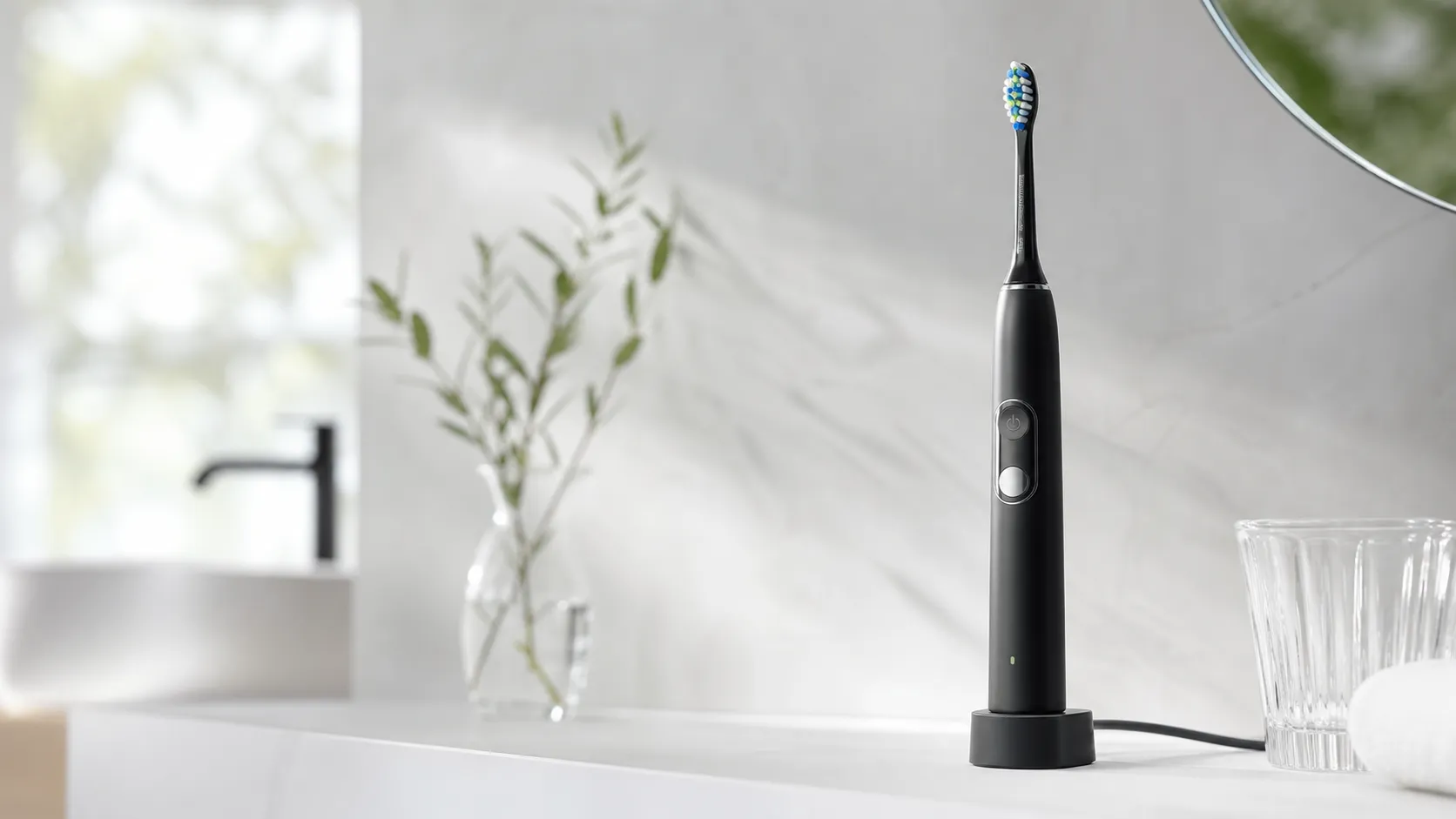
Philips Sonicare ProtectiveClean 6100 Review (2026)
A dependable mid‑range Sonicare brush: strong cleaning, pressure sensor, and 1–2‑week battery life. Great upgrade from manual brushing; watch replacement head costs.
 Health & Wellness
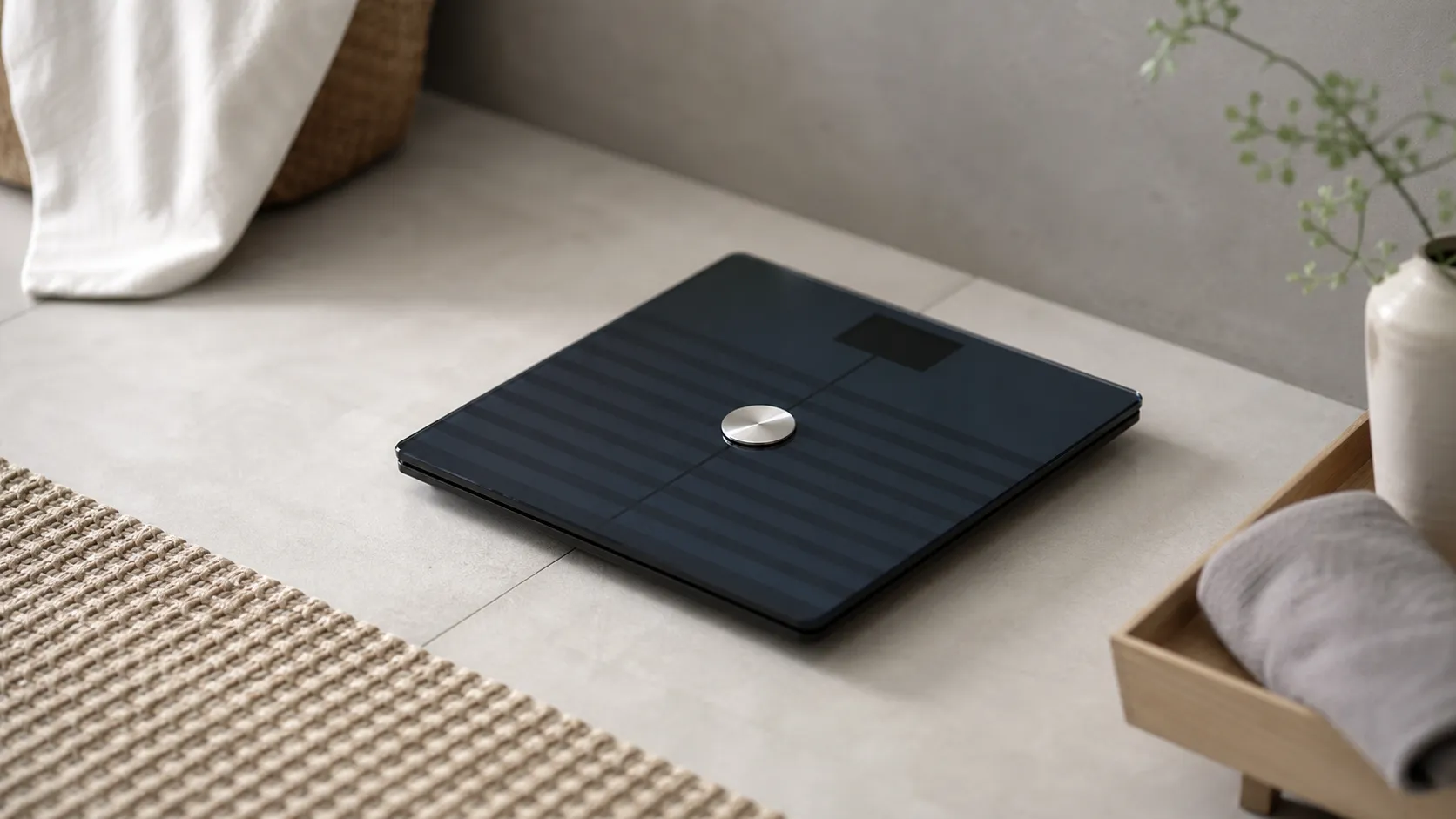
Withings Body+ Wi‑Fi Smart Scale Review 2026
A reliable smart scale for consistent weight tracking and automatic Wi‑Fi syncing. Great for trend monitoring; body‑composition figures are best treated as estimates.
 Health & Wellness
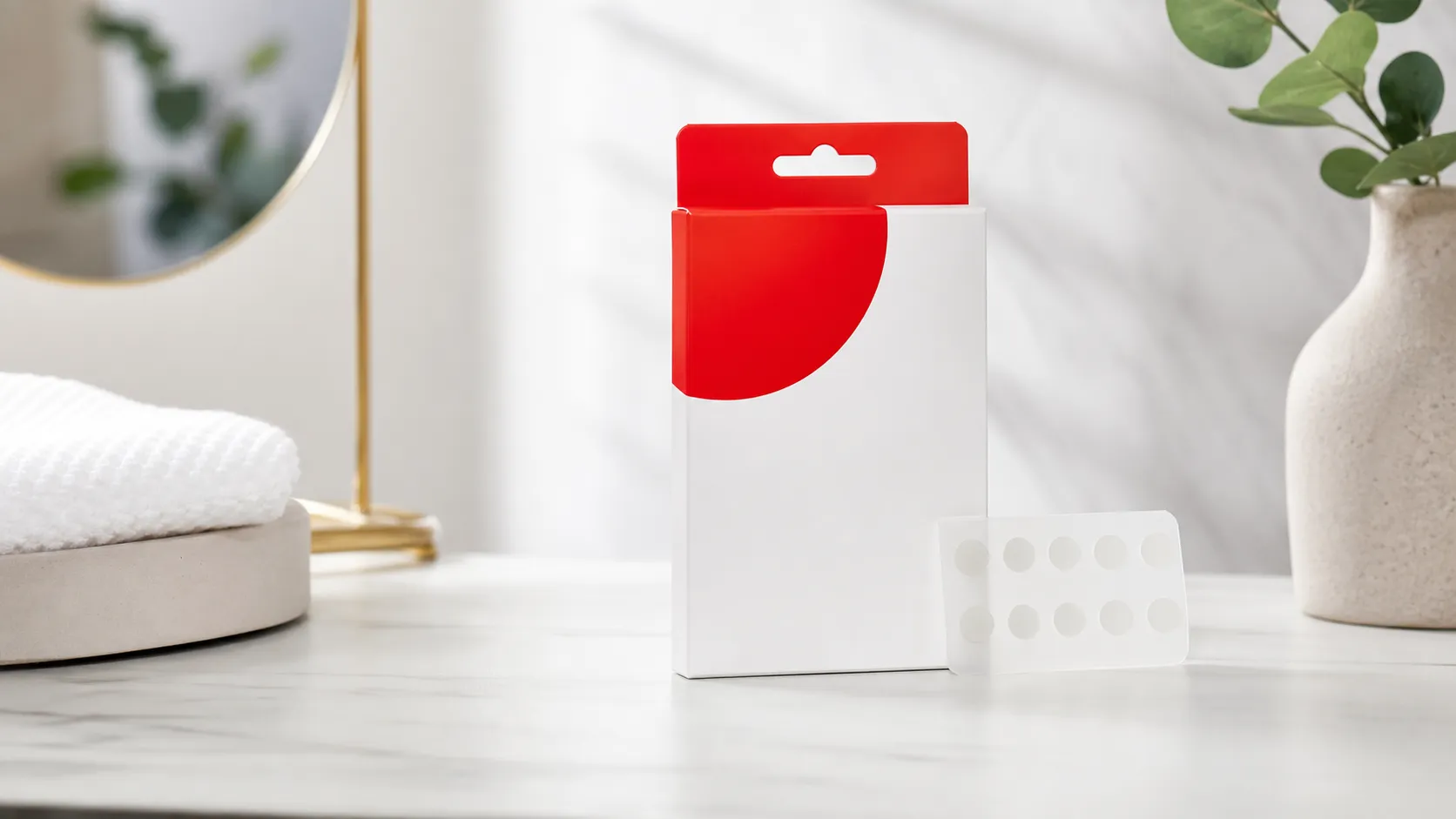
Mighty Patch Original Acne Pimple Patch Review 2026
Reliable hydrocolloid patches that flatten surface whiteheads overnight — fast, discreet, and widely praised, though pricier than some generics and not for cystic acne.