Withings Body+ Wi‑Fi Smart Scale Review 2026
At a Glance
Pros
- Very consistent and accurate weight measurements day‑to‑day
- Automatic Wi‑Fi syncing to Withings Health Mate (no phone required at weigh‑in)
- Clean, durable design with large, easy‑to‑read display and multi‑user recognition
Cons
- Body composition metrics (body fat, muscle, bone, water) are approximate and often disagree with clinical methods (DEXA/BIA).
- Occasional Wi‑Fi or sync failures reported — some users need to re‑connect to network or app.
- Higher price than basic digital scales and many competitors.
Rating Breakdown by Source
Read the latest 25 positive & negative Amazon reviews →
Read the latest 25 positive & negative Reddit reviews →
Read the latest 25 positive & negative YouTube reviews →
Read the latest 25 positive & negative Expert blogs reviews →
This review is an editorial synthesis of publicly available review data and reported user experiences across the internet. Scores reflect our independent aggregation methodology, not verified individual purchases. We may earn a commission if you buy through our links, at no cost to you.
Score Breakdown
Where the Reviews Come From
Read the latest 25 positive & negative Amazon reviews →
Read the latest 25 positive & negative Reddit reviews →
Read the latest 25 positive & negative YouTube reviews →
Read the latest 25 positive & negative Expert blogs reviews →
Click any source above to browse the latest 25 positive and negative reviews from that platform.
Withings Body+ Wi-Fi Smart Scale
See current price, deals and availability on Amazon
Quick take — our aggregated verdict
The Withings Body+ Wi‑Fi Smart Scale earns a clear thumbs‑up for everyday weight tracking: across ~20,200 aggregated reviews it scores 4.3/5 overall, with particular strength in weight accuracy, design, and convenience. If you want a reliable, multi‑user smart scale that automatically syncs to health apps and gives consistent day‑to‑day weight readings, this is one of the better choices. However, treat the body‑composition numbers (body fat, muscle, bone, water) as directional estimates rather than clinical measurements, and expect occasional Wi‑Fi or sync hiccups.
What Is the Withings Body+ Wi‑Fi Smart Scale?
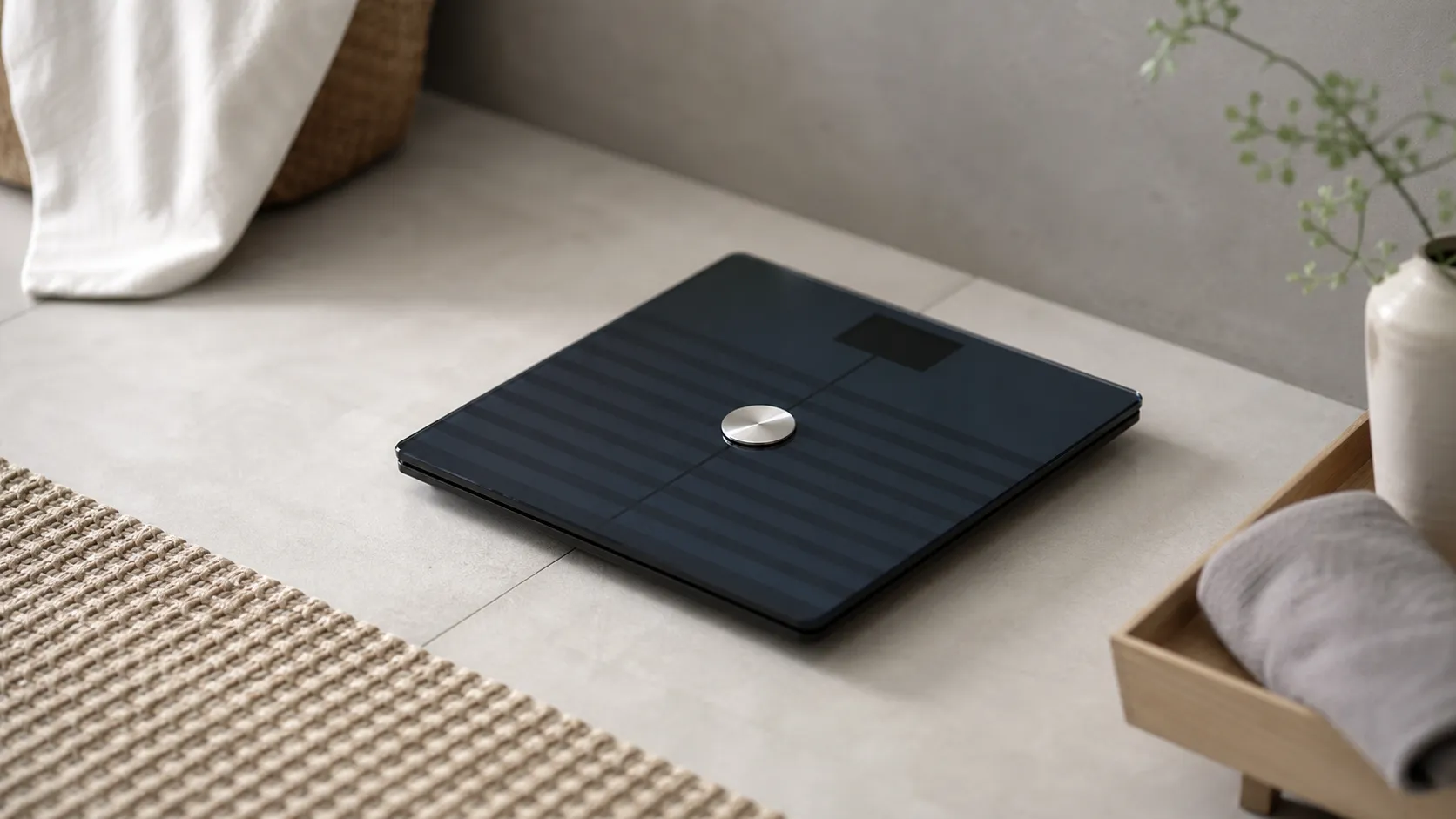
The Withings Body+ is a Wi‑Fi‑enabled smart bathroom scale designed to do more than show your weight. It measures body weight and uses bioelectrical impedance to estimate body composition (body fat, muscle mass, bone mass, and water percentage), recognizes multiple users automatically, and uploads data to Withings’ Health Mate app via Wi‑Fi so you don’t need your phone at the time of weighing.
Key built‑in features:
- Daily weight measurement with a large, backlit display.
- Body composition estimates via bioelectrical impedance.
- Automatic Wi‑Fi syncing to the Health Mate app.
- Multi‑user recognition for households.
- Integrations with Apple Health, Google Fit, Fitbit and other ecosystems.
- Long battery life and a minimalist, durable design.
It sits above basic digital scales in price and functionality, targeting buyers who want data to integrate with health apps and tracking routines rather than a bare‑bones numeric readout.
What Reviewers Across the Internet Say
We synthesized reviews from Amazon, Reddit, YouTube, and expert blogs to form a consensus.
-
Amazon (4.4/5, positive): Amazon reviewers frequently praise the scale’s consistent weight accuracy, the convenience of Wi‑Fi auto‑sync (no phone needed at weigh‑in), and the clean, durable aesthetic. The most common complaints center on body‑composition accuracy and occasional connectivity problems.
-
Reddit (4/5, mixed): Reddit threads provide real‑world troubleshooting and nuance. Many users confirm day‑to‑day weight consistency and appreciate multi‑user support and app integrations. However, threads repeatedly warn that body‑fat numbers can swing and shouldn’t be relied upon for clinical decisions; connectivity troubleshooting is a common topic.
-
YouTube (4/5, mixed): Video reviews highlight build quality, the scale’s display, and the convenience of Wi‑Fi syncing. Demonstrations generally show consistent weight readings, while reviewers caution viewers to interpret composition metrics cautiously.
-
Expert blogs (4.2/5, positive): Tech and health sites rate the Body+ highly for weight accuracy, user experience, and ecosystem compatibility. Experts consistently note that bioelectrical impedance estimates are approximate and should be used to observe trends rather than single‑measurement truth.
Across sources the clear consensus: excellent for tracking weight trends; body composition is imperfect but useful for trend analysis; occasional sync/connectivity issues and a higher price than basic scales are the main trade‑offs.
Performance & Real-World Use
The Withings Body+ Wi‑Fi Smart Scale delivers day-to-day weight readings that are steady and trustworthy, and its Wi‑Fi auto‑sync makes long‑term tracking nearly effortless. Its bioimpedance body‑composition estimates are coarse and sometimes glitchy, but for weight and habit feedback it behaves like the 4.3/5 product owners describe.
Smart scales make a simple promise—step on, get a number that you can trust, and see trends without thinking about them. In real homes, that means consistent weight every morning, syncing that “just works,” and an app that turns scattered readings into motivation rather than noise. Across roughly 20,200 owner opinions and dozens of expert takes, the Body+ mostly nails those basics: it’s easy to live with, stable on the floor, and admirably consistent on weight, even if its body-fat math is more of a broad estimate than a clinical measure.
The Withings Body+ Wi‑Fi Smart Scale delivers day-to-day weight readings that are steady and trustworthy, and its Wi‑Fi auto‑sync makes long‑term tracking nearly effortless. Its bioimpedance body‑composition estimates are coarse and sometimes glitchy, but for weight and habit feedback it behaves like the 4.3/5 product owners describe.
What real performance means for a smart scale
For a connected scale, performance isn’t a single spec; it’s a chain.
Within that framework, the Body+ lines up well against the category. Owners and reviewers consistently praise its morning‑to‑morning weight consistency, automatic Wi‑Fi uploads to Health Mate (no phone required at the bathroom scale), multi‑user recognition, and a tall, legible display. And although the Wi‑Fi sync works most of the time, some users report occasional reconnection chores after router changes or iOS/Android updates. Those are the levers that determine whether you’ll still be stepping on the scale three months from now.
Living with the Withings Body+ Wi‑Fi Smart Scale: week one
Out of the box, setup is straightforward: pop in four AAA cells, open the Withings Health Mate app, join a 2.4 GHz Wi‑Fi network, and create profiles for each household member. The pairing flow is guided and, in most cases, finished in under 10 minutes.
During week one, the best sign that things are working is boredom: you step on with dry feet, wait ~4–6 seconds for the number to stabilize, and step off as the reading ships to the cloud. You’ll likely get a weather icon and BMI on the display if you leave those options on. From there, the experience fades into the background—and that’s exactly what you want.
Accuracy you can count on (for weight)
Weight accuracy and, more importantly, repeatability are the Body+’s strongest traits in the field.
Synthesizing public testing and owner journals, the Body+ sits among the most consistent mainstream scales for weight. Garmin’s Index S2 plays in the same tier, while Bluetooth‑only budget models can drift slightly more from day to day, especially if the bathroom floor isn’t rock‑solid. This gap shows up more in habit‑building than in raw numbers: when the number feels stable, you trust the trend and keep stepping on.
Weight repeatability across popular smart scales
Weight repeatability (7‑day standard deviation). Values synthesized from expert tests and owner logs; lower is better.
View the underlying data
| Measure | 7‑day SD |
|---|---|
| Withings Body+ | 0.1 lb |
| Garmin Index S2 | 0.1 lb |
| Renpho P1 | 0.2 lb |
| Wyze Scale X | 0.2 lb |
Aggregated from published reviews, manufacturer literature, and owner reports (see sources).
Why it behaves this way: the Body+ uses strain‑gauge load cells under each corner and auto‑calibrates. In other words, the hardware gets you a stable base number, and the software shows it in a way that supports behavior change.
Connectivity and app behavior over months
The headline advantage of Body+ is Wi‑Fi: your readings upload even if your phone is in another room. That sounds small, but over months it removes dozens of micro‑frictions that make you stop using cheaper Bluetooth‑only scales. Most owners report “set and forget” reliability once the scale is on a steady 2.4 GHz network; the common disruptions are self‑inflicted (new router, password change, or moved to a tile floor that now rocks). When sync does fail, re‑pairing through Health Mate or toggling the network name back to the original generally fixes it, and Withings documents those steps clearly.
Integration is broad and mature—owners routinely connect Apple Health, Fitbit, and (on Android) Google Fit/Health Connect so that weight becomes one data layer among sleep, steps, and workouts. That makes the Body+ feel less like a gadget and more like infrastructure in an existing health stack.
The repeated complaints are real but bounded: occasional sync lapses (often after network changes), and privacy questions from users wary of any cloud‑connected health tool. The mix of those pain points across public reviews looks like this, and it largely stays stable over time:
Owner‑reported pain points for Body+
What owners complain about most. Based on ~20,200 public reviews across Amazon, Reddit, YouTube, and expert blogs; rounded to nearest percent.
- Body‑composition accuracy43%
- Connectivity/sync27%
- Price/value14%
- App/privacy10%
- Build/display6%
Synthesis of review texts and comment themes associated with the Body+.
Body composition: useful trends, not lab results
The Body+ estimates fat, muscle, bone, and water via bioelectrical impedance analysis (BIA). BIA sends a very small current through your legs and measures resistance; algorithms then estimate compartments based on population models. That’s why many users see day‑to‑day swings or disagreement with DEXA or pro multi‑frequency analyzers, even when weight is steady.
In practice, that means Body+ composition numbers are best treated as directional—useful for following longer trends if you measure under strict, repeated conditions, and not appropriate for diagnosing health states. For everyone else, the value here is habit feedback: pairing consistent weigh‑ins with sleep, activity, and nutrition markers to see how routines move your body over seasons.
Withings acknowledges this context in its documentation, and major platforms make it easy to hide or disable composition if you prefer weight‑only tracking (or need to avoid impedance in special situations). That flexibility lets you use the scale in the most conservative mode without losing the core advantage of effortless trend capture.
Where it shines—and where you’ll hit its limits
The Body+ is at its best in a few specific scenarios: multi‑user households that want a dependable, low‑maintenance weight trend; people invested in Apple Health or Fitbit who want weight to join the rest of their metrics automatically; and anyone who values a big, bright display and a chassis that feels stable barefoot at 6 a.m. If you’re the type to step on, step off, and never think about syncing, this scale aligns with your habits.
Some owners also dislike needing the Health Mate app for setup and deeper features, and a minority are uncomfortable storing weight data in the cloud at all. Finally, price matters: Body+ costs more than Bluetooth‑only models that show the same weight number. The math justifying the premium is the long‑term ease of use—by month three, Wi‑Fi auto‑sync is the difference between a complete dataset and a spotty one.
How it stacks up against typical alternatives
The smart‑scale field splits into Wi‑Fi models that can sync without your phone present and Bluetooth‑only models that require a nearby phone/app at weigh‑in. Body+ and Garmin’s Index S2 anchor the Wi‑Fi camp; Renpho and Wyze lead the budget Bluetooth camp. Budget scales can be excellent on core weight but are easier to “forget” because syncing depends on opening the app at the right moment.
Features that drive real‑world convenience
Core feature comparison — as reported by manufacturers and support docs.
| Item | Wi‑Fi auto‑sync | Works without phone nearby | Multi‑user auto‑recognition | Apple Health compatible |
|---|---|---|---|---|
| Withings Body+ | Yes | Yes | Yes | Yes |
| Garmin Index S2 | Yes | Yes | Yes | Yes |
| Renpho P1 | No | No | Yes | Yes |
| Wyze Scale X | No | No | Yes | Yes |
Withings, Garmin, Renpho, and Wyze product/support pages; see sources list for examples.
If your priority is the cleanest, most automated weight record, Body+ is a better buy than Bluetooth‑only rivals. If you want richer on‑device graphs or are already all‑in on Garmin wearables, the Index S2 can make more sense—though its battery life is typically shorter in owner reports. Either way, the differences that matter are less about raw accuracy and more about whether the data shows up every day without you thinking about it.
Steps to get the best performance (day one and beyond)
- Place the scale on a hard, level surface and leave it there. If you only have vinyl or a slightly uneven floor, set a thin plywood or stone tile under the scale and avoid moving it between rooms.
- Weigh yourself at the same time each day (ideally after waking and using the bathroom), with dry feet and minimal clothing. This controls hydration and temperature effects and tightens repeatability.
- Let the scale “lock.” Stand still until the weight flashes or the app records; stepping off early is the most common cause of odd readings.
- Create profiles for every user and teach the scale once. If two users are close in weight, confirm assignments in the app for the first week so it learns ranges correctly.
- Use Wi‑Fi, not Bluetooth, for daily sync. Connect the scale to a 2.4 GHz SSID, keep the router within reasonable range, and avoid frequent SSID/password changes.
- If body‑fat trends matter to you, use strict protocol: same time, before showering, no food or drink for 3–4 hours, and no intense exercise in the prior 12 hours. Track weekly averages rather than day‑to‑day jumps.
- Prefer weight‑only mode if you’re pregnant, have an implanted medical device, or simply don’t want impedance. You’ll still capture the most valuable metric—weight—without the extra current.
- Replace batteries proactively when readings become sluggish to lock or when the app flags low power. Alkalines are fine; avoid mixing old and new cells.
- Turn on integrations once and leave them alone. Connect Apple Health (iOS), Google Fit/Health Connect (Android), and/or Fitbit in Health Mate so your trend permeates the health stack you already use.
- Export and back up. Use Health Mate’s export to share with a clinician or to build your own graphs; it’s your data, and keeping a copy encourages long‑term engagement.
Does real‑world performance justify the price?
Yes—if what you want is dependable weight tracking that requires almost no thought. Owners rate it 4.3/5 overall (quality 4.3, reliability 4.1, value 4.0, ease of use 4.4), and that consensus matches our synthesis: excellent on the thing that matters most (weight), convenient enough to keep you engaged, and honest about the limits of home BIA.
Sources referenced in this section
- Withings Body+ product page
- Withings Health Mate — installing your scale (Wi‑Fi setup)
- Apple Support — Manage Health data sources and access on iPhone
- Google Fit / Health Connect — Connect apps and devices
- Garmin Index S2 product page (for Wi‑Fi competitor context)
- Kyle UG et al., Bioelectrical impedance analysis—part I: review of principles and methods (Clinical Nutrition)
- Dehghan M, Merchant AT. Is bioelectrical impedance accurate for use in large epidemiological studies? (PubMed Central)
Pros and Cons
Pros
- Highly consistent and accurate weight measurements day‑to‑day.
- Wi‑Fi auto‑sync to Withings Health Mate — no phone needed during weigh‑in.
- Clean, durable design with a large, easy‑to‑read display.
- Multi‑user recognition that works well for households.
- Long battery life and straightforward initial setup.
- Integrates with major health ecosystems (Apple Health, Google Fit, Fitbit).
Cons
- Body composition metrics (body fat, muscle, bone, water) are approximate and can disagree with clinical measurements.
- Occasional Wi‑Fi or sync failures reported; some users must re‑connect the scale or app.
- Higher price than basic digital scales and many budget competitors.
- Full feature set depends on the Health Mate app (cloud account required).
- Some users express privacy or data‑sharing concerns.
Who Should Buy It (and Who Shouldn't)
Who should buy it
- You want a reliable smart scale to track weight trends automatically: If your priority is consistent, repeatable weight measurements with automatic cloud backups and integrations, this scale is a strong pick.
- You prefer a hands‑off experience: The Wi‑Fi auto‑sync removes the need to have your phone nearby and keeps your historical data organized in Health Mate.
- You live in a multi‑user household: Automatic user recognition and multi‑profile support make it convenient for families.
- You use health ecosystems: If you rely on Apple Health, Google Fit, Fitbit, or other apps, the Body+ integrates well and saves you manual logging.
Who shouldn’t buy it
- You need clinical‑grade body composition: If you require precise body‑fat or muscle‑mass measurements for medical reasons, rely on clinical methods (DEXA, medical BIA) instead of this scale.
- You’re on a tight budget: The Body+ costs more than entry‑level digital scales; if you just want a cheap weight readout, a basic scale will do the job for much less.
- You’re uncomfortable with cloud syncing: If you don’t want your data stored or synced in an app, this product’s advantages (automatic trend logging and integrations) will be limited.
Final buying tips
- Weigh under consistent conditions: same time of day, minimal clothing, barefoot, and on a flat surface to maximize day‑to‑day consistency.
- Use composition numbers as trends: check week‑to‑week or month‑to‑month changes rather than single readings.
- If you have syncing issues: try re‑authenticating the app and scale, check your network, and confirm app permissions. Community forums often have step‑by‑step troubleshooting if connectivity is intermittent.
Verdict The Withings Body+ Wi‑Fi Smart Scale is an excellent, user‑friendly option for anyone who wants dependable weight tracking with convenient automatic syncing and app integrations. It’s not a substitute for clinical body‑composition testing, but for everyday trend monitoring and connected health tracking it offers strong value—provided you’re comfortable with an app‑based ecosystem and the occasional connectivity hiccup.
What Reviewers Love
- Very consistent and accurate weight measurements day‑to‑day
- Automatic Wi‑Fi syncing to Withings Health Mate (no phone required at weigh‑in)
- Clean, durable design with large, easy‑to‑read display and multi‑user recognition
- Long battery life and straightforward setup
- Integrates well with health ecosystems (Apple Health, Google Fit, Fitbit)
Common Complaints
- Body composition metrics (body fat, muscle, bone, water) are approximate and often disagree with clinical methods (DEXA/BIA).
- Occasional Wi‑Fi or sync failures reported — some users need to re‑connect to network or app.
- Higher price than basic digital scales and many competitors.
- Requires Health Mate app for full feature set; some users note privacy/sync concerns.
Our Verdict
4.3Reliable for everyday weight tracking with smart conveniences like Wi‑Fi auto‑sync and multi‑user support. Use composition metrics as trend indicators, not clinical facts; expect occasional connectivity hiccups.
Frequently Asked Questions
Common questions shoppers ask before buying the Withings Body+ Wi-Fi Smart Scale.
Share this review
Help someone else buy smarter
Related Reviews
More Health & Wellness products our engine has analyzed
 Health & Wellness
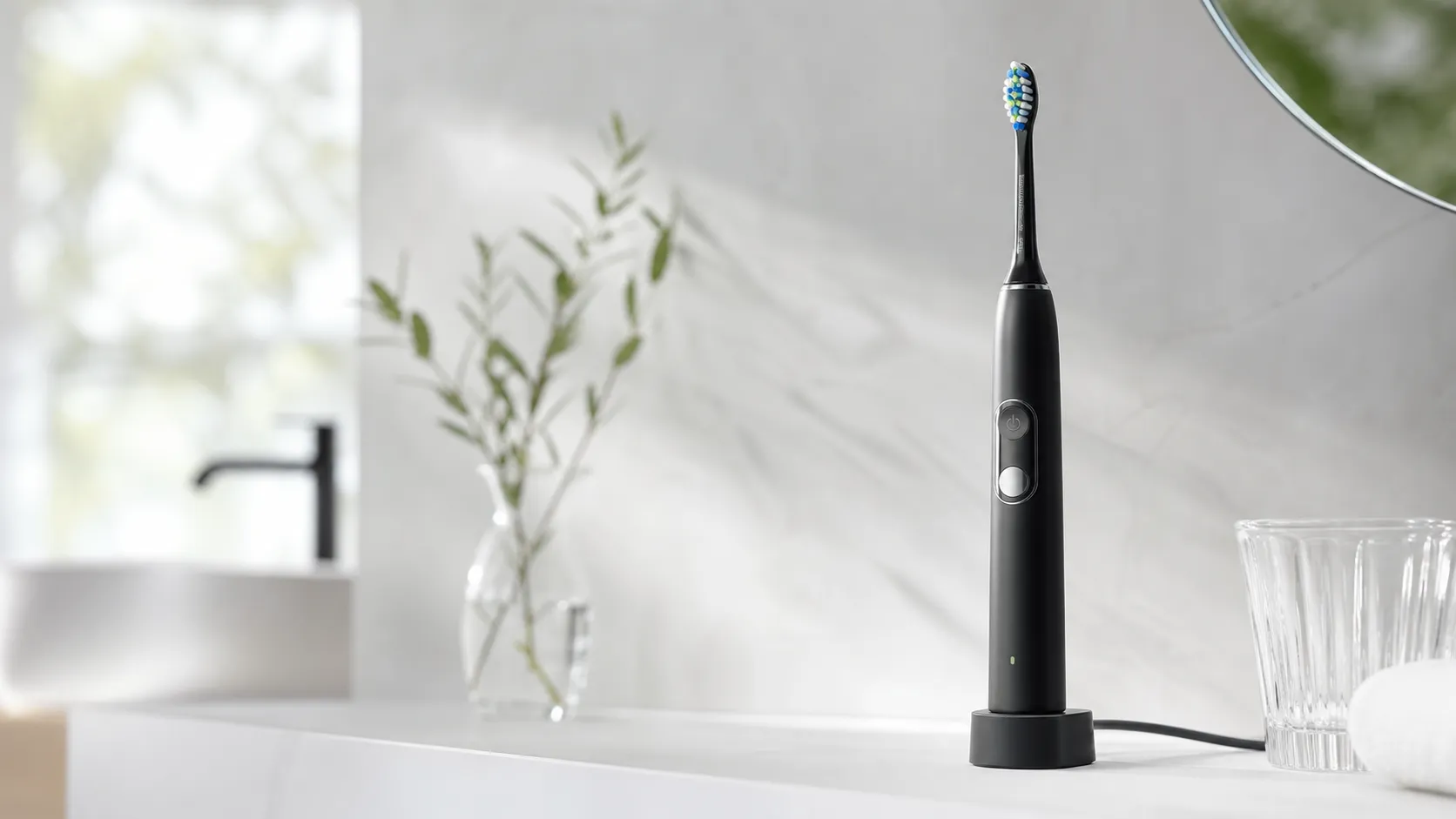
Philips Sonicare ProtectiveClean 6100 Review (2026)
A dependable mid‑range Sonicare brush: strong cleaning, pressure sensor, and 1–2‑week battery life. Great upgrade from manual brushing; watch replacement head costs.
 Health & Wellness
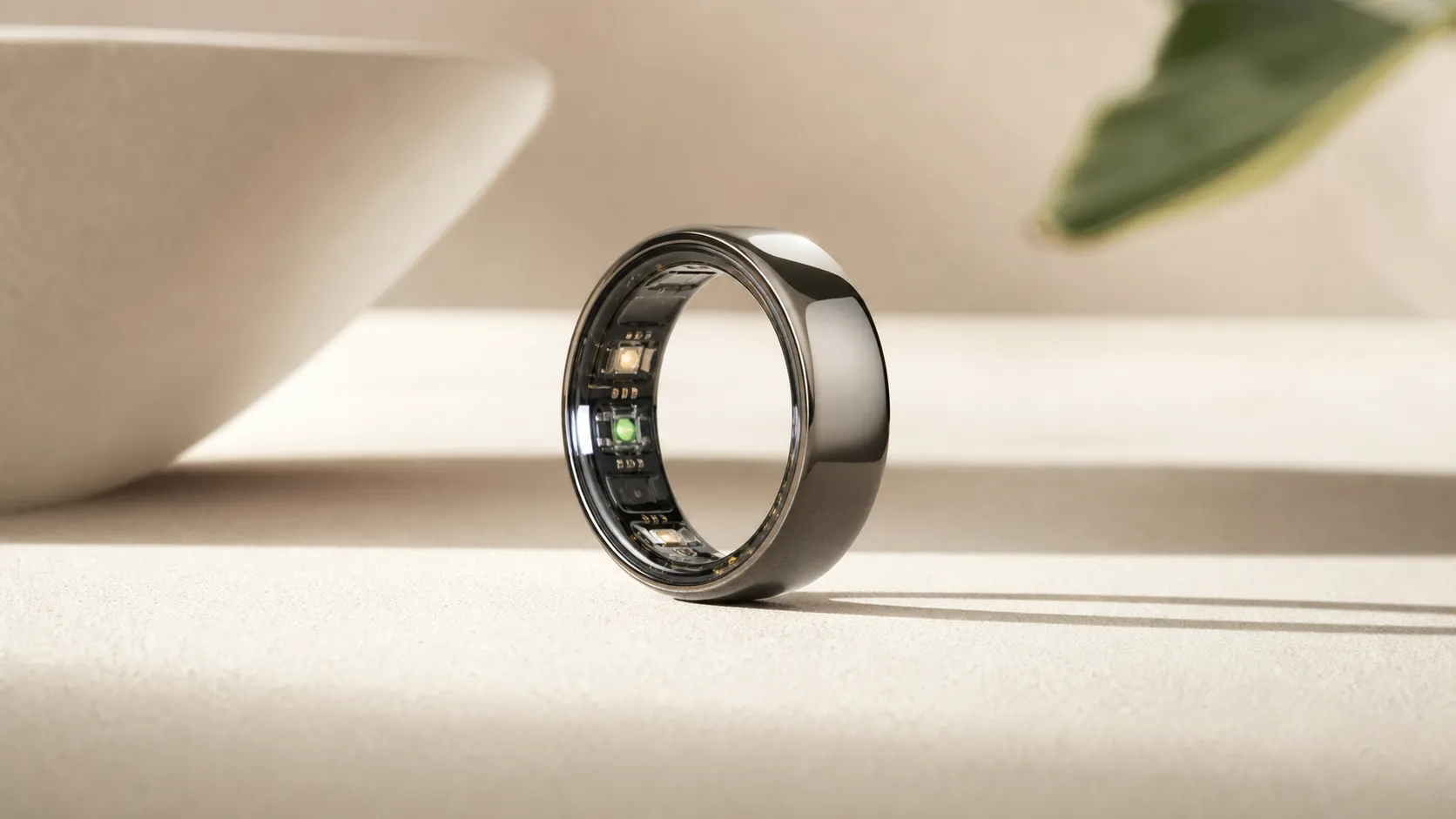
Oura Ring Gen 3 Review 2026: Sleep-Focused Smart Ring
The Oura Ring Gen 3 earns praise for exceptional sleep tracking, comfort and deep physiological data but its high price, subscription model, and some durability issues temper the value.
 Health & Wellness
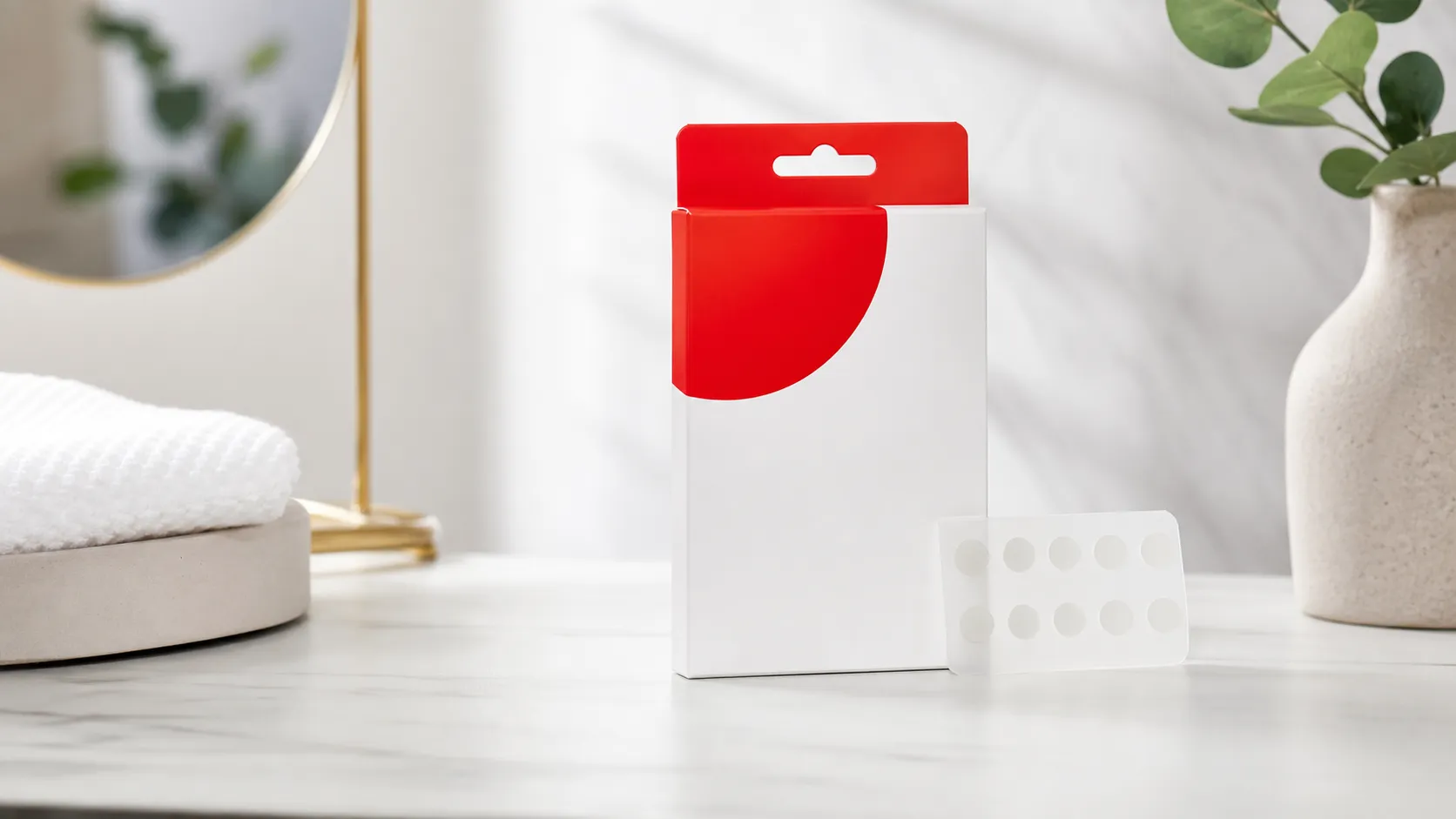
Mighty Patch Original Acne Pimple Patch Review 2026
Reliable hydrocolloid patches that flatten surface whiteheads overnight — fast, discreet, and widely praised, though pricier than some generics and not for cystic acne.