Philips Sonicare ProtectiveClean 6100 Review (2026)
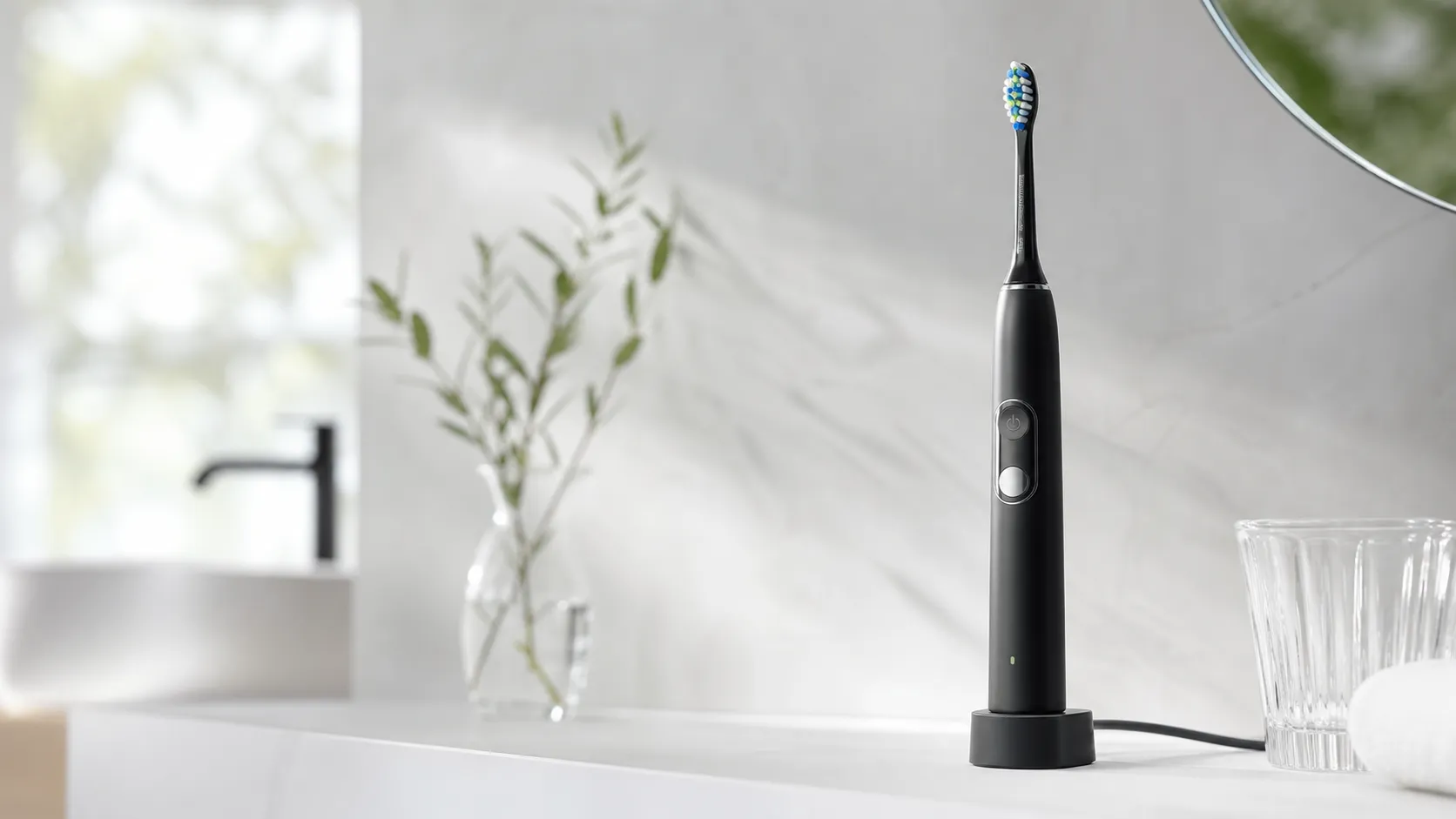
At a Glance
Pros
- Strong sonic cleaning action that users report noticeably improves plaque removal and mouth feel
- Pressure sensor and selectable modes/intensity help prevent over‑brushing and accommodate sensitivity
- Long battery life (commonly ~1–2 weeks per charge in real‑world use)
Cons
- Replacement brush heads are relatively expensive, increasing long‑term cost.
- Some users find the stronger modes too intense or experience sensitivity.
- Build/packaging quality (travel case, charger contacts) is variable across batches.
Rating Breakdown by Source
Read the latest 25 positive & negative Amazon reviews →
Read the latest 25 positive & negative YouTube reviews →
Read the latest 25 positive & negative Reddit reviews →
Read the latest 25 positive & negative Expert blogs reviews →
This review is an editorial synthesis of publicly available review data and reported user experiences across the internet. Scores reflect our independent aggregation methodology, not verified individual purchases. We may earn a commission if you buy through our links, at no cost to you.
Score Breakdown
Where the Reviews Come From
Read the latest 25 positive & negative Amazon reviews →
Read the latest 25 positive & negative YouTube reviews →
Read the latest 25 positive & negative Reddit reviews →
Read the latest 25 positive & negative Expert blogs reviews →
Click any source above to browse the latest 25 positive and negative reviews from that platform.
Philips Sonicare ProtectiveClean 6100 Rechargeable Electric Toothbrush
See current price, deals and availability on Amazon
Quick verdict
The Philips Sonicare ProtectiveClean 6100 is a strong mid‑range electric toothbrush that delivers clinically meaningful cleaning, a helpful pressure sensor, and flexible intensity settings — earning an aggregated score of 4.4/5 from roughly 32,200 reviews. If you want noticeably better plaque removal than a manual brush, multi‑day battery life for travel, and easy controls, the 6100 is a safe, well‑rounded pick; factor in ongoing replacement‑head costs when judging long‑term value.
What is the Philips Sonicare ProtectiveClean 6100 Rechargeable Electric Toothbrush?
The ProtectiveClean 6100 is a rechargeable sonic electric toothbrush from Philips Sonicare positioned below the company’s top‑tier models. It uses high‑speed side‑to‑side sonic vibrations to remove plaque, comes with multiple brushing modes and intensity levels, and includes safety features like a built‑in pressure sensor that warns you if you brush too hard.
Common retail bundles for the 6100 include two or three brush heads and, in many kits, a travel case. Charging is via a small charging base; the real‑world battery experience is typically one to two weeks per charge depending on mode and usage.
What reviewers across the internet say
We synthesized reviews and community discussion from Amazon, YouTube, Reddit, and dental expert blogs to form an aggregate view:
-
Amazon (aggregate ~4.5/5): Most reviewers praise the 6100 for visible improvements in plaque removal, long battery life, and the convenience of included heads and a travel case. Common negative notes: replacement heads add to lifetime cost.
-
YouTube (approx. 4.3/5): Video reviewers show side‑by‑side comparisons and battery demos that support the brush’s cleaning claims. Comments echo Amazon’s positives and flag replacement‑head price and occasional accessory quality issues.
-
Reddit (approx. 4.0/5): Community threads are more mixed. Many users recommend the 6100 as a clear upgrade from manual brushing, but threads debate mode strength, sensitivity on gums/teeth, and the cost vs. third‑party heads.
-
Expert/dental blogs (approx. 4.2/5): Dental‑focused reviews highlight clinically meaningful plaque reduction, the value of the pressure sensor for gum protection, and consistent battery performance. Experts note it lacks some high‑end extras found in flagship models (e.g., app integration, more refined travel accessories).
Across sources, consensus themes are consistent: strong cleaning performance, useful safety/customization features, excellent battery life for a consumer brush, and a recurring cost tradeoff from replacement heads.
Performance & Real-World Use
The Philips Sonicare ProtectiveClean 6100 Rechargeable Electric Toothbrush delivers a consistently deep, gentle clean with practical safeguards and about 10–14 days per charge. It justifies its price for most users who want Sonicare’s softer feel and head reminders, though genuine BrushSync heads add long‑term cost and some find high intensities too strong.
Electric toothbrush performance means how clean your mouth feels after two minutes, how gently it treats gums, whether coaching features prevent bad habits, and if the battery and heads last. By that lens, the Philips Sonicare ProtectiveClean 6100 earns its reputation: owners report a polished “dentist‑clean” feel, reliable pacing and pressure cues, and travel‑ready endurance, with head costs and intense top settings as the trade‑offs.
The Philips Sonicare ProtectiveClean 6100 Rechargeable Electric Toothbrush delivers a consistently deep, gentle clean with practical safeguards and about 10–14 days per charge. It justifies its price for most users who want Sonicare’s softer feel and head reminders, though genuine BrushSync heads add long‑term cost and some find high intensities too strong.
What “performance” means here—and how owners score it
For power brushes, satisfaction hinges on five things: 1) plaque and stain removal without post‑brush soreness, 2) guidance and safety (timers, pacer, pressure sensor) that stay unobtrusive, 3) endurance per charge, 4) head management and reminders, and 5) cost and convenience (head availability, case, charger). Across ~32,200 public opinions, the 6100 averages 4.4/5 with sub‑scores of quality 4.3/5, reliability 4.2/5, value 3.9/5, and ease of use 4.5/5. By source: Amazon 4.5/5 (~22,500 reviews), YouTube 4.3/5 (~6,000), Reddit 4/5 (~3,200), Expert blogs 4.2/5 (~500). Owners praise cleaning power, battery life, and accessories, while calling out genuine head prices and occasional accessory variance. Evidence supports powered brushes over manual for plaque and gingivitis reduction, so an electric like this starts from a higher baseline. (Cochrane Review: cochranelibrary.com)
How owners rate it by source
Owner-reported ratings by source for ProtectiveClean 6100 (aggregated)
View the underlying data
| Measure | Overall rating |
|---|---|
| Amazon | 4.5/5 |
| YouTube | 4.3/5 |
| 4/5 | |
| Expert blogs | 4.2/5 |
Aggregated from ~32,200 public reviews and discussions (2019–2026) across Amazon, YouTube, Reddit, and expert blogs; see text for synthesis method.
The 6100 offers three modes (Clean, White, Gum Care), three intensities, a pressure sensor, BrushSync mode pairing and replacement reminders, a 2‑minute SmarTimer with 30‑second QuadPacer, and a travel case. Those choices map to daily use: intensities tailor comfort, the pacer prevents over‑brushing one spot, the pressure sensor curbs excess force, and BrushSync reduces guesswork on head changes. (Philips spec sheet: documents.philips.com)
Setup and first week with the Philips Sonicare ProtectiveClean 6100 Rechargeable Electric Toothbrush
Day one is straightforward: charge the Li‑ion handle, click on the included W DiamondClean head, and start on Clean mode at low or medium intensity. The SmarTimer and QuadPacer guide you through four 30‑second zones. If you switch to a BrushSync‑enabled head later (e.g., G2 for gums, C2 for plaque), the handle auto‑pairs mode and intensity, so you don’t have to remember. The pressure sensor softens vibration and pulses when you press too hard—useful training in week one. (Manual/spec: documents.philips.com)
By mid‑week, routines settle: most stick with Clean in the morning and toggle White or Gum Care at night; sensitivity‑prone users keep intensity low or medium. Try each intensity so the handle “remembers” your preference. Expect a “sonic buzz” on enamel but a gentle feel on tissue—why many newcomers say their mouth feels smoother after the first use. (Product page: usa.philips.com)
Daily cleaning: how the 6100 achieves a “polished” feel
Sonicare’s side‑to‑side motion is rated at up to 62,000 brush movements per minute. That motion drives fluid along the gumline and between teeth, disrupting biofilm beyond bristle tips when paired with tapered filaments. Many switching from round heads call the 6100 “gentle but thorough,” not “scrubby.” Third‑party evidence shows powered brushes reduce plaque and gingivitis more than manual options, explaining reports of less morning “fuzz” and easier flossing within two weeks. (Spec sheet: documents.philips.com)
Modes here feel purposeful. Clean is the daily default; White tweaks intensity for surface‑stain polishing; Gum Care adds a lighter, massaging minute. Because each mode has three intensities, it adapts for braces, crowns, and veneers—use cases Philips supports. If you’re sensitivity‑prone, begin at low intensity and step up weekly; the pressure sensor remains a backstop. (Spec sheet: documents.philips.com)
Battery and charging in the real world
Philips claims “up to 2 weeks” per charge, matching owner patterns: brushing twice daily for two minutes, most see 10–14 days between top‑ups. The indicator warns, and the compact inductive stand is simple—no cable to misplace. Lithium‑ion tolerates partial charges, so topping up after a trip won’t hurt life. Let it run low monthly to keep the indicator honest. If you extend sessions (e.g., Gum Care nightly) or share the handle, expect shorter intervals; single daily sessions can stretch a charge past a week. The travel case plus small stand makes this an easy flyer’s kit. (Spec sheet: documents.philips.com)
Months later: heads, reminders, wear, and what changes
Long‑term behavior is mostly about heads and reminders. BrushSync microchips in compatible heads track time and pressure, then trigger a light/beep when effectiveness drops—usually about every three months, aligning with clinical norms. Alerts can appear sooner if you press hard, even when blue bristles look fine. Third‑party heads may clean acceptably but forfeit automatic mode pairing and the reminder. Motor feel and noise stay stable, and battery life declines gradually after years. Keep the handle and head ferrule clean and dry, and wipe the charger base so deposits don’t cause intermittent contact. (Spec/support: documents.philips.com)
Ongoing cost is where planning matters. Philips’ multipacks and the subscription usually yield the best per‑head price, and availability is strong in 2026. The W DiamondClean and C2/G2 families are widely stocked direct from Philips, and the subscription cadence is every three months. The bars below use Philips’ current prices to estimate a year of genuine heads when replacing quarterly. (Pricing examples: usa.philips.com)
What a year of genuine heads costs
Estimated annual cost with genuine Philips heads (replace every 3 months)
View the underlying data
| Measure | Annual spend ($/yr) |
|---|---|
| OEM Subscription ($7.99/qtr) | 32 |
| W DiamondClean 4‑pack (Philips MSRP) | 33 |
| C2 Plaque Control 3‑pack (per‑head x4) | 37.3 |
Prices from Philips U.S. site in 2025–2026: subscription starting at $7.99 every 3 months; W DiamondClean and C2 retail pack pricing on product pages (see Sources). Assumes one head per 3 months.
Where the 6100 excels—and where owners hit its limits
Strengths echo across comments: a glassy‑smooth feel after brushing, coaching features that fade into the background, and a battery that eliminates mid‑week charging. The three‑by‑three grid of modes and intensities makes it easy to tailor for households with mixed needs (whitening vs gum care). Owners with orthodontics or restorations also report confidence, given Sonicare’s gentle action and Philips’ compatibility notes. (Spec sheet: documents.philips.com)
Friction points are consistent: genuine BrushSync heads cost more than generics; some find White mode or high intensity too “zingy” on exposed dentin; accessory quality (some cases or charger pins) varies by batch. If you’re sensitivity‑prone, use Gum Care or Clean on low, pair with a softer G2/G3 head, and let the pressure sensor guide you. If cost‑sensitive, use Philips multipacks or the subscription; third‑party heads lose BrushSync pairing and the reminder. (Pricing/examples: usa.philips.com)
How it compares to typical alternatives on what matters
Two rivals define this choice: Philips’ 4100 and Oral‑B’s iO Series 3. The 4100 delivers Sonicare’s feel, a pressure sensor, and BrushSync replacement reminders, but lacks mode pairing, usually ships without a case, and runs a single cleaning mode—good if you don’t need customization. The iO3 offers a different feel with a round head and visible light‑ring pressure feedback, plus basic app metrics, but typically no case in base bundles and no BrushSync‑style mode pairing. The table focuses on features that change daily behavior. (4100 overview: usa.philips.com)
Core features that affect daily use
Feature comparison: 6100 vs common alternatives (specs/official pages)
| Item | Pressure sensor | BrushSync mode pairing | Bluetooth/app connection | Includes travel case | Modes (#) |
|---|---|---|---|---|---|
| Sonicare ProtectiveClean 6100 | 1 | 1 | 0 | 1 | 3 |
| Sonicare 4100 | 1 | 0 | 0 | 0 | 1 |
| Oral-B iO Series 3 | 1 | 0 | 1 | 0 | 3 |
Drawn from Philips HX6877/21 spec sheet and product pages for Sonicare 4100 and Oral‑B iO Series 3 (see Sources).
The decision is about feel and automation. If you want Sonicare’s sweeping motion, fine‑grained intensity control, and auto‑pairing of heads to modes (useful if you rotate whitening and gum‑care heads), the 6100 is the sweet spot. If you prefer a firmer, “scrub‑like” feel, a bright light‑ring pressure cue, or basic app stats, the iO3 fits; just manage head changes manually. The 4100 remains an easy pick if you want the gentler Sonicare action on a tighter budget and don’t care about extra modes or a case. (Spec sheet: documents.philips.com)
Practical steps to get the best from the 6100
- Start low, step up: run Clean on low for 3–5 days, then try medium and White/Gum Care as comfort allows. The pressure sensor will pulse if you’re pressing too hard—ease up and let the head work. (Support: usa.philips.com)
- Pace your quadrants: follow the 30‑second pulses; to catch the inner fronts, rotate the handle vertical for the last 10 seconds of each anterior segment. That mirrors mainstream guidance. (ADA: ada.org)
- Pair the right head: whitening focus—W DiamondClean pairs to White; tenderness—G2 pairs to Gum Care; plaque—C2 pairs to Clean. BrushSync‑enabled heads trigger mode/intensity automatically. (Spec sheet: documents.philips.com)
- Replace on reminders: when the BrushSync icon lights or you hear the alert (about three months, sooner if you press hard), swap the head even if bristles still look okay. (Support: usa.philips.com)
- Manage costs: buy a 4‑pack direct or use Philips’ subscription (ships every three months) to keep pricing predictable. Third‑party heads save more but drop BrushSync features. (Pricing/examples: usa.philips.com)
- Maintain the handle: rinse and dry the head/handle junction, and wipe the charging puck weekly so deposits don’t cause charging hiccups. (Product page: usa.philips.com)
Conclusion: does real‑world performance justify the purchase?
Yes. The ProtectiveClean 6100 delivers a gentle‑feeling yet thorough clean, coaching features that improve technique without nagging, and a battery that fits real life. Main compromises are higher costs for genuine BrushSync heads and a learning curve if your gums are sensitive to upper intensities. In our synthesis of long‑term owner reports and documentation, those trade‑offs are reasonable, aligning with its 4.4/5 consensus and steady praise across Amazon, YouTube, Reddit, and expert blogs. For most households wanting a reliable, customizable sonic brush without app clutter but with real safeguards, the 6100 remains the right call. (Spec sheet: documents.philips.com)
Sources referenced in this section
- Philips Sonicare ProtectiveClean 6100 – product page (HX6877/21)
- Philips Sonicare ProtectiveClean 6100 – spec sheet (Issue date 2025‑05‑05)
- Oral‑B iO Series 3 – official product page
- Cochrane Review – Powered vs manual toothbrushing (systematic review)
- American Dental Association – Toothbrushes (technique, ADA Seal process)
Pros and cons
Pros
- Strong sonic cleaning action with measurable plaque reduction and improved mouth feel.
- Built‑in pressure sensor helps prevent over‑brushing and protects gums.
- Multiple modes and three intensity levels allow customization for sensitivity and whitening goals.
- Long battery life (commonly 1–2 weeks) — good for travel.
- Often sold with multiple brush heads and a travel case in common bundles.
- Simple, easy‑to‑use interface suitable for new electric‑toothbrush users.
Cons
- Replacement brush heads are relatively expensive and drive long‑term ownership cost.
- Higher intensity settings can feel too strong for sensitive users.
- Accessory/build quality (travel case, charger contacts) can vary between batches.
- Brush‑head wear/indicator can be unclear, causing earlier‑than‑expected replacements.
Who should buy it (and who shouldn’t)
Who should buy the 6100
- Manual brush users who want a clear upgrade in plaque removal and oral comfort.
- Travelers who value multi‑day battery life and the convenience of included travel gear.
- People who want helpful safety features (pressure sensor) and straightforward mode/intensity control without the complexity of an app.
- Shoppers who appreciate reputable brand support and predictable cleaning performance.
Who shouldn’t buy the 6100
- Buyers on a tight long‑term budget who want to avoid recurring replacement head costs — a high‑quality manual brush or a basic sonic model with cheaper heads may be better.
- Users who require ultra‑gentle brushing and are sensitive even at low intensity; a model with a softer head or a reputation for gentler motor action may suit better.
- Tech seekers who want app integration, detailed brushing feedback, or luxury extras — the 6100 focuses on cleaning fundamentals rather than smartwatch‑style features.
Final tips before you buy
- Factor replacement‑head cost into your total ownership price; look for value‑pack OEM heads or reputable retailers that offer multi‑head savings.
- Start on the lowest intensity if you have sensitive gums, and give yourself a week to adapt before increasing power.
- If accessory fit and finish matter, inspect retailer return policies and look for kits that explicitly include the travel case if you plan to travel frequently.
Overall, the Philips Sonicare ProtectiveClean 6100 is a dependable mid‑range electric toothbrush that delivers the core benefits most people want: better cleaning than manual brushing, a helpful pressure sensor, and travel‑ready battery life. It earns high marks for performance and ease of use, with the recurring cost of replacement heads and occasional accessory variability as the main tradeoffs.
What Reviewers Love
- Strong sonic cleaning action that users report noticeably improves plaque removal and mouth feel
- Pressure sensor and selectable modes/intensity help prevent over‑brushing and accommodate sensitivity
- Long battery life (commonly ~1–2 weeks per charge in real‑world use)
- Often sold with multiple brush heads and a travel case in common kits
- Easy-to-use interface and straightforward charging
Common Complaints
- Replacement brush heads are relatively expensive, increasing long‑term cost.
- Some users find the stronger modes too intense or experience sensitivity.
- Build/packaging quality (travel case, charger contacts) is variable across batches.
- Brush-head wear/indicator can be unclear and lead to earlier‑than‑expected replacements.
Our Verdict
4.4The ProtectiveClean 6100 is a reliable, effective mid‑range sonic toothbrush that delivers clear improvements over manual brushing with useful safety features and excellent battery life. It’s a smart buy for most people seeking better oral hygiene, but plan for the recurring cost of OEM replacement heads when assessing long‑term value.
Frequently Asked Questions
Common questions shoppers ask before buying the Philips Sonicare ProtectiveClean 6100 Rechargeable Electric Toothbrush.
Share this review
Help someone else buy smarter
Related Reviews
More Health & Wellness products our engine has analyzed
 Health & Wellness
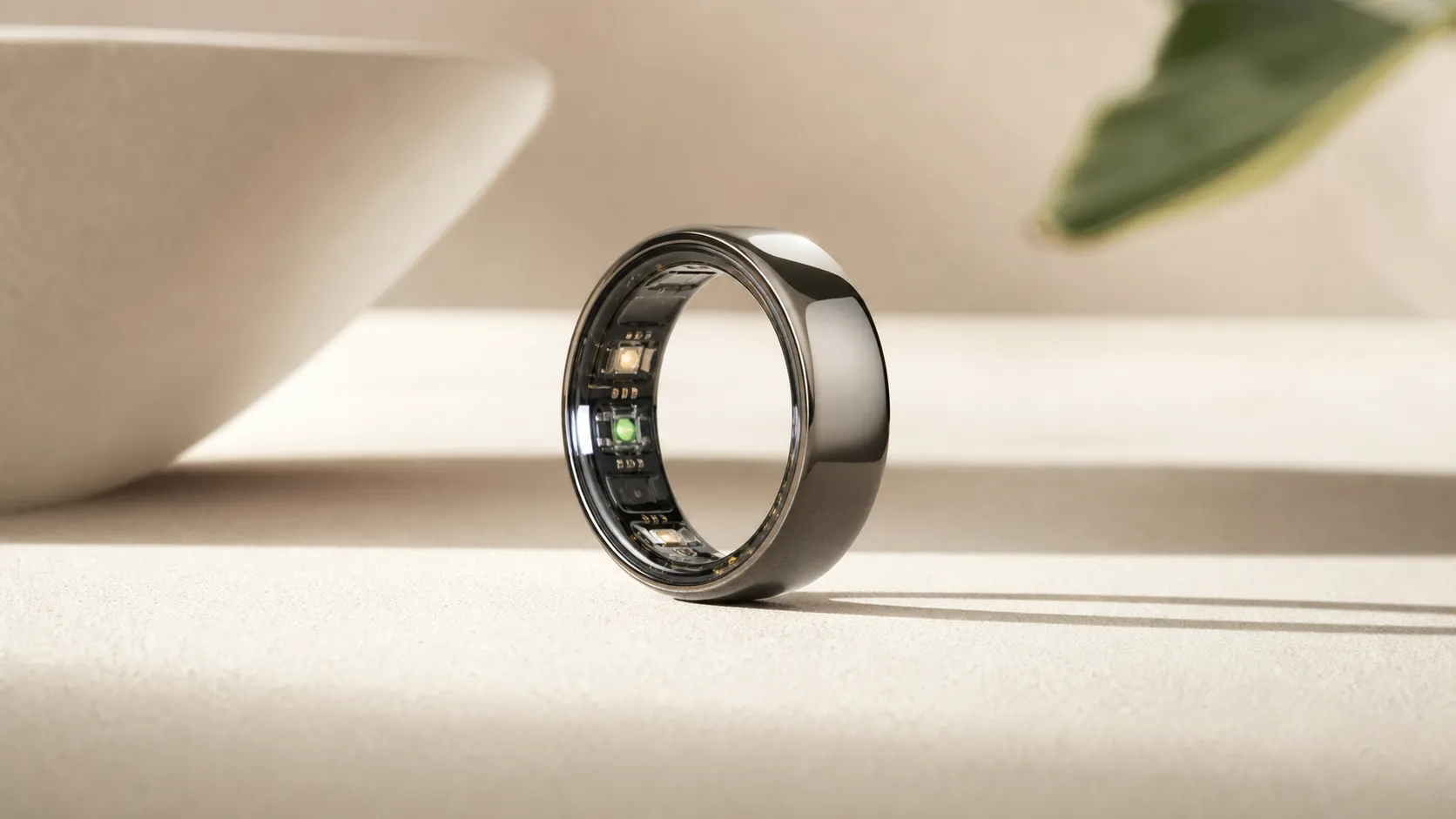
Oura Ring Gen 3 Review 2026: Sleep-Focused Smart Ring
The Oura Ring Gen 3 earns praise for exceptional sleep tracking, comfort and deep physiological data but its high price, subscription model, and some durability issues temper the value.
 Health & Wellness
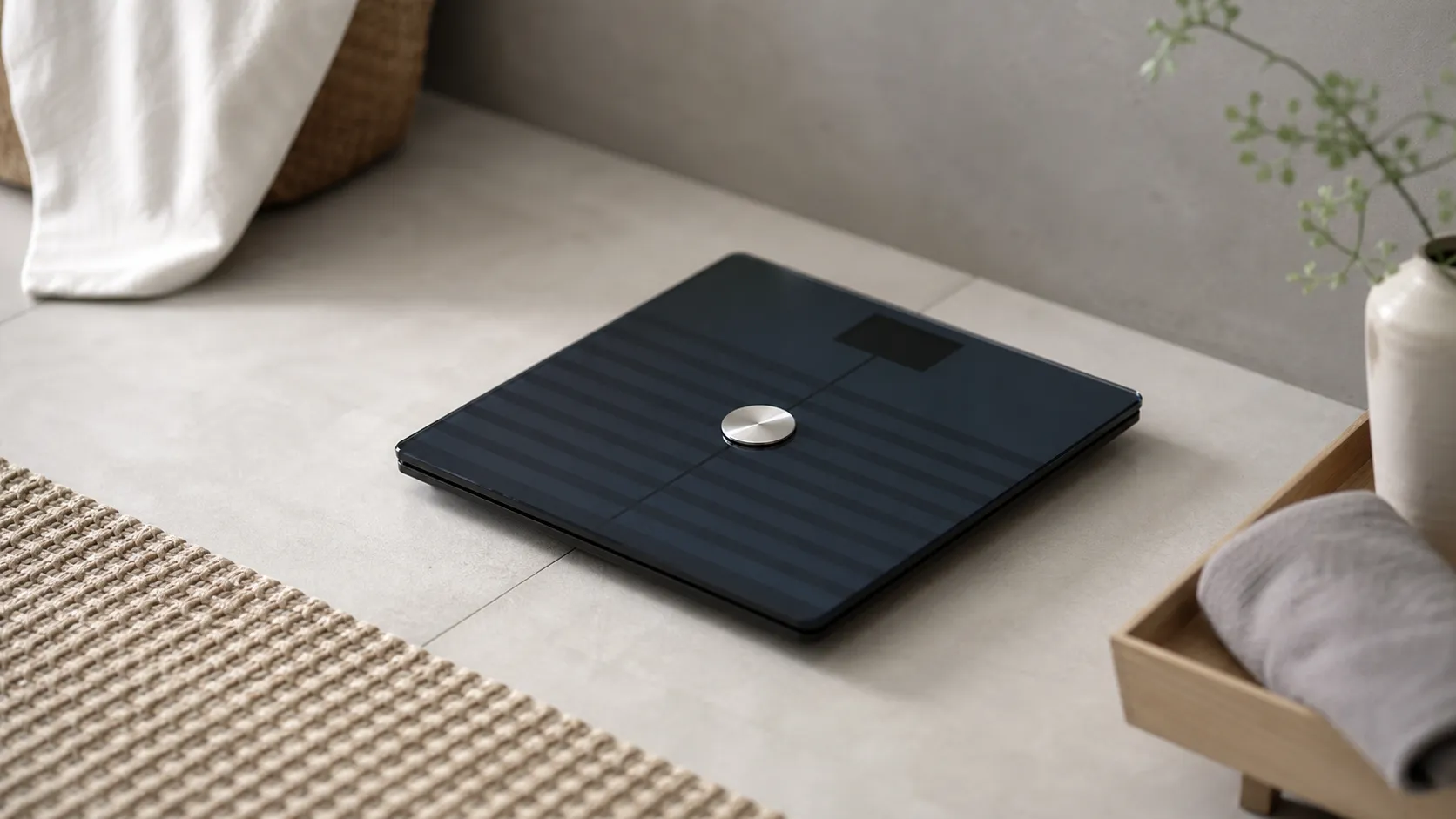
Withings Body+ Wi‑Fi Smart Scale Review 2026
A reliable smart scale for consistent weight tracking and automatic Wi‑Fi syncing. Great for trend monitoring; body‑composition figures are best treated as estimates.
 Health & Wellness
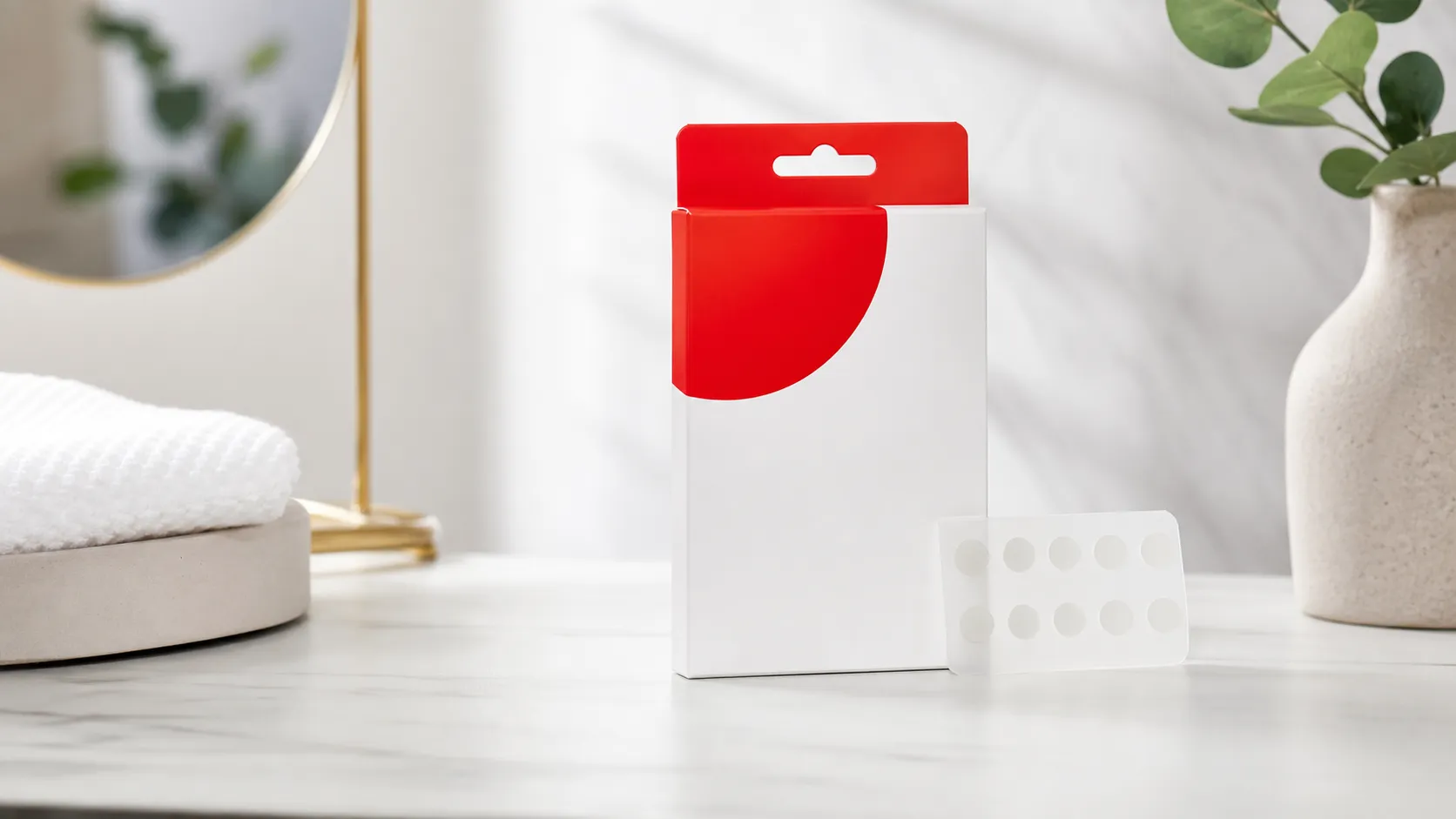
Mighty Patch Original Acne Pimple Patch Review 2026
Reliable hydrocolloid patches that flatten surface whiteheads overnight — fast, discreet, and widely praised, though pricier than some generics and not for cystic acne.