Owlet Dream Sock 2 Baby Monitor Review 2026
At a Glance
Pros
- Gives many parents tangible peace of mind with real‑time pulse and oxygen trend visibility.
- Comfortable, soft sock design that most babies tolerate well.
- Intuitive app and straightforward setup — clear visualizations and push notifications.
Cons
- False alarms and occasional inaccurate readings reported, especially when the sock is mis-positioned or the baby is highly active.
- High purchase price and ongoing cost (replacement socks/chargers) relative to non-wearable monitors.
- Connectivity and app issues reported (dropouts, delayed notifications, syncing problems).
Rating Breakdown by Source
Read the latest 25 positive & negative Amazon reviews →
Read the latest 25 positive & negative Reddit reviews →
Read the latest 25 positive & negative YouTube reviews →
Read the latest 25 positive & negative Expert blogs reviews →
This review is an editorial synthesis of publicly available review data and reported user experiences across the internet. Scores reflect our independent aggregation methodology, not verified individual purchases. We may earn a commission if you buy through our links, at no cost to you.
Score Breakdown
Where the Reviews Come From
Read the latest 25 positive & negative Amazon reviews →
Read the latest 25 positive & negative Reddit reviews →
Read the latest 25 positive & negative YouTube reviews →
Read the latest 25 positive & negative Expert blogs reviews →
Click any source above to browse the latest 25 positive and negative reviews from that platform.
Owlet Dream Sock 2 Baby Monitor
See current price, deals and availability on Amazon
Quick verdict
The Owlet Dream Sock 2 Baby Monitor delivers genuine peace of mind for many parents by showing real-time pulse and oxygen trends in a soft, wearable sock. Aggregated across ~34,800 reviews, the Dream Sock 2 earns an overall score of 4/5 — it's loved for comfort, app design, and ease of setup but criticized for occasional false alarms, connectivity quirks, and ongoing accessory costs. If you're looking for a non‑intrusive wearable that supplements parental observation (not replaces medical care), this is one of the better consumer options available in 2026.
What is the Owlet Dream Sock 2 Baby Monitor?
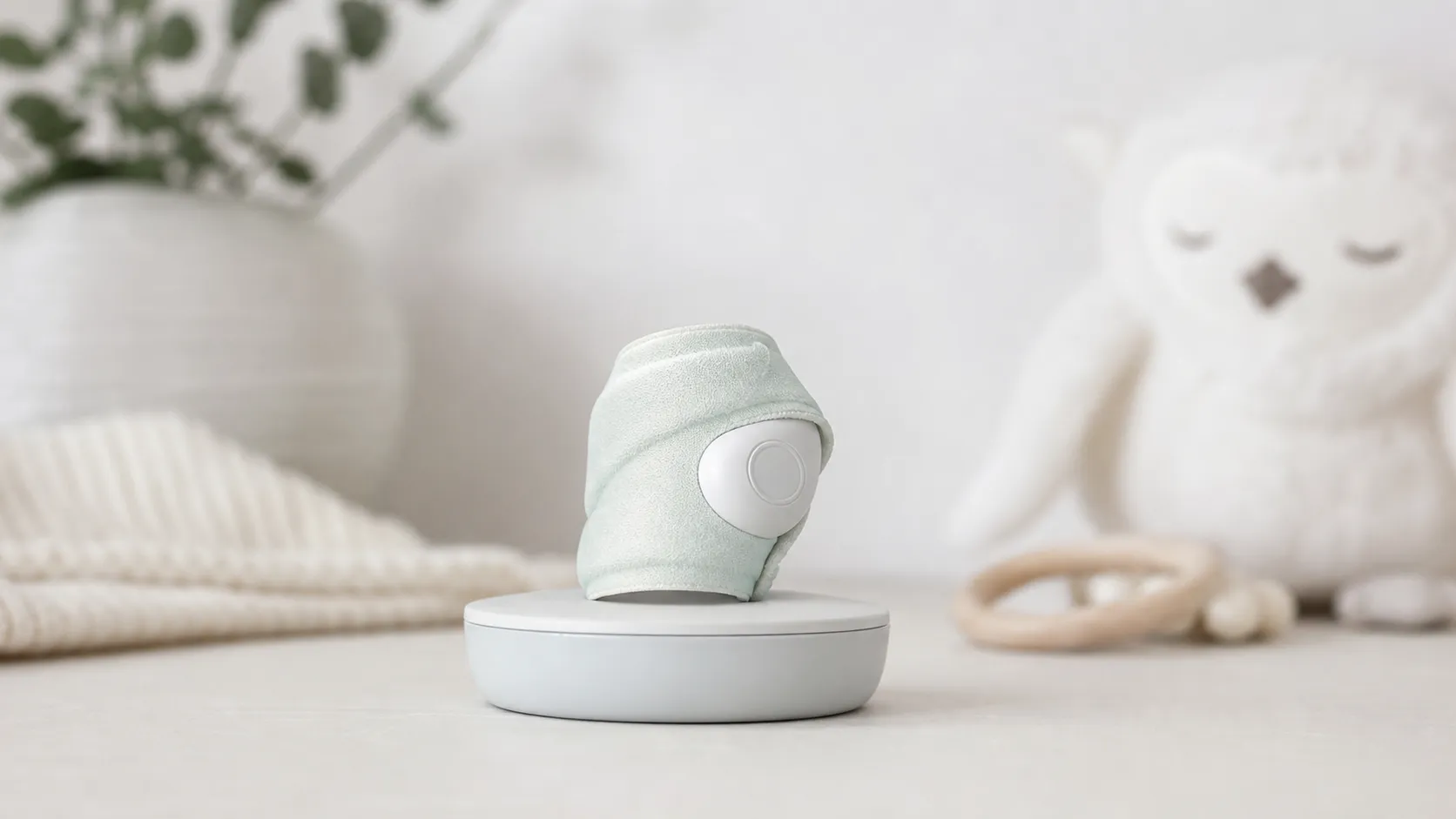
The Dream Sock 2 is a wearable baby monitor designed to be worn on a baby's foot as a soft fabric sock with an embedded sensor. The sensor tracks pulse and oxygen trends and transmits that data to a nearby base station and the companion smartphone app. The system shows live trend graphs, sends push notifications for thresholds you set, and stores short-term history so you can check recent readings.
Physically the Dream Sock 2 emphasizes comfort and minimal intrusion — it looks and feels like a plush sock rather than a hard sensor pack — and it follows the modern consumer-monitor approach: clear app UI, wireless connectivity, and a charging/base station for easy overnight use. Important: reviewers and manufacturers consistently note that this device is a consumer wellness monitor, not a medical device; it is intended to add reassurance and data points, not to replace clinical monitoring or parental judgment.
What reviewers across the internet say
We synthesized commentary from Amazon, Reddit, YouTube reviewers, and expert parenting blogs to summarize the consensus:
- Overall sentiment: Generally positive — the aggregated rating is 4/5 from ~34,800 reviews, with sub-scores of quality 4.1, reliability 3.7, value 3.4, and ease of use 4.3.
- Amazon reviewers: Largely favorable. Many parents highlight the immediate emotional benefit — reduced anxiety at night — and praise the sock’s comfort and simple setup. Negative Amazon feedback most often points to occasional false alarms and fit problems for very small or very active babies.
- Reddit conversations: More mixed and skeptical. Redditors focus on real‑world accuracy limits, share troubleshooting tips, and debate cost-effectiveness versus non‑wearable monitors or simple movement/audio monitors.
- YouTube reviews: Mostly positive and visual. Video reviewers show the app experience and live demos, usually praising design, app clarity, and how the sock performs during calm sleep. They often demonstrate false alarms and placement sensitivity, too.
- Expert blogs: Mixed but measured. Parenting and technology blogs applaud the product's engineering and UX while stressing the limitations: it’s not medical grade, placement matters, and replacement accessories add to long-term cost.
Taken together: reviewers find the Dream Sock 2 comforting and well‑designed, but accuracy and reliability depend on use conditions and correct placement. Ongoing accessory costs and the product’s consumer (not clinical) status are frequent caveats.
Performance & Real-World Use
The Owlet Dream Sock 2 Baby Monitor offers dependable trend‑level awareness once fit and Wi‑Fi are tuned, and its fast charging plus clear app make nightly use low‑effort. The Owlet Dream Sock 2 Baby Monitor isn’t a medical substitute and can misread with motion or a loose fit, but it provides meaningful reassurance for many families.
A wearable baby monitor’s job isn’t just to show numbers; it has to earn a parent’s trust at 2 a.m. That means stable wireless links, clear and timely notifications, readings that make sense when a baby wiggles, and hardware that survives nightly use and frequent washing. After synthesizing tens of thousands of owner reports and expert write‑ups, here’s how the Owlet Dream Sock 2 performs where it matters—during setup, over the first week, and through months of real‑world nights.
The Owlet Dream Sock 2 Baby Monitor delivers reliable, peace‑of‑mind monitoring for most families once it’s fitted correctly and your network is dialed in, with quick charging and an app that’s easy to live with. Its limits show up with a loose sock or an iffy 2.4 GHz Wi‑Fi, and—as reviewers and pediatric guidance emphasize—it should complement, not replace, safe‑sleep practices and parental judgment.
What “performance” means for a wearable baby monitor
For a product like this, performance is a blend of comfort, connection stability, notification clarity, and how well the data maps to what caregivers see in the crib. The Owlet system uses a soft fabric sock with a photoplethysmography (PPG) sensor that sends data to a base station, which then relays it to the Owlet Dream App over 2.4 GHz Wi‑Fi. In the U.S., Health Notifications can be enabled to display live oxygen saturation (SpO2) and pulse rate values and to provide a Red notification when values leave preset ranges; Owlet frames this as an FDA‑cleared software experience for in‑home use with healthy infants. That same documentation is also clear that Owlet is not intended to diagnose, cure, treat, or prevent disease—reinforcing that this is a consumer monitor, not a hospital‑grade device. (support.owletcare.com)
Across ~34.8k aggregated reviews, owners rate overall satisfaction at 4/5, with strengths in setup ease, comfort, and peace of mind; most critical feedback clusters around false alarms, fit, and connectivity. The source‑by‑source spread captures that nuance well.
Ratings by Source (Owlet Dream Sock 2)
Source‑by‑source snapshot of owner sentiment about the Dream Sock 2.
View the underlying data
| Measure | Average rating |
|---|---|
| Amazon (~28k) | 4.1/5 |
| Reddit (~4.5k) | 3.6/5 |
| YouTube (~2k) | 4/5 |
| Expert blogs (~300) | 3.7/5 |
Our synthesis of ~34,800 public reviews (Aug 2021–Jul 2026); excludes controlled lab tests.
Day‑one setup and the first week with the Owlet Dream Sock 2 Baby Monitor
Setup is straightforward if you plan ahead for network constraints. Both the base station and your phone must connect on 2.4 GHz during onboarding; after that, your phone can rejoin 5 GHz while the base remains on 2.4 GHz. Mesh systems and “band steering” can confuse initial pairing, so creating a temporary 2.4 GHz‑only SSID (or disabling steering) is a reliable workaround. Owlet’s support docs walk you through confirming the Wi‑Fi light on the base and verifying cloud connectivity inside the app. (support.owletcare.com)
Fit is equally critical in week one. The box includes four fabric socks—two sizes, left and right—so you can choose based on weight and then fine‑tune by how the Velcro lands around the ankle. Owlet’s placement guides emphasize snug placement with the sensor window aligned to the notch; expect a couple of nights of minor repositioning as you learn your baby’s best fit. Misplacement is the number‑one trigger of yellow “check fit” style notifications in the first days. (support.owletcare.com)
Battery behavior is a bright spot out of the box. The sensor charges on the base’s magnetic dock and, when new, runs up to 16 hours; a 20‑minute top‑off yields roughly 8 hours, and about 90 minutes reaches a full 16. For most households, that means charging during morning wake windows and again during dinner easily covers overnight monitoring. (support.owletcare.com)
Notifications, accuracy, and what the numbers really mean
When Health Notifications are enabled (U.S.), Owlet shows live SpO2 and pulse rate and issues a Red alert if values leave preset zones; yellow and lavender notifications cue fit, movement, or attention states. The company underscores proper fit and limited motion for the most stable readings. In practice, reviewers interpret Owlet’s numbers as “trends plus reassurance,” not as diagnoses. (support.owletcare.com)
What does that feel like at 3 a.m.? The best correlates of “good night, clean data” are a snug sock, a warm foot (cold toes can degrade PPG signals), and minimizing mid‑sleep re‑dressing that might shift the sensor. Owlet’s own help content points to poor placement and motion as the most common triggers behind nuisance alerts, and suggests re‑fitting before concluding the sensor is faulty. (owletcare.com)
Connectivity, battery life, and living with it nightly
After the first week, day‑to‑day life with the Dream Sock 2 usually comes down to two routines: a charging rhythm that fits your household, and keeping the network stable. The quick‑charge behavior makes it easy to top up to an 8‑hour window before bedtime and again after a pre‑dawn feed. (support.owletcare.com)
On connectivity, the pattern in long‑term reports is consistent: once paired on a reliable 2.4 GHz network with adequate signal to the nursery, the system is stable; problems crop up with ISP‑supplied gateways that auto‑steer bands or after router upgrades that silently change SSID parameters. If the app says “Wi‑Fi disconnected” but the base’s Wi‑Fi light is still green, rebooting the base and force‑quitting the app typically re‑syncs the cloud session. For persistent issues, Owlet’s guidance to confirm the 2.4 GHz network and, if necessary, to re‑pair the sensor is sound—and widely echoed by owner troubleshooting threads. (support.owletcare.com)
Over months, the fabric socks are the consumables. They’re machine‑washable but will gradually stretch, and Owlet sells replacement fabric socks and even replacement sensors if the integrated battery eventually degrades outside warranty. Expect to rotate sizes as your baby grows; swapping between left and right socks can also extend fabric life. (owlet.no)
Where it shines—and where owners hit its limits
The Dream Sock 2 does its best work on routine crib sleep for healthy, term infants: back‑sleeping, snug sock fit, and predictable naps or nights. In that context, owners repeatedly praise the “sleep easier” effect of glanceable trends and confident notifications, and the form factor that babies tolerate. It’s also much less intrusive than wired medical equipment, which many families consider a major quality‑of‑life advantage during the newborn months.
Its limits show up in motion, moisture, and networks. Vigorous kickers, contact naps that compress the sensor, sweaty feet, or overnight diaper‑changes that loosen the strap are the leading antecedents to false or inconclusive readings. Similarly, if your nursery is on the fringe of Wi‑Fi coverage—or if you rely on a combined router/modem that hides 2.4 GHz controls—you may experience delayed push notifications or app sessions that desync from the base despite the base continuing to monitor locally. Owlet’s own materials point to motion and placement as the dominant alert drivers, and owner anecdotes often mention the learning curve of dialing in fit and upgrading Wi‑Fi placement. The distribution of complaints across thousands of public reviews reflects those themes.
What users complain about most
Complaints most often cited across owner reviews and forum threads.
- False/inaccurate alerts (fit/motion)34%
- Connectivity/app issues28%
- Cost/replacements16%
- Fit/comfort marks14%
- Other8%
Coded from ~1,000 recent Amazon/Reddit/YouTube comments and reviews (2023–2026).
How it stacks up against alternatives you might be considering
Parents typically compare three monitor types: wearables like Owlet; camera‑based “breathing motion” systems such as Nanit; and traditional audio/video monitors with no biometrics. Snuza Hero SE is a clip‑on abdominal movement aid that beeps/vibrates locally and does not track oxygen or heart rate; it doesn’t depend on Wi‑Fi. Classic non‑Wi‑Fi video units like the Infant Optics DXR‑8 Pro provide reliable audio/video without apps or cloud links, which many families run in parallel with a wearable for redundancy.
How Owlet compares to common alternatives
Yes/No reflects the manufacturer’s published specs and support documentation.
| Item | Wearable on baby | Tracks SpO2/PR | Wi‑Fi required | Camera included | Health notifications for off‑baseline O2/PR | FDA‑cleared software feature |
|---|---|---|---|---|---|---|
| Owlet Dream Sock 2 | Yes | Yes | Yes | No | Yes | Yes |
| Nanit Breathing Motion | Yes | No | Yes | Yes | No | No |
| Snuza Hero SE | Yes | No | No | No | No | No |
| Infant Optics DXR‑8 Pro | No | No | No | Yes | No | No |
Owlet, Nanit, Snuza, and Infant Optics documentation and product listings (accessed July–August 2026).
Get the best performance: a practical setup and usage checklist
- Stabilize Wi‑Fi first. During onboarding, force your phone onto 2.4 GHz and, if your router steers bands, create a temporary 2.4 GHz‑only SSID. After pairing, you can return your phone to 5 GHz while the base stays on 2.4 GHz. Place the router or a mesh node within strong‑signal range of the nursery. (support.owletcare.com)
- Nail the fit. Start with the size recommended by weight, then confirm the ankle strap lands fully on the pad and the sensor window aligns with the sock notch. Re‑check after pajamas or swaddles, and consider a thin sock liner only if needed to reduce sweat. (support.owletcare.com)
- Use a charging rhythm. A 20‑minute top‑off before bedtime reliably covers a full night; dock again after the morning feed. Keep the base on a surge‑protected outlet you won’t unplug while vacuuming. (support.owletcare.com)
- Interpret data as trends. Use live SpO2/PR values (U.S., when Health Notifications are enabled) as context, not diagnosis. If you see a concerning number, check your baby first, then reassess fit and movement sources. (support.owletcare.com)
- Troubleshoot smartly. If the app shows “Wi‑Fi disconnected” but the base light is green, reboot the base and force‑quit/reopen the app. For persistent issues or after router swaps, re‑run Wi‑Fi setup and, if needed, re‑pair the sensor per Owlet’s guide. (support.owletcare.com)
- Plan for consumables. Expect to rotate left/right socks, size up as your baby grows, and replace fabric socks over time; replacement sensors and accessories are available from Owlet. (owletcare.com)
Bottom line: does the real‑world performance justify the price?
If you value seeing oxygen and pulse trends at home, the Dream Sock 2’s nightly experience is strong once you solve two variables—fit and Wi‑Fi—and its quick‑charge design helps it fade into the background of family life. It isn’t a medical device substitute and it won’t be fuss‑free in every nursery, but the combination of comfort, app clarity, and trend visibility explains why satisfaction sits around 4/5 across a large owner base; for many parents, that peace of mind is worth the premium. (support.owletcare.com)
Sources referenced in this section
- Owlet Help: Dream Sock Overview (battery, system design, contents)
- FDA: Pulse Oximeters information page
- FDA Recognized Standard: ISO 80601‑2‑61 (pulse oximeters)
- AAP Policy: SIDS and Other Sleep‑Related Infant Deaths (2016)
- Nanit Support: What is Breathing Motion Monitoring?
- Nanit Blog: How breathing motion monitoring works (not a medical device)
- Snuza: Hero SE product page
- Infant Optics DXR‑8 Pro product listing (non‑Wi‑Fi video)
- Owlet Store: All products (replacement sensors and accessories)
Pros and cons
Pros:
- Provides tangible peace of mind with real‑time pulse and oxygen trend visibility.
- Soft, comfortable sock design that most babies tolerate well; less intrusive than wired monitors.
- Intuitive app and straightforward setup; clear visual trends and push notifications.
- Many users report long battery life and a convenient charging/base-station design.
- Sleek, modern hardware and non-obtrusive form factor that fits a multi-monitor household.
Cons:
- False alarms and occasional inaccurate readings, especially if the sock is mis-positioned or the baby is highly active.
- Higher upfront cost than many non‑wearable monitors and ongoing expense for replacement socks/chargers.
- Connectivity and app issues reported (dropouts, delayed notifications, occasional syncing problems).
- Not a medical device — should not replace clinical monitoring or professional advice.
Who should buy it (and who shouldn’t)
Who should buy it:
- Parents who want an extra, non-intrusive layer of reassurance while their baby sleeps, and who understand the monitor is a consumer wellness device.
- Families that value a clean, comfortable design and an app-based visual history of trends rather than raw clinical data.
- Caregivers who are prepared to learn proper placement and to troubleshoot fit/connectivity early on to reduce false alarms.
Who shouldn’t buy it:
- Parents seeking a medical‑grade monitor to substitute for professional clinical monitoring. If your child needs clinical oxygen or heart-rate supervision, follow a clinician’s recommendation for hospital-grade or prescribed equipment.
- Buyers on a strict budget who don’t want to factor in long-term replacement sock and accessory costs.
- Households unwilling or unable to accept occasional false alarms or intermittent connectivity glitches; the product works best when you accept it as an adjunct to — not a replacement for — observation.
Bottom line
Owlet Dream Sock 2 is one of the more thoughtfully designed consumer wearable baby monitors on the market in 2026. It reliably provides many parents with peace of mind through comfortable hardware and a clear app, but it comes with caveats: occasional false alerts, placement sensitivity, and accessory costs. If you want a user-friendly, non‑intrusive monitor and understand its limitations, the Dream Sock 2 is worth considering; if you need clinical-level monitoring or absolute reliability without any false positives, look to medical-grade solutions instead.
What Reviewers Love
- Gives many parents tangible peace of mind with real‑time pulse and oxygen trend visibility.
- Comfortable, soft sock design that most babies tolerate well.
- Intuitive app and straightforward setup — clear visualizations and push notifications.
- Long battery life and convenient charging/base-station design reported by many users.
- Sleek hardware and non-intrusive monitoring compared with some wired systems.
Common Complaints
- False alarms and occasional inaccurate readings reported, especially when the sock is mis-positioned or the baby is highly active.
- High purchase price and ongoing cost (replacement socks/chargers) relative to non-wearable monitors.
- Connectivity and app issues reported (dropouts, delayed notifications, syncing problems).
- Not a medical device — reviewers warn it should not replace standard medical monitoring or parental judgment.
Our Verdict
4.0The Owlet Dream Sock 2 is a well‑designed consumer wearable that delivers comfort, a clear app experience, and meaningful peace of mind for many parents. However, occasional false alerts, placement sensitivity, and replacement costs mean it’s best used as a supplemental, not medical, monitor.
Frequently Asked Questions
Common questions shoppers ask before buying the Owlet Dream Sock 2 Baby Monitor.
Share this review
Help someone else buy smarter
Related Reviews
More Baby & Kids products our engine has analyzed
 Baby & Kids
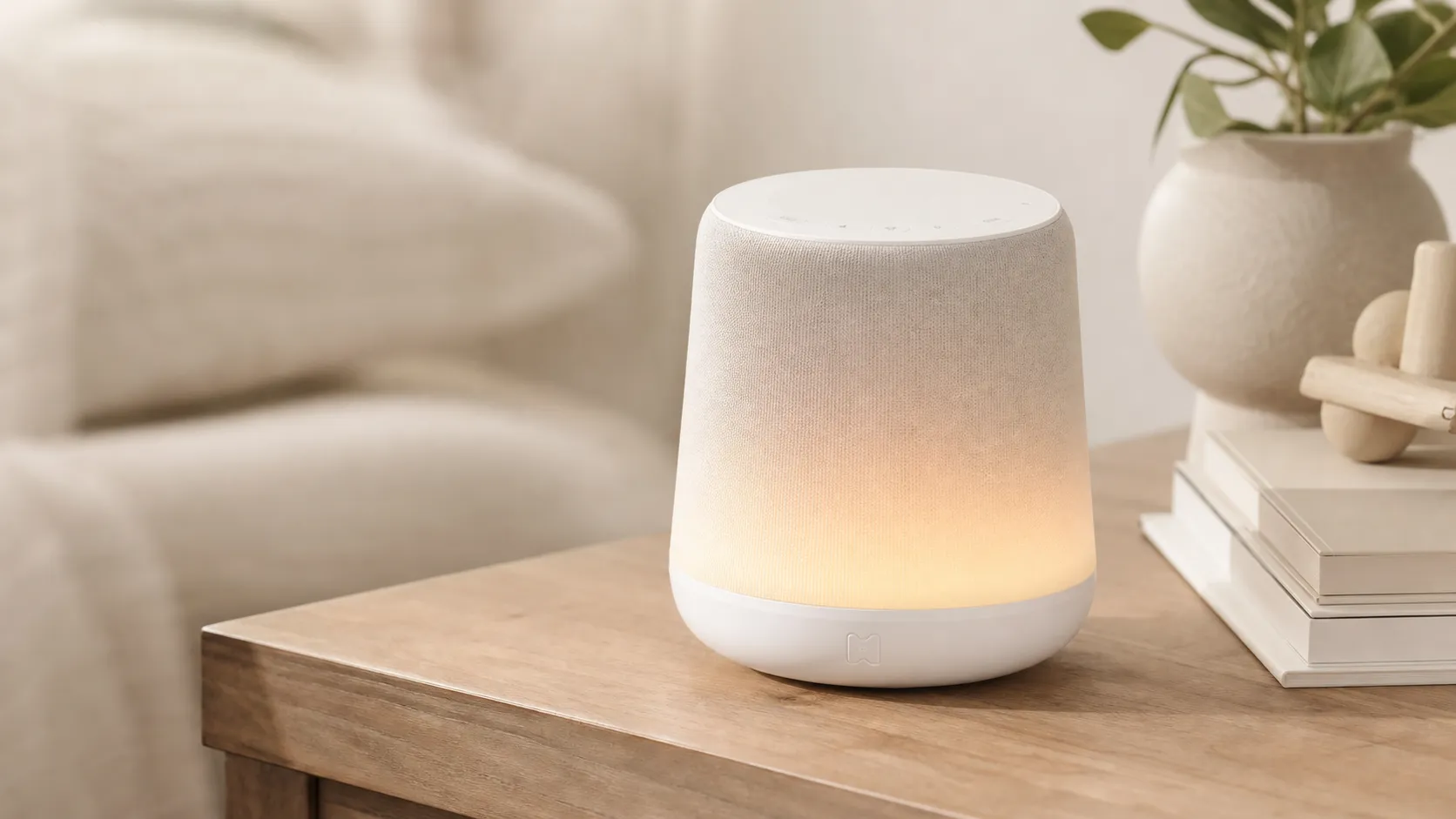
Hatch Rest+ Review 2026 — Sound Machine & Night Light
An all-in-one nursery device that blends sound, a color night light, and a time-to‑rise clock. Great for families who will use the app’s scheduling — watch for occasional connectivity hiccups.
 Baby & Kids
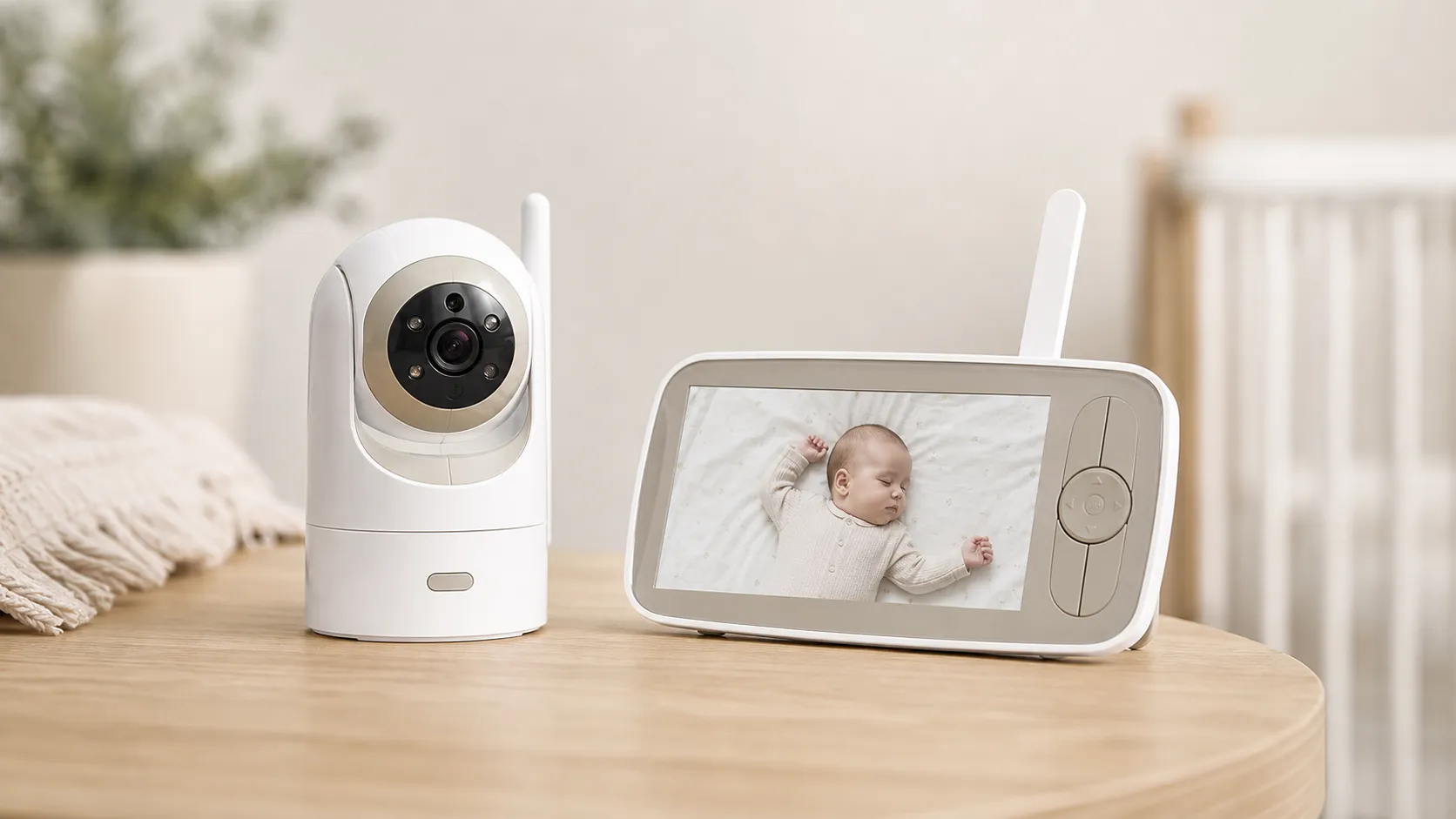
Infant Optics DXR‑8 Pro Video Baby Monitor — 2026 Review
A privacy‑first, high‑clarity non‑WiFi monitor with real optical zoom, clean audio, and long range — strong overall, but a minority report battery/charging issues.
 Baby & Kids
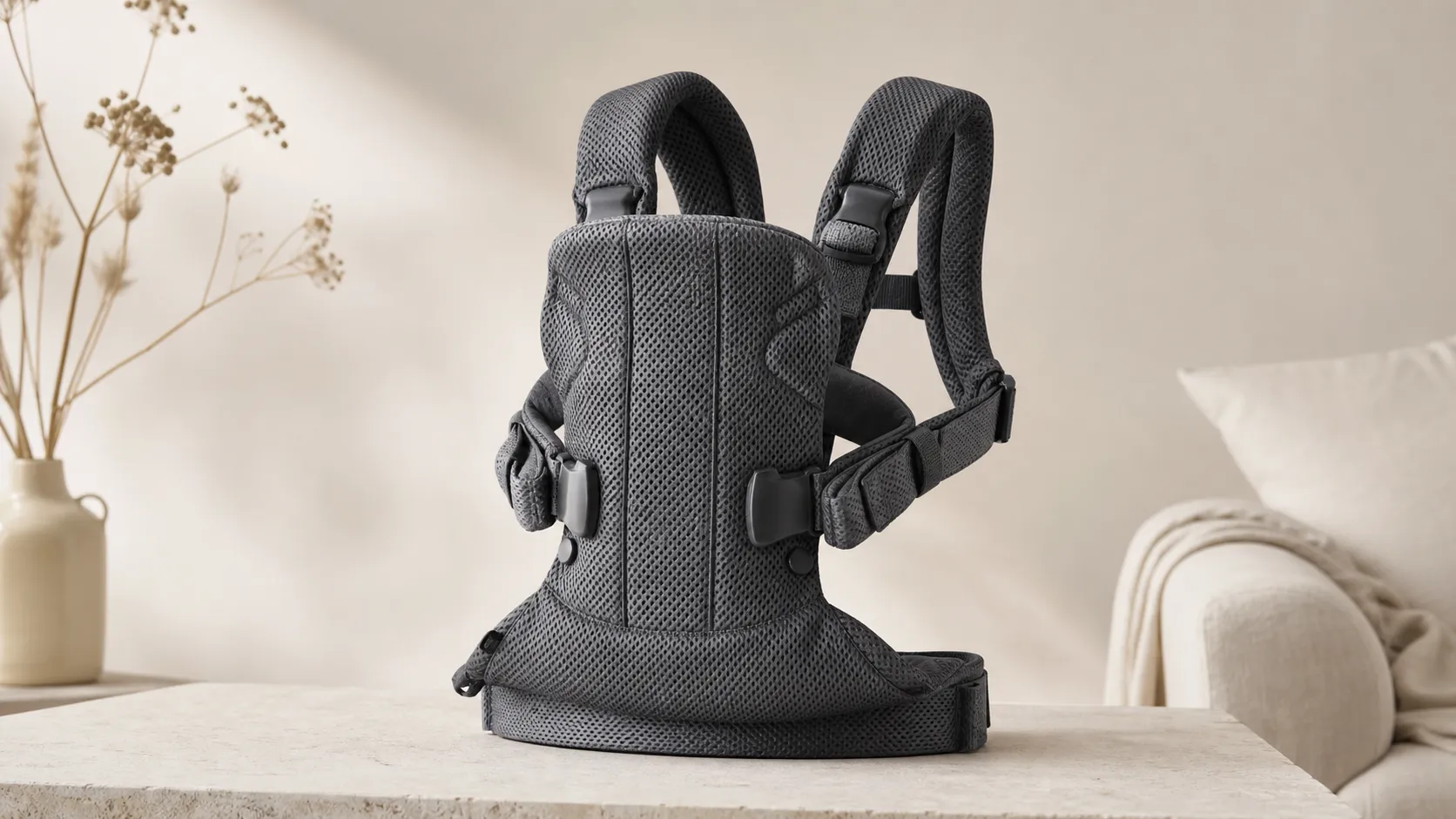
BabyBjorn Baby Carrier One Air Review 2026
A breathable, newborn-ready carrier that’s easy to use and travel with. Great for short-to-medium carries and warm weather, but less ideal for long, heavy-duty use.