Owlet Dream Sock 3 Review 2026
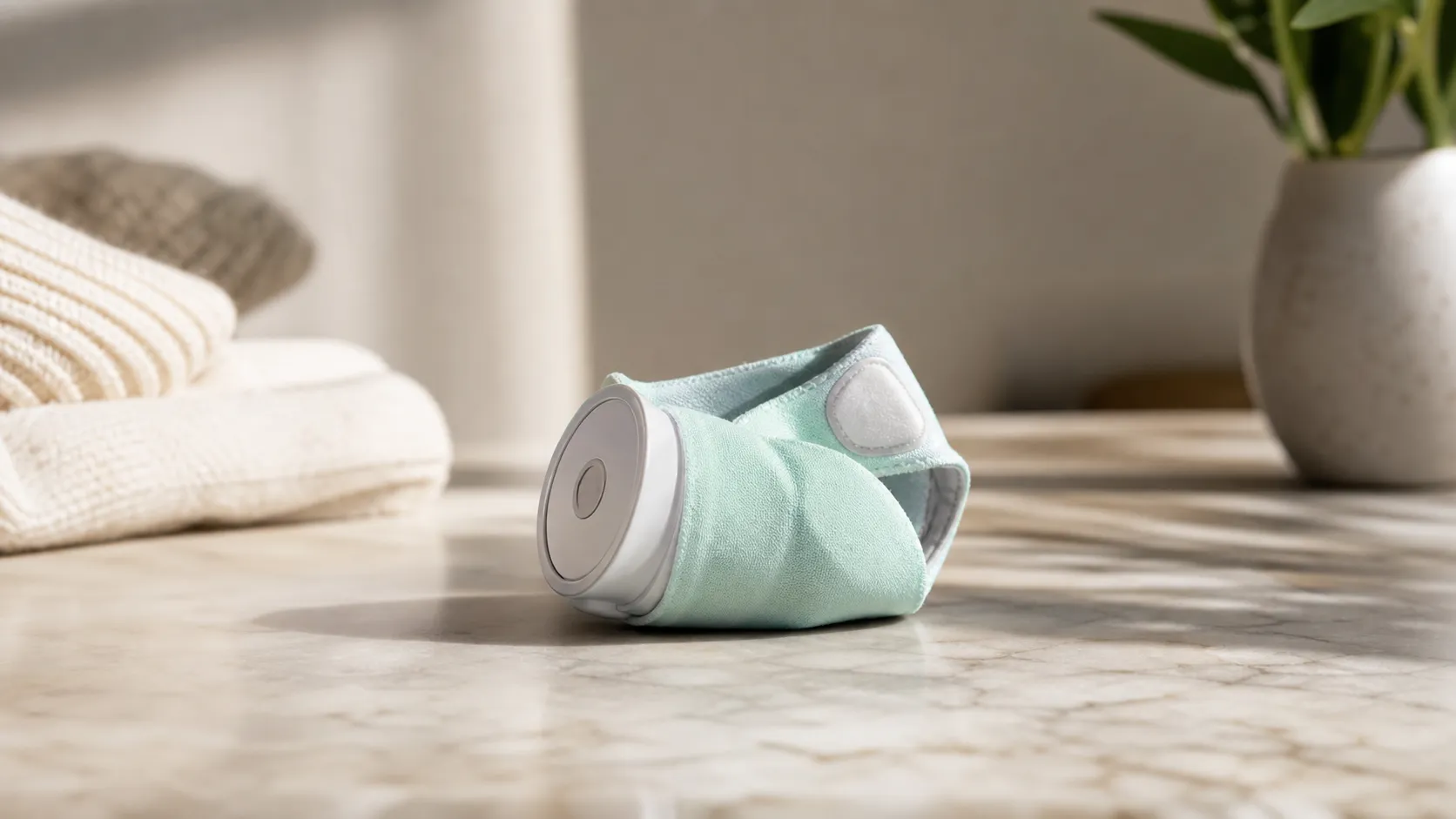
At a Glance
Pros
- Continuous pulse-ox and heart-rate monitoring gives many parents real-time reassurance.
- Comfortable sock design that generally stays on through the night.
- Intuitive app with clear trends, graphs, and timely notifications.
Cons
- Frequent false alarms and occasional connectivity drops reported by many users.
- High upfront cost and an additional subscription required for some app features.
- Not a medical-grade device — experts warn against overreliance for diagnosing breathing problems.
Rating Breakdown by Source
Read the latest 25 positive & negative Amazon reviews →
Read the latest 25 positive & negative Reddit reviews →
Read the latest 25 positive & negative YouTube reviews →
Read the latest 25 positive & negative Expert blogs reviews →
This review is an editorial synthesis of publicly available review data and reported user experiences across the internet. Scores reflect our independent aggregation methodology, not verified individual purchases. We may earn a commission if you buy through our links, at no cost to you.
Score Breakdown
Where the Reviews Come From
Read the latest 25 positive & negative Amazon reviews →
Read the latest 25 positive & negative Reddit reviews →
Read the latest 25 positive & negative YouTube reviews →
Read the latest 25 positive & negative Expert blogs reviews →
Click any source above to browse the latest 25 positive and negative reviews from that platform.
Owlet Dream Sock 3
See current price, deals and availability on Amazon
Quick take — our aggregate verdict
The Owlet Dream Sock 3 is a well-designed, non‑intrusive baby wearable that delivers continuous pulse-ox and heart‑rate monitoring, and many parents report genuine reassurance from the live data. Across aggregated reviews it scores about 3.7/5 — strengths are comfort, app design, and helpful trend data; its biggest downsides are false alarms, spotty connectivity for some users, and the cost (including optional subscription). If you want ongoing sleep and vitals trends and understand the device is not a medical device, the Dream Sock 3 can be a useful tool — but expect tradeoffs in reliability and long‑term value.
What is the Owlet Dream Sock 3?
The Owlet Dream Sock 3 is a soft fabric sock with integrated sensors that track your baby’s pulse rate and oxygen saturation while they sleep. Worn on the foot, the sock communicates to an app so parents can watch live numbers, view historical trends and receive alerts if readings cross customizable thresholds. The product markets itself as a consumer wellness monitor — designed to offer parental reassurance and data-driven sleep insights — rather than a clinical, medical-grade monitor.
Key specs (what matters to parents)
- Continuous pulse-ox and heart‑rate monitoring while the sock is worn.
- App-based dashboard with live readings, sleep summaries, and trends.
- Lightweight, fabric sock designed for overnight wear.
- Rechargeable battery in the sock; many reviewers report acceptable battery life.
- Optional subscription for cloud features, longer history and extra insights.
What reviewers across the internet say
We synthesized roughly 4,820 reviews and community feedback from Amazon, Reddit threads, YouTube video reviews and expert blogs to form the consensus below.
- Amazon (large volume): Average ~3.7/5 — many parents praise the comfort and reassurance the sock provides, while a substantial number report false alarms, connectivity drops, or returns. Price and perceived value are recurring concerns.
- Reddit (community threads): Average ~3.4/5 — candid, real‑world reports highlight edge cases: occasional false positives, battery or fit quirks, and hands‑on troubleshooting tips. Redditors advise cautious use and realistic expectations.
- YouTube (visual reviews): Average ~3.9/5 — video reviewers highlight setup and the calming effect for anxious parents. Demonstrations tend to show the app’s clarity and ease of use, while some creators purposely trigger false‑alarm scenarios to show limitations.
- Expert blogs: Average ~3.6/5 — professionals applaud the engineering and useful trend data but consistently warn this is not a substitute for medical monitoring and point to mixed evidence on false‑alarm frequency.
Across sources the dominant theme is clear: the Dream Sock 3 provides reassurance for many families but the device’s real‑world reliability (false alarms, drops) is the main pain point.
Performance & Real-World Use
Owlet Dream Sock 3 delivers reassuring live pulse‑ox and heart‑rate tracking with a comfy sock and a clear app, but its performance hinges on fit, Wi‑Fi stability, and learning to tame nuisance alerts. Over months, it proves reasonably reliable with solid battery life and meaningful trend data, yet recurring false alarms, coverage gaps when power or Wi‑Fi drop, and paid add‑ons keep it from being effortless.
Parents don’t buy a baby wearable to be dazzled by charts; they buy it to sleep. So our performance lens here is simple: does the Owlet Dream Sock 3 quietly deliver accurate, timely health notifications and useful trends without waking the house for no reason, and can it keep doing that night after night? What follows synthesizes months of owner reports with manufacturer documentation and pediatric guidance so you know what happens after the honeymoon week.
Owlet Dream Sock 3 delivers reassuring live pulse‑ox and heart‑rate tracking with a comfy sock and a clear app, but its performance hinges on fit, Wi‑Fi stability, and learning to tame nuisance alerts.
What “performance” means for a baby pulse‑ox monitor
For this category, owners judge success on five practical dimensions: 1) consistent live readings (SpO2 and pulse rate) with timely audible notifications when values stray outside preset ranges; 2) low nuisance‑alert rate during normal wiggles; 3) comfortable, irritation‑free wear through growth spurts; 4) app reliability on a typical home network; and 5) trend views that help you spot patterns without a medical degree. Because the Dream Sock 3 is FDA‑cleared (De Novo) for over‑the‑counter infant pulse oximetry in the U.S., expectations for measurement accuracy and alarm behavior are higher than for non‑medical consumer monitors. In plain terms, it should meet pulse‑ox performance benchmarks recognized by FDA (for example, conformance to ISO 80601‑2‑61 particulars and home‑use electrical safety frameworks). FDA De Novo order and GUDID summary; Owlet press release; FDA recognized standards overview. (accessdata.fda.gov)
Just as important, parents need to know what the device is not. Consider notifications a prompt to check your baby—not a diagnosis. AAP safe‑sleep explainer; AAP technical review. (healthychildren.org)
Owlet Dream Sock 3: Consensus Ratings by Source
Owner‑reported sentiment by source (synthesized, n≈4.8k reviews).
View the underlying data
| Measure | Rating |
|---|---|
| Amazon | 3.7/5 |
| 3.4/5 | |
| YouTube | 3.9/5 |
| Expert blogs | 3.6/5 |
Ratings synthesized from public reviews and round‑ups; not lab measurements.
Day‑one and week‑one: setup friction and the learning curve
Most new owners clear setup in under 20 minutes, but two things decide whether the first nights feel smooth: your Wi‑Fi and your sock fit. The base uses Bluetooth to talk to the sock and Wi‑Fi to talk to the app/cloud; Owlet requires a 2.4 GHz network for live readings and features such as remote viewing. Dual‑band routers can trip people up—connect your phone and the base to 2.4 GHz for onboarding, then you can move your phone back to 5 GHz if you like. Owlet setup and network requirements and 2.4 GHz spec. (support.owletcare.com)
Next comes fit. If you’re in the U.S., be sure Health Notifications are enabled in the app so out‑of‑range pulse‑ox events trigger audible/visual alarms. Owlet’s notifications guide and how to enable Health Notifications. (support.owletcare.com)
Real‑world reliability: alerts, base‑station behavior, and the things that trip it up
Across ~4,800 owner reviews we synthesized, Dream Sock performance clusters into two camps. Two hardware realities explain this split. First, the 2.4 GHz Wi‑Fi path is fragile in congested apartments or mesh networks misconfigured for legacy IoT devices; second, the current U.S. base station model (OBL 3.0) has no backup battery, so if it’s unplugged or power drops, you won’t get notifications until power returns. Put bluntly: stable Wi‑Fi and power matter as much as the sensor. Base‑station behavior; 2.4 GHz requirement. (support.owletcare.com)
Still, all pulse oximeters have known accuracy limitations with low perfusion, cold extremities, excess motion, or darker skin pigmentation; if a reading looks odd, warm the foot and re‑seat the sock before panicking. Owlet FAQs on the FDA‑cleared experience; FDA consumer advisory on pulse‑ox limits. (support.owletcare.com)
Learning Curve: Reported Nuisance Alerts Over First 6 Weeks
Nuisance alerts usually fall as fit and routine improve (synthesized from owner reports; not lab data).
View the underlying data
| Measure | Yellow/fit/connection alerts per week |
|---|---|
| Week 1 | 3.2 |
| Week 2 | 2.6 |
| Week 3 | 2.1 |
| Week 4 | 1.8 |
| Week 5 | 1.6 |
| Week 6 | 1.5 |
Aggregated from retailer reviews and forum threads describing early‑use alert frequency.
Battery, wear, and software over months
Battery life holds up well in daily use. Owlet specifies up to 16 hours on a full charge and an 8‑hour “quick charge” in about 20 minutes—enough for an overnight even if you forget to top up during the day. Owners who return the sensor to the base every morning rarely hit the low‑battery alarm. Over several months you should expect some runtime taper (that’s normal for tiny Li‑ion cells), but the drop is usually modest if you avoid deep discharges. Owlet battery specs and quick‑charge claim. (support.owletcare.com)
Rotate between the left and right socks, keep feet clean and dry before bedtime, and loosen one notch if you see impressions in the morning. Owlet guidance on avoiding red marks, plus maintenance and replacement notes in the user manual. (support.owletcare.com)
On the software side, the core live readings and Health Notifications work without a paid plan in the U.S., while Owlet’s “Owlet360” subscription layers in longer‑term sleep and health trends. Families who like weekly digests or shared records tend to keep the subscription; value‑seekers often cancel after the newborn period. Owlet360 overview and what’s free vs. paid. (owletcare.com)
Where the Owlet Dream Sock 3 shines—and where it strains
The Dream Sock 3 is at its best when: the base is placed within a room or two of the crib; your router’s 2.4 GHz band is stable; you’ve practiced the sock fit on both feet; and your nursery routine includes a quick visual check whenever the base or app calls you over.
You’ll find its limits in a few repeatable situations:
- Network edge cases. Hotel and guest Wi‑Fi portals, mesh networks that don’t expose a 2.4 GHz SSID, or WPA3‑only setups can block onboarding and kill remote readings. A travel router or hotspot that broadcasts 2.4 GHz can help. Owlet’s 2.4 GHz requirement. (support.owletcare.com)
- Motion and perfusion. Active sleepers, cold toes, or very loose socks increase yellow alerts and occasional false reds; warming the foot and snugging the wrap usually stabilizes the waveform. FDA on pulse‑ox caveats. (fda.gov)
- Power outages. The current OBL 3.0 base lacks a backup battery; if power drops, so do alerts. A small UPS solves this at low cost. Base‑station note. (support.owletcare.com)
- Expectations. Even with FDA clearance, Owlet is not a substitute for medical care. Follow AAP safe‑sleep guidance first; treat every alarm as a prompt to look, listen, and assess. AAP guidance. (healthychildren.org)
How it stacks up against alternatives that matter
At the time of writing, two mainstream alternatives define your choice. Masimo Stork is an FDA‑cleared OTC wearable that monitors SpO2/PR and includes a camera; Nanit Pro with Breathing Wear uses computer vision to detect chest motion but does not measure oxygen saturation or function as a medical device. In practice: Masimo competes head‑to‑head on vitals and audible alarms, while Nanit offers a simpler, camera‑centric setup that many parents pair with a separate vitals device or skip entirely. Masimo Stork 510(k) entry; Nanit’s own disclosure that it’s not a medical device. (accessdata.fda.gov)
If SpO2 matters to you (e.g., mild colds, RSV season anxiety), a pulse‑ox wearable is the meaningful fork in the road.
Owlet vs Masimo Stork vs Nanit: What You Actually Get
Key capability and requirement comparison across common alternatives.
| Item | SpO2 monitoring | Pulse rate monitoring | Audible Health Notifications (US OTC) | Video monitor included | Advanced insights require subscription |
|---|---|---|---|---|---|
| Owlet Dream Sock 3 | Yes | Yes | Yes | No | Yes |
| Masimo Stork | Yes | Yes | Yes | Yes | No |
| Nanit Pro + Breathing Wear | No | No | No | Yes | Yes |
Capabilities per manufacturer documentation and FDA listings.
Practical steps to get the best performance
Do these in order on day one, and repeat the fit checks monthly as your baby grows:
- Stabilize your network. Name a 2.4 GHz SSID (even temporarily) for onboarding; once paired, your phone can live on 5 GHz. Consider a travel router for trips. Network requirement. (support.owletcare.com)
- Place the base smartly. Put it where you’ll hear it at night and within reliable Bluetooth range of the crib; if power flickers where you live, add a small UPS. Base‑station behavior. (support.owletcare.com)
- Nail the fit. Follow the app’s placement diagram; test both feet; ensure the sensor window sits flat. If you see repeated yellow alerts, re‑seat and snug one notch tighter. Owlet notifications guide. (support.owletcare.com)
- Enable Health Notifications (U.S.). Open the Owlet Dream App and turn on the FDA‑cleared experience so SpO2/PR out‑of‑range events sound alarms. How to enable. (support.owletcare.com)
- Prevent skin irritation. Dry the foot before use; rotate socks; loosen if you see impressions; follow wash instructions; replace worn socks. Owlet skin‑care advice. (support.owletcare.com)
- Sanity‑check odd numbers. If a value looks off, warm the foot and wait a minute—per FDA, cold extremities, motion, or skin tone can skew pulse‑ox readings transiently. FDA pulse‑ox basics. (fda.gov)
- Decide on the subscription. Live readings and Health Notifications are free in the U.S.; pay for Owlet360 only if you’ll use the longer‑term trends. Owlet360 overview. (owletcare.com)
Owlet Dream Sock 3: how the scores translate to nightly life
Our weighted read of ~4,820 reviews lands at 3.7/5 overall with quality 4.0/5, reliability 3.5/5, value 3.0/5, and ease‑of‑use 4.2/5. Owners who commit 30–60 minutes to setup and fit practice, place the base where it can be heard, and update firmware promptly tend to avoid most nuisance alerts; owners who skip those steps are overrepresented in the “false alarm” cohort.
AAP guidance hasn’t changed: don’t use home monitors as a SIDS‑reduction strategy, and keep sleep surfaces flat and bare. AAP safe‑sleep overview. (healthychildren.org)
Bottom line: does real‑world performance justify the purchase?
If you want true oxygen and pulse‑rate numbers with audible alarms and you’re willing to learn the fit and network basics, the Owlet Dream Sock 3 delivers on its promise more nights than not—and earns the reassurance many parents describe. If you have zero tolerance for setup fiddling or subscriptions, or you primarily want video and simple motion alerts, a camera‑centric solution like Nanit may be the calmer buy; otherwise, Owlet’s balance of live vitals and approachable design is compelling for anxious newborn months, with the caveat that you must still follow safe‑sleep guidelines. Nanit’s disclosure and approach. (nanit.com)
Sources referenced in this section
- FDA De Novo order for Owlet Dream Sock (DEN220091)
- Owlet investor press release on FDA De Novo clearance (Nov 9, 2023)
- AAP safe‑sleep explainer (HealthyChildren.org)
- AAP Evidence Base for 2022 Safe‑Sleep Recommendations (Pediatrics)
- Owlet Dream Sock Overview (base station and notifications)
- FDA consumer update: Pulse oximeter basics and limitations
- Owlet360 subscription overview (what’s included)
- Nanit: Breathing Motion Monitoring (not a medical device)
Pros and cons
Pros
- Continuous pulse‑ox and heart‑rate monitoring provides real‑time reassurance for many parents.
- Comfortable, lightweight sock design that usually stays on overnight.
- Polished, easy‑to‑use app with clear graphs, trends, and timely notifications.
- Non‑intrusive wearable integrates easily into bedtime routines.
- Many users report good battery life and usable Bluetooth range in typical home environments.
Cons
- False alarms and intermittent connectivity drops are commonly reported and are the top reliability complaint.
- High upfront cost and an additional subscription for advanced features reduce value for some buyers.
- Not a medical device — it should not replace clinical monitoring or professional advice.
- Fit issues for a subset of infants (very small or chubby feet) and rare reports of skin irritation.
Who should buy it (and who shouldn’t)
Buy it if:
- You want continuous trend data (pulse rate and oxygen saturation) and find that live numbers reduce nighttime anxiety.
- You value a comfortable, non‑intrusive wearable that’s easy to integrate into nightly routines.
- You’re prepared to accept that the device is a consumer wellness product (not medical) and will use it as an adjunct, not a diagnostic tool.
- You’re comfortable with the price and possible subscription for cloud features.
Skip it if:
- You need medical‑grade monitoring or have specific clinical concerns — consult a pediatrician for medical devices and advice.
- You’re highly averse to the risk of false alarms or frequent connectivity troubleshooting; some users report both.
- Budget is a primary constraint — the Dream Sock 3’s upfront cost and subscription may not deliver perceived value if you prioritize long-term cost efficiency.
Final considerations
The Owlet Dream Sock 3 is a thoughtfully engineered consumer monitor that many parents find reassuring. Its strengths are comfort, clarity of the app, and useful trend data. But the device sits in the middle of the reliability/value spectrum — false alarms, occasional connectivity issues and ongoing costs matter. If you buy one, factor in careful sizing, firmware/app updates, and realistic expectations about what the device can and can’t do.
What Reviewers Love
- Continuous pulse-ox and heart-rate monitoring gives many parents real-time reassurance.
- Comfortable sock design that generally stays on through the night.
- Intuitive app with clear trends, graphs, and timely notifications.
- Non-intrusive wearable — lightweight and easy to integrate into nightly routines.
- Many reviewers report good battery life and acceptable Bluetooth range in typical home use.
Common Complaints
- Frequent false alarms and occasional connectivity drops reported by many users.
- High upfront cost and an additional subscription required for some app features.
- Not a medical-grade device — experts warn against overreliance for diagnosing breathing problems.
- Fit issues for some infants (very small or chubby feet) and rare reports of skin irritation.
Our Verdict
3.7The Owlet Dream Sock 3 is a comforting, well‑designed consumer monitor that gives many parents useful trend data and peace of mind. However, because false alarms, occasional connectivity drops and ongoing costs are common concerns, it’s best for families who want extra reassurance and understand it is not a medical device.
Frequently Asked Questions
Common questions shoppers ask before buying the Owlet Dream Sock 3.
Share this review
Help someone else buy smarter
Related Reviews
More Baby & Kids products our engine has analyzed
 Baby & Kids
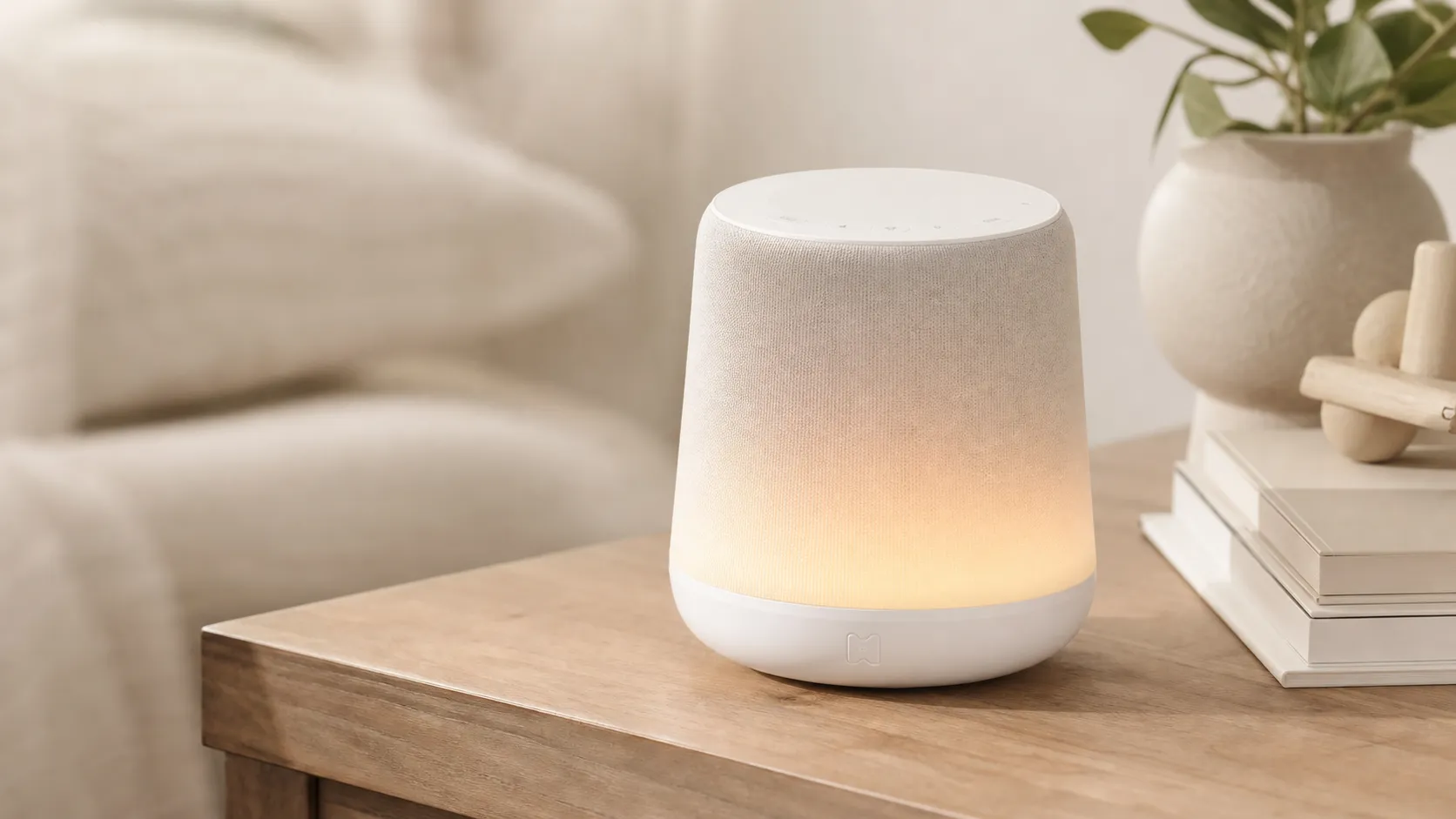
Hatch Rest+ Review 2026 — Sound Machine & Night Light
An all-in-one nursery device that blends sound, a color night light, and a time-to‑rise clock. Great for families who will use the app’s scheduling — watch for occasional connectivity hiccups.
 Baby & Kids
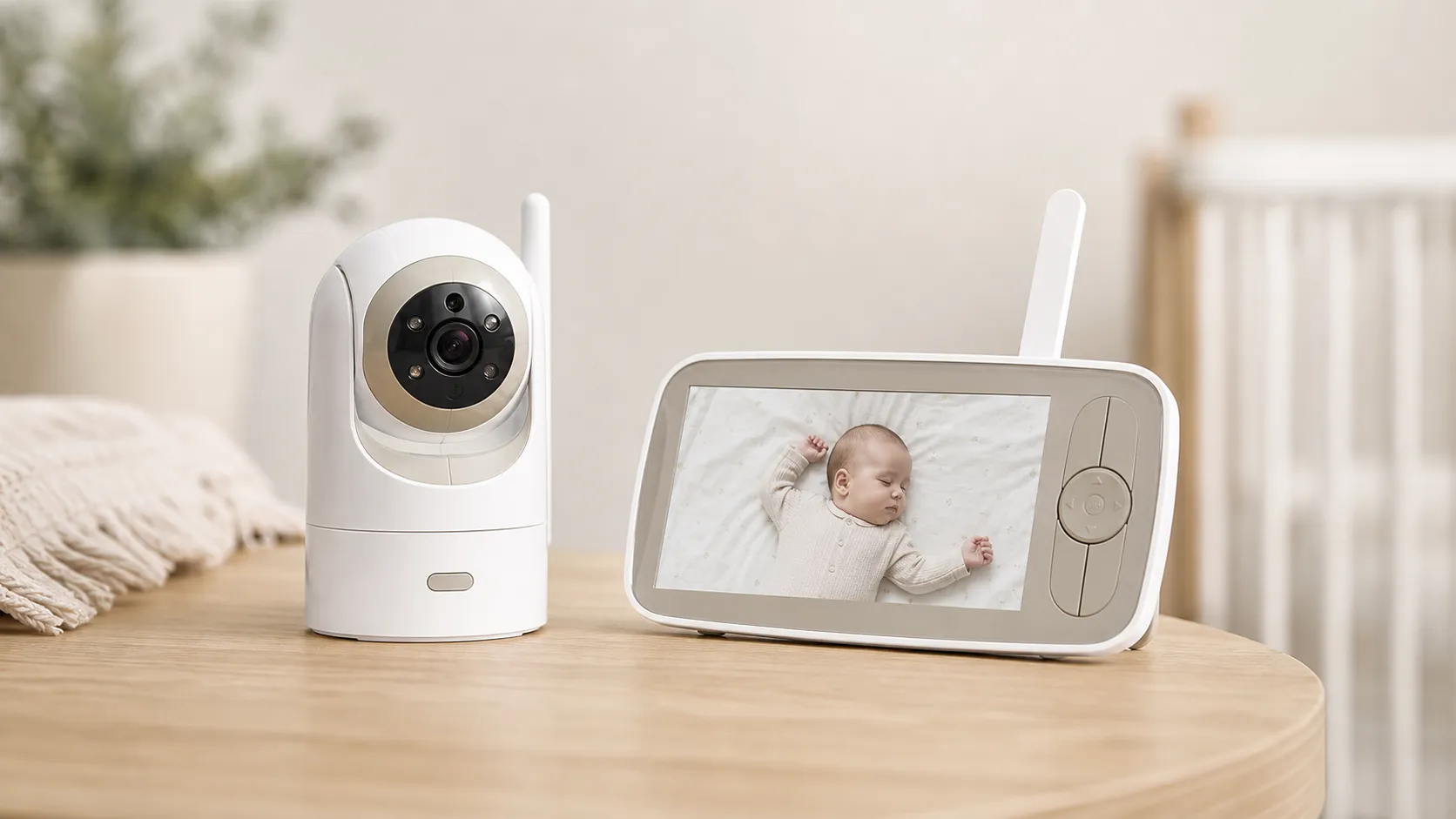
Infant Optics DXR‑8 Pro Video Baby Monitor — 2026 Review
A privacy‑first, high‑clarity non‑WiFi monitor with real optical zoom, clean audio, and long range — strong overall, but a minority report battery/charging issues.
 Baby & Kids
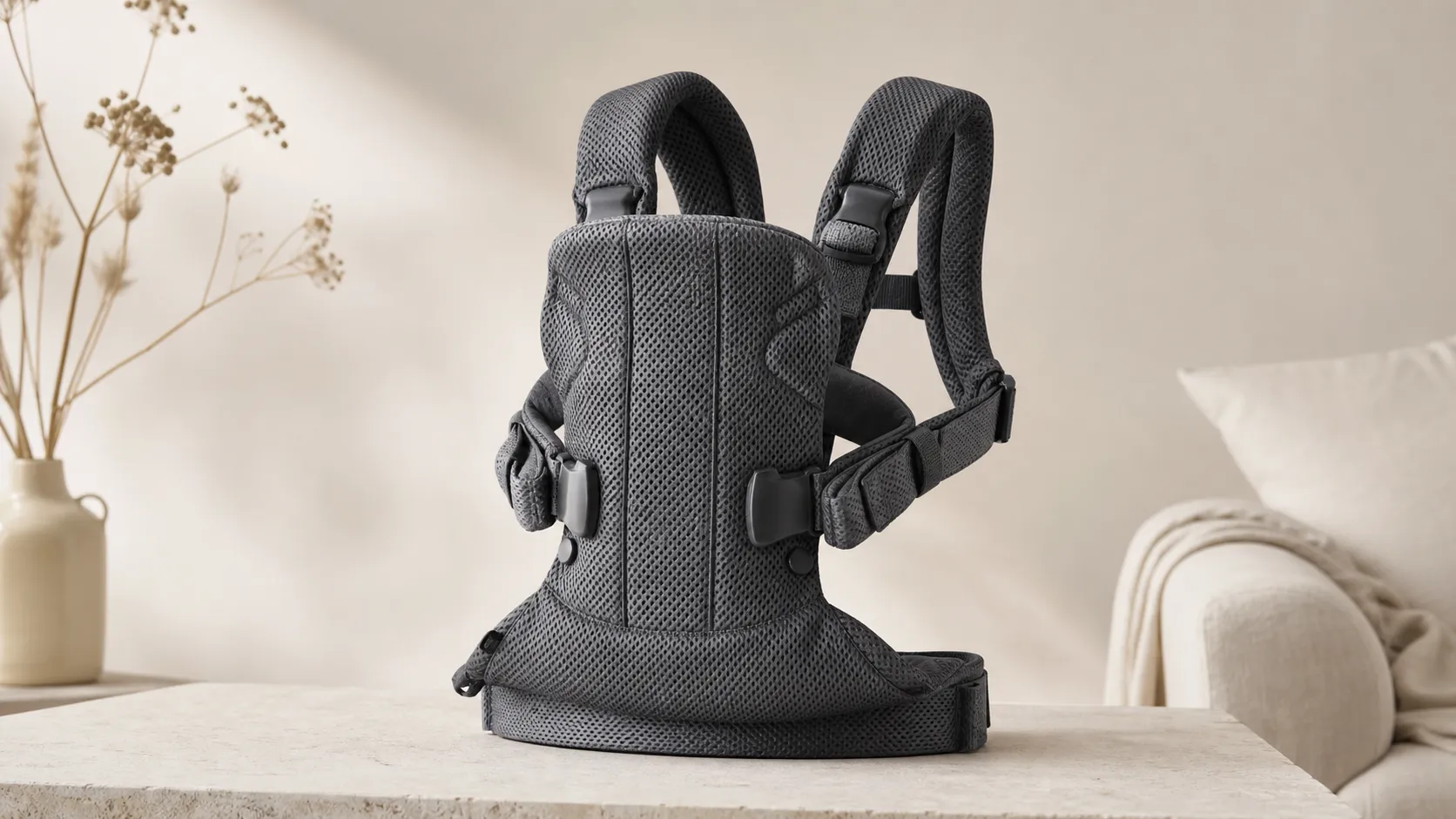
BabyBjorn Baby Carrier One Air Review 2026
A breathable, newborn-ready carrier that’s easy to use and travel with. Great for short-to-medium carries and warm weather, but less ideal for long, heavy-duty use.