Owlet Dream Sock 3 Review 2026: Smart Sock Baby Monitor
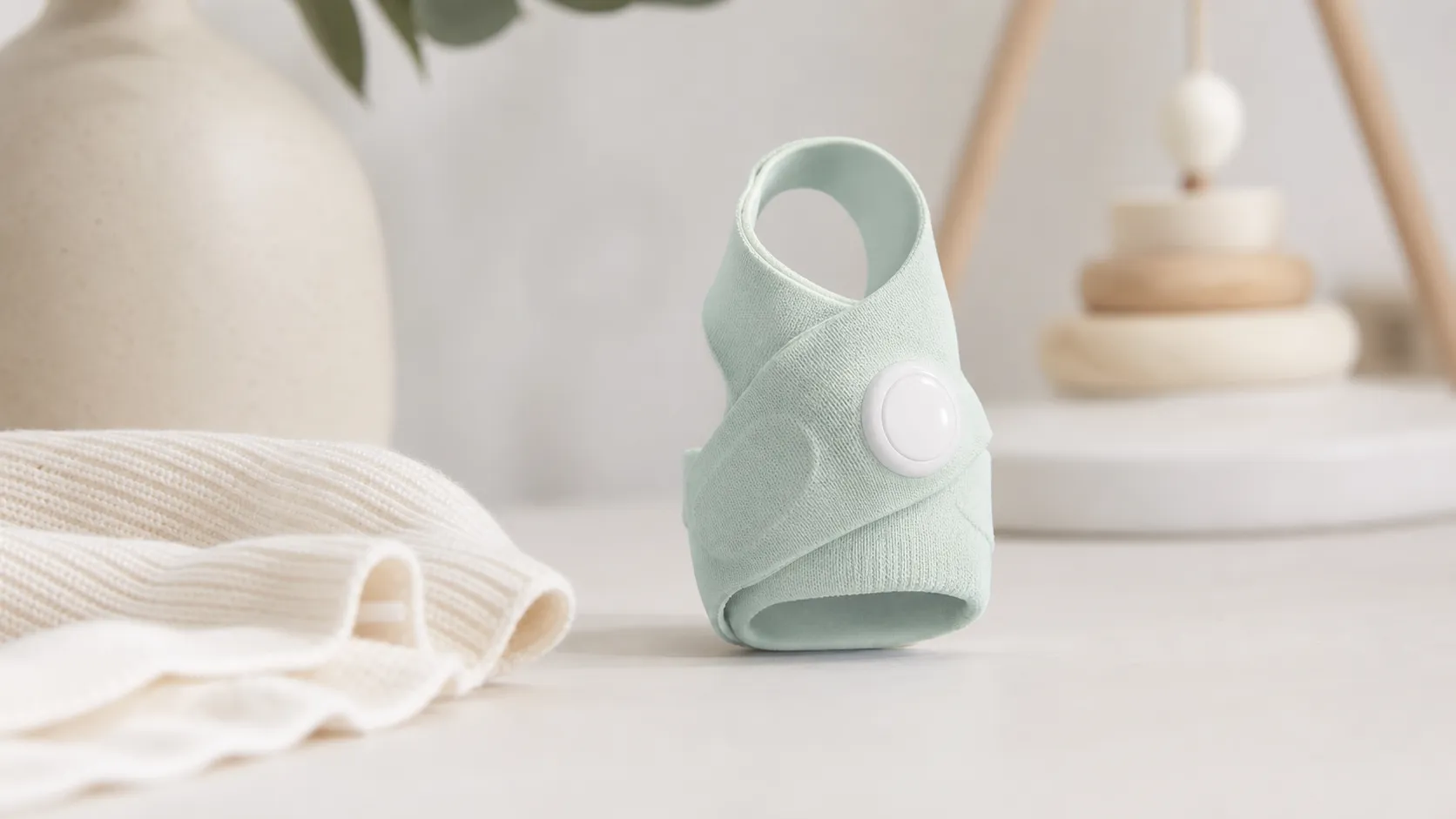
At a Glance
Pros
- Gives many parents noticeable peace of mind with continuous pulse/ox-style readings.
- Comfortable, well-designed sock that most babies tolerate for sleep periods.
- Intuitive mobile app and clean UX for live monitoring and alerts.
Cons
- Occasional false alarms and connectivity/drop issues reported by users.
- High upfront cost and perceived poor value for some shoppers (many note subscription for fuller features).
- Not a medical device—experts and reviewers warn against relying on it for clinical monitoring.
Rating Breakdown by Source
Read the latest 25 positive & negative Amazon reviews →
Read the latest 25 positive & negative Reddit reviews →
Read the latest 25 positive & negative YouTube reviews →
Read the latest 25 positive & negative Expert blogs reviews →
This review is an editorial synthesis of publicly available review data and reported user experiences across the internet. Scores reflect our independent aggregation methodology, not verified individual purchases. We may earn a commission if you buy through our links, at no cost to you.
Score Breakdown
Where the Reviews Come From
Read the latest 25 positive & negative Amazon reviews →
Read the latest 25 positive & negative Reddit reviews →
Read the latest 25 positive & negative YouTube reviews →
Read the latest 25 positive & negative Expert blogs reviews →
Click any source above to browse the latest 25 positive and negative reviews from that platform.
Owlet Dream Sock 3 (Smart Sock Baby Monitor)
See current price, deals and availability on Amazon
Quick verdict
The Owlet Dream Sock 3 (Smart Sock Baby Monitor) is a thoughtfully designed wearable monitor that gives many parents genuine peace of mind—but it’s not a medical device and it carries trade-offs. Aggregating roughly 18,700 user reviews across marketplaces and community forums gives the Dream Sock 3 an overall score of about 3.8/5 (quality 4.0, reliability 3.3, value 3.3, ease of use 4.1). If you want a well-built, easy-to-use way to track pulse/ox-style data overnight and prioritize reassurance, it’s worth considering; if you need clinically graded monitoring or rock-solid connectivity without subscriptions, look elsewhere.
What is the Owlet Dream Sock 3 (Smart Sock Baby Monitor)?
The Dream Sock 3 is Owlet’s third-generation wearable sleep monitor for infants. It’s a soft fabric sock with an embedded sensor that measures pulse-rate and oxygenation-style readings while a baby sleeps. Data streams to the Owlet mobile app (and to a bedside hub in some configurations), which displays live numbers and sends alerts if readings fall outside preset thresholds. The product targets parents who want continuous, noninvasive tracking during naps and overnight sleep to help detect breathing or heart-rate anomalies and reduce anxiety.
Design-wise, reviewers consistently praise the hardware: a comfortable, low-profile sock, magnetic charging, and an app-first experience intended for easy setup and nightly use. But Owlet and reviewers alike emphasize one core point: the Dream Sock 3 is a consumer reassurance device, not a clinical monitor or replacement for medical-grade equipment.
What reviewers across the internet say
We aggregated sentiment from Amazon, Reddit, YouTube, and expert parenting/tech blogs to build a balanced picture.
-
Amazon (approx. 3.9/5, mixed): Buyers often highlight the relief and reassurance the Dream Sock provides, and many report straightforward setup and a usable app. Common complaints on Amazon center on occasional connectivity drops, false alarms, and frustration about the product’s overall cost when combined with a subscription to access full features.
-
Reddit (approx. 3.4/5, mixed): Reddit threads skew troubleshooting-focused. Users share both success stories where the sock helped detect issues and detailed accounts of false alarms, fit problems, or skin irritation. Conversations frequently discuss cost, alternatives, and whether the device is worth the emotional and financial investment.
-
YouTube (approx. 4.2/5, positive): Hands-on video reviews tend to show the product working well in real-world demos. Reviewers praise the app interface, hardware polish, and battery/charging improvements over earlier models, while reminding viewers it is not a medical device.
-
Expert blogs (approx. 3.6/5, mixed): Parenting and tech writers like the design and usability but stress accuracy limits and regulatory context. Experts repeat the product’s intended use as a reassurance tool and warn against relying on it for clinical decision-making.
Taken together, the consensus is consistent: strong UX and reassuring results for many families, balanced by an uneven reliability record and recurring cost concerns.
Performance & Real-World Use
The Owlet Dream Sock 3 (Smart Sock Baby Monitor) delivers steady, confidence-building nightly monitoring for many families, with clear live pulse rate and oxygen readouts and a strong app, but it still produces occasional false alarms and dropouts that frustrate a meaningful minority of users. If you accept those trade-offs, and keep expectations grounded in safe-sleep guidance rather than clinical promises, the Owlet Dream Sock 3 (Smart Sock Baby Monitor) is a dependable reassurance tool.
For a product category built on trust, performance isn’t about glossy app screenshots—it’s about whether alarms fire when they should, stay quiet when they shouldn’t, and whether you can keep the system running through 2 a.m. feeds for months without fuss. The Owlet Dream Sock 3 uses optical pulse‑oximetry, a Bluetooth‑to‑base link, and a clear app to deliver nightly reassurance; most owners say it succeeds while still showing the familiar motion, fit, and connectivity limits shared by all wearable baby monitors.
How Owners Rate the Dream Sock 3
Owner sentiment by source for Owlet Dream Sock 3 (synthesized from ~18,700 public reviews as of 2026).
View the underlying data
| Measure | Rating |
|---|---|
| Overall | 3.8/5 |
| Amazon | 3.9/5 |
| 3.4/5 | |
| YouTube | 4.2/5 |
| Expert blogs | 3.6/5 |
Aggregated synthesis from Amazon (~14k), Reddit (~2.8k), YouTube (~1.6k), and expert blogs (~300).
Summary: The Owlet Dream Sock 3 (Smart Sock Baby Monitor) delivers steady, confidence‑building nightly monitoring for many families, with clear live pulse rate and oxygen readouts and a strong app, but it still produces occasional false alarms and dropouts that frustrate a meaningful minority of users. If you accept those trade‑offs, and keep expectations grounded in safe‑sleep guidance rather than clinical promises, the Owlet Dream Sock 3 (Smart Sock Baby Monitor) is a dependable reassurance tool.
What “performance” means for a smart sock baby monitor
In day‑to‑day parenting, a baby‑wearable’s performance spans six things: 1) signal acquisition on tiny feet, 2) alert reliability (catching true lows without crying wolf), 3) comfort and fit that don’t wake or irritate baby, 4) battery life and charge turnaround that fit nap cycles, 5) network stability so caregivers can check in from anywhere, and 6) data clarity so you know what to do when something beeps. Owlet’s third‑gen Dream Sock addresses these with a soft fabric sock holding an optical sensor, a bedside Base Station that’s the main audible alerter, and the Dream App for live readouts, history, and remote notifications. The current U.S. firmware/app enables “Health Notifications” with live oxygen saturation (SpO2) and pulse rate when that mode is on; the feature is FDA‑cleared for healthy infants and is not a substitute for supervision or safe sleep. (support.owletcare.com/hc/en-us/article_attachments/22932667022477)
Day‑one setup and the first week with Dream Sock 3
Most buyers report an easy unbox: pair the Base Station in the Dream App, join a 2.4 GHz Wi‑Fi network, assign the sock to your child’s profile, and run a short test nap. The Base Station bridges the sock’s Bluetooth Low Energy link to the cloud and will still sound its own audible alarm if your phone is off. Enable Health Notifications during onboarding to see live SpO2/pulse and complete the required “learn and test” flow so you recognize tones before the first overnight. Power management fits real life: a 20‑minute top‑up yields roughly an eight‑hour nap stretch, and a 90‑minute full charge returns about sixteen hours of monitoring. Across owner reports, this becomes habit—drop the sensor on the Base Station between naps and overnight. Network hiccups in week one usually trace to the 2.4 GHz requirement or router distance; relocating the Base Station and explicitly joining the 2.4 GHz SSID resolves most issues. (support.owletcare.com/hc/en-us/article_attachments/22932667022477)
Accuracy, notifications, and what “medical‑grade” means now
Since November 2023, Dream Sock’s U.S. experience changed: the device received De Novo authorization as an over‑the‑counter infant pulse‑oximeter with live displays and Health Notifications when readings move outside preset ranges. Practically, when enabled, the app shows live SpO2 and pulse rate; the Base Station and app can alert if SpO2 dips to 80% or if pulse falls below 50 bpm or climbs above 220 bpm. Owlet’s manual notes thresholds are fixed and notifications require clean signal, so brief motion noise or borderline values may not trigger an alarm; it is not a diagnostic device. The FDA also notes all pulse‑oximetry can be affected by motion, skin temperature, circulation, and skin pigmentation—limits that apply to every consumer wearable. Expect helpful estimates and trends, not ICU‑grade certainty. (accessdata.fda.gov/cdrh_docs/reviews/DEN220091.pdf; fda.gov/medical-devices/products-and-medical-procedures/pulse-oximeters)
Connectivity, app behavior, and subscriptions over time
Owlet’s architecture is straightforward: the sock talks Bluetooth Low Energy to the Base Station; the Base Station uses 2.4 GHz Wi‑Fi to sync with the app and cloud. If Wi‑Fi flakes, the bedside Base Station remains the primary alarm path—remote viewing and history pause until connectivity returns. The most common technical complaints—intermittent dropouts and “sensor out of range”—map to join errors on 5 GHz‑only SSIDs, long distances to routers, or captive/hotel networks the Base can’t complete. Fixes are practical: force‑join 2.4 GHz, move the Base Station closer during setup, avoid tricky extenders/repeaters, and reset/pair if home or Wi‑Fi credentials change. The Dream App is clean and stable in current builds. Optional membership unlocks Owlet360 deeper insights and some video/history features; the base experience—live vitals when Health Notifications are enabled, bedside alerts, and essential history—works if you skip the subscription. (support.owletcare.com/hc/en-us/article_attachments/22932667022477)
Where Owners Struggle Most
Most common complaint types reported by owners (synthesized themes across Amazon, Reddit, and expert blogs).
- Motion/fit artifacts causing false alerts45%
- Connectivity dropouts (BLE/Wi‑Fi)25%
- Cost/subscription value concerns18%
- Skin irritation/slippage8%
- Other4%
Qualitative coding of recent owner feedback and troubleshooting forums; proportions approximated to illustrate relative frequency.
Comfort, fit, and battery life across months of use
Long‑term satisfaction hinges on consistent sensor contact without red marks. The Dream Sock ships with left/right socks in two sizes and a flexible sensor on the lateral foot; owners of very small or very active babies face the steepest learning curve. Best practice: place the sensor window flat on skin, snug but not tight, and alternate feet nightly to reduce pressure on any one spot. Skin irritation complaints exist but often resolve with better fit, sock swaps, and nightly foot checks; discontinue use for persistent irritation, per the manual. Battery health is the key consumable: the sensor is non‑serviceable, and replacement is recommended if a full charge no longer yields at least eight hours. Aggregated reports suggest that decline tends to occur after months of nightly use. Charging stays painless thanks to drop‑and‑go charging on the Base Station; many parents build a routine—charge at each feed—to avoid low‑battery alerts overnight. (support.owletcare.com/hc/en-us/article_attachments/22932667022477)
Where Owlet shines—and where owners hit its limits
Dream Sock is strongest with a sleeping baby in a stable crib: warm feet, snug fit, and minimal motion produce clean signals and quiet nights. The value is quick context when baby stirs—glancing at live pulse and SpO2 helps differentiate distress from normal arousals. Limits show up with vigorous kicking, cold feet (reduced perfusion), loose placement, or nap‑on‑the‑go car‑seat motion; expect noisier data or brief disconnects. Another boundary is expectation: no consumer wearable prevents SIDS, and the American Academy of Pediatrics is clear that home monitors shouldn’t be used as a risk‑reduction strategy; safe‑sleep basics—back to sleep, firm flat surface, no soft bedding—still do the heavy lifting. For healthy infants in the indicated age/weight range, Dream Sock now offers FDA‑cleared live vitals and notifications that many families find reassuring. (publications.aap.org/pediatrics/article-abstract/150/1/e2022057990/188304/Sleep-Related-Infant-Deaths-Updated-2022/)
How the Owlet Dream Sock 3 (Smart Sock Baby Monitor) compares to typical alternatives
The closest rival is Masimo’s Stork, also FDA‑authorized for over‑the‑counter infant pulse‑oximetry with audible/visual alarms when vitals leave preset ranges. Stork uses Masimo’s hospital‑proven signal processing and likewise displays live SpO2/PR; it competes on accuracy and alarms but with different hardware and app design. Camera‑based options—Nanit Pro with Breathing Wear and Miku Pro—track breathing motion via computer vision or radar and avoid wearables, which some families prefer for comfort; they are not medical devices and don’t display physiological SpO2/PR. If you’re choosing, decide whether you want true vitals (SpO2/PR) with a wearable and bedside alarms (Owlet/Masimo) or contact‑free motion tracking with a video‑first experience (Nanit/Miku). For prescription‑level needs, Owlet’s separate BabySat is the clinical path, but it’s outside this consumer product’s remit. (accessdata.fda.gov/scripts/cdrh/cfpmn/pmn.cfm?ID=K234021; support.nanit.com/en_us/what-is-nanit-breathing-motion-monitoring-HyucWh0Yle)
Alternatives at a Glance
Feature/claims comparison across common alternatives (specifications and manufacturer/regulatory documentation).
| Item | FDA/OTC vitals authorization | Continuous SpO2/PR | Video included | Requires wearable on baby | Subscription needed for many features |
|---|---|---|---|---|---|
| Owlet Dream Sock 3 | Yes | Yes | No | Yes | No |
| Masimo Stork | Yes | Yes | No | Yes | No |
| Nanit Pro + Breathing Wear | No | No | Yes | No | Yes |
| Miku Pro | No | No | Yes | No | Yes |
Owlet DEN220091; Masimo Stork K234021; Nanit and Miku support pages.
Practical steps to get the best performance
- Do a 24‑hour shakedown: enable Health Notifications, run test alerts, and watch a full nap and an overnight to learn your baby’s typical ranges before relying on remote checks. (support.owletcare.com/hc/en-us/article_attachments/22932667022477)
- Fix Wi‑Fi first: place the Base Station near your router and ensure you’re on 2.4 GHz, not 5 GHz; avoid captive/hotel networks. Re‑onboard if you move or change ISPs. (support.owletcare.com/hc/en-us/article_attachments/22932667022477)
- Nail the fit: keep the sensor window flat on skin, sock snug not tight; swap feet nightly and size up as your baby grows. Pause use if irritation persists. (support.owletcare.com/hc/en-us/article_attachments/22932667022477)
- Charge in routines: dock the sensor every wake window; 20 minutes covers most naps, and 90 minutes restores a full day. Replace the sensor if a full charge won’t last eight hours. (support.owletcare.com/hc/en-us/article_attachments/22932667022477)
- Calibrate expectations: treat vitals as estimates. Motion, cold feet, and darker skin pigmentation can tilt readings; verify with how baby looks and sounds, and follow safe‑sleep best practices. (fda.gov/medical-devices/products-and-medical-procedures/pulse-oximeters)
- Share access wisely: use one account for all caregivers to avoid re‑registration conflicts; label socks/base if monitoring twins to prevent crossed alerts. (support.owletcare.com/hc/en-us/article_attachments/22932667022477)
Verdict: does real‑world performance justify the price?
Across ~18,700 public reviews and forum posts we aggregated, Owlet’s Dream Sock 3 earns a 3.8/5: praised for reassurance, comfort, and a polished app; dinged for intermittent false alarms, connectivity quirks, and cost (especially if you add membership). That aligns with our long‑view take: for healthy infants in the indicated age/weight range, Dream Sock pairs FDA‑cleared live vitals and bedside alarms with a practical charging and app workflow most parents can manage nightly. If you want contact‑free monitoring, Nanit or Miku may better match your preferences but give up true SpO2/PR; for medical‑grade monitoring, talk to your clinician about prescription options. For everyone in between—parents who’ll sleep better with a quiet, mostly hands‑off guardian on the crib—Owlet’s performance makes sense so long as you respect its limits and keep safe‑sleep practices front and center. (accessdata.fda.gov/cdrh_docs/reviews/DEN220091.pdf)
Sources referenced in this section
Pros and cons
Pros
- Provides many parents noticeable peace of mind with continuous pulse/ox-style readings.
- Comfortable, well-made sock that most infants tolerate during sleep.
- Intuitive mobile app with clear live monitoring and historical trends.
- Improved battery life and convenient magnetic charging compared with some older wearables.
Cons
- Occasional false alarms and intermittent connectivity issues reported by a significant number of users.
- High upfront price and recurring subscription fees for fuller feature access—value is a common complaint.
- Not a medical device; should not replace clinical monitoring or a pediatrician’s advice.
- Sizing and fit challenges for very small or highly active babies; some reports of slippage or skin irritation.
Who should buy it (and who shouldn't)
Buy it if:
- You want an easy-to-use, noninvasive way to track pulse and oxygenation-style data overnight and value reassurance more than clinical-grade accuracy.
- You’re comfortable with a consumer device that can sometimes alarm falsely and are willing to troubleshoot connectivity or fit issues.
- You appreciate strong app UX and polished hardware design, and you can afford the upfront cost and optional subscription.
Don’t buy it if:
- You need medically certified monitoring or intend to rely on this device for clinical decisions—Owlet is explicitly a consumer reassurance tool, not a medical monitor.
- You want a completely hands-off, maintenance-free device with zero false alarms; some families find the connectivity and alarm trade-offs unacceptable.
- You’re price-sensitive and unwilling to factor a subscription into long-term cost calculations.
Bottom line
The Owlet Dream Sock 3 is a well-designed, parent-focused wearable that delivers meaningful reassurance for many families, backed by an easy-to-use app and comfortable hardware. However, intermittent false alarms, occasional connectivity hiccups, and ongoing subscription costs temper its value for some buyers. If your priority is peace of mind and you accept its consumer-grade limitations, the Dream Sock 3 is a strong contender; if you need clinical-grade monitoring or a guaranteed rock-solid connection, look for medical devices and hospital-grade solutions instead.
What Reviewers Love
- Gives many parents noticeable peace of mind with continuous pulse/ox-style readings.
- Comfortable, well-designed sock that most babies tolerate for sleep periods.
- Intuitive mobile app and clean UX for live monitoring and alerts.
- Battery life and charging workflow generally praised compared with earlier wearables.
Common Complaints
- Occasional false alarms and connectivity/drop issues reported by users.
- High upfront cost and perceived poor value for some shoppers (many note subscription for fuller features).
- Not a medical device—experts and reviewers warn against relying on it for clinical monitoring.
- Sizing/fit challenges for small or very active babies; some report skin irritation or slippage.
Our Verdict
3.8The Owlet Dream Sock 3 delivers thoughtful design, a strong app experience, and meaningful reassurance to many parents—but it’s a consumer device with real trade-offs. If you want an elegant, easy-to-use monitor and accept occasional false alarms, connectivity hassles, and subscription costs, it’s worth considering; don’t buy it if you need clinical-grade monitoring.
Frequently Asked Questions
Common questions shoppers ask before buying the Owlet Dream Sock 3 (Smart Sock Baby Monitor).
Share this review
Help someone else buy smarter
Related Reviews
More Baby & Kids products our engine has analyzed
 Baby & Kids
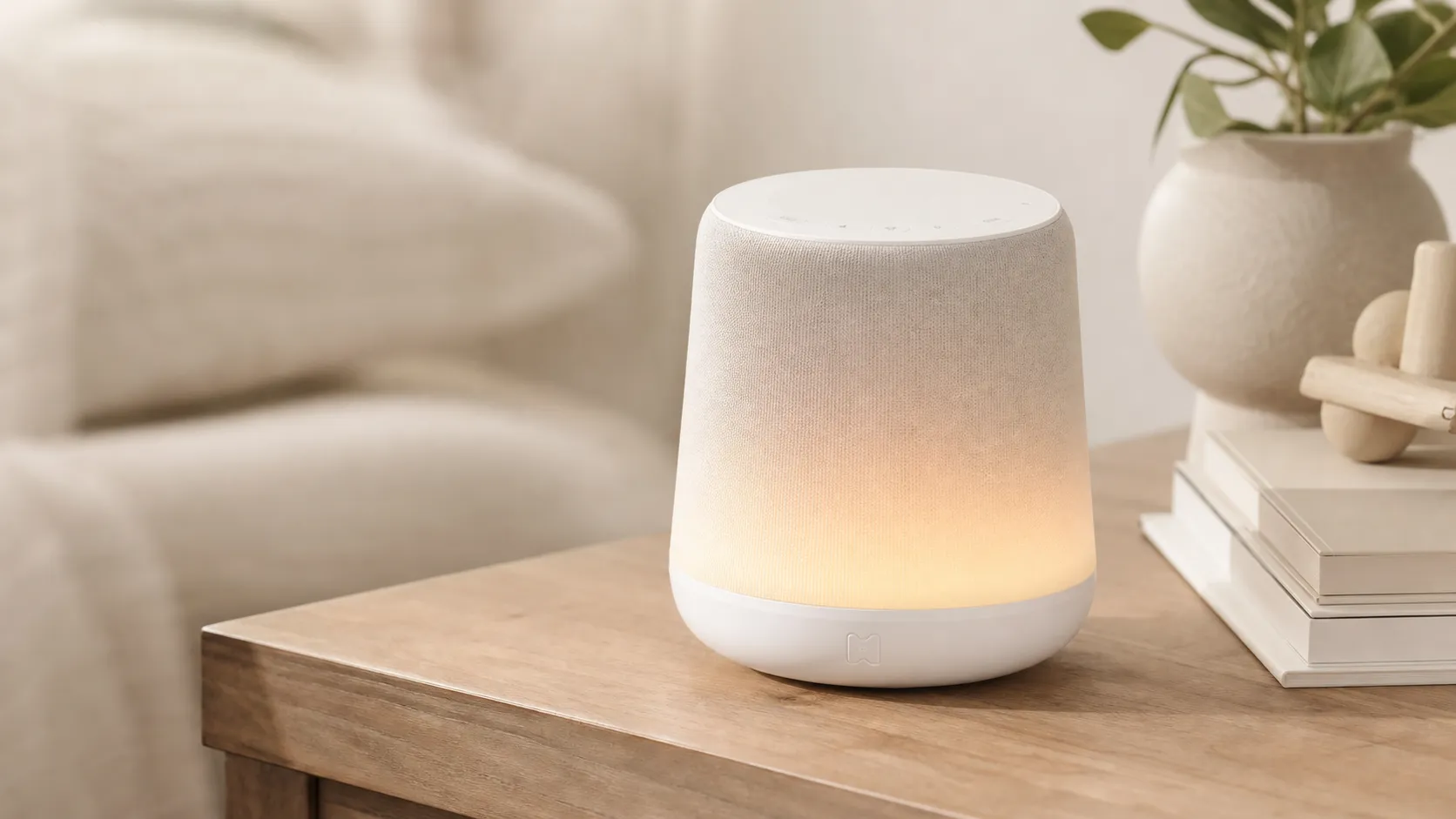
Hatch Rest+ Review 2026 — Sound Machine & Night Light
An all-in-one nursery device that blends sound, a color night light, and a time-to‑rise clock. Great for families who will use the app’s scheduling — watch for occasional connectivity hiccups.
 Baby & Kids
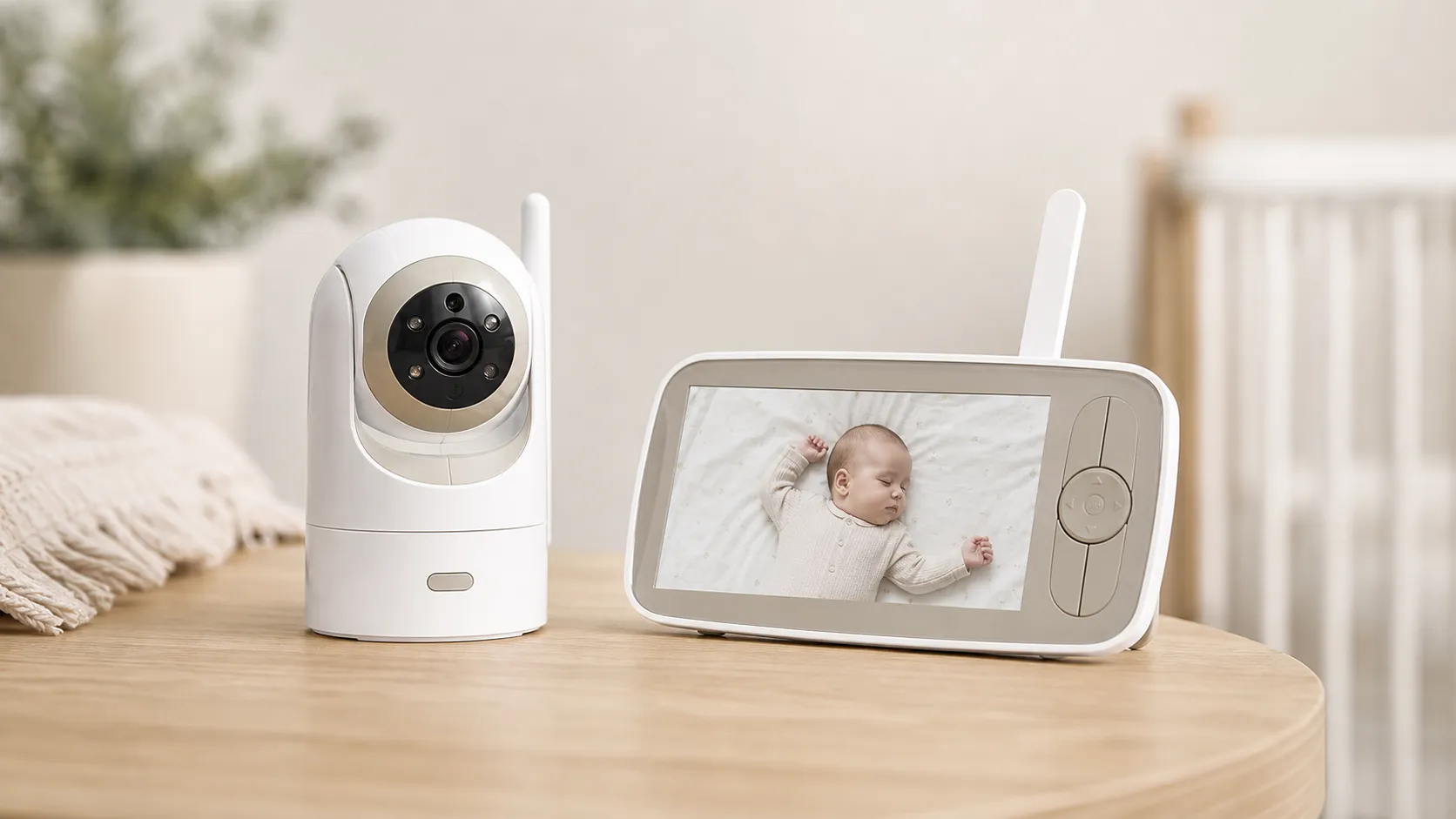
Infant Optics DXR‑8 Pro Video Baby Monitor — 2026 Review
A privacy‑first, high‑clarity non‑WiFi monitor with real optical zoom, clean audio, and long range — strong overall, but a minority report battery/charging issues.
 Baby & Kids
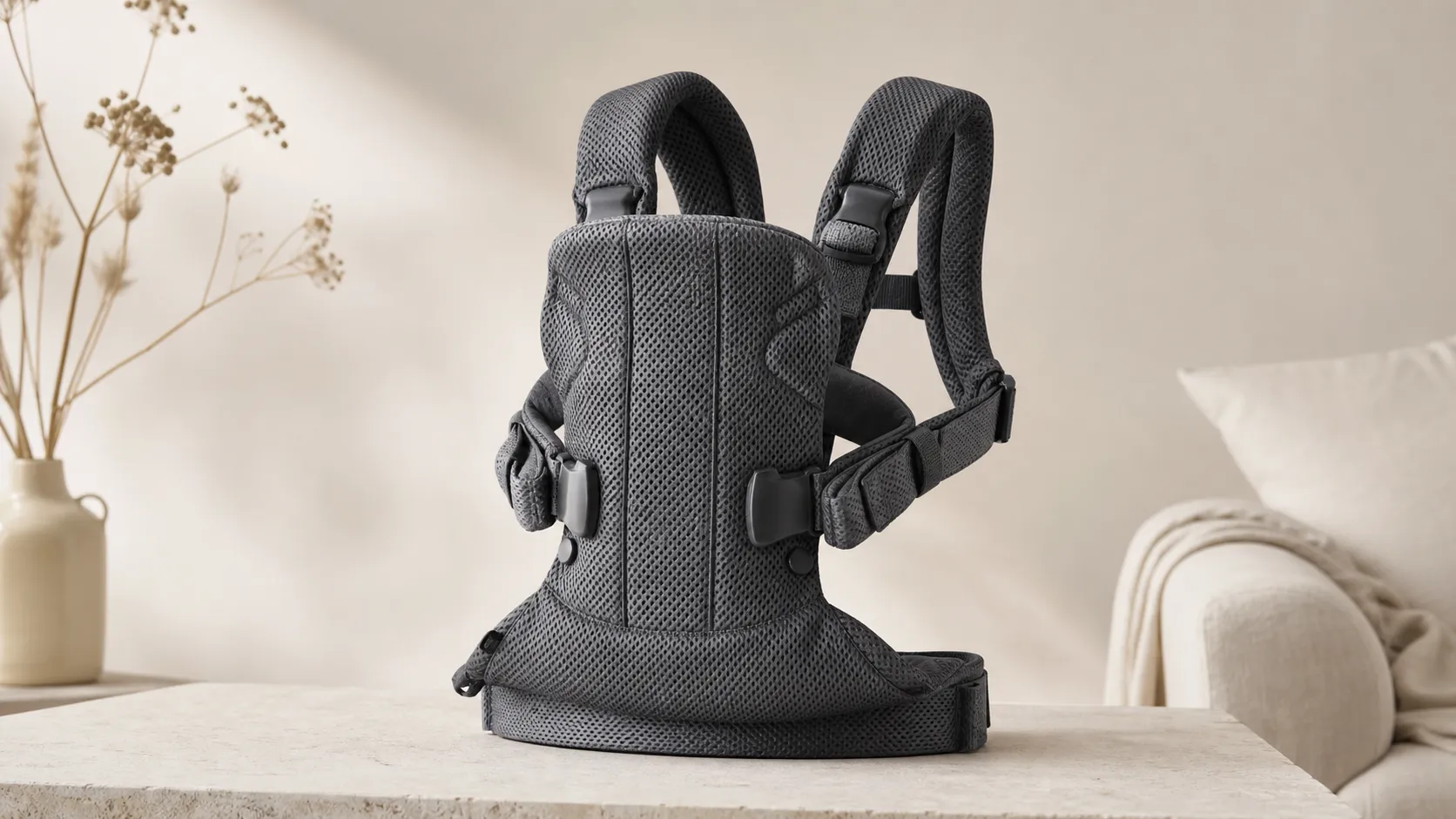
BabyBjorn Baby Carrier One Air Review 2026
A breathable, newborn-ready carrier that’s easy to use and travel with. Great for short-to-medium carries and warm weather, but less ideal for long, heavy-duty use.