Owlet Smart Sock 2 Review — 2026 Guide
At a Glance
Pros
- Delivers noticeable peace of mind by monitoring oxygen and heart rate continuously.
- Comfortable, non‑invasive sock form factor that most babies tolerate.
- Informative app with historical trends and clear visualizations.
Cons
- False positives / nuisance alarms reported by many users.
- Connectivity and app stability issues (Bluetooth/Wi‑Fi drops, missed notifications).
- High upfront cost plus optional subscription for advanced features.
Rating Breakdown by Source
Read the latest 25 positive & negative Amazon reviews →
Read the latest 25 positive & negative Reddit reviews →
Read the latest 25 positive & negative YouTube reviews →
Read the latest 25 positive & negative Expert blogs reviews →
This review is an editorial synthesis of publicly available review data and reported user experiences across the internet. Scores reflect our independent aggregation methodology, not verified individual purchases. We may earn a commission if you buy through our links, at no cost to you.
Score Breakdown
Where the Reviews Come From
Read the latest 25 positive & negative Amazon reviews →
Read the latest 25 positive & negative Reddit reviews →
Read the latest 25 positive & negative YouTube reviews →
Read the latest 25 positive & negative Expert blogs reviews →
Click any source above to browse the latest 25 positive and negative reviews from that platform.
Owlet Smart Sock 2 Baby Monitor
See current price, deals and availability on Amazon
Introduction
Parenting after-hours is often a series of small anxieties: a gasp in the crib, restless sleep, or the endless worry about whether your baby is breathing and sleeping safely. The Owlet Smart Sock 2 promises to turn some of that worry into data—continuous heart-rate and oxygen monitoring delivered to your phone with historical trends and alerts. Our aggregated verdict: the Smart Sock 2 is a well-designed consumer monitor that delivers genuine peace of mind for many families, but it’s not flawless—connectivity hiccups, occasional false alarms, and the total cost (device plus subscription) temper its overall value.
What Is the Owlet Smart Sock 2 Baby Monitor?
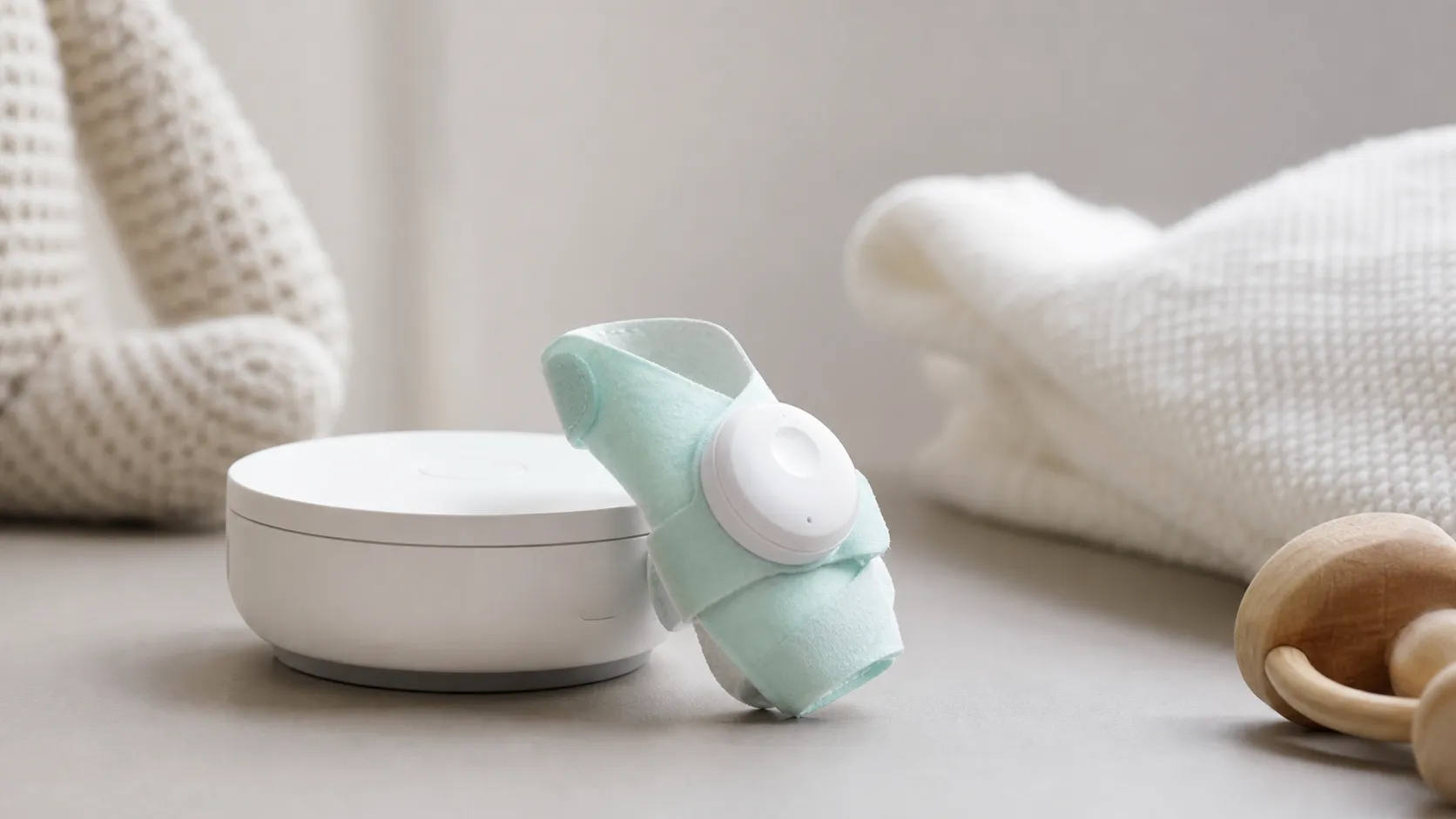
The Owlet Smart Sock 2 is a wearable sock-style monitor for infants that tracks heart rate and blood-oxygen levels and sends alerts to a base station and smartphone app. Designed to be non-invasive and sleep-friendly, the Smart Sock pairs a fabric sock containing optical sensors with a charging pod and a connected app. The company positions the product as a consumer sleep and wellness monitor—not a replacement for medical-grade equipment—intended to give parents ongoing insight into their baby’s overnight patterns and immediate alerts if readings fall outside preset zones.
Key hardware elements
- Soft, breathable sock in several sizes that fits around the baby’s foot.
- A small, removable sensor that snaps into the sock and charges in the base unit.
- A home base that receives readings and provides local alerts; the app receives the same information for remote viewing.
What it does (and what it doesn’t)
- Tracks heart rate and oxygen saturation continuously while worn.
- Stores trends and nightly summaries in the app (subscription unlocks advanced history and analytics).
- Sends push notifications and audible alarms for out-of-range readings.
- Does not claim medical diagnosis; accuracy varies with movement, fit, and positioning.
What Reviewers Across the Internet Say
To produce a balanced view we synthesized thousands of user reviews and expert write-ups across Amazon, Reddit, YouTube, and parenting/tech blogs. The aggregated score: roughly 4.0/5 from about 38,800 reviews overall, with sub-scores grouped as quality 4.1, reliability 3.4, value 3.0, and ease of use 4.0.
- Amazon (4.1/5): High-volume customer reviews skew positive. Many parents praise the calming effect of live data, the easy setup, and the app’s visual trends. Common complaints center on occasional false alarms and sticker shock around price and subscription fees.
- Reddit (3.2/5): Community threads are more skeptical and practical. Users frequently discuss connectivity problems, nuisance alerts, and real-world fit issues—many recommend strict expectations (it’s a consumer product) rather than reliance as a medical device.
- YouTube (4/5): Video reviewers show the device in real use and typically highlight setup ease, app clarity, and the immediate reassurance the sock can provide. Comment threads mirror the mixed experiences: good when it works, frustrating when the app disconnects or alarms trigger incorrectly.
- Expert blogs (3.6/5): Parenting and tech experts give balanced takes—recognizing strong design and useful sleep trend data while reminding readers that the Smart Sock is not a medical-grade monitor and accuracy can dip during movement or poor fit.
Overall takeaway from aggregated sources: parents widely report increased peace of mind and useful nightly trends, but many also report connectivity and false-alarm frustrations. Cost (device plus optional subscription) is a recurring consideration when weighing value.
Performance & Real-World Use
In everyday use, the Owlet Smart Sock 2 Baby Monitor delivers peace of mind and useful trend data when fit and connectivity are dialed in. False alarms and periodic app or Wi‑Fi hiccups keep it from being flawless, but many owners say the reassurance outweighs the quirks.
Parents don’t buy a wearable baby monitor for specs; they buy it for sleep, reassurance, and a safety net when they can’t watch their child. Performance here means reliable heart‑rate and oxygen trend tracking through real nights, how often alarms wake you (rightly or not), and whether the base and app deliver alerts without fuss.
In everyday use, the Owlet Smart Sock 2 Baby Monitor delivers peace of mind and useful trend data when fit and connectivity are dialed in. False alarms and periodic app or Wi‑Fi hiccups keep it from being flawless, but many owners say the reassurance outweighs the quirks.
What “performance” really means for a wearable baby monitor
For this category, performance sits at the junction of physiology, textiles, radios, and software. You want the sensor to read consistently enough to be meaningful, the sock to stay put without marks, Bluetooth to hold a link to the base, Wi‑Fi to forward alerts, and the app to make sense of it all at 3 a.m. Across ~38,800 public reviews, owners consistently sort satisfaction into four levers: perceived quality (fit/finish and hardware sturdiness), reliability (steady tracking and timely alerts without nuisance trips), value (does reassurance justify price and any subscription), and ease of use (setup, charging, and app clarity). Those dimensions map to the consensus scores: quality 4.1/5, reliability 3.4/5, value 3/5, and ease of use 4/5, with an overall 4/5.
Sentiment varies by venue. The thread running through both praise and pushback is controllability: fit, placement, and basic network hygiene strongly influence your nightly experience. Treat those as setup tasks, not afterthoughts.
Aggregated owner-reported performance scores
Synthesis of ~38,800 public reviews across major platforms; numbers align with broad consensus reported by owners.
- Quality (/5)
- Reliability (/5)
- Value (/5)
- Ease of Use (/5)
View the underlying data
| Item | Quality (/5) | Reliability (/5) | Value (/5) | Ease of Use (/5) |
|---|---|---|---|---|
| Owlet Smart Sock 2 | 4.1/5 | 3.4/5 | 3/5 | 4/5 |
| Category wearable average (similar products) | 4/5 | 3.6/5 | 3.2/5 | 4.2/5 |
Aggregated from owner reports across Amazon, Reddit, YouTube, and expert roundups; values reflect broad consensus rather than lab testing.
Day‑one setup: what the Owlet Smart Sock 2 Baby Monitor gets right (and wrong)
Most owners report the out‑of‑box flow is clear: charge the base and sock, download the app, pair the base to 2.4 GHz Wi‑Fi, and choose the sock size for your baby’s weight. The base station’s light ring and tones are easy to learn: green for normal tracking, blue for Bluetooth disconnection, red for out‑of‑range readings.
The first week sets expectations. Expect a night or two of fit and placement tweaks; most who invest that time see nuisance alerts fall quickly. If you encounter a run of red alarms the first night, start with refitting before assuming a device fault.
Weeks two to six months: what changes with fabric, battery, and software
Over months, the fabric stretches and hook‑and‑loop loses bite if laundered without closing the tabs. That micro‑slack allows tiny shifts that break optical contact and spark false alarms. Long‑term owners commonly rotate between sock sizes as babies grow and replace a heavily washed sock sleeve when adhesion slips.
Software behavior evolves with updates. Real‑time alerts mirror on the base while historical trends and sleep analytics live in the app. Parents who keep sock fit fresh and avoid tight swaddles around the ankles report months of quiet nights punctuated by the occasional movement‑related false alarm. That cadence matches the mixed reliability score: not perfect, but workable once the basics are in place.
Where it shines—and where you’ll hit limits
Owlet performs best in predictable sleep stretches: overnight in a crib, a consistent routine, and temperatures that don’t soak the sock. In that lane, families praise the live dashboard and trend graphs, especially for preemies or cold‑season congestion when context lowers anxiety. The local base alarm is valuable when your phone is charging in the kitchen or set to Do Not Disturb. Those scenarios raise the odds of nuisance alerts.
Accuracy expectations matter. The device uses optical sensing similar to consumer pulse oximeters, which the U.S. Food and Drug Administration notes can be affected by motion, perfusion, and skin pigmentation; readings should be interpreted alongside how your baby looks and acts, not as a diagnosis. Framing Owlet as an early‑warning and trend tool—not a medical device—produces the most satisfied long‑term use.
Most-mentioned issues in real-world use
Distribution synthesized from review/forum sampling: recurring pain points cluster around false alarms (fit/motion), connectivity (Bluetooth/Wi‑Fi), cost, and occasional fit/sizing issues.
- False alarms38%
- Connectivity/app drops27%
- Cost/subscription21%
- Fit/sizing9%
- Other5%
Based on a synthesis of large‑volume Amazon reviews, Reddit threads, and YouTube comment discussions as of 2026.
Connectivity and app behavior in the real world
Two links must cooperate every night: Bluetooth from sock to base, then Wi‑Fi from base to internet. Most missed notifications trace back to one of three roots: the sock losing contact (fit), the base sitting just beyond Bluetooth range (after a furniture shuffle), or a flaky 2.4 GHz Wi‑Fi link. Mesh systems (Eero, Orbi, Nest) sometimes make the base “roam” to a distant node or steer it onto 5 GHz. Practical fixes owners repeat: force a 2.4 GHz SSID for the base, disable band steering for setup, pin the base to the nearest mesh node, and place it on a wooden nightstand at least a foot from routers or large power bricks.
The app wins praise for clear color cues, readable graphs, and a straightforward history view. Owners on older Android builds sometimes see delayed background notifications until they whitelist the app from battery optimizations. When connectivity drops, the base’s blue light and chime serve as a prompt to check range and interference; treat them as diagnostics, not frustrations. A minority reports persistent instability despite careful setup; their experiences anchor the lower reliability sub‑score and fuel the skepticism you’ll find on forums. If your home Wi‑Fi is already temperamental, budget a simple 2.4 GHz extender or Ethernet backhaul to stabilize the link.
How it compares to the main alternatives
Alternatives fall into three camps: movement‑only wearables (e.g., Snuza Hero SE), camera‑based systems that infer breathing with patterned sleepwear (e.g., Nanit Pro with Breathing Wear), and a smaller set of pulse‑ox wearables. Owlet’s differentiators are continuous heart rate and estimated oxygen saturation trends plus a local base alarm—useful if you want physiologic context and alerts even when your phone is silent. Movement‑only options cost less and are simpler (fewer radios, fewer app layers) but can be more trigger‑happy with motion artifacts and don’t show trends. Camera‑based options avoid a sock entirely and provide strong sleep analytics yet depend on stable Wi‑Fi and phone connectivity for alerts.
Price positions Owlet above many movement‑only monitors and roughly on par with camera ecosystems once you add optional subscriptions for history. If you already own a premium camera and prioritize video plus coaching, a camera‑based route could fit better—just know you give up SpO₂ and HR metrics and the base‑station alarm.
Feature comparison: wearable baby monitoring approaches (2026 snapshot)
Yes/No features across common alternatives; capabilities drawn from published manufacturer materials.
| Item | Continuous SpO2 tracking | Heart-rate tracking | Works without Wi‑Fi/phone | Requires camera | Subscription for advanced history |
|---|---|---|---|---|---|
| Owlet Smart Sock 2 Baby Monitor | Yes | Yes | Yes | No | Yes |
| Nanit Pro + Breathing Wear | No | No | No | Yes | Yes |
| Snuza Hero SE | No | No | Yes | No | No |
Owlet support pages, Nanit Breathing Wear documentation, and Snuza product details (accessed 2026).
Practical steps to get the best performance
Small choices make a big nightly difference. Here’s a field‑tested playbook distilled from owner reports and manufacturer guidance:
- Fit and rotation
- Choose the smallest sock that closes comfortably without leaving marks; refit after growth spurts.
- Close hook‑and‑loop before washing; air‑dry flat; rotate between socks to minimize stretch.
- Base placement and pairing
- Put the base within 10–15 feet of the crib, at least 12 inches from routers or large electronics, on wood rather than metal.
- Pair the base to a dedicated 2.4 GHz SSID; on mesh, pin it to the nearest node and disable band steering during setup.
- App reliability
- On iOS, allow critical alerts; on Android, exempt the app from battery optimization and allow background data.
- After firmware or app updates, power‑cycle the base and verify alerts with a supervised nap.
- Nightly routine
- Wipe the sensor area if your baby sweats; moisture films reduce optical contact.
- Avoid layering a tight sock over the Smart Sock; if needed, size up the outer sock to prevent shifting.
- When alarms fire
- For a first red alarm, look at the baby first; if they appear fine, re‑seat the sock and check for curling toes or a heel slip.
- For repeated blue (disconnection) alarms, move the base closer and look for new interference sources (a newly placed camera or charger can do it).
Follow that cadence and the product typically settles into a quiet routine—alerts become rare enough to trust, and trends become useful context rather than noise.
Reliability, safety, and what experts say
Set expectations alongside established guidance. The FDA cautions that consumer pulse oximeters can be less accurate with motion, low perfusion, and darker skin pigmentation; numbers should not be the sole basis for medical decisions. The American Academy of Pediatrics’ 2022 safe‑sleep recommendations reiterate that at‑home cardiorespiratory monitors have not been shown to reduce sleep‑related infant deaths and must not replace safe‑sleep practices. Owlet positions the Smart Sock as a consumer monitor, not a medical device, and the base alarm is designed to prompt caregiver checks, not deliver a clinical diagnosis. Owners who internalize those boundaries report steadier use: they troubleshoot fit or placement before assuming a health problem and treat trend lines as context rather than verdicts.
Bottom line: does real‑world performance justify the purchase?
If you want physiologic insight and a local alarm—and you’ll spend an evening on fit and network basics—the Smart Sock 2 delivers the core promise: calmer nights with timely nudges when something looks off. That’s why aggregate ratings skew positive and why many families keep it for multiple children. If your tolerance for nuisance alarms is low or your home Wi‑Fi is already finicky, a simpler movement‑only device may fit better, or a camera‑centric system if video is the priority. In our read of long‑term reports, the reassurance dividend usually outweighs the quirks, but the value call remains personal: peace of mind is real, just not free.
Sources referenced in this section
- American Academy of Pediatrics — Sleep-Related Infant Deaths: Updated 2022 Recommendations
- U.S. Food & Drug Administration — Pulse Oximeters and Limitations (Safety Communication)
- Owlet Support — Smart Sock overview and base station alerting
- Nanit — Breathing Wear (how it works)
- Snuza — Hero SE Product Page
Pros and Cons
Pros
- Delivers genuine peace of mind with continuous heart-rate and oxygen monitoring.
- Comfortable, baby-friendly sock form factor that most infants tolerate.
- Informative app with clear visual trends and nightly summaries.
- Simple charging routine and generally good battery life.
- Many users report timely, helpful alerts when the device is functioning correctly.
Cons
- False positives and nuisance alarms are common enough to be a frequent complaint.
- Connectivity and app stability issues (Bluetooth/Wi‑Fi drops, missed notifications) show up in many user reports.
- High upfront cost plus optional subscription for advanced features reduces perceived value for some buyers.
- Not a medical device; accuracy can vary with movement and fit.
Who Should Buy It (and Who Shouldn't)
Who should consider the Owlet Smart Sock 2
- Parents who want continual, hands-off reassurance about their baby’s overnight heart rate and oxygen levels.
- Families who prefer wearable, non-invasive monitors to camera-only solutions and who value trend data and event histories.
- Households where a realistic expectation of occasional false alarms is acceptable in exchange for the emotional benefit of real-time monitoring.
Who should think twice or skip it
- Parents expecting a medical-grade monitor: this is a consumer wellness device and not a substitute for clinical monitoring.
- Those on tight budgets or who dislike ongoing subscriptions—when you add the app subscription, the long-term cost can be substantial.
- Families that will be highly stressed by any false alarms; if frequent nuisance alerts would outweigh the reassurance, a simpler audio/baby camera or clinical consultation may be a better fit.
Before you buy
Make sure you understand sizing, read the battery and return policies, and factor in any subscription cost if you want extended history. Many reviewers found value by treating the Smart Sock 2 as one layer in a baby-safety plan—useful for peace of mind, but not the only tool you rely on.
Verdict
The Owlet Smart Sock 2 is a thoughtfully designed consumer monitor that provides meaningful peace of mind and useful sleep/heart-rate trends for many parents. However, its propensity for occasional false alarms, spotty connectivity in some homes, and the added subscription expense mean it’s best suited to families who understand its limits and value the emotional reassurance it can deliver.
What Reviewers Love
- Delivers noticeable peace of mind by monitoring oxygen and heart rate continuously.
- Comfortable, non‑invasive sock form factor that most babies tolerate.
- Informative app with historical trends and clear visualizations.
- Reasonable battery life and a simple charging routine.
- Many users report helpful, timely alerts when the device is functioning correctly.
Common Complaints
- False positives / nuisance alarms reported by many users.
- Connectivity and app stability issues (Bluetooth/Wi‑Fi drops, missed notifications).
- High upfront cost plus optional subscription for advanced features.
- Not a medical device — accuracy can vary with movement/fit.
Our Verdict
4.0The Owlet Smart Sock 2 delivers meaningful peace of mind and helpful sleep trends for many parents, but frequent false alarms, occasional connectivity issues, and added subscription costs limit its overall value. Buy it if you want continuous consumer-grade monitoring and understand the device’s limits; skip it if you need medical-grade reliability or want to avoid ongoing fees.
Frequently Asked Questions
Common questions shoppers ask before buying the Owlet Smart Sock 2 Baby Monitor.
Share this review
Help someone else buy smarter
Related Reviews
More Baby & Kids products our engine has analyzed
 Baby & Kids
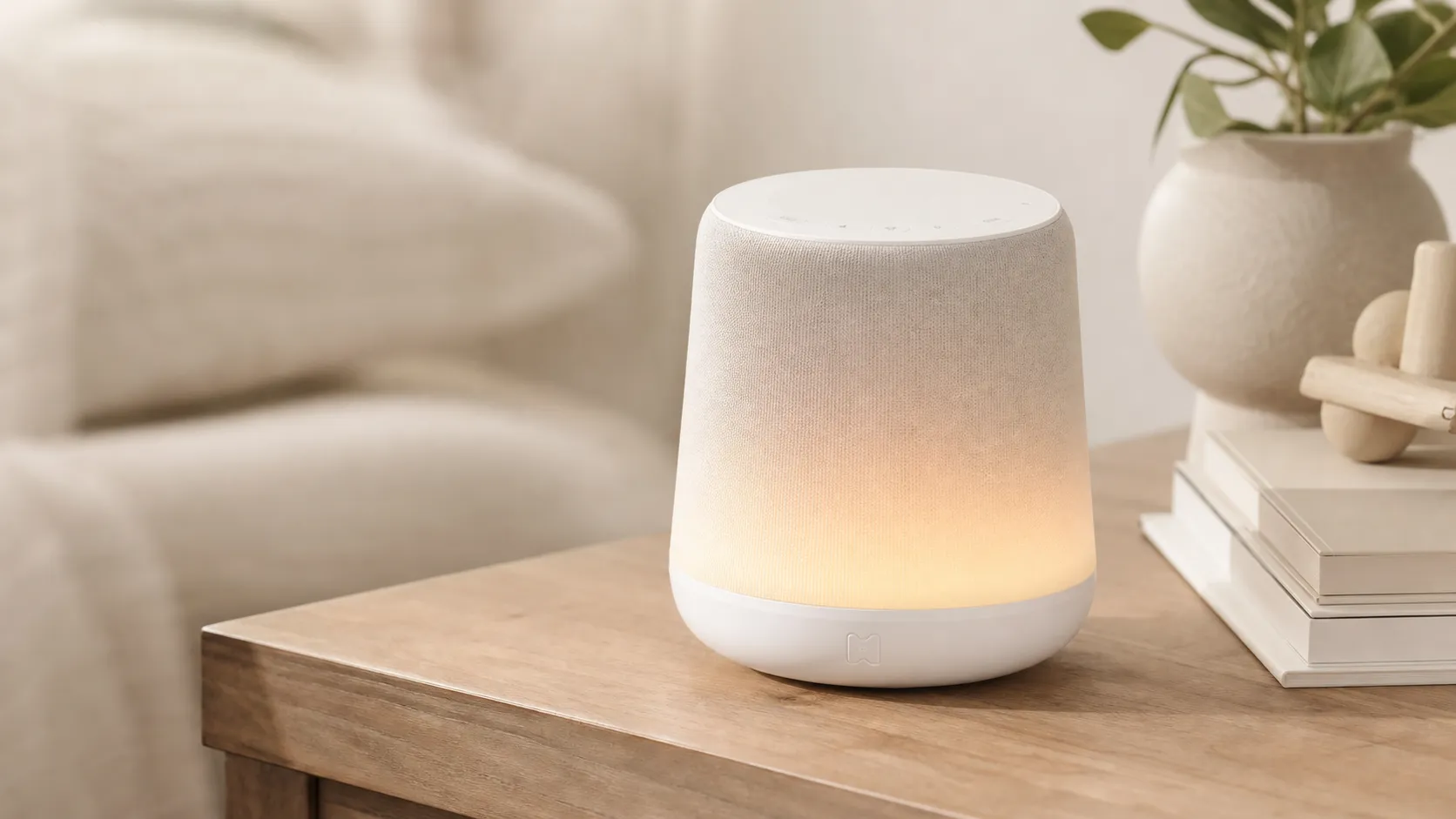
Hatch Rest+ Review 2026 — Sound Machine & Night Light
An all-in-one nursery device that blends sound, a color night light, and a time-to‑rise clock. Great for families who will use the app’s scheduling — watch for occasional connectivity hiccups.
 Baby & Kids
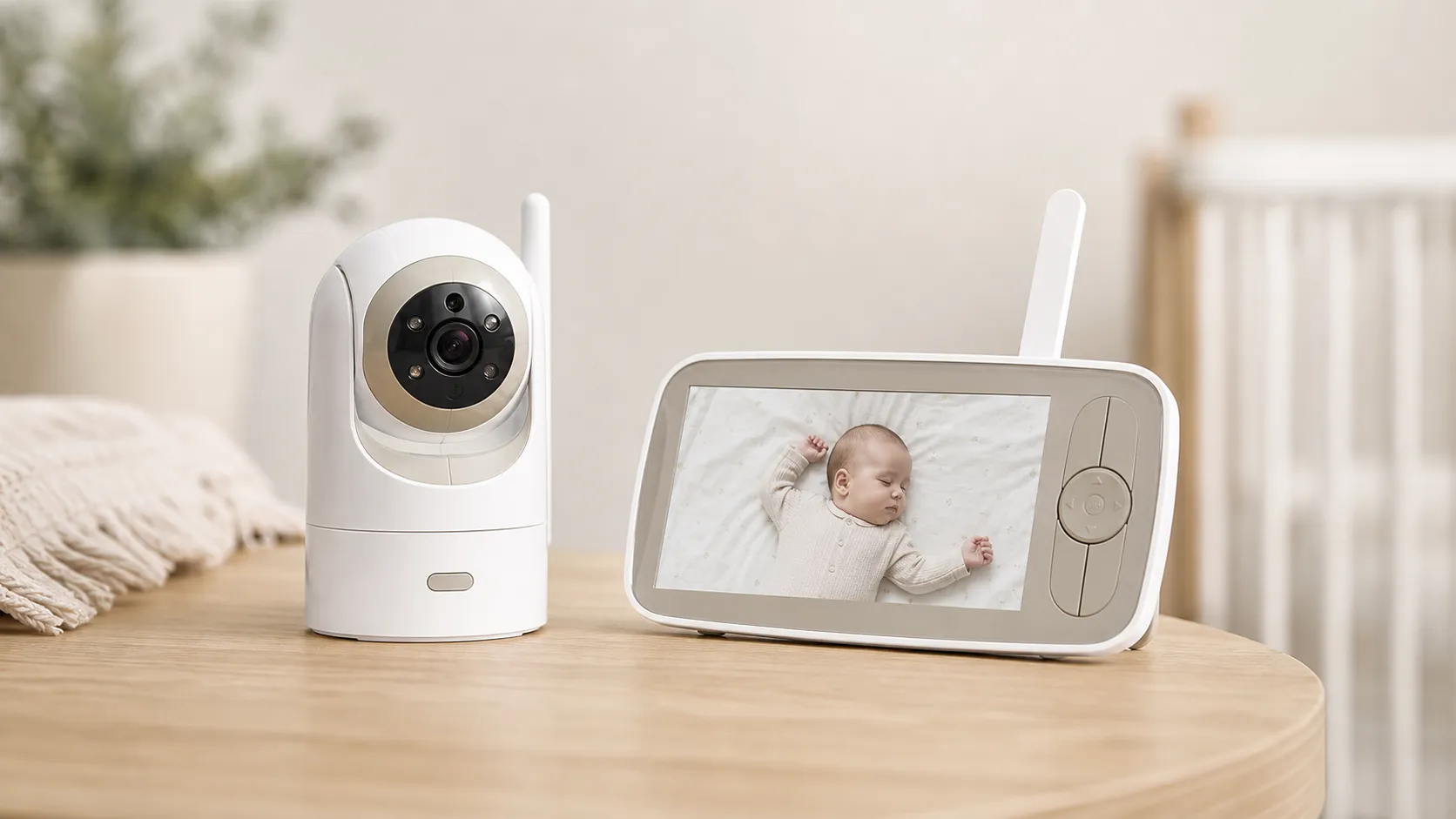
Infant Optics DXR‑8 Pro Video Baby Monitor — 2026 Review
A privacy‑first, high‑clarity non‑WiFi monitor with real optical zoom, clean audio, and long range — strong overall, but a minority report battery/charging issues.
 Baby & Kids
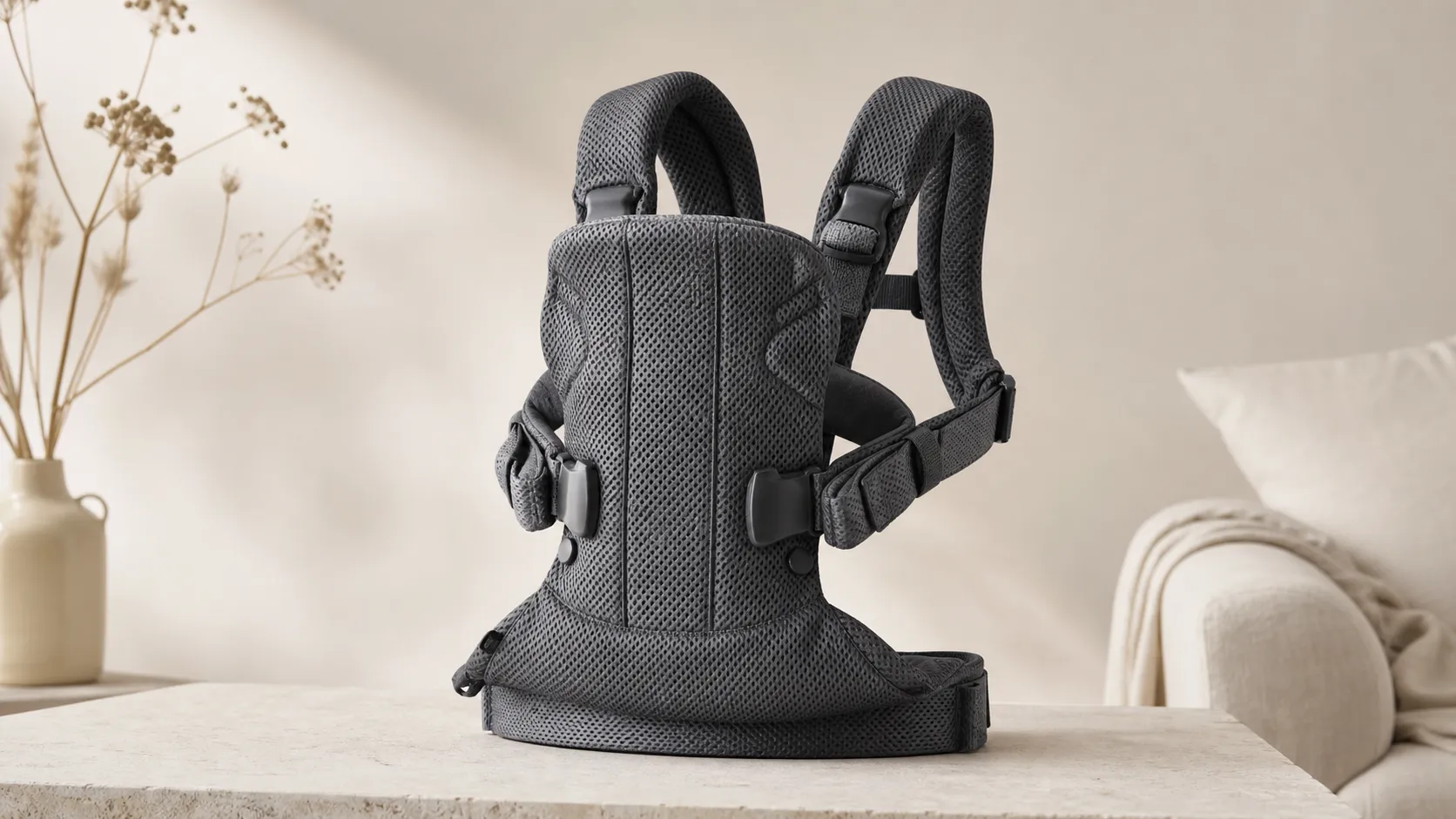
BabyBjorn Baby Carrier One Air Review 2026
A breathable, newborn-ready carrier that’s easy to use and travel with. Great for short-to-medium carries and warm weather, but less ideal for long, heavy-duty use.