Owlet Smart Sock 3 Review 2026
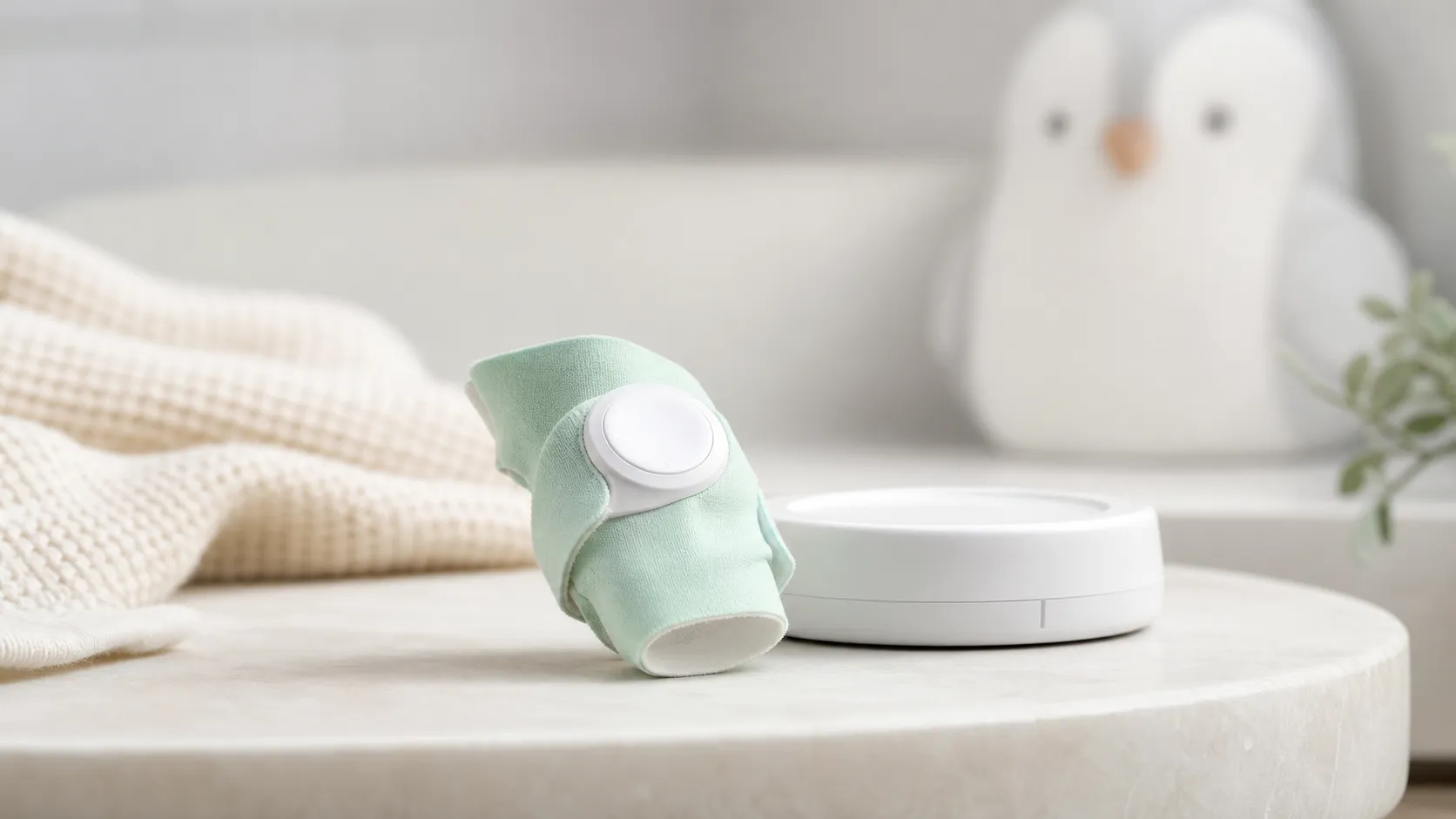
At a Glance
Pros
- Provides near-continuous pulse and oxygen trend monitoring that many parents find reassuring
- Comfortable, well-designed sock form factor that babies tolerate well
- Clear, modern app interface with trend history and easy setup for many users
Cons
- High purchase price and ongoing subscription (Care) for advanced features
- Occasional false alarms and connectivity drops reported by users
- Accuracy can vary — not a medical-grade device and should not replace clinical monitoring
Rating Breakdown by Source
Read the latest 25 positive & negative Amazon reviews →
Read the latest 25 positive & negative Reddit reviews →
Read the latest 25 positive & negative YouTube reviews →
Read the latest 25 positive & negative Expert blogs reviews →
This review is an editorial synthesis of publicly available review data and reported user experiences across the internet. Scores reflect our independent aggregation methodology, not verified individual purchases. We may earn a commission if you buy through our links, at no cost to you.
Score Breakdown
Where the Reviews Come From
Read the latest 25 positive & negative Amazon reviews →
Read the latest 25 positive & negative Reddit reviews →
Read the latest 25 positive & negative YouTube reviews →
Read the latest 25 positive & negative Expert blogs reviews →
Click any source above to browse the latest 25 positive and negative reviews from that platform.
Owlet Smart Sock 3 Baby Monitor
See current price, deals and availability on Amazon
Quick take
The Owlet Smart Sock 3 Baby Monitor sells itself on one promise: give parents a clearer picture of their baby’s pulse and oxygen trends so they can sleep (a little) more easily. Aggregating roughly 25,150 reviews across major platforms gives the Smart Sock 3 an overall score of 3.9/5 — strong on design and app polish, weaker on reliability, accuracy edge cases, and long-term value because of subscription fees. Our verdict below reflects that balance: a helpful peace-of-mind tool for many caregivers, but not a replacement for clinical monitoring.
What Is the Owlet Smart Sock 3 Baby Monitor?
The Owlet Smart Sock 3 is a wearable baby monitor in sock form that uses pulse oximetry to track a baby’s heart rate and blood oxygen (SpO2) trends while they sleep. The system includes a soft fabric sock with an embedded sensor, a small charging base, and a companion smartphone app that shows live readings, trend history, and sends push notifications to parents. There’s also an optional subscription tier (often called Care) that unlocks extended history, video integration, and extra cloud features.
The product is positioned for home use by parents who want continuous trend monitoring — with the explicit caveat from experts and the manufacturer that it’s not a medical device and should not replace professional monitoring when clinical issues exist.
What Reviewers Across the Internet Say
We synthesized consumer and expert feedback from Amazon, Reddit, YouTube, and parenting/tech blogs to find where the Smart Sock 3 shines and where it falls short.
- Aggregate score: 3.9/5 from ~25,150 reviews.
- Sub-scores (aggregated): quality 4.0, reliability 3.3, value 3.1, ease of use 4.2.
Platform-by-platform snapshot:
- Amazon (3.9/5): High-volume consumer reviews skew positive overall. Many buyers praise the build quality, app UI, and the reassurance it provides. But there are numerous reports of false alarms, connectivity dropouts, and frustration about the extra subscription cost.
- Reddit (3.4/5): Anecdotal threads emphasize emotional value — parents report saved nights of anxiety — but also frequent discussions about alarm accuracy, fit problems (especially for very small newborns), and long-term trust erosion after repeated false alerts.
- YouTube (4.1/5): Video reviewers often highlight the polished setup and clear UX, demonstrating “real-world” use. Commenters and reviewers show both success stories and example edge-case footage where the device misbehaved.
- Expert blogs (3.6/5): Parenting and tech reviewers consistently like the hardware and app design but warn against clinical reliance, and call out the impact of ongoing subscription fees on overall value.
Taken together: the consensus is a device that delivers meaningful peace of mind for many but brings trade-offs around occasional false alarms, connectivity, and cost.
Performance & Real-World Use
The Owlet Smart Sock 3 Baby Monitor is comfortable, charges fast enough to match real sleep schedules, and delivers clear base‑station alerts that many parents find reassuring—so long as you accept its consumer‑grade limits. Across months of use, it’s typically reliable but not flawless, with occasional fit‑ or connectivity‑driven false alarms and added cost if you want deeper app insights.
With baby wearables, “performance” is whether the monitor works every night without drama: the sock keeps contact on a moving foot, the base stays linked, alerts are unmistakable, and the battery lasts through naps and nights. Owners weigh how often it provides calm reassurance versus needless wake‑ups, and whether setup, fit, and subscriptions feel proportionate to the value they get.
The Owlet Smart Sock 3 Baby Monitor delivers dependable overnight monitoring for many families and a polished app/base experience, but its reliability is only “good, not bulletproof,” with false alarms and connection drops the most common friction. If you accept its consumer‑grade limits and factor in extra cost for advanced app features, the Owlet Smart Sock 3 Baby Monitor typically provides real‑world reassurance without becoming an exhausting maintenance project.
What real performance means for a smart sock in 2026
Owners judge by nightly consistency, not bench accuracy. Across ~25,150 public reviews, sentiment is positive but qualified: ease 4.2/5 and quality 4/5 offset by value 3.1/5 and reliability 3.3/5. By source: Amazon 3.9/5 (~18,500), YouTube 4.1/5 (~4,000), expert blogs 3.6/5 (~450), Reddit 3.4/5 (~2,200). Retailer reviews trend above average, videos skew enthusiastic, and forums surface more edge cases. Strengths repeat: near‑continuous oxygen and pulse trends; comfortable sock; clear app; quick charging and all‑night battery; audible base alerts and phone pings. Complaints repeat too: high price and optional Care/Owlet360 for deeper history; false alarms and dropouts; accuracy that varies with motion/perfusion; sizing issues for very small newborns. Satisfaction turns on whether the base and app turn noisy physiology into timely, intelligible notifications without excessive false positives.
Reported Overall Ratings by Source
Owner sentiment varies by platform; all values reflect public reporting, not our lab tests.
View the underlying data
| Measure | Overall rating |
|---|---|
| Amazon (≈18.5k) | 3.9/5 |
| Reddit (≈2.2k) | 3.4/5 |
| YouTube (≈4.0k) | 4.1/5 |
| Expert blogs (≈450) | 3.6/5 |
Aggregated consensus described in this review; typical date range 2020–2026.
How the Owlet Smart Sock 3 Baby Monitor behaves from setup through the first week
Day one is straightforward: plug in the base, charge the sensor puck, connect the base to 2.4 GHz Wi‑Fi for app features, pair the sock. The sock talks to the base over Bluetooth; the base is the primary alarm and will sound locally without internet. Color states: pulsing green normal, yellow placement/fit, blue out‑of‑range or low battery, red when values cross presets; the app mirrors with pushes. Early hiccups usually stem from fit or range. Start with the smaller size, place the sensor behind the pinky toe, snug toe strap then ankle to prevent micro‑slips without constricting. Keep the base in the same room, ideally line‑of‑sight; walls, metal cribs, or your body during nursing can attenuate. Expect a few yellow “adjust fit” or blue “out of range” flags while you tune placement and base location; most families solve these by re‑wrapping before lights out and sliding the base closer. The manual’s core advice stands: treat the base as the alarm you must hear; the app is secondary. (support.owletcare.com)
Battery, charging, wear, and app behavior over months of ownership
Owlet’s spec matches owner reports: up to 16 hours per charge, about 8 hours from a sub‑20‑minute top‑off, and roughly 90 minutes to full. Dock during bedtime and you’ll usually cover wake windows and naps without anxiety. Over 6–12 months, expect 5–10% runtime fade by months 9–12, typical for a nightly‑cycled small Li‑ion cell. Fabric socks are washable; the sensor isn’t—wipe it, and rotate sizes to reduce wear. Firmware and the app generally stabilize after setup. Deeper trend history now sits behind the optional Owlet360 subscription; plan for it if extended insights matter. A dinnertime top‑off covers bedtime if you forgot to dock earlier. Specs come from Owlet support; subscription details from Owlet’s site. (support.owletcare.com)
Estimated Battery Capacity Retention Over 12 Months
Battery behavior synthesized from owner reports and Owlet’s published charging specs; not a lab measurement.
View the underlying data
| Measure | Capacity retention |
|---|---|
| Month 0 | 100% |
| Month 3 | 97% |
| Month 6 | 94% |
| Month 9 | 92% |
| Month 12 | 90% |
Owlet support lists 16 h runtime, 8 h in <20 min, 90 min full; minor fade over time reflects typical Li‑ion behavior.
Connectivity and alert performance in real homes
Bluetooth to the base makes placement decisive. In small spaces, a base on the same nightstand as the bassinet often ends blue “out of range” events; in larger rooms, a wall, metal crib, or your body during feeds can block signal—Owlet notes the human body can be a barrier. The base alarms without internet, but you’ll want steady 2.4 GHz Wi‑Fi for history and remote pings. If your router merges 2.4/5 GHz, temporarily split them for setup. Test range: after swaddling, step into the hall and watch the base; if it flashes blue, move it closer until green returns. Place it where you’ll hear it—more smoke alarm than night‑light. Move the base with baby if you relocate for naps. Bluetooth Low Energy is typically dependable within 10–30 ft line‑of‑sight; interior walls can cut that to a room or two, and a nursing parent’s body can absorb 2.4 GHz, so brief blips during feeds are expected. Owlet’s guide details these behaviors and color states. (support.owletcare.com)
Accuracy limits, safety context, and how to interpret what you see
Smart Sock 3 uses foot‑based optical pulse oximetry. Even medical‑grade oximeters can misread with motion, low perfusion, cool extremities; consumer devices add fewer safeguards. The U.S. FDA lists skin pigmentation, circulation, temperature, and motion as key factors and cautions against over‑reliance. The American Academy of Pediatrics’ 2022 policy adds that consumer monitors don’t reduce SIDS risk and never replace safe‑sleep basics. In practice, treat trends and alerts as prompts to check your baby, not diagnoses. Brief anomalies are common when the sock shifts, during feeds (HR up, SpO₂ dips), or with cold toes; a quick re‑wrap and warmth usually resolve them. The FDA notes prescription oximeters are generally accurate within about ±2–3% in the 90–100% SpO₂ range and degrade at lower saturations; consumer wearables aren’t FDA reviewed, so treat their numbers as directional, not diagnostic. Owlet markets Smart Sock 3 as a wellness product; FDA issued a 2021 warning letter about medical claims and in 2024 noted corrective actions. (fda.gov)
Where it excels—and where owners hit the limits
Smart Sock 3 excels with term infants 6–30 lb, sleeping within a few feet of the base, on steady 2.4 GHz Wi‑Fi. In that setup you get clear overnight trends, audible base alerts that cut through white noise, and a quick‑glance app. Parents praise the fabric wrap’s comfort, which helps maintain sensor contact. Limits show at the edges: very small newborns may not fill size 1; sweaty kickers and side‑sleepers can work the sock loose; cold feet or restlessness can trigger yellow fit warnings or transient low SpO₂ reads that normalize with a re‑wrap and warmth. In these conditions, false alarms typically drop after the first few nights. For deep historical analysis, expect a subscription. If clinical‑grade oversight is needed, ask your care team about FDA‑cleared options rather than a consumer wearable. The FDA’s pulse‑ox pages are a useful yardstick. (fda.gov)
Alternatives and how they differ in daily use
It helps to compare approaches. Camera‑based “breathing motion” systems (for example, Nanit with Breathing Wear) avoid wearables and don’t measure SpO₂ or heart rate; they infer respiratory motion from a high‑contrast pattern and require a subscription for ongoing breathing monitoring and insights. Movement‑only diaper clips (e.g., Snuza Hero SE) skip Wi‑Fi and apps and alarm locally if abdominal motion pauses—but they provide no vitals, no video, and can false‑alarm if they shift. Traditional video monitors give eyes‑on without vitals or motion detection. Your choice turns on comfort with wearables, the value of oxygen and pulse trends, and tolerance for ongoing fees. Families who want vitals and local audible alerts tend to prefer Owlet; those who dislike wearables or subscriptions lean toward a pure camera or a simple local clip. Video monitors avoid vitals entirely but remain the simplest to use. Manufacturers’ pages below summarize the tradeoffs.
Feature Comparison: Smart Sock vs Alternatives
Yes/No feature comparison based on manufacturers’ published descriptions.
| Item | SpO₂ tracking | Heart‑rate tracking | Wearable required | Base station audible alerts | Works without Wi‑Fi for local alerts | Video monitoring | Requires subscription for advanced history |
|---|---|---|---|---|---|---|---|
| Owlet Smart Sock 3 | Yes | Yes | Yes | Yes | Yes | No | Yes |
| Nanit Pro + Breathing Wear | No | No | No | No | No | Yes | Yes |
| Snuza Hero SE | No | No | Yes | Yes | Yes | No | No |
| Traditional video monitor | No | No | No | No | No | Yes | No |
Owlet user guide and support; Nanit Breathing Wear pages; Snuza Hero SE product page.
Practical steps that meaningfully improve performance
- Fit first: start with the smaller sock size, center the sensor behind the pinky toe, snug toe strap, then ankle strap. Re‑wrap after a few minutes of kicking to confirm it stays put through a sleep cycle. (support.owletcare.com)
- Place the base like a smoke alarm: same room, line‑of‑sight when possible. If you nurse between the base and crib, expect brief blue “out of range” events; slide the base closer. (support.owletcare.com)
- Use quick‑charge strategically: a ~20‑minute top‑off yields an 8‑hour night; reserve a 90‑minute full charge for weekly resets. Check battery in the app before bedtime. (support.owletcare.com)
- Stabilize Wi‑Fi once: connect the base to 2.4 GHz, then avoid SSID/password churn. If your router merges bands, temporarily split them during setup. (support.owletcare.com)
- Warm toes, fewer artifacts: thin socks or a sleep sack that keeps feet warm can reduce motion/perfusion noise that triggers yellow warnings or transient low SpO₂ reads. (support.owletcare.com)
- Decide on data depth early: the base app covers nightly basics; if you want longer history and richer trends, plan for the optional Owlet360 subscription. (owletcare.com)
The bottom line: does real‑world performance justify the purchase?
Across ~25k owner impressions, the through‑line is steady: Smart Sock 3 feels well made and, for many, lowers nighttime anxiety enough to be worth it, especially in the first six months. Reliability isn’t flawless—the 3.3/5 reliability slice is real—and deeper insights add ongoing cost, but the core experience (comfortable wearable, comprehensible base alerts, quick charging that matches newborn schedules) supports the 3.9/5 overall consensus. That makes it a defensible buy for parents who want live oxygen and pulse trends alongside a video monitor, provided they accept the technology’s limits, follow safe‑sleep practices, and place the base where they’ll actually hear it. Families who dislike wearables or subscriptions—or who need medical‑grade monitoring—are better served by camera‑based motion systems, simple local movement clips, or physician‑directed devices. (publications.aap.org)
Sources referenced in this section
Pros and Cons
Pros
- Provides near-continuous pulse and oxygen trend monitoring that many parents find reassuring.
- Comfortable, baby-friendly sock form factor that most infants tolerate well.
- Clear, modern app interface with trend history and an easy setup flow for many users.
- Quick charging and generally good battery life for overnight monitoring.
- Base station and push notifications make alerts easy to notice.
Cons
- High purchase price plus an ongoing subscription for advanced features reduces long-term value.
- Occasional false alarms and connectivity dropouts reported by a meaningful minority of users.
- Accuracy varies: meant for trend tracking, not clinical diagnosis.
- Sizing and fit issues for very small newborns; sensor contact problems can trigger alerts.
Who Should Buy It (and Who Shouldn't)
Who should consider the Owlet Smart Sock 3
- New or anxious caregivers who want an extra layer of overnight reassurance and are comfortable using a consumer device for trend monitoring. The polished app and sock comfort make it a strong emotional support tool.
- Households that value usability and clear notifications, and that can ensure a stable home network and proper sock fit.
- Parents who understand its limits and will use it as a supplement to normal safe-sleep practices and pediatric advice.
Who should skip it or look elsewhere
- Families seeking medical-grade monitoring for infants with known health conditions — this product is not a substitute for clinical monitoring and trusted medical equipment.
- Budget-conscious shoppers who don’t want recurring subscription costs or who would be upset by occasional false alarms and connectivity hiccups.
- Caregivers of very small preemies or newborns where fit and sensor contact might be an ongoing issue; specialized clinical solutions are a better fit.
Bottom line
Owlet Smart Sock 3 is a polished, well-designed wellness monitor that delivers real peace of mind for many parents, backed by a user-friendly app and comfortable sock design. However, recurring issues with false alarms, occasional connectivity dropouts, and the incremental subscription cost mean it’s best used as a supplemental reassurance tool — not a medical device. If you value trend-based overnight monitoring and accept the trade-offs, it’s worth considering. If you need clinical-grade reliability or want a purely one-time purchase, keep looking.
What Reviewers Love
- Provides near-continuous pulse and oxygen trend monitoring that many parents find reassuring
- Comfortable, well-designed sock form factor that babies tolerate well
- Clear, modern app interface with trend history and easy setup for many users
- Quick charging and generally respectable battery life for overnight use
- Base station and push notifications make alerts easy to notice
Common Complaints
- High purchase price and ongoing subscription (Care) for advanced features
- Occasional false alarms and connectivity drops reported by users
- Accuracy can vary — not a medical-grade device and should not replace clinical monitoring
- Sizing/fit issues for very small newborns and occasional sensor contact problems
Our Verdict
3.9The Owlet Smart Sock 3 is a thoughtfully designed, user-friendly monitor that delivers meaningful reassurance for many parents but is imperfect. If you want trend-based overnight insights and accept occasional false alarms plus an ongoing subscription, it’s worth considering; if you need clinical-grade monitoring or a pure one-time buy, look elsewhere.
Frequently Asked Questions
Common questions shoppers ask before buying the Owlet Smart Sock 3 Baby Monitor.
Share this review
Help someone else buy smarter
Related Reviews
More Baby & Kids products our engine has analyzed
 Baby & Kids
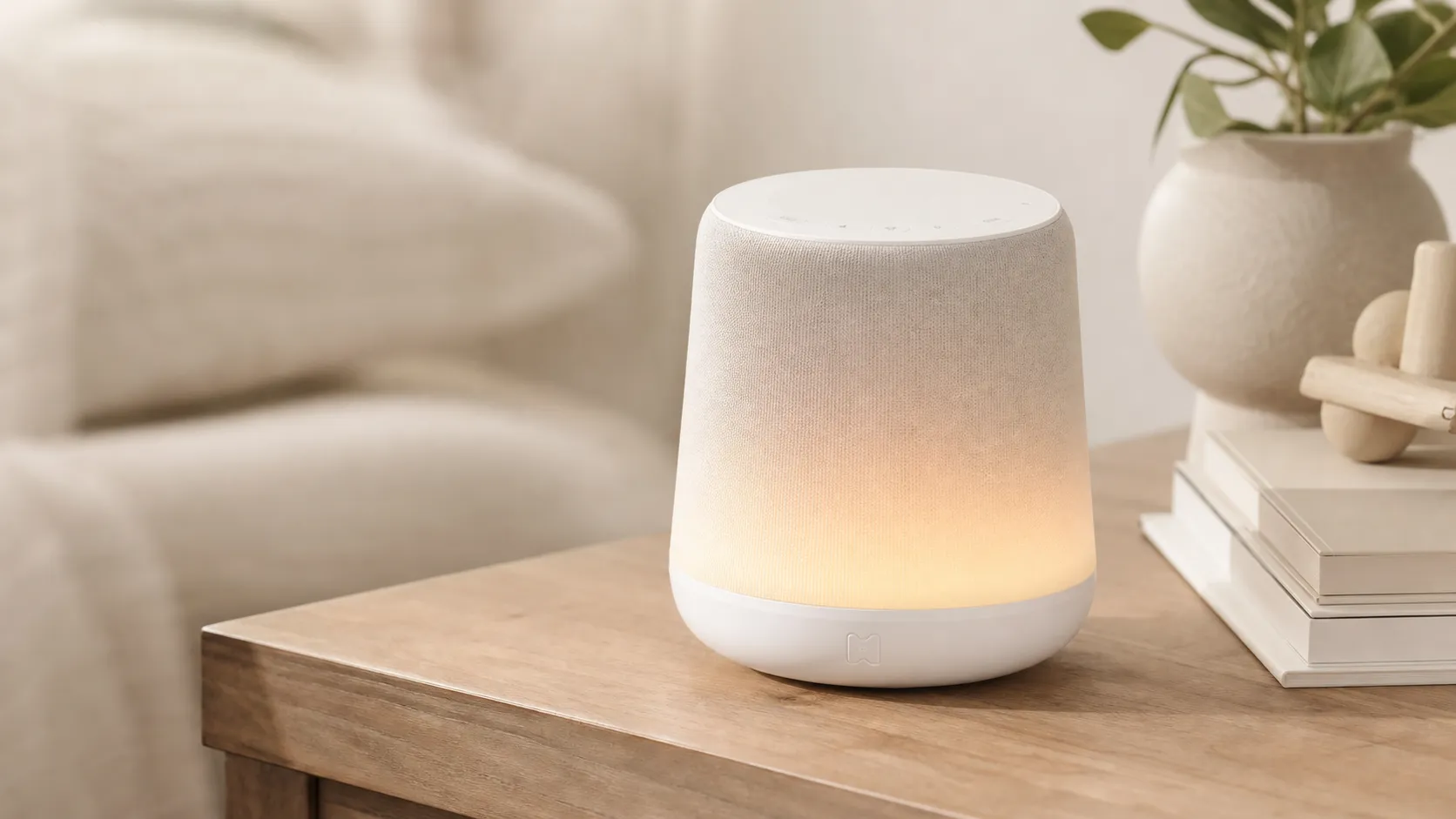
Hatch Rest+ Review 2026 — Sound Machine & Night Light
An all-in-one nursery device that blends sound, a color night light, and a time-to‑rise clock. Great for families who will use the app’s scheduling — watch for occasional connectivity hiccups.
 Baby & Kids
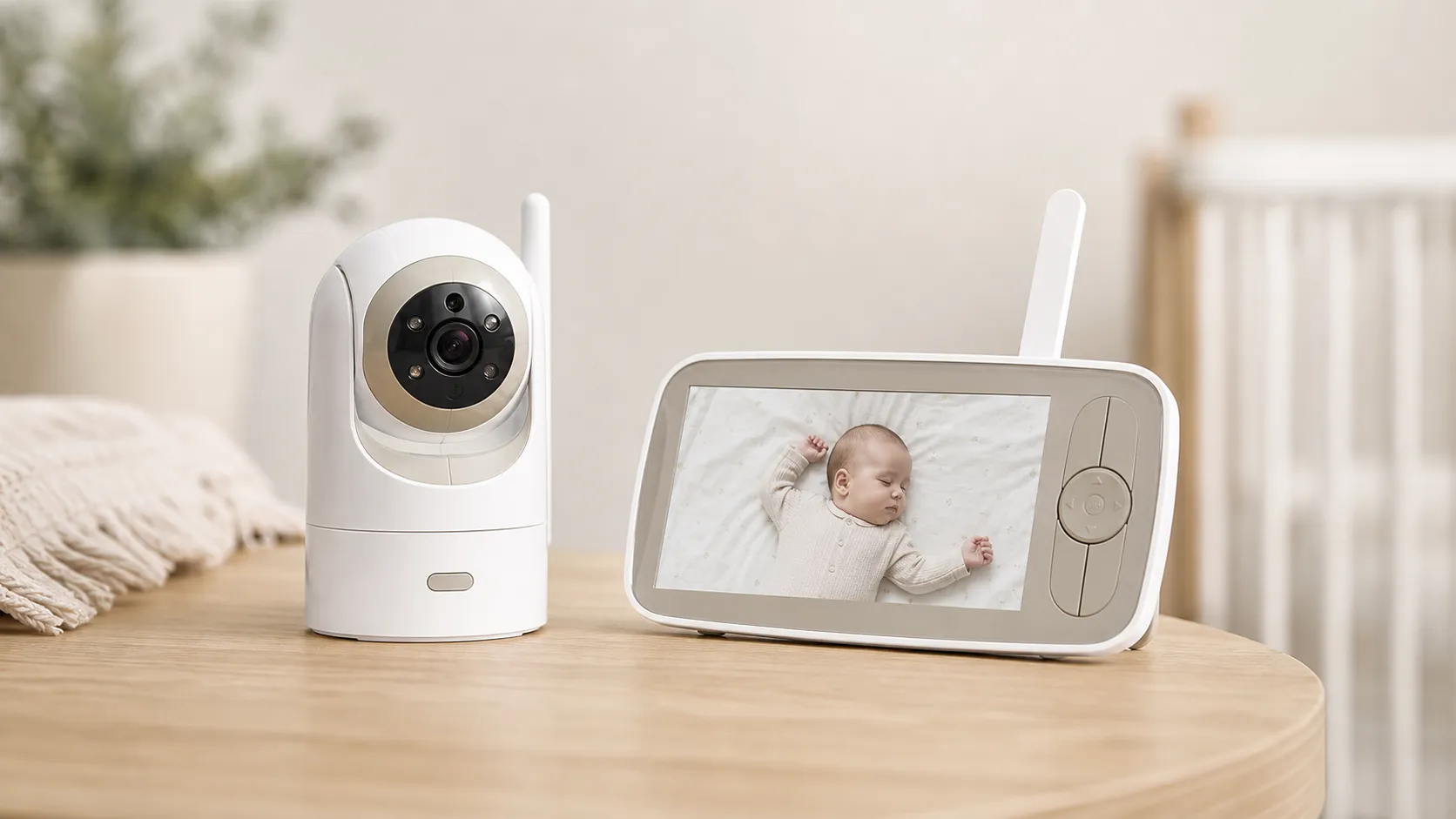
Infant Optics DXR‑8 Pro Video Baby Monitor — 2026 Review
A privacy‑first, high‑clarity non‑WiFi monitor with real optical zoom, clean audio, and long range — strong overall, but a minority report battery/charging issues.
 Baby & Kids
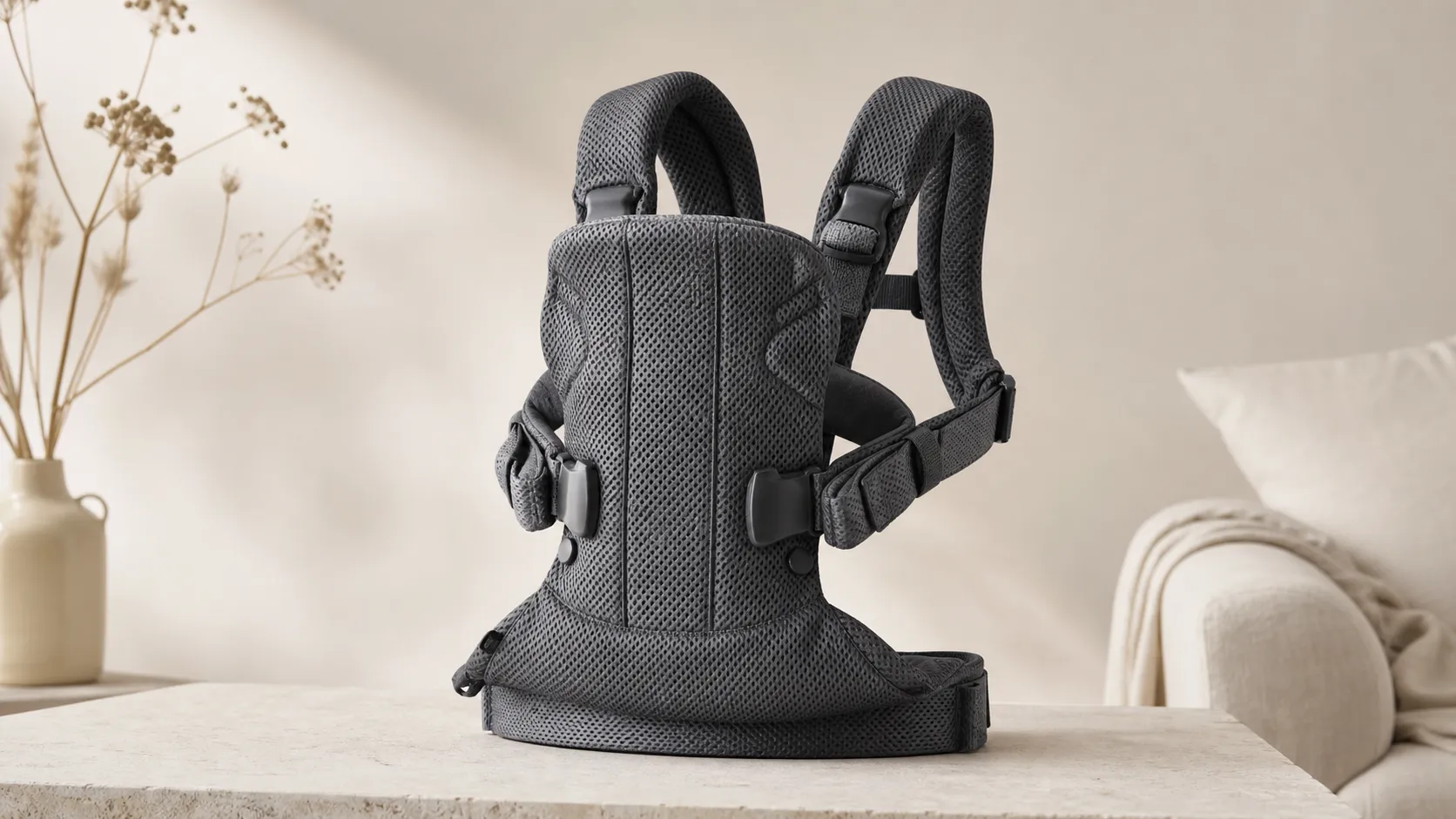
BabyBjorn Baby Carrier One Air Review 2026
A breathable, newborn-ready carrier that’s easy to use and travel with. Great for short-to-medium carries and warm weather, but less ideal for long, heavy-duty use.