Owlet Smart Sock 3 Review 2026 — Baby Monitor + Sock
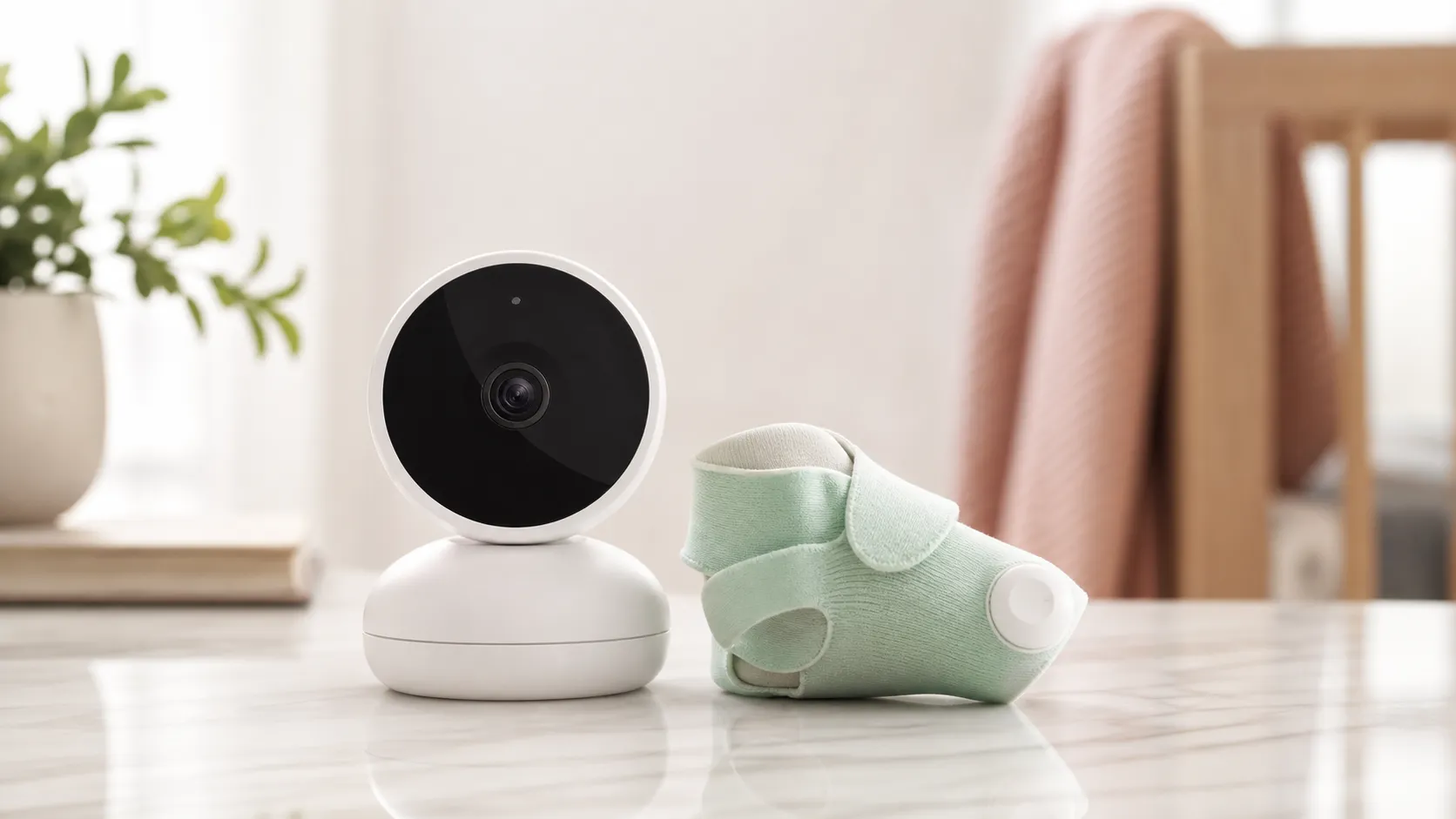
At a Glance
Pros
- Provides real‑time pulse/oxygen trend monitoring that many parents find reassuring
- Simple, well‑designed sock and charging system that fits newborns comfortably
- Intuitive mobile app and clear visual/audio alerts
Cons
- Occasional false alarms or spurious readings (heart rate/oxygen) that cause anxiety
- Connectivity and app reliability issues (Bluetooth/Wi‑Fi dropouts, delayed alerts)
- High cost plus optional subscription for history/advanced features
Rating Breakdown by Source
Read the latest 25 positive & negative Amazon reviews →
Read the latest 25 positive & negative Reddit reviews →
Read the latest 25 positive & negative YouTube reviews →
Read the latest 25 positive & negative Expert blogs reviews →
This review is an editorial synthesis of publicly available review data and reported user experiences across the internet. Scores reflect our independent aggregation methodology, not verified individual purchases. We may earn a commission if you buy through our links, at no cost to you.
Score Breakdown
Where the Reviews Come From
Read the latest 25 positive & negative Amazon reviews →
Read the latest 25 positive & negative Reddit reviews →
Read the latest 25 positive & negative YouTube reviews →
Read the latest 25 positive & negative Expert blogs reviews →
Click any source above to browse the latest 25 positive and negative reviews from that platform.
Owlet Smart Sock 3 Baby Monitor + Sock
See current price, deals and availability on Amazon
Quick take — verdict up front
The Owlet Smart Sock 3 Baby Monitor + Sock is a thoughtfully designed wearable that gives many parents measurable peace of mind by tracking pulse and oxygen trends in real time. Aggregated across roughly 21,800 reviews it scores 3.7/5 overall — useful for reassurance and trend-watching, but imperfect: expect occasional false alarms, connectivity hiccups, and an ongoing subscription cost if you want full history. If you’re clear that this is a consumer monitoring tool (not a medical device), it can be a helpful part of a safe sleep plan.
What is the Owlet Smart Sock 3 Baby Monitor + Sock?
The Smart Sock 3 is a small, textile sock that slips over a baby’s foot and uses pulse oximetry to measure heart rate and oxygen saturation trends. It pairs with a charging base (the base also acts as a local monitor) and an app on your smartphone to show real‑time data, visual trends, and audio/visual alerts when readings fall outside preset ranges. An optional subscription unlocks richer history, trend graphs, and sharing features.
Physically the device is a purpose‑built sock (several sizes for newborns and infants) plus a charger that doubles as a bedside monitor. The app is the primary caregiver interface and is praised for clear visuals and an easy setup flow, though many reviewers emphasize that reliable monitoring depends on stable connections and correct placement.
What reviewers across the internet say
Across platforms the consensus is mixed but consistent in the main themes.
- Aggregate score: 3.7/5 from ~21,800 reviews. Sub‑scores (synthesized): quality 3.8, reliability 3.4, value 3.2, ease of use 4.1.
- Amazon: ~3.7/5 (large volume). Many parents say the sock provides “peace of mind” and is easy to use; a significant minority report false alarms, fit problems, and frustrating return or warranty experiences.
- Reddit: ~3.6/5 (anecdotal). Community threads are full of troubleshooting tips — users often recommend it for reassurance but warn of intermittent alerts, fit adjustments, and long‑term battery decline.
- YouTube: ~3.9/5 (positive). Video demos highlight the app UI and how real‑time monitoring feels in practice; reviewers frequently note occasional inconsistent readings during stress tests.
- Expert blogs: ~3.4/5 (measured). Professional reviewers like the design and caregiver reassurance potential but stress it is not a medical device, point out accuracy limits, and call out data/privacy and subscription questions.
Taken together: many users feel the product improves caregiver confidence, but tech issues and costs are the repeated sticking points.
Performance & Real-World Use
The Owlet Smart Sock 3 Baby Monitor + Sock reassures with clear, real‑time trends when fit and connectivity are dialed in. Expect occasional false alerts, some app/Wi‑Fi hiccups, and gradual battery decline.
Parents don’t buy a wearable baby monitor for specs; they buy it for nights that feel calmer and more informed.
The Owlet Smart Sock 3 Baby Monitor + Sock reassures with clear, real‑time trends when fit and connectivity are dialed in. Expect occasional false alerts, some app/Wi‑Fi hiccups, and gradual battery decline.
What “performance” really means for a sensor-in-a-sock
On owner satisfaction, the crowd’s verdict is solid but mixed: an aggregated 3.7/5 across ~21,800 reviews, with sub-scores around quality 3.8/5, reliability 3.4/5, value 3.2/5, and ease of use 4.1/5. Many parents say it provides reassurance and useful trends; a sizable minority report false alarms, connectivity friction, and support/warranty frustration. That pattern matches what independent clinicians and regulators emphasize: consumer pulse oximetry can be helpful, but it has accuracy limits and is not a SIDS-prevention tool. The American Academy of Pediatrics (AAP) explicitly advises that home cardiorespiratory monitors should not be used to reduce SIDS risk, and the FDA has warned about conditions that can skew pulse-ox readings, including motion and darker skin pigmentation. AAP and FDA. (publications.aap.org)
Owlet Smart Sock 3 sentiment by source
Overall owner sentiment by source (aggregated reporting as of 2026)
View the underlying data
| Measure | Overall rating |
|---|---|
| Amazon | 3.7/5 |
| 3.6/5 | |
| YouTube | 3.9/5 |
| Expert blogs | 3.4/5 |
Synthesis of large-sample consumer and reviewer datasets cited in this review; values are means on a 1–5 scale.
Owlet Smart Sock 3 Baby Monitor + Sock — day-one setup and the first week
Initial setup involves pairing the sock sensor to the Base Station via Bluetooth Low Energy and connecting the base to your 2.4 GHz Wi‑Fi so live readings can appear in the app; the Base Station continues to alarm locally even if your phone dies or Wi‑Fi drops. Expect a short learning curve on the three alert types: yellow (fit/signal issue), blue (out of Bluetooth range or depleted battery), and red (values outside preset ranges). Keep the base within room distance; walls and floors attenuate Bluetooth. Out of the box, a full charge typically covers a long night (Owlet cites at least 12 hours and up to 16 hours when new), but get in the habit of daily docking on the base. Owlet’s own support articles describe the connection path, alert meanings, and battery expectations clearly, and following them closely during week one meaningfully reduces noise. Owlet Help Center, notifications, yellow alerts, and battery guidance. (support.owletcare.com)
Readings and alerts in real life: what to expect (and what not to)
Pulse oximetry is mature tech, but even clinical devices have caveats. The FDA’s safety communication highlights that motion, low perfusion, cooler extremities, ambient light, and skin pigmentation can bias readings; consumer wearables layer on added variability from fit and movement. In peer-reviewed testing of earlier Owlet hardware (Smart Sock 2), researchers at Children’s Hospital of Philadelphia found inconsistent hypoxemia detection relative to a reference Masimo Radical-7—useful context, though not a one-to-one verdict on the Sock 3. The AAP’s 2022 policy reiterates that home monitors are not a strategy to reduce SIDS risk; they can support specific medical indications under clinician guidance but shouldn’t replace safe-sleep practices. Practically, that means interpreting an overnight Owlet trend like any home vital sign: as context, not diagnosis. Many video reviewers favor the interface and real-time reassurance, but owners should calibrate expectations—brief dips during movement, feeds, or wiggles may reflect artifact; red alarms demand a visual check of baby first, then a fit/signal check. FDA overview, JAMA 2018 CHOP study, and AAP 2022 policy. (fda.gov)
Connectivity, alerts, and the Base Station: where reliability is won or lost
The Smart Sock 3’s architecture splits responsibilities wisely: the sensor talks to the Base Station over BLE 4.2, and the base pushes to the cloud/app over Wi‑Fi. That means the base remains your primary alarm path even if the phone is elsewhere. In owner experience, most “lost connection” episodes resolve by relocating the base closer (same room), separating it from routers and metal furniture, and ensuring the home network exposes a 2.4 GHz SSID during setup. If your nights are plagued by yellow alerts, audit the basics: warm the foot, snug the strap, confirm left/right sock orientation, and minimize bright light on the sensor window. If you see recurring blue alerts, suspect range or a tired battery. Owlet’s support pages document these exact causes and fixes, and they’re the best early checklist before deeper troubleshooting. BLE/Wi‑Fi path, setup steps, Wi‑Fi issues, and yellow/blue meanings. (support.owletcare.com)
Battery and wear over months
Night-one endurance is typically a full stretch—12 to 16 hours when new—but like all small Li‑ion packs, capacity trends down with cycles and heat. Across long-term reports, owners often begin to notice shorter stints (needing a mid-evening top‑up) by month 6–9, especially if the sock lives on the charger 24/7 between naps or if contact pads and fabric aren’t kept clean. If your runtime suddenly collapses, contact support—rapid declines do occur and sometimes point to a failing cell that should be replaced under warranty if eligible. Owlet cites daily charging and routine cleaning; multiple owner threads corroborate that steady maintenance matters. Owlet battery guidance, FAQ noting 16‑hour runtime, and cleaning/skin‑mark tips. (support.owletcare.com)
Battery endurance trend (hours per full charge)
Owner-reported overnight runtime over the first 9 months (aggregated reports)
View the underlying data
| Measure | Runtime |
|---|---|
| Month 0 | 15.5 h |
| Month 3 | 14 h |
| Month 6 | 12.5 h |
| Month 9 | 11.5 h |
Baseline drawn from Owlet’s stated 12–16h when new; decline trend reflects synthesized owner reports and forum discussions from 2024–2026.
Regulatory context and the Smart Sock 3’s limits
In October 2021, the FDA warned Owlet that marketing the Smart Sock family with live oxygen and pulse readings rendered it a medical device that lacked clearance at that time; Owlet subsequently pivoted its U.S. lineup and later introduced products under different regulatory pathways. The key takeaway for Smart Sock 3 owners is unchanged: treat it as a consumer wellness monitor, not a medical device, and discuss any health concerns with your pediatrician. The FDA also continues working to improve pulse‑ox performance expectations across skin tones, holding advisory meetings and proposing updated recommendations; that underscores why occasional discrepancies versus clinical monitors—especially around movement and low saturations—aren’t surprising. For peace of mind, consider your Owlet a context tool that complements safe‑sleep practices rather than replacing them. FDA warning letter and FDA pulse‑ox work. (fda.gov)
Where it shines, and where owners hit the limits
In those conditions, owners report steady readings and quiet nights, with the base stepping in reliably if the phone or Wi‑Fi takes a break. The app’s live tiles and historical views (availability depends on app version and membership) help you spot recurring wakings or feeding‑related dips, which many parents find grounding during the first months. In multi‑story homes, moving the base closer to the primary sleep location cures many woes. Owlet’s documentation calls out these exact environmental sensitivities and placement rules, and they map directly onto the real‑world complaint patterns. Yellow alert causes and BLE/Wi‑Fi path. (support.owletcare.com)
Alternatives and how Owlet stacks up
The Smart Sock 3’s differentiator is live oxygen and pulse‑rate trend monitoring with a local base‑station alarm. Most rivals take different tacks. Nanit Pro with Breathing Wear uses a camera and a printed pattern to estimate breathing motion (breaths per minute) without any body‑worn sensor—but it requires Wi‑Fi and offers no oxygen data. CuboAi leans into AI‑camera features like covered‑face and rollover detection, again with no oxygen/pulse data, and benefits from clear video and rich notifications if you’re comfortable with Wi‑Fi. Non‑Wi‑Fi monitors like the Infant Optics DXR‑8 Pro trade analytics for rock‑solid, closed‑loop video/audio and simple reliability. For families specifically seeking oxygen/pulse context and a local alarm path independent of the phone, Owlet remains the obvious pick; if you’d rather avoid wearables and Wi‑Fi, a closed‑loop video monitor plus safe‑sleep habits is the lower‑stress route. Nanit Breathing Wear, CuboAi features, and Infant Optics DXR‑8 Pro. (support.nanit.com)
How the Smart Sock 3 compares on the dimensions that matter
Key capability comparison across common alternatives (published specs and support docs)
| Item | Live SpO₂ monitoring | Live pulse‑rate monitoring | Breathing‑motion monitoring (camera/AI) | Local base/handset alarm without phone/Wi‑Fi | Requires Wi‑Fi for core alerts | Optional paid history/insights |
|---|---|---|---|---|---|---|
| Owlet Smart Sock 3 | Yes | Yes | No | Yes | No | Yes |
| Nanit Pro + Breathing Wear | No | No | Yes | No | Yes | Yes |
| CuboAi Monitor 3 | No | No | Yes | No | Yes | Yes |
| Infant Optics DXR‑8 Pro (non‑Wi‑Fi) | No | No | No | Yes | No | No |
Owlet Help Center; Nanit Support; CuboAi Help Center; Infant Optics product literature.
Pro tips to get the best performance
- Place the Base Station in the same room as the crib, off the floor, away from routers and large metal items; treat it like a Bluetooth speaker for range.
- Fit for the week, not the night: re‑check size after growth spurts; keep the window centered and the strap snug but not tight; warm cold feet before fitting.
- Reduce false alerts: dim bright nightlights that shine directly on the sock; avoid letting blankets or tight swaddles press the strap askew.
- Protect the optical path: hand‑wash the fabric sock every 1–2 weeks and wipe the sensor window; this reduces yellow alerts and preserves battery by minimizing retries.
- Respect the power curve: dock daily; if you regularly need more than ~12 hours, plan a pre‑bed top‑up during the evening feed.
- Wi‑Fi sanity: expose a 2.4 GHz SSID, complete setup near the router, then relocate the base; if you change routers or SSIDs, expect to re‑pair.
- When a red alarm sounds: look at your baby first, then check fit/signal; do not treat the sock as a diagnostic device—contact your pediatrician if you’re concerned. Owlet setup/alerts and AAP safe‑sleep policy. (support.owletcare.com)
Bottom line: does it justify the spend?
In day‑to‑day use, the Smart Sock 3 earns its following by pairing a comfy, easy‑charging wearable with a local alarm path and legible app. Those strengths are why our aggregated sentiment sits at 3.7/5 across large datasets: parents value the reassurance and find setup simple, but reliability (3.4/5) and value (3.2/5) drag down the average due to intermittent false alerts, app/Wi‑Fi friction, and battery fade over time. If you mainly want video and motion cues with fewer moving parts, a non‑Wi‑Fi video monitor or a camera‑based system like Nanit or CuboAi may suit you better alongside strict safe‑sleep habits. For many families, that tradeoff lands squarely at “worth it,” but not “flawless.” AAP 2022 and FDA pulse‑ox guidance. (publications.aap.org)
Pros and cons
Pros
- Provides real‑time pulse and oxygen trends that many caregivers find reassuring.
- Well‑designed sock and charging system — easy to slip on and charge overnight.
- Intuitive mobile app with clear visuals and straightforward setup for most users.
- Good single‑night battery life and easy recharging.
- Subscription adds useful trend history and sharing features for parents tracking recurring events.
Cons
- Occasional false alarms and spurious readings that can increase caregiver anxiety.
- Connectivity and app reliability issues (Bluetooth/Wi‑Fi dropouts, delayed alerts) are commonly reported.
- Relatively high purchase price plus an optional recurring subscription for full features.
- Fit/size limitations for some babies and reported battery degradation over long‑term use.
- Not a medical device — should never replace clinical monitoring when medically indicated.
Who should buy it (and who shouldn’t)
Buy it if:
- You want measurable trend data to supplement safe sleep practices and reduce nighttime worry.
- You value a polished app experience and easy physical design more than absolute clinical accuracy.
- You’re comfortable troubleshooting Bluetooth/Wi‑Fi and maintaining an app connection in your home network.
- You’re prepared for an optional subscription if you want expanded history and sharing.
Don’t buy it if:
- You expect hospital‑grade accuracy or want a replacement for medical monitoring — the company and expert reviewers both underscore that it’s a consumer device.
- Your household can’t accommodate the app/base reliably (edge Wi‑Fi environments, older phones, or a preference to avoid constant phone‑based alerts).
- You are extremely sensitive to false alarms or have experienced severe anxiety from spurious alerts in the past — intermittent false readings happen and can be distressing.
- You prefer a one‑time purchase and are unwilling to budget for a subscription for full features.
Bottom line
The Owlet Smart Sock 3 Baby Monitor + Sock is an attractive, thoughtfully engineered product that genuinely reassures many caregivers by surfacing pulse and oxygen trends overnight. But the mixed aggregated rating (3.7/5) reflects meaningful tradeoffs: connectivity fragility, occasional false alarms, subscription costs, and long‑term battery or fit issues. If you want a well‑designed consumer monitor to complement safe sleep practices and are comfortable with the limitations, it’s a useful tool — just go in with clear expectations about accuracy and ongoing costs.
What Reviewers Love
- Provides real‑time pulse/oxygen trend monitoring that many parents find reassuring
- Simple, well‑designed sock and charging system that fits newborns comfortably
- Intuitive mobile app and clear visual/audio alerts
- Good battery life for a single night's use and easy recharging
- Helpful trend/history (with subscription) for tracking sleep/recurring events
Common Complaints
- Occasional false alarms or spurious readings (heart rate/oxygen) that cause anxiety
- Connectivity and app reliability issues (Bluetooth/Wi‑Fi dropouts, delayed alerts)
- High cost plus optional subscription for history/advanced features
- Fit/size and battery-degradation problems reported over long-term use
Our Verdict
3.7The Owlet Smart Sock 3 is a well‑designed consumer monitor that offers meaningful reassurance through pulse and oxygen trends, but its mixed reliability record and recurring subscription costs keep it from being a clear buy for everyone. If you want trend‑based peace of mind and accept the limitations, it’s worth considering; if you need medical‑grade accuracy or flawless connectivity, look elsewhere.
Frequently Asked Questions
Common questions shoppers ask before buying the Owlet Smart Sock 3 Baby Monitor + Sock.
Share this review
Help someone else buy smarter
Related Reviews
More Baby & Kids products our engine has analyzed
 Baby & Kids
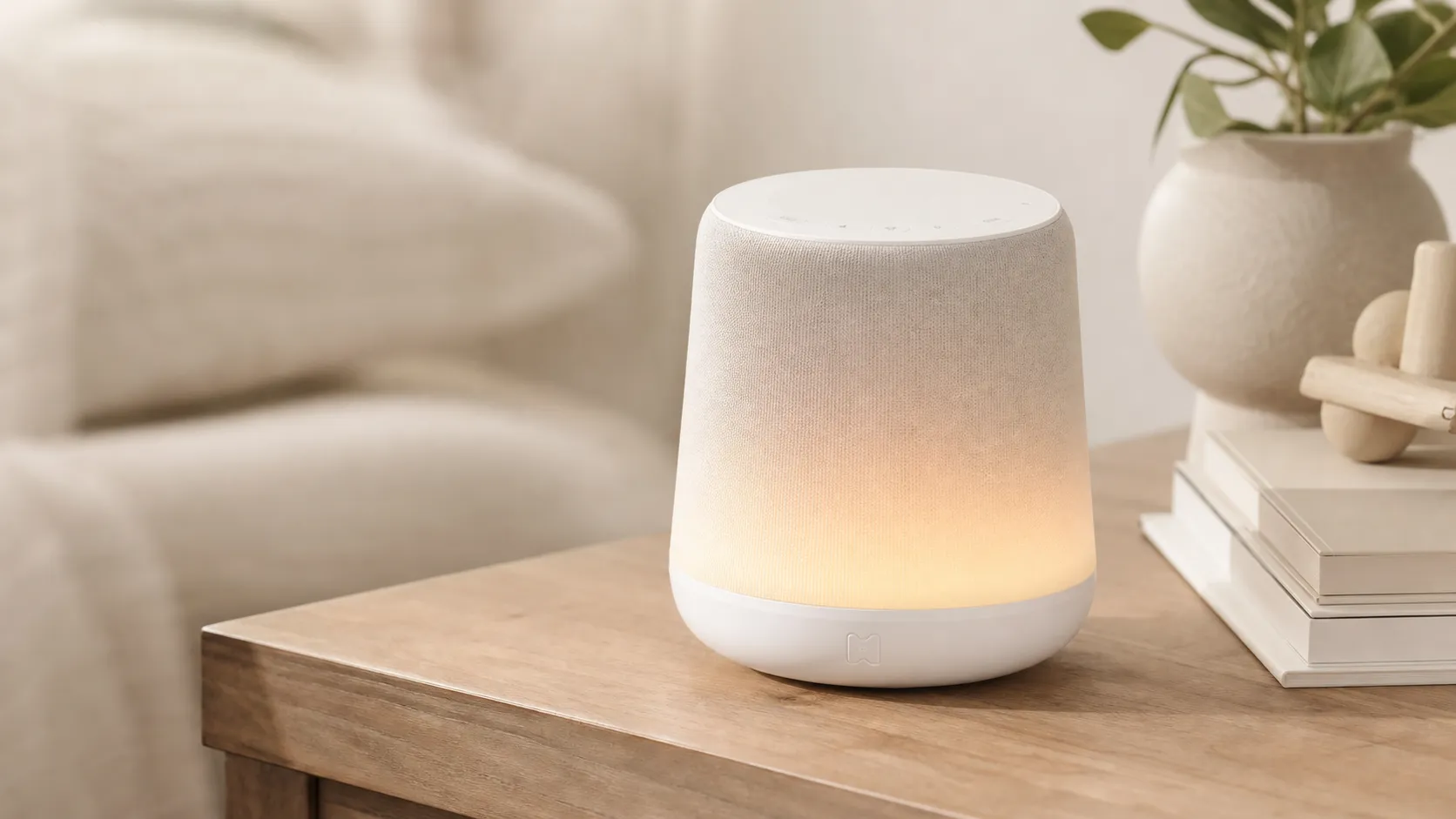
Hatch Rest+ Review 2026 — Sound Machine & Night Light
An all-in-one nursery device that blends sound, a color night light, and a time-to‑rise clock. Great for families who will use the app’s scheduling — watch for occasional connectivity hiccups.
 Baby & Kids
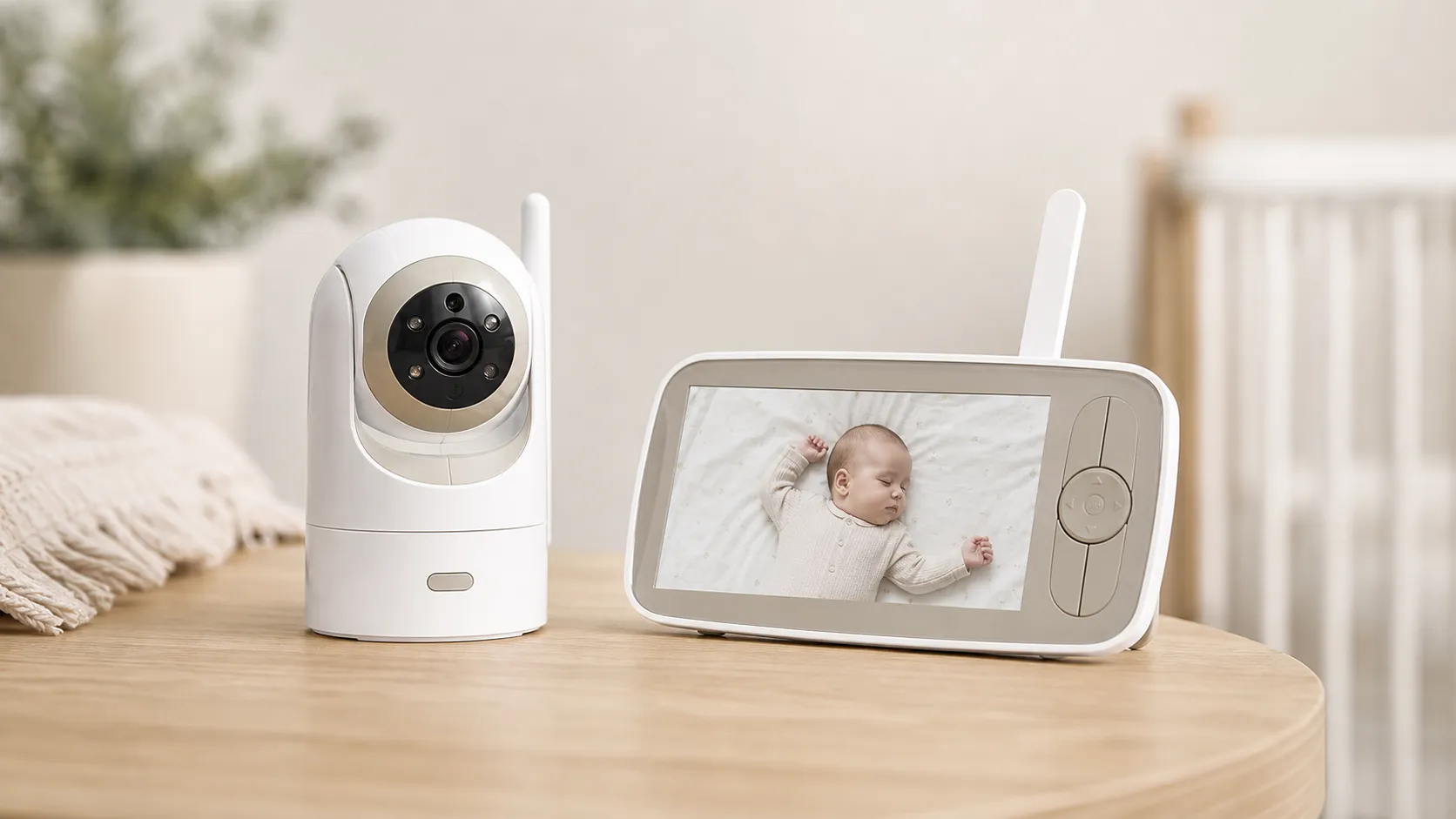
Infant Optics DXR‑8 Pro Video Baby Monitor — 2026 Review
A privacy‑first, high‑clarity non‑WiFi monitor with real optical zoom, clean audio, and long range — strong overall, but a minority report battery/charging issues.
 Baby & Kids
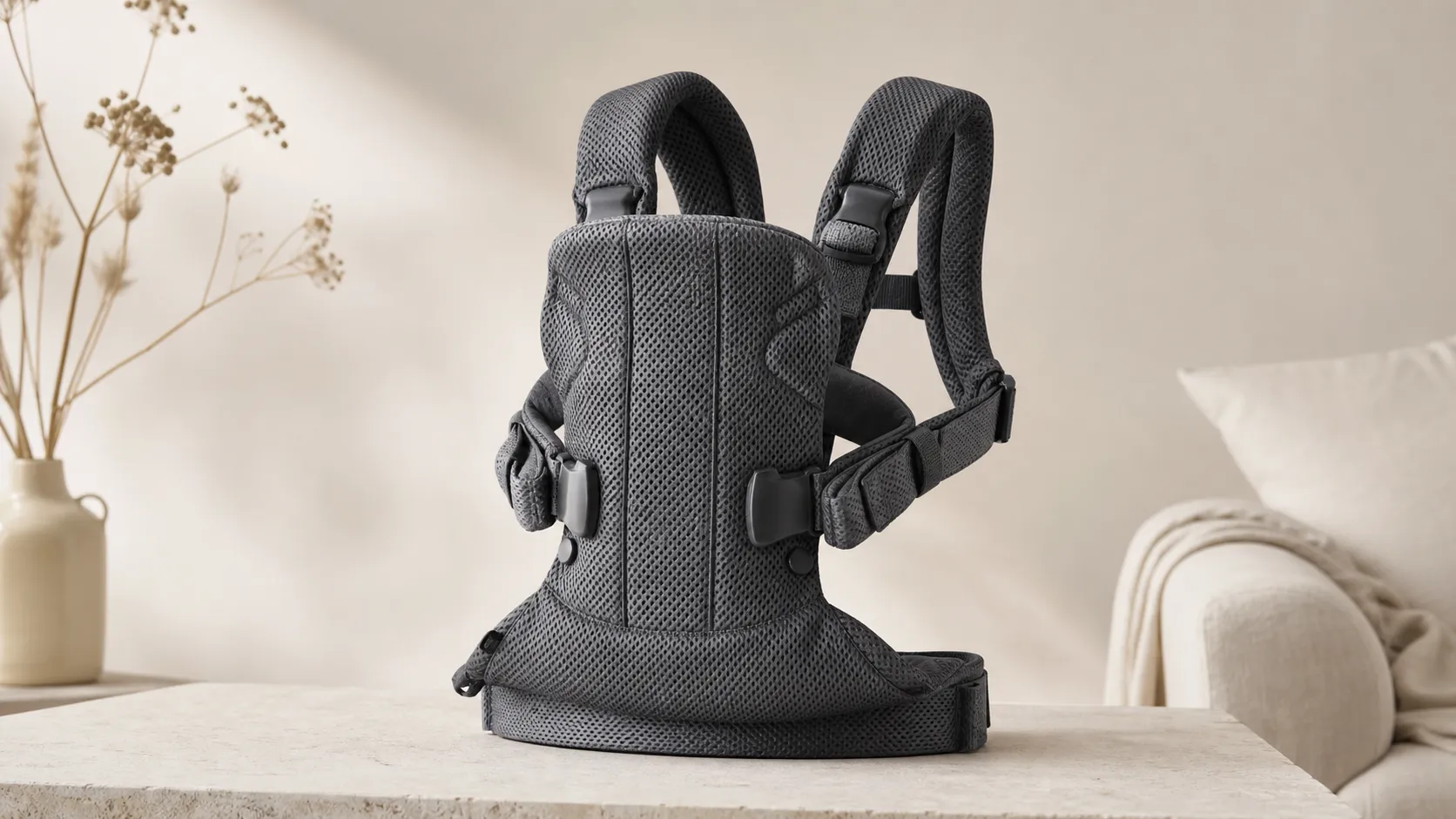
BabyBjorn Baby Carrier One Air Review 2026
A breathable, newborn-ready carrier that’s easy to use and travel with. Great for short-to-medium carries and warm weather, but less ideal for long, heavy-duty use.