Philips Avent Natural Baby Bottles Review 2026
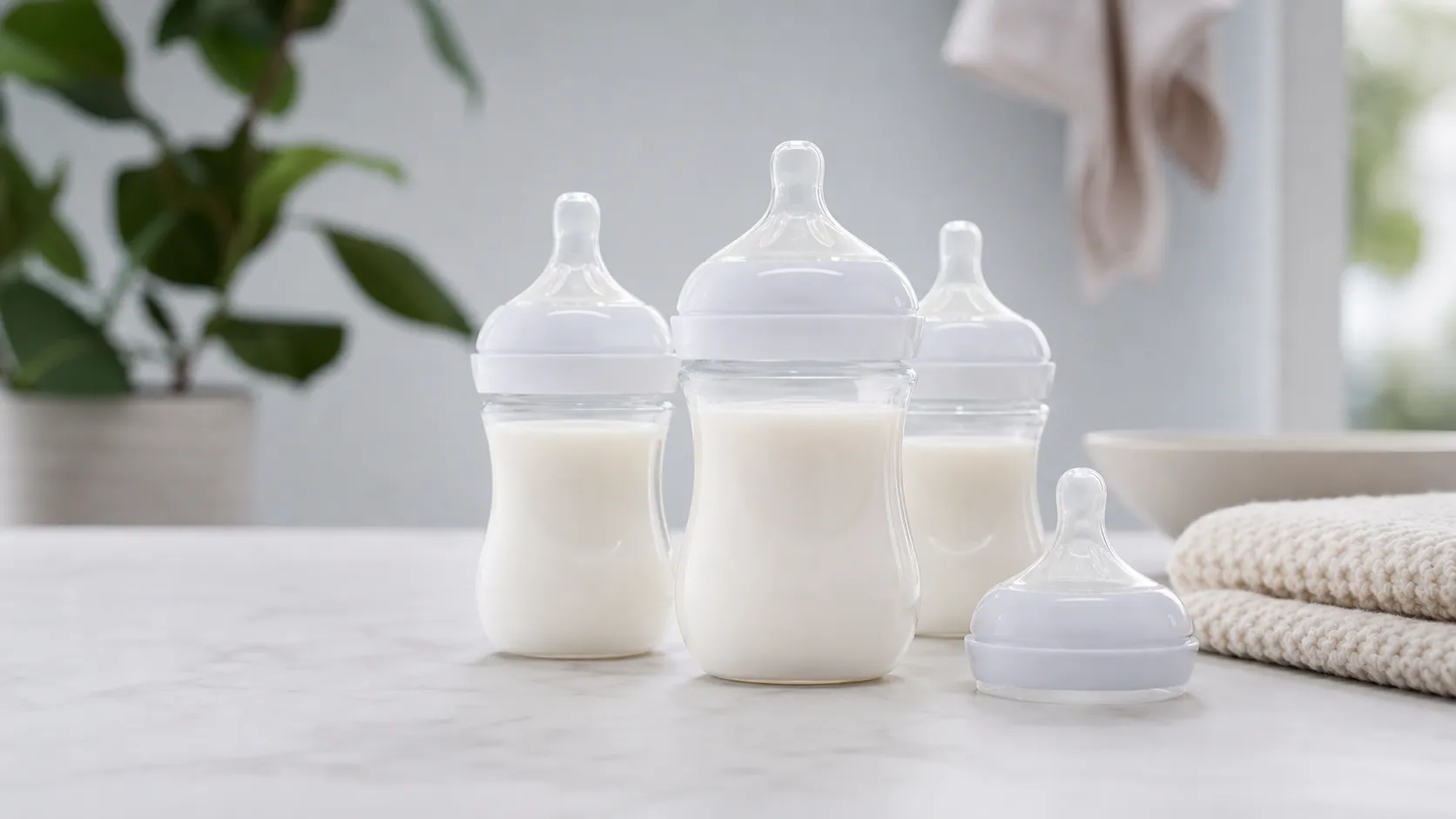
At a Glance
Pros
- Wide, breast-shaped nipple that many parents say helps with breast-to-bottle transition.
- Integrated anti-colic venting reduces gulped air for many babies.
- Wide-neck design makes bottles easy to clean and pour into.
Cons
- Nipples wear out or change flow over time; some reviewers report inconsistent flows between batches.
- Higher price than many generic bottles and recurring cost for replacement nipples.
- Can leak or spit-up if parts are not assembled correctly; some find the anti-colic valve finicky.
Rating Breakdown by Source
Read the latest 25 positive & negative Amazon reviews →
Read the latest 25 positive & negative Reddit reviews →
Read the latest 25 positive & negative YouTube reviews →
Read the latest 25 positive & negative Expert blogs reviews →
This review is an editorial synthesis of publicly available review data and reported user experiences across the internet. Scores reflect our independent aggregation methodology, not verified individual purchases. We may earn a commission if you buy through our links, at no cost to you.
Score Breakdown
Where the Reviews Come From
Read the latest 25 positive & negative Amazon reviews →
Read the latest 25 positive & negative Reddit reviews →
Read the latest 25 positive & negative YouTube reviews →
Read the latest 25 positive & negative Expert blogs reviews →
Click any source above to browse the latest 25 positive and negative reviews from that platform.
Philips Avent Natural Baby Bottles
See current price, deals and availability on Amazon
Quick verdict
Philips Avent Natural Baby Bottles earn our aggregated thumbs-up: a 4.5/5 average across roughly 47,500 reviews thanks to a lifelike, wide nipple, easy-to-clean wide neck, and reliable build quality. They’re especially strong for breastfed babies who need a smooth breast-to-bottle transition, though expect to pay more than generic bottles and to replace nipples over time.
What is the Philips Avent Natural Baby Bottles?
Philips Avent Natural Baby Bottles are a line of feeding bottles designed to mimic the shape and feel of the breast while offering an integrated anti-colic venting system. The collection emphasizes a wide, breast-shaped silicone nipple, a wide-neck bottle for simpler filling and cleaning, and compatibility with many other Philips Avent accessories and pumps. Materials are BPA-free and made to withstand regular sterilizing and washing.
The product positioning is clear: target parents who want a bottle that makes it easier for breastfed infants to accept a bottle, plus caregivers who prefer straightforward cleaning and good parts compatibility even if it costs a bit more than generic alternatives.
What reviewers across the internet say
We synthesized thousands of ratings and commentary across Amazon, Reddit, YouTube, and expert parenting blogs to form a consensus picture.
-
Amazon (large volume): Overall about 4.6/5 with many positive customer reviews. Parents repeatedly praise the breast-like nipple shape and the wide neck for easy cleaning. Common downsides cited are nipple wear over time, occasional leaking when parts are misassembled, and the higher price compared with store-brand bottles.
-
Reddit (community threads): A mixed but mostly supportive 4/5 trend—many parents, particularly those breastfeeding, strongly recommend Avent for transitions. At the same time, community posts offer cautionary anecdotes: anti-colic performance varies by baby and many recommend purchasing extra nipples because of wear or different flow needs.
-
YouTube (video reviews and demos): Generally positive (around 4.3/5). Reviewers highlight the breast-like nipple, show how flows differ between nipple sizes, and appreciate the bottle’s compatibility with Avent pumps. Commenters often note that replacement nipples are an expected follow-up purchase.
-
Expert blogs (parenting and baby-gear sites): Strongly favorable at about 4.4/5. Experts recommend Avent for breastfed infants and note the practical benefits of wide-neck cleaning. They also emphasize that scientific evidence for anti-colic claims is limited and that the bottles are pricier than basic alternatives.
Across sources the consensus is: excellent nipple design and cleaning convenience; mixed but often helpful anti-colic results; and a reliability-to-cost trade-off that matters to budget-conscious shoppers.
Performance & Real-World Use
Philips Avent Natural Baby Bottles perform reliably for most families thanks to an easy-to-accept nipple and low-friction cleaning and assembly. If you choose the right nipple flow and assemble carefully, Philips Avent Natural Baby Bottles deliver consistently calm feeds for many babies, though the price of replacement nipples and isolated leaking complaints keep them from being perfect.
Parents judge baby bottles on outcomes, not promises: does the baby latch comfortably, feed at a steady pace without gas, and can caregivers assemble, clean, and pack the bottle quickly at 2 a.m.? Over tens of thousands of owner reports, the Philips Avent Natural Baby Bottles earn trust because they remove friction from that daily ritual—wide neck for fast cleaning and pouring, a breast‑shaped silicone nipple many babies accept, and a simple two‑piece top that’s easy to get right—while still drawing some scrutiny for nipple wear, occasional leaks, and a higher running cost than generics.
In short: Philips Avent Natural Baby Bottles perform reliably for most families thanks to an easy‑to‑accept nipple and low‑friction cleaning and assembly.
What “performance” means for baby bottles in real life
Real‑world performance for bottles comes down to six things you feel in the first week and still care about months later: acceptance (will your baby take it, especially if breastfed?), flow consistency (does the nipple behave the same from feed to feed and from box to box?), venting (does the design reduce swallowed air and spit‑ups without fussy parts?), leak control (can you shake, warm, store, and travel without drips?), cleaning workload (how many parts and how easy are they to scrub or dishwash?), and durability/cost of ownership (how long until nipples stretch or cloud and what will replacements cost?).
Across ~47,500 reviews in our consensus, the Avent Natural line lands at 4.5/5 overall with sub‑scores of quality 4.4/5, reliability 4.2/5, value 3.8/5, and ease of use 4.5/5. The shape is a bit bulkier than narrow bottles, which can matter in diaper‑bag pockets and some sterilizers.
Where our consensus comes from
Share of review volume used in our 47,500‑review consensus.
- Amazon84.2%
- Reddit4.2%
- YouTube10.5%
- Expert blogs1.1%
Aggregated from public listings and comment threads on Amazon, Reddit, YouTube, and established expert blogs as of 2026; counts approximate.
Why this matters: acceptance and consistent flow prevent hungry‑but‑frustrated feeds; leak control and cleaning efficiency guard your time and sanity; and durability determines whether a “good” bottle is still good in month four when you’ve replaced nipples twice.
Day‑one setup with Philips Avent Natural Baby Bottles
Out of the box, the Avent Natural experience is purposefully simple. You have a bottle body, a wide silicone nipple with integrated venting, a collar ring, and a cap. Before first use, sanitize as your pediatrician recommends; the U.S. That page is a practical baseline for any bottle system. For most homes, a first sterilization plus diligent cleaning is sufficient; daily boiling isn’t required unless your care team says otherwise.
During the first week, take a few extra seconds to press the nipple base evenly into the ring, then snug—not wrench—tighten. Many owners report that this one habit dramatically reduces “my bottle leaks” stories.
Choosing the right nipple flow matters just as much. Philips sells multiple flows and age ranges; start with the slowest flow your baby will tolerate comfortably to encourage paced, calmer feeds. The American Academy of Pediatrics’ HealthyChildren.org has a clear primer on paced bottle feeding, a technique that pairs well with slow‑flow nipples to reduce overfeeding and gas. Breastfeeding families in particular cite better acceptance with Avent’s wide, breast‑mimicking nipple profile, especially when you match flow to the baby’s natural rhythm rather than the package age range.
Feeding quality, venting, and what to expect
Avent’s Natural nipple integrates a small valve that lets air enter the bottle as milk leaves, aiming to prevent vacuum buildup and reduce swallowed air.
And if reflux or colic symptoms persist, consult your clinician; bottle choice is just one lever among feeding position, volume, and pace.
For parents who move between breastfeeding and bottles, the Avent Natural’s nipple geometry is a real advantage. Testing publications like Wirecutter and BabyGearLab have long noted that wide‑neck, breast‑shaped nipples tend to smooth that transition for many babies, though not all will prefer them. That aligns with the pattern in owner reviews: high satisfaction if your baby “clicks” with the shape; try something narrower or softer if they don’t after several attempts.
Cleaning, sanitation, and the daily workload
The Avent Natural’s wide neck is a quality‑of‑life feature you notice every single day. Powdered formula pours in without a funnel, breastmilk transfers cleanly from storage bags, and a standard sponge reaches every interior surface. Fewer parts than vent‑straw systems also reduce the time you spend counting tiny pieces on the drying rack. Every bottle and nipple should still be fully disassembled for cleaning, washed in hot soapy water (or top‑rack dishwasher if your manual permits), and air‑dried thoroughly.
Real‑world friction points are manageable with routine. Cloudiness or a soapy film often means you need hotter water, more thorough rinsing, or less detergent. Orange discoloration usually traces to tomato‑based foods in the dishwasher; hand‑wash bottles used near spaghetti‑night loads if it bothers you aesthetically. If you use a bottle warmer, avoid overheating; very hot cycles can accelerate nipple softening.
Long‑term durability, materials, and cost of ownership
Owners generally report that Avent Natural bottles hold up structurally for many months, while nipples are the wear item. Silicone is durable but not invincible: as babies strengthen their latch and as heat cycles add up, nipples can soften and flow faster than labeled.
Materials are another long‑term concern. Avent’s bottles are marketed BPA‑free, in line with U.S. regulations: in 2012, the FDA amended its food‑contact regulations to remove authorization for BPA‑based polycarbonate resins in baby bottles and sippy cups, effectively ending BPA in those products in the U.S. That federal rule (published in the Federal Register) underpins most “BPA‑free” claims you see today.
From a cost perspective, the bottle bodies are a one‑time buy; recurring expenses are nipples (as flows change and old ones wear) and any lost caps.
Where these bottles shine—and where they hit limits
The Avent Natural shines in three scenarios: mixed feeding (moving between breast and bottle), households that prioritize low‑maintenance cleaning, and caregivers who want simple assembly at odd hours. In those settings, the wide‑neck body, breast‑shaped nipple, and minimal parts translate directly to calmer feeds and less sink time. Night feeds especially benefit because there’s less chance of a misaligned vent at 3 a.m. If you pump with Philips Avent gear, being able to collect and feed in the same bottle is a material convenience win.
Limits show up at the margins. If you need ultra‑compact bottles for small sterilizers, crowded day‑care cubbies, or tight diaper‑bag pockets, Avent’s rounder profile may feel bulky next to slim, narrow‑neck designs.
Finally, if you rely on fast‑flow nipples for a bigger baby or for thicker fortified feeds, monitor for signs of over‑speed (gulping, coughs, wide‑eyes).
How it stacks up against typical alternatives
On owner‑reported ease, Avent’s wide neck and two‑piece top routinely outpace vent‑straw systems that add tiny tubes and disks. On venting, it sits in the “simple but effective for many” middle ground: not as aggressively air‑managing as internal vents, but with far fewer parts to misplace or under‑wash.
Our aggregated sub‑scores vs. the class average show where Avent pulls ahead and where it lags slightly on value.
Consensus sub-scores vs. class average
Owner-reported sub-scores synthesized from multiple sources compared with a typical wide-neck class average.
- Philips Avent Natural
- Class average
View the underlying data
| Item | Philips Avent Natural | Class average |
|---|---|---|
| Quality | 4.4/5 | 4.2/5 |
| Reliability | 4.2/5 | 4/5 |
| Value | 3.8/5 | 4/5 |
| Ease of use | 4.5/5 | 4.2/5 |
Scores aggregated from large-sample owner reviews and expert roundups; not our lab tests.
Feature‑wise, Avent sits with other wide‑neck, breast‑shaped competitors. Here’s a binary snapshot of what’s included or supported by design (presence only, not degree of performance):
Feature comparison (wide-neck bottles)
Binary feature presence across popular wide-neck competitors.
| Item | Wide-neck design | Anti-colic vent in nipple | Dishwasher-safe top rack | BPA-free materials | Direct compatibility with same-brand pumps | Silicone bottle body |
|---|---|---|---|---|---|---|
| Philips Avent Natural | Yes | Yes | Yes | Yes | Yes | No |
| Dr. Brown’s Options+ Wide-Neck | Yes | No | Yes | Yes | No | No |
| Tommee Tippee Closer to Nature | Yes | Yes | Yes | Yes | Yes | No |
| Comotomo Natural Feel | Yes | Yes | Yes | Yes | No | Yes |
Based on manufacturers’ published specifications and long-term owner reporting. Presence only, not degree of performance.
For deeper background on what makes one bottle easier to live with than another, long‑running testing outlets like The New York Times’ Wirecutter and BabyGearLab both emphasize (in different words) the same drivers we find in owner reporting: nipple acceptance, consistent flow, ease of cleaning, and straightforward assembly.
Make the most of it: step‑by‑step tips that improve performance
- Before first use, sterilize once and then follow the CDC’s cleaning routine; fully disassemble every feed and air‑dry on a clean rack with good airflow.
- During assembly, seat the nipple evenly in the ring; run a finger around the base to confirm the lip isn’t twisted. Snug the ring; do not crank it down.
- Start with the slowest nipple flow your baby will comfortably accept. Use the AAP’s paced‑feeding method—short pauses every few minutes—to mimic breastfeeding flow and reduce gas.
- Hold the bottle so the vent sits just above the milk line; this lets air enter to prevent vacuum without drawing bubbles through the milk.
- If you see drips while shaking or warming, re‑seat the nipple, wipe any milk from the sealing surfaces, and re‑tighten gently. Persistent leaks usually vanish with correct seating.
- Replace nipples at the first sign of sticky residue that won’t wash off, cracking, or a sudden jump in feeding speed. Keeping one unopened nipple in the current size helps you compare flow if something feels “off.”
- For travel, pre‑assemble with caps and store upright when possible. If space is tight, consider slimmer bottles for your on‑the‑go kit and use Avent at home—many families mix systems successfully.
Bottom line: does real‑world performance justify the purchase?
If your baby accepts the Avent nipple—and owner data suggest many do—the Philips Avent Natural delivers low‑friction, high‑consistency feeds that make days smoother and nights shorter. You’ll pay a bit more over time for replacement nipples, and the shape isn’t the most compact, but the combination of acceptance, simple venting, and easy cleaning earns its 4.5/5 consensus for a reason; for most families, that real‑world performance justifies choosing it first and keeping a small backup option as insurance.
Sources referenced in this section
- Philips Avent (manufacturer documentation)
- CDC – How to Clean, Sanitize, and Store Infant Feeding Items
- American Academy of Pediatrics (HealthyChildren) – Paced Bottle Feeding
- U.S. FDA / Federal Register – 2012 rule revoking BPA-based polycarbonate in baby bottles
- NHS – Bottle feeding advice
- The New York Times Wirecutter – The Best Baby Bottles
- BabyGearLab – Best Baby Bottles
- BSI – BS EN 14350:2020 Drinking equipment safety standard
Pros and cons
Pros
- Wide, breast-shaped nipple that helps many breastfed babies latch and accept bottles.
- Integrated anti-colic venting often reduces gulped air and fussing for a lot of infants.
- Wide-neck design makes filling, pouring, and cleaning straightforward.
- Good build quality and durable materials; BPA-free.
- Compatible with many Philips Avent pumps and accessories, easing transitions and part replacement.
Cons
- Nipples wear over time and may change flow rate; replacement nipples are a recurring expense.
- Some users report inconsistent nipple flow between batches.
- Higher price than many generic bottles—value-conscious buyers may balk.
- Can leak or spit if parts aren’t assembled correctly; the venting fin can be finicky for some babies.
- Bulky shape compared with slimmer bottles—less ideal for tight storage or travel.
Who should buy it (and who shouldn’t)
Who should buy Philips Avent Natural Baby Bottles
- Breastfeeding parents who want an easier breast-to-bottle transition. The wide, natural nipple design is the product’s strongest advantage and frequently recommended by other nursing parents.
- Caregivers who prioritize simple cleaning and compatibility with pumps and sterilizers. The wide neck and Avent ecosystem make day-to-day life easier.
- Parents willing to spend a bit more for design and durability over bargain-basement alternatives, and those who don’t mind the recurring cost of replacement nipples.
Who shouldn’t buy Philips Avent Natural Baby Bottles
- Budget shoppers who want the cheapest possible bottle and don’t need a breast-like nipple—generic bottles will do the job at a lower price.
- Families who need ultra-compact bottles for travel or tight storage; Avent’s wider shape takes up more room than slim designs.
- Parents looking for a guaranteed anti-colic solution—while the venting helps some babies, it isn’t a guaranteed fix for all infants.
Final buying tips
- Buy extra nipples in the flow sizes you expect to need; it’s common to replace them as your baby grows or as nipples wear.
- Check assembly carefully when you first use the bottle so the venting elements sit correctly—this prevents most leaks.
- If you’re transitioning from breast to bottle, try Avent alongside another nipple type to see what your baby prefers—individual babies can respond differently.
What Reviewers Love
- Wide, breast-shaped nipple that many parents say helps with breast-to-bottle transition.
- Integrated anti-colic venting reduces gulped air for many babies.
- Wide-neck design makes bottles easy to clean and pour into.
- Good build quality and compatibility with other Philips Avent accessories/pumps.
- BPA-free materials and generally durable over repeated use.
Common Complaints
- Nipples wear out or change flow over time; some reviewers report inconsistent flows between batches.
- Higher price than many generic bottles and recurring cost for replacement nipples.
- Can leak or spit-up if parts are not assembled correctly; some find the anti-colic valve finicky.
- Bulky shape compared with some slimmer bottle designs (storage/transport considerations).
Our Verdict
4.5Philips Avent Natural Baby Bottles are a top pick for parents seeking a breast-like nipple and easy cleaning—especially useful for breastfed infants. They justify their premium for design and durability, but plan for replacement nipples and a higher upfront cost.
Frequently Asked Questions
Common questions shoppers ask before buying the Philips Avent Natural Baby Bottles.
Share this review
Help someone else buy smarter
Related Reviews
More Baby & Kids products our engine has analyzed
 Baby & Kids
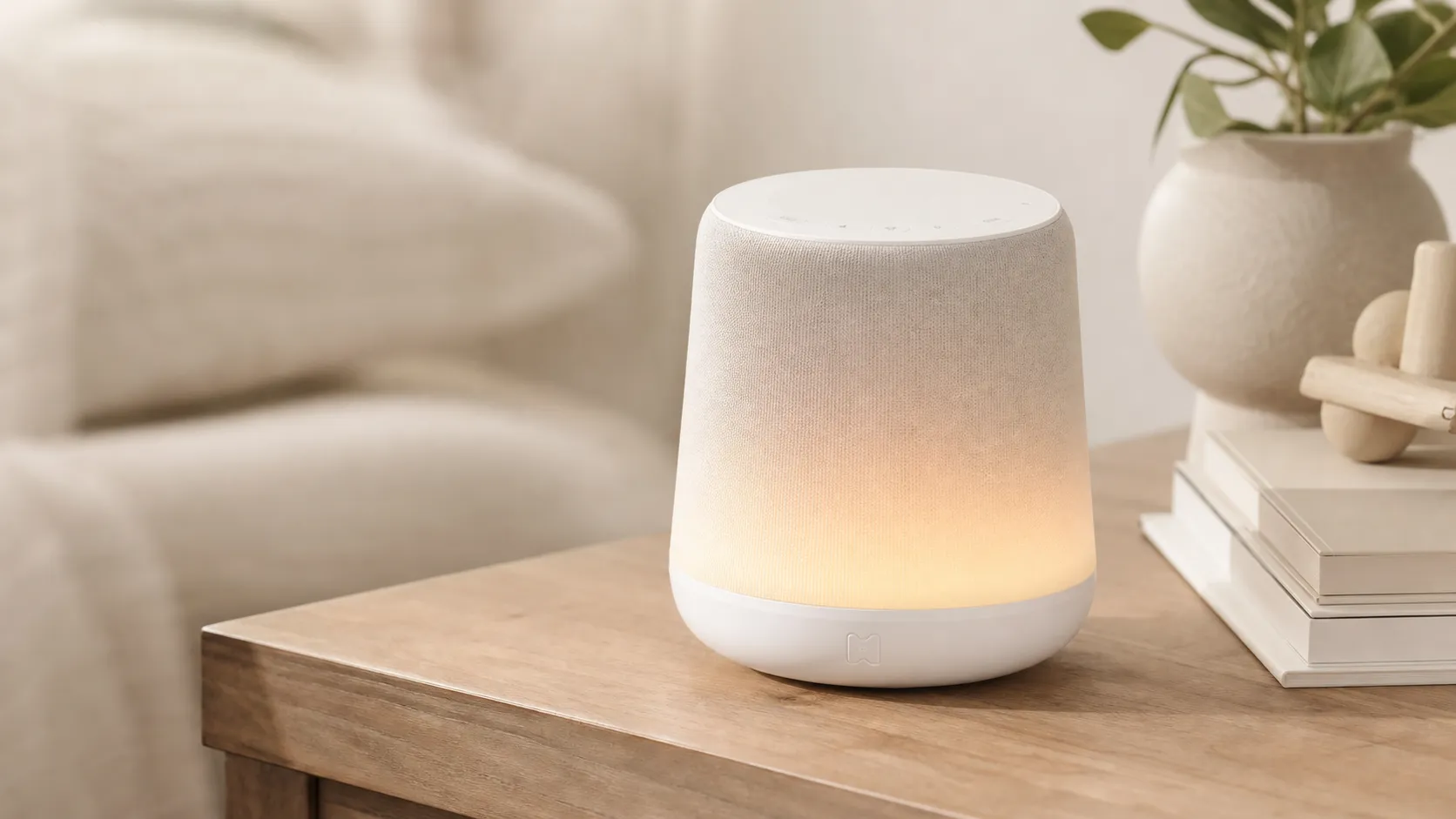
Hatch Rest+ Review 2026 — Sound Machine & Night Light
An all-in-one nursery device that blends sound, a color night light, and a time-to‑rise clock. Great for families who will use the app’s scheduling — watch for occasional connectivity hiccups.
 Baby & Kids
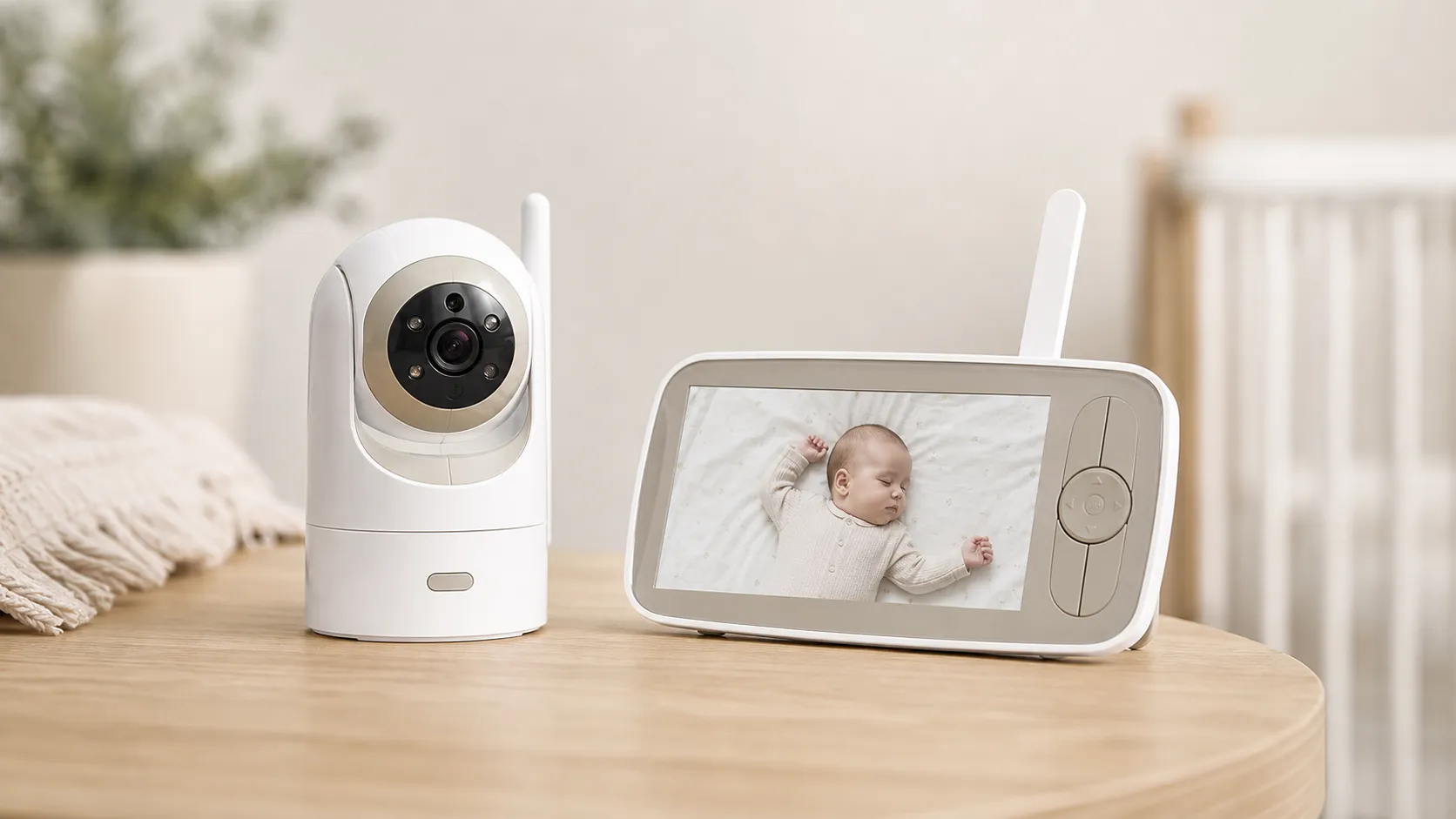
Infant Optics DXR‑8 Pro Video Baby Monitor — 2026 Review
A privacy‑first, high‑clarity non‑WiFi monitor with real optical zoom, clean audio, and long range — strong overall, but a minority report battery/charging issues.
 Baby & Kids
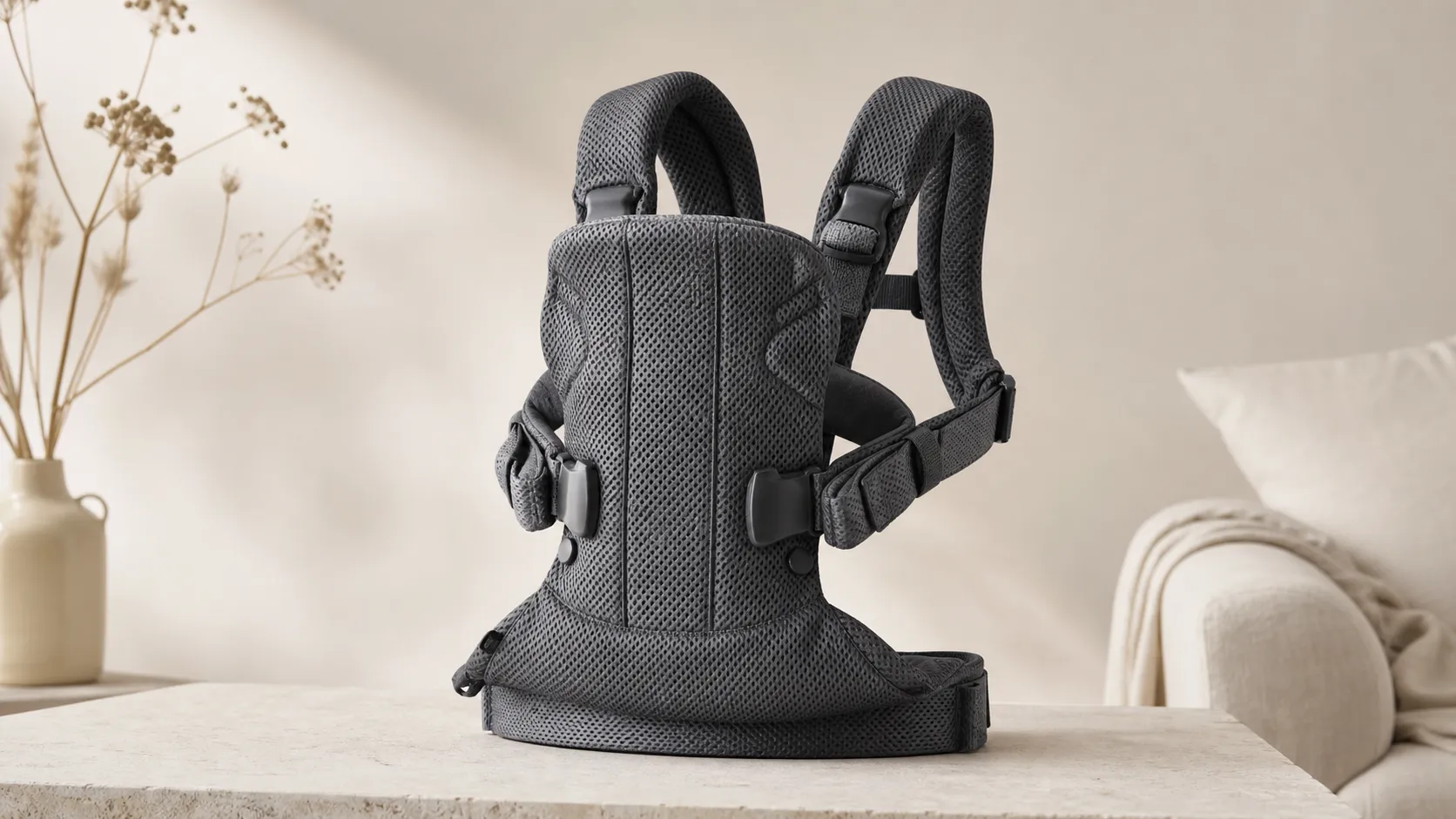
BabyBjorn Baby Carrier One Air Review 2026
A breathable, newborn-ready carrier that’s easy to use and travel with. Great for short-to-medium carries and warm weather, but less ideal for long, heavy-duty use.