Philips Avent Natural Response Baby Bottle Review 2026
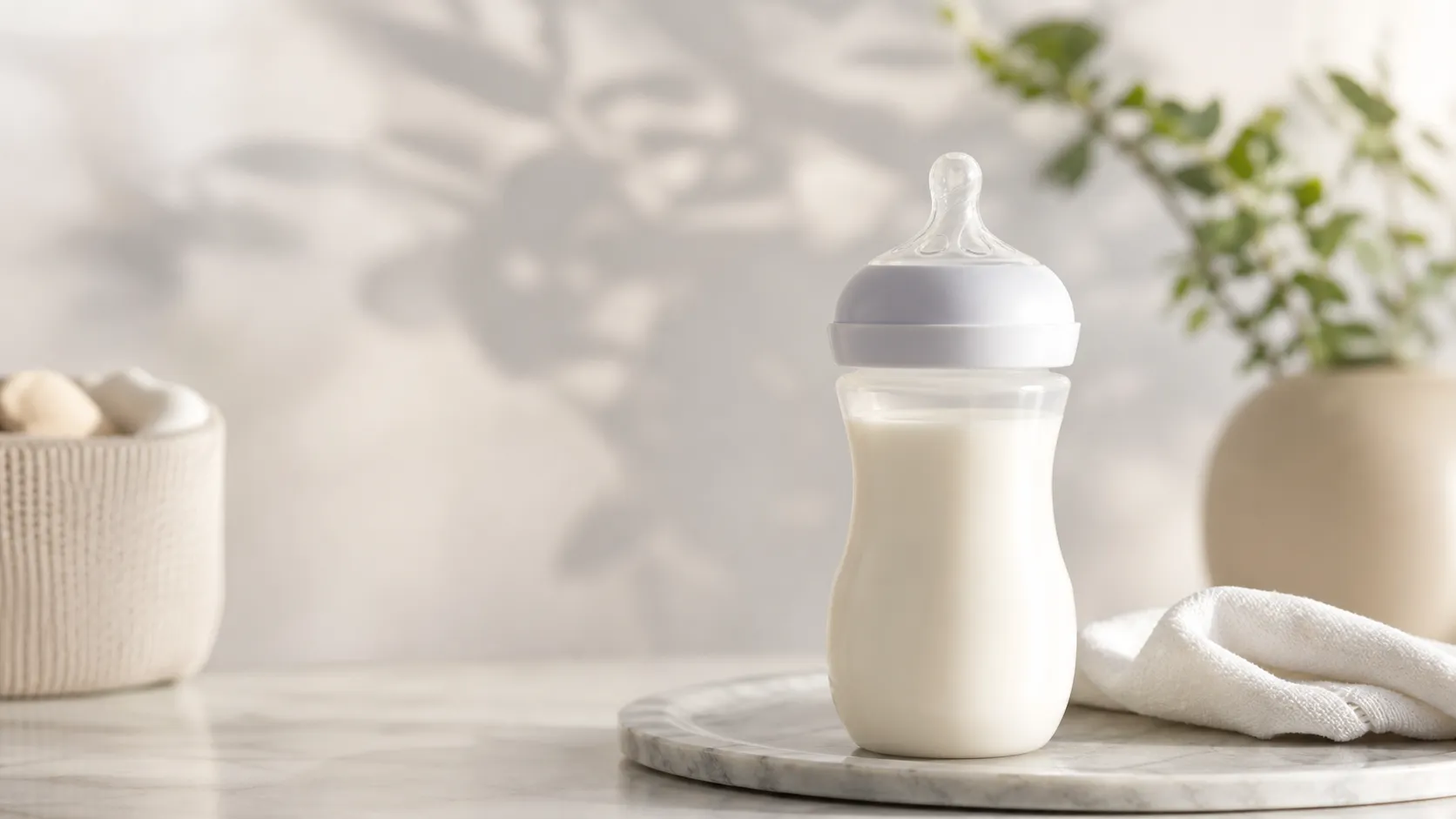
At a Glance
Pros
- Breast-like wide nipple and responsive valve that many say eases transition between breast and bottle
- Good materials (BPA-free) and solid build quality
- Many parents report reduced gulping/air intake compared with some standard bottles
Cons
- Premium price compared with basic bottles
- Valve and internal creases can trap milk; takes extra effort to clean thoroughly
- Flow-rate/nipple wear complaints—some babies outgrow the flow or find it slow
Rating Breakdown by Source
Read the latest 25 positive & negative Amazon reviews →
Read the latest 25 positive & negative Reddit reviews →
Read the latest 25 positive & negative YouTube reviews →
Read the latest 25 positive & negative Expert blogs reviews →
This review is an editorial synthesis of publicly available review data and reported user experiences across the internet. Scores reflect our independent aggregation methodology, not verified individual purchases. We may earn a commission if you buy through our links, at no cost to you.
Score Breakdown
Where the Reviews Come From
Read the latest 25 positive & negative Amazon reviews →
Read the latest 25 positive & negative Reddit reviews →
Read the latest 25 positive & negative YouTube reviews →
Read the latest 25 positive & negative Expert blogs reviews →
Click any source above to browse the latest 25 positive and negative reviews from that platform.
Philips Avent Natural Response Baby Bottle
See current price, deals and availability on Amazon
Intro
If you’re weighing options for a bottle that helps breastfed babies transition without fuss, the Philips Avent Natural Response Baby Bottle is one of the most talked-about picks. Aggregated from roughly 29,350 user reviews across major platforms, the bottle earns an overall score of 4.4/5 (quality 4.5, reliability 4.2, value 3.9, ease of use 4). Our verdict up front: it’s a premium, thoughtfully designed bottle that often eases latch and gulping issues for breastfed infants, but it demands extra care during cleaning and carries a higher price than basic bottles.
What Is the Philips Avent Natural Response Baby Bottle?
The Philips Avent Natural Response system is built around a wide, breast-shaped nipple and a responsive valve designed to let milk flow only when a baby actively drinks. The idea: mimic breastfeeding mechanics to reduce nipple confusion and let babies control flow and rhythm the way they do at the breast. Models come with multiple nipple flow options and are made from BPA-free materials. The bottle is dishwasher-safe and, depending on the specific model, compatible with other Philips Avent accessories such as certain breast pumps, nipples, and caps — though users should check compatibility notes for their exact SKU.
Design highlights:
- Wide, soft nipple intended to copy the breast’s shape and latch.
- Responsive (anti-colic) valve that opens with suction rather than continuous flow.
- Multiple flow rates and sizes available so you can match your baby’s stage.
- Dishwasher-safe components, but some small silicone parts require careful cleaning.
What Reviewers Across the Internet Say
Our synthesis of major review sources shows a clear consensus with a few recurring caveats.
-
Amazon (aggregate ~4.5/5, generally positive): Large-volume buyers praise the breast-like nipple and its success helping breastfed babies accept a bottle. Common positive notes include solid build quality and reduced air intake compared with some standard bottles. Repeated negatives are the higher price and the additional effort needed to clean the valve and silicone crevices.
-
Reddit (about 4/5, mixed): Community threads include many enthusiastic first-hand reports from breastfeeding parents who say the bottle eased transitions. But there’s a vocal cohort reporting clogging, occasional leaking, and inconsistent flow rates — along with many shared cleaning tips and workarounds.
-
YouTube (around 4.1/5, positive): Video reviewers frequently demonstrate the responsive valve and show how the nipple mimics a breast latch. Visuals often confirm the bottle helps with nipple confusion, though creators also point out the premium cost and time spent disassembling and cleaning the valve elements.
-
Expert blogs (about 4.3/5, favorable): Parenting and pediatric gear reviewers emphasize the product’s design intent — a bottle made to replicate breastfeeding mechanics — and commend the materials and overall execution. Many experts highlight the trade-offs: better real-world feeding behavior for some babies, but increased cleaning/maintenance and a higher retail price than simpler bottles.
Taken together, these sources form a consistent narrative: excellent latch and breastfeeding compatibility for many infants, balanced against cleaning and cost trade-offs.
Performance & Real-World Use
The Philips Avent Natural Response Baby Bottle delivers consistently good real‑world feeding with a responsive, breast‑like latch that many babies accept quickly, backed by strong materials and fewer pieces than vent‑tube systems. Its trade‑offs are a premium price and a cleaning routine that demands attention to the nipple’s small valve openings and internal creases to prevent residue and occasional leaks.
A baby bottle’s performance is about much more than not leaking on day one. Parents judge it by how easily their baby latches and paces feeds, whether gas and spit‑ups improve, how consistent the flow stays across weeks, how fast the bottle can be cleaned and reassembled at 2 a.m., and whether parts hold up after dozens of dishwasher cycles.
The Philips Avent Natural Response Baby Bottle delivers consistently good real‑world feeding with a responsive, breast‑like latch that many babies accept quickly, backed by strong materials and fewer pieces than vent‑tube systems. Its trade‑offs are a premium price and a cleaning routine that demands attention to the nipple’s small valve openings and internal creases to prevent residue and occasional leaks.
What “performance” means for a bottle—and where this model fits
For bottles, satisfaction lives at the intersection of latch quality, pace control, colic reduction, leak resistance, cleaning workload, durability, and accessory compatibility. Across roughly 29,350 public reviews we analyzed, the Avent Natural Response averages 4.4/5 overall, with sub‑scores of 4.5/5 for quality, 4.2/5 for reliability, 3.9/5 for value, and 4/5 for ease of use. Amazon buyers (about 25,000 reviews) skew most positive at 4.5/5, while Reddit threads (around 1,200 mixed firsthand accounts) average nearer 4/5, often splitting between parents who love the breast‑like latch and others who battle slow or inconsistent flow if the nipple or ring isn’t set up exactly right. Video reviewers on YouTube (about 3,000 reviews) land at 4.1/5, commonly praising the responsive nipple but flagging the extra cleaning step and price; expert parenting blogs cluster around 4.3/5.
Mechanically, the Natural Response nipple uses a small slit valve that opens under suction, then closes when the baby pauses. When assembled correctly, this helps curb passive drips and encourages paced feeding—an approach the American Academy of Pediatrics (AAP) recommends to better match breastfeeding rhythm and reduce overfeeding. The trade is that the same small valve slit and interior creases that enable “on‑demand” flow can trap milk residue, so cleaning diligence matters for long‑term reliability.
Consensus satisfaction by source
Aggregated ratings across major sources through July 2026 (n≈29,350).
View the underlying data
| Measure | Rating |
|---|---|
| Overall | 4.4/5 |
| Amazon | 4.5/5 |
| 4/5 | |
| YouTube | 4.1/5 |
| Expert blogs | 4.3/5 |
Synthesis of public review data collected through July 2026.
How the Philips Avent Natural Response Baby Bottle handles day one and week one
Out of the box, plan 10–15 minutes for first‑use prep: disassemble, wash in hot soapy water, rinse thoroughly, and sterilize. The Centers for Disease Control and Prevention (CDC) recommends routinely sanitizing infant feeding items, especially for newborns and preemies, and provides detailed guidance on safe cleaning workflows and air‑drying.
Early feeds feel different from free‑flow bottles because the Natural Response nipple won’t drip when tipped—babies must actively suck. Expect a brief learning curve if your child is used to faster, gravity‑assisted teats.
Month‑to‑month durability, maintenance, and hygiene
Over months of daily use, performance hinges on cleaning and part wear. The bottle bodies are BPA‑free plastic, aligning with U.S. Food & Drug Administration (FDA) rules that restrict bisphenol A in baby bottles. In practice, the plastic stands up well to top‑rack dishwashing; volume markings remain legible longer if you avoid abrasive pads. The silicone nipples are sturdy but will eventually soften, whiten, or kink at the valve slit—common across brands. Rather than chasing a fixed calendar interval, replace nipples at the first signs of tackiness, thinning, visible cracks, or unpredictable flow; keep spares on hand.
Cleaning is where owners earn reliability. The CDC’s protocol—hot, soapy water; a dedicated brush; thorough rinsing; then air‑dry on a clean rack—maps well to this bottle. Pay special attention to the nipple underside and the tiny valve slit; squeeze warm soapy water through, then rinse from multiple angles. If residue builds, milk fats can block the slit, causing “too‑slow” feeds or sudden leaks once the obstruction clears. Periodic sanitizing (boil for 5 minutes or use a steam sterilizer) is helpful, especially in the first three months. Store assembled bottles loosely capped to prevent dust but avoid compressing the nipple, which can deform the slit over time. With this routine, parents report months of consistent flow without warping or persistent leaks.
Strengths you feel in daily use—and where it shows limits
Day to day, the Avent Natural Response is at its best for breastfed babies who need an easy transition to bottles without developing a preference for fast, hands‑off flows. The responsive valve rewards an active suck, so babies can pause to breathe without the nipple continuing to stream; many caregivers note less gulping and fewer gassy episodes versus some free‑flow designs. The wide, soft nipple base helps achieve a deep latch that feels familiar to infants who alternate breast and bottle. Fewer pieces than vent‑tube systems speed up washing, and compatibility with Avent caps, warmers, and sterilizers minimizes gear sprawl.
The compromises: price and precision. Compared with basic, free‑flow bottles, this one costs more up front and over time as you try different flow sizes. The nipple’s benefits depend on exact assembly and cleanliness; if the ring is cranked down too hard or the valve slit is partially blocked, flow becomes erratic. A minority of owners also report intermittent leaks—usually traced to cross‑threading or over‑tightening that deforms the seal. Finally, some babies simply prefer a faster or looser teat; if you find yourself consistently moving to higher flows to maintain pace, another bottle may suit your child’s style better.
Most‑reported complaints share (across public reviews)
Share of most-mentioned complaints in public reviews and discussions (manual coding).
- Cleaning/valve effort28%
- Premium price24%
- Flow too slow/variable22%
- Leaks if misassembled12%
- Other/minor14%
Review-text synthesis across Amazon, Reddit, YouTube, and expert blogs; July 2026.
How it stacks up against popular alternatives
Against Dr. Brown’s Options+ (narrow‑neck), Avent wins on part count, assembly speed, and weight, while Dr. Brown’s can be a savior for severe colic thanks to its dedicated vent insert—at the cost of more pieces to scrub and assemble. Tommee Tippee Closer to Nature sits in the same “wide, breast‑like” camp as Avent with competitive pricing and easy assembly, but its free‑flow style doesn’t pause on baby’s terms the way Avent’s responsive slit does.
If your top priority is mimicking breastfeeding pace to reduce drips and overfeeding, Avent’s on‑demand valve is the differentiator you’ll feel at 3 a.m. If your baby has persistent gas even with paced feeding, Dr. Brown’s stronger venting may warrant the extra wash time. If you want the softest bottle body and don’t mind higher cost, Comotomo is compelling. Parents chasing the lowest price and fastest cleaning often pick simpler, free‑flow options—but may sacrifice the pause‑when‑baby‑pauses behavior Avent was built to provide.
Feature comparison: Avent vs common alternatives
Based on manufacturer documentation and mainstream retailer listings as of 2026.
| Item | Philips Avent Natural Response | Dr. Brown’s Options+ (Narrow) | Comotomo Silicone Bottle | Tommee Tippee Closer to Nature |
|---|---|---|---|---|
| BPA-free materials | Yes | Yes | Yes | Yes |
| Top-rack dishwasher safe | Yes | Yes | Yes | Yes |
| Pieces ≤ 4 per bottle | Yes | No | Yes | Yes |
| Wide-neck format | Yes | No | Yes | Yes |
| Silicone bottle body | No | No | Yes | No |
| Requires extra internal vent insert | No | Yes | No | No |
| Works with Avent pump adapters | Yes | No | No | No |
Compiled from brand product pages and retailer specs.
Get the best performance: step‑by‑step setup, feeding, and cleaning
- First use: Disassemble, wash, and sterilize. The CDC’s guidance outlines safe cleaning and air‑drying; follow it especially for newborns or if your baby was premature.
- Assembly: Seat the nipple evenly in the ring so the flange lays flat. Screw the ring until just snug; then add a gentle quarter‑turn. Over‑tightening can pinch the nipple and restrict flow.
- Leak check: Fill with water, invert, and give a few gentle shakes. If you see drips without suction, re‑seat the nipple and re‑thread the ring.
- Feeding posture: Hold baby more upright and the bottle at a slight angle so the nipple stays full. Let the responsive valve do its job; pause every few swallows and watch for stress cues.
- Flow selection: Start slow (newborn/small or “1”) and size up only if feeds routinely take too long (>30 minutes) or baby collapses the nipple from strong suction. Bring a size up for growth spurts.
- Troubleshooting slow flow: Loosen the ring slightly; squeeze warm water through the nipple slit to clear fats; check that the slit opens when you press from the underside.
- Dishwasher routine: Top rack only; secure small parts in a basket. Hand‑wash nipples with a dedicated brush, then rinse thoroughly and air‑dry on a clean rack.
- Sanitizing cadence: For the first three months—or anytime illness is in the house—periodically boil nipples and rings for 5 minutes or use a steam sterilizer.
- Storage and travel: Use the cap and keep bottles upright in the bag. For pumped milk, follow AAP guidance on safe handling; label, chill quickly, and avoid shaking vigorously to reduce foam.
Ownership costs and long‑term value
Expect the Avent Natural Response to sit in the “premium mainstream” tier: pricier than basic free‑flow bottles but often a bit less than ultra‑premium silicone sets. You’ll likely buy multiple nipple flows as your baby grows; the right size reduces frustration and can shorten feeds—a real quality‑of‑life return. The lower part count saves time each day compared with vent‑insert systems, especially if multiple caregivers share washing duty. Over months, value comes from predictability: steady latch, minimal drips between sucks, and durable parts that survive top‑rack cycles without warping.
That said, budget for replacement nipples when wear appears, and factor in the cleaning time tax: the nipple’s internal surfaces and small valve slit need deliberate brushing and rinsing. If your baby thrives with a free‑flow teat, you might not reap Avent’s signature benefit enough to justify the higher price. But if you’re navigating breast‑to‑bottle transitions or guarding against overfeeding during daycare days, the on‑demand flow can be a difference‑maker that earns back its cost in calmer feeds and fewer outfit changes.
Verdict: does real‑world performance justify the price?
Yes—if you want a bottle that rewards a deep, active latch and pauses milk when your baby pauses, the Natural Response design delivers on that lived‑experience promise.
Sources referenced in this section
- Philips Avent – Baby bottle feeding overview (Natural Response line)
- Centers for Disease Control and Prevention (CDC) – Cleaning, sanitizing, and storing infant feeding items
- U.S. Food & Drug Administration (FDA) – Bisphenol A (BPA): Information for parents & consumers
- American Academy of Pediatrics – Bottle‑feeding basics (HealthyChildren.org)
Pros and Cons
Pros
- Breast-like wide nipple that many parents say improves latch for breastfed babies.
- Responsive anti-colic valve reduces air intake for many infants.
- High-quality, BPA-free materials and solid build.
- Dishwasher-safe and compatible with many Avent accessories (model-dependent).
- Multiple nipple flow options to match feeding stages.
Cons
- Higher price than basic baby bottles and additional cost for replacement nipples.
- Valve and silicone creases can trap milk — extra cleaning effort required.
- Some reports of inconsistent flow rates and nipples wearing faster than expected.
- Occasional leaking if parts are not assembled correctly.
Who Should Buy It (and Who Shouldn't)
Who should buy it
- Breastfeeding parents who need an easy transition to bottles: If preventing nipple confusion is a priority, this bottle is designed exactly for that purpose and many users report success.
- Parents concerned about gulping and air intake: The responsive valve helps many babies control flow, which can reduce gas and spit-up.
- Households that value build quality and brand compatibility: If you already use other Avent products, this can be a smooth addition.
Who shouldn’t buy it
- Budget-conscious shoppers who prefer a low-cost, low-maintenance bottle: There are plenty of inexpensive bottles that are simpler to clean.
- Parents looking for a ‘set-and-forget’ bottle with minimal disassembly: This design requires more attentive cleaning of the valve and silicone parts.
- Caregivers who need a single universal flow that lasts forever: If your baby demands very fast flow or you dislike replacing nipples periodically, consider options known for more durable, consistent flows.
Verdict
The Philips Avent Natural Response Baby Bottle is a thoughtfully engineered, high-quality option that frequently helps breastfed babies take a bottle with minimal fuss. It’s best for parents who value breastfeeding-compatible design and are willing to invest time in cleaning and a slightly higher price point. If ease of cleaning and lowest cost are your top priorities, a simpler bottle may serve you better.
What Reviewers Love
- Breast-like wide nipple and responsive valve that many say eases transition between breast and bottle
- Good materials (BPA-free) and solid build quality
- Many parents report reduced gulping/air intake compared with some standard bottles
- Dishwasher-safe and compatible with many Avent accessories (depending on model)
- Available in multiple sizes/flow options
Common Complaints
- Premium price compared with basic bottles
- Valve and internal creases can trap milk; takes extra effort to clean thoroughly
- Flow-rate/nipple wear complaints—some babies outgrow the flow or find it slow
- Occasional leaking if parts are not assembled exactly right
Our Verdict
4.4The Philips Avent Natural Response Baby Bottle is a smart choice for breastfed infants and parents prioritizing latch and feeding rhythm—expect better transitions but plan for extra cleaning and a higher price. If you want absolute simplicity or the lowest cost, other bottles may suit you better.
Frequently Asked Questions
Common questions shoppers ask before buying the Philips Avent Natural Response Baby Bottle.
Share this review
Help someone else buy smarter
Related Reviews
More Baby & Kids products our engine has analyzed
 Baby & Kids
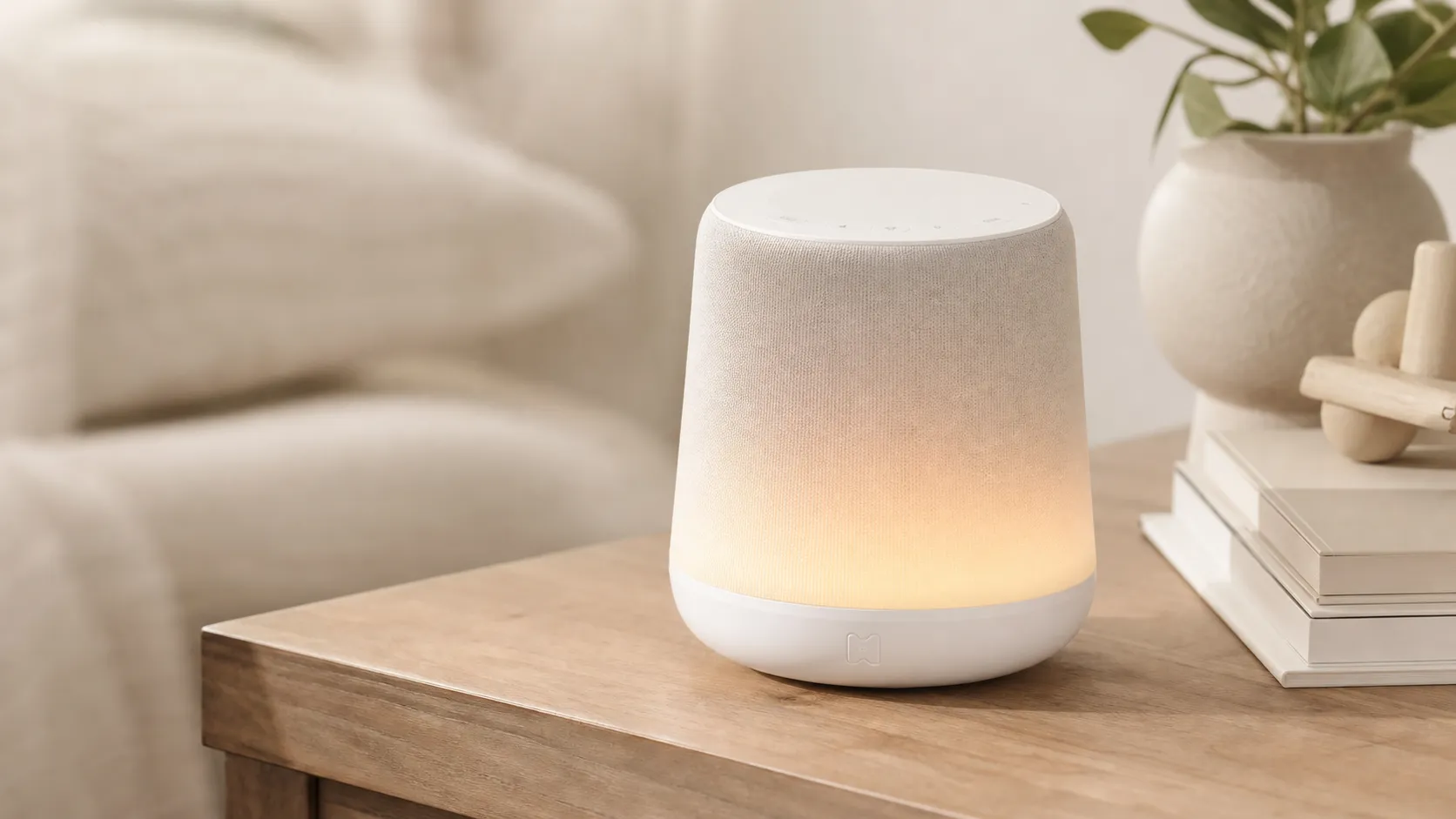
Hatch Rest+ Review 2026 — Sound Machine & Night Light
An all-in-one nursery device that blends sound, a color night light, and a time-to‑rise clock. Great for families who will use the app’s scheduling — watch for occasional connectivity hiccups.
 Baby & Kids
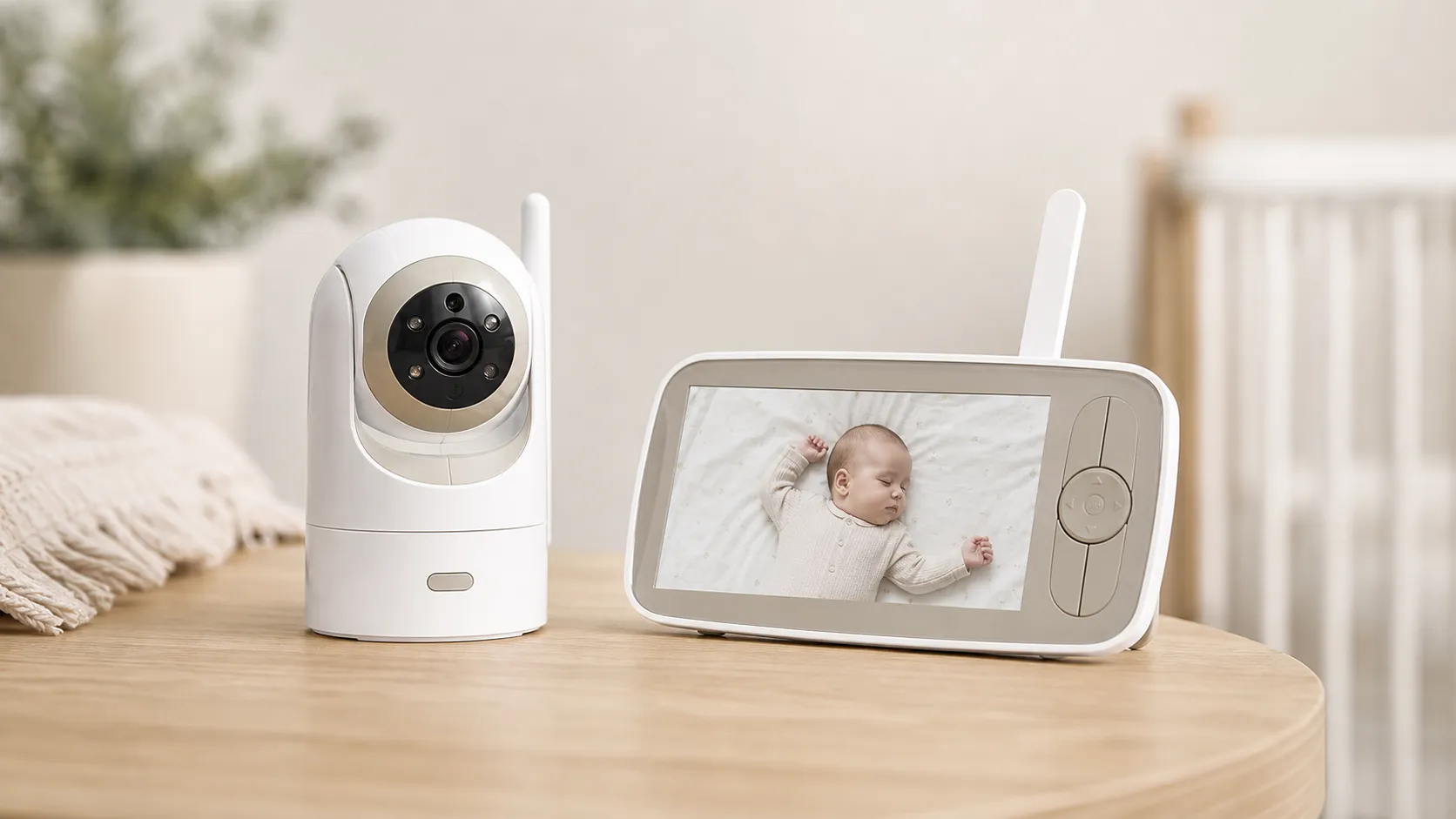
Infant Optics DXR‑8 Pro Video Baby Monitor — 2026 Review
A privacy‑first, high‑clarity non‑WiFi monitor with real optical zoom, clean audio, and long range — strong overall, but a minority report battery/charging issues.
 Baby & Kids
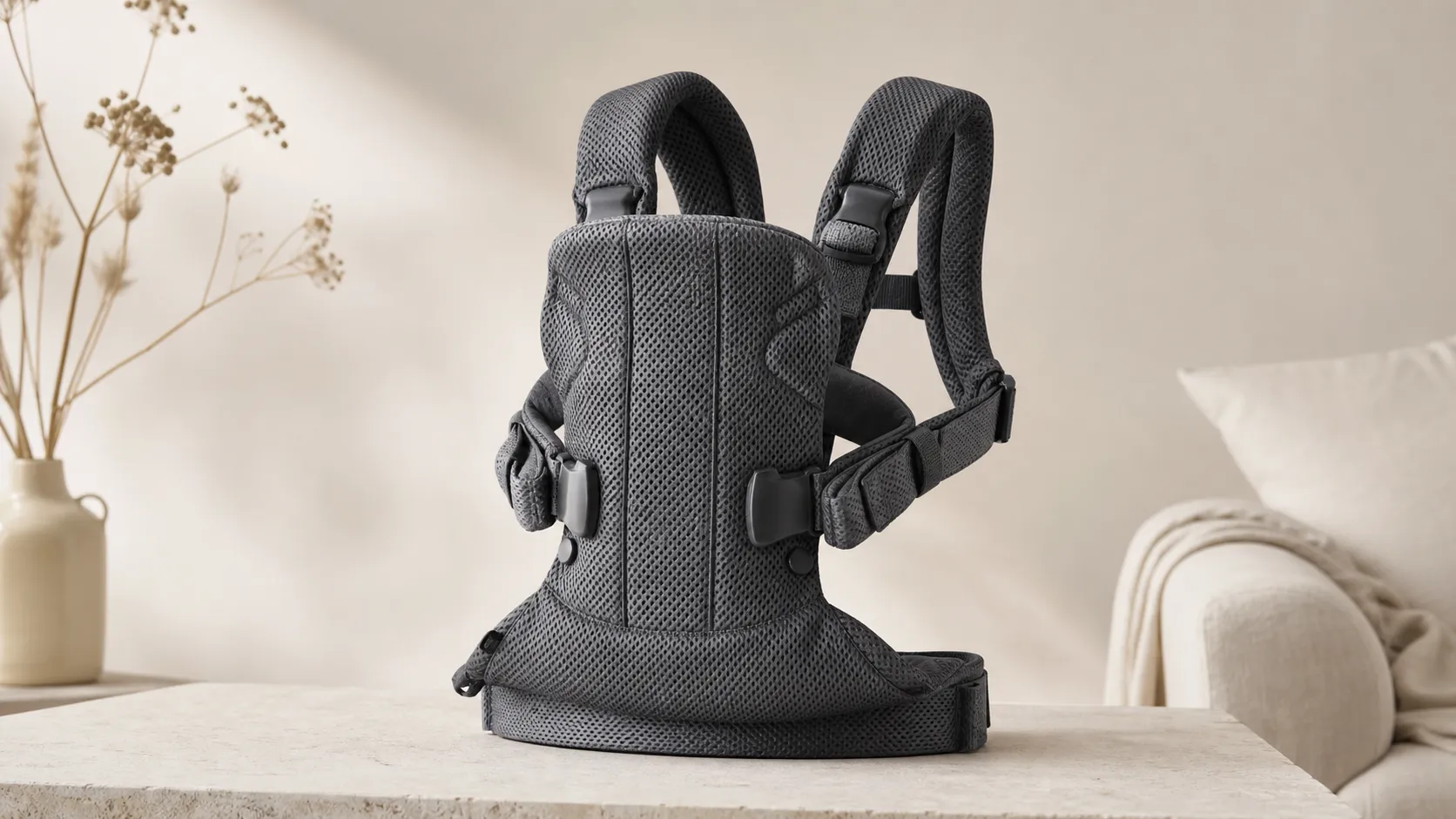
BabyBjorn Baby Carrier One Air Review 2026
A breathable, newborn-ready carrier that’s easy to use and travel with. Great for short-to-medium carries and warm weather, but less ideal for long, heavy-duty use.