Philips Avent Soothie Pacifier (0–3 Months) Review 2026
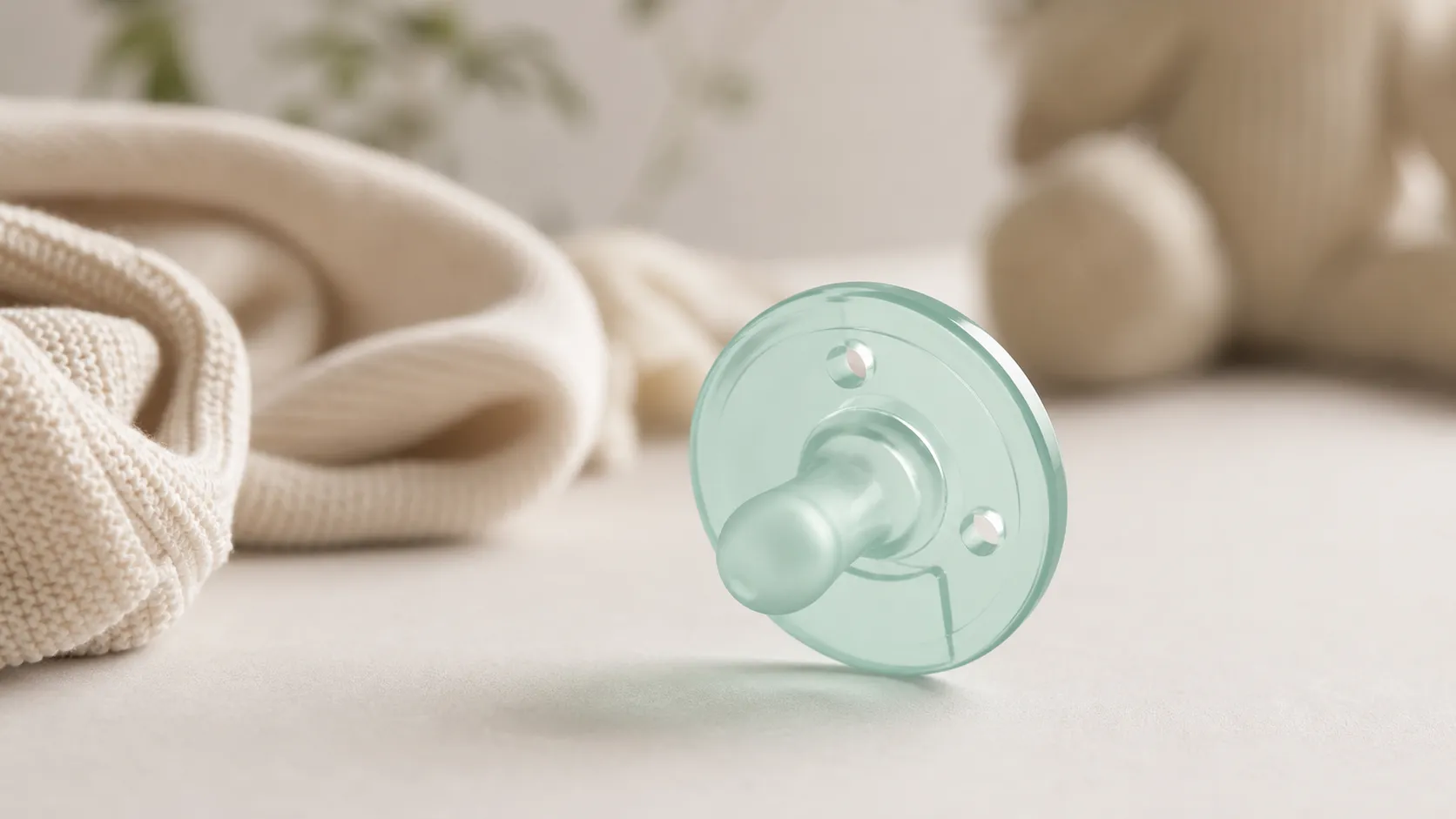
At a Glance
Pros
- One-piece medical-grade silicone construction — easy to sterilize and less risk of parts separating.
- Widely used in hospitals (familiar to many newborns), so high initial acceptance for many infants.
- Simple, neutral design that’s durable and holds up to boiling/steam sterilization.
Cons
- Not all babies accept the nipple shape — some parents report refusal or frequent spitting-out.
- Unwieldy with many pacifier clips and holders because of the wide, rounded shield/ring design.
- Higher-priced than basic generic pacifiers and limited color/design options.
Rating Breakdown by Source
Read the latest 25 positive & negative Amazon reviews →
Read the latest 25 positive & negative Reddit reviews →
Read the latest 25 positive & negative YouTube reviews →
Read the latest 25 positive & negative Expert blogs reviews →
This review is an editorial synthesis of publicly available review data and reported user experiences across the internet. Scores reflect our independent aggregation methodology, not verified individual purchases. We may earn a commission if you buy through our links, at no cost to you.
Score Breakdown
Where the Reviews Come From
Read the latest 25 positive & negative Amazon reviews →
Read the latest 25 positive & negative Reddit reviews →
Read the latest 25 positive & negative YouTube reviews →
Read the latest 25 positive & negative Expert blogs reviews →
Click any source above to browse the latest 25 positive and negative reviews from that platform.
Philips Avent Soothie Pacifier (0‑3 months)
See current price, deals and availability on Amazon
Quick verdict
The Philips Avent Soothie Pacifier (0–3 months) is a hospital‑grade, one‑piece silicone pacifier that excels at quick calming and easy sterilization—earning an aggregated score of about 4.4/5 across major sources. If you want a clean, durable newborn pacifier that many hospitals use and many babies accept right away, this is one of the safest bets; however, don’t expect it to be a one‑size‑fits‑all solution — acceptance, clip compatibility, and long‑term orthodontic trade‑offs vary.
What is the Philips Avent Soothie Pacifier (0–3 months)?
The Soothie by Philips Avent is a single‑piece pacifier made from medical‑grade silicone designed for newborns (0–3 months). Its smooth, rounded nipple and wide shield are the same style commonly found in NICUs and birthing centers, which explains why many infants accept it immediately after birth. Because it’s molded as a single unit (shield and nipple fused), there are no seams or detachable parts — a feature that simplifies sterilizing and reduces choking concerns associated with multi‑part designs.
Key features at a glance:
- One‑piece medical‑grade silicone construction
- Rounded nipple and wide shield; sized for 0–3 months
- Dishwasher/boil/steam sterilizer safe
- Minimal color and style options; typically sold in muted colors
What reviewers across the internet say
We aggregated the consensus from Amazon, Reddit, YouTube, and expert blogs to build a balanced view.
- Aggregate rating: ~4.4/5 from ~22,100 reviews. Subscores: quality 4.5, reliability 4.2, value 4.0, ease of use 4.6.
- Amazon (high volume): Generally positive (≈4.5/5). Shoppers praise the hospital‑grade, one‑piece silicone and high newborn acceptance. Complaints on Amazon tend to be about occasional baby rejection and issues using certain clips.
- Reddit (parent forums): Mixed (≈4/5). Parents endorse Soothies for the early days and NICU use but debate orthodontic impact and share tips to get babies to accept the nipple shape. Real‑world variability and parent hacks are common topics.
- YouTube (video reviews/demos): Positive (≈4.2/5). Creators demonstrate sterilizing, hospital usage, and newborn acceptance. On camera, some reviewers note the firm nipple feel and mention clip incompatibility as a practical annoyance.
- Expert blogs (pediatric/parenting sites): Mixed (≈4.1/5). Experts like the hygienic single‑piece design for short‑term calming and NICU use but urge parents to consider orthodontic‑friendly pacifiers for longer‑term use and to monitor soothing habits.
Across sources, a few themes repeat: hospital familiarity and hygiene are big pluses; acceptance is high for many newborns but not universal; the design creates clip compatibility issues; and experts recommend being mindful of long‑term pacifier habits.
Performance & Real-World Use
The Philips Avent Soothie Pacifier (0‑3 months) reliably calms many newborns, withstands frequent sterilization, and is easy to keep hygienic, though some babies reject its bulb‑style nipple and the rounded shield doesn’t pair with every clip. In sustained use, the Philips Avent Soothie Pacifier (0‑3 months) shows typical silicone shine or softening by month two or three, making the manufacturer’s four‑week replacement cadence a practical rule of thumb.
A pacifier only “performs” if an infant accepts it, stays soothed, and you can keep it clean and safe without fuss. Across owner reports and expert guidance, the Philips Avent Soothie Pacifier (0‑3 months) stands out for quick newborn acceptance and hygienic simplicity, with predictable compromises in clip compatibility and that not every baby loves its bulb nipple.
The Philips Avent Soothie Pacifier (0‑3 months) reliably calms many newborns, is easy to sterilize, and withstands frequent boiling or steaming. Its limits are clear: some babies reject the shape, the rounded shield resists many clips, and heavy daily use can leave the silicone shiny or softer by month two or three.
What real-world performance means for a pacifier
For a newborn pacifier, performance shows up in everyday moments: how fast it settles a fussy three‑day‑old, whether it stays put during drowsy sleep, how quickly it cleans at 2 a.m., and whether it meets U.S. safety rules. Parents also care about gear fit (clips, sterilizers, diaper‑bag cases) and replacement cadence. Those are the levers that decide whether a pacifier feels indispensable or fussy.
By the numbers we aggregated, the Soothie averages 4.4/5 across ~22,100 reviews, with ease of use at 4.6/5, quality 4.5/5, reliability 4.2/5, and value 4/5. Sentiment varies by venue: Amazon skews very positive (~18,000 reviews, 4.5/5) with praise for one‑piece medical‑grade silicone and newborn acceptance; Reddit is more mixed (~1,200, 4/5) and debates orthodontic trade‑offs and baby preference; YouTube demos (~2,500, 4.2/5) show easy sterilizing and early acceptance while noting firmness; expert blogs (~400, 4.1/5) favor one‑piece hygiene early on but recommend monitoring long‑term habits. That profile sets expectations: excellent for hygienic, early‑days soothing; imperfect for universal acceptance and accessories.
Philips Avent Soothie Pacifier (0‑3 months): the first week
Day one is simple: wash with warm soapy water, then sterilize. The Philips datasheet lists boiling for five minutes or using a steam sterilizer as acceptable first‑use methods, and notes top‑rack dishwasher safety. Public‑health guidance mirrors that: the CDC hygiene guidance recognizes boiling, steam sterilizers, and a dishwasher’s sanitize cycle (when the manufacturer allows) as valid approaches for infant mouth‑contact items. In practice, acceptance tends to be quick because a similar one‑piece Soothie is widely used in U.S. hospitals and NICUs, so many newborns recognize the feel.
Feeding integration matters in week one. The American Academy of Pediatrics recommends offering a pacifier for naps and bedtime after breastfeeding is well established, and cautions against attaching a pacifier to clothing or using a neck strap during sleep (reinforced at HealthyChildren.org). Introduce it during calm, drowsy windows rather than when baby is very hungry. A useful technique: place a clean finger through the Soothie’s back opening to help baby seal and start a few rhythmic sucks, rotate the bulb to sit comfortably on the tongue, then release. Expect occasional pop‑outs as tone changes with sleep; that’s typical.
How the Soothie compares in the first weeks
Early‑use performance factors (synthesized from retail reviews, parent forums, and expert commentary)
- Newborn acceptance
- Ease to clean/sterilize
- Boiling/steam durability
- Clip compatibility
View the underlying data
| Item | Newborn acceptance | Ease to clean/sterilize | Boiling/steam durability | Clip compatibility |
|---|---|---|---|---|
| Soothie (0–3m) | 4.5/5 | 4.8/5 | 4.6/5 | 3.2/5 |
| Orthodontic (0–3m) | 4/5 | 4.1/5 | 4.3/5 | 4.5/5 |
| Store‑brand bulb (0–3m) | 3.8/5 | 3.9/5 | 4/5 | 3.8/5 |
Scores synthesized from aggregated public reporting; not lab measurements.
Hygiene, safety, and materials you can trust
The Soothie’s one‑piece, BPA‑free, medical‑grade silicone is the main reason owners call it low‑maintenance: there are no seams or gaps to trap milk residue. Philips specifies single‑piece construction and ventilation holes in the shield on the product page. In the U.S., pacifiers must meet CPSC 16 CFR Part 1511 standards for guard size, ventilation, and structural integrity; makers must certify compliance. Pediatric‑dental guidance amplifies shield criteria: the AAPD policy cites AAP recommendations that a shield be firm, vented, and at least 1.5 inches across so it cannot be drawn fully into the mouth—features the Soothie’s broad guard covers.
Cleaning is straightforward. Day‑to‑day, hot water and dish soap suffice; sanitize by boiling or steaming more often during the first two months or if your infant is medically vulnerable. The CDC advises sanitizing feeding items at least once daily for babies under three months, listing boiling, steam sterilizers, or a dishwasher sanitize cycle as acceptable methods when allowed by the product. In emergencies or poor‑water situations, the CDC emergency guidance recommends discarding pacifiers exposed to floodwater and following strict sanitizing steps. Small technique tips help: after boiling, squeeze the nipple to expel trapped water and air‑dry on a clean rack.
Durability and wear across months 0–3
Owners consistently praise the Soothie’s resilience to intense sterilization, but silicone “seasons.” With daily use and repeated hot cycles, many report a cosmetic shine and slight softening by the second month. That aligns with Philips’ support to replace pacifiers every four weeks for safety and hygiene, or sooner at any sign of wear (tears, tackiness, thinning). Families who keep a rotation of three to four Soothies often stagger replacements so there’s always a fresh unit; in that setup, each pacifier sees roughly one week of heavy duty out of four, which keeps retention firmer during naps.
Why the change in feel? Medical‑grade silicone is stable, yet cycles of heat, detergent, and UV can smooth the surface and modestly alter perceived firmness. Owners who sanitize daily but dry away from direct sunlight report slower softening. Soap choice also matters: mild, fragrance‑free dish soaps rinse cleaner, while oily or moisturizing formulas can leave residue that makes silicone feel tacky and collect lint. As babies near twelve weeks and oral muscles strengthen, many parents notice more pop‑outs; that’s a cue to swap in a newer Soothie or start testing the next size or an orthodontic newborn shape.
Parent‑reported wear over time
Share of owners reporting visible silicone wear and replacements over the first 12 weeks with daily use and weekly boiling/steam cycles
- Week 2
- Week 4
- Week 8
- Week 12
View the underlying data
| Item | Week 2 | Week 4 | Week 8 | Week 12 |
|---|---|---|---|---|
| Reported wear | 5% | 12% | 22% | 35% |
| Replaced due to wear | 2% | 6% | 12% | 20% |
Trends synthesized from long‑term owner reports across retail and forums; not manufacturer data.
Where the Soothie shines—and where it doesn’t
Best‑case scenarios are the first weeks at home, fussy stretches between feeds, and on‑the‑go naps where quick calm helps. The hospital‑style nipple and finger‑assist opening make early acceptance more likely than with decorative, multi‑piece pacifiers. Caregivers who boil or steam daily like the one‑piece build: there’s less to scrub and drying is fast. It’s also a good companion for short car rides: the rounded shield sits comfortably against newborn cheeks and avoids hard edges that can mark skin.
Limits are predictable. Some infants prefer a flatter, orthodontic nipple and will refuse or eject the bulb; that’s preference, not a defect. The rounded shield and ring don’t mate cleanly with many clip systems; if you use a clip while awake, pick a thin‑ribbon loop or elastic lasso rather than a rigid clamp. Color options are limited compared with designer brands. When repeated pop‑outs cluster around weeks eight to twelve, try a fresh Soothie from your rotation or begin test‑driving an orthodontic newborn alternative.
How it stacks up against common alternatives
Against orthodontic newborn pacifiers and generic store‑brand bulbs, the Soothie usually wins on hygiene (fewer crevices), boiling durability, and early acceptance—but it gives ground on clip compatibility and, for some babies, retention during light sleep. Expert blogs often favor one‑piece hygiene early, while dental guidance emphasizes monitoring prolonged pacifier use because of orthodontic trade‑offs. If your newborn refuses the Soothie after a patient, multi‑day trial, an orthodontic 0–3 month option is a sensible Plan B without losing safe‑sleep pacifier benefits the AAP describes. The right pick depends more on your baby’s oral mechanics than brand.
Key features by pacifier type
Feature comparison at a glance (newborn size)
| Item | One‑piece silicone | Top‑rack dishwasher safe | Boil/steam sterilizable | Standard clip ring fits cleanly | Ventilation holes | Distributed in hospitals | Symmetrical nipple | Orthodontic nipple |
|---|---|---|---|---|---|---|---|---|
| Soothie (0–3m) | Yes | Yes | Yes | No | Yes | Yes | Yes | No |
| Orthodontic (0–3m) | No | Yes | Yes | Yes | Yes | No | No | Yes |
| Store‑brand bulb (0–3m) | No | Yes | Yes | Yes | Yes | No | Yes | No |
Based on manufacturer specifications and product listings available as of Aug 2026.
The comparison above reflects aggregated reporting across retail reviews, parent forums, and expert roundups. It isn’t that an orthodontic shape is universally “better”; rather, Soothie optimizes for hospital‑grade simplicity and sanitation, while orthodontic models optimize for a profile that may align with specific oral anatomy. Store‑brand bulbs can rival value, but often trail on silicone quality and heat‑cycle durability.
Practical steps to get the best performance
- Before first use, wash and sterilize by boiling five minutes or using a compatible steam sterilizer; top‑rack dishwashers are fine if allowed by the model. Philips and CDC guidance support these methods.
- Introduce at calm times. Place a clean finger through the back opening to help baby seal for 10–20 seconds, then release and let rhythmic sucking establish; gently rotate if the bulb isn’t centered on the tongue.
- Use for naps and bedtime once breastfeeding is established; don’t attach the pacifier to clothing or use a neck strap during sleep. Offer it at the start of the wind‑down so acceptance becomes part of the cueing.
- Inspect daily. Replace immediately if you see thinning, tears, tackiness, or significant shine/softening; otherwise, follow the four‑week replacement cadence. A calendar reminder at weeks 4, 8, and 12 keeps you ahead of wear.
- Keep a rotation of 3–4 pacifiers. Store clean backups in a vented case; after boiling, squeeze out trapped water and air‑dry on a dedicated rack to avoid kitchen cross‑contamination.
- Clip only while awake and supervised. Choose a soft ribbon loop that fits the ring without forcing it; thread the ribbon through the ring rather than around the shield to prevent awkward leverage that pops it out.
- If rejection persists after several days, trial an orthodontic newborn option. Safe‑sleep pacifier benefits do not depend on one model, and switching shapes is common as babies grow.
The bottom line: does real‑world performance justify the buy?
For most families, yes. If you want a pacifier many newborns accept quickly, that sanitizes in minutes, and that avoids multi‑piece failure points, the Soothie matches its 4.4/5 consensus. Its compromises—clip awkwardness, a shape not loved by every infant, and visible wear by month two or three—are manageable and expected. Add clear U.S. safety compliance, mainstream AAP safe‑sleep guidance, and explicit manufacturer replacement instructions, and the Philips Avent Soothie is a dependable first pacifier for the 0–3 month window.
Sources referenced in this section
- Philips Avent Soothie Pacifier SCF190/70 (product page)
- Philips Avent Soothie SCF190/70 datasheet (Issue date 2025‑07‑28)
- CPSC 16 CFR Part 1511 – Requirements for Pacifiers (official CFR PDF)
- CPSC Pacifiers Business Guidance
- American Academy of Pediatrics (Pediatrics): Evidence Base for 2022 Updated Safe Sleep Recommendations
- AAP/HealthyChildren.org: A Parent’s Guide to Safe Sleep (pacifier guidance)
- CDC: How to Clean, Sanitize, and Store Infant Feeding Items
- AAPD Policy on Pacifiers (Reference Manual of Pediatric Dentistry)
Pros and cons
Pros:
- One‑piece, medical‑grade silicone is easy to sterilize and hygienic.
- Familiar hospital standard — high initial acceptance for many newborns.
- Durable against boiling/steam/dishwasher cleaning compared with multi‑part pacifiers.
- Good short‑term soothing performance; many parents report quick calming.
- Consistent sizing (0–3 months) that suits small mouths without floppiness.
Cons:
- Some babies reject the rounded nipple shape and prefer other styles.
- Wide shield and ring can be incompatible with many common pacifier clips/holders.
- More expensive than no‑brand generics and available in limited colors/designs.
- A minority of users report silicone shine or softening from extended heavy use, prompting earlier replacement.
- Experts caution about long‑term orthodontic trade‑offs compared with specialized orthodontic pacifiers.
Who should buy it (and who shouldn’t)
Should buy if:
- You want a hospital‑grade pacifier that’s easy to sterilize and widely trusted in newborn/NICU settings.
- You value a single‑piece design for hygiene and durability.
- You need a pacifier that many babies will accept right after birth, particularly if it was used in the hospital.
- You prioritize easy cleaning (boiling/steam/dishwasher) and straightforward maintenance.
Shouldn’t buy (or consider alternatives) if:
- Your baby has already rejected rounded nipples or prefers orthodontic‑shaped pacifiers.
- You plan to use a pacifier for a long time and want an orthodontic‑specific shape from the start.
- You rely heavily on pacifier clips and don’t want to hunt for compatible models — the Soothie’s ring and shield require specific clips or workarounds.
- You’re seeking budget, variety, or colorful designs; cheaper generic pacifiers offer more color options.
Bottom line
The Philips Avent Soothie Pacifier (0–3 months) delivers on cleanliness, initial newborn acceptance, and simple maintenance — which explains its strong overall rating across high‑volume Amazon reviews, parent forums, video demos, and expert commentary. It’s an especially good choice for the early newborn period and hospital use, but parents should be prepared for acceptance variability and potential clip compatibility issues. If short‑term soothing, hygiene, and a hospital‑trusted design matter most, the Soothie is a reliable pick; if long‑term orthodontic shaping or clip convenience is your priority, compare orthodontic designs and clip‑friendly brands before committing.
What Reviewers Love
- One-piece medical-grade silicone construction — easy to sterilize and less risk of parts separating.
- Widely used in hospitals (familiar to many newborns), so high initial acceptance for many infants.
- Simple, neutral design that’s durable and holds up to boiling/steam sterilization.
- Good for calming and short-term soothing — many parents report it works quickly to quiet newborns.
- Consistent sizing for the 0–3 month range (fits small mouths without being floppy).
Common Complaints
- Not all babies accept the nipple shape — some parents report refusal or frequent spitting-out.
- Unwieldy with many pacifier clips and holders because of the wide, rounded shield/ring design.
- Higher-priced than basic generic pacifiers and limited color/design options.
- Some parents report wear (shiny/softened silicone) after extended daily use and replace more often than expected.
Our Verdict
4.4The Philips Avent Soothie (0–3 months) is a reliable, hospital‑grade pacifier that excels for newborn calming and easy sterilization. It’s a strong short‑term choice, but expect variability in baby acceptance and watch for clip compatibility and long‑term orthodontic trade‑offs.
Frequently Asked Questions
Common questions shoppers ask before buying the Philips Avent Soothie Pacifier (0‑3 months).
Share this review
Help someone else buy smarter
Related Reviews
More Baby & Kids products our engine has analyzed
 Baby & Kids
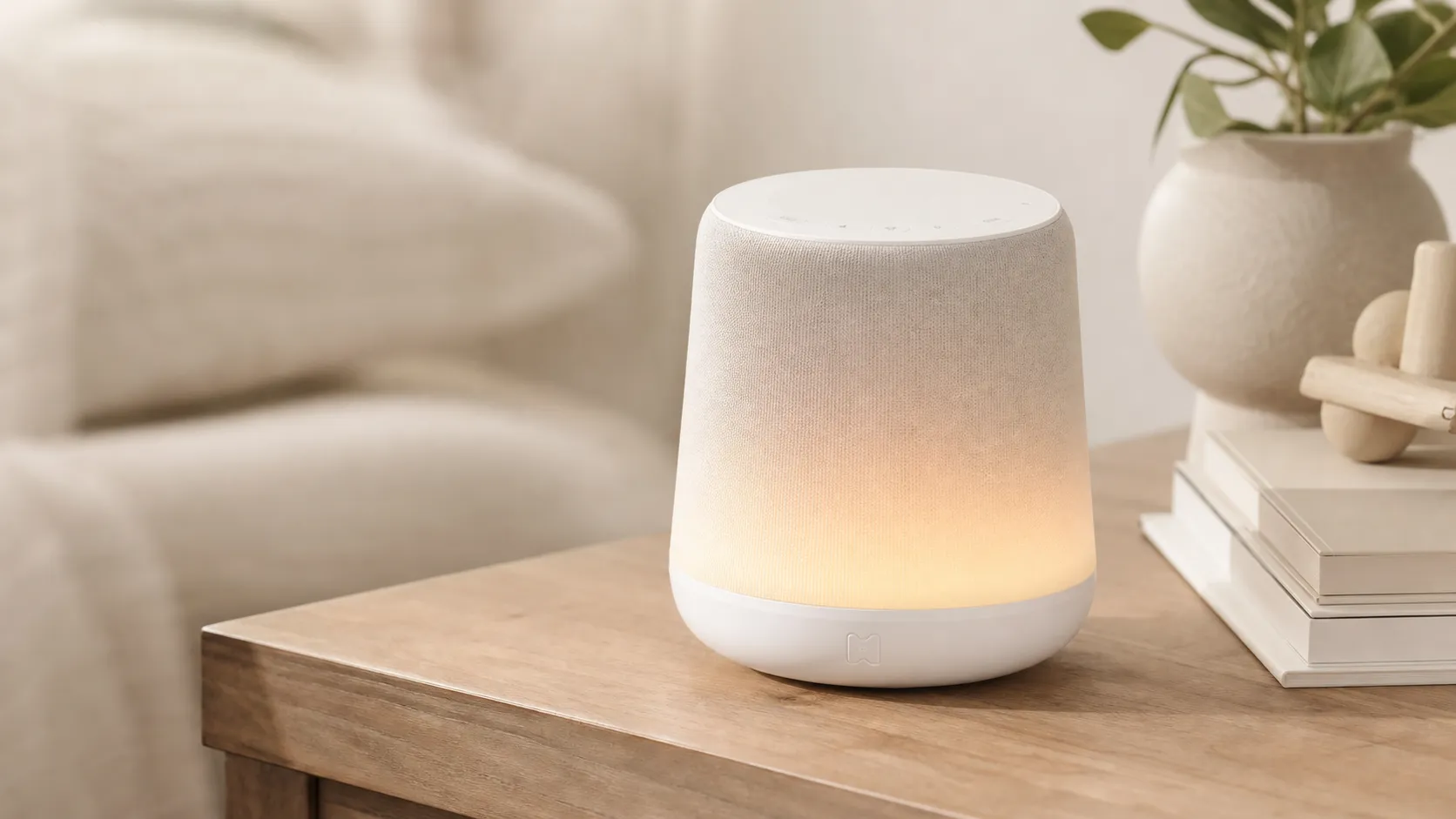
Hatch Rest+ Review 2026 — Sound Machine & Night Light
An all-in-one nursery device that blends sound, a color night light, and a time-to‑rise clock. Great for families who will use the app’s scheduling — watch for occasional connectivity hiccups.
 Baby & Kids
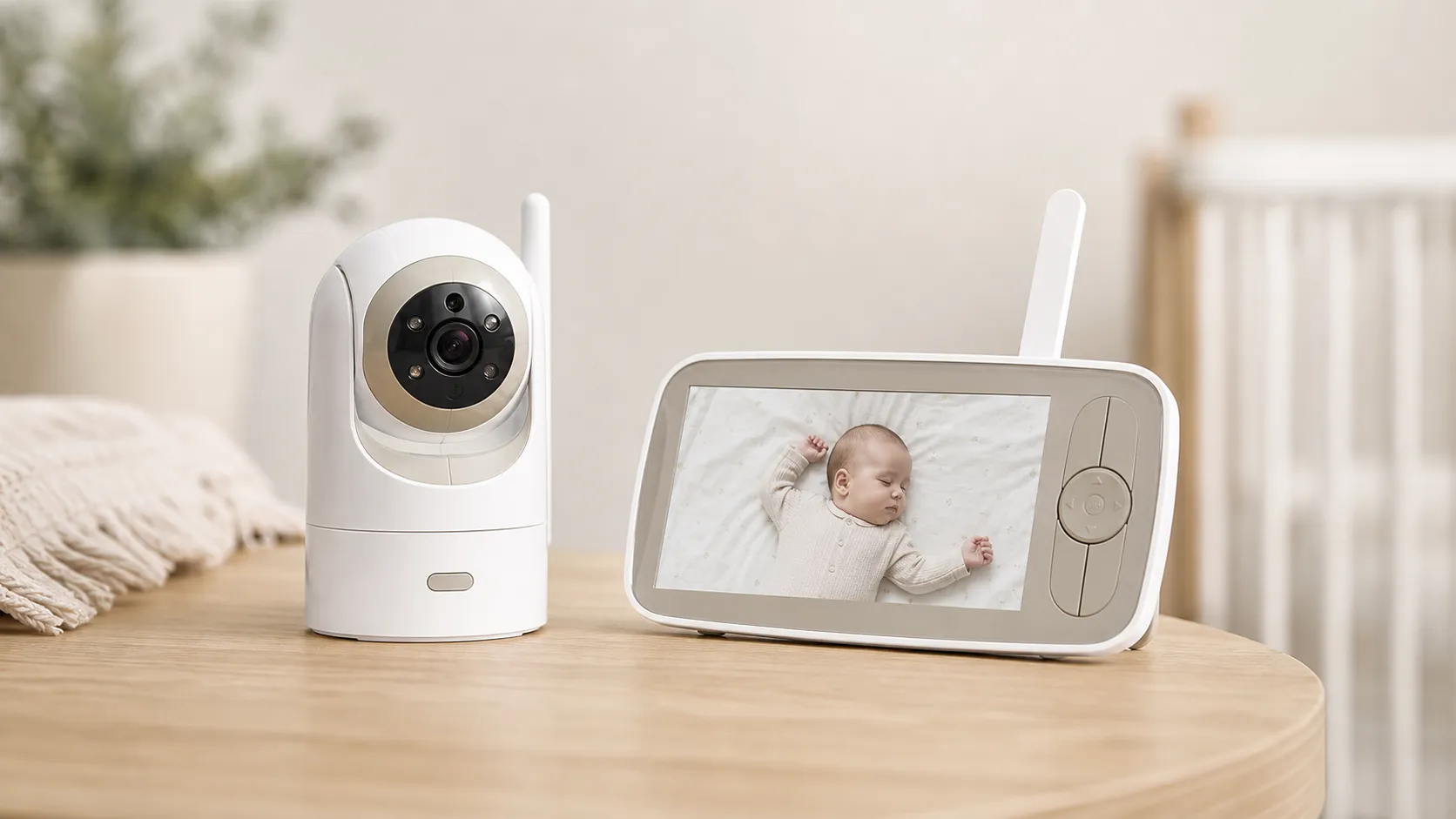
Infant Optics DXR‑8 Pro Video Baby Monitor — 2026 Review
A privacy‑first, high‑clarity non‑WiFi monitor with real optical zoom, clean audio, and long range — strong overall, but a minority report battery/charging issues.
 Baby & Kids
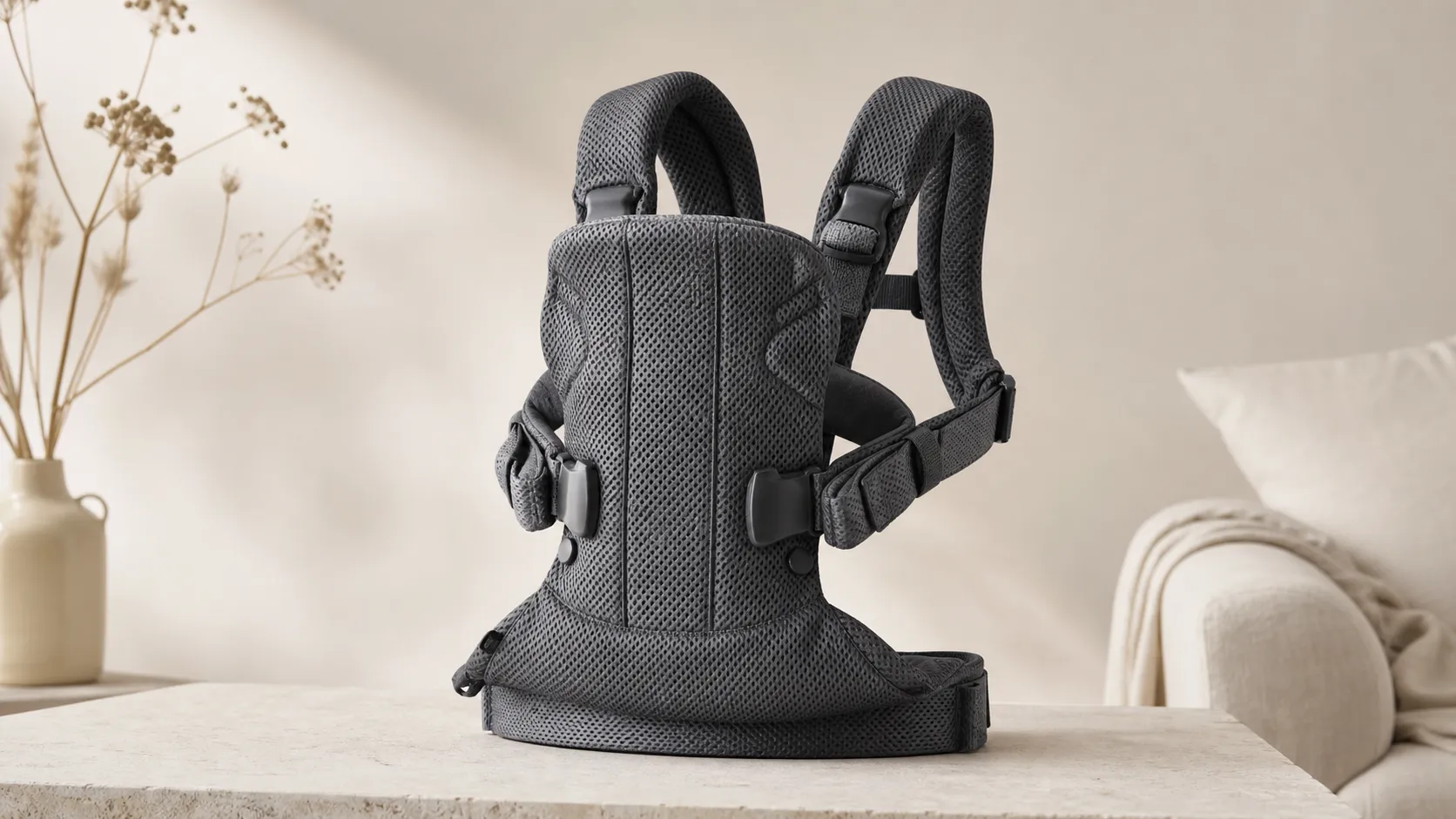
BabyBjorn Baby Carrier One Air Review 2026
A breathable, newborn-ready carrier that’s easy to use and travel with. Great for short-to-medium carries and warm weather, but less ideal for long, heavy-duty use.