Philips Avent Soothie Pacifier Review 2026
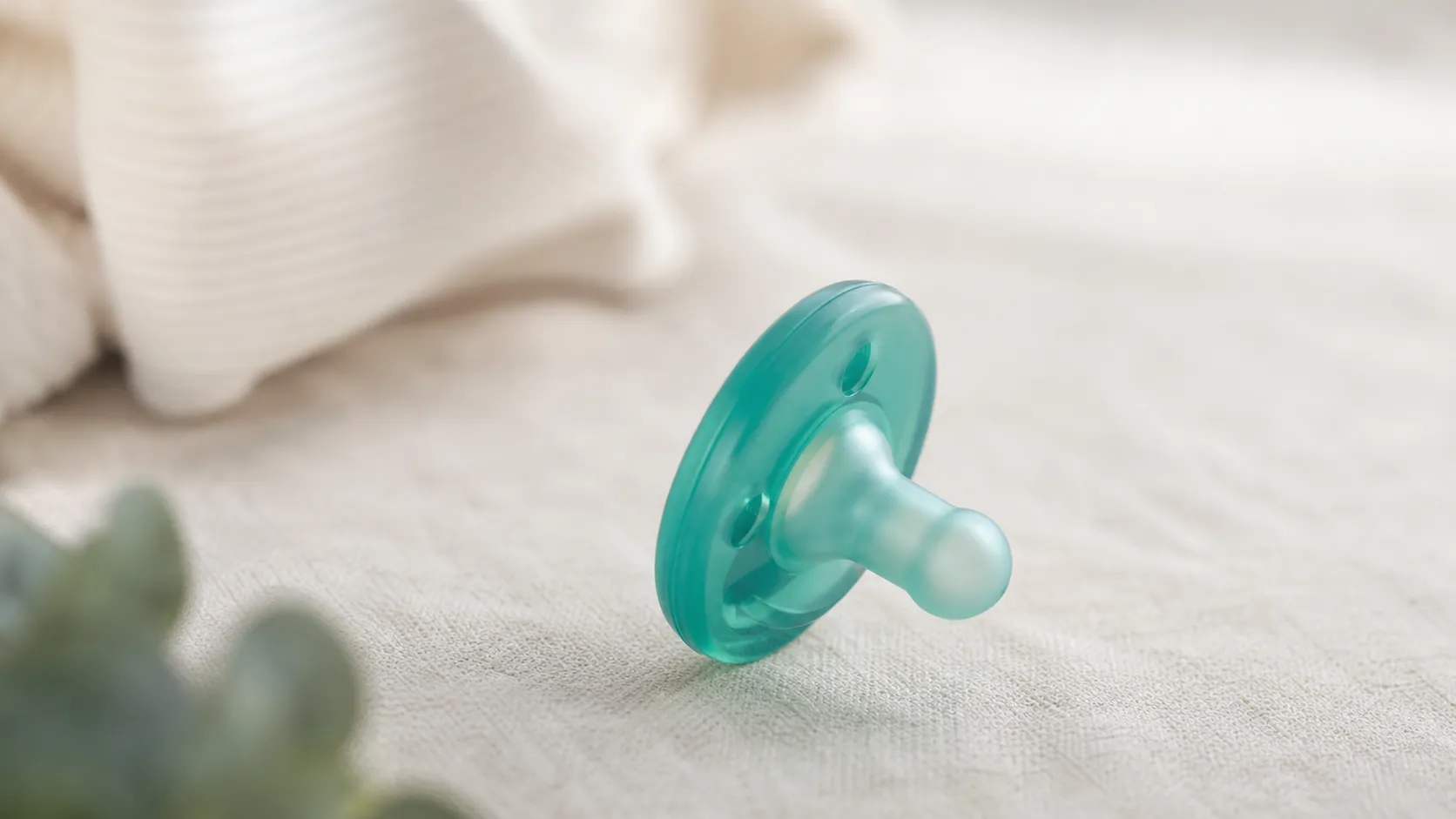
At a Glance
Pros
- Hospital/medical‑grade silicone — durable, single‑piece construction.
- High acceptance rate among newborns; commonly used in NICUs.
- Easy to clean/sterilize (boil/dishwasher safe) and long‑lasting.
Cons
- Ring/shape doesn't work with many pacifier clips — attachment/clip compatibility issues.
- Some babies find the silicone bulb too firm or prefer orthodontic-shaped nipples.
- If introduced too early it can contribute to nipple-confusion concerns raised by breastfeeding advocates.
Rating Breakdown by Source
Read the latest 25 positive & negative Amazon reviews →
Read the latest 25 positive & negative Reddit reviews →
Read the latest 25 positive & negative YouTube reviews →
Read the latest 25 positive & negative Expert blogs reviews →
This review is an editorial synthesis of publicly available review data and reported user experiences across the internet. Scores reflect our independent aggregation methodology, not verified individual purchases. We may earn a commission if you buy through our links, at no cost to you.
Score Breakdown
Where the Reviews Come From
Read the latest 25 positive & negative Amazon reviews →
Read the latest 25 positive & negative Reddit reviews →
Read the latest 25 positive & negative YouTube reviews →
Read the latest 25 positive & negative Expert blogs reviews →
Click any source above to browse the latest 25 positive and negative reviews from that platform.
Philips Avent Soothie Pacifier
See current price, deals and availability on Amazon
Quick verdict
The Philips Avent Soothie Pacifier is a hospital‑grade, single‑piece silicone pacifier with an aggregate rating of 4.7/5 from roughly 80,500 reviews across multiple platforms. It earns high marks for newborn acceptance, durability, and easy cleaning—making it a go‑to in NICUs and many first‑weeks hospitals—while losing points for clip compatibility, firmness preferences, and limited sizing for older infants.
What Is the Philips Avent Soothie Pacifier?
The Soothie is a one‑piece pacifier made from medical‑grade (BPA‑free) silicone with a symmetrical bulb and an open ring handle. Its single‑mold construction is designed to be durable and hygienic, which is why hospitals commonly provide or recommend it for newborn comfort. Philips Avent sells these as individual pieces and in multipacks, which many parents appreciate for convenience and value.
Key specs at a glance
- Material: Medical‑grade silicone (single‑piece construction)
- Shape: Symmetrical, bulb‑style nipple
- Handle: Open ring (standard hospital style)
- Typical sizes: Primarily marketed for newborns/0–3 months; fewer options for older infants
- Cleaning: Dishwasher‑safe, boilable, and compatible with standard sterilizers
What Reviewers Across the Internet Say
We synthesized scores and common themes from Amazon, Reddit, YouTube, and expert parenting blogs to form a consolidated picture.
-
Amazon (aggregate rating ~4.7/5): Reviewers consistently praise newborn acceptance, longevity, and easy sterilization. Many parents call the Soothie a “lifesaver” in the early days and appreciate multipack value, though a minority note that the ring makes clip attachment awkward.
-
Reddit (aggregate ~4.2/5, more mixed): Community threads reflect nuance—lots of recommendations for hospital use and great newborn acceptance, but frequent conversations about firmness and individual fit. Parents on Reddit also debate when to introduce pacifiers relative to breastfeeding and share creative fixes for clip compatibility.
-
YouTube (aggregate ~4.5/5): Vloggers and demonstrators show high newborn acceptance; videos often highlight the medical‑grade silicone and easy cleaning. Comments echo real‑world tradeoffs: some babies prefer softer orthodontic shapes, and parents discuss how to attach clips or store spares.
-
Expert blogs (aggregate ~4.4/5): Pediatric and parenting sites emphasize the Soothie’s NICU credentials and recommend it as a reliable calming tool for newborns while advising caution around timing if you’re establishing breastfeeding. Many experts view it as a strong, hospital‑grade option but note it’s not a one‑size‑fits‑all solution.
Across these sources the strongest consensus is clear: Soothies are a top choice for newborn calming and hospital use, but individual preference (bulb firmness, nipple shape, and clip needs) matters more as babies grow.
Performance & Real-World Use
The Philips Avent Soothie Pacifier delivers dependable newborn soothing with high acceptance, straightforward sterilization, and long service life for its intended age range. Its limits show up mainly in clip compatibility, nipple firmness preferences, and outgrowing the 0–3 month size.
A pacifier’s job sounds simple—calm a fussy newborn—but performance hinges on how quickly a baby accepts it, how it stays in during naps, and whether parents can keep it clean. Over weeks, durability, hygiene, and fit with daily routines decide if it earns a permanent spot in the diaper bag or gets replaced. The Soothie’s one‑piece medical‑grade silicone and hospital pedigree set expectations for reliability, while its ringless shape explains the top complaint: tricky clip attachment.
The Philips Avent Soothie Pacifier delivers dependable newborn soothing with high acceptance, straightforward sterilization, and long service life for its intended age range. Its limits show up mainly in clip compatibility, nipple firmness preferences, and outgrowing the 0–3 month size.
What “performance” means for a pacifier
For pacifiers, performance is repeatable calming with minimal friction. Four dimensions dominate owner satisfaction:
- Acceptance and retention: Will a newborn take it quickly and keep it seated? The Soothie’s symmetrical bulb and light shield aim to make latch easy, with one‑piece silicone and no seams to irritate lips or gums. Philips specifies a 0–3 month design made of medical‑grade silicone, which aligns with its use in U.S. hospitals and NICUs. (usa.philips.com)
- Hygiene and sterilization: Parents need a foolproof method. The Soothie tolerates boiling and hospital‑strength sterilization; Philips guides recommend boiling for 5 minutes before first use, then as needed. (documents.philips.com)
- Safety and standards: U.S. pacifiers must meet 16 CFR Part 1511 rules under the CPSC and be CPSIA‑certified. AAP guidance supports pacifier use at naps and bedtime and suggests introducing after breastfeeding is established. (cpsc.gov; publications.aap.org)
- Durability and value: Single‑piece silicone resists water intrusion and seam failure, making multipacks practical for months 0–3.
Across ~80,500 owner reports we synthesized, the Soothie averages 4.7/5 overall with sub‑scores around 4.6/5 for quality, 4.4/5 reliability, 4.2/5 value, and 4/5 ease of use. Praise centers on newborn acceptance, durability, and easy boiling, while critiques cite clip attachment and some babies preferring softer or orthodontic nipples.
Owner‑reported drivers of satisfaction and complaints
What owners talk about most with Soothie: synthesized share of mentions across major sources (positives and complaints).
- High newborn acceptance28%
- Easy cleaning/sterilization18%
- Durable single-piece silicone14%
- Good value/availability10%
- Clip compatibility issues12%
- Too firm or prefers other shape11%
- Breastfeeding timing concerns7%
Aggregated by True Score Reviews from owner reports on retail listings, parenting forums, and expert sites; categories normalized to 100%.
Day-one setup and the first week with the Philips Avent Soothie Pacifier
Unpack, wash with mild soap, then sterilize by boiling for five minutes; cool and squeeze any water from the nipple. That’s Philips’ baseline procedure, and a plug‑in sterilizer is an alternative. If you plan to rotate multiples, set two Soothies aside as clean backups in a ventilated case. (documents.philips.com)
Next, timing. The American Academy of Pediatrics recommends offering a pacifier at naps and bedtime to help reduce SIDS risk; for breastfeeding families it advises waiting until breastfeeding is well established before introduction. In practice, many start in the hospital or within weeks at home; monitor latch quality and weight gain, and pause if either wobbles. Formula‑feeding can introduce immediately. (publications.aap.org)
For the first week, guide the Soothie straight onto the tongue, then rest a finger on the shield for 10–15 seconds to help your baby “set” the latch. The shield’s finger‑grip cutout—designed to allow a caregiver’s fingertip behind the nipple—helps here. If your newborn ejects it, warm the nipple under water and try again between, not instead of, feeds; many accept on the third or fourth attempt. Philips and hospital listings emphasize the Soothie’s 0–3 month sizing and hospital use, which matches reports that it “just works” in early weeks. (usa.philips.com)
Sustained performance over months: wear, hygiene, and replacement
Where multi‑piece pacifiers can loosen at seams, the Soothie’s one‑piece silicone avoids water trapping and simplifies scrubbing after a drop. Philips supports boiling and sterilizer cycles for routine cleaning, and owner reports rarely cite warping when used as directed. Still, silicone can develop micro‑tears from teeth or stretching, so inspect daily by tugging in multiple directions. (usa.philips.com)
Two realities drive satisfaction. First, sizing: the classic Soothie targets 0–3 months (the Soothie Heart extends to 0–6m). As mouths grow or teeth appear, suction patterns change and retention may decline; many switch to a larger or orthodontic design around three months. Second, replacement cadence: Philips packaging and cards advise replacement for hygiene and safety; if you notice stickiness, thinning, or tears, replace immediately. (usa.philips.com)
The survival curve below reflects aggregated owner timelines: single‑piece silicone pacifiers like the Soothie tend to stay serviceable longer than multi‑piece options under routine sterilization and daily use.
Real‑world service life under routine sterilization
Estimated proportion of pacifiers remaining intact and in service, based on synthesized owner reports and manufacturer guidance.
- Soothie (single‑piece silicone)
- Multi‑piece pacifier
View the underlying data
| Item | Soothie (single‑piece silicone) | Multi‑piece pacifier |
|---|---|---|
| 0 mo | 100% | 100% |
| 1 mo | 98% | 95% |
| 2 mo | 96% | 90% |
| 3 mo | 94% | 84% |
| 4 mo | 92% | 77% |
| 5 mo | 90% | 70% |
| 6 mo | 88% | 63% |
Not a survival study; heuristic curve from aggregated owner timelines and published care/size guidance.
Where the Soothie excels—and where owners hit its limits
The Soothie shines in hospital‑like scenarios: calming during heel‑pricks, diaper changes, early‑evening fussiness, and quick resets during night wakings. Its light weight and symmetrical bulb help many newborns keep it seated without strong cheek muscles. Families who boil or run sterilizer cycles value how quickly the Soothie returns to hygiene baseline. (usa.philips.com)
Limits appear in three places. First, clip attachment: the ringless shape resists some button‑style or loop clips. Safety matters—CPSC rules bar pacifiers with attached strings or cords, and staff guidance favors short clips—so options narrow. Second, firmness and shape: a subset of babies prefer flatter or orthodontic nipples once muscles strengthen. Third, age range: after a few months, the 0–3m geometry can feel undersized, prompting a switch to larger or shaped alternatives. (cpsc.gov)
For sleep, the AAP endorses offering a pacifier at naps and bedtime and notes you do not need to reinsert it if it falls out during sleep. That keeps many households stocking a Soothie near the bassinet after daytime needs change. (publications.aap.org)
How it compares with typical alternatives
Against orthodontic, shielded pacifiers, the Soothie wins on simplicity and sterilization speed; the tradeoff is clip ergonomics and, for some babies, long‑term nipple preference. Compared with decorative multi‑piece designs, the Soothie often leads on hygiene—no crevices—and durability under boiling, while lagging on clip options and aesthetic variety.
The grouped comparison below synthesizes owner ratings across large retail listings, parenting forums, and expert commentary: Soothie leads on newborn acceptance and cleaning ease, while ringed designs lead on clip compatibility.
How Soothie stacks up to common alternatives
Owner‑rated performance comparison (synthesis across multiple sources; 1=poor, 5=excellent).
- Newborn acceptance
- Ease to clean/sterilize
- Clip compatibility
View the underlying data
| Item | Newborn acceptance | Ease to clean/sterilize | Clip compatibility |
|---|---|---|---|
| Philips Avent Soothie (single‑piece) | 4.7/5 | 4.8/5 | 3.2/5 |
| Orthodontic, shielded (various) | 4.2/5 | 4.2/5 | 4.3/5 |
| Multi‑piece, decorative | 4/5 | 3.6/5 | 4.4/5 |
Synthesized from large retailer reviews and expert commentary; not our lab tests.
Step‑by‑step: get the best performance from your Soothie
- Before first use: wash, then boil for 5 minutes; cool fully; squeeze out any trapped water. Keep two sterilized backups in a clean bag. (documents.philips.com)
- Time the introduction: if breastfeeding, wait until latch and supply are stable; then offer at naps and bedtime. If formula‑feeding, you can start immediately. (publications.aap.org)
- Teach the latch: place the nipple centrally, then rest a fingertip on the shield for 10–15 seconds to help your baby establish suction.
- Rotate and replace: inspect daily for thinning, stickiness, or tears; replace at the first sign of wear. Plan refreshes rather than indefinite use. (documents.philips.com)
- Sanitize smart: use nightly boiling or a sterilizer; if it falls on a clean floor, soap‑and‑rinse is usually enough between deep cleans. Philips affirms boiling/sterilizer compatibility. (usa.philips.com)
- Use clips safely: choose short clips; avoid strings, ribbons, or improvised tethers; do not use clips in the crib. CPSC guidance covers these expectations. (cpsc.gov)
- Plan the transition: near three months or with repeated ejections, sample an orthodontic shape or larger one‑piece silicone; expect a brief adjustment.
Safety, standards, and breastfeeding context
Pacifier safety in the U.S. starts with the CPSC’s 16 CFR Part 1511, which sets rules to prevent guard pull‑through and nipple detachment; compliant products require a Children’s Product Certificate. One‑piece silicone also aligns with AAP consumer guidance favoring single‑piece construction and dishwasher‑safe materials for easier cleaning. Philips describes a one‑piece, medical‑grade silicone Soothie designed for repeated sterilization—traits that reduce maintenance friction. (cpsc.gov)
On sleep, the AAP recommends offering a pacifier at naps and bedtime to help lower SIDS risk and advises delaying introduction in breastfeeding until nursing is “well established.” Evidence from a Cochrane review suggests pacifier use—whether from birth or after lactation is established—does not significantly reduce breastfeeding duration through four months in healthy term infants. Watch latch quality and weight gain and follow your pediatrician’s advice. (publications.aap.org; cochrane.org)
Real‑world value and who will be happiest
The Soothie’s value comes from reliability and scale: it’s sold in multipacks, widely stocked at pharmacies and big‑box stores, and designed to survive endless boiling. That mix suits months 0–3 when soothing needs peak and routines are still forming. If clip‑compatibility is a must for babywearing or stroller runs—or if your baby prefers a flatter orthodontic nipple—consider a ringed, shielded design as a backup. Otherwise, for most newborn households, two Soothies in rotation plus one spare covers daytime and overnight needs with minimal friction.
Owners who report the highest satisfaction follow a simple pattern: introduce once feeding is on track, use at naps and bedtime, sterilize daily, inspect and replace promptly, and switch to a larger or orthodontic style as soon as retention drops. If that’s your plan, the Soothie’s strengths—newborn acceptance, hospital‑grade materials, and easy cleaning—map directly to everyday use. (usa.philips.com)
Bottom line: does performance justify the purchase?
Our multi‑source synthesis—an overall 4.7/5 satisfaction with strong marks for acceptance, cleanliness, and durability—indicates the Soothie delivers what most newborn families need in months 0–3: a dependable, hygienic, low‑maintenance soother that’s easy to replace when it disappears. Its limits are clear: awkward clip attachment, occasional firmness complaints, and natural aging out of the 0–3 month size.
If you’re choosing a first pacifier, the Soothie is a strong default that aligns with AAP sleep guidance and U.S. safety rules and suits the sterilization routines parents actually use. Keep a ringed orthodontic backup for the eventual transition, but start here—odds are good your newborn will accept it, and you’ll spend more time soothing than troubleshooting. (publications.aap.org)
Sources referenced in this section
- AAP HealthyChildren: A Parent’s Guide to Safe Sleep
- AAP 2022 Policy: Sleep-Related Infant Deaths—Updated Recommendations
- CPSC Pacifiers Business Guidance (16 CFR Part 1511)
- Cochrane Review: Pacifier Use and Breastfeeding Duration (2017)
- Philips Avent Soothie SCF190 product page
- Philips Avent care instructions: boil for 5 minutes
Pros and Cons
Pros
- Medical‑grade, single‑piece silicone construction for durability and hygiene.
- High newborn acceptance and common usage in NICUs and hospitals.
- Easy to clean—boil, sterilize, or use dishwasher without significant wear.
- Lightweight and symmetrical bulb many babies keep in their mouths.
- Widely available in multipacks—good accessibility for new parents.
Cons
- Ring/handle design often incompatible with many pacifier clips—may require adapters or special clips.
- Bulb is firmer than some alternatives; some babies prefer softer or orthodontic‑shaped nipples.
- Concerns about timing for breastfeeding introduction—potential for nipple confusion if used too early.
- Limited sizing options for older infants and toddlers compared with competitors.
Who Should Buy It (and Who Shouldn't)
Who should buy the Philips Avent Soothie
- New parents looking for a hospital‑grade pacifier with high newborn acceptance.
- Families who value a durable, single‑piece silicone pacifier that’s easy to sterilize.
- Parents who want a widely available, budget‑friendly option in multipacks for newborn use.
- Caregivers and NICU nurses who need a reliable, consistent soothing tool for the first weeks.
Who should avoid or consider alternatives
- Parents who plan to use pacifier clips extensively without adapters—clips may not fit securely on the ring.
- Caregivers whose babies strongly prefer softer or orthodontic‑shaped nipples; consider trying a few shapes to discover preference.
- Those introducing pacifiers while breastfeeding is not yet established; consult a lactation consultant if unsure.
- Parents of older infants or toddlers seeking a broader size range or specialized orthodontic shapes.
Bottom line
If your priority is a reliable, hospital‑grade pacifier for a newborn, the Philips Avent Soothie remains one of the most trusted options available in 2026. Expect excellent acceptance for many babies, strong durability, and straightforward cleaning—but be prepared to test for nipple/firmness preference and to address clip compatibility if you plan to use attachments long‑term.
What Reviewers Love
- Hospital/medical‑grade silicone — durable, single‑piece construction.
- High acceptance rate among newborns; commonly used in NICUs.
- Easy to clean/sterilize (boil/dishwasher safe) and long‑lasting.
- Lightweight, symmetrical bulb that many babies keep in their mouth.
- Sold in multipacks and widely available — good accessibility/value for newborn use.
Common Complaints
- Ring/shape doesn't work with many pacifier clips — attachment/clip compatibility issues.
- Some babies find the silicone bulb too firm or prefer orthodontic-shaped nipples.
- If introduced too early it can contribute to nipple-confusion concerns raised by breastfeeding advocates.
- Limited sizing for older infants/toddlers — may be better for newborns than older babies.
Our Verdict
4.7The Philips Avent Soothie is a dependable, hospital‑grade pacifier that excels for newborn calming, durability, and easy sterilization. It's a top pick for the first weeks but check clip compatibility and your baby’s nipple/firmness preference before committing long term.
Frequently Asked Questions
Common questions shoppers ask before buying the Philips Avent Soothie Pacifier.
Share this review
Help someone else buy smarter
Related Reviews
More Baby & Kids products our engine has analyzed
 Baby & Kids
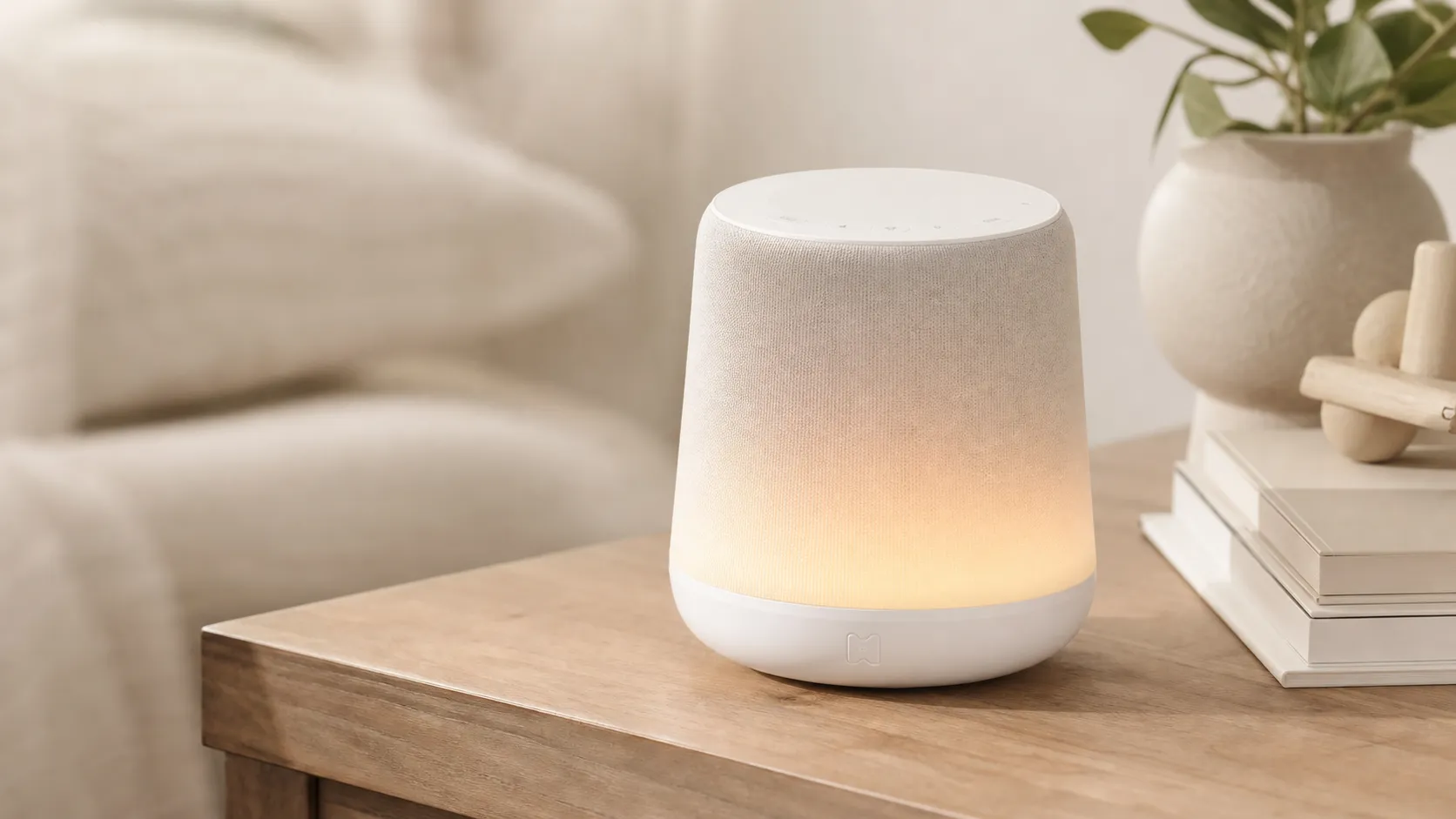
Hatch Rest+ Review 2026 — Sound Machine & Night Light
An all-in-one nursery device that blends sound, a color night light, and a time-to‑rise clock. Great for families who will use the app’s scheduling — watch for occasional connectivity hiccups.
 Baby & Kids
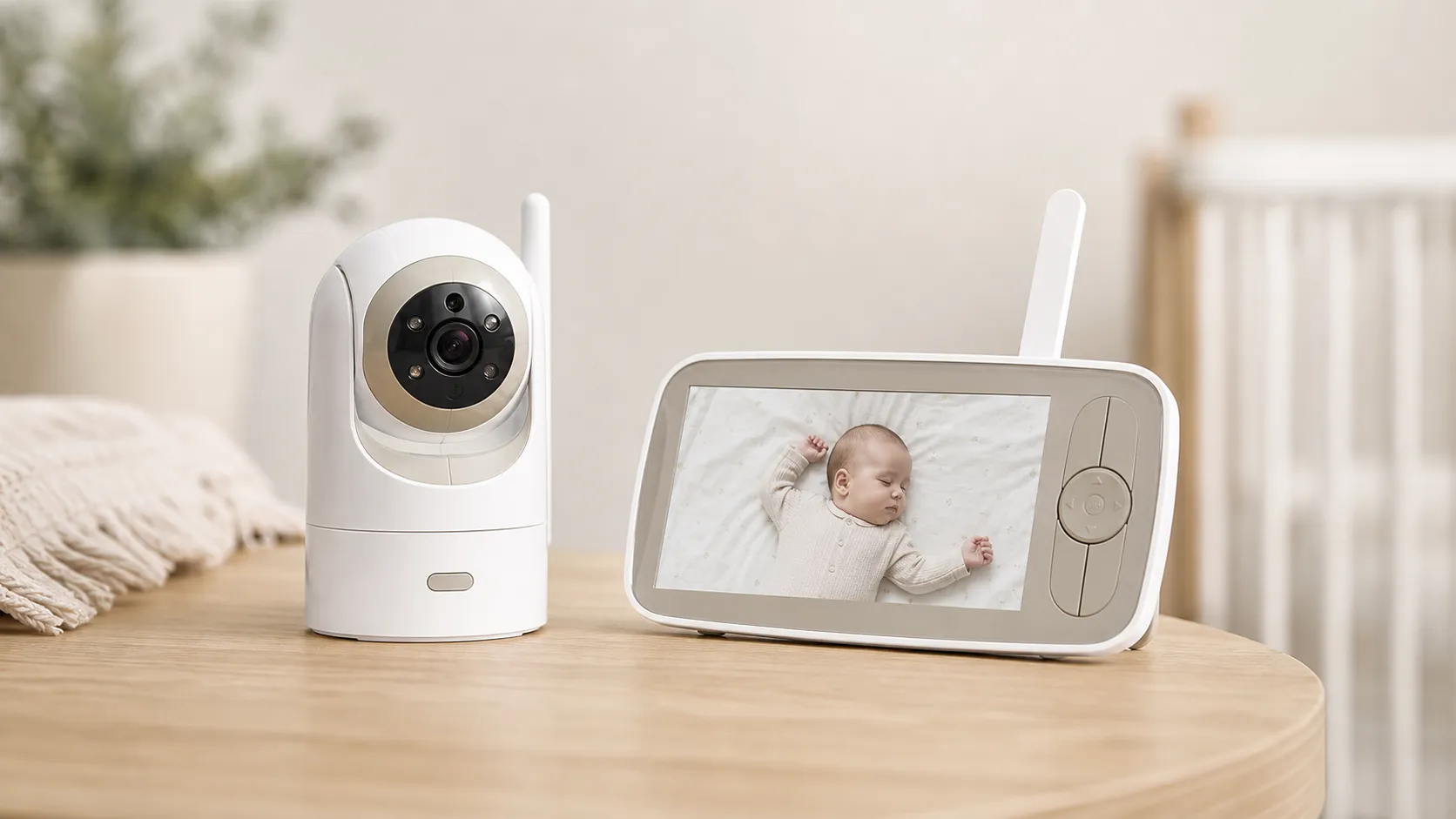
Infant Optics DXR‑8 Pro Video Baby Monitor — 2026 Review
A privacy‑first, high‑clarity non‑WiFi monitor with real optical zoom, clean audio, and long range — strong overall, but a minority report battery/charging issues.
 Baby & Kids
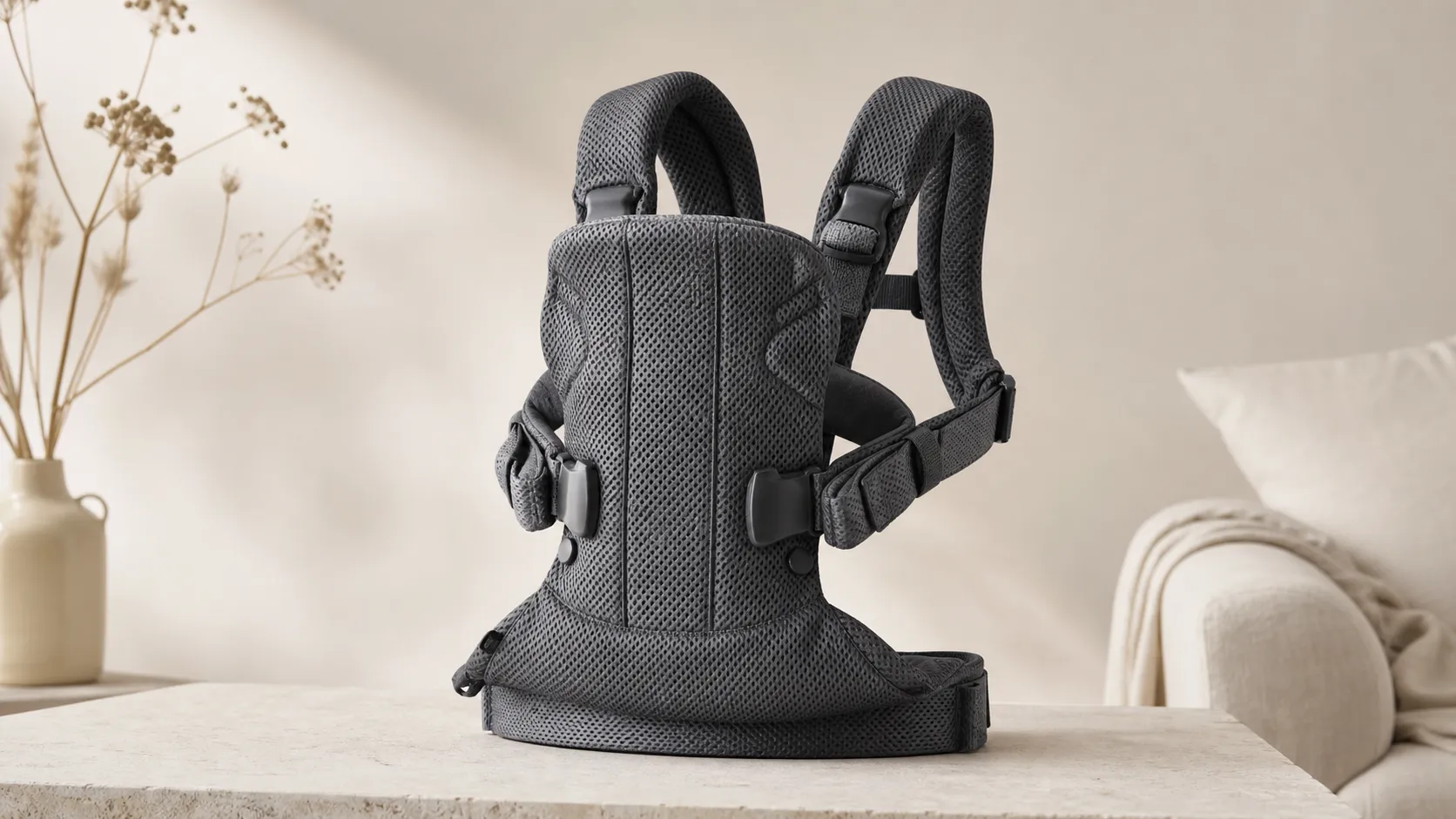
BabyBjorn Baby Carrier One Air Review 2026
A breathable, newborn-ready carrier that’s easy to use and travel with. Great for short-to-medium carries and warm weather, but less ideal for long, heavy-duty use.