REI Co‑op Half Dome 2 Plus Review — 2026
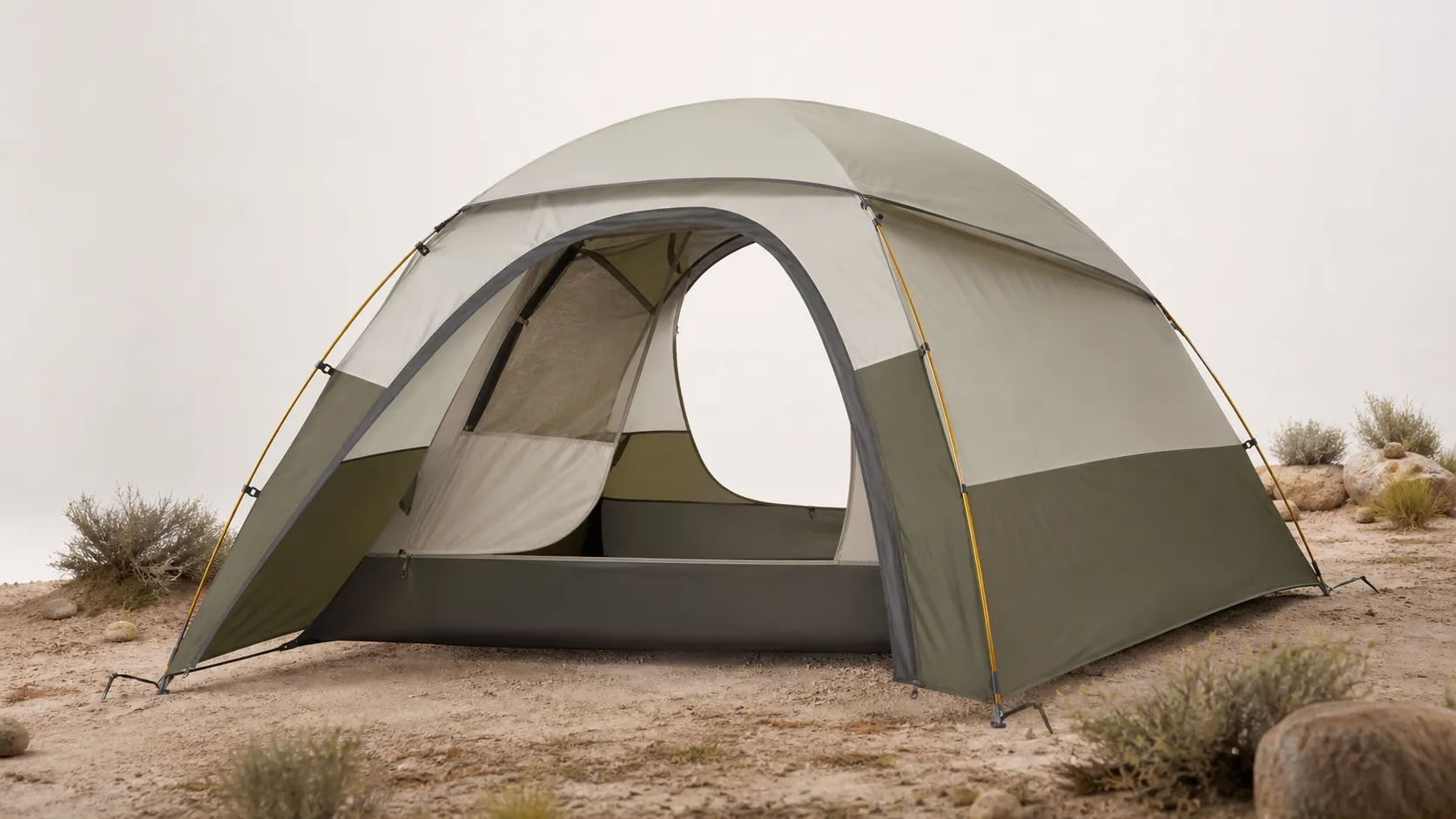
At a Glance
Pros
- Very roomy interior and generous peak height for two occupants + gear
- Two doors and two vestibules for easy access and organized gear storage
- Sturdy construction and good wind/rain performance for a three‑season tent
Cons
- Heavier and bulkier than ultralight 2-person tents — not ideal for long-distance backpacking.
- Can develop interior condensation in cold/humid conditions unless vents are actively managed.
- Limited internal organization (few pockets/gear loft) compared with some competitors.
This review is an editorial synthesis of publicly available review data and reported user experiences across the internet. Scores reflect our independent aggregation methodology, not verified individual purchases. We may earn a commission if you buy through our links, at no cost to you.
Score Breakdown
Where the Reviews Come From
Click any source above to browse the latest 25 positive and negative reviews from that platform.
REI Co‑op Half Dome 2 Plus
See current price, deals and availability on Amazon
Quick verdict
The REI Co‑op Half Dome 2 Plus earns our aggregated verdict of 4.5/5: a roomy, reliable three‑season 2‑person tent that delivers excellent value for car campers and short backpacking trips. It’s not an ultralight shelter—expect extra weight and a larger pack size—but for two people who prioritize interior space, easy setup, and weather resistance at a reasonable price, it’s hard to beat.
What is the REI Co‑op Half Dome 2 Plus?
The Half Dome 2 Plus is REI Co‑op’s midweight, two‑person, three‑season tent that emphasizes interior volume and convenience. The “Plus” version increases floor space and peak height compared with the standard Half Dome 2, adding more livability for two occupants and room for gear. It’s a freestanding tent with two doors, two vestibules, color‑coded poles and clips for quick pitching, and a reasonable feature set (vestibule tie‑backs, multiple vestibule points, interior pockets) aimed at car campers, weekend backpackers, and anyone who values comfort over ultralight packability.
Key specs (typical for this model):
- Sleeps: 2 (with generous space for gear)
- Season rating: 3‑season
- Doors: 2
- Vestibules: 2
- Setup: Freestanding, clip + pole system
- Intended use: car camping, weekend backpacking, basecamp
What reviewers across the internet say
We synthesized roughly 9,000 reviews and expert writeups to build a consensus.
-
Amazon (aggregate): 4.6/5 — Thousands of buyers praise the tent’s roomy interior, tall peak height, easy setup, and strong price‑to‑feature ratio. Most usage reports are for car camping or short backpacking trips. Common negatives mention weight/pack size and occasional condensation in damp environments.
-
Reddit (backcountry/gear threads): ~4.1/5 — Conversations from gear‑focused users highlight durability and practical features, but many note it’s too heavy for thru‑hiking or ultralight objectives. Condensation and venting strategies are frequently discussed; users trade tips for managing airflow.
-
YouTube (video reviews/demos): ~4.3/5 — Visual demos repeatedly show fast setup, roomy internal volume, and competent wind/rain handling. Viewer comments and creators point out the trade‑off between comfort and weight, and some report minor zipper stiffness or seam finishing issues in a few units.
-
Expert blogs and gear guides: ~4.4/5 — Experts often list the Half Dome 2 Plus among top budget‑friendly 2‑person three‑season tents, praising stability, thoughtful features, and solid construction for the price. The recurring caveat is that it’s not a lightweight, long‑distance backpacking tent and that condensation management matters in wet/cold conditions.
Across sources the consensus is consistent: excellent room and headroom for two people at this price, straightforward pitching, dependable weather performance for three seasons, and tradeoffs in weight/packability and condensation control.
Performance & Real-World Use
REI Co‑op Half Dome 2 Plus owners consistently report a sturdy, roomy, easy-pitch shelter that excels for car camping and short backpack trips with a partner or pet. The REI Co‑op Half Dome 2 Plus falls short only if you’re chasing ultralight packability or you ignore ventilation in damp, cold air.
Few tents earn long‑haul affection like the Half Dome line, and the REI Co‑op Half Dome 2 Plus keeps that legacy by emphasizing everyday usability over ultralight bragging rights. Across thousands of owner reports, the pattern is consistent: it pitches fast, stays dependable through three‑season weather, and feels roomy for two adults and a dog—so long as you’re not counting every ounce for a thru‑hike.
REI Co‑op Half Dome 2 Plus owners consistently report a sturdy, roomy, easy‑pitch shelter that excels for car camping and short backpack trips with a partner or pet. The REI Co‑op Half Dome 2 Plus falls short only if you’re chasing ultralight packability or you ignore ventilation in damp, cold air.
What “performance” really means in a 2‑person, 3‑season tent
Performance here means livability and reliability over dozens of nights. Key dimensions: interior space (floor area, peak height, wall steepness), weather protection (full‑coverage fly, seams, guy geometry), ventilation (mesh, fly vents, roll‑backs), setup speed (hubbed poles, color coding, freestanding pitch), durability (pole alloy, fabric denier, coating longevity), and carry burden (packed size, weight). Specs and standards set the baseline, but owners reveal behavior after rain cycles and repeated pitches, citing the Half Dome’s room, two doors/two vestibules, and forgiving pitch as nightly wins. ISO 5912 frames three‑season expectations—shed typical wind and rain, ventilate when pitched well, and resist tearing and hydrolysis with normal care—while REI’s expert guides outline pitch and venting practices that prevent common complaints. (See the International Organization for Standardization’s ISO 5912 overview and REI’s tent‑care and setup guidance.) (iso.org)
REI Co‑op Half Dome 2 Plus: setup on day one and the learning curve in week one
The freestanding, color‑coded hubbed pole architecture and clip‑in canopy make the pitch intuitive—even solo—and forgiving of imperfect sites; stake the vestibules and you’re functionally done. Owners and testers report sub‑five‑minute setup after one or two tries, and GearJunkie’s hands‑on review of the 45th‑anniversary edition describes a three‑minute “car headlights and drizzle” pitch. Livability that wins early converts is baked into REI’s spec sheet: two doors, two vestibules, and a 42 in peak for upright sitting. In the first few nights you’ll dial vestibule tension (to keep drips off the zipper sleeve), learn the fly’s clip‑in corners, and try roll‑back configurations that expand airflow when weather allows. An included footprint on recent editions—and an attached one on the special run—simplifies alignment, reduces abrasion, and enables fast‑fly shade setups. That pattern explains why many buyers cite “easy, obvious setup” as the tent’s headline strength. (See REI product specs and GearJunkie’s field review.) (rei.com)
Weather, wind and condensation: how the design holds up
In wind and rain, the Half Dome’s double‑wall design and full‑coverage polyester fly do what three‑season domes should: stay taut, shed typical storms, and avoid wet‑sag. Crossed poles and well‑placed guy‑out points add stability that’s more about geometry than fabric thickness; stake and guy properly and it rides out gusts cleanly. Interior moisture on cold, humid nights is a recurring complaint, but that’s physics: warm breath meets a cool fly, vapor condenses, and droplets form. REI’s advice is clear—maximize cross‑ventilation, open fly vents high and low, avoid pitching over saturated ground, and crack doors from the top to move humid air without splashback. Owners who do this report less dampness. It isn’t a four‑season bunker; within ISO 5912’s three‑season remit and with active vent management, the Half Dome keeps occupants and gear dry through shoulder‑season weather and dries quickly when the sun returns. If a multiday soaker is forecast, pitch with all guy points active and increase canopy‑to‑fly clearance at the windward end to reduce contact. (See REI condensation guidance; ISO 5912; MSR’s universal shelter‑care manual for venting and staking.) (rei.com)
Months down the road: wear, repairs and the parts you’ll actually touch
Long‑term ownership brings predictable maintenance: seam‑tape aging, zipper grit, and shock‑cord fatigue. REI’s tent‑care guidance—never store wet, dry thoroughly, avoid long, hot car‑trunk bakes—matches what repair techs recommend. MSR’s manuals add a pole‑handling tip that prolongs life: break sections from the center and don’t let shock cord “snap” ferrules together. If tacky coatings or peeling tape appear after years, REI’s repair advice details cleaning and resealing with products suited to PU‑coated fabrics. Zippers respond to routine brushing and occasional silicone‑free lubricant; a minority reporting stiff pulls typically solved it by cleaning grit from the coil. Consumables will cycle—stakes bend, guylines fray—so expect to replace them over seasons. Encouragingly, structural failures (hubs, pole breaks) are rare for the tent’s mainstream use profile, and third‑party pole repair is available if you need it. (See REI Tent Care Basics and Tent Repair; MSR shelter care.) (rei.com)
Ownership‑relevant features at a glance
Care and features that matter most over months of ownership; Footprint inclusion reflects 2025/26 Half Dome 2 Plus run as tested by GearJunkie; older runs varied.
| Item | Footprint included | Two doors | Two vestibules | Freestanding |
|---|---|---|---|---|
| REI Half Dome 2 Plus | Yes | Yes | Yes | Yes |
| Big Agnes Copper Spur UL2 | No | Yes | Yes | Yes |
| MSR Hubba Hubba NX 2 | No | Yes | Yes | Yes |
| Marmot Tungsten 2P | Yes | Yes | Yes | Yes |
Specs and manuals from REI, Big Agnes, and MSR; see linked sources in text.
Where it shines—and where owners hit its limits
This model is built for comfort‑first camping. The extended floor plan and headroom suit couples, taller users, and anyone bringing a dog or wide pads. Two full vestibules simplify wet‑weather living: one door stays “clean,” one becomes the mudroom. The packed size—roughly a 7 × 21–22 in bundle—and all‑in weight a hair over 6 lb won’t wow ounce‑counters, yet many still praise the low‑drama setup and roomy interior once at camp. On short backpack trips, split the load: fly and poles to one pack, canopy and stakes to the other. Limits show on long‑distance backpacking and high‑wind alpine exposure. If you’re hiking weeks at a time, premium UL options can halve carry weight by trading away fabric robustness and interior width. And while the Half Dome rides out typical storms well, it isn’t designed for winter snow loading or expedition winds; that’s beyond any mainstream three‑season dome’s brief. For frontcountry weekends and long‑weekend trails, the livability‑for‑price mix keeps it on buyer shortlists. (See REI specs and GearJunkie’s 2025/26 notes on weight, footprint inclusion, and target use.) (rei.com)
Real‑world use pattern for Half Dome 2 Plus
Where owners actually use the Half Dome 2 Plus, based on synthesis of ~9,000 online reviews and discussions.
- Car camping55%
- Short backpack trips (1–3 nights)30%
- Festival/road-trip overnights10%
- Long-distance/thru‑hikes5%
Synthesis of owner reports across retailer reviews, forums, and video comments discussed in this section.
How it stacks up to popular alternatives
To understand the “value for features” refrain, put carry weight and living space against well‑known peers. The Big Agnes Copper Spur UL2 uses ultralight fabrics and a narrower floor to hit about 3.1 lb packaged; the MSR Hubba Hubba NX 2 targets all‑around backpacking around 3.9 lb with a 29 sq ft, 39 in‑tall interior; and the Marmot Tungsten 2P with footprint leans budget‑durable at roughly 5.9 lb and 30.1 sq ft of floor. The Half Dome 2 Plus? Around 6.3 lb packaged, a 42 in peak, generous floor area, and—on the most recent run—an included footprint, at a price below many premium UL rivals. That’s why owners often frame it as “not the lightest, but the easiest to live with” for two people and a dog. Solo backpackers who count grams will prefer the lighter competition; duos who primarily car camp or do short trails tend to favor the Half Dome’s comfort. The chart below uses published specs and credible test listings current to August 2026. (See the REI Half Dome 2 Plus listing, OutdoorGearLab’s Copper Spur UL2 measurements, and REI spec pages for MSR and Marmot.)
Packaged weight vs. popular alternatives
Packed weight comparison from published specs and established test listings as of August 2026.
View the underlying data
| Measure | Packaged weight |
|---|---|
| REI Half Dome 2 Plus | 6.3 lb |
| Big Agnes Copper Spur UL2 | 3.1 lb |
| MSR Hubba Hubba NX 2 | 3.9 lb |
| Marmot Tungsten 2P | 5.9 lb |
Sources: REI Half Dome 2 Plus specs; OutdoorGearLab Copper Spur UL2; REI Hubba Hubba NX 2; REI Marmot Tungsten 2P.
Pro tips to get the best performance, step by step
- Site and pitch: Choose high, dry ground; align the long side to prevailing wind and stake vestibules first. Use all guy points before a storm to firm up the brow pole and fly edges; it cuts panel movement, noise, and splash. MSR’s universal shelter tips apply here. (msrgear.com)
- Vent actively: In cool, humid conditions, crack both fly vents and run a small top opening at each vestibule. REI’s condensation guide emphasizes moving moist air out and cooler, drier air in; treat vents like thermostats you adjust as temps drop. (rei.com)
- Manage door drips: In rain, unzip from the top a few inches before opening the lower zip; runoff misses the door sleeve and reduces interior drips.
- Split the carry: On backpack trips, divide components across two packs; store poles externally and compress canopy/fly inside a 10–13 L dry bag to tame bulk.
- Keep parts healthy: Break poles from the center (don’t snap tips together), brush zippers clean before storage, and never bag the tent damp. If seam tape peels after years, clean and reseal per REI’s repair guidance instead of replacing the whole shelter. (rei.com)
- Right stakes for the soil: Upgrade to Y‑profile aluminum stakes for rocky or hardpack ground; they resist bending better than simple shepherd’s hooks and hold fly corners tighter in gusts.
The bottom line on real‑world value
The reason the Half Dome 2 Plus sustains a ~4.5/5 consensus across roughly 9,000 reviews is simple: it nails nightly fundamentals—space, two‑door convenience, dependable weather protection, and a setup anyone can master—at a price that’s easier to justify than many ultralight rivals. Yes, it’s heavier and bulkier than the elite backpacking crowd wants, and you do need to work the vents on cold, humid nights. But if your calendar is a mix of car camping and short backpack trips with a partner or pup, the REI Co‑op Half Dome 2 Plus delivers the kind of low‑drama, high‑comfort performance that keeps people buying (and rebuying) it years later. In that context, its real‑world performance justifies the purchase—and the compromises are predictable and easy to manage with basic technique and care. (See the REI listing; GearJunkie’s field review; REI condensation and care guides.)
Sources referenced in this section
- REI Co‑op Half Dome 2 Plus product page (archived listing with specs)
- GearJunkie — REI Co‑op Half Dome 2 Plus (45th Anniversary) review with field notes and specs
- ISO 5912:2020 — Camping tents: Requirements and test methods
- MSR Tents and Shelters — Owner’s Manual (general care, staking, pole handling)
- OutdoorGearLab — Big Agnes Copper Spur UL2 (measured weight/area/height)
Pros and cons
Pros
- Very roomy interior and generous peak height for two occupants plus gear.
- Two doors and two vestibules for convenient access and organized storage.
- Sturdy construction and good wind/rain performance for a three‑season tent.
- Easy, intuitive freestanding setup (color‑coded poles and clips).
- Excellent price‑to‑features value compared with similar tents.
- Multiple ventilation options that work well when managed proactively.
Cons
- Heavier and bulkier than ultralight 2‑person tents—unsuited for long‑distance thru‑hikes.
- Can develop interior condensation in cold/humid conditions unless vents are actively managed.
- Limited internal organization (few pockets/gear loft) compared with some competitors.
- Occasional reports of stiff zippers or minor seam finishing issues (infrequent).
Who should buy it (and who shouldn’t)
Should buy if:
- You want a comfortable, roomy two‑person tent for car camping, weekend trips, or short backpacking outings. The living space and headroom are standout features.
- You prioritize durability and a full feature set (two doors, two vestibules, easy setup) at a reasonable price.
- You camp with a partner and need space to store packs and shared gear inside or in vestibules.
Shouldn’t buy if:
- Your main goal is ultralight or long‑distance backpacking—this model is heavier and bulkier than dedicated lightweight shelters.
- You frequently camp in cold, humid, or low‑ventilation conditions and prefer a tent that inherently minimizes condensation without active vent management.
- You want extensive internal organization or a minimalist, high‑end seam/fabric finish—other models offer more pockets or premium materials for a higher price.
Bottom line
The REI Co‑op Half Dome 2 Plus is a practical, well‑executed three‑season tent that delivers generous space, reliable weather performance, and an impressive feature set for its price. The main tradeoffs are weight and possible condensation in certain climates—manageable for most weekenders and car campers, but important to consider if your trips require light packs or you frequently camp in damp, cold conditions.
What Reviewers Love
- Very roomy interior and generous peak height for two occupants + gear
- Two doors and two vestibules for easy access and organized gear storage
- Sturdy construction and good wind/rain performance for a three‑season tent
- Easy, intuitive freestanding setup (color-coded poles/attachments)
- Excellent price-to-features value compared with similarly sized tents
- Good ventilation options when used correctly (reduce condensation)
Common Complaints
- Heavier and bulkier than ultralight 2-person tents — not ideal for long-distance backpacking.
- Can develop interior condensation in cold/humid conditions unless vents are actively managed.
- Limited internal organization (few pockets/gear loft) compared with some competitors.
- Occasional reports of stiff zippers or minor seam finishing issues (rare but mentioned).
Our Verdict
4.5The Half Dome 2 Plus is our top pick for campers who want a comfortable, feature‑rich two‑person tent without paying premium prices. If you need extreme packability or winter performance, look elsewhere; for most weekenders and car campers it’s an outstanding balance of space, durability, and value.
Frequently Asked Questions
Common questions shoppers ask before buying the REI Co‑op Half Dome 2 Plus.
Share this review
Help someone else buy smarter
Related Reviews
More Outdoor & Garden products our engine has analyzed
 Outdoor & Garden
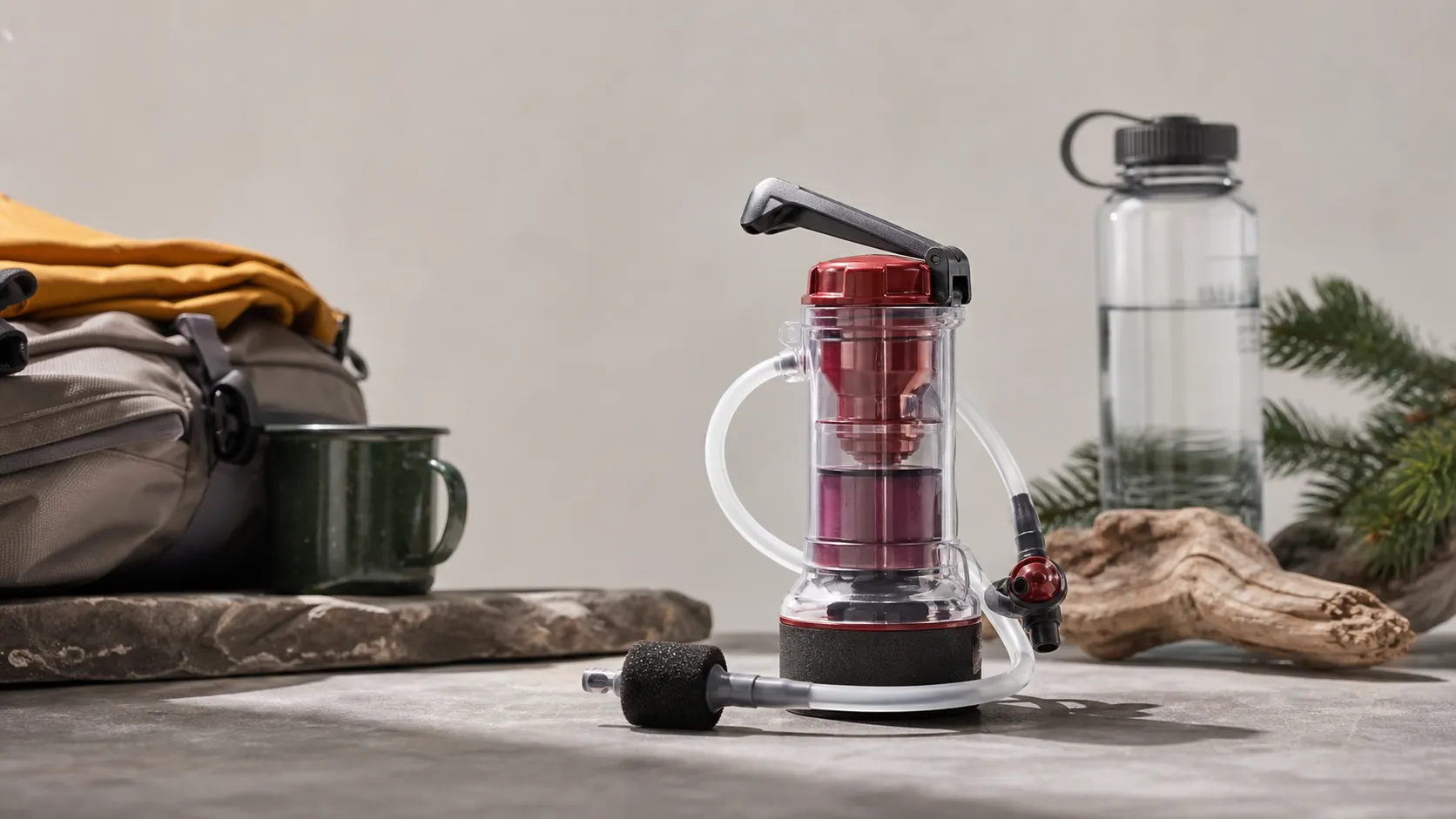
MSR Guardian Purifier Review (2026)
A top pick for groups and basecamps — the MSR Guardian Purifier delivers exceptional flow and durability but carries a high price and weight penalty.
 Outdoor & Garden
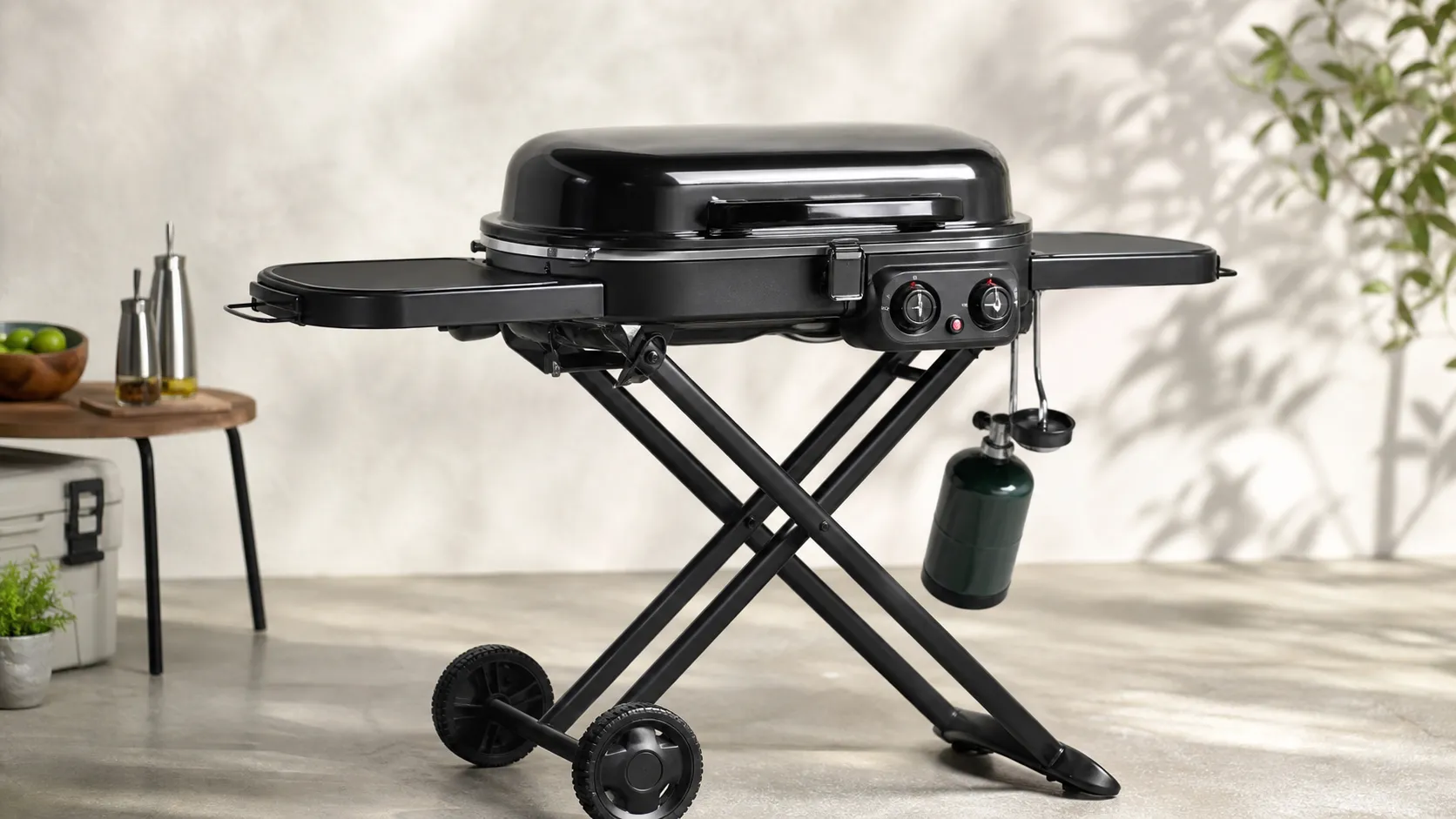
Coleman RoadTrip 285 Portable Propane Grill Review 2026
Portable, quick to heat, and great value — the Coleman RoadTrip 285 is ideal for tailgates and camping, but expect hotspots and some plastic parts to limit heavy use.
 Outdoor & Garden
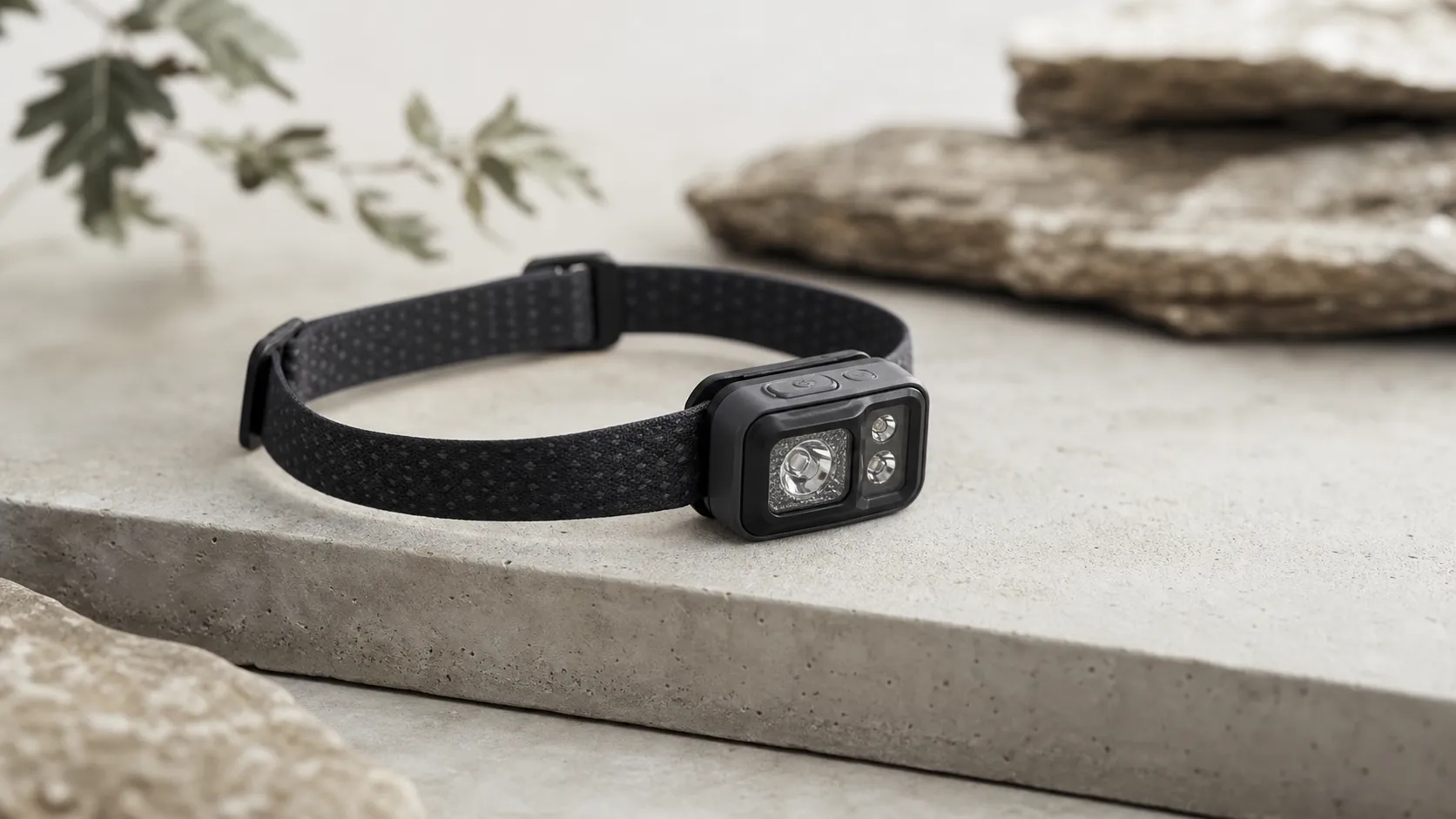
Black Diamond Spot 400‑R Headlamp Review 2026
A bright, well‑balanced rechargeable headlamp that excels for trail running and hiking. Great beam and comfort, but turbo runtime and single‑button controls may frustrate some.