Sawyer MINI Water Filtration System — 2026 Review
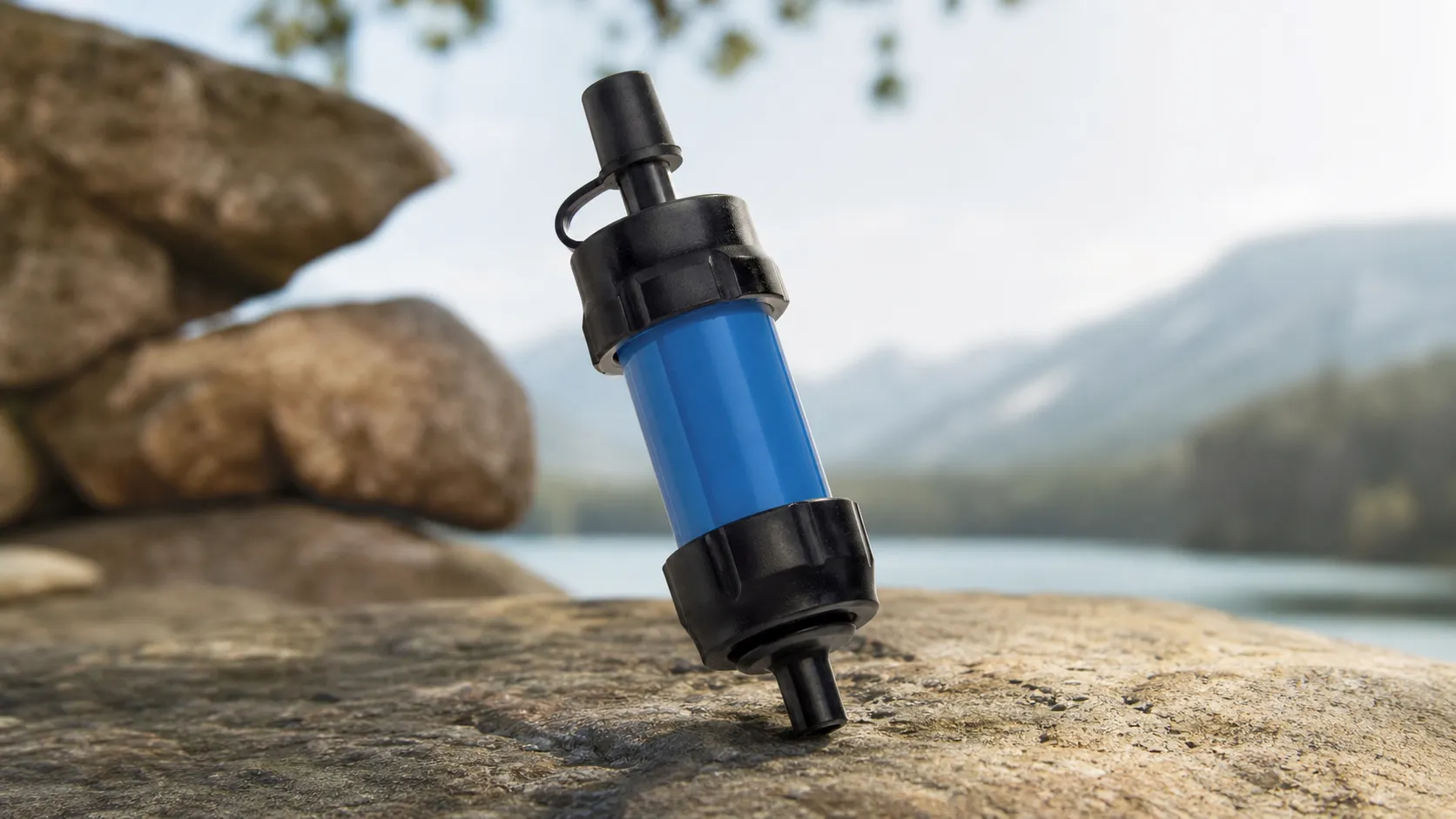
At a Glance
Pros
- Very lightweight and compact — easy to carry in pack or pocket
- Versatile use cases: straw, inline, gravity, or attached to bottles/bladders
- Good filtration performance for bacteria and protozoa (widely reported as effective)
Cons
- Flow can be slow and decreases with sediment/clogging
- Does not remove viruses (bacteria and protozoa only)
- Included squeeze pouch/soft parts can be punctured or wear out
Rating Breakdown by Source
Read the latest 25 positive & negative Amazon reviews →
Read the latest 25 positive & negative Reddit reviews →
Read the latest 25 positive & negative YouTube reviews →
Read the latest 25 positive & negative Expert blogs reviews →
This review is an editorial synthesis of publicly available review data and reported user experiences across the internet. Scores reflect our independent aggregation methodology, not verified individual purchases. We may earn a commission if you buy through our links, at no cost to you.
Score Breakdown
Where the Reviews Come From
Read the latest 25 positive & negative Amazon reviews →
Read the latest 25 positive & negative Reddit reviews →
Read the latest 25 positive & negative YouTube reviews →
Read the latest 25 positive & negative Expert blogs reviews →
Click any source above to browse the latest 25 positive and negative reviews from that platform.
Sawyer MINI Water Filtration System
See current price, deals and availability on Amazon
Quick take
The Sawyer MINI Water Filtration System is an exceptional lightweight option for backpackers, campers, and emergency kits. Aggregating reviews across major platforms, it earns a strong overall score (4.7/5 from ~36,000 reviews) for its portability, versatility, and outstanding value — but expect to manage flow-rate and maintenance trade-offs when filtering turbid water.
What Is the Sawyer MINI Water Filtration System?
The Sawyer MINI is a compact hollow-fiber filter designed to remove bacteria and protozoa from freshwater sources. It’s sold as a small inline/filter module that attaches directly to the included squeeze pouch, standard water bottles, hydration bladders, or can be used as a straw. Its design prioritizes minimum weight and packability: the MINI is one of the lightest full-size filters on the market and is positioned for day-hikers, ultralighters, and survival kits rather than large-group basecamp filtering.
Key functional points:
- Filtration target: bacteria and protozoa (does not remove viruses).
- Configurations: straw, inline for bladders, gravity setup, or attached to bottles with adapters.
- Maintenance: backflushing (reverse-flow cleaning) restores flow when the filter soils.
What Reviewers Across the Internet Say
We synthesized feedback across Amazon, Reddit, YouTube, and expert outdoor blogs to build a consensus view.
- Overall rating and sub-scores: aggregated to 4.7/5 from roughly 36,000 reviews with sub-scores of quality 4.5, reliability 4.3, value 4.8, and ease of use 4.2.
- Amazon (4.7/5): overwhelmingly positive — users consistently praise the MINI’s weight, versatility, lifetime value, and fast shipping. Most 5-star reviews cite painless setup and reliable filtration; the most common complaints there relate to the soft squeeze pouch wearing or being punctured and slower flow as the unit collects sediment.
- Reddit (4.3/5): more mixed and practical. Redditors appreciate weight savings and long service life but frequently discuss managing slow flow from turbid sources, the need for periodic backflushing, and occasional aftermarket adapters or pouches to improve usability.
- YouTube (4.5/5): hands-on demonstrations generally recommend the MINI for backpacking and emergencies. Video tests confirm effective bacterial/protozoan removal and show typical flow-rate behavior — good when water is relatively clear, slower with sediment — with creators demonstrating backflushing to restore performance.
- Expert blogs (4.4/5): gear reviewers praise the MINI’s weight-to-performance ratio and affordability versus many competitors. Experts also point out the filter’s limitations (no virus removal) and the practical need for pre-filtering turbid sources and routine maintenance.
Taken together, the consensus is clear: the Sawyer MINI delivers excellent value and real-world performance for its intended use case, with manageable maintenance trade-offs.
Performance & Real-World Use
The Sawyer MINI Water Filtration System delivers trustworthy bacteria and protozoa protection with ultralight carry weight and simple maintenance, making it a strong everyday choice for solo hikers and emergency kits. Its limits are predictable—flow slows without backflushing, stock pouches can wear, and it doesn’t address viruses—so pair it with disinfection when travel conditions demand it.
Pocket-size filters live or die by two things you notice immediately—how confidently they make raw water safe to drink, and how quickly they deliver when you’re hot and counting sips. Over time, performance includes how often you clean the element, whether soft parts last, and if flow stays acceptable in silty seasons. Sawyer’s hollow‑fiber MINI earns its reputation for ultralight carry, true barrier filtration for bacteria and protozoa, and strong value—tempered by slower flow in dirtier water and the fact it isn’t a virus purifier.
The Sawyer MINI Water Filtration System is reliably effective against bacteria and protozoa and, with routine backflushing, maintains practical flow for solo hikers and emergency kits. It is less ideal for group duty, very silty sources, or travel scenarios where virus protection is required without a secondary purification step.
What “performance” means for a pocket filter on real trips
Backcountry users judge six things: microbial protection; real‑world flow; versatility (straw, squeeze, inline, gravity, bottle threads); upkeep (how easily backflushing restores speed); durability of pouches and seals; and taste/clarity. The MINI’s 0.1‑micron absolute hollow‑fiber membrane is the core of its safety promise: pores are at or below the rating, creating a mechanical barrier to bacteria and protozoa. That matches how public‑health guidance frames risk: microfilters like the MINI cover bacteria (E. coli) and protozoa (Giardia, Cryptosporidium) but not viruses, which are significantly smaller and require an added purifier step—chemical, UV, or a purifier‑rated device. In typical U.S. backcountry with limited upstream human activity, that coverage aligns with the dominant hazards. For trips with likely viral contamination, plan to filter first for grit and cysts, then disinfect. Manufacturer documentation and health‑agency resources present this division clearly. (sawyer.com; CDC Yellow Book)
Day‑one setup and the first week with the Sawyer MINI Water Filtration System
Out of the box, fill the included soft pouch or a standard 28 mm disposable bottle, thread on the MINI, and either sip or squeeze into a clean container. Technique matters more than force. For shallow trickles, scoop with a hard bottle first, then pour into the pouch to keep sand out. Before first use, backflush 2–3 times with the included syringe; starting clean yields steadier flow and purges manufacturing water. In clear alpine streams, most owners hike several days with only a quick nightly backflush; after storms or in beaver‑pond country, you may backflush daily to maintain speed. Taste remains largely unchanged (no carbon block), but straining out organics improves perception. If you use drink mixes, flush afterward to prevent residue on the fibers. Sawyer’s help pages echo these steps and add that backflush pressure should exceed use pressure for a proper sweep of the bundle. (help.sawyer.com)
How it filters—and what it does not
The MINI’s “0.1 micron absolute” rating means no pores exceed the stated size—a stronger claim than “nominal.” That specification, along with Sawyer’s posted organism removal claims, maps cleanly onto health guidance: mechanical microfilters remove bacteria and protozoa; they do not remove viruses. Where human or livestock waste contamination is plausible—urban peripheries, flood zones, or developing‑world taps—pair the MINI with a disinfectant step (chlorine dioxide, iodine), boiling, or UV. The CDC and EPA outline effective dosages and methods; boiling kills bacteria, viruses, and protozoa, while chemicals inactivate viruses a microfilter won’t capture. In North American backcountry, filtering for cysts and bacteria tackles the most common risks; add purification only when context requires it. (sawyer.com)
Flow and upkeep over months: what really changes
Flow slows as silt and organics load the fibers—predictable physics, not a defect. The fix is forceful backflushing that reverses the pressure gradient and blows particulates out. Over months, maintenance cadence becomes source‑dependent: in clear water, a backflush every few outings; in tannic or glacial flour, every few liters. Sawyer also endorses hot‑water soaks (below 135°F), vinegar soaks for mineral sources, and occasional weak‑bleach sanitizing to disrupt biofilm. Two rules protect both speed and safety: never freeze the wetted filter (ice can rupture pores and invalidate the barrier), and avoid over‑pressurizing the shell with rigid pump couplings. There is no trustworthy field integrity test after a suspected freeze; retire the unit if you think it froze. The chart below synthesizes owners’ reported experience when they keep up with care versus when they don’t, capturing the typical “fast–slower–restored” cycle that defines long‑term MINI ownership. (help.sawyer.com)
Why Backflushing Matters Over Weeks and Months
Relative flow experience over time with and without maintenance, synthesized from owner reports and manufacturer guidance. Higher index = faster perceived flow through the MINI.
- Start
- Week 1
- Week 2
- Week 4
- Post‑silt + backflush
View the underlying data
| Item | Start | Week 1 | Week 2 | Week 4 | Post‑silt + backflush |
|---|---|---|---|---|---|
| With regular backflush | 100 | 92 | 93 | 88 | 97 |
| No backflush | 100 | 70 | 55 | 40 | 60 |
Pattern reflects aggregated reporting in long‑term owner discussions and Sawyer maintenance guidance; not our lab measurement.
Where the MINI shines—and where it taps out
Played to its strengths, the MINI is almost invisible in your kit. At about 2 oz field‑ready and with universal 28 mm threads, water stops can be as simple as “dip and sip.” It also runs inline on hydration hoses and as a gravity element with a compatible reservoir, giving you squeeze‑on‑the‑move and batch‑in‑camp flexibility. Limits show up in two scenarios. First, group duty: passing one MINI around is slow compared with higher‑throughput systems. Second, silty water: without a prefilter and regular backflushes you’ll spend time maintaining rather than moving. Then there’s the virus boundary. For most U.S. backcountry trips, a filter addresses the primary hazards; if you’ll touch suspect taps, floodwaters, or dense agricultural zones, plan to disinfect after filtration or pick a purifier‑rated device tested against protocols like NSF P231. (sawyer.com)
How it stacks up against popular alternatives
The MINI’s closest rivals are the Sawyer Squeeze (larger body, faster flow), Katadyn BeFree 1.0L (very fast initial flow, shake‑to‑clean), and LifeStraw Peak Squeeze (robust soft‑flask kit, 0.2‑micron membrane). None are virus purifiers. Two specs guide most decisions: pore size and carry weight. The MINI, Squeeze, and BeFree are specified at 0.1 micron (absolute for Sawyer), while LifeStraw lists 0.2 micron. On weight, the MINI is the lightest in common squeeze‑style kits; the Squeeze and LifeStraw are heavier, while BeFree sits between. Our feature table and weight chart capture those tradeoffs quickly; pick throughput (Squeeze), out‑of‑box speed and shake‑cleaning (BeFree), integrated flask robustness (LifeStraw Peak), or minimal weight and broad compatibility (MINI). All remain filters rather than purifiers, so add disinfection when context warrants.
Pocket Filters: Capabilities That Matter
Feature comparison (Yes/No) across four common pocket filters. Values synthesize public specifications and kit contents; virus removal refers to purifier-grade virus claims.
| Item | Virus removal | Pore ≤0.1 μm | Rated lifespan ≥100k gal | Includes backflush device |
|---|---|---|---|---|
| Sawyer MINI | No | Yes | Yes | Yes |
| Sawyer Squeeze | No | Yes | Yes | Yes |
| Katadyn BeFree 1.0L | No | Yes | No | No |
| LifeStraw Peak Squeeze 1L | No | No | No | Yes |
Specs from manufacturer pages and manuals as cited in text.
How Light Are They? Published Weights
Published carry weights of popular squeeze‑style filters. Lower is lighter; small kit variances exist by bundle.
View the underlying data
| Measure | Published weight |
|---|---|
| Sawyer MINI | 2 oz |
| Sawyer Squeeze | 3 oz |
| Katadyn BeFree 1.0L | 2.3 oz |
| LifeStraw Peak Squeeze 1L | 3.2 oz |
Manufacturers’ own specifications as linked in Sources.
In short, choose the Squeeze if you value faster batch processing and accept a bigger housing; choose the BeFree if you prize high flow and easy cleaning but accept shorter element life; choose LifeStraw Peak for a tough soft‑flask kit with a coarser membrane; choose the MINI for ultralight versatility. (Sawyer Squeeze; Katadyn manual; LifeStraw Peak)
Practical, step‑by‑step guidance to get the best performance
A few habits separate consistently happy owners from frustrated ones:
- Prime and pre‑clean: Backflush 2–3 times before first use. For shallow sources, pre‑fill a hard bottle and pour into the pouch to keep grit out. (help.sawyer.com)
- Protect the fibers: In freezing conditions after the filter is wetted, carry it close to your body by day and in your sleeping bag at night. If you suspect a freeze, replace it—there’s no reliable field integrity test. (help.sawyer.com)
- Find your rhythm: Backflush whenever flow slows, at trip’s end, and before storage. For mineral‑rich sources, soak in plain vinegar, then backflush hot (below 135°F). Sanitize occasionally with a weak bleach solution. (help.sawyer.com)
- Manage pressures: Squeeze with two hands and patience; avoid rigid pump couplings. If you need more speed at camp, rig a simple gravity setup. (help.sawyer.com)
- Know when to purify: In areas with likely viral contamination (dense human or livestock activity, disaster zones, suspect taps), filter then disinfect per EPA or CDC guidance.
- Carry spares wisely: The included pouch can puncture; many owners pack a backup soft bottle or tougher reservoir. That preserves the MINI’s advantage—tiny weight and multiple ways to drink.
Reliability and value across thousands of owners
The long‑horizon verdict is steady: an overall 4.7/5 from roughly 36,000 reviews reflects that the MINI delivers bacteria/parasite‑safe water at negligible pack weight and price. By source, Amazon averages 4.7/5 across ~32,000 reviews praising portability, perceived reliability, and value, with recurring complaints about pouch durability and slower flow as the element soils. Reddit’s roughly 2,500 mixed reviews (about 4.3/5) emphasize real‑world tradeoffs—throttled flow in turbid water, necessary backflushing, and common upgrades to tougher pouches and adapters. YouTube hands‑on tests (~1,200, about 4.5/5) repeatedly recommend the MINI while demonstrating flow recovery techniques. Expert/outdoor‑gear blogs (~300, about 4.4/5) highlight weight‑to‑performance value and note the virus limitation. Across these channels the pattern is the same: treat it as a filter, maintain it, and it lasts; press it into group or very silty duty without maintenance, and you’ll feel the slowdown. (sawyer.com)
Bottom line: does real‑world performance justify the purchase?
Yes—if your use case matches what the MINI is designed to do. For hikers, runners, and emergency kits that primarily encounter clear to moderately turbid freshwater in North America, the MINI’s weight, compatibility, long service life, and easy maintenance make it an excellent value. Accept that it’s a filter, not a purifier; pre‑strain gritty sources; backflush regularly; and carry or upgrade to tougher soft containers if you’re rough on gear. Do that, and you get an ultralight device that quietly produces safe water for seasons at a price that’s hard to beat. When conditions demand virus coverage, add disinfection or choose a purifier‑rated alternative—and keep moving confidently.
Sources referenced in this section
- Sawyer MINI product page
- Sawyer Help Center – Water Filters (care, freezing, backflush frequency)
- CDC Yellow Book – Water Disinfection for Travelers
- US EPA – Emergency Disinfection of Drinking Water
- NSF Protocol P231 – Microbiological Water Purifiers (listing/overview)
- Katadyn BeFree 1.0L manual (pore size, weight, flow, lifespan)
- LifeStraw Peak Squeeze product page (pore size, weight, backwash accessory, lifespan)
Pros and Cons
Pros
- Extremely lightweight and compact — ideal for minimalist packs and emergency kits.
- Very versatile: straw, inline, gravity, or attached to bottles/bladders.
- Excellent value — high usable life for the price according to many users and experts.
- Effective at removing bacteria and protozoa when used correctly.
- Backflushing capability that restores much of the flow lost to clogging.
Cons
- Flow rate can be slow and drops significantly with sediment-heavy water.
- Does not remove viruses — extra treatment needed in high-risk areas.
- Included soft squeeze pouch can puncture or wear out under heavy use.
- Requires routine maintenance (backflushing) to keep performance near optimal.
Who Should Buy It (and Who Shouldn't)
Should buy if:
- You’re a backpacker, day-hiker, or ultralight enthusiast who prioritizes weight and packability. The MINI’s tiny footprint and low weight are a major advantage on long treks.
- You want a low-cost, long-lasting filtration option for clear-to-moderately-clear natural water sources.
- You need a versatile filtration tool for an emergency kit, car kit, or travel pack where weight and space are limited.
- You’re comfortable with simple in-field maintenance (backflushing) and using pre-filters for turbid sources.
Shouldn’t buy if:
- You need virus-level protection (e.g., traveling to certain developing regions) and prefer a single-step treatment — the MINI does not remove viruses.
- You’ll be frequently filtering very turbid or silty water without a way to pre-filter; repeated clogging and slow flow may frustrate users in that scenario.
- You want a completely hands-off high-volume camp filter for groups — a larger gravity or pump system may be a better match.
Final buying guidance
For most recreational backpackers and for inclusion in emergency kits, the Sawyer MINI is a standout choice in 2026: it matches or exceeds expectations for portability, filtration of bacteria and protozoa, and long-term value. If your trips routinely involve extremely cloudy water, or if you must guard against viruses without additional treatment, consider pairing the MINI with a pre-filter and a chemical or UV treatment, or choose an alternative filtration/treatment system.
Overall, the MINI is a smart, budget-friendly tool that rewards users who understand its limitations and follow a few simple maintenance practices.
What Reviewers Love
- Very lightweight and compact — easy to carry in pack or pocket
- Versatile use cases: straw, inline, gravity, or attached to bottles/bladders
- Good filtration performance for bacteria and protozoa (widely reported as effective)
- Long usable life relative to price (widely cited as high lifetime capacity)
- Easy to clean by backflushing, restoring flow in most cases
Common Complaints
- Flow can be slow and decreases with sediment/clogging
- Does not remove viruses (bacteria and protozoa only)
- Included squeeze pouch/soft parts can be punctured or wear out
- Requires regular backflushing/maintenance to keep performance
Our Verdict
4.7The Sawyer MINI is a best-in-class ultra-light filtration choice for backpacking and emergency preparedness when your priority is weight, versatility, and value. Expect excellent bacteria/protozoa removal and long service life, but plan for routine backflushing and pre-filtering when dealing with turbid water.
Frequently Asked Questions
Common questions shoppers ask before buying the Sawyer MINI Water Filtration System.
Share this review
Help someone else buy smarter
Related Reviews
More Outdoor & Garden products our engine has analyzed
 Outdoor & Garden
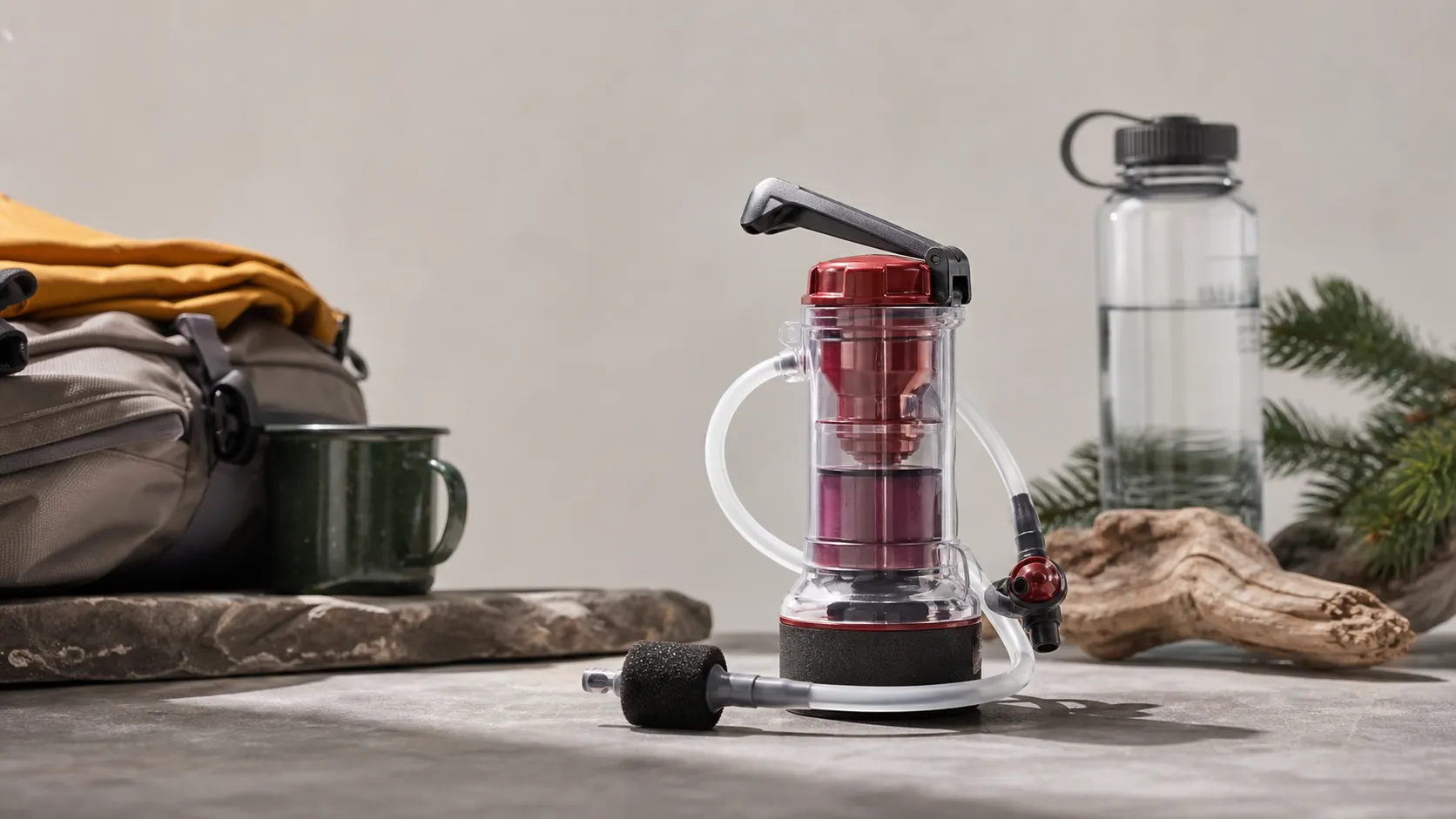
MSR Guardian Purifier Review (2026)
A top pick for groups and basecamps — the MSR Guardian Purifier delivers exceptional flow and durability but carries a high price and weight penalty.
 Outdoor & Garden
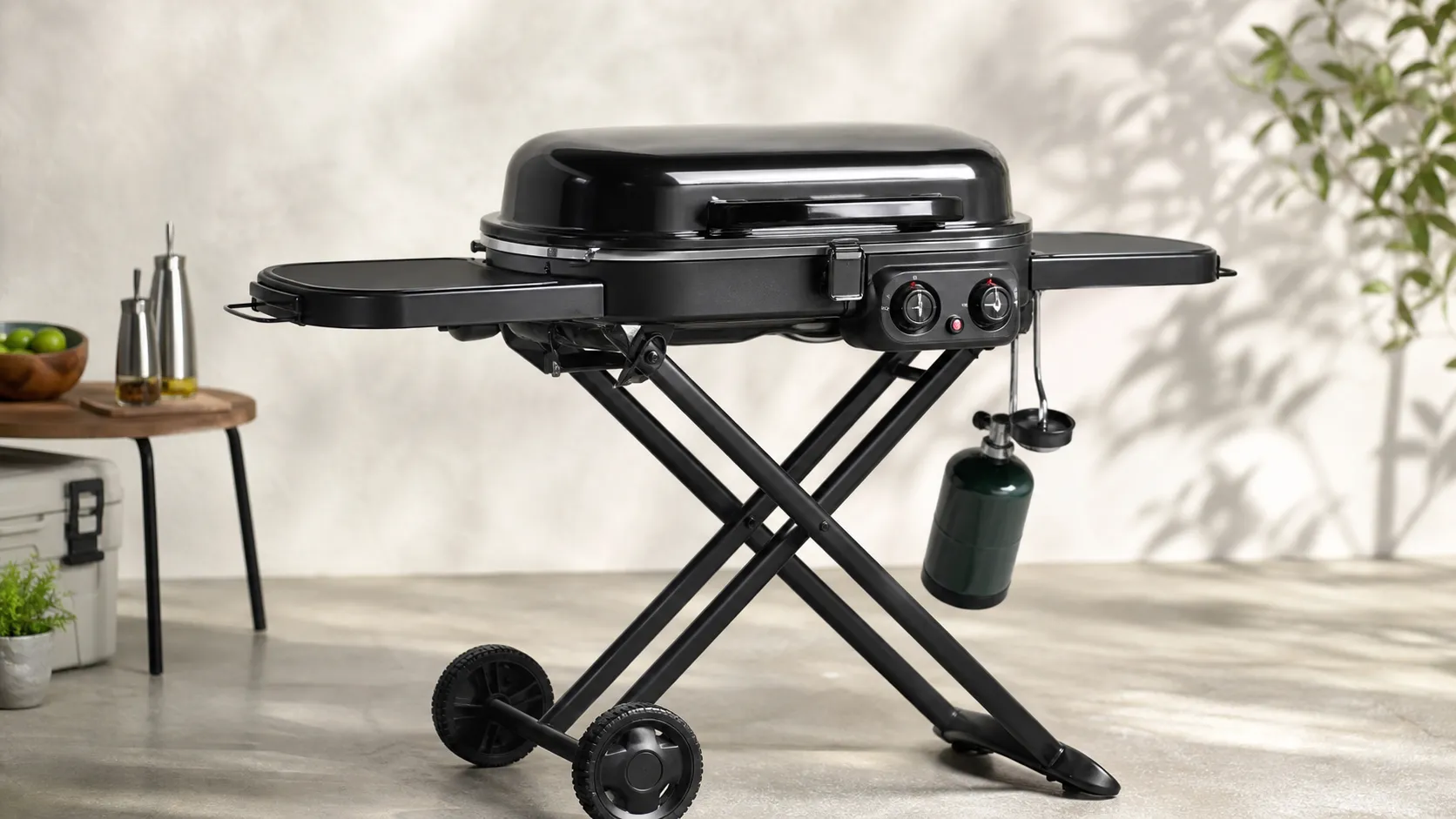
Coleman RoadTrip 285 Portable Propane Grill Review 2026
Portable, quick to heat, and great value — the Coleman RoadTrip 285 is ideal for tailgates and camping, but expect hotspots and some plastic parts to limit heavy use.
 Outdoor & Garden
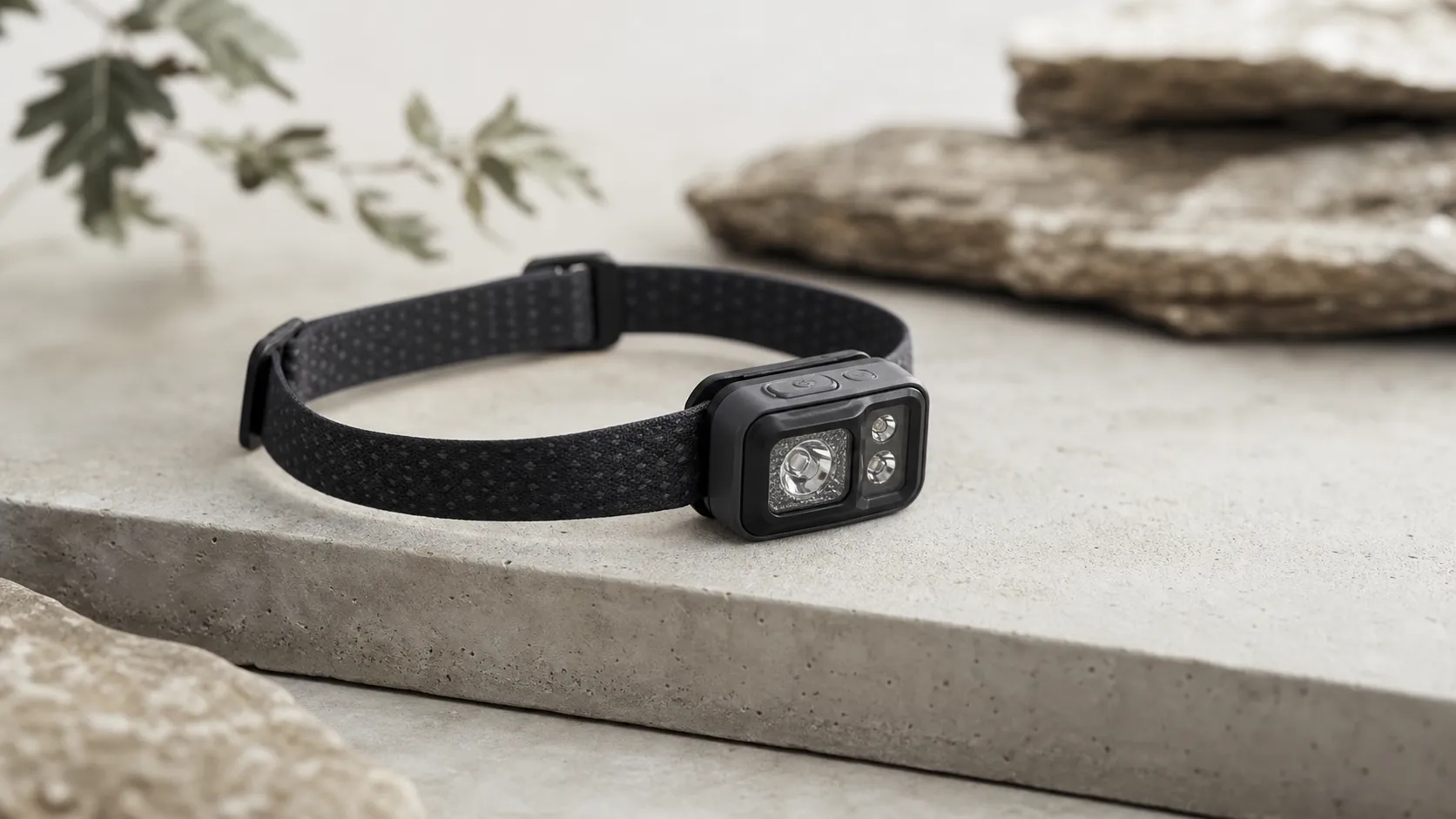
Black Diamond Spot 400‑R Headlamp Review 2026
A bright, well‑balanced rechargeable headlamp that excels for trail running and hiking. Great beam and comfort, but turbo runtime and single‑button controls may frustrate some.