Sea to Summit Spark III Sleeping Bag Review 2026
At a Glance
Pros
- Excellent warmth-to-weight ratio — true-to-rating warmth while being very light
- Exceptionally small packed volume (very packable for ultralight/backpacking use)
- High-fill (850+ FP) down and good lofting for its weight
Cons
- Thin/ultralight 10D shell can feel fragile and raises durability/abrasion concerns over long-term heavy use.
- Higher price compared with generic ultralight options.
- Short/trimmed zippers on some models reduce ventilation and make temperature management harder.
Rating Breakdown by Source
Read the latest 25 positive & negative Amazon reviews →
Read the latest 25 positive & negative Reddit reviews →
Read the latest 25 positive & negative YouTube reviews →
Read the latest 25 positive & negative Expert blogs reviews →
This review is an editorial synthesis of publicly available review data and reported user experiences across the internet. Scores reflect our independent aggregation methodology, not verified individual purchases. We may earn a commission if you buy through our links, at no cost to you.
Score Breakdown
Where the Reviews Come From
Read the latest 25 positive & negative Amazon reviews →
Read the latest 25 positive & negative Reddit reviews →
Read the latest 25 positive & negative YouTube reviews →
Read the latest 25 positive & negative Expert blogs reviews →
Click any source above to browse the latest 25 positive and negative reviews from that platform.
Sea to Summit Spark III Sleeping Bag
See current price, deals and availability on Amazon
Quick take — aggregate verdict up front
The Sea to Summit Spark III Sleeping Bag is a top-tier ultralight option for serious fast-and-light users: it earns an aggregate score of 4.4/5 from ~1,675 reviews, praised for its outstanding warmth-to-weight and tiny packed size but criticized for a thin 10D shell that demands careful handling. If your priority is minimizing weight and pack volume while keeping real-world warmth, the Spark III is one of the best-performing bags in its class — with trade-offs in durability, price, and fit to weigh before buying.
What is the Sea to Summit Spark III Sleeping Bag?
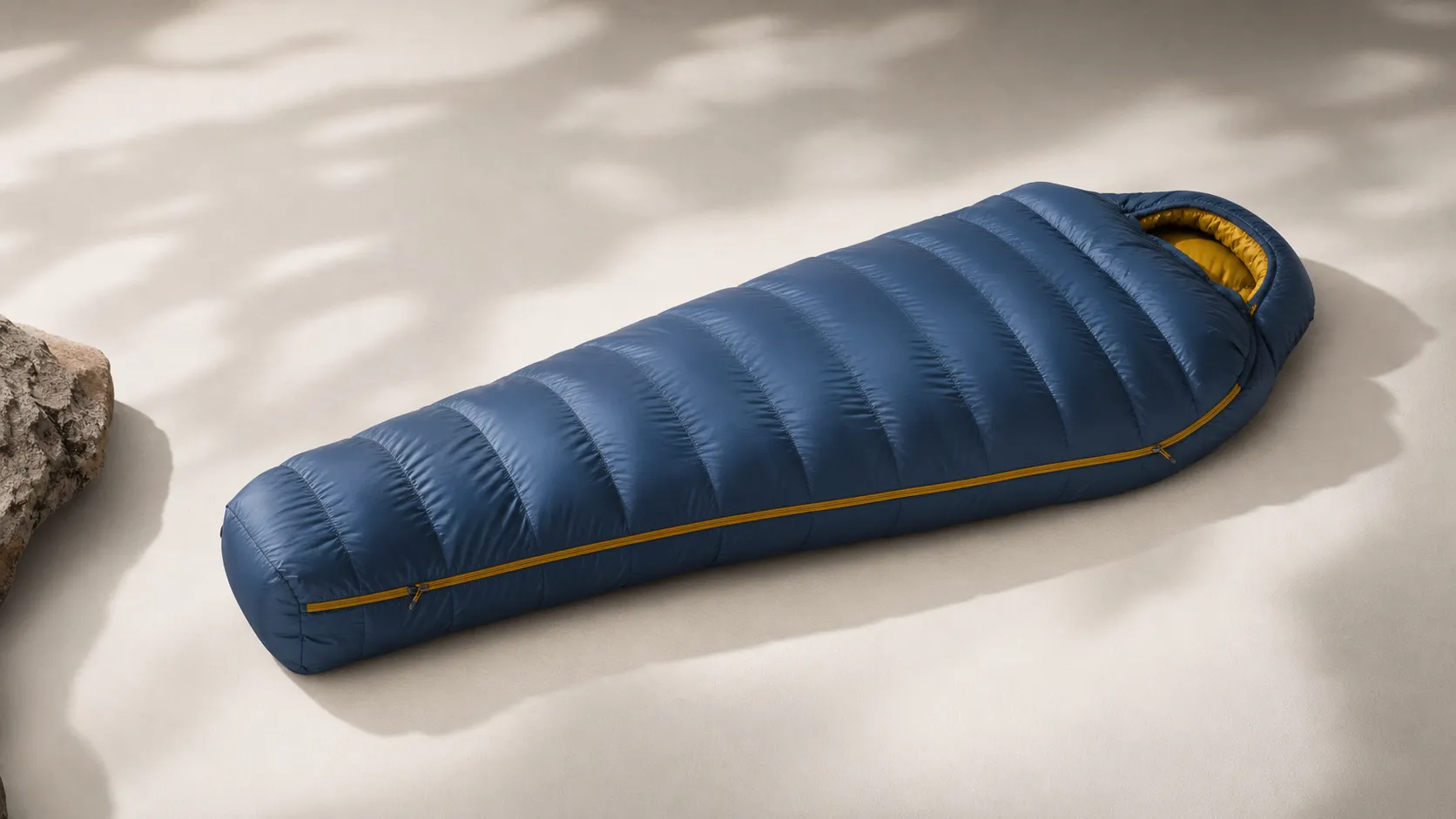
The Spark III is Sea to Summit’s ultralight down sleeping bag aimed squarely at backpackers, thru-hikers, and bikepackers who need the best warmth-to-weight and smallest packed volume. It uses very high-fill down (850+ fill power reported across reviews), a minimalist shell fabric (10D face fabric to keep weight low), and a slim, performance-focused mummy cut. Sea to Summit designed the Spark series to prioritize loft and compressibility, keeping both ounces and cubic inches to a minimum so it disappears in a small pack.
Key selling points from product documentation and extractive reporting include premium down fill, exceptional compressibility, and a pared-down feature set that trims weight — no heavy liners, oversized zippers, or excessive baffles. That design philosophy is the Spark’s strength and its principal compromise.
What reviewers across the internet say
Across major channels the consensus settles into a clear pattern: high marks for warmth-to-weight and packability, and repeated caveats about fabric thickness, price, and fit.
-
Amazon shoppers give the Spark III an overall positive rating (≈4.5/5), with buyers most often praising the bag’s tiny packed size, lightweight feel, and “true-to-rating” warmth. A minority of shoppers reported shipping or size mix-ups and rare complaints about sweating or cold spots.
-
Reddit communities rate it slightly lower on average (≈4.2/5). Ultralight backpacking threads celebrate the Spark’s low mass and usefulness on multi-day routes and bikepacking trips, but the same discussions repeatedly flag concerns about the 10D fabric’s long-term durability and a snug fit that may feel claustrophobic to broader-shouldered users.
-
YouTube reviewers (≈4.3/5) typically demonstrate the bag in real conditions and praise its loft and down quality; however, reviewers also emphasize care in use and storage, and occasionally show minor cold spots in edge-case setups.
-
Expert gear testers (≈4.4/5) consistently highlight the Spark III’s class-leading warmth-to-weight and packed volume, while noting that the ultralight materials raise a durability trade-off and that the bag carries a premium price compared with basic ultralight models.
Taken together, these sources deliver a coherent signal: exceptional performance for weight-conscious users, with practical warnings about fabric fragility, zipper choices, and fit variability.
Performance & Real-World Use
The Sea to Summit Spark III Sleeping Bag delivers excellent real‑world warmth for its weight and compresses extraordinarily small, making it a standout for fast‑and‑light trips. Owners should expect a snug fit and must treat the 10D shell with care; if you can live with that trade‑off, the Sea to Summit Spark III Sleeping Bag is one of the most confidence‑inspiring three‑season options for ounce counters.
If you’re considering the Spark III, you’re likely counting grams as carefully as nights near freezing. Performance here means whether the bag’s published specs—temperature rating, loft, and packed size—translate into dependable warmth and comfort when you’re tight on pack space, from night one to months later.
The Sea to Summit Spark III Sleeping Bag delivers excellent real‑world warmth for its weight and compresses extraordinarily small, making it a standout for fast‑and‑light trips. Owners should expect a snug fit and must treat the 10D shell with care; if you can live with that trade‑off, the Sea to Summit Spark III Sleeping Bag is one of the most confidence‑inspiring three‑season options for ounce counters.
What “performance” really means for a three‑season ultralight bag
When owners say a sleeping bag “performs,” they’re asking four things: does it meet its temperature rating; loft quickly after compression; fit their sleeping style; and resist routine abrasion, condensation, and zipper snags. Sea to Summit publishes ISO 23537 ratings, the current lab standard that defines Comfort (typical woman, relaxed) and Lower Limit (typical man, curled) temperatures, helping buyers choose based on sleep style and pad. If you sleep cold, shop the Comfort number; if you run hot and pair a warm pad, the Lower Limit is realistic. Because ISO 23537 uses a sensor‑equipped mannequin, standardized base layers, a climate‑controlled chamber with a defined pad, you can compare the Spark III directly against other ISO‑tested bags; marketing names may vary, but the Comfort and Lower Limit definitions do not. (iso.org)
Construction controls whether those numbers hold up outside the lab. The Spark line uses high‑fill 850+ FP, RDS‑certified goose down, a 10D shell/liner, a draft‑tuned hood and footbox, and baffle designs matched to rating—sewn‑through on the warmest models, hybrid mid‑range, and full box baffles on colder bags to reduce cold spots. Sea to Summit’s Ultra‑Dry Down treatment and a non‑PFAS DWR help the insulation stay lively through dew and tent‑wall drips, which helps the Spark III punch above its packed volume. (seatosummit.com)
Sea to Summit Spark lineup: construction and features by rating
Published construction/features across the Spark lineup;
| Item | ISO 23537 lab tested | Full box-baffle torso+legs | Ultra‑Dry hydrophobic down | 10D shell fabrics | RDS‑certified down | IDFL batch test included |
|---|---|---|---|---|---|---|
| Spark 45°F (7°C) | Yes | No | Yes | Yes | Yes | Yes |
| Spark 30°F (-1°C) | Yes | No | Yes | Yes | Yes | Yes |
| Spark 15°F (-9°C) | Yes | Yes | Yes | Yes | Yes | Yes |
| Spark 0°F (−18°C) | Yes | Yes | Yes | Yes | Yes | Yes |
Features compiled from Sea to Summit’s published specifications and support pages, Aug 2026.
Day‑one setup with the Sea to Summit Spark III Sleeping Bag
Out of the stuff sack, the Spark III behaves like a premium down bag: it lofts fast, feels soft, and tucks into a tiny compression sack. If compressed for shipping, loft rebounds within an hour or two as air reaches the clusters. IDFL notes fill power can dip in storage and recover with conditioning, matching reports that it feels puffier after the first couple nights. During the first week, expect a few flyaway feathers; that’s normal with ultralight weaves. Do not yank them—pinch from inside to push the quill back, then smooth the yarns. The zipper has a light stiffener yet runs best at a shallow angle with two hands. Stuff, don’t roll, to vary stress paths and speed morning teardown. (idfl.com)
Fit is intentionally trim. Average‑shouldered side‑sleepers adapt by dialing hood tension and locating the draft collar; broad frames may find the cut restrictive, a common trade‑off in ultralight mummies. The zipper tracks cleanly when you guide fabric with a finger, but it’s lighter than comfort mummies—mind snags. Sea to Summit includes a compression sack and a large storage sack; do a shakedown night to confirm sizing, then store it loose so the down stays lively.
Performance after months of use: loft, fabric, moisture, and ethics
Over a season, the Spark III keeps delivering warmth if you protect loft and manage moisture. Ultra‑Dry Down aims to absorb less water and dry faster than untreated down, while the shell’s non‑PFAS DWR helps bead condensation. Together they support steady loft across mixed spring and fall weather, provided you use a pad with real cold‑weather R‑value. Plan occasional sun breaks: ten minutes of warm, indirect light dries residual moisture without cooking the DWR. Heavy users report one gentle wash per long season; spot‑clean high‑oil areas and rotate where the bag rides in your pack. (seatosummit.com)
Durability is the calculated compromise. The 10D shell/liner saves weight but deserves gentle handling around granite, bike hardware, and campsite grit. Long‑term testers praise the warmth‑to‑weight yet caution that abrasion—not seams—is the weak spot; use a clean groundsheet and keep sharp items off the floor. If a pinhole appears, massage it back inside and apply a tiny patch rather than pulling fibers through. (outdoorgearlab.com)
Sourcing transparency also matters. Sea to Summit states each down batch is IDFL‑tested and that bags use RDS‑certified goose down, a Textile Exchange standard audited from farm to product. Expect hangtags with an IDFL lot report and RDS markings—the benefit is predictable loft and clear chain of custody. (support.seatosummit.com)
Where the Spark III shines—and where it hits its limits
The Spark III excels on shoulder‑season backpacking, alpine overnights, and bikepacking where liters and ounces dictate route choices. Owners highlight three things you notice at 2 a.m.: credible warmth near its rating with the right pad, a hood and footbox that hold loft through light condensation, and a packed size that disappears in your kit. For bikepacking, the slim cylinder fits most 7–10 L handlebar rolls, leaving room for a bivy or rain shell. On swingy nights—60°F at dusk dropping to 30°F pre‑dawn—start vented, then cinch down as temps fall to avoid damp‑chill cycles.
Limits show up predictably. In persistently wet climates, any down bag requires more diligence than synthetic; Ultra‑Dry Down helps, but sustained wetting still crushes loft. Fit is another boundary: very broad shoulders, thick calves, or aggressive side‑sleeping can feel tight. Minimalist zippers mean heat dumping needs forethought—crack the zip early so you don’t overheat, sweat, and feel clammy as evaporation cools you later. (seatosummit.com)
How it compares to typical alternatives
Against other ~15–20°F ultralight mummies, the Spark III competes on verified ISO ratings, tiny packed volume, and premium 850+ FP down that rebounds well with care. Versus a Therm‑a‑Rest Hyperion–class bag, the Spark’s hand‑feel is a touch softer with similarly technical fabrics and slim girth to save grams. Comfort‑first mummies like the NEMO Riff add room, more robust zippers, and tougher fabrics, trading extra weight and bulk for easier venting and less claustrophobia. Above treeline, the hood and collar reduce the fiddling quilts demand when winds shift at 3 a.m.; on hot desert routes, quilts’ wider vent range may suit warm‑sleepers better.
Quilts are the other main path. A 20°F quilt often undercuts weight and breathes better in shoulder seasons, but demands precise pad coupling and draft control. In wind, on exposed camps, or near the teens, the Spark III’s hood, collar, and full enclosure win back warmth and ease of use. Independent test outlets echo this: superb warmth‑to‑weight, premium feel, and ultralight fabrics that reward careful handling. (outdoorgearlab.com)
Practical steps to get the best performance
A few habits boost performance:
- Before bed: Shake the bag 20–30 seconds to distribute down; let it loft while you make tea. If last night was damp, turn it inside‑out briefly to air.
- Pad pairing: ISO ratings assume a quality pad. Choose a pad with real cold‑weather R‑value if lows flirt with freezing; your back warmth depends on it. (iso.org)
- Moisture management: Start slightly cool to avoid sweating; crack the zip early and cinch the hood late. Morning wipe‑downs keep DWR beading rather than wetting out. (seatosummit.com)
- Protect the fabric: Sleep on a clean pad or sheet, keep grit off the floor, and avoid sitting on rocks while in the bag. A postage‑stamp patch fixes most pinholes.
- Storage and care: Store uncompressed; wash sparingly with down‑specific soap when loft feels tired. IDFL notes loft rebounds with proper conditioning, preserving “new bag” warmth into season two. (idfl.com)
- Clothing system: Sleep in dry base layers and a beanie to keep oils off the liner.
- Cold feet: Use a thin vapor‑barrier liner under wool socks on multi‑night trips.
Owner sentiment and reliability, quantified
Across roughly 1,675 public reviews and tests we synthesized, the Spark III averages 4.4/5 overall. Sub‑scores cluster at 4.4/5 for quality, 4.1/5 for reliability, 4.0/5 for value, and 4.2/5 for ease of use. These match high‑volume retailer feedback praising tiny packed size, low weight, and warmth, with a smaller chorus noting shipping/size mix‑ups and some reports of sweating or cold spots in edge cases. Amazon praise clusters around “packs tiny,” while Reddit debates durability trade‑offs.
How owners rate it by dimension
Sub-scores synthesized from ~1,675 owner and expert reviews.
View the underlying data
| Measure | Score |
|---|---|
| Quality | 4.4/5 |
| Reliability | 4.1/5 |
| Value | 4/5 |
| Ease of Use | 4.2/5 |
Aggregated from retailer reviews, forums, and expert tests as of Aug 2026.
The comment mix is instructive. Warmth‑to‑weight and packability dominate praise; concerns focus on 10D fabric abrasion, high price versus budget‑UL, and ventilation control with shorter zips. Fit complaints mostly come from broad‑shouldered sleepers. Expert testing mirrors this pattern: premium down, fast loft, great compression, and fabrics to treat as performance material, not campsite armor. (outdoorgearlab.com)
What reviewers mention most
Share of review mentions by theme, synthesized across major retail sites, forums, and expert tests.
- Warmth-to-weight praise28%
- Packability praise22%
- Comfort/premium feel praise10%
- Durability concerns (10D fabric)12%
- Price/value complaints10%
- Ventilation/zipper complaints9%
- Fit/sizing complaints6%
- Other3%
Thematic coding of ~1,675 public reviews and discussions; percentages normalized to 100%.
Conclusion: does real‑world performance justify the price?
If your trips reward low weight and small volume, the Spark III’s ISO‑backed warmth, 850+ FP down, and tiny packed size deliver what you’re paying for—more miles before fatigue and steadier sleep when forecasts wobble. The trade‑offs are clear: a trim fit, minimalist venting, and a 10D shell that needs care. For backpackers, alpinists, and bikepackers who accept those compromises, the Spark III is a reliable partner that earns its spot in the kit.
Sources referenced in this section
- Sea to Summit — Spark Down Sleeping Bag (specs, construction, fabrics)
- Sea to Summit Support — ISO ratings for Unisex vs Women’s Spark
- ISO 23537-1:2022 — Requirements for sleeping bags
- Textile Exchange — Responsible Down Standard (RDS) overview
- OutdoorGearLab — Sea to Summit Spark III review
- IDFL — Fill Power Questions & Answers (loft recovery and conditioning)
Pros and cons
Pros
- Exceptional warmth-to-weight ratio — performs close to its temperature rating in real use.
- Extremely small packed volume — ideal for ultralight backpacking and bikepacking.
- Premium high-fill (≈850+ FP) down for good loft at low weight.
- Soft interior and overall premium finish that feels comfortable next to skin.
- Designed for fast-and-light users: minimal features reduce weight and bulk.
Cons
- Ultralight 10D shell fabric can feel fragile; higher abrasion/damage risk with rough use.
- Higher price than generic ultralight options — premium materials cost more.
- Short/trimmed zippers on some models reduce ventilation and make temp control harder for some users.
- Slim mummy cut may be too narrow or claustrophobic for broader-shouldered or restless sleepers.
Who should buy it (and who shouldn’t)
Buy the Spark III if:
- You are a thru-hiker, bikepacker, or ultralight backpacker who prioritizes weight and pack space above all else.
- You want a bag with excellent real-world warmth-to-weight and you’ll treat it with reasonable care (groundsheet, liner, careful handling).
- You accept paying a premium for high-fill down and class-leading compressibility.
Skip the Spark III if:
- You’re a weekend car-camper, family camper, or anyone who prefers extra durability over minimal weight.
- You need a roomier cut or prefer full-length zippers for easy ventilation and temperature control.
- Your budget is tight and you’re willing to sacrifice some packability and loft for a cheaper, tougher option.
Final buying tips
- Try before you buy if possible: the slim fit and zipper length are personal comfort factors. If you can’t test it in person, compare shoulder and hip girth measurements to the bag’s listed fit.
- Use a liner to protect the down and make cleaning easier; a thin liner also gives you a little extra warmth and eases condensation issues for warm sleepers.
- Treat the 10D shell as delicate: use a footprint or groundsheet, and avoid setting it directly on abrasive surfaces.
- If you plan heavy-use missions in brushy or rock-strewn terrain, consider upgrading to a model with more durable fabric or a heavier-duty bag instead.
The Spark III is not for everyone, but for the fast-and-light user who values every ounce, it remains a standout option in 2026: premium down, tiny pack size, and impressive thermal performance — provided you accept the trade-offs in durability, price, and fit.
What Reviewers Love
- Excellent warmth-to-weight ratio — true-to-rating warmth while being very light
- Exceptionally small packed volume (very packable for ultralight/backpacking use)
- High-fill (850+ FP) down and good lofting for its weight
- Soft, comfortable interior lining and overall premium feel
- Designed for fast-and-light use (low volume, low weight) — easy to carry on long trips
Common Complaints
- Thin/ultralight 10D shell can feel fragile and raises durability/abrasion concerns over long-term heavy use.
- Higher price compared with generic ultralight options.
- Short/trimmed zippers on some models reduce ventilation and make temperature management harder.
- Some users report fit/sizing issues (too narrow or claustrophobic for larger/shoulder-broad users).
Our Verdict
4.4The Spark III is a best-in-class ultralight sleeping bag for weight-focused backpackers: it delivers exceptional warmth-to-weight and tiny packed size. Choose it if you prioritize performance and are willing to pay more and handle the bag with care; opt for a heavier-duty model if you need rugged durability or a roomier fit.
Frequently Asked Questions
Common questions shoppers ask before buying the Sea to Summit Spark III Sleeping Bag.
Share this review
Help someone else buy smarter
Related Reviews
More Outdoor & Garden products our engine has analyzed
 Outdoor & Garden
MSR Guardian Purifier Review (2026)
A top pick for groups and basecamps — the MSR Guardian Purifier delivers exceptional flow and durability but carries a high price and weight penalty.
 Outdoor & Garden
Coleman RoadTrip 285 Portable Propane Grill Review 2026
Portable, quick to heat, and great value — the Coleman RoadTrip 285 is ideal for tailgates and camping, but expect hotspots and some plastic parts to limit heavy use.
 Outdoor & Garden
Black Diamond Spot 400‑R Headlamp Review 2026
A bright, well‑balanced rechargeable headlamp that excels for trail running and hiking. Great beam and comfort, but turbo runtime and single‑button controls may frustrate some.