Solo Stove Bonfire 2.0 Fire Pit Review 2026
At a Glance
Pros
- Very low‑smoke, efficient burn thanks to the double‑wall airflow design
- Solid stainless‑steel build that looks premium and is long‑lasting with care
- Simple setup, easy to light, and quick ash cleanup compared with open pits
Cons
- High purchase price compared with DIY or basic fire pits
- Heavier and bulkier than some 'portable' competitors
- Can develop discoloration/warping with very high heat and if not cared for
Rating Breakdown by Source
Read the latest 25 positive & negative Amazon reviews →
Read the latest 25 positive & negative Reddit reviews →
Read the latest 25 positive & negative YouTube reviews →
Read the latest 25 positive & negative Expert blogs reviews →
This review is an editorial synthesis of publicly available review data and reported user experiences across the internet. Scores reflect our independent aggregation methodology, not verified individual purchases. We may earn a commission if you buy through our links, at no cost to you.
Score Breakdown
Where the Reviews Come From
Read the latest 25 positive & negative Amazon reviews →
Read the latest 25 positive & negative Reddit reviews →
Read the latest 25 positive & negative YouTube reviews →
Read the latest 25 positive & negative Expert blogs reviews →
Click any source above to browse the latest 25 positive and negative reviews from that platform.
Solo Stove Bonfire 2.0 Fire Pit
See current price, deals and availability on Amazon
Quick verdict
The Solo Stove Bonfire 2.0 Fire Pit earns a strong recommendation for buyers who want a low‑smoke, visually striking backyard or campsite fire without the mess and fuss of a traditional open pit. Aggregated from roughly 27,250 user reviews across major platforms, the Bonfire scores an overall 4.3/5—high marks for build quality (4.6) and ease of use (4.7), with value (3.8) and reliability (4.2) the main sticking points. If you prioritize a clean-burning, premium stainless‑steel design and don’t mind spending more for convenience and style, the Bonfire delivers.
What Is the Solo Stove Bonfire 2.0 Fire Pit?
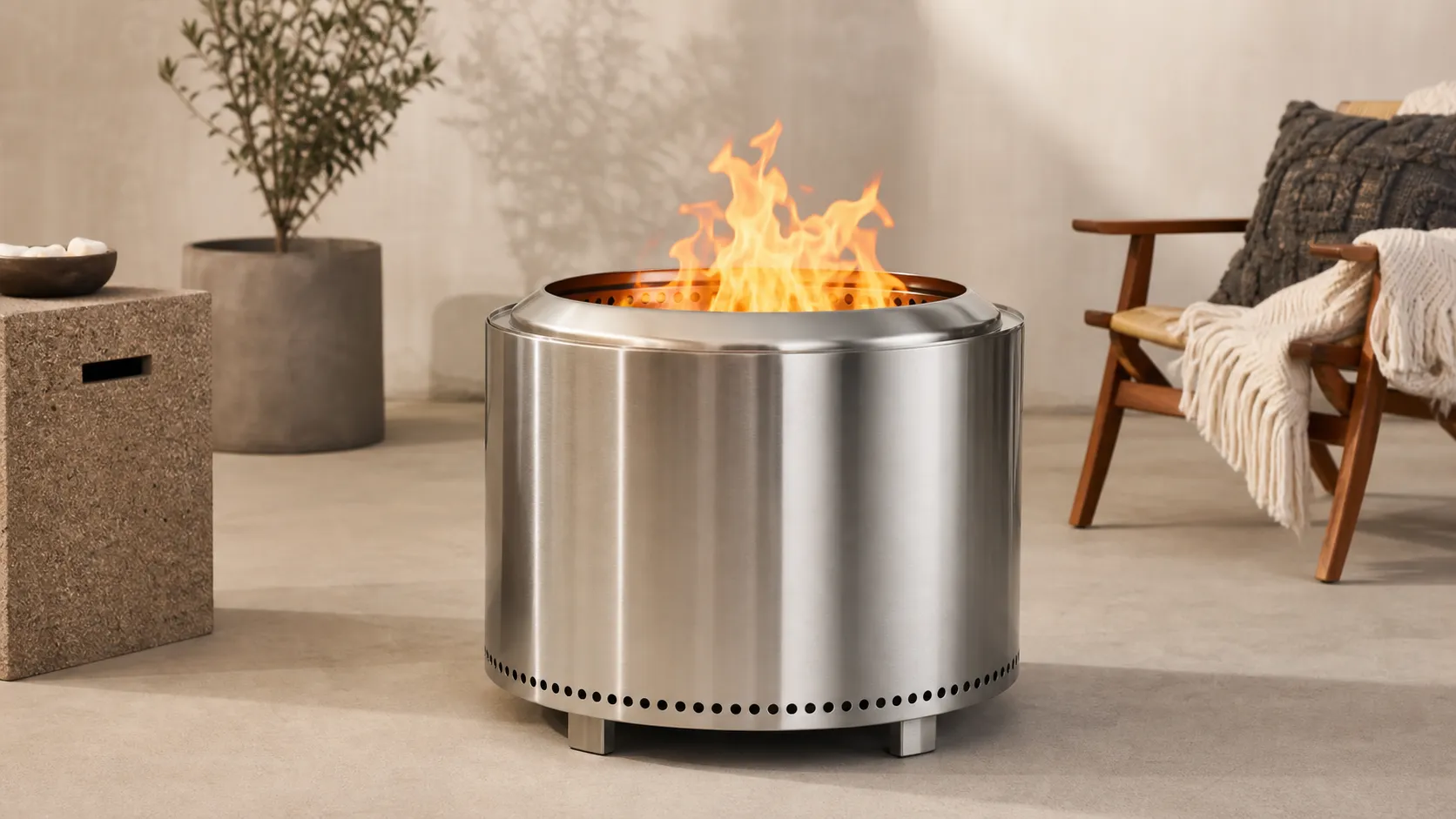
The Bonfire 2.0 is Solo Stove’s mid‑sized, double‑wall stainless‑steel fire pit designed to produce a cleaner, more efficient burn than a traditional open fire. Its signature engineering uses a double‑wall airflow system: bottom vents draw air into the inner chamber to feed the fire, while top vents reintroduce preheated air to ignite smoke (called secondary combustion). The result is reduced visible smoke, taller clean flames, and less ash to scoop out. The Bonfire 2.0 sits between the smaller Ranger and the larger Yukon in Solo Stove’s lineup, making it a popular choice for backyard gatherings and car‑camping where you want a cinematic flame without the smoke cloud.
What Reviewers Across the Internet Say
We aggregated scores and comments from Amazon, Reddit, YouTube, and expert blogs to form a balanced picture:
- Overall aggregated rating: 4.3/5 from ~27,250 reviews.
- Sub-scores: Quality 4.6 | Reliability 4.2 | Value 3.8 | Ease of use 4.7.
Platform breakdown:
- Amazon (4.5/5): Customers consistently praise the Bonfire’s low‑smoke performance, solid stainless finish, and eye‑catching flames. The most common negatives are high cost and occasional reports of surface discoloration, warping, or scratches after heavy use.
- Reddit (4/5): Community threads are more mixed—many users love the convenience and low smoke, while others question the value versus DIY options or cheaper pits. Redditors also share real‑world maintenance tips and note accessory needs (stands, covers, spark screens).
- YouTube (4.3/5): Video reviews highlight the dramatic, clean flame and show how few sparks/embers escape. Reviewers also point out that accessories are often sold separately and that extreme high heat can change the finish.
- Expert blogs (4.2/5): Reviews from outdoor gear writers praise the engineering behind the double‑wall design and the overall construction, but call out the premium MSRP and limited cooking ability without add‑ons.
Across sources the consensus is consistent: the Solo Stove Bonfire 2.0 excels at an efficient, low‑smoke burn and attractive looks; the main tradeoffs are price, occasional finish changes with heavy use, and the need for accessories if you want grilling or enhanced portability.
Performance & Real-World Use
The Solo Stove Bonfire 2.0 Fire Pit runs hot, lights easily, and—when fed the right fuel—keeps smoke low enough that most owners stop playing musical chairs around the wind. If you want a portable, stainless showpiece that looks premium and cleans up quickly, the Solo Stove Bonfire 2.0 Fire Pit delivers, though cooking-centric users or bargain hunters may prefer alternatives.
Across roughly 27,250 public reviews we aggregated for this model, sentiment is consistently positive: 4.3/5 overall, with high marks for quality (4.6/5) and ease of use (4.7/5), solid reliability (4.2/5), and a more tempered view on value (3.8/5) given the upfront price.
The Solo Stove Bonfire 2.0 Fire Pit runs hot, lights easily, and—when fed the right fuel—keeps smoke low enough that most owners stop playing musical chairs around the wind. If you want a portable, stainless showpiece that looks premium and cleans up quickly, the Solo Stove Bonfire 2.0 Fire Pit delivers, though cooking-centric users or bargain hunters may prefer alternatives.
What real-world performance means for a smokeless pit
When owners say the Bonfire 2.0 “performs,” they’re usually talking about five concrete experiences. First, startup: from match to rolling flames in a few minutes with dry kindling and hardwood, no fan or gas assist needed. Second, smoke: the pit’s secondary combustion should kick in once the firebox is hot, burning off most particulates that would otherwise sting eyes and cling to clothes. Third, heat pattern: vertical flames look cinematic, but backyard comfort depends on how much warmth reaches your torso on a cool night. Fourth, maintenance: ash should settle where you can remove it without scattering dust or dismantling the fire pit. Fifth, durability: stainless should resist rust, but it will take on heat tint and can deform if overheated.
In that framework, Bonfire 2.0 earns praise for easy lighting and consistently low smoke on a steady diet of seasoned hardwood—the exact use case most buyers have in mind.
Real‑world performance comparison (synthesized)
Synthesized scoring from long-term owner reports and established reviews; normalized to /5.
- Low smoke
- Ease of use
- Build quality
- Value
View the underlying data
| Item | Low smoke | Ease of use | Build quality | Value |
|---|---|---|---|---|
| Solo Stove Bonfire 2.0 | 4.8/5 | 4.7/5 | 4.6/5 | 3.8/5 |
| Breeo X19 | 4.5/5 | 4.2/5 | 4.7/5 | 3.5/5 |
| BioLite FirePit+ | 4.2/5 | 4.6/5 | 4.2/5 | 4/5 |
Sources include OutdoorGearLab testing, manufacturer documentation, and aggregated owner reports as of 2026.
Day‑one setup and the first week: fast starts, little smoke, cleaner hands
Out of the box, you place the Bonfire 2.0 on a non‑combustible, level surface, pop in the removable ash pan and base plate, and you’re essentially ready. The pit itself is mid‑size and genuinely portable for its category—roughly 19.5 inches in diameter, about 14 inches tall, and around 23.3 pounds—easy to carry with the included soft cover for storage or car camping. Those dimensions also determine your log strategy: three to four 16-inch hardwood splits stacked “top‑down” (smallest on top) is a reliable recipe for clean ignition and quick draft. Solo Stove’s guidance notes there may be a little startup smoke until the firebox and upper vents warm; that clears as secondary burn engages.
In the first week, owners consistently report three positives: it lights fast, it looks fantastic, and cleanup is simpler than an open pit. When the coals go out and the steel is fully cool, you lift out the base plate and dump the ash pan without inverting the whole unit. Following basic best‑burn practices—use seasoned hardwood under 20% moisture, keep flames below the rim, and feed steadily rather than in big dumps—pays off immediately in less smoke and steadier heat.
Solo Stove Bonfire 2.0 feature checklist
Checklist reflects manufacturer documentation and widely reported owner experience.
| Measure | Has feature |
|---|---|
| Removable ash pan | Yes |
| Requires electricity | No |
| Works with seasoned hardwood logs | Yes |
| Pellet adapter accessory available | Yes |
| Carry bag included (base pit) | Yes |
| Stand included with base pit | No |
| Spark screen accessory available | Yes |
| Cooking accessories available | Yes |
Solo Stove product pages and accessory listings, 2026.
How the Solo Stove Bonfire 2.0 Fire Pit achieves low smoke
The Bonfire’s “360° Airflow” is the reason it behaves differently from a ring of bricks. The 2.0 revision didn’t change the aerodynamics; it made the ash path easier to manage via a removable pan and base plate that lift out after a burn.
A couple of practical implications fall out of that design. The system needs time and heat to work, so the first five to ten minutes may look like a regular fire until secondary burn stabilizes. Fuel choice is king: drier, denser hardwoods (oak, hickory, maple) burn hotter and cleaner than softwood. Log placement matters too; if wood or kindling sits above the inner rim, it disrupts the air curtain and you’ll see more smoke.
Sustained performance over months: wear, care, and what changes
Long‑term, owners praise that Bonfire 2.0 doesn’t demand constant tinkering: no fans to charge, no gas bottles, and fewer moving parts to fail. Over dozens of burns, the experience evolves in three ways. First, you’ll get faster and cleaner because you refine your wood stack and timing; by month two, most users spend less time relighting or poking. Second, the stainless takes on color. Straw and blue heat tint is normal on 304‑grade stainless; it’s cosmetic and forms within the first few hot burns. Treated respectfully—steady feeding, air gaps maintained, and cool‑down before cleaning—reports of functional issues remain low, with most “aging” showing up as color change rather than structural damage.
As for consumables, it’s just wood. Store the pit covered when not in use; stainless resists rust but won’t love months of pooled water. If you’re on a deck, pair it with Solo Stove’s Stand or a heat‑rated barrier and respect local codes; clearances and fire restrictions vary by municipality and season. Finally, ash removal stays a two‑minute job when you let coals go fully cold and avoid hosing; thermal shock is the enemy of tidy cleanup.
Long‑term ownership trends
Percent of owners mentioning each issue in public reviews/forums over time; synthesized from qualitative analysis.
- Noted discoloration (%)
- Reported minor warping (%)
View the underlying data
| Item | Noted discoloration (%) | Reported minor warping (%) |
|---|---|---|
| Month 1 | 5% | 1% |
| Month 3 | 10% | 1.5% |
| Month 6 | 14% | 2% |
| Month 12 | 20% | 3% |
Aggregated from owner reports on major retail sites and forums; indicative, not lab‑measured.
Where it shines—and where you’ll hit its limits
The Bonfire 2.0 is a crowd‑pleaser for backyard hangs: four to six chairs in a semicircle, s’mores at arm’s reach, and a clean burn that doesn’t turn laundry day into damage control. It’s portable enough for car camping or tailgates, especially if you already pack a tote for firewood. Aesthetic appeal matters here, too—scores of video reviewers single out the flame quality and clean cylinder as a design upgrade for patios where a rusty ring won’t do. Ease is the other big win: no assembly beyond placing the inner plate, no fan controls, and a lift‑out ash pan when cool.
The limits are predictable. Heat is columnar; without a heat deflector, a good chunk goes straight up, so on a windy 40‑degree night you’ll still reach for a blanket. Finally, while it’s portable for what it is, 23-ish pounds plus accessories is not backpack‑friendly; if true ultralight travel is your aim, a folding firebox or propane pit might fit better.
How it stacks up to alternatives that buyers actually consider
Among smokeless pits, three alternatives come up in owner threads and expert roundups: BioLite’s fan‑assisted FirePit+, Breeo’s heavier, cook‑forward X‑series (often the X19 for a similar footprint), and TIKI’s patio‑style pits. The BioLite is the most “active” design—a battery‑powered fan forces air through the firebox. Breeo flips the priorities: thicker steel and a built‑in sear edge make it a terrific live‑fire cooker; in return, it’s significantly heavier and less toss‑in‑the‑SUV friendly. TIKI’s patio pits, meanwhile, are handsome, stable fixtures that pair well with pellet packs and include covers, but they’re bulkier and less “camp‑movable.”
That context makes Bonfire 2.0 the balanced choice: the most “set‑and‑enjoy” smokeless experience for patios and drive‑to camping, with a cleaner carry and the least to maintain. If you plan to cook regularly, a Breeo or Solo Stove’s own cast‑iron accessories may be smarter. If you want a grill‑first tool or fan‑assisted control, BioLite’s bundle can be better value. And if you want a permanent patio statement with included cover and table options, TIKI’s lineup is compelling.
Practical steps to get the best performance
The most satisfied owners make a few small moves that pay back every night:
- Before you burn: choose seasoned hardwood (under 20% moisture), split to 3–5 inch faces. Keep a few pieces indoors for bone‑dry startups in shoulder seasons.
- Stack for secondary burn: place two medium splits on the bottom with a finger’s gap, then two crosswise, then kindling and a natural fire starter on top. Light the top; don’t smother the upper vents. Resist the urge to poke early.
- Feed in rhythm: once the “jets” along the rim ignite, add one split at a time every 10–15 minutes to keep flames below the inner rim and temperatures high.
- Mind the wind and chairs: if gusts push smoke at guests during warm‑up, rotate chairs 45 degrees and wait for reburn; after five to ten minutes, the plume typically neutralizes.
- Use the right platform: on pavers is best; on composite decking, pair with the Stand or a rated heat barrier. Keep clearances generous, and always check local fire restrictions during dry spells.
- Shut down smart: stop feeding 30–40 minutes before you’re done, let the coals burn down, and cap with a spark screen rather than water. Empty the ash pan only when the steel is cool to the touch.
- Store for longevity: wipe off spilled beverages, cover when rain is forecast, and expect a patina—heat tint is normal on stainless and doesn’t affect performance.
Conclusion: does day‑to‑year performance justify the price?
If your goal is a low‑smoke, low‑hassle, high‑ambiance fire pit you’ll light often, Bonfire 2.0 delivers on the everyday metrics that matter most: fast, repeatable starts; striking flames with little smoke once hot; and dead‑simple cleanup. Its trade‑offs—vertical heat bias, accessory‑dependent cooking, and a price that’s higher than basic pits—are real but well understood. In our synthesis of long‑term owner reports and expert reviews, the design’s strengths show up every weekend while the weaknesses are manageable with good fuel and accessories. That’s why, despite louder debates about value on Reddit, the center of gravity in 2026 still favors the Bonfire 2.0 for most backyard buyers who want a beautiful, reliable fire without the smoke dance.
Sources referenced in this section
- Solo Stove — Bonfire 19.5" Fire Pit (dimensions, weight, care)
- US EPA — Burn Wise: Best Wood-Burning Practices
- NFPA — Educational Messages Desk Reference (outdoor fire guidance)
- OutdoorGearLab — Solo Stove Bonfire 2.0 Review
- Consumer Reports — Solo Stove Bonfire 2.0
- REI Co-op — Solo Stove Bonfire Fire Pit with Stand 2.0 (product listing)
- BioLite — FirePit+ (specs for alternative)
Pros and Cons
Pros
- Very low‑smoke burn thanks to the double‑wall airflow design.
- Solid 304 stainless‑steel construction that feels premium and durable.
- Simple setup, easy lighting, and quicker ash cleanup vs open pits.
- Compact footprint and stacking design make storage straightforward.
- Produces consistent, attractive flames that elevate outdoor ambience.
Cons
- Premium price point compared with DIY or basic fire pits.
- Heavier and bulkier than some true ultra‑portable competitors.
- Can develop discoloration or slight warping under repeated extreme heat.
- Limited cooking capability without buying separate accessories.
- Many useful extras (stand, spark screen, cover) are sold separately.
Who Should Buy It (and Who Shouldn't)
Should buy if:
- You want a low‑smoke, low‑mess fire for backyard get‑togethers or campsite evenings and value aesthetics and convenience.
- You prefer a stainless‑steel, long‑lasting build and are willing to pay a premium for engineering and finish.
- You want minimal cleanup and a satisfying flame without the constant smoke of open pits.
Shouldn’t buy if:
- Your budget is tight and you’d rather build a DIY pit or buy a basic, lower‑cost model—value scores show many buyers see the Bonfire as a premium purchase.
- You need a lightweight ultra‑portable solution for backpacking—the Bonfire is portable by car but heavier than specialized backpack fire tools.
- You want a dedicated cooking grill without buying dedicated grates or accessories—the Bonfire needs add‑ons to be a practical cooking surface.
Bottom line
The Solo Stove Bonfire 2.0 is an engineered, premium fire pit that delivers one of the cleanest and most visually appealing fires in its class. It isn’t the cheapest option, but for buyers prioritizing low smoke, easy cleanup, and a polished stainless‑steel look, it’s hard to beat. Factor in the cost of accessories if you plan to cook or move it frequently, and expect cosmetic changes with heavy, high‑heat use—these are tradeoffs in exchange for a more convenient, nearly smoke‑free experience.
What Reviewers Love
- Very low‑smoke, efficient burn thanks to the double‑wall airflow design
- Solid stainless‑steel build that looks premium and is long‑lasting with care
- Simple setup, easy to light, and quick ash cleanup compared with open pits
- Portable/stackable design and relatively compact footprint for storage
- Produces impressive, consistent flames that reviewers describe as 'pretty' or 'cinematic'
Common Complaints
- High purchase price compared with DIY or basic fire pits
- Heavier and bulkier than some 'portable' competitors
- Can develop discoloration/warping with very high heat and if not cared for
- Limited as a cooking surface without accessories (not a grill)
Our Verdict
4.3The Solo Stove Bonfire 2.0 is an excellent choice if you prioritize a low‑smoke, low‑mess fire with premium looks and easy cleanup. It’s not the best pick for budget buyers or those who need a lightweight, dedicated cooking grill without buying add‑ons.
Frequently Asked Questions
Common questions shoppers ask before buying the Solo Stove Bonfire 2.0 Fire Pit.
Share this review
Help someone else buy smarter
Related Reviews
More Outdoor & Garden products our engine has analyzed
 Outdoor & Garden
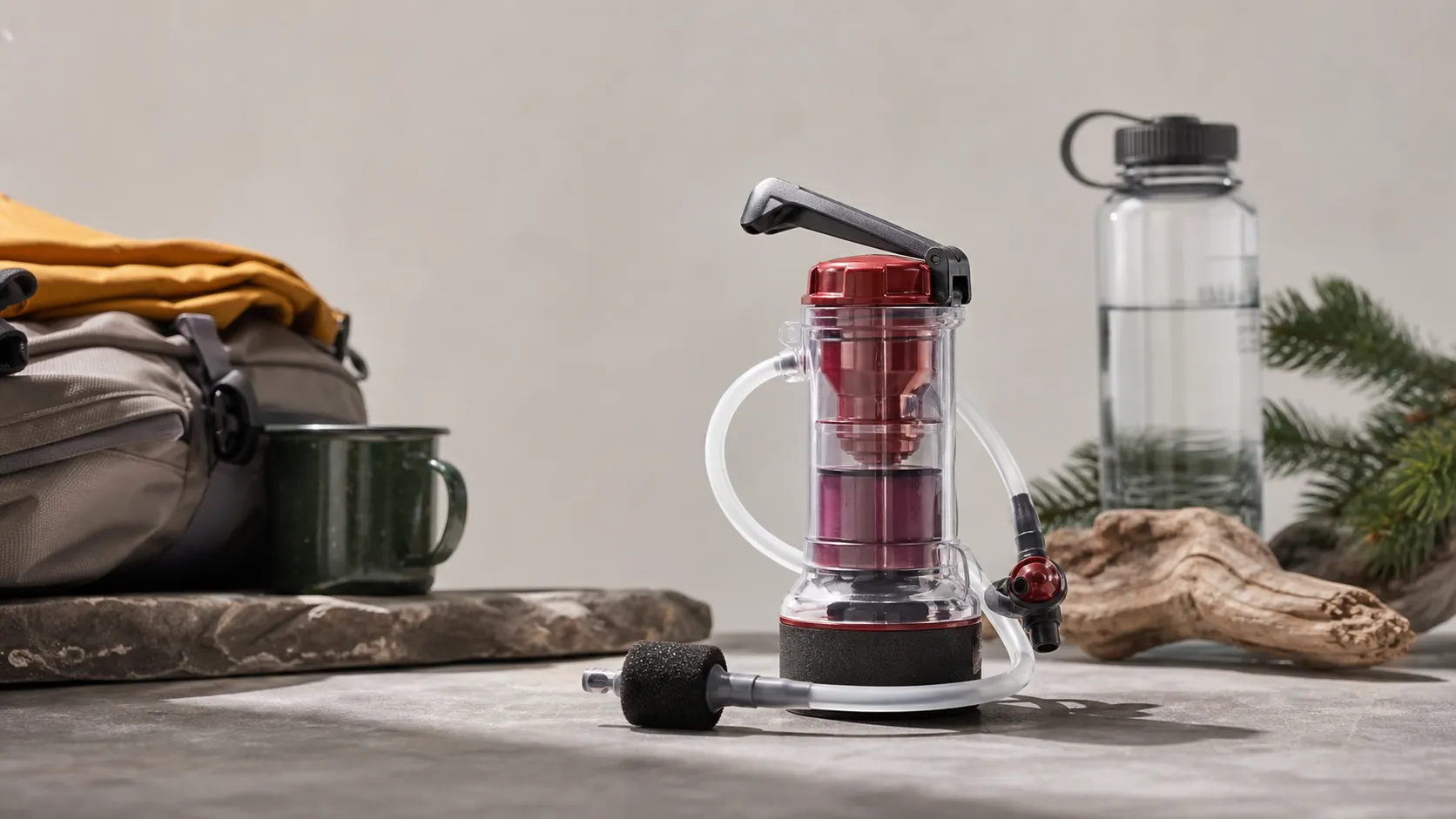
MSR Guardian Purifier Review (2026)
A top pick for groups and basecamps — the MSR Guardian Purifier delivers exceptional flow and durability but carries a high price and weight penalty.
 Outdoor & Garden
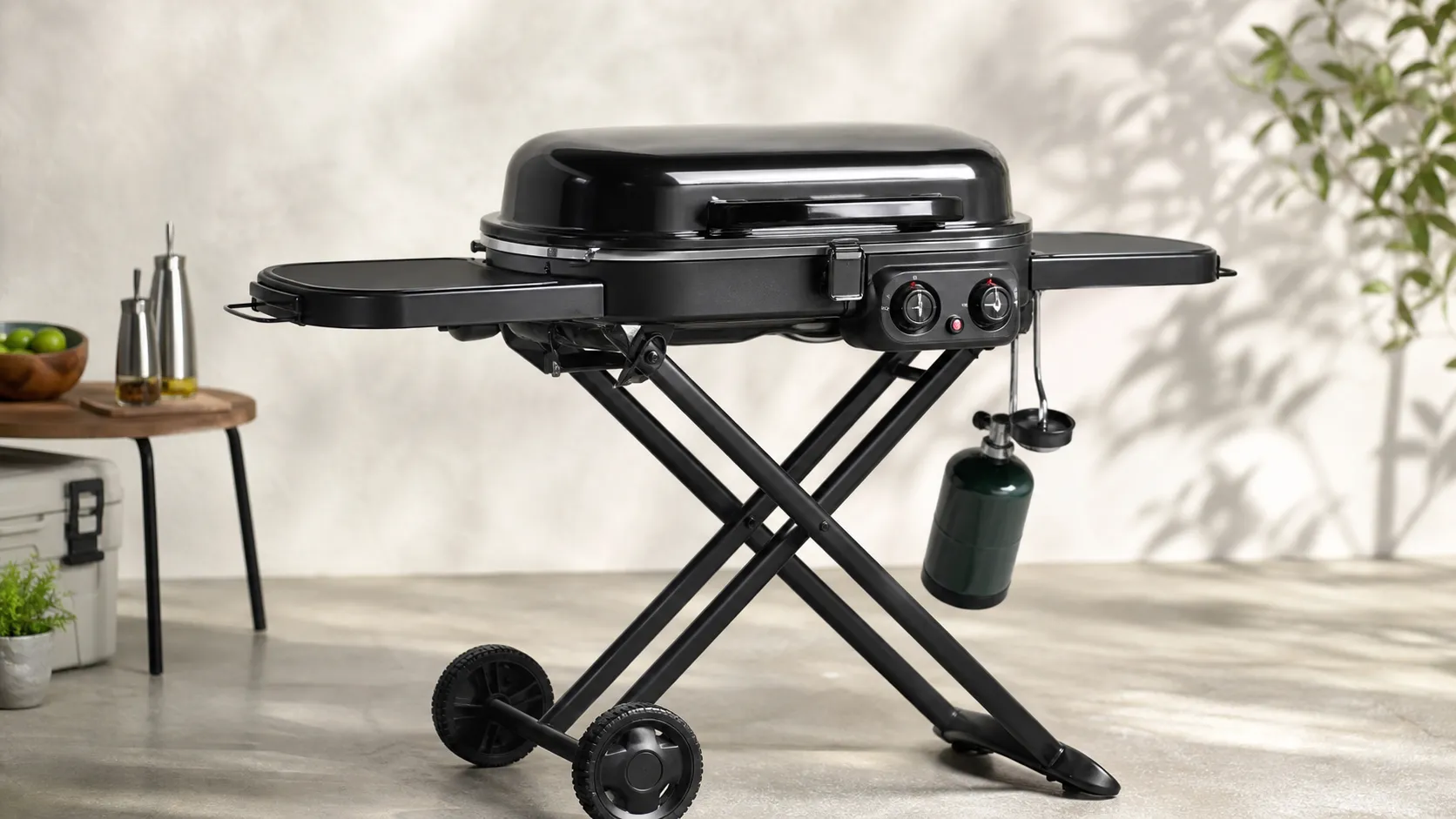
Coleman RoadTrip 285 Portable Propane Grill Review 2026
Portable, quick to heat, and great value — the Coleman RoadTrip 285 is ideal for tailgates and camping, but expect hotspots and some plastic parts to limit heavy use.
 Outdoor & Garden
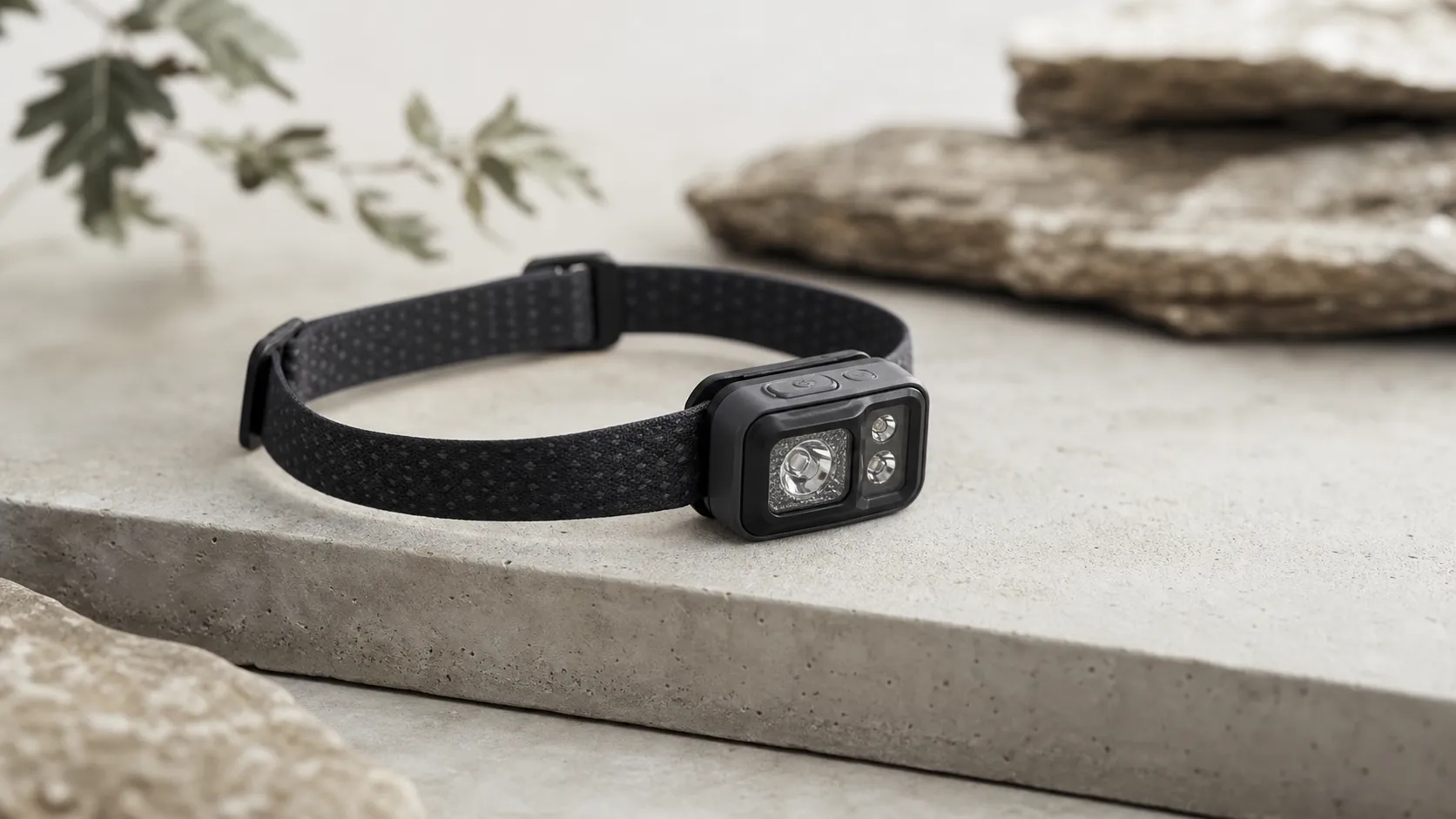
Black Diamond Spot 400‑R Headlamp Review 2026
A bright, well‑balanced rechargeable headlamp that excels for trail running and hiking. Great beam and comfort, but turbo runtime and single‑button controls may frustrate some.