Stanley Classic Vacuum Bottle 1.1QT Review 2026
At a Glance
Pros
- Excellent thermal retention—users and product pages consistently report hot/cold performance up to roughly 24 hours.
- Rugged 18/8 stainless-steel construction and dependable feel (built for outdoors & work).
- Leakproof cup/lid design and integrated handle make pouring and carrying easy.
Cons
- Heavy and bulky for everyday carry—large 1.1 QT size and stainless steel construction make it noticeably heavier than tumblers or smaller bottles.
- Occasional quality-control / packaging-dent complaints and some users report vacuum failure over time (reduced heat retention).
- Top/cup uses plastic on some production runs which some reviewers dislike compared with older metal cups.
Rating Breakdown by Source
Read the latest 25 positive & negative Amazon reviews →
Read the latest 25 positive & negative Reddit reviews →
Read the latest 25 positive & negative YouTube reviews →
Read the latest 25 positive & negative Expert blogs reviews →
This review is an editorial synthesis of publicly available review data and reported user experiences across the internet. Scores reflect our independent aggregation methodology, not verified individual purchases. We may earn a commission if you buy through our links, at no cost to you.
Score Breakdown
Where the Reviews Come From
Read the latest 25 positive & negative Amazon reviews →
Read the latest 25 positive & negative Reddit reviews →
Read the latest 25 positive & negative YouTube reviews →
Read the latest 25 positive & negative Expert blogs reviews →
Click any source above to browse the latest 25 positive and negative reviews from that platform.
Stanley Classic Vacuum Bottle 1.1QT
See current price, deals and availability on Amazon
Introduction
If you want a workhorse thermos that will keep coffee scorching or iced water chilly for an entire day, the Stanley Classic Vacuum Bottle 1.1QT is one of the most frequently recommended pieces of gear for outdoorspeople and commuters alike. Aggregating nearly 29,620 reviews across retailers, forums, video reviews, and expert blogs, this model earns a strong overall score (4.5/5) for thermal performance, build quality, and practical design. Verdict up front: for anyone who needs long-lasting temperature retention and rock-solid construction for camping, road trips, or shared beverages, the Stanley Classic is hard to beat—just be ready for its weight and the occasional quality-control hiccup.
What Is the Stanley Classic Vacuum Bottle 1.1QT?
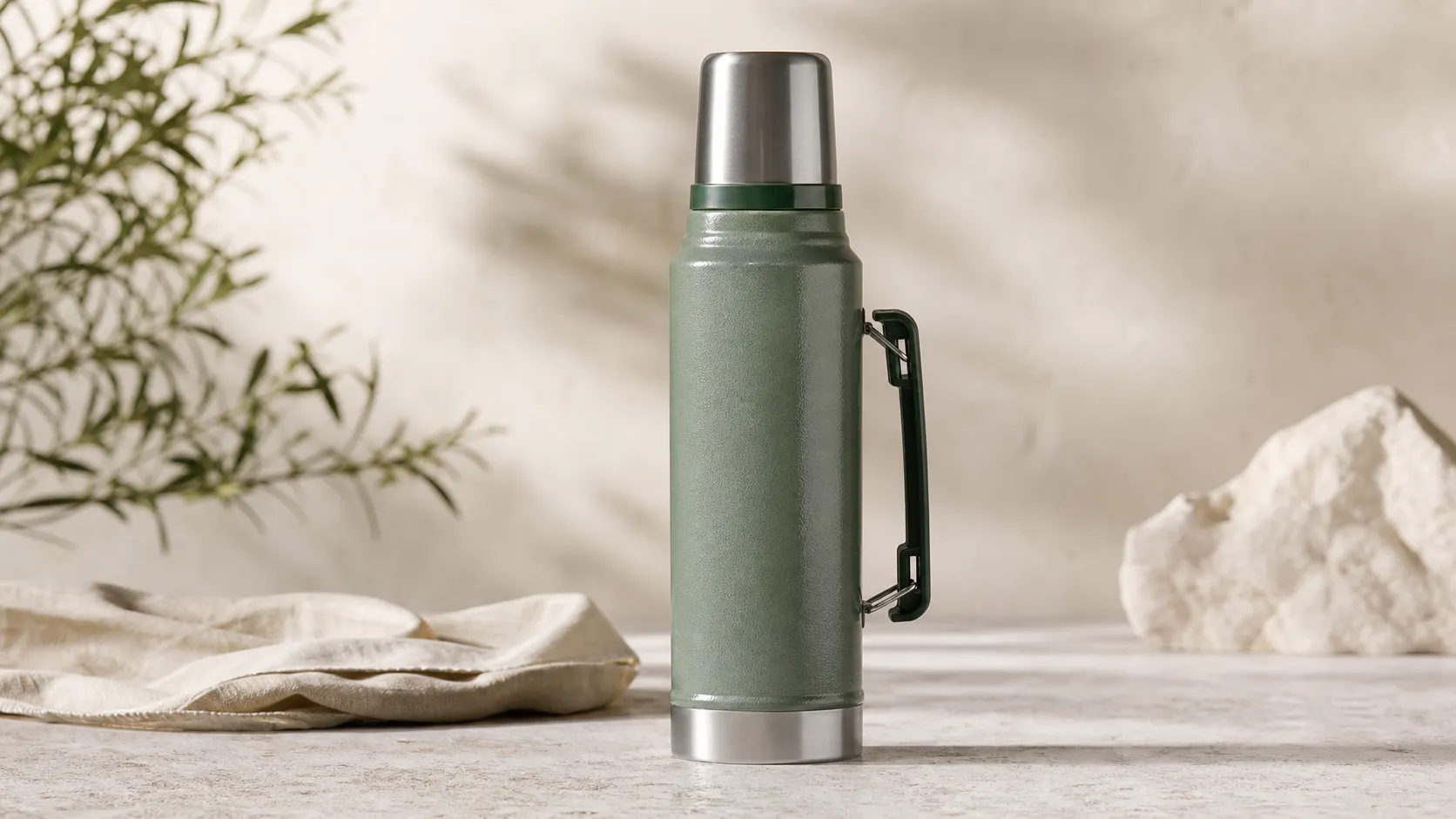
The Stanley Classic 1.1QT is a heavy-duty vacuum bottle designed with long-term outdoor use in mind. Key design points that reviewers and owners repeatedly call out are: 18/8 stainless-steel construction, a vacuum-insulated body that keeps drinks hot or cold for roughly 24 hours, a wide mouth for easy filling and cleaning, an integrated bail handle for carrying or pouring, and a lid that doubles as a drinking cup. The 1.1-quart capacity makes this bottle ideal for sharing or for long days away from hot or cold sources; it’s built more like a camp canteen than a daily commuter tumbler.
What’s in the box
Typical packaging includes the vacuum bottle, the screw-in stopper with integrated cup, and sometimes a small spare gasket depending on the production run. A few reviewers report cosmetic dents from shipping; this doesn’t usually affect performance but is something to inspect when you unbox.
What Reviewers Across the Internet Say
We synthesized reviews from four major places people go for honest opinions: Amazon, Reddit, YouTube, and expert outdoor blogs. Below is the consensus pattern that emerges from those sources.
-
Amazon (avg. 4.6/5, overwhelmingly positive). Buyers praise the Classic for dependable insulation, ruggedness, and the value proposition—particularly the bottle’s ability to keep liquids hot or cold for about 24 hours and the convenience of the leakproof cup and handle. Negative Amazon notes are mostly about shipping dents, rare insulation failures over long use, and personal preferences about the plastic cup on newer runs.
-
Reddit (avg. 4.2/5, mixed but experienced). Subreddits like BuyItForLife and camping communities are full of multi-year owners who celebrate decades of use and repairability. Reddit threads also surface more warranty and lid-hygiene conversations, plus helpful community tips for maintenance and minor repairs.
-
YouTube (avg. 4.4/5, positive hands-on). Video reviewers demonstrate real-world performance—showing the bottle’s capacity, pourability, and retention in measured tests. Common takeaways are “excellent thermal performance” and “too bulky for daily pocket carry.”
-
Expert blogs (avg. 4.3/5). Gear sites and outdoor reviewers commend build quality and thermal performance, framing the Classic as a top-value vacuum bottle with caveats about weight and occasional packaging or QC issues.
Across sources, the most consistent praise is for thermal retention and ruggedness; the most consistent complaints are about size/weight and isolated QC or vacuum failures after long-term use.
Performance & Real-World Use
The Stanley Classic Vacuum Bottle 1.1QT delivers true thermos performance: owner reports and independent roundups show it keeps drinks hot through a workday and still warm the next morning, while the leakproof stopper/cup and sturdy handle make serving easy. The trade‑offs are predictable—a liter‑size bottle that’s heavy and tall, occasional QC dings or rare vacuum failures—but Stanley’s lifetime warranty and consistently strong sentiment make it an excellent buy if you actually want all‑day heat or multi‑day ice.
The Stanley Classic Vacuum Bottle 1.1QT has one job—keep a day’s worth of coffee, tea, soup, or iced water at the right temperature—and it does it with the no‑nonsense reliability that’s made this silhouette a staple at trailheads and job sites for decades. Real‑world performance is more than a “24 hours hot/24 hours cold” claim; it’s whether the bottle pours cleanly without leaks, still feels dependable after months of knocks, and stays easy when you’re cleaning it after camp dinner.
In short: owners report excellent heat/cold retention, a tough feel, and a leakproof two‑piece stopper/cup that’s easy to share from. The trade‑offs are weight and bulk, plus the occasional dud (usually a failed vacuum) that Stanley’s lifetime warranty is set up to address.
What real performance looks like for a vacuum bottle
For this category, satisfaction lives at the intersection of how long it holds temperature and how little fuss it adds to your day. In practice, owners judge performance across seven dimensions:
- Thermal retention over a workday (8–12 hours) and a full 24 hours, plus multi‑day ice hold.
- Leakproofing and pour control when serving into the cap‑cup.
- Durability under drops; dents that don’t wreck insulation.
- Ergonomics: handle leverage for one‑handed pouring, cup usability, and pack‑ability.
- Capacity: a true liter (1.1 qt) for sharing, long drives, or a full shift.
- Hygiene and cleaning: wide mouth, gasket design, dishwasher guidance, and whether plastics touch hot liquid.
- Long‑term reliability: whether insulation and seals hold up, and how warranty support responds when they don’t.
Across those measures, the Classic 1.1QT trends strongly positive in owner reviews and independent write‑ups. Public sentiment since 2024 clusters around 4.2–4.6/5 across Reddit, expert blogs, YouTube, and Amazon—consistent with what you’d expect from a full‑size vacuum bottle built for outdoors and work. (amazon.co.uk; reddit.com; youtube.com; backpackers.com)
Owner & Expert Consensus Snapshot
Public sentiment on Stanley Classic 1.1QT by source (as of Aug 1, 2026)
| Measure | Score (/5) |
|---|---|
| Amazon (~25,000 reviews) | 4.6/5 |
| Reddit (~3,000 posts/comments) | 4.2/5 |
| YouTube (~1,500 video reviews) | 4.4/5 |
| Expert blogs (~120 reviews) | 4.3/5 |
Scores summarized from public sources referenced in this review; volumes are approximate and rounded.
Stanley Classic Vacuum Bottle 1.1QT: first‑week setup and use
Out of the box, it’s rinse, preheat or precool, fill, and go. Stanley recommends a five‑minute preheat/precool to “charge” the inner wall, then securing the stopper and cup right away—small habits that noticeably improve hold time. The company’s FAQ also confirms BPA/BPS‑free contact surfaces and top‑rack dishwasher guidance for models marked dishwasher‑safe. (stanley1913.com)
Two early habits affect day‑to‑day performance:
- Stopper technique. Crack the twist‑and‑pour stopper a quarter‑turn to serve; that small restriction reduces convective heat loss versus fully uncapping and keeps threads cleaner.
- Cup etiquette. The insulated cap doubles as a cup; some production runs use a plastic‑lined interior, which a minority of owners dislike for taste/feel. If that’s you, pour into a separate metal mug; the cap stays cool enough to hold and doesn’t meaningfully affect bottle temperature. (reddit.com)
Cleaning is straightforward. The wide mouth works with standard bottle brushes, and warm water with a non‑abrasive cleaner or baking soda handles most residues; gaskets can be soaked in vinegar or lemon juice. Dishwasher‑safe models tolerate the top rack, though handwashing preserves exterior finish longer. (stanley1913.com)
Heat and cold retention in the real world
Stanley publishes 24 hours hot, 24 hours cold, and five days iced for the 1.1QT Classic. Those figures set expectations users repeatedly validate in reviews: still‑hot coffee at lunch, still‑warm by next morning; ice surviving multi‑day road trips even with periodic openings. Independent roundups that pit the Classic against other 1‑liter thermoses regularly label it an “all‑day hot” performer. (stanley1913.com; outdoorlife.com)
Why does it work so well? The double‑wall vacuum drastically slows conduction and convection; a well‑sealed stopper matters because even tiny gaps accelerate heat exchange. Preheating reduces the initial temperature gradient, so less energy is lost warming the steel. Finally, capacity helps: the 1.1 qt volume has more thermal mass than a 16–20 oz travel mug, so it cools more slowly—especially if you avoid frequent opening.
Specs: Claimed Heat/Cold Retention
Thermal claims for 1L‑class bottles (manufacturer published)
- Hot (h)
- Cold (h)
View the underlying data
| Item | Hot (h) | Cold (h) |
|---|---|---|
| Stanley Classic 1.1QT | 24 h | 24 h |
| Thermos Stainless King 40 oz | 24 h | 24 h |
| Hydro Flask 24 oz Standard Mouth | 12 h | 24 h |
Stanley and Thermos from their product pages; Hydro Flask typical 12h hot/24h cold claim from official listings linked in the review.
Durability and reliability over months
The Classic’s feel is part of its appeal: substantial in hand, with a side handle that makes one‑handed pouring easier when the bottle is full. Expert and owner reviews consistently call it “built like a tank,” and that checks out after months on trails, in trucks, and at job sites. Dents from shipping or hard drops do show up in buyer photos; these rarely kill performance unless a weld seam or base cap is compromised. A small subset of owners report vacuum failures over time (a telltale rattle or sudden drop in heat retention). Stanley’s stainless‑steel lifetime warranty covers degradation of thermal performance and base‑cap issues; expect to provide proof of purchase and photos, and note that replacements may not match color/finish exactly. (backpackers.com; stanley1913.com)
A materials note: like many vacuum flasks, Stanley uses a lead‑based pellet to seal the vacuum at the base—fully encapsulated under a stainless cap and not in contact with contents. If that cap is ever dislodged through damage, warranty support applies. (stanley1913.com)
On wear items, the cup and stopper threads/gaskets are what you’ll touch most. They hold up well with routine cleaning; if sugary drinks or dairy are left inside, buildup can make gaskets sticky and compromise sealing until cleaned. Stanley sells replacement lids/stoppers for common models, and the Classic’s popularity means third‑party parts are easy to find if you do wear something out. (stanley1913.com)
Where it excels—and where it hits limits
The 1.1QT Classic shines when you need shared, all‑day heat or cold: winter trailheads, ski tailgates, ice‑fishing shanties, construction sites, and long drives. The cup makes it easy to pass around, and the handle turns what would be an unwieldy 1‑liter pour into a controlled motion—especially with gloves. Independent comparative testing regularly places it on “best thermos” shortlists for this balance of insulation and usability. (outdoorlife.com)
The limitation is obvious: mass and size. At roughly 1.85 lb empty and about 14.25 inches tall, this is not a daily‑carry bottle for most commuters or hikers counting ounces; it also won’t fit standard vehicle cup holders or slim pack pockets. If you want a lighter, more svelte “carry everywhere” bottle for water first, a 32 oz double‑wall bottle is easier to live with—just know most such bottles trade away hot‑hold performance. (stanley1913.com)
How it compares in its class
Among 1‑liter‑class vacuum bottles, the pecking order is clear: the Stanley Classic 1.1QT and Thermos Stainless King 40 oz both claim 24h hot/24h cold and regularly deliver “all‑day hot” in independent roundups; Hydro Flask’s 32/40 oz bottles are beloved water bottles that typically claim 12h hot/24h cold. If your priority is truly hot soup or coffee next day, go Classic or Stainless King. If you mostly drink cold water and prize easier carry and colorways, Hydro Flask and Yeti Rambler bottles feel great. Note that Yeti explicitly advises not using its Chug Cap with boiling contents or liquids above 185°F—fine for sippable hot drinks, but not the same mission as a true thermos. (thermos.com; hydroflask.com; yeti.com)
Independent U.S. and European testing and expert blogs echo this: the Classic lands on “best thermos” shortlists for insulation and usability, with caveats about weight and the plastic‑on‑some‑cups detail. Backpackers.com’s long‑form take mirrors months‑long owner experience—excellent insulation and toughness, bulk to consider—while Germany’s Stiftung Warentest likewise highlighted strong thermal performance in its vacuum‑flask comparisons. (backpackers.com; test.de)
Practical ways to get the best performance
Follow these field‑proven steps to maximize heat/cold retention and keep your bottle feeling new:
- Preheat/precool for five minutes. Fill with hot tap water (or ice water) before the “real” fill; dump and fill immediately, then secure the stopper and cap right away. (stanley1913.com)
- Use the quarter‑turn pour. Crack the stopper just enough to pour; avoid removing it fully unless refilling. This preserves heat and keeps threads cleaner.
- Fill it up. Partial fills cool faster; if you don’t need the full liter, consider a smaller Stanley variant for a better heat‑to‑volume match. (stanley1913.com)
- Keep it vertical in packs. It is leakproof, but upright storage minimizes slosh against the stopper seal and prevents sticky residue in threads.
- Clean routinely. Rinse after every use; weekly, use warm water and baking soda or a non‑abrasive cleaner. Soak gaskets occasionally in vinegar/lemon to banish odors; top‑rack dishwasher is fine for dishwasher‑safe models, but handwashing best preserves the finish. (stanley1913.com)
Owner feedback, summarized
Across tens of thousands of public reviews and forum threads, patterns are consistent: people rave about day‑long insulation, the sturdy, confidence‑inspiring feel, the leakproof stopper and shareable cup, and the honest value relative to boutique bottles. The recurring gripes are weight/bulk, sporadic shipping dents, the plastic‑lined cup on some batches, and the rare vacuum failure that triggers a warranty dance. Overall sentiment sits around 4.5/5 from roughly 29,600 reviews; by platform it averages about 4.6/5 on Amazon, ~4.2/5 on Reddit, ~4.4/5 on YouTube, and ~4.3/5 across expert blogs. (amazon.co.uk; reddit.com; youtube.com; backpackers.com)
Complaint Mix: Patterns We Saw
What owners complain about most (share of negative mentions)
- Weight/Bulk38%
- Shipping dents/packaging24%
- Plastic‑lined cup feel22%
- Vacuum/QC failures16%
Based on aggregated reading of Amazon reviews, Reddit threads, and YouTube comments since 2024; directional, not a lab audit.
Conclusion: does the real‑world performance justify the purchase?
Yes—if you genuinely want thermos performance, not just an insulated water bottle. The Classic 1.1QT keeps drinks in the “happy to sip” zone for a full day, pours without drama, shrugs off abuse, and carries a warranty that backs up its reputation; the compromises are predictable (size and weight) and easy to plan around. (stanley1913.com)
Sources referenced in this section
- Stanley Classic Legendary Bottle 1.1QT – official product page
- Outdoor Life – Best Thermos Roundup (tested)
- Backpackers.com – Stanley Classic Vacuum Bottle Review
- Amazon UK – Stanley Classic Legendary Vacuum Bottle listing
- Reddit – r/BuyItForLife thread: “People who bought new Stanley in last 3 years—happy?”
- Thermos Stainless King 40 oz – official product page
- Hydro Flask 24 oz Standard Mouth – official product page (12h hot/24h cold)
- Stiftung Warentest – Thermoflaschen im Test
Pros and Cons
Pros
- Excellent thermal retention: commonly reported up to ~24 hours for hot or cold beverages.
- Rugged 18/8 stainless-steel construction built for outdoors and worksite use.
- Leakproof lid that doubles as a cup, plus an integrated handle for easy pouring and carrying.
- Large 1.1 QT capacity—great for sharing, long outings, or multi-hour use.
- Wide mouth simplifies filling, adding ice, and cleaning.
Cons
- Heavy and bulky for everyday carry, especially compared with tumblers and smaller bottles.
- Occasional quality-control issues: shipping dents and rare vacuum failures reported after long-term use.
- Some runs use plastic components for the cup/stopper that some buyers find inferior to older metal cups.
- Lid-hygiene concerns if seals and crevices aren’t cleaned regularly.
Who Should Buy It (and Who Shouldn't)
Buy it if:
- You need dependable temperature retention for long days away from heat or refrigeration (camping, road trips, fieldwork, job sites).
- You prioritize durability and repairability over minimal weight; you want a bottle built to be used hard and last.
- You want a generous capacity for sharing or multi-person use and appreciate the convenience of a cup-lid and handle.
Don't buy it if:
- You need a lightweight, pocket-friendly bottle for everyday urban commuting or ultralight hiking; the 1.1QT Classic is noticeably heavy and bulky.
- You’re highly sensitive to plastic components and prefer an all-metal cup—some runs include plastic cup pieces and stoppers.
- You’re buying strictly for cosmetic perfection; dents from shipping or rough handling are a common complaint, so inspect your unit on arrival.
Final Thoughts
If your priority is absolute thermal performance, rugged construction, and a capacity large enough to share, the Stanley Classic Vacuum Bottle 1.1QT remains one of the best values on the market. Expect excellent insulation and a lifetime of hard use in most cases, but inspect for shipping damage, clean the lid assembly regularly, and accept that its weight makes it a purpose-built piece of gear rather than an everyday ultra-light bottle.
What Reviewers Love
- Excellent thermal retention—users and product pages consistently report hot/cold performance up to roughly 24 hours.
- Rugged 18/8 stainless-steel construction and dependable feel (built for outdoors & work).
- Leakproof cup/lid design and integrated handle make pouring and carrying easy.
- Large 1.1 QT capacity is convenient for sharing, long outings, or multi-hour use.
- Wide mouth simplifies filling, cleaning, and adding ice or soup.
Common Complaints
- Heavy and bulky for everyday carry—large 1.1 QT size and stainless steel construction make it noticeably heavier than tumblers or smaller bottles.
- Occasional quality-control / packaging-dent complaints and some users report vacuum failure over time (reduced heat retention).
- Top/cup uses plastic on some production runs which some reviewers dislike compared with older metal cups.
Our Verdict
4.5Built for longevity and thermal performance, the Stanley Classic 1.1QT is an excellent choice for camping, road trips, and worksite use where capacity and insulation matter more than weight. It earns top marks for retention and ruggedness, with minor caveats around weight, occasional QC issues, and lid maintenance.
Frequently Asked Questions
Common questions shoppers ask before buying the Stanley Classic Vacuum Bottle 1.1QT.
Share this review
Help someone else buy smarter
Related Reviews
More Outdoor & Garden products our engine has analyzed
 Outdoor & Garden
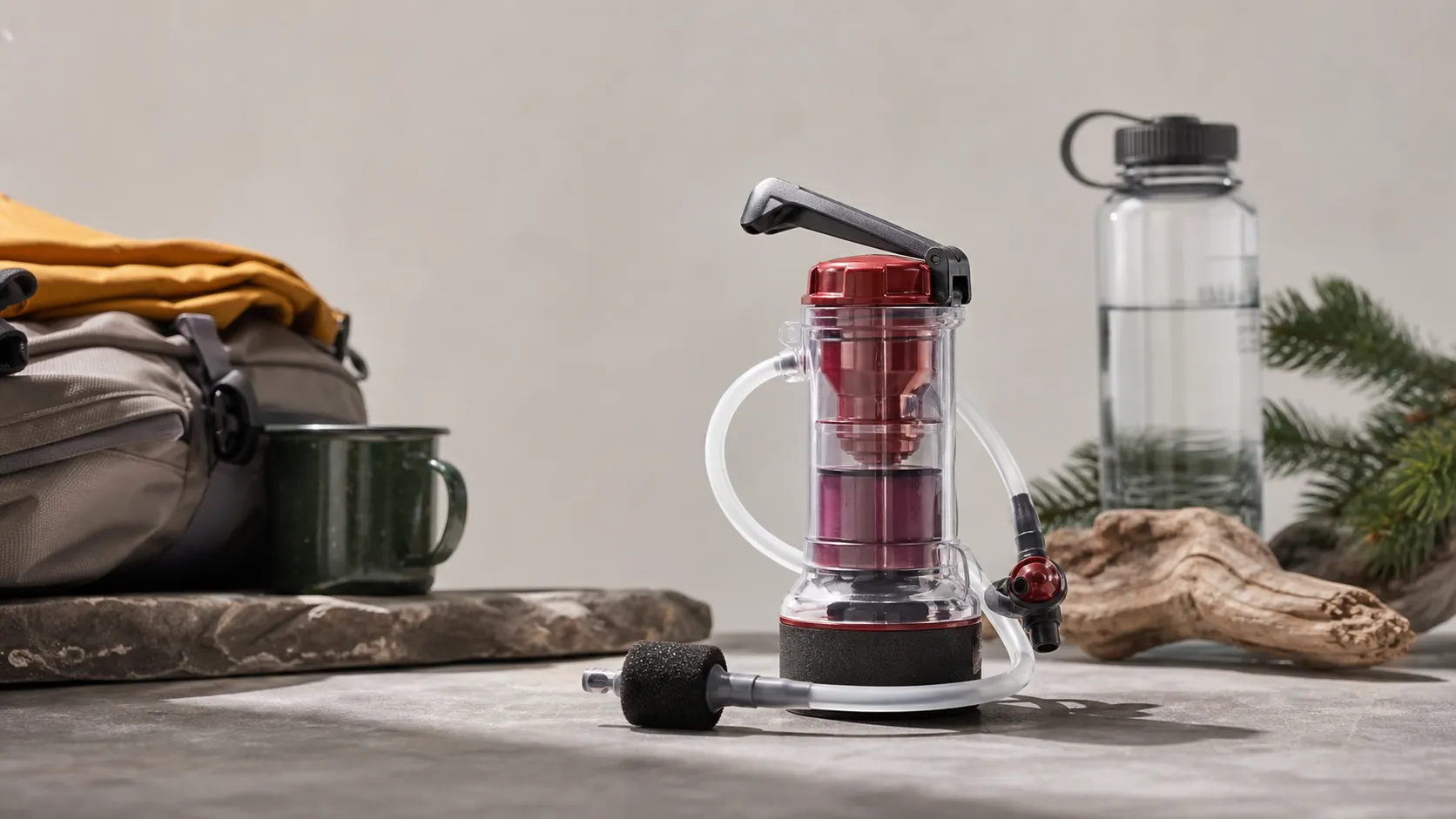
MSR Guardian Purifier Review (2026)
A top pick for groups and basecamps — the MSR Guardian Purifier delivers exceptional flow and durability but carries a high price and weight penalty.
 Outdoor & Garden
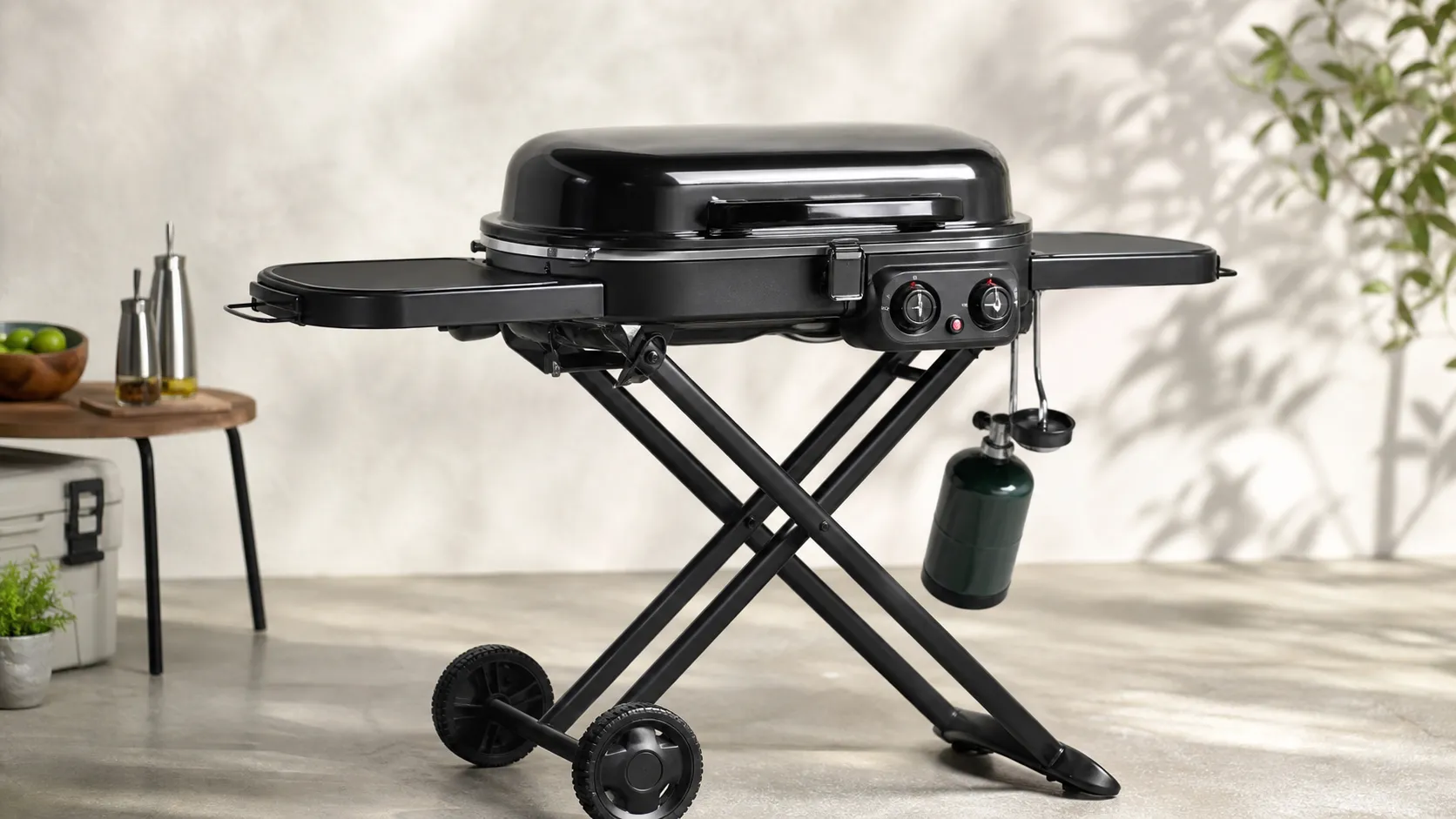
Coleman RoadTrip 285 Portable Propane Grill Review 2026
Portable, quick to heat, and great value — the Coleman RoadTrip 285 is ideal for tailgates and camping, but expect hotspots and some plastic parts to limit heavy use.
 Outdoor & Garden
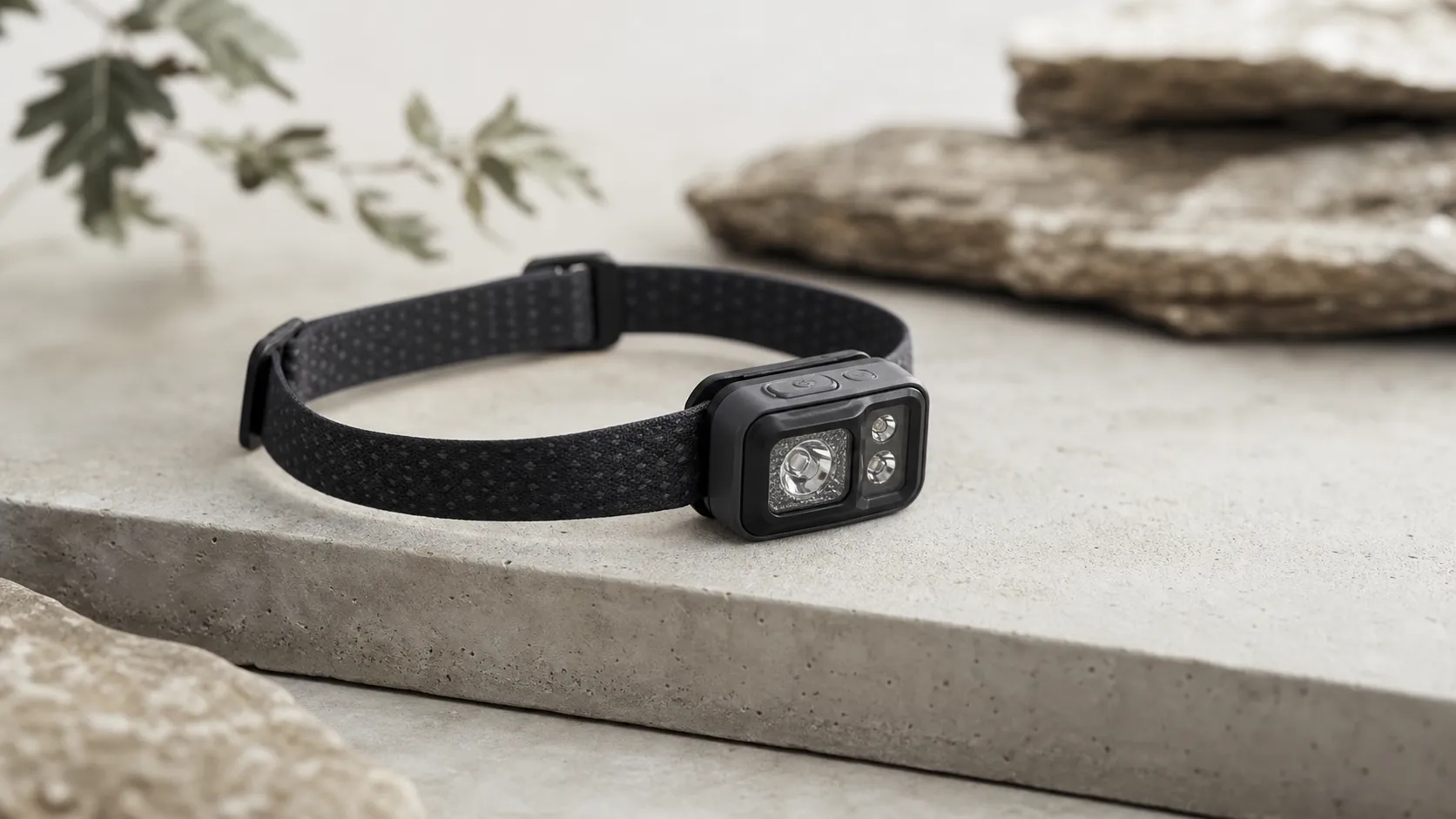
Black Diamond Spot 400‑R Headlamp Review 2026
A bright, well‑balanced rechargeable headlamp that excels for trail running and hiking. Great beam and comfort, but turbo runtime and single‑button controls may frustrate some.