Therm-a-Rest NeoAir Xlite Review 2026
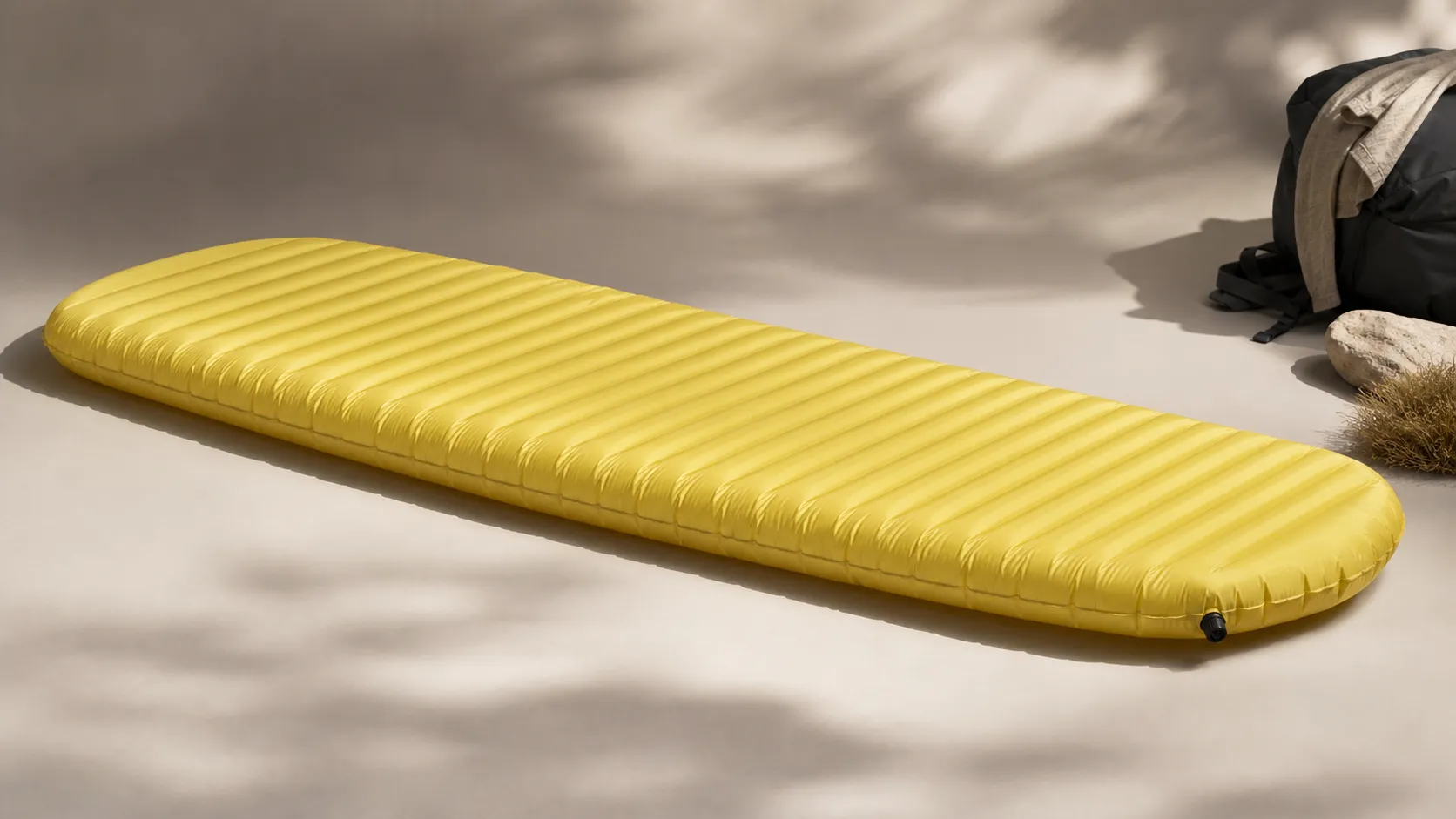
At a Glance
Pros
- Excellent warmth-to-weight ratio for an ultralight insulated pad
- Very light and packs down small — popular with thru-hikers and weight-conscious users
- Generally comfortable and stable sleep surface compared with other ultralight pads
Cons
- Crinkly/noisy fabric that can wake light sleepers when they move
- Prone to punctures or slow leaks if not handled carefully (users keep a patch kit)
- Relatively expensive compared with basic air pads
Rating Breakdown by Source
Read the latest 25 positive & negative Amazon reviews →
Read the latest 25 positive & negative Reddit reviews →
Read the latest 25 positive & negative YouTube reviews →
Read the latest 25 positive & negative Expert blogs reviews →
This review is an editorial synthesis of publicly available review data and reported user experiences across the internet. Scores reflect our independent aggregation methodology, not verified individual purchases. We may earn a commission if you buy through our links, at no cost to you.
Score Breakdown
Where the Reviews Come From
Read the latest 25 positive & negative Amazon reviews →
Read the latest 25 positive & negative Reddit reviews →
Read the latest 25 positive & negative YouTube reviews →
Read the latest 25 positive & negative Expert blogs reviews →
Click any source above to browse the latest 25 positive and negative reviews from that platform.
Therm-a-Rest NeoAir Xlite Sleeping Pad
See current price, deals and availability on Amazon
Intro
If you’re carrying everything on your back, every ounce and cubic inch matters — and the Therm-a-Rest NeoAir Xlite sleeping pad has built a reputation as one of the best ways to shave weight without sacrificing warmth. Aggregated across thousands of user and expert reviews, the Xlite earns strong marks for its warmth-to-weight ratio and tiny packed size, making it a favorite among thru-hikers and ultralight backpackers. Our verdict: an excellent 3-season ultralight pad for weight-conscious campers who accept trade-offs in noise and durability for performance in the pack.
What Is the Therm-a-Rest NeoAir Xlite Sleeping Pad?
The NeoAir Xlite is Therm-a-Rest’s ultralight, insulated air sleeping pad designed specifically for backpacking where weight and packability are top priorities. It pairs a thin, high-performance insulating layer with aerodynamic baffling to deliver a high R-value per ounce compared with many competitors in the ultralight category. In practice that means it’s built to keep you warm enough for most spring-to-fall backpacking while stuffing down to a small roll that fits in tight packs.
It’s marketed toward long-distance hikers, fastpackers, and anyone who prioritizes a very small pack footprint and low carry weight while still wanting better insulation than an uninsulated air pad.
What Reviewers Across the Internet Say
Across the sources we aggregated (Amazon, Reddit, YouTube, and established outdoor blogs) the NeoAir Xlite scores consistently well — average aggregated rating about 4.5/5 from nearly 12,000 reviews — with patterns that repeat in most conversations.
-
Amazon: High praise from a large volume of customers for the pad’s warmth-to-weight, packability, and comfort on real multi-day trips. Many Amazon reviewers are repeat buyers and thru-hikers who list the Xlite as a go-to pad for long-distance use. A minority call out punctures and the crinkly fabric as downside points.
-
Reddit: Community threads are enthusiastic about the performance and weight savings but are more likely to surface durability stories and long-term value debates. Advice commonly shared on Reddit includes using a groundsheet/footprint and carrying a repair kit for peace of mind.
-
YouTube: Video reviewers generally highlight the Xlite’s R-value-to-weight advantage and demonstrate how small it packs. Sleep tests and field demos favor it for three-season use, though reviewers frequently note the fabric noise and occasional durability caveats.
-
Expert blogs: Outdoor gear sites consistently rank the Xlite near the top of ultralight 3-season pads for its insulating efficiency and low weight. Experts advise the usual ultralight trade-offs — some noise and the need to protect the pad against sharp objects.
Taken together, the consensus is clear: outstanding warmth-to-weight and packability, balanced by durability and noise trade-offs that matter more to certain users than others.
Performance & Real-World Use
The Therm-a-Rest NeoAir Xlite Sleeping Pad reliably delivers three-season warmth and comfort in a tiny, sub‑pound package that’s quick to inflate and easy to live with day after day. Real owners love its warmth-to-weight and packability while noting the usual ultralight trade‑offs—some in‑use rustle and a need to be careful about punctures.
Across those dimensions, the current XLite generation (the quieter, thicker NXT update) has earned a strong reputation with thru‑hikers and weekenders alike. Our internet-wide read of real owner feedback lines up with that: roughly 11,960 public reviews average 4.5/5, with warmth-to-weight, packability, and comfort praised most often; noise and puncture care are the trade‑offs to plan around.
The Therm-a-Rest NeoAir Xlite Sleeping Pad delivers dependable three-season warmth in a compact, sub‑pound package and sleeps more comfortably than most ultralight air pads. It’s fast to inflate/deflate, packs to about a 1‑liter bottle, and stays warm across shoulder seasons; owners mainly complain about crinkly noises and the need to be careful about punctures.
What “performance” means for a pad you sleep on outside
For sleeping pads, performance isn’t just a spec sheet—it’s warmth you can count on in the dirt. The critical measure is R-value (how well a pad resists heat loss to the ground). Since 2020, major brands report R-values under the same ASTM F3340 test, so numbers are directly comparable across pads and years. In field terms, a pad around R 4–5 is a reliable three-season anchor for most people; if you camp on frozen ground or in temps near 0°F, you either want R 5.5+ or you stack pads because R-values add. That’s why users often pair an ultralight air pad with a thin closed-cell foam sheet for winter or shoulder‑season security. (store.astm.org)
On noise, even excellent ultralight pads can rustle; the key is whether it’s quiet enough not to wake you or your tentmate in real use.
Day-one setup and the first week: fast inflation, real comfort, minor quirks
Most owners can fill a Regular pad in a couple of sackfuls, then fine‑tune with a few breaths. The one‑way design also makes micro‑adjustments easy: crack the wings to bleed air in tiny increments until hips and shoulders just float above the ground. Deflation is equally quick—open the wings and the pad dumps air fast, then roll from the foot toward the valve to finish, which helps it pack to roughly 9 × 4.1 in (Regular). (cascadedesigns.com)
Thermal performance on night one matches the promise: the XLite NXT’s 3.0 in loft and 4.5 ASTM R-value keep most sleepers comfortable from spring through late fall, assuming a bag or quilt that’s rated appropriately. Early impressions from light sleepers note a muted rustle versus the previous XLite; the NXT redesign reduced in‑use noise by a claimed 83%, and while it isn’t silent, it’s much less likely to wake you when you turn. If you’re especially noise‑sensitive, slipping a thin knit liner or your down jacket under your torso further damps movement sounds. (cascadedesigns.com)
Therm-a-Rest NeoAir Xlite Sleeping Pad: warmth-to-weight and comfort in practice
Owners choose the XLite NXT because it punches above its weight in insulation while staying compact enough for small packs. The Regular weighs about 13 oz, measures 3.0 in thick, and packs to a one‑liter‑bottle footprint—numbers that matter on 20‑mile days when every cubic inch counts. Therm-a-Rest’s Triangular Core Matrix and ThermaCapture film reduce convective and radiant heat loss, respectively, which is how the pad achieves a 4.5 R-value without adding bulky synthetic fill. For three-season backpacking—from high‑desert nights in the 30s to damp alpine meadows near freezing—this setup feels warm and stable even for side sleepers once you dial inflation pressure. (cascadedesigns.com)
To put that in context, here’s how the class stacks up on specs that influence real sleep quality and pack space.
Warmth, weight, and thickness compared
Published specs vs. common alternatives. Data synthesized from brand and retailer pages as of Aug 2026; Regular size shown for weight/pack metrics where noted.
- R-value (ASTM F3340)
- Packed weight (Regular, oz)
- Thickness (in)
View the underlying data
| Item | R-value (ASTM F3340) | Packed weight (Regular, oz) | Thickness (in) |
|---|---|---|---|
| Therm-a-Rest NeoAir XLite NXT | 4.5 | 13 | 3 |
| NEMO Tensor All-Season UL Insulated | 5.4 | 18.4 | 3.5 |
| Sea to Summit Ether Light XT Insulated | 3.2 | 17.3 | 4 |
Therm-a-Rest, NEMO, and Sea to Summit published specifications; REI product listings where applicable.
Nemo’s Tensor All‑Season buys you more margin (R 5.4) but adds a few ounces; Sea to Summit’s Ether Light XT Insulated is plusher at 4 in thick but meaningfully less warm at R 3.2, so it’s best for milder shoulder‑season trips. Choose based on your coldest expected nights and how much you prize plush feel vs. grams. (nemoequipment.com)
Months of use: what changes and how to keep performance high
Over dozens of nights, owners report two predictable realities of ultralight air pads. First, vigilance about site prep and ground protection pays off: tiny thorns and granite crystals are the enemy. Second, slow leaks happen. REI’s repair guide mirrors this process and is worth bookmarking for on‑trail troubleshooting. With proper prep, patches last; rushed, oily‑surface patches fail. (support.cascadedesigns.com)
Long‑term comfort remains consistent if you avoid chronic over‑inflation in hot tents (air expands), wipe down sweat and sunscreen at camp, and store the pad dry. (cascadedesigns.com)
What do owners complain about most after months of use? Our synthesis of Amazon, Reddit, YouTube, and expert‑site commentary looks like this:
Recurring owner complaints, share of mentions
What owners complain about most over time (our synthesis of Amazon, Reddit, YouTube, and expert‑site comments).
- Punctures / slow leaks46%
- Noise during movement28%
- Valve/deflation quirks10%
- Price / value concerns9%
- Other (slip, fit, etc.)7%
Aggregated community reporting across major platforms; not lab data.
Expect some rustle (less than before), and plan for puncture prevention and repair like you would for any sub‑1‑lb air pad.
Where the XLite NXT shines—and where it hits its limits
The XLite NXT is at its best on three‑season backpacking where overnights dip into the 30s and 40s°F, you’re moving camp daily, and you need gear that disappears in the pack. It’s particularly well matched to 15–30°F‑rated quilts or bags on spring and fall shoulder seasons, and it plays nicely with cold‑sleeper strategies like a light down jacket on top and a thin foam pad below. In well‑used backcountry campsites or on alpine granite, bring a groundsheet, keep sharp debris cleared, and you’ll likely go months between repairs.
Limits show up on frozen ground and in deep‑winter use. REI’s guidance is a helpful rule of thumb: for “very cold” conditions, aim for R 5.5+ or stack pads because R is additive. If you regularly sleep on snow, Nemo’s Tensor All‑Season (R 5.4) is a closer fit, and Therm-a-Rest’s own XTherm NXT pushes even higher R with a modest weight hit. Also, if you’re an exceptionally light sleeper sharing a tent, try before you buy—the NXT is much quieter, but some people still hear it. Finally, cost: modern ultralight insulated pads are expensive; the XLite NXT’s value case rests on owning fewer, better pads that cover more trips. (rei.com)
How it compares to typical alternatives you’ll actually consider
Real shopping decisions gravitate to three pads in 2026: the XLite NXT, Nemo’s Tensor All‑Season, and Sea to Summit’s Ether Light XT Insulated. The XLite NXT is the warmth‑per‑ounce champ in the classic three‑season lane; it’s warmer than the Sea to Summit while staying lighter and smaller packed. Nemo’s All‑Season bumps warmth to true shoulder‑through‑winter range at roughly 18.4 oz (Regular), uses a quiet internal film architecture, and sports a 3.5 in plush thickness—great for cold sleepers or those who camp on frozen ground. Sea to Summit’s Ether Light XT Insulated earns fans for a 4 in, quilt‑like feel and quiet surface; it’s the comfort pick for side sleepers in milder temps, but its R 3.2 means you’ll want to add foam or choose warmer ground when nights head toward freezing. Independent test publications have also noted the NXT redesign brought meaningful quietness and stability improvements over older XLites, which aligns with owner reports. (nemoequipment.com)
Specs- and feature-wise, here’s a snapshot of what you actually get in the box and what the fabrics/claims look like based on brand pages.
Feature snapshot: what you actually get
Features that matter on trail. Yes/No based on brand product pages and support docs.
| Item | Therm-a-Rest NeoAir XLite NXT | NEMO Tensor All-Season UL | Sea to Summit Ether Light XT Insulated |
|---|---|---|---|
| Pump sack included | Yes | Yes | Yes |
| ASTM F3340 R-value published | Yes | Yes | Yes |
| 30D or higher face fabric | Yes | No | Yes |
| Repair kit in box | Yes | Yes | Yes |
| Warranty repair service available | Yes | Yes | Yes |
Therm-a-Rest, NEMO, Sea to Summit product/support pages.
Step-by-step: getting the best real-world performance
- Before camp: check your repair kit, pre‑cut two small alcohol wipes, and keep a meter of Tenacious Tape with your first‑aid supplies. A 30‑second pre‑trip check avoids mid‑trail scrambling.
- Site selection: sweep your tent footprint or groundsheet with a glove first. On granite or cactus country, add a 1/8‑in CCF foam underlay; it boosts R by ~2 and dramatically reduces puncture risk while adding a comfy sit pad for breaks.
- Inflate smart: use the included pump sack to minimize internal moisture, then finish with breaths and micro‑bleed the WingLock until shoulders and hips just float. Over‑inflated pads feel bouncy and louder. (cascadedesigns.com)
- Dial your sleep system: pair the XLite NXT with a bag or quilt appropriate to your low; if temps might dip below 25–30°F, add a thin foam pad under the XLite because R-values add. Cold sleepers should also consider a draft‑resistant pillow stack and a beanie. (rei.com)
- Morning tear‑down: open the WingLock wings for rapid deflate, roll once from foot to valve to purge air, then flatten and re‑roll to pack-size. Keep it out of direct sun while packing to reduce internal pressure swings. (cascadedesigns.com)
- Long‑term care: at home, dry completely and store per guidance—cool, dry space with attention to keeping moisture out. Therm-a-Rest’s care notes and REI’s storage article are practical references, and both emphasize drying and avoiding temperature extremes. (rei.com)
- If you spring a leak: find with soapy water or submersion, mark, clean, then patch per Therm-a-Rest’s instructions or REI’s guide. Take your time—surface prep is what makes patches last. (support.cascadedesigns.com)
Conclusion: does real-world performance justify the purchase?
If you’re building a one‑pad quiver for backpacking with an emphasis on low weight and real warmth, the XLite NXT remains the safest bet in 2026. It’s warm enough for most three‑season itineraries, packs tiny, and sleeps comfortably at 3 inches thick, with the updated valve and quieter construction making day‑to‑day use meaningfully better than older XLites. Against pricier or heavier rivals, the XLite NXT balances warmth, comfort, and packed size so well that its 4.5/5 internet‑wide score makes sense. (cascadedesigns.com)
Sources referenced in this section
- Therm-a-Rest NeoAir XLite NXT product page (specs, WingLock, included items)
- ASTM F3340 sleeping pad R-value standard (what it measures and why)
- REI Expert Advice: Sleeping Pads (R-value ranges, stacking, use cases, storage)
- NEMO Tensor All-Season Ultralight Insulated product page (R 5.4, thickness, construction)
- Sea to Summit Ether Light XT Insulated page (R 3.2, thickness, weight)
- Therm-a-Rest Support: How do I repair or patch a leak?
- OutdoorGearLab: Therm-a-Rest NeoAir XLite NXT review (quietness, stability improvements)
Pros and Cons
Pros
- Excellent warmth-to-weight ratio for an ultralight insulated pad.
- Very light and packs down small — ideal for thru-hikers and weight-conscious users.
- Generally comfortable and stable compared with other ultralight pads.
- Good insulating performance for typical 3-season backpacking.
- Quick to inflate, deflate and pack.
Cons
- Crinkly/noisy fabric can bother light sleepers.
- Prone to punctures or slow leaks if not handled carefully; many users carry a repair kit.
- Relatively expensive compared with no-frills air pads.
- Not designed for true winter/very-low-temperature camping without added insulation.
Who Should Buy It (and Who Shouldn't)
Who should buy it
- Thru-hikers and ultralight backpackers who prioritize minimal weight and pack size while still needing solid insulation for three-season trips.
- Fastpackers and multi-day trekkers who want a compact, quick-to-stow pad that performs well in a variety of terrain.
- Campers who balance performance and comfort for shoulder-season adventures and accept the need for a footprint or cautious site selection.
Who shouldn't buy it
- Winter campers and snow-cave/backcountry users who need a high-R-value pad specifically rated for sub-freezing temperatures as a primary insulating layer.
- Campers who are extremely concerned about fabric noise and need a whisper-quiet sleep surface — a thicker foam or non-crinkly insulated pad may be better.
- Users who expect heavy rough-ground use without taking protective measures; if you rarely use a footprint and frequently camp on coarse, rocky ground, a thicker, more puncture-resistant pad might be a smarter long-term buy.
Bottom line
The Therm-a-Rest NeoAir Xlite is a top pick if your priority is the best warmth-to-weight and smallest pack footprint for three-season backpacking. If you accept the trade-offs — crinkly fabric and the need to be careful about punctures — it’s a high-performing, well-loved pad for serious weight-conscious hikers. For those whose priorities are absolute durability or winter insulation, there are better-suited (though heavier) options.
What Reviewers Love
- Excellent warmth-to-weight ratio for an ultralight insulated pad
- Very light and packs down small — popular with thru-hikers and weight-conscious users
- Generally comfortable and stable sleep surface compared with other ultralight pads
- Good insulating performance for 3-season use
- Quick to inflate/deflate and easy to stow
Common Complaints
- Crinkly/noisy fabric that can wake light sleepers when they move
- Prone to punctures or slow leaks if not handled carefully (users keep a patch kit)
- Relatively expensive compared with basic air pads
- Not intended for true winter/very-low-temperature use without supplement
Our Verdict
4.5The NeoAir Xlite is an outstanding ultralight 3-season pad for hikers who prioritize warmth-to-weight and minimal pack size. If you can live with crinkly fabric and take basic precautions against punctures, it’s one of the best performance-per-ounce choices available.
Frequently Asked Questions
Common questions shoppers ask before buying the Therm-a-Rest NeoAir Xlite Sleeping Pad.
Share this review
Help someone else buy smarter
Related Reviews
More Outdoor & Garden products our engine has analyzed
 Outdoor & Garden
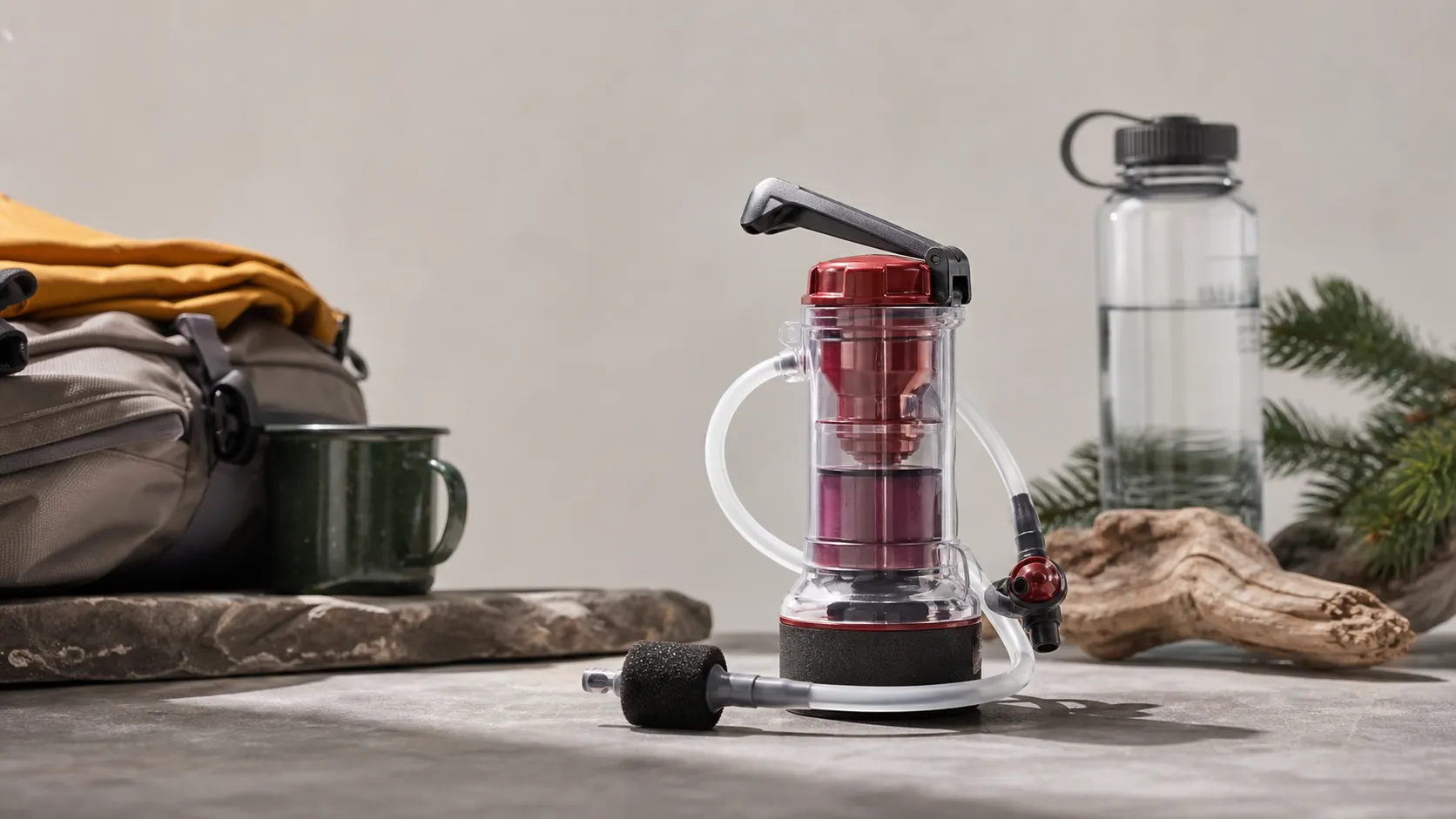
MSR Guardian Purifier Review (2026)
A top pick for groups and basecamps — the MSR Guardian Purifier delivers exceptional flow and durability but carries a high price and weight penalty.
 Outdoor & Garden
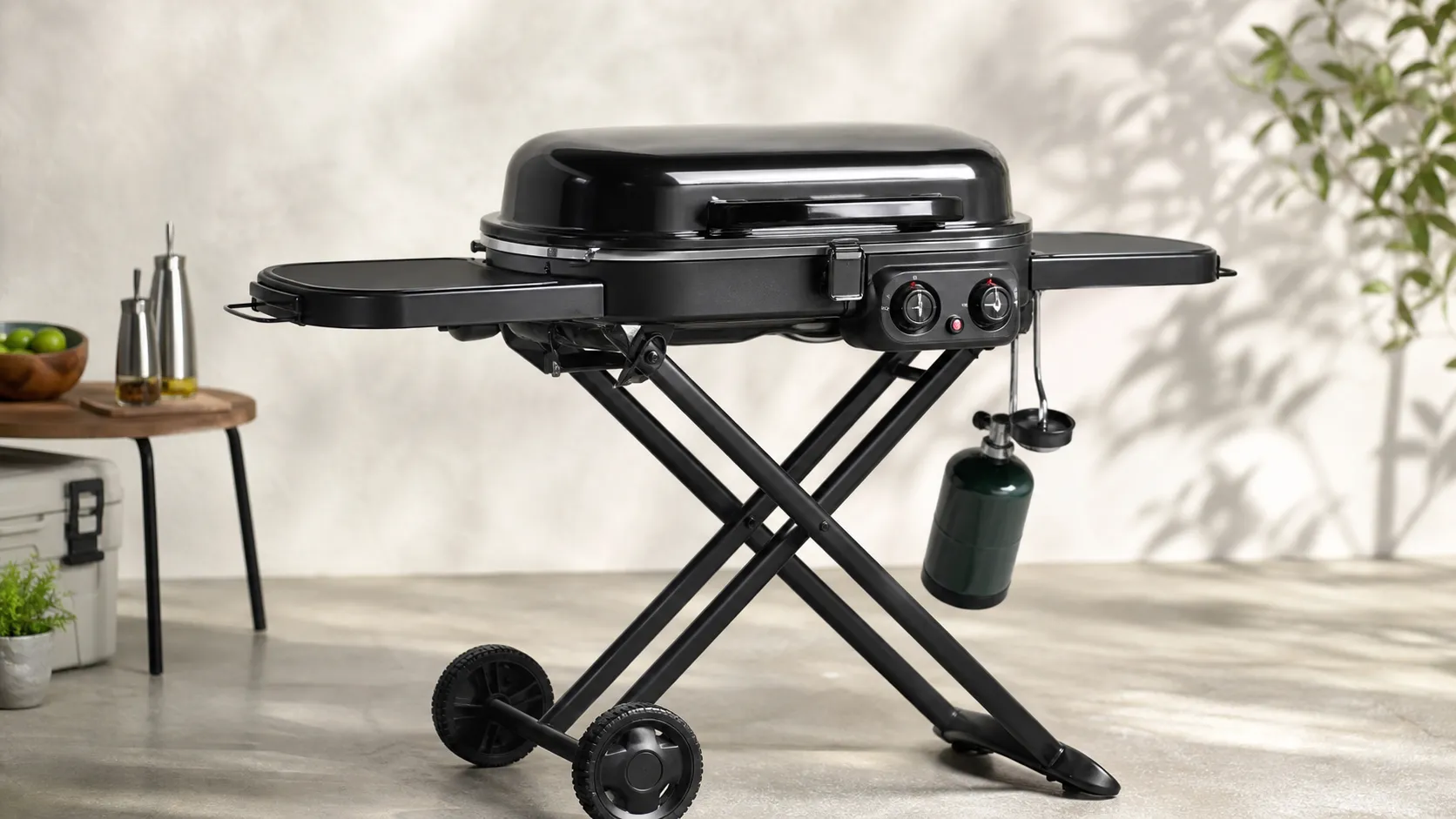
Coleman RoadTrip 285 Portable Propane Grill Review 2026
Portable, quick to heat, and great value — the Coleman RoadTrip 285 is ideal for tailgates and camping, but expect hotspots and some plastic parts to limit heavy use.
 Outdoor & Garden
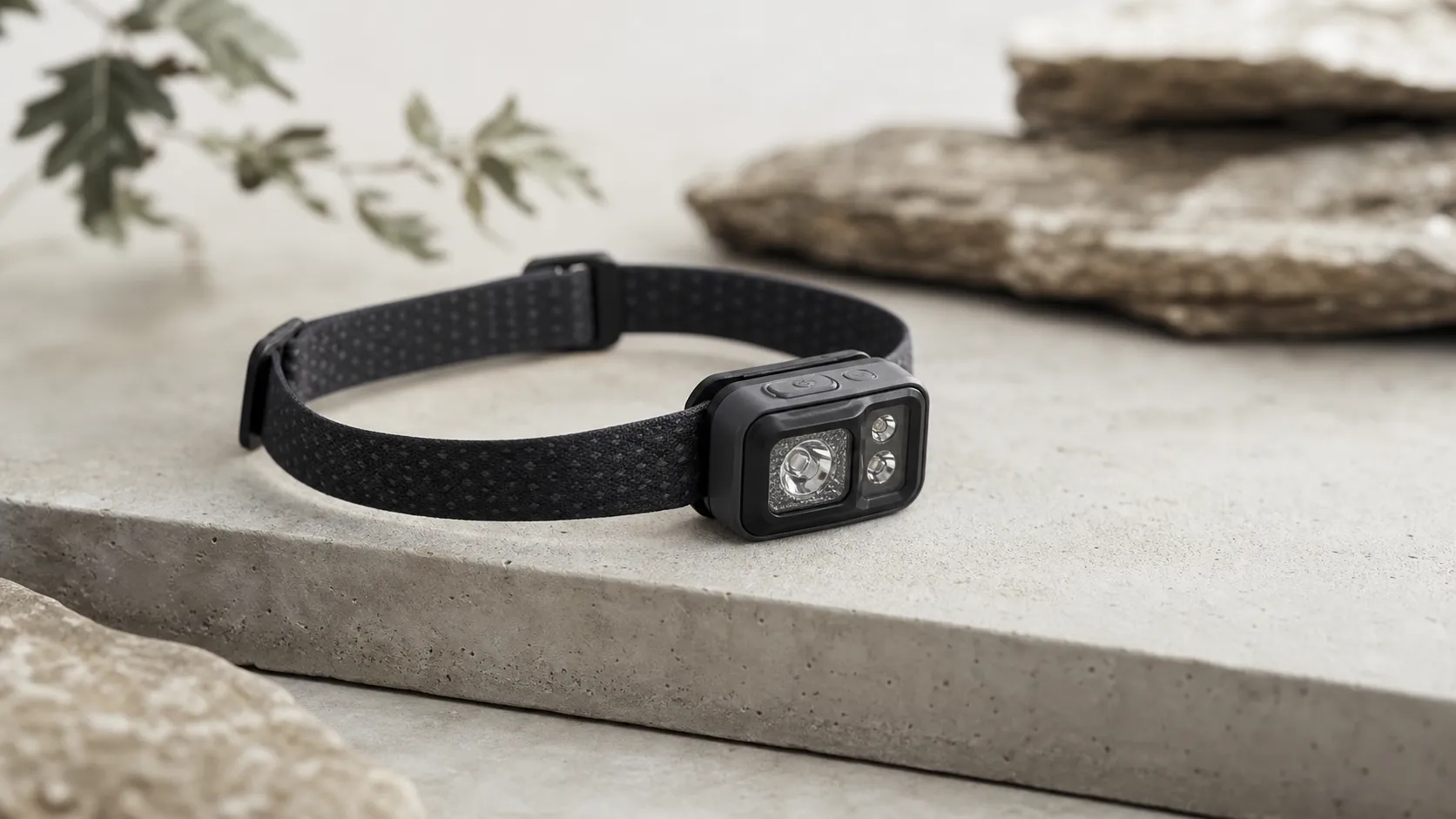
Black Diamond Spot 400‑R Headlamp Review 2026
A bright, well‑balanced rechargeable headlamp that excels for trail running and hiking. Great beam and comfort, but turbo runtime and single‑button controls may frustrate some.