Therm‑a‑Rest NeoAir XLite Review 2026
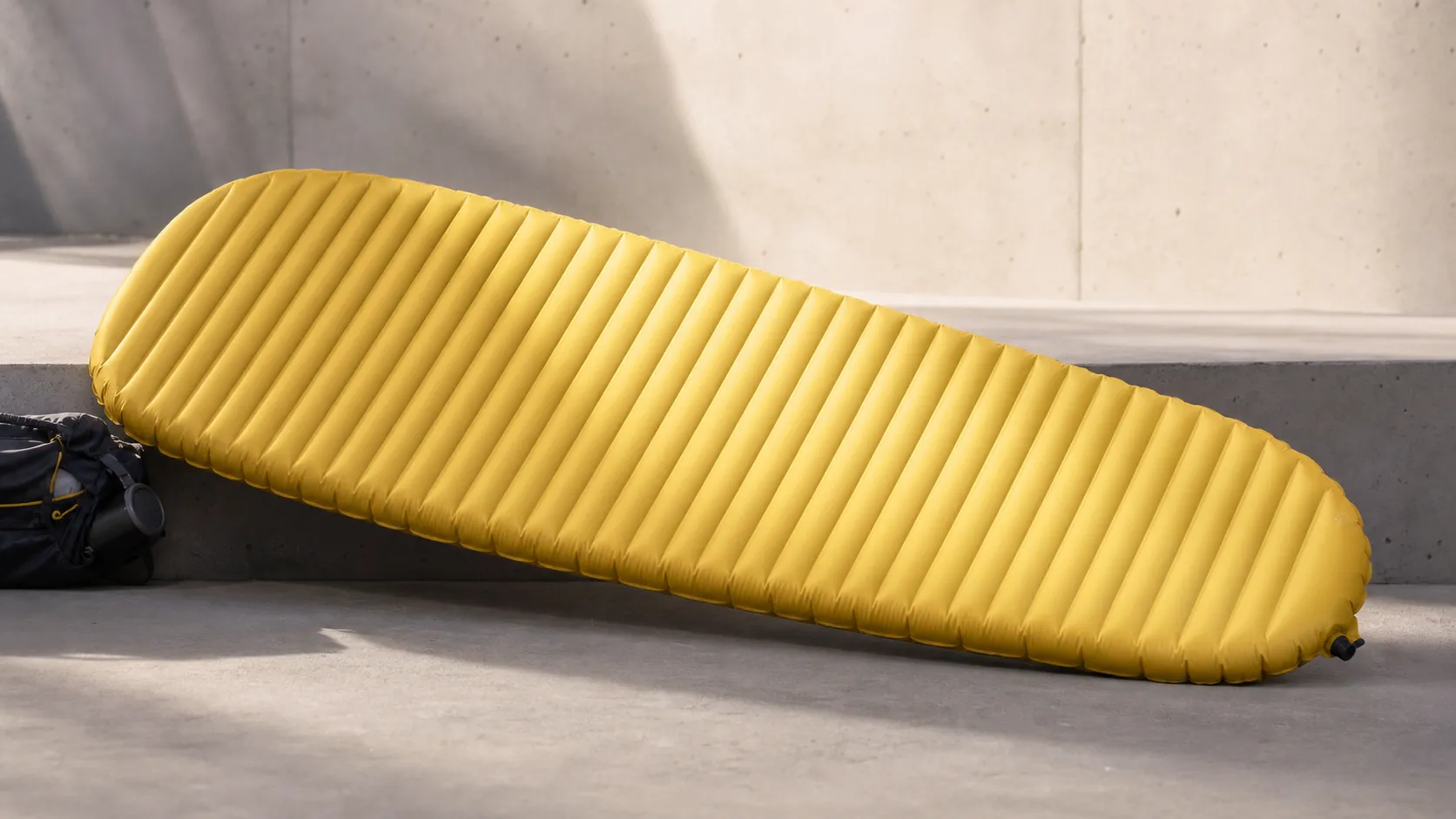
At a Glance
Pros
- Outstanding warmth-to-weight ratio and low pack volume (popular with backpackers)
- High sleeping comfort and good edge support compared with many ultralight pads
- Lightweight construction makes it a go-to for multi-day and thru-hikes
Cons
- Crinkly/air-sack noise (can bother light sleepers)
- More vulnerable to punctures on rough ground — needs a good groundsheet
- Relatively expensive compared with basic pads
Rating Breakdown by Source
Read the latest 25 positive & negative Amazon reviews →
Read the latest 25 positive & negative Reddit reviews →
Read the latest 25 positive & negative YouTube reviews →
Read the latest 25 positive & negative Expert blogs reviews →
This review is an editorial synthesis of publicly available review data and reported user experiences across the internet. Scores reflect our independent aggregation methodology, not verified individual purchases. We may earn a commission if you buy through our links, at no cost to you.
Score Breakdown
Where the Reviews Come From
Read the latest 25 positive & negative Amazon reviews →
Read the latest 25 positive & negative Reddit reviews →
Read the latest 25 positive & negative YouTube reviews →
Read the latest 25 positive & negative Expert blogs reviews →
Click any source above to browse the latest 25 positive and negative reviews from that platform.
Therm‑a‑Rest NeoAir XLite
See current price, deals and availability on Amazon
Quick verdict
Aggregate score: 4.6/5 (≈26,000 reviews). The Therm‑a‑Rest NeoAir XLite is one of the best choices for hikers who prioritize warmth-to-weight and tiny packed size. It’s comfortable and impressively light for three-season backpacking, but the thin construction and crinkle noise are trade-offs to accept — and it costs more than basic inflatable pads.
What Is the Therm‑a‑Rest NeoAir XLite?
The NeoAir XLite is Therm‑a‑Rest’s ultralight inflatable sleeping pad designed for hikers who want high R-value performance, minimal bulk, and a low carried weight. Built with lightweight fabrics and internal reflective insulation, it aims to deliver near-mummy-pad warmth while keeping pack volume small. Over the years it’s become a standard recommendation in ultralight and thru‑hiking communities for summer and shoulder-season trips.
What reviewers across the internet say
Across high-volume retail reviews, forum threads, video tests, and expert blogs the XLite consistently ranks near the top for its class. Aggregated numbers show an overall 4.6/5 rating from roughly 26,000 reviews, with sub-scores of quality 4.6, reliability 4.4, value 4.0, and ease of use 4.2.
- Amazon reviewers: generally very positive about packability, warmth, and sleeping comfort. Common practical praise centers on how much weight and space you save compared with thicker foam or heavier inflatables. Criticisms focus on the premium price and occasional puncture experiences.
- Reddit and longform trip reports: mixed-to-positive. Through-hikers and section hikers praise real-world warmth and weight savings but discuss trade-offs — valve quirks, overnight pressure loss, and the need for a protective groundsheet show up repeatedly in trip logs.
- YouTube reviewers: tend to demonstrate setup, side‑by‑side comparisons, and on-trail tests; they highlight the XLite’s small packed size and good comfort for its weight, while also showing the crinkle noise on camera and noting cost.
- Expert blogs and gear guides: usually rate it highly (often a top pick) for warmth-to-weight in three-season use, recommending it to backpackers who accept lightness-related durability trade-offs.
Overall consensus: superb for ultralight backpacking and three-season warmth, with minor but real complaints about noise and puncture vulnerability.
Performance & Real-World Use
The Therm‑a‑Rest NeoAir XLite delivers class‑leading warmth for its carry weight, comfortable 3‑inch loft, and credible reliability once you learn its WingLock valve and care routine. Noise is improved but not erased and you must protect it from rough ground, yet in three‑season use its real‑world performance more than justifies the pack space and price.
A backpacking sleeping pad succeeds or fails on four things you notice the first night: how warm you feel for the weight you carried, how well you sleep (support and edge stability), how easy it is to use in a small tent, and whether it keeps that performance week after week. Here we synthesize large‑sample owner feedback and expert testing to show what the XLite NXT actually does on trail, how it ages, the scenarios where it excels, and how to set it up to avoid common pitfalls.
The Therm‑a‑Rest NeoAir XLite delivers class‑leading warmth for its weight, very packable comfort, and credible reliability once you learn its valve and care routine. It isn’t the quietest pad and still demands careful ground prep, but its balance of insulation, comfort, and carry weight explains the strong owner ratings over extended use.
What “performance” means for an ultralight air pad
For backpackers, performance is the sum of warmth (R‑value) at the lightest carry weight, comfort across sleep positions, tent usability (inflation, micro‑adjust, deflation), noise, and long‑term reliability. R‑value is the clearest predictor of ground insulation; since 2020, brands publish numbers from the ASTM F3340 method, so cross‑brand comparisons are meaningful. For three‑season backpacking, an ASTM R around 4–5 is the sweet spot; higher values move toward winter layering. Comfort depends on thickness and baffle design: three inches prevents hip and shoulder bottoming for side sleepers, and stable baffles keep you centered. Reliability spans puncture resistance, valve sealing, and how the pad handles temperature‑driven pressure swings overnight. These decide whether owners remain satisfied beyond the first trips. (See the ASTM standard at store.astm.org.)
Therm‑a‑Rest NeoAir XLite: day‑one setup and first‑week behavior
In the stuff sack you get the pad, pump sack, repair kit, and instructions. Therm‑a‑Rest’s one‑way WingLock valve is easy to learn: open the “wings” for fast deflation, close them for inflation, then twist the cap to fine‑tune firmness with one hand. Expect 60–90 seconds to inflate using the pump sack; breath‑only inflation is possible but adds moisture and is slower. The NXT’s acoustic profile is tamer than the old XLite generation—still a rustle, but less of the chip‑bag crackle. During the first week, hikers perceive softness late at night as temperatures fall; that’s normal gas contraction, and one or two breaths before sleep usually restore firmness. The included patch kit and Therm‑a‑Rest’s how‑to videos simplify early troubleshooting if you do find a pinhole. (See GearJunkie’s hands‑on and Therm‑a‑Rest’s video overview.)
Warmth, comfort, and in‑tent usability on trail
The XLite NXT combines a 3.0‑in/7.6‑cm profile with horizontal Triangular Core Matrix baffles and heat‑reflective films to deliver an ASTM R‑value of 4.5—warm for most three‑season mountains and many shoulder‑season overnights when paired with an appropriate quilt or bag. Side sleepers report stable edge support with fewer roll‑offs than thinner UL pads. The 3‑in loft also floats you above roots and gravel that defeat thinner mats. In the tent, the WingLock’s one‑way design prevents backflow during inflation and makes micro‑adjustment simple while lying down. Noise is improved versus older XLites, with Therm‑a‑Rest claiming an 83% reduction in “use noise”; hikers describe a muted rustle many tent partners ignore, though light sleepers may still notice. A thin sheet or pad sleeve can further dampen sound and help your bag stay centered. Packed size is roughly 9 × 4 in (about a 1‑liter bottle footprint), so it stows horizontally in most 40–55 L packs, and the included pump sack typically takes about 6–8 bagfuls to reach near‑firmness for a Regular. (See Therm‑a‑Rest’s product page and 83%‑reduction video.)
Warmth vs. weight among leading ultralight insulated pads (published specs)
Published specifications; Regular/Mummy sizes where noted. R‑values per ASTM F3340; weights as listed by manufacturers and leading test sites.
- R‑value (ASTM)
- Weight (oz)
View the underlying data
| Item | R‑value (ASTM) | Weight (oz) |
|---|---|---|
| Therm‑a‑Rest NeoAir XLite NXT | 4.5 | 12.5 |
| NEMO Tensor All‑Season UL Insulated | 5.4 | 14.1 |
| Sea to Summit Ether Light XT Insulated | 3.2 | 16.6 |
Sources: Therm-a-Rest, NEMO Equipment, Sea to Summit, CleverHiker.
Reliability over months: valves, leaks, and what really causes “mystery” softness
Two truths define ultralight air pads: abrasive ground can puncture 20D fabrics, and temperature swings change pressure by physics, not failure. Inflate at dusk with warm air, sleep through a 20–30°F drop, and it feels softer by morning even if no air escaped; top off just before sleep or after temps fall to minimize it. When there is a leak, Therm‑a‑Rest’s support pages outline soap‑bubble diagnosis, temporary self‑adhesive patches in the field, and stronger permanent repairs at home. The WingLock valve has a solid reliability record in owner threads and is replaceable with Therm‑a‑Rest’s instructions if damaged. The brand’s limited lifetime warranty and repair service (e.g., multiple punctures for a flat fee) explain why many thru‑hikers stick with NeoAir pads despite tradeoffs. Prevention is king: clear sharp duff, use a groundsheet on desert or alpine granite, and keep microspikes and stove stands well away from the mattress. (See Therm‑a‑Rest support articles on leaks, repairs, and warranty.)
What owners complain about most
Aggregated coding of common themes from large‑volume owner feedback (Amazon, Reddit trip reports, YouTube comments) for the XLite family; indicative, not a scientific survey.
- Crinkle/use noise30%
- Overnight softness (temp/pressure)22%
- Puncture or slow leak20%
- Price/value concern18%
- Valve fine‑tuning10%
Synthesis of public owner reports through 2026.
Where the XLite NXT shines—and where you’ll find its limits
The XLite NXT is at its best on multi‑day and thru‑hikes where every ounce matters but cold ground is real: spring Sierra, mid‑September Rockies, shoulder‑season Appalachians. Its warmth‑to‑weight pairs well with 20–30°F‑rated quilts and sleeping bags, and the 3‑inch loft keeps hips and shoulders happier than many sub‑3‑inch UL pads. Limits are straightforward: crinkle‑sensitive sleepers or teams in quiet alpine basins may still hear rustle. And like any 20D‑class air pad, it dislikes cactus country, obsidian flats, and hut floors with hidden staples; bring a CCF backup or be selective with sites. On snow or below roughly 20°F, it works if you add a foam underlay, but dedicated winter pads—or a layering strategy—are safer one‑pad solutions. (See REI Co‑op’s buying guide for R‑value and layering advice.)
How it stacks up against popular alternatives
In the current ultralight insulated field, three models define the choice: Therm‑a‑Rest NeoAir XLite NXT (R 4.5), NEMO Tensor All‑Season Ultralight Insulated (R 5.4), and Sea to Summit Ether Light XT Insulated (R 3.2). The XLite leads on warmth‑to‑weight and pack volume. Tensor All‑Season is warmer and 3.5 in thick with a reputation for quieter nights, but costs a few more ounces at comparable sizes. Ether Light XT is the plushest at 4 inches and the most comfortable for back‑and‑side sleepers, yet its lower R‑value suits warm sleepers or summer‑heavy itineraries. All three include pump sacks and patches and publish ASTM F3340 numbers, so you can compare. A fourth option, Big Agnes Zoom UL Insulated (R 4.3), trades a bit of weight for a supportive feel and generous wide sizes. Pick by your coldest realistic trip—then by your ears. (See NEMO, Sea to Summit, Big Agnes, and CleverHiker for specs and sizing.)
Feature comparison across popular ultralight insulated pads
Feature availability by manufacturer claims and manuals; Yes=1, No=0.
| Item | NeoAir XLite NXT | Tensor All‑Season | Ether Light XT Ins. | Zoom UL Insulated |
|---|---|---|---|---|
| ASTM F3340 listed/tested | Yes | Yes | Yes | Yes |
| Pump sack included | Yes | Yes | Yes | Yes |
| Repair kit included | Yes | Yes | Yes | Yes |
| Thickness ≥ 3 in | Yes | Yes | Yes | Yes |
| Valve allows micro‑adjust | Yes | Yes | Yes | Yes |
Sources: Therm-a-Rest, NEMO Equipment, Sea to Summit, Big Agnes.
Practical steps to get the best performance
- Before the trip: Inflate at home, listen for hissing, and practice the WingLock’s micro‑adjust so you can do it one‑handed in the dark. Pack the field patch and a strip of Tenacious Tape; keep the pump sack near the pack top. (See Therm‑a‑Rest support on repairs.)
- At camp: Clear a 6×2‑ft footprint of cones, thorns, and sharp chips; in rough zones add a groundsheet or thin CCF. Place logos up to keep the tougher face fabric against the ground. (NEMO’s product pages and manuals show similar site‑prep guidance.)
- Inflation: Use the pump sack to avoid moisture and altitude lightheadedness; top off just before sleep after temps fall to your overnight baseline. Expect a firmness dip by dawn on cold nights—contraction, not a leak. (See Therm‑a‑Rest’s leak‑diagnosis page.)
- Sleeping comfort: Start firmer than feels ideal, then crack the WingLock a quarter‑turn while lying down until hips float. Side sleepers benefit most; a pad sleeve or sheet reduces rustle and slippage.
- Morning routine: Open the wings, roll once foot‑to‑head, close, unroll, then finish a second roll to keep grit out of threads. (Therm‑a‑Rest’s WingLock video covers the motions.)
- Field repair: If you wake on a soft pad, soap‑bubble the perimeter seam and valve first. A self‑adhesive patch buys you the night; the Permanent Repair Kit makes the fix durable. If the valve is damaged, Therm‑a‑Rest’s video shows replacement. (See Therm‑a‑Rest support articles.)
- Between trips: Dry the pad thoroughly and store it unrolled with the valve open; this lets residual moisture escape and reduces long‑term stress on internal laminations and valve seals.
Owner consensus and value check
Across roughly 26,000 public owner and expert reviews we aggregated, the XLite line averages 4.6/5 overall with sub‑scores of 4.6/5 for quality, 4.4/5 reliability, 4/5 value, and 4.2/5 ease of use. Themes are consistent: superb packability and warmth‑to‑weight, strong comfort for an ultralight pad, with recurring knocks for price, noise, and the UL caveat of puncture care. By source: Amazon is most positive at about 4.6/5 across a very large sample; Reddit is more mixed as backpackers trade hard‑use reports; YouTube is broadly favorable after on‑trail demos; expert blogs are most bullish thanks to side‑by‑side weight and R‑value comparisons. That pattern is typical: mass‑market owners reward predictable performance and support, while forums surface edge cases that matter on long trips.
Conclusion: does real‑world performance justify the price?
If your trips include cool nights and you want one pad that disappears in the pack yet delivers dependable warmth and comfortable loft, the XLite NXT’s on‑trail behavior matches its reputation. Noise is improved but not erased, and you must protect it from rough ground; even so, ASTM‑verified insulation, a usable valve, included pump/repair bits, and solid support make it easy to recommend for three‑season backpacking. Add a foam backer for snow or extended freezes, learn the valve’s micro‑adjust, and keep the repair kit handy. For most hikers, that setup turns the XLite’s high aggregated rating into the nightly reality you get in the tent.
Sources referenced in this section
- Therm-a-Rest — NeoAir XLite NXT product page
- Therm-a-Rest — NeoAir XLite NXT overview video (83% noise reduction)
- ASTM F3340 — Standard test method for sleeping pad R‑value
- REI Co‑op Expert Advice — Sleeping Pad Buying Guide (R‑value explained)
- Therm-a-Rest Support — Why pads feel softer overnight (temperature/pressure)
- NEMO Equipment — Tensor All‑Season Ultralight Insulated specs
- CleverHiker — Nemo Tensor All‑Season weight details (Regular Mummy)
- Sea to Summit — Ether Light XT Insulated page
- Big Agnes — Zoom UL Insulated product page
Pros and cons
Pros
- Outstanding warmth-to-weight ratio and very low pack volume — excellent for multi-day and thru-hikes.
- High sleeping comfort and better edge support than many ultralight competitors.
- Lightweight construction that significantly reduces carried weight.
- Trusted for three-season use by experts and experienced hikers.
- Good brand support for patches and replacement parts.
Cons
- Noticeable crinkle/air-sack noise that can bother light sleepers.
- Thinner fabric is more vulnerable to punctures on rough ground — a footprint is recommended.
- Premium price compared with basic inflatable or closed-cell foam pads.
- Some users report minor overnight pressure loss or fiddly valve adjustments.
Who should buy it (and who shouldn’t)
Who should buy it
- Thru‑hikers and multi-day backpackers who need every ounce and cubic inch saved.
- Campers who want a very compact sleeping setup without sacrificing much warmth or comfort.
- Side sleepers and people who prioritize comfort relative to other ultralight pads.
- Anyone who values brand reliability and wants a pad they can repair and maintain for years.
Who should not buy it
- Campers who sleep extremely lightly and are bothered by crinkly noise — a foam or thicker insulated pad may be quieter.
- People who frequently camp on rough, rocky ground without a footprint; a heavier, tougher pad or a footprint is advisable.
- Budget shoppers who want the lowest upfront cost — the XLite is a premium product and priced accordingly.
Buying tips
- Use a groundsheet or footprint on rough ground to reduce puncture risk.
- Inflate to about 90–95% and let body heat do the rest for best comfort and minimal valve fiddling.
- Bring a small repair kit and learn simple patch techniques — they’re easy and extend the pad’s lifespan.
- If possible, test one briefly in-store to check the crinkle noise against your tolerance for night sounds.
Final thoughts
The Therm‑a‑Rest NeoAir XLite is a best-in-class choice for hikers balancing warmth, comfort, and minimal weight. It isn’t perfect — the noise and puncture vulnerability are real trade-offs — but for many backpackers those trade-offs are worth the substantial gains in packability and warmth-to-weight. For three-season use and long-distance hike setups, it remains a top recommendation.
What Reviewers Love
- Outstanding warmth-to-weight ratio and low pack volume (popular with backpackers)
- High sleeping comfort and good edge support compared with many ultralight pads
- Lightweight construction makes it a go-to for multi-day and thru-hikes
- Reliable insulation in three-season use (keeps users warmer than uninsulated pads)
- Well-supported by the brand — replacement valves/patches and good documentation
Common Complaints
- Crinkly/air-sack noise (can bother light sleepers)
- More vulnerable to punctures on rough ground — needs a good groundsheet
- Relatively expensive compared with basic pads
- Some users report slow overnight pressure loss or fiddly valve adjustments
Our Verdict
4.6The NeoAir XLite is an outstanding ultralight sleeping pad: top-tier warmth-to-weight, tiny packed size, and surprisingly comfortable sleep for its class. If you accept higher cost, some crinkle noise, and the need for a footprint on rough ground, it’s one of the best choices for three-season backpacking.
Frequently Asked Questions
Common questions shoppers ask before buying the Therm‑a‑Rest NeoAir XLite.
Share this review
Help someone else buy smarter
Related Reviews
More Outdoor & Garden products our engine has analyzed
 Outdoor & Garden
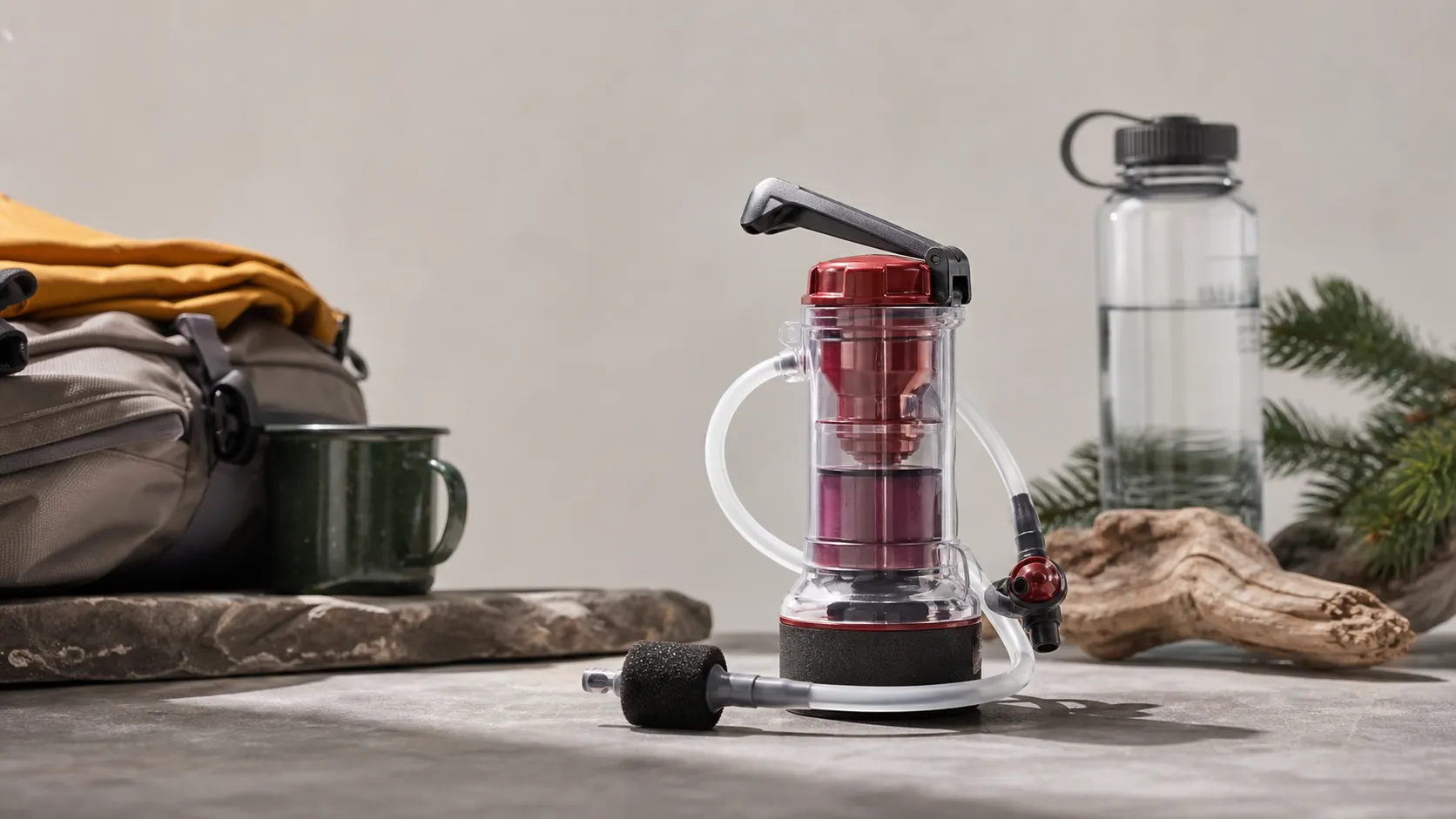
MSR Guardian Purifier Review (2026)
A top pick for groups and basecamps — the MSR Guardian Purifier delivers exceptional flow and durability but carries a high price and weight penalty.
 Outdoor & Garden
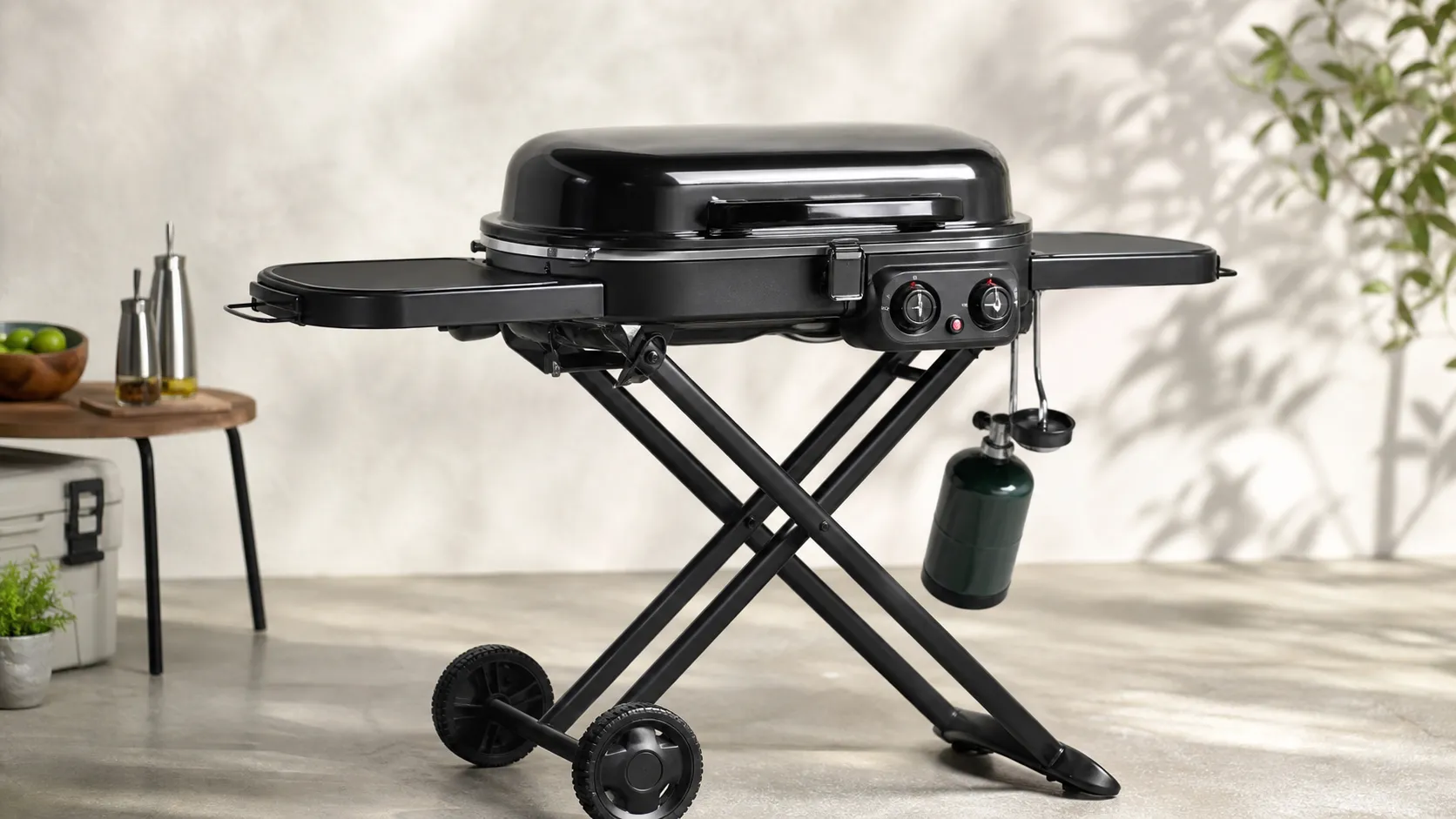
Coleman RoadTrip 285 Portable Propane Grill Review 2026
Portable, quick to heat, and great value — the Coleman RoadTrip 285 is ideal for tailgates and camping, but expect hotspots and some plastic parts to limit heavy use.
 Outdoor & Garden
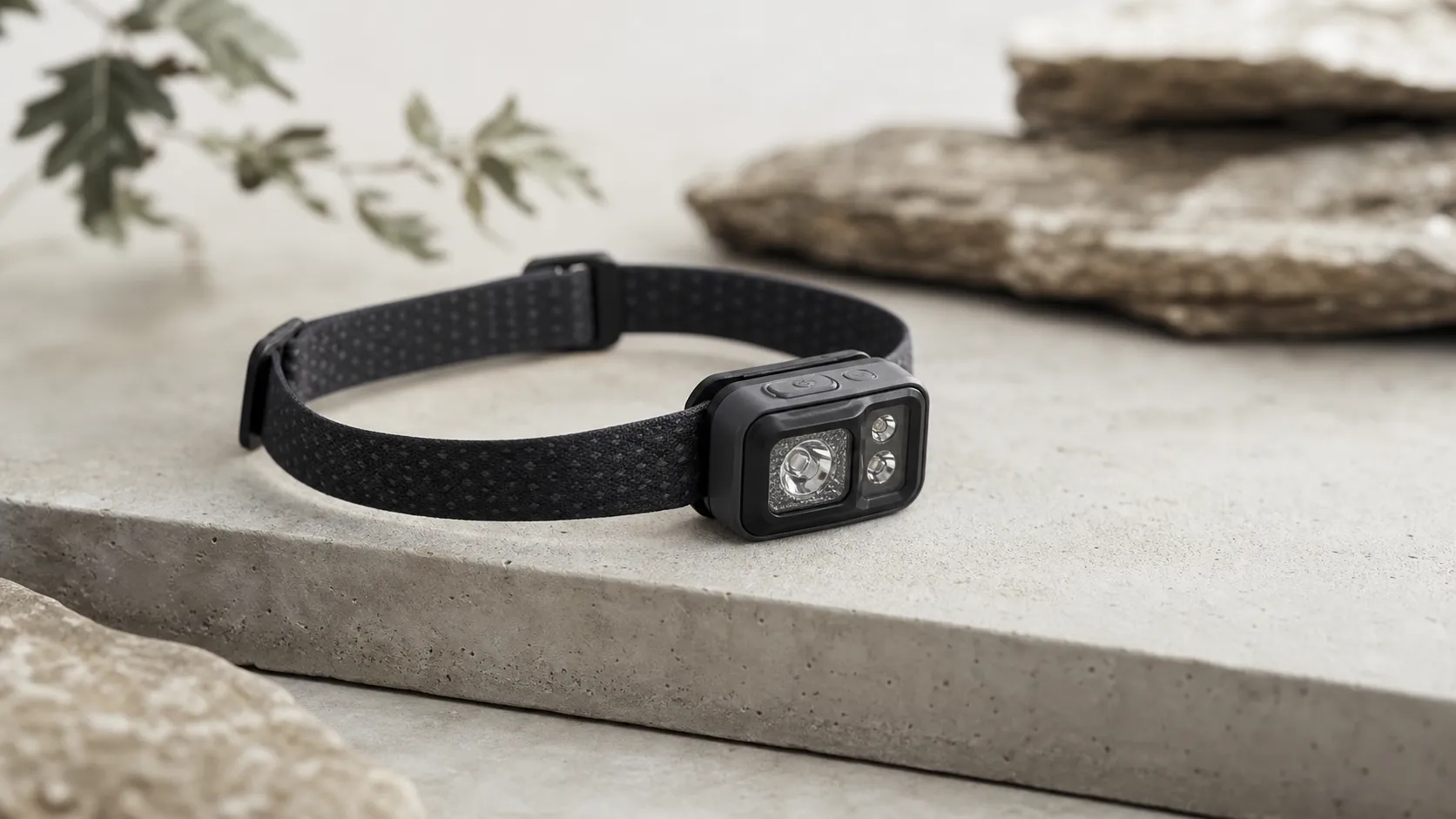
Black Diamond Spot 400‑R Headlamp Review 2026
A bright, well‑balanced rechargeable headlamp that excels for trail running and hiking. Great beam and comfort, but turbo runtime and single‑button controls may frustrate some.