Therm‑a‑Rest NeoAir Xlite Review 2026
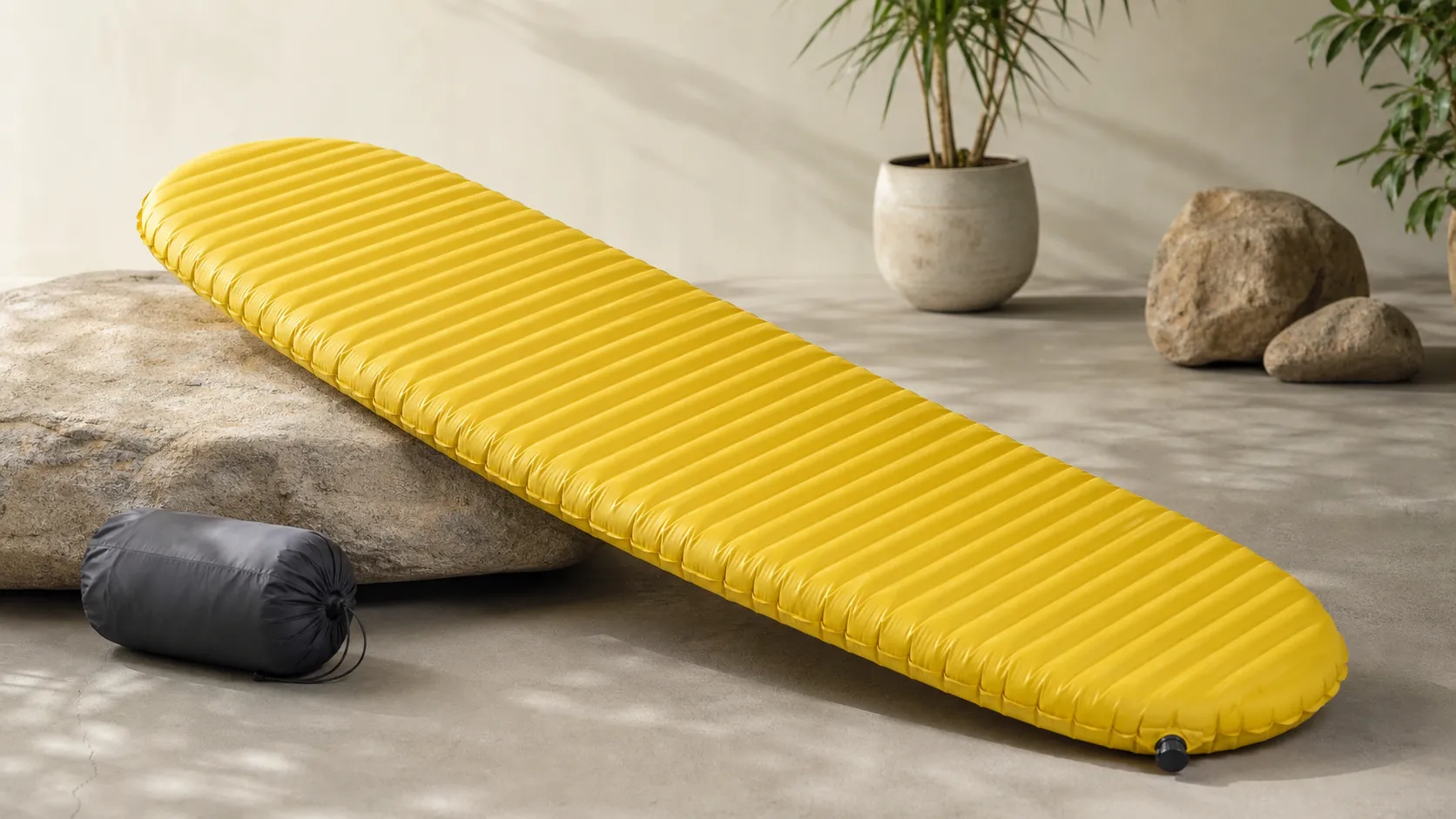
At a Glance
Pros
- Outstanding warmth-to-weight ratio and compact packed size for backpacking.
- Very lightweight — easy to carry on multi-day and thru-hikes.
- Comfortable, stable sleeping surface (better lateral stability than some other ultralights).
Cons
- Susceptible to punctures/air leaks if used without care; repairs are common in long-term use.
- Relatively expensive compared with budget pads — high upfront cost for occasional users.
- Crinkly / noisy surface reported by many (can wake light sleepers).
Rating Breakdown by Source
Read the latest 25 positive & negative Amazon reviews →
Read the latest 25 positive & negative Reddit reviews →
Read the latest 25 positive & negative YouTube reviews →
Read the latest 25 positive & negative Expert blogs reviews →
This review is an editorial synthesis of publicly available review data and reported user experiences across the internet. Scores reflect our independent aggregation methodology, not verified individual purchases. We may earn a commission if you buy through our links, at no cost to you.
Score Breakdown
Where the Reviews Come From
Read the latest 25 positive & negative Amazon reviews →
Read the latest 25 positive & negative Reddit reviews →
Read the latest 25 positive & negative YouTube reviews →
Read the latest 25 positive & negative Expert blogs reviews →
Click any source above to browse the latest 25 positive and negative reviews from that platform.
Therm‑a‑Rest NeoAir Xlite Sleeping Pad
See current price, deals and availability on Amazon
Quick verdict
The Therm‑a‑Rest NeoAir Xlite is the go‑to ultralight sleeping pad for backpackers who prioritize warmth, weight, and packability. Across roughly 27,900 aggregated reviews it scores an overall 4.6/5 — praised for class‑leading warmth‑to‑weight and tiny packed size, with durability and a crinkly surface being the most common tradeoffs.
What is the Therm‑a‑Rest NeoAir Xlite Sleeping Pad?
The NeoAir Xlite is Therm‑a‑Rest’s flagship ultralight inflatable pad built for fast-and-light backpacking and long thru‑hikes. It’s designed to deliver a high warmth‑to‑weight ratio in a minimal package: small when stowed, light on the shoulder, and warm enough to be useful in shoulder‑season conditions. Therm‑a‑Rest positions the Xlite for hikers who need insulation and comfort but won’t accept the bulk or pounds of traditional pads.
Physically it’s a thin, baffled air mattress with reflective internal layers intended to trap heat while keeping weight down. It collapses to a volume that fits inside or strapped to most backpacks and inflates/deflates quickly using the valve system. Therm‑a‑Rest also supports the pad with spare parts and a patch kit for field repairs.
What reviewers across the internet say
We synthesized thousands of reviews from Amazon, Reddit, YouTube, and expert outdoor blogs to form a consensus picture:
-
Amazon (4.7/5, positive): Thousands of buyers highlight how the Xlite makes multi‑day trips and thru‑hiking easier thanks to the low weight and tiny pack size. Praise centers on warmth relative to weight and surprising comfort. A minority of buyers report punctures or leaks and point to the pad’s higher retail price.
-
Reddit (4.2/5, mixed): Reddit threads are pragmatic — many ultralighters swear by the Xlite for long treks, while others compare quieter or more durable alternatives. Conversations often center on repair strategies, when to accept the risk of thin materials, and whether the premium cost is justified for occasional car campers.
-
YouTube (4.5/5, positive): Video reviewers repeatedly highlight the Xlite’s standout warmth‑to‑weight performance and show real‑world tests demonstrating low pack volume. Demonstrations of puncture tests and the pad’s crinkly surface are common, with creators noting the tradeoffs between weight savings and durability/noise.
-
Expert blogs (4.4/5, positive): Outdoor gear sites and buying guides frequently rank the Xlite among top ultralight pads. Experts praise its thermal efficiency per ounce and recommend it for serious backpackers, while flagging long‑term durability and cost as considerations for casual users.
Overall consensus: best‑in‑class warmth‑to‑weight and packability, great for thru‑hikers; watch for punctures, repairs, and surface noise.
Performance & Real-World Use
The Therm‑a‑Rest NeoAir Xlite Sleeping Pad is reliably warm for its weight, comfortable for side and back sleepers, and quick to set up, which explains its strong owner ratings over years of use. It isn’t the cheapest or the toughest air pad, but for ounce‑counters its warmth‑to‑weight and packability justify the purchase.
Ultralight backpackers judge a sleeping pad by what it delivers at 2 a.m. after a 20‑mile day: dependable warmth, real comfort, and a pack size that disappears in the bag. Across ~27,900 owner comments and pro reviews, the NeoAir line’s newest generation has built a reputation for punching far above its weight in warmth while remaining quick to set up and easy to live with. Our long‑horizon read of those reports gives it an overall 4.6/5: quality 4.6/5, reliability 4.3/5, value 4.1/5, ease of use 4.5/5. Amazon buyers are the most enthusiastic (4.7/5), Reddit is pragmatic (4.2/5), YouTube leans positive (4.5/5), and expert blogs land just behind (4.4/5).
The Therm‑a‑Rest NeoAir Xlite Sleeping Pad is consistently warm for its weight, comfortable for side and back sleepers, and fast to set up, which is why thru‑hikers keep recommending it for three‑season trips. In real use, it’s not invincible—punctures and the asking price are the recurring knocks—but its warmth‑to‑weight and packability remain class‑leading enough to justify the hype for backpackers who count every ounce.
What “performance” means for a pad like this
For air pads, performance is a blend of six things you’ll notice on night one: thermal resistance (R‑value), thickness and baffle design (how cushy and stable it feels), surface texture and noise (whether you or a tentmate wake up to crinkles), weight and packed size (what you carry all day), setup/controls (valve speed and micro‑adjustability), and durability plus repairability (how it copes with weeks in the dirt). Unlike sleeping bags, a pad’s warmth can be compared across brands because most reputable makers publish R‑values using the same ASTM F3340 method; it also means you can add R‑values when stacking a foam pad under an air pad in shoulder seasons. (store.astm.org)
On paper the current XLite generation hits the important notes for three‑season backpacking: listed R‑value 4.5 (ASTM), 3.0 in thickness, Regular size weight of 13 oz, and a horizontal‑baffle build that many sleepers find stable. It also arrives with a one‑way WingLock valve for quick inflation/deflation, plus a pump sack and a field repair kit in the box, so you’re not left improvising with third‑party parts. (cascadedesigns.com)
Day‑one setup and the first week with the Therm‑a‑Rest NeoAir Xlite Sleeping Pad
Owners report that the first setup is straightforward: clip the included pump sack to the WingLock valve, inflate to about 85–90% firmness, then fine‑tune pressure by cracking the valve while lying on your side or back. Because the WingLock is one‑way in inflate mode, you can micro‑bleed air without the pad collapsing—a small but real quality‑of‑life win inside a small tent. (support.cascadedesigns.com)
Deflation is equally simple: rotate the valve’s “wings” to the open position, roll the pad from the far end, and the internal flapper stays open so air doesn’t rush back in. Users who prefer tools can pair the pad with Therm‑a‑Rest’s tiny Micro Pump to speed both inflation and deflation at the end of the day. Expect the Regular to roll to roughly a 1‑liter‑bottle diameter and slide easily into side pockets. (support.cascadedesigns.com)
Early impressions from the field are consistent: setup is fast, the 3‑inch profile feels noticeably cushier than the pre‑NXT versions, and the updated construction reduces the notorious “potato‑chip bag” crinkle—though it isn’t silent. If you’re sensitive to noise, take a night at home to find your ideal pressure; over‑inflated pads are noisier and feel tippier. Therm‑a‑Rest’s internal rework claims an 83% drop in noise vs. the older XLite, a change many reviewers corroborate even if some residual rustle remains. (cascadedesigns.com)
Warmth, comfort, noise, and packability where it matters
Warmth‑to‑weight is why backpackers keep buying this pad. The XLite NXT’s 4.5 R‑value is genuinely versatile across spring, summer, and fall, and even into light winter if you stack a thin closed‑cell foam underneath. The R‑value is measured under ASTM F3340, so it’s directly comparable to other brands—and additive if you layer pads. In practice, several expert testers consider the XLite NXT comfortable around freezing with an appropriate bag, and some report warmth into the low‑20s °F, though cold‑sleepers may want a higher‑R pad or a foam underlay. (store.astm.org)
The 3.0‑inch thickness and horizontal baffles spread pressure well for side sleepers, with fewer “bottom‑outs” on hips than thinner ultralights. The pad’s packed size sits around a 9 × 4.1 in bundle—easy to stash in a side pocket—and the Regular’s 13 oz weight leaves room in your budget for a warmer quilt or extra water. Noise is much improved over pre‑2023 XLites; you’ll still hear movement on a quiet night, but tentmates generally won’t be jolted awake. (cascadedesigns.com)
Warmth-to-weight ratio (R per ounce)
Higher is better. Metric computed from published R-values (ASTM F3340) and listed weights.
View the underlying data
| Measure | R per oz (R/oz) |
|---|---|
| Therm-a-Rest NeoAir XLite NXT | 0.4 |
| NEMO Tensor All-Season | 0.4 |
| Sea to Summit Ether Light XT Insulated | 0.2 |
Sources: same as spec table; ASTM F3340 defines the R-value method.
Durability, field repairs, and reliability over months
Every ultralight air pad trades some robustness for low weight; the XLite uses 30D ripstop nylon top and bottom, which strikes a middle ground between gossamer UL pads and beefier car‑camping mats. The most common long‑term complaints are punctures, slow leaks (often valve‑area related), and scuffs from rough floors. Therm‑a‑Rest includes a field repair kit and publishes clear repair steps: locate the leak with soapy water, clean the spot with a small amount of isopropyl alcohol, then apply the adhesive dot and cover patch; for bigger jobs, the Permanent Home Repair Kit or a send‑in service is available. (cascadedesigns.com)
Warranty support is a bright spot. Therm‑a‑Rest backs pads with a limited lifetime warranty and will repair or replace defects; for wear‑and‑tear punctures, the brand charges a modest service fee (listed as $20 for up to ten punctures at the time of writing). Storing the pad clean and dry helps stave off valve issues and mildew; Therm‑a‑Rest recommends rolling and storing with the valve open to allow moisture to escape. (support.cascadedesigns.com)
What do owners actually talk about after months on trail? Our synthesis of thousands of buyer reviews and forum threads shows praise clustering around weight/packability and comfort, with noise and durability as the most frequent knocks; price/value comes up often among occasional campers. Use the distribution below to calibrate expectations before you buy.
What owners mention most about XLite over time
Themes across Amazon, Reddit, YouTube, and expert blogs (subjective synthesis, 2019–2026).
- Weight/packability praise36%
- Comfort/stability praise24%
- Warmth praise16%
- Noise complaint10%
- Durability/repair complaint8%
- Price/value complaint6%
Synthesis of ~27,900 public reviews from major retailers, forums, and pro outlets noted above.
Where it excels—and where you’ll hit limits—plus the context of alternatives
Best use cases: long‑distance backpacking and alpine shoulder‑season trips where you need an honest three‑season R‑value without hauling a winter pad; fast setup and micro‑adjustability matter in cramped shelters; and the 3‑inch thickness genuinely helps side sleepers. Margins appear when you’re camping on sharp desert ground (bring a groundsheet), cowboy camping on abrasive granite, or planning sub‑freezing nights consistently—scenarios where either a thin foam underlay or a move up to a higher‑R pad pays off. Leave No Trace guidance on camping on durable surfaces dovetails with puncture prevention: pick gravel, rock, or dry duff where allowed and sweep your floor before inflating. (lnt.org)
Against today’s class leaders, the XLite NXT remains highly competitive. NEMO’s Tensor All‑Season boosts insulation to a 5.4 R‑value with a 3.5‑inch thickness and is widely praised for low‑decibel nights; the Regular Mummy sits at 14.1 oz per REI’s spec listing. Sea to Summit’s Ether Light XT Insulated, by contrast, prioritizes plush 4‑inch comfort with a lower 3.2 R‑value and higher 17.3 oz weight; its Airstream pump‑sack stuff sack is standard. If you want the quietest ride and a touch more warmth, the NEMO may tempt; if you’re a side‑sleeper who values max thickness and don’t mind extra ounces, the S2S pad is compelling. For most ounce‑counters, though, the XLite’s balance of warmth, stability, and packability still hits the sweet spot. (nemoequipment.com)
Published specs compared (Regular sizes)
Specifications compiled from manufacturer pages and retailer listings (Regular sizes).
| Item | R (ASTM) | Weight (oz) | Thickness (in) | Packed dia (in) | Pump sack included |
|---|---|---|---|---|---|
| Therm-a-Rest NeoAir XLite NXT (Regular) | 4.5 | 13 | 3 | 4.1 | 1 |
| NEMO Tensor All-Season (Regular Mummy) | 5.4 | 14.1 | 3.5 | 4 | 1 |
| Sea to Summit Ether Light XT Insulated (Regular) | 3.2 | 17.3 | 4 | 4.5 | 1 |
Sources: Therm-a-Rest XLite NXT; NEMO Tensor All-Season; REI (NEMO weights); Sea to Summit Ether Light XT Insulated.
Pro tips: get the best real‑world performance
- Before your trip: do a five‑minute bathtub or soapy‑water leak check, then practice using the WingLock valve’s micro‑bleed while lying down. Pack the included patch kit where you can reach it without exploding your pack. (support.cascadedesigns.com)
- Site selection: follow Leave No Trace and choose a durable, debris‑free surface; sweep your footprint/tent floor so pine cones and goatheads don’t become midnight patch jobs. A 1–2 oz polycryo sheet under the pad adds cheap insurance. (lnt.org)
- Inflation: use the pump sack (or a micro pump) to keep moist breath out of the pad—moisture can encourage internal films to degrade over years. Start slightly soft; add a half‑breath at a time until hips and shoulders just float. (youtube.com)
- Cold strategy: if overnight lows will flirt with freezing, stack a thin closed‑cell foam under the XLite; R‑values add linearly, and the foam keeps some insulation if you lose air at night. (rei.com)
- Quick repair checklist: locate leak (soapy water), dry thoroughly, wipe sparingly with isopropyl alcohol, apply adhesive dot, then cover patch; press firmly and let it set per instructions. For seam/valve failures, contact Therm‑a‑Rest for warranty assessment. (support.cascadedesigns.com)
- Storage and care: at home, store the pad rolled with the valve open in a cool, dry spot; avoid long‑term compression with moisture trapped inside. Clean with mild soap and water only. (support.cascadedesigns.com)
Verdict: does real‑world performance justify the price?
If you’re a backpacker who counts ounces and wants one pad to cover spring through fall—and occasionally shoulder‑season nights with a foam underlay—the XLite NXT’s warmth‑to‑weight, thickness, and easy valve control make it a reliable companion. It’s not the cheapest, and you must use some care on rough ground, but the balance of warmth, comfort, packability, and brand support is strong enough that, for most ounce‑conscious hikers, it earns its spot in the pack.
Sources referenced in this section
- Therm-a-Rest – NeoAir XLite NXT product page (tech specs, included accessories, noise reduction claim)
- ASTM – F3340 standard (sleeping pad R-value method)
- REI Expert Advice – Sleeping Pad Buying Guide (how R-values compare/add)
- NEMO – Tensor All-Season product page (R-value, thickness, materials, pump sack)
- Sea to Summit – Ether Light XT Insulated (R-value, thickness; regular specs/packed size)
- CleverHiker – Therm-a-Rest NeoAir XLite NXT review (real-world temp impressions)
- OutdoorGearLab – Therm-a-Rest NeoAir XLite NXT review (noise observations)
- Therm-a-Rest Support – Patch/repair instructions
- Leave No Trace – Principle 2: Travel & Camp on Durable Surfaces
Pros and cons
Pros
- Outstanding warmth‑to‑weight ratio — excellent insulation for its light weight.
- Extremely lightweight and packs down exceptionally small for backpacking and thru‑hiking.
- Comfortable and fairly stable sleeping surface; many users find it more supportive than comparable ultralights.
- Quick to inflate and deflate; convenient valve and accessory options.
- Backed by Therm‑a‑Rest’s parts, patch kits, and service — repairs are possible and supported.
Cons
- More susceptible to punctures and air leaks than thicker pads; repairs are common over long use.
- Premium price — higher upfront cost that may be hard to justify for occasional users.
- Crinkly/noisy top surface reported by many; can bother light sleepers.
- Slightly less long‑term durability compared with heavier, thicker pads.
Practical tips if you buy one
- Protect the pad: use a ground cloth or a lightweight foam liner under the Xlite to reduce puncture risk on rocky campsites.
- Carry a small patch kit: many hikers treat repairs as part of ownership; Therm‑a‑Rest’s kits are effective and compact.
- Mind inflation: don’t overinflate — a little give improves comfort and reduces seam stress; inflate to feel but avoid hard, fully rigid inflation.
- Test at home: confirm valve function and patch small defects before an extended trip.
- For light sleepers: try using clothing or a thin closed‑cell foam slab to dampen the crinkle noise.
Who should buy it (and who shouldn’t)
Buy the NeoAir Xlite if:
- You’re a backpacker or thru‑hiker who counts ounces and needs high insulation without bulk.
- You value packability and low carry weight for long approaches, long days, or multi‑day treks.
- You’re comfortable carrying a small repair kit and taking care on rough terrain.
- You want a pad that offers more comfort and lateral stability than many ultralight competitors.
Don’t buy the NeoAir Xlite if:
- You prioritize long‑term, abuse‑resistant durability above weight savings (car campers or people who sleep on very rough ground may prefer thicker pads).
- You’re on a tight budget and only camp occasionally; cheaper pads offer decent comfort for low‑frequency use.
- You’re a very light sleeper who is bothered by surface noise and don’t want to experiment with muffling solutions.
Final thoughts
The Therm‑a‑Rest NeoAir Xlite is a thoughtfully engineered answer to a clear niche: hikers who demand warmth and minimal weight. The aggregated internet verdict is overwhelmingly positive where weight and warmth matter most; durability and noise are the tradeoffs you accept for that performance. For committed ultralighters and frequent backpackers, the Xlite remains one of the best options in 2026. Casual campers or those unwilling to manage the puncture risk and premium price may prefer a heavier, more robust pad instead.
What Reviewers Love
- Outstanding warmth-to-weight ratio and compact packed size for backpacking.
- Very lightweight — easy to carry on multi-day and thru-hikes.
- Comfortable, stable sleeping surface (better lateral stability than some other ultralights).
- Fast to inflate/deflate and packs down small for storage.
- Well-supported by a strong brand with available replacement parts and patch kits.
Common Complaints
- Susceptible to punctures/air leaks if used without care; repairs are common in long-term use.
- Relatively expensive compared with budget pads — high upfront cost for occasional users.
- Crinkly / noisy surface reported by many (can wake light sleepers).
- Less confidence in long-term durability compared with heavier, thicker pads.
Our Verdict
4.6The NeoAir Xlite is our top pick for ultralight backpackers who want maximum warmth for minimum weight; its comfort and tiny packed size make it a smart investment for frequent hikers. Expect to accept some durability risk and the higher price — carry a patch kit and a little caution on rough campsites.
Frequently Asked Questions
Common questions shoppers ask before buying the Therm‑a‑Rest NeoAir Xlite Sleeping Pad.
Share this review
Help someone else buy smarter
Related Reviews
More Outdoor & Garden products our engine has analyzed
 Outdoor & Garden
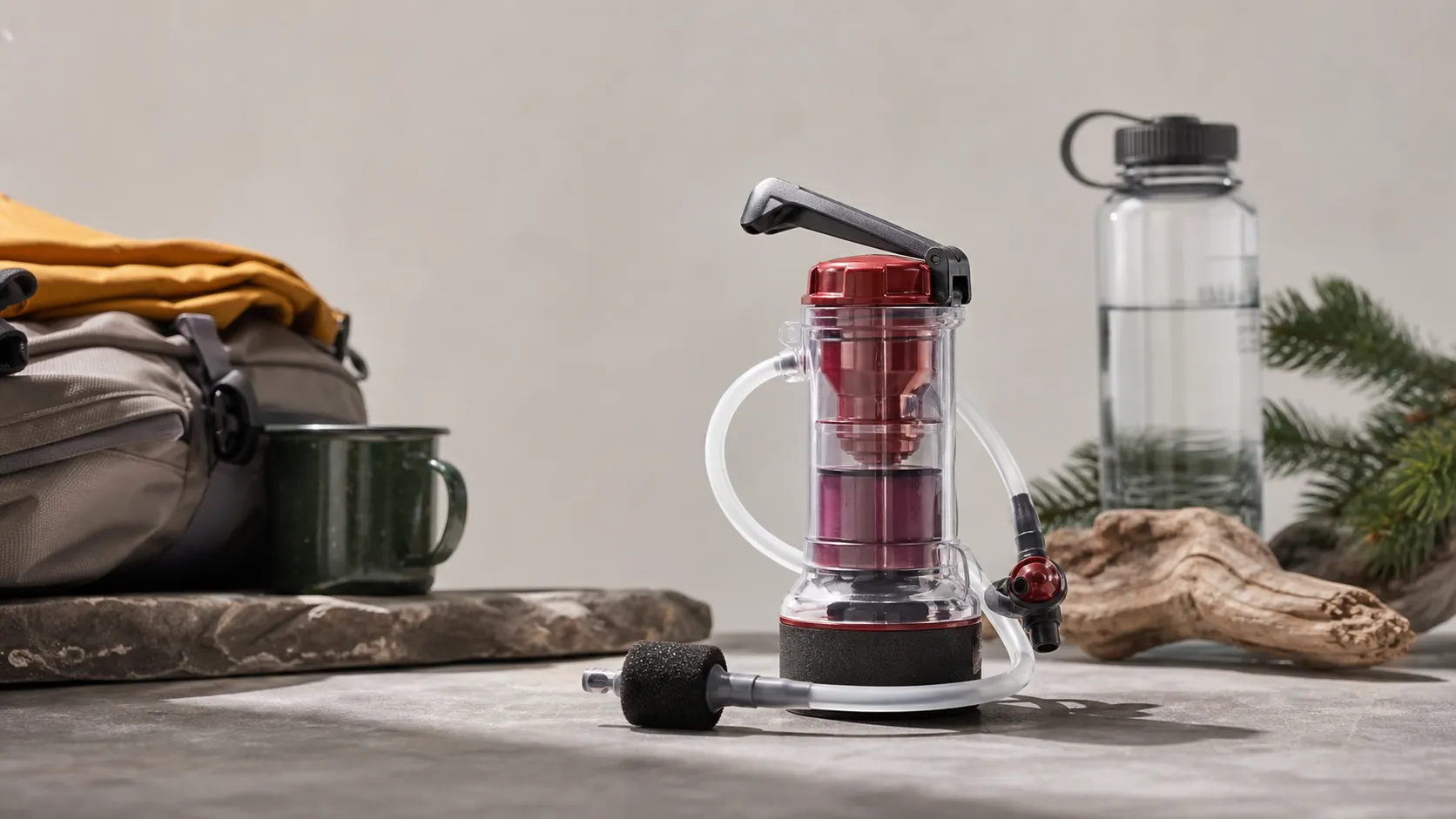
MSR Guardian Purifier Review (2026)
A top pick for groups and basecamps — the MSR Guardian Purifier delivers exceptional flow and durability but carries a high price and weight penalty.
 Outdoor & Garden
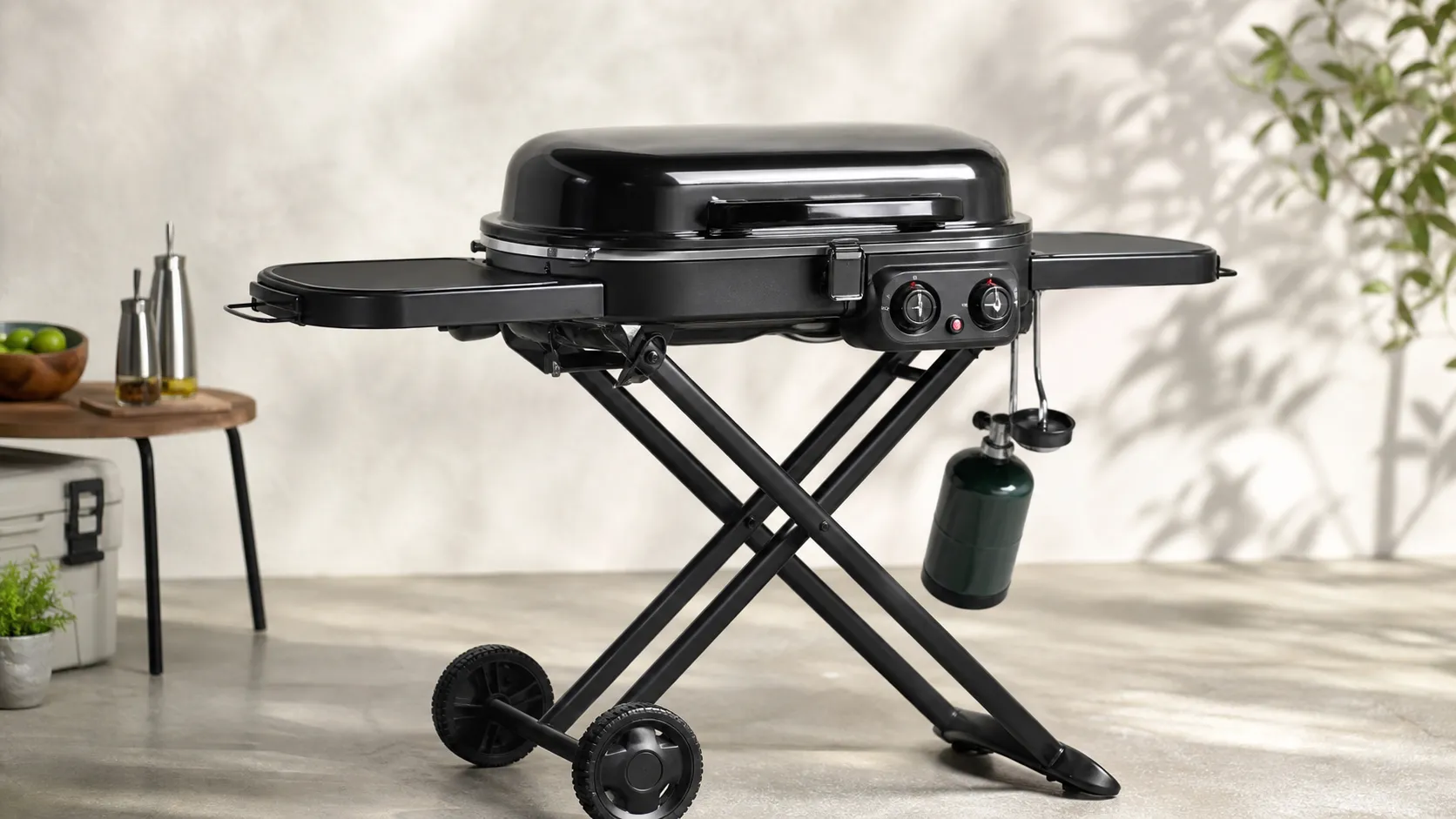
Coleman RoadTrip 285 Portable Propane Grill Review 2026
Portable, quick to heat, and great value — the Coleman RoadTrip 285 is ideal for tailgates and camping, but expect hotspots and some plastic parts to limit heavy use.
 Outdoor & Garden
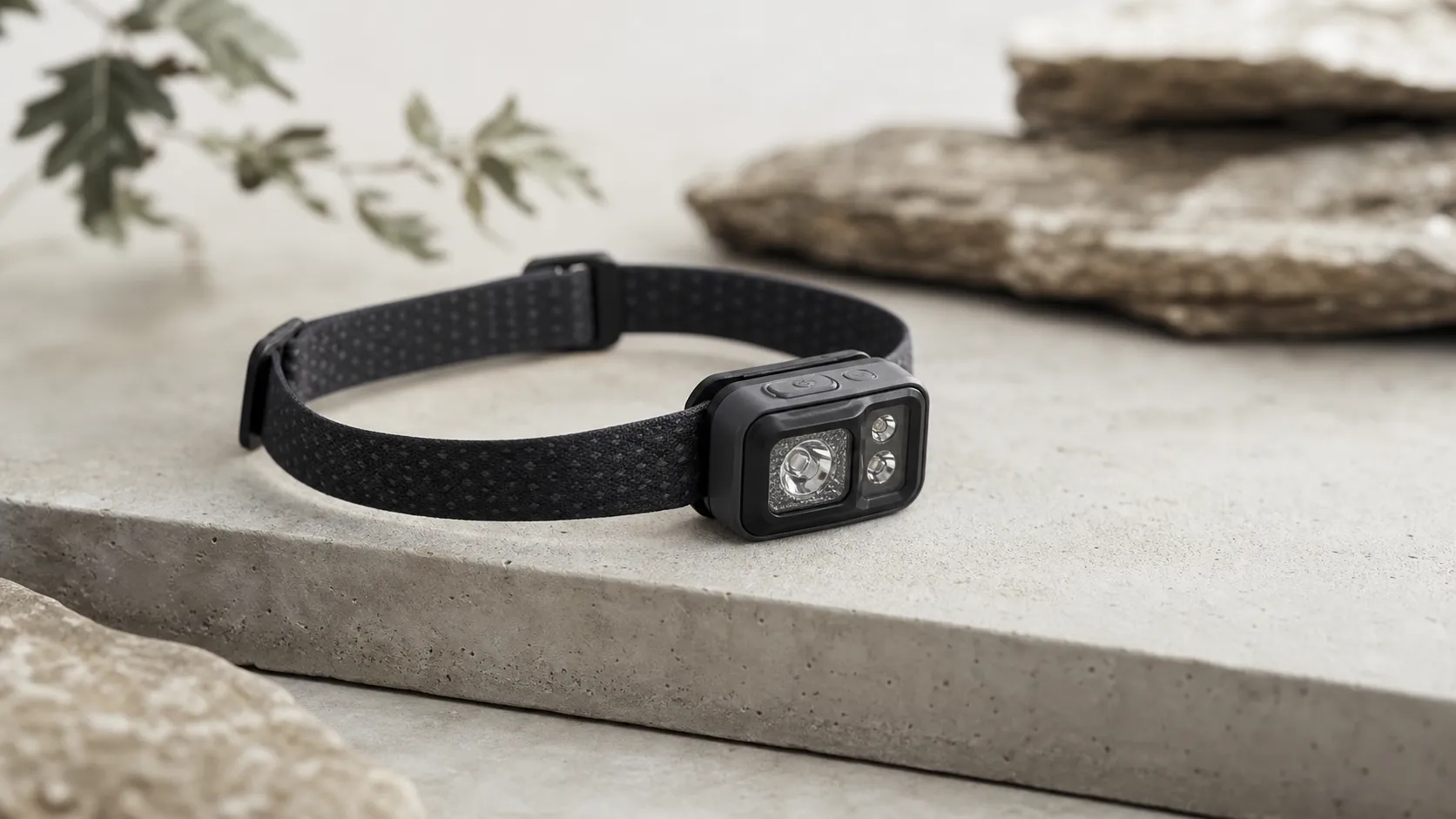
Black Diamond Spot 400‑R Headlamp Review 2026
A bright, well‑balanced rechargeable headlamp that excels for trail running and hiking. Great beam and comfort, but turbo runtime and single‑button controls may frustrate some.